It usually starts at the kitchen table. There’s a tryout invite stuck to the fridge, a text from a coach that says “we’d love to have her,” and a spring team asking for a deposit by the end of the week. You and your athlete have talked it over three times and landed somewhere different each time. Nobody is wrong, exactly. You just can’t tell anymore which parts of the decision are facts and which parts are somebody’s sales pitch.
That’s the moment a lot of families start wondering whether it would help to talk it through with someone who does this for a living. This post walks through what that conversation is, what it isn’t, and how to get the most out of it if you decide to have one.
Why another opinion rarely settles it
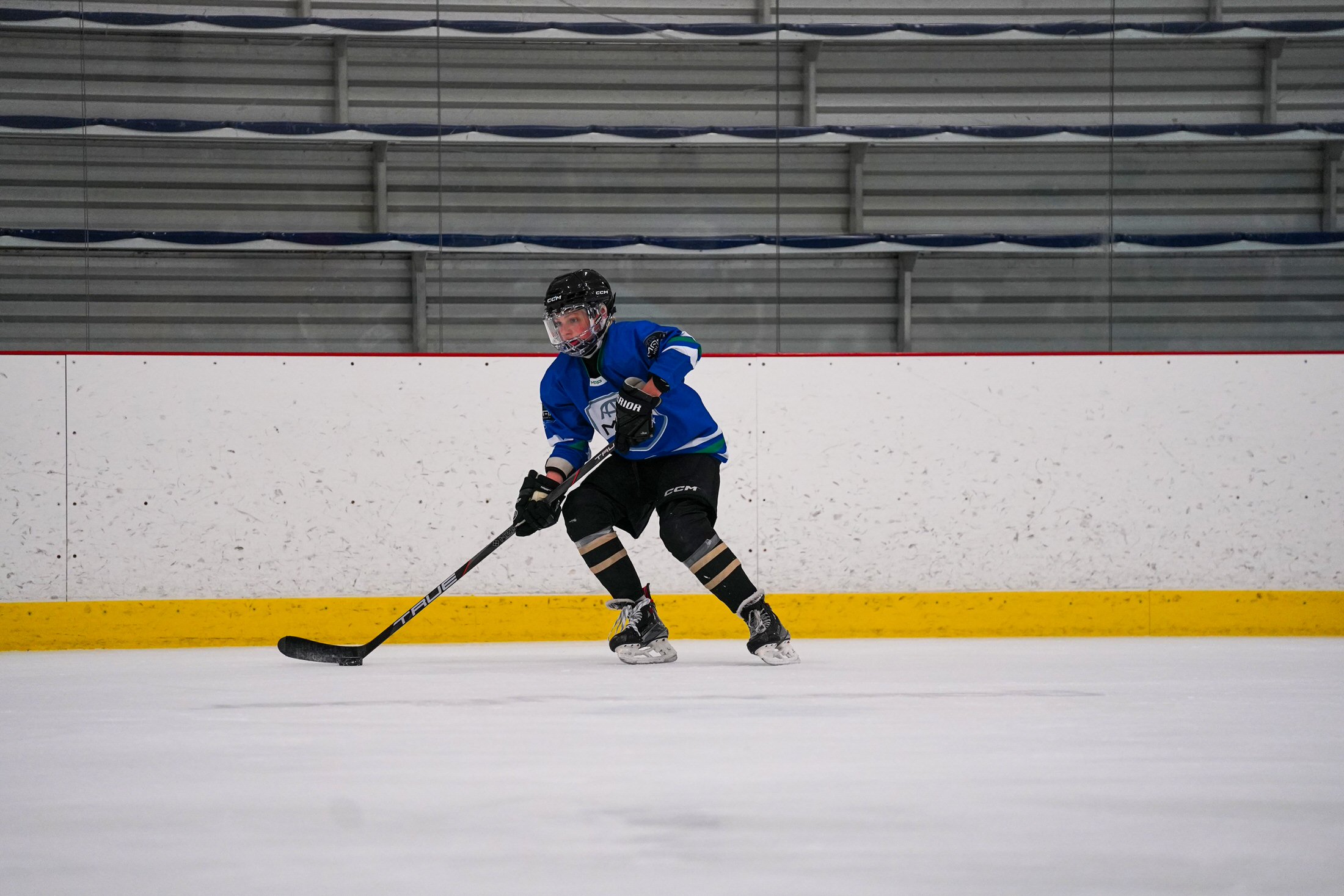
Most hockey families aren’t short on advice. They’re buried in it. The current coach thinks your child should stay. The new program thinks your child is ready now. A parent in the lobby swears by a showcase their son went to two summers ago. Each of them might be right about their own corner of the picture.
The trouble is that each opinion comes from inside one option. The coach who wants your child back has a roster to fill. The program recruiting your child has a roster to fill too. That doesn’t make anyone dishonest. It just means you’re collecting answers from people who each benefit from a different one.
So adding one more voice only helps if that voice does something different. It has to look at the whole decision at once, ask what your family actually cares about, and help you separate what you know from what you’re being told.
What an advisor actually does

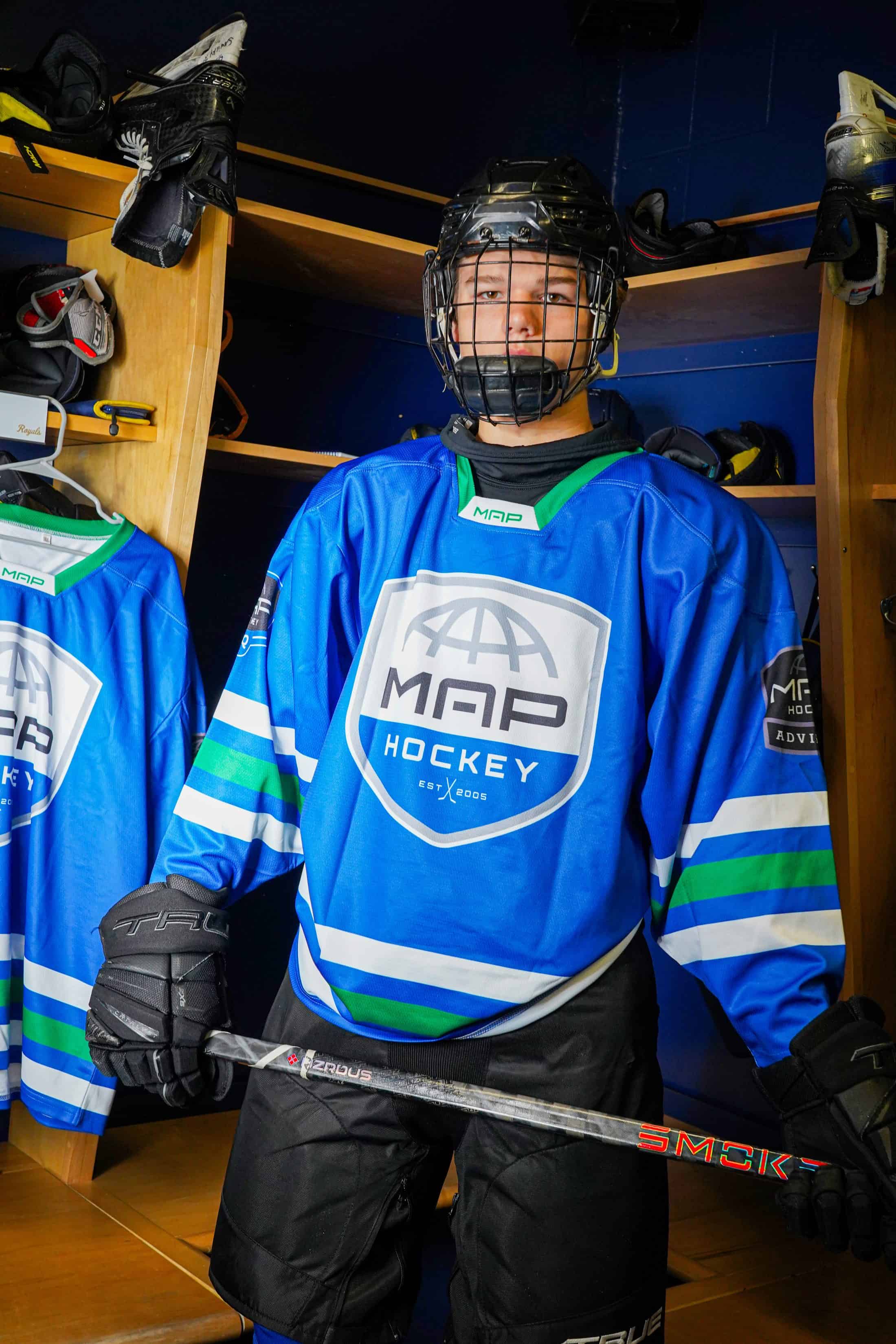
MAP Hockey describes the role in plain terms on its program page. In its words, “An advisor focuses on the strategic and logistical aspects of a player’s career, such as team selection, college recruitment, contract negotiations, and navigating the hockey system.”
The same page draws a line between an advisor and a mentor. A mentor, it says, is “typically an experienced player or coach who provides guidance on personal growth,” along with motivation and mental resilience. That’s useful to know before you reach out. If your question is about confidence or a rough stretch in the season, a mentor is the better fit. If your question is about which team, which level, or how this season fits the next three, that’s advisor territory.
MAP also says when it tends to start: “Often, we start working with players at the Bantam/U14 age groups.” And it says who gets the most out of it: “Our services are especially valuable for families who may lack a deep understanding of the hockey landscape.” If you’re new to competitive hockey and feel like everyone else got a rulebook you never saw, that sentence was written about you.
What the first conversation looks like
MAP hasn’t published a script for the call, so we won’t invent one here. What you do control is what you walk in with, and that shapes the whole conversation.
Before you request a consult, try writing down three things:
- The decision itself, in one sentence. “Do we accept the AAA spot or stay with our association team?” is better than “We’re thinking about next year.”
- The date it’s due. Real deadlines and soft ones look the same on a busy week. Write down which is which.
- What your family is optimizing for. Playing time, school, cost, drive time, a coach your child trusts. Rank them. Families are often surprised that the parents and the athlete rank them differently.
Bring that page to the conversation. A good advisor conversation should spend less time telling you what to do and more time helping you see the decision clearly enough to make it yourself. It’s still your family’s call. It always was.
What it isn’t

A fair thing to know up front: MAP Hockey Advisors sits inside MAP Hockey, which also sells training memberships, clinics and game-film work, and runs AAA teams. If one of the options in front of you is a MAP program, weigh what you hear with that in mind, the same way you would with anyone else.
An advisor conversation also isn’t a rules desk. Questions about eligibility, amateur status or league rules belong with your athlete’s own compliance authority: their school, their junior league, or the NCAA Eligibility Center. Take those questions there first, and keep the answers somewhere you can find them again.
And it isn’t a promise of a team, a level or an outcome. Nobody in the conversation controls that. What a conversation can do is help you make the call deliberately instead of in the parking lot after practice.
Meet the advisors before you reach out
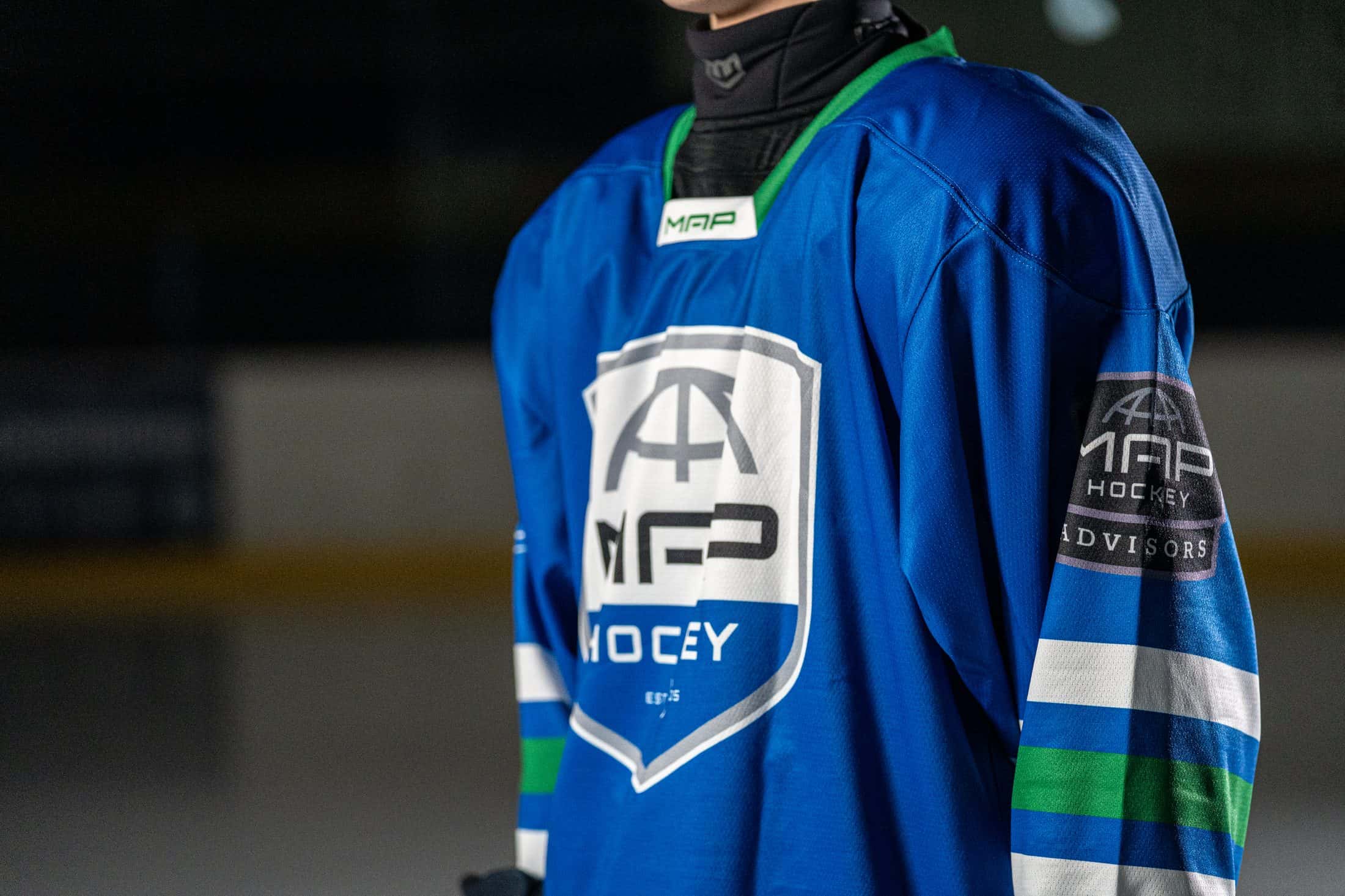
MAP lists its advisors by name on the program page, so you can see who you’d be talking to before you ever fill anything out. MAP Hockey has been training athletes for more than 20 years, and the advisors work from inside that organization. That history tells you the organization has been around the sport a long time. It doesn’t, on its own, tell you what’s right for your child, which is exactly why your three written answers matter.
When you’re ready, the program page has a short “Request A Consult” form where you indicate what you’d like to talk about. Put your one-sentence decision right there.
Start with the decision on your table

If there’s a hockey choice sitting on your kitchen table right now, you don’t have to settle it alone or on somebody else’s deadline. Write it down, rank what matters, and then take a look at how MAP Hockey Advisors works. Learn more about MAP Hockey Advisors and see whether a conversation makes sense for your family.