If you’re thinking about working on your hockey IQ, you probably have questions before you have answers. Most players do. Some of them are skeptical, like whether a thing called hockey IQ can be coached at all. Some are practical, like how you’d explain it to the people paying for it.
Below are the questions high school players ask most, with a short answer to each one.
Can hockey IQ really be trained?
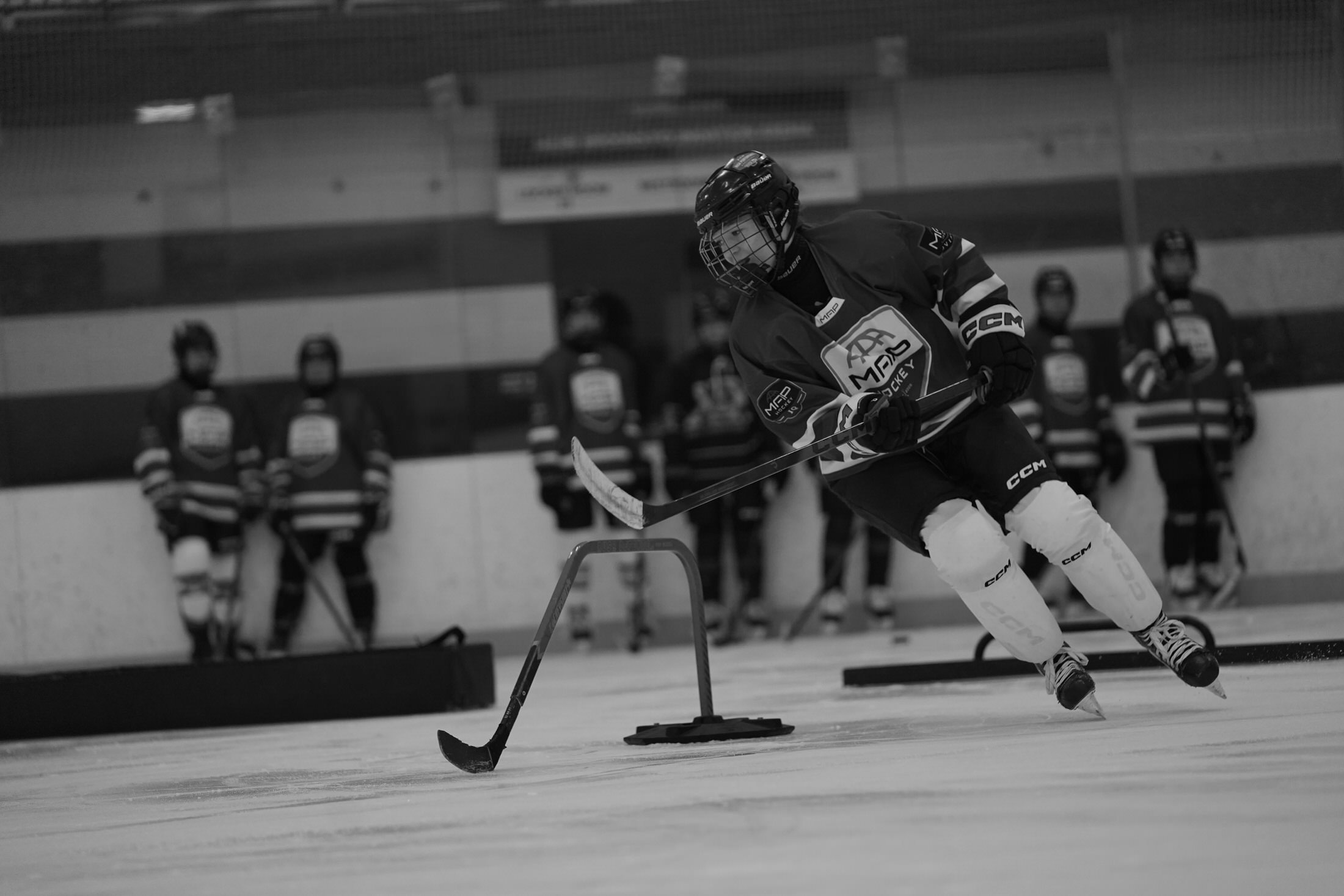
Yes, though it helps to know what you’re training. MAP Hockey defines it this way: “Hockey IQ is a player’s ability to make a read, process it, and then execute the right play.”
Every part of that sentence is something you can get better at. You can learn to shoulder check earlier so you read the forecheck before the puck gets to you. You can learn which options usually exist on a breakout, so processing takes less time. And you can learn which play fits the situation, so the execution starts sooner.
The way it gets trained is pretty simple. Study your game film. Recognize more options. Make better decisions. A MAP Hockey IQ coach goes through your own game footage with you and points out what you saw, what you chose and what else was available. Then you take that into your next game.
Will this actually help me get more ice time?
Nobody can promise you that. Ice time is your coach’s call, and it should be.
Coaches make playing time decisions based on many factors. One thing you can work on is becoming more reliable in the situations you face during games. Hockey IQ coaching helps you recognize those situations, understand your options and make better decisions under pressure.
I’m already training five or six days a week. Why add this?
Because it’s a different kind of work, and it makes the rest of your training count for more.
Keep putting in the work on your skating, your shot and your strength. Those are essential. Hockey IQ coaching complements that work by focusing on what happens right before you use those skills: recognizing the play sooner and choosing where to go with it. Studying your decisions can help you recognize when and how to use the skills you’re developing in practice.
It also doesn’t need another ice slot. The work happens off the ice, with your own film.
I already watch a lot of hockey. Isn’t that the same thing?
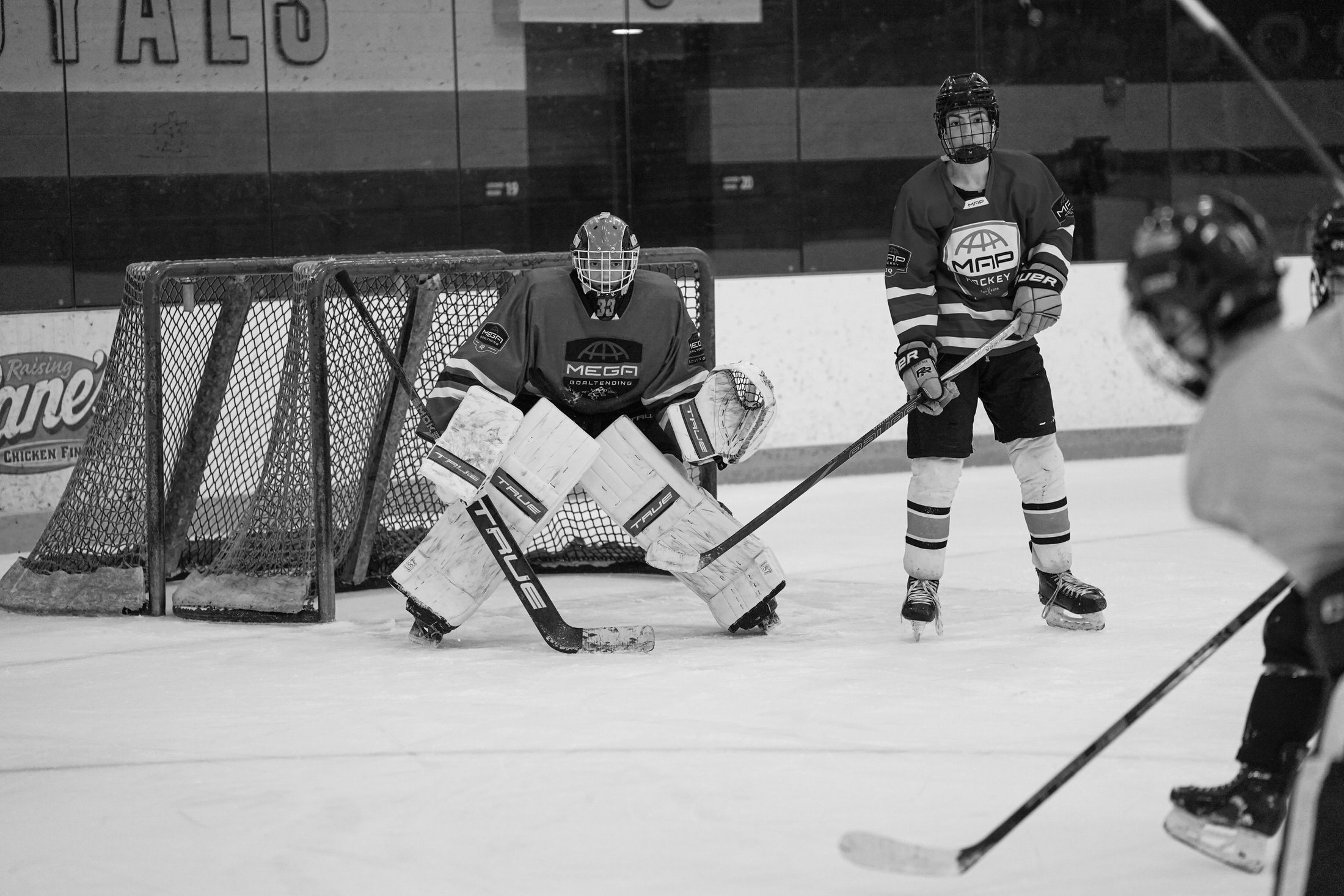
Watching hockey helps. Watching your own game with a coach is different.
When you watch an NHL game, you’re following the puck and the highlights. When you study your own film, you’re looking at your shifts: where you were on the weak side when the puck went D-to-D, whether you saw the open lane before you made the pass, why you got caught flat on the backcheck. Playing builds experience. Studying your own game film helps you learn from it and make better decisions. MAP Hockey also uses coaching moments drawn from pro film, so you can see how elite players handle the same reads you face.
My coach already teaches systems. Won’t this conflict?
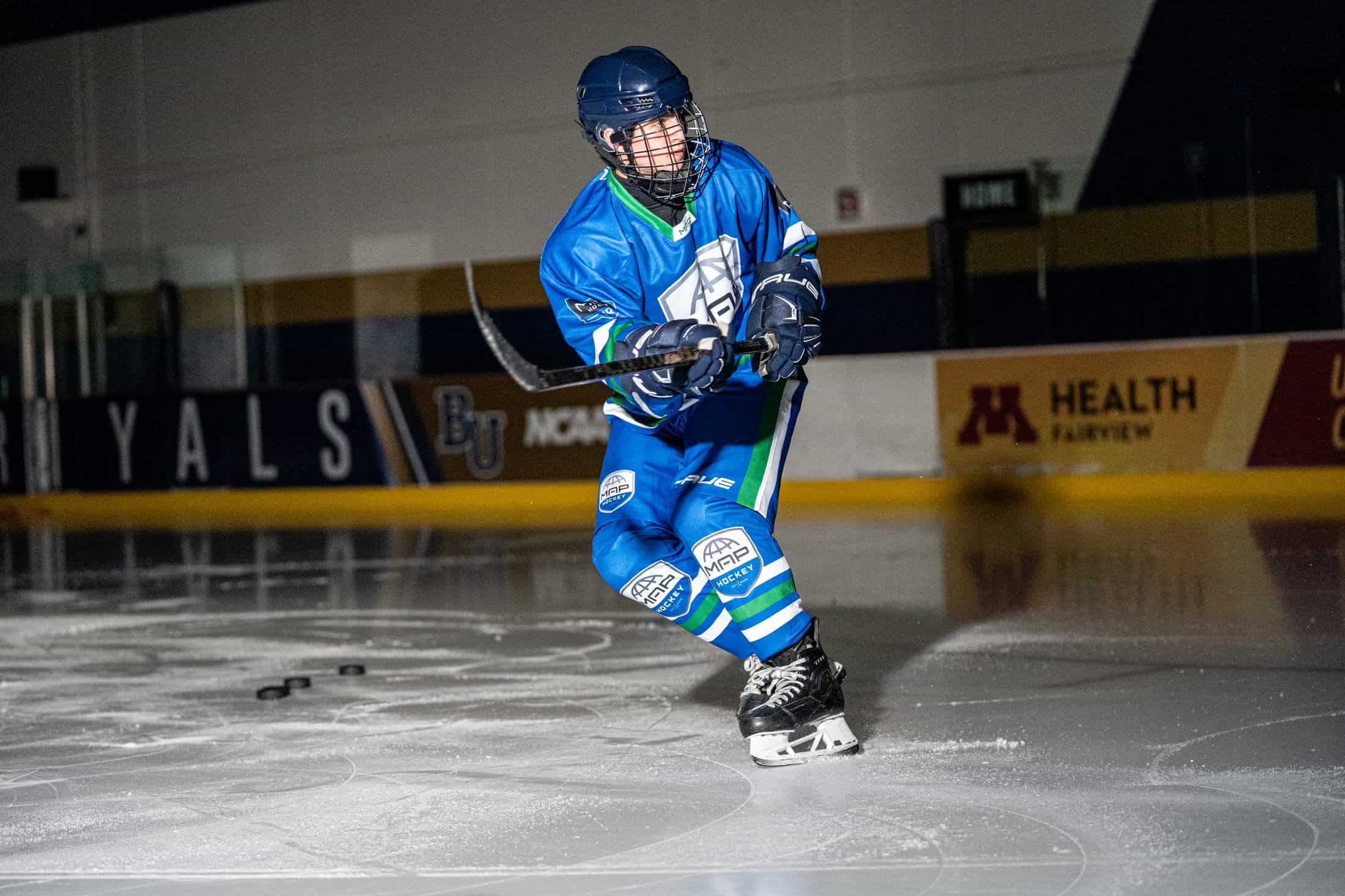
It shouldn’t. Your coach’s system is the plan. Hockey IQ is how well you read the game inside that plan.
Think about a 1-2-2 forecheck. The system tells you where to be. It can’t make the read for you when the defenseman fakes the reverse and goes up the wall. Your MAP Hockey IQ coach helps you recognize situations, make smarter decisions and perform at your best within your team’s system. Your coach’s system, your chance to thrive in it.
I need more skating, not classroom work.

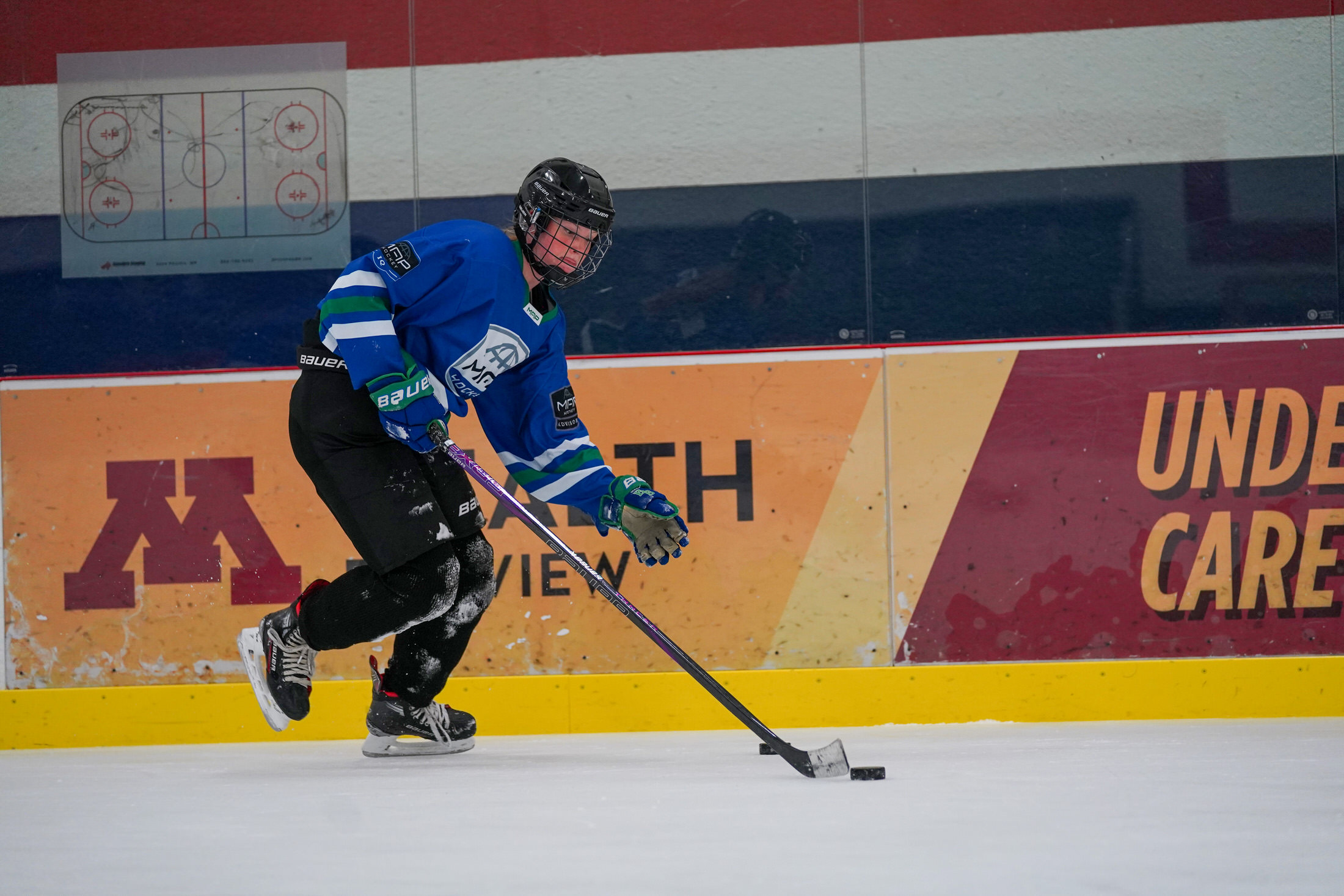
Working hard? Good. Keep skating.
Skating is a big part of the game, and nothing here replaces it. But two players with the same stride can look completely different in a game, because one of them starts moving a half second earlier. Recognizing a play earlier can give you a head start. Adding hockey sense to your skating gives your speed a better place to go. Think of it as one game and one IQ coach added to everything you already do, not a classroom that takes you off the ice.
Will it make me overthink?
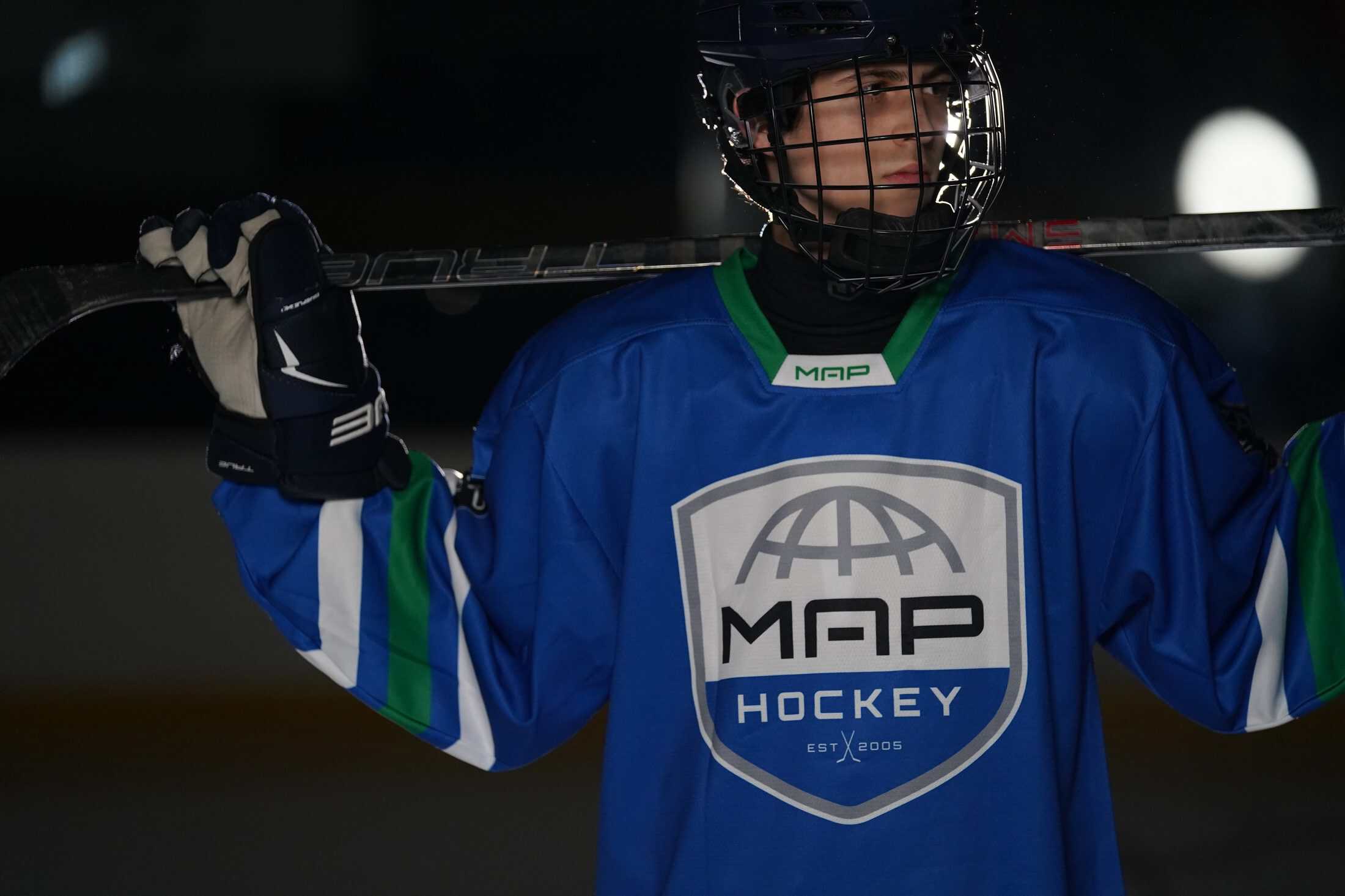
It’s a fair worry. Nobody wants to be the player who stops and stares while the forecheck closes in.
The goal isn’t to think more. It’s to recognize the play sooner and react with confidence. Recognize what’s happening. Know your options. Make your play. When you’ve seen a situation on film and talked it through, you don’t have to figure it out from scratch next time. You recognize it, and you go. Players who understand the game tend to play faster, not slower.
How long before I notice improvement?
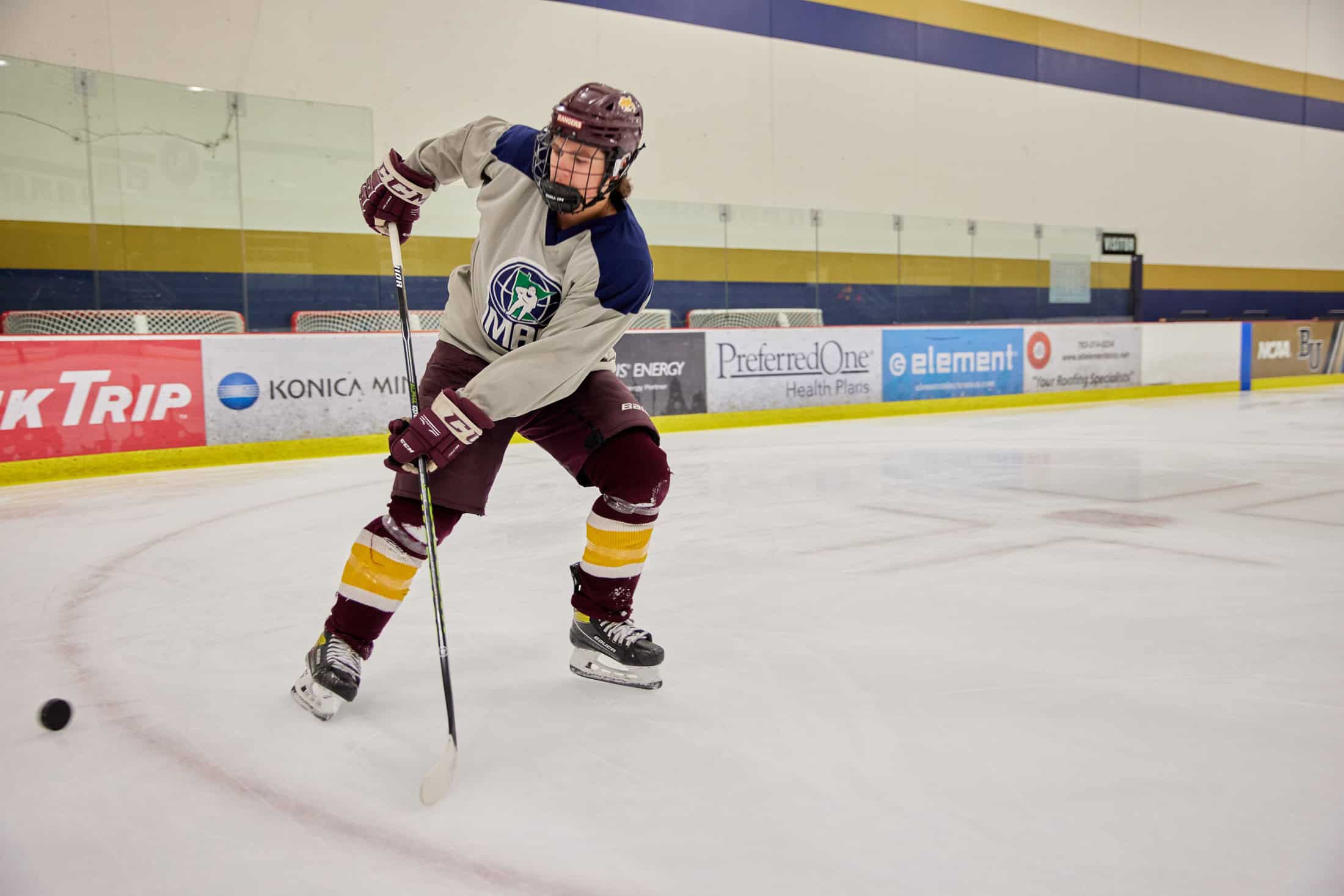
There’s no set timeline, and it looks different for every player. What you can do is know what to look for.
- Game awareness. You start to see plays develop before they happen.
- Positioning. You find yourself in the right spot more often, with and without the puck.
- Decisions. You recognize more of your options and pick a good one faster.
- Confidence. You trust your instincts instead of second-guessing them.
Some of these show up on film before they show up on the scoresheet. That’s normal.
Will this help with recruiting?
No program can promise recruiting interest, scholarships or a spot at the next level, and MAP Hockey IQ doesn’t. It’s coaching on your decisions, built from your game film.
What it can do is help you build your game. The reads you make in high school hockey are the same kinds of reads you’ll face at any level: when to pinch, when to support, when to get the puck deep. Developing your hockey sense now is preparation for whatever comes next. If you and your family want guidance on development planning and the path beyond high school, MAP Hockey Advising is a separate MAP Hockey service built for that.
My parents don’t understand hockey IQ, and they’re paying. What do I tell them?
Start with something they can see: your own game film.
Your parents have probably paid for skating, skills and summer hockey, and they’ve seen what that looks like. Hockey IQ is harder to picture. So show them. Sit down together with the MAP Hockey IQ page, go through what each option includes, and talk about what you want to work on. Show them how reviewing your own shifts can reveal missed options, positioning mistakes and decisions you can work on in practice. If you want a smaller first step, a Single Game Review is a starting option where a MAP Hockey IQ coach goes through one of your games with you.
Remember who decides. You can bring the idea and the game. Your parents make the call.
Start with one question at a time
You don’t need every answer before you start. You just need to know what you’re working on and why.
Learn more about MAP Hockey IQ and go through it with your parents.