Defensive Precision: What Separates Skilled Hockey Players

At the top levels of youth hockey, everyone can skate. Everyone can handle the puck, and most players on the ice could score a highlight goal on a good night. That’s what makes separating yourself so hard. When the whole roster is skilled, the difference between players comes down to details most people in the stands never notice.

A lot of those details live on the defensive side of the puck.

Why defense separates players at this level
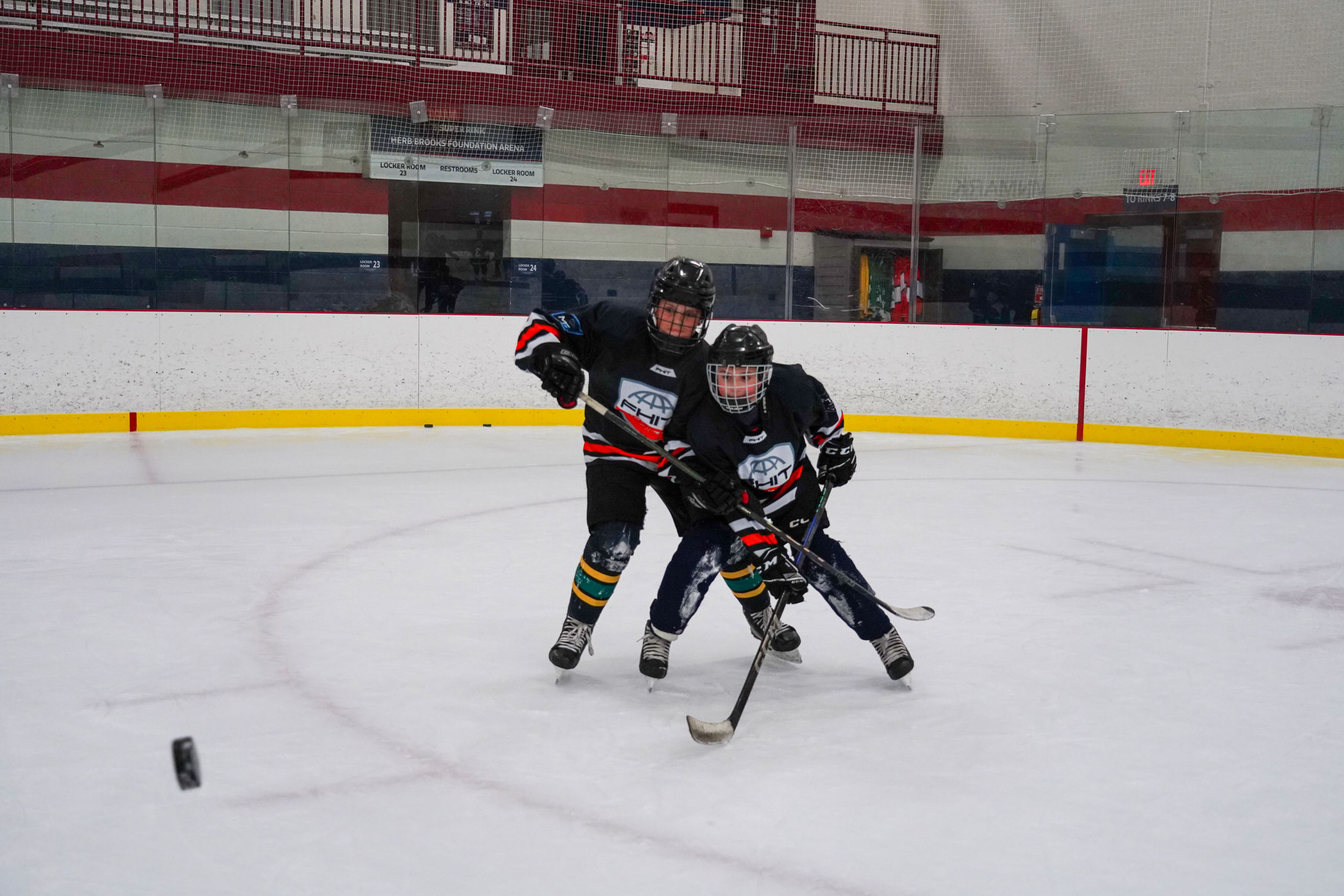
FHIT player defending an opponent body to body as the loose puck slides away at center ice

Offense gets the attention. But think about who coaches trust in the last two minutes of a one-goal game. It’s usually the players who don’t give anything up. The ones who close a gap on time, win the wall battle and get the puck going the other way without a scramble.

That trust is built shift by shift, and it’s built on precision. Not big hits or diving blocks. Small, repeatable things done right more often than the player next to you.

When everyone is skilled, being reliable is a skill.

What defensive precision looks like
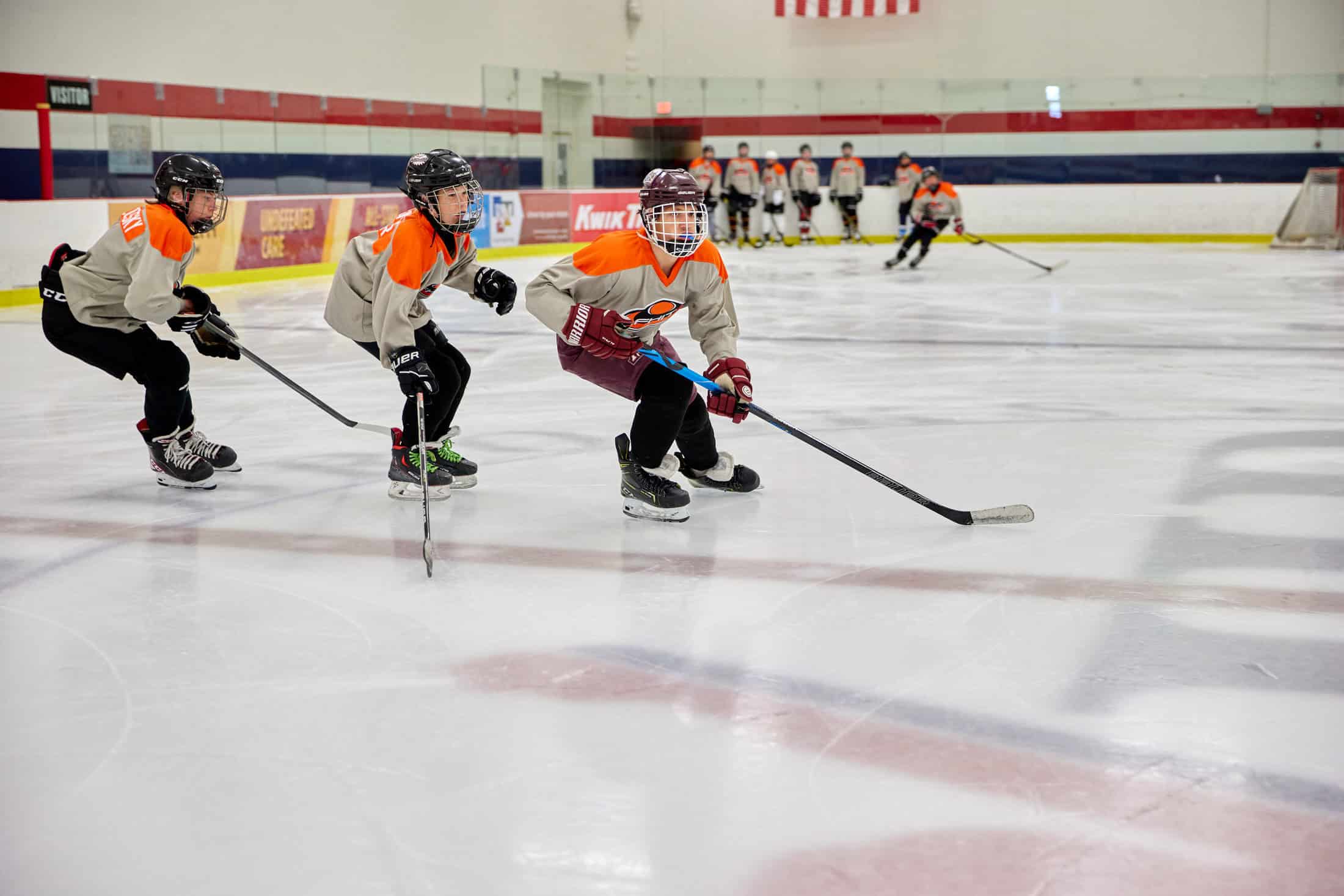
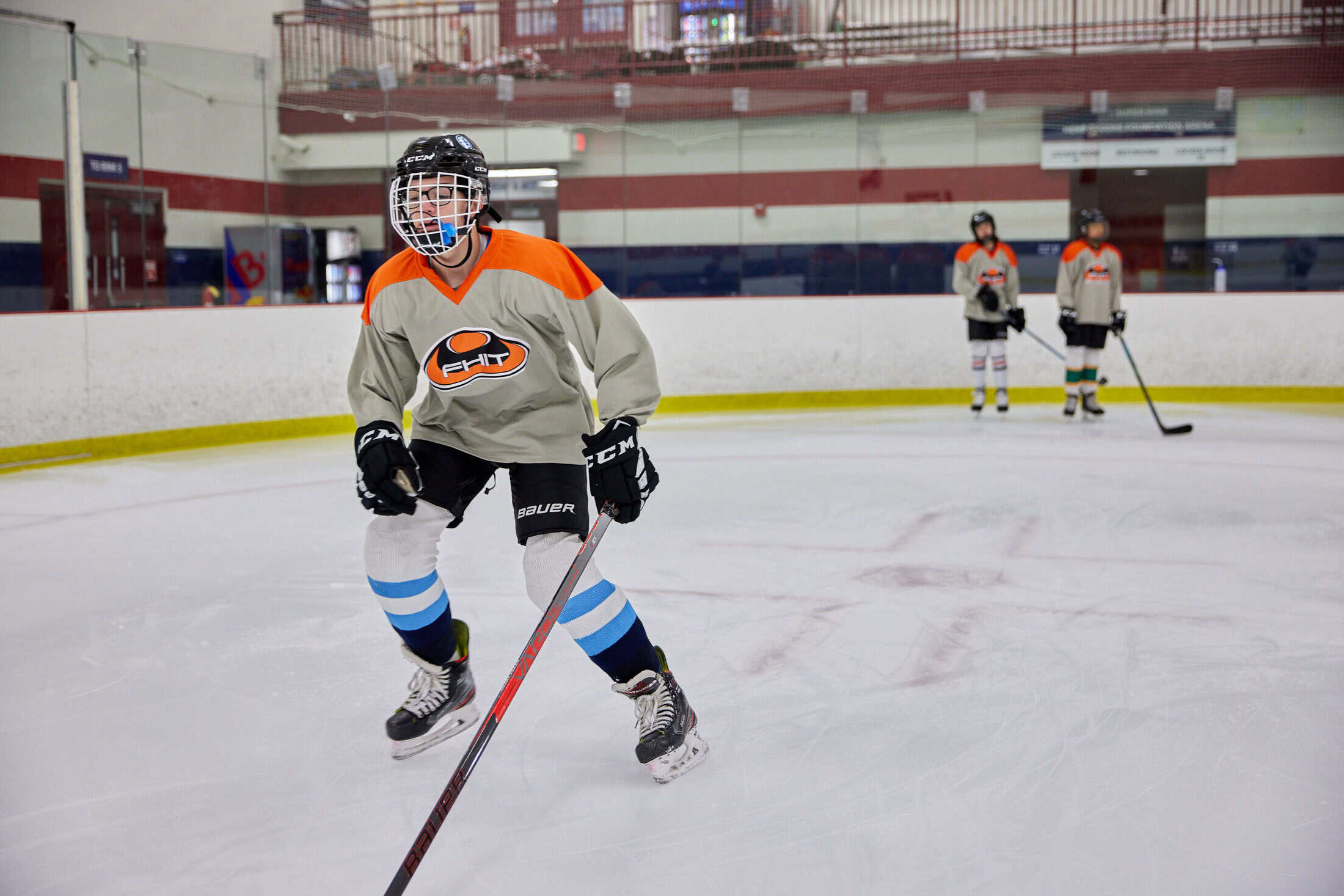
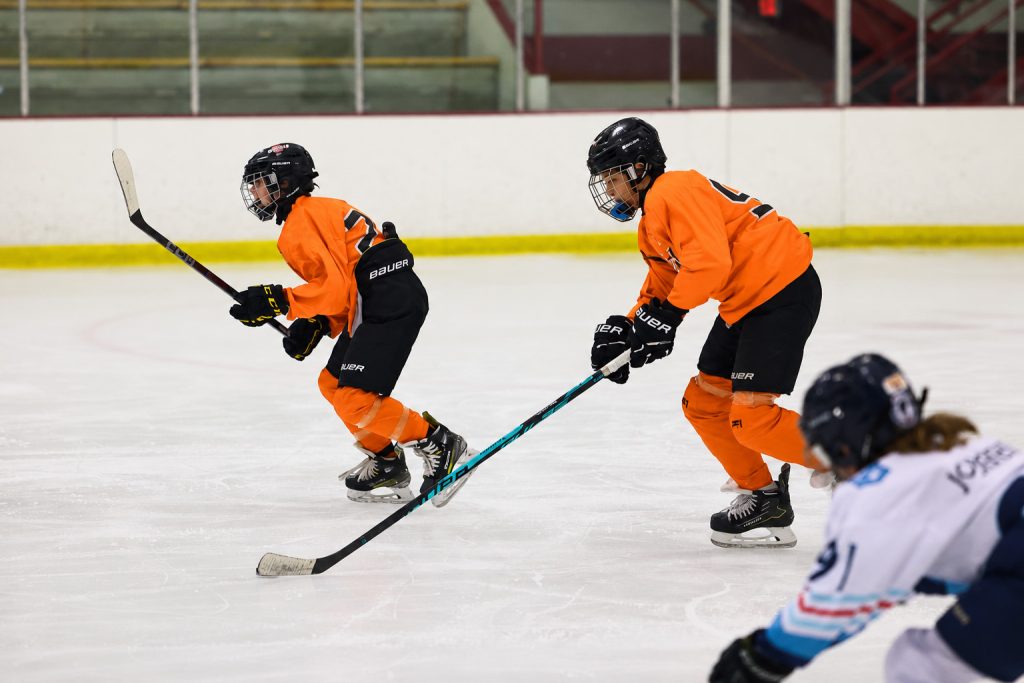
Three youth players in FHIT practice jerseys skating forward in a low stance with sticks on the ice
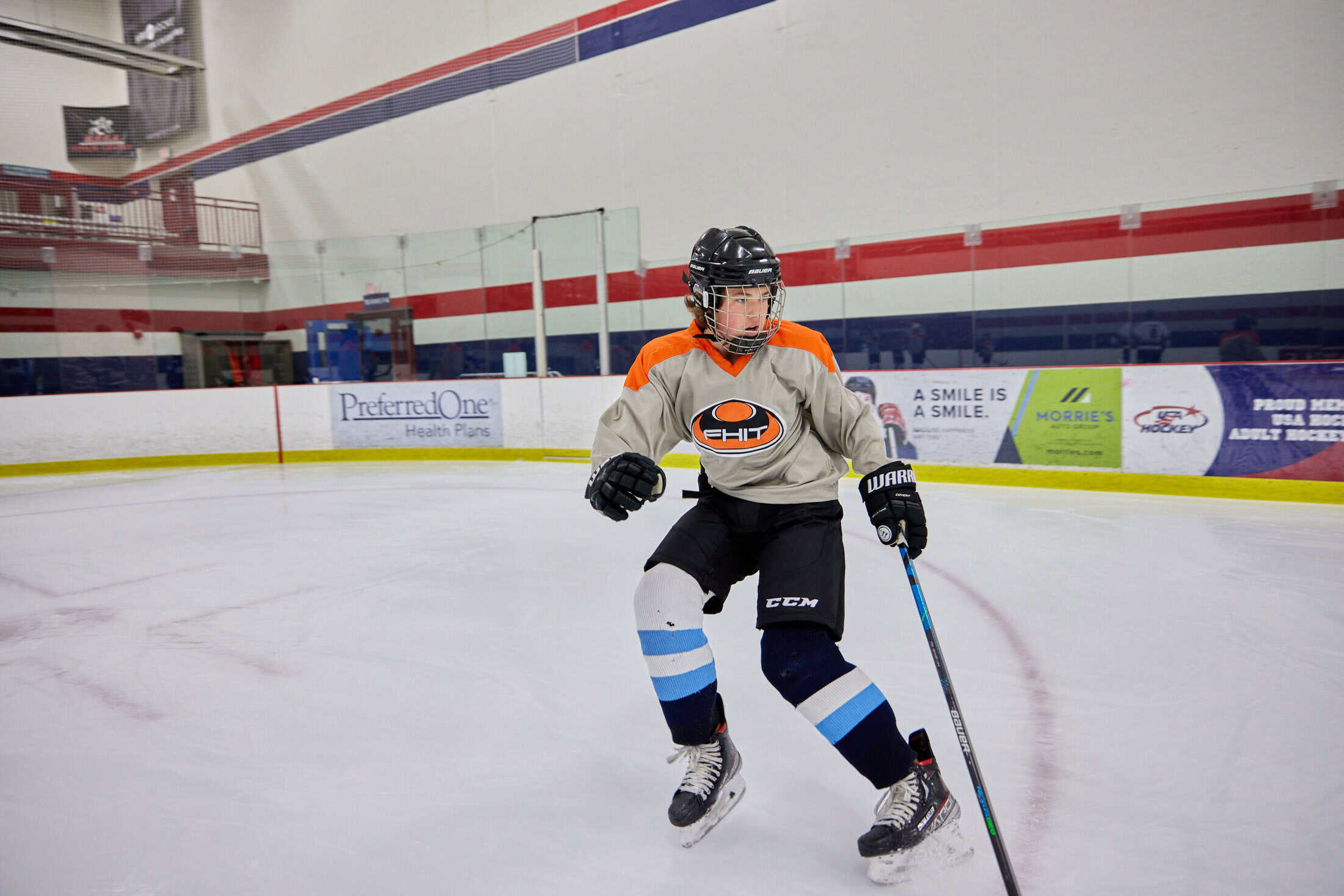
Player in a FHIT practice jersey and striped socks squaring up toward the camera on the ice

Defensive precision isn’t one move. It’s a set of habits that show up all over the ice. A few of the ones that tend to separate advanced players:

Gap control on the rush. Staying close enough to take away time without giving the puck carrier a chance to beat you wide. Too loose and they walk in with speed. Too tight and a cutback leaves you turning the wrong way. The right gap changes with the speed of the play, and reading it on the fly is a big part of the job.

Stick position. An active stick in the passing lane takes away more plays than most hits. Players who keep their stick on the ice and in the right lane force bad passes and turnovers without ever getting out of position.

Angling. Taking away the middle of the ice and steering the puck carrier toward the wall, where your options are better and theirs are worse. Good angling looks almost lazy from the stands, because the defender never has to chase.

Body position in battles. Getting inside position along the boards and in front of the net. At this level, strength helps, but leverage and timing usually decide who comes out with the puck.

Weak-side awareness. Knowing where the dangerous player is when the puck is on the other side. Plenty of goals against start with someone watching the puck and losing their check backdoor.

The first pass out. Winning the puck is half the job. Getting it to a teammate cleanly, before the forecheck closes, is what turns good defense into offense.

None of that is position-specific. Forwards backcheck, cover the point and support down low. Some of the most valuable forwards in any lineup are trusted because of what they do without the puck.

Where defense breaks down
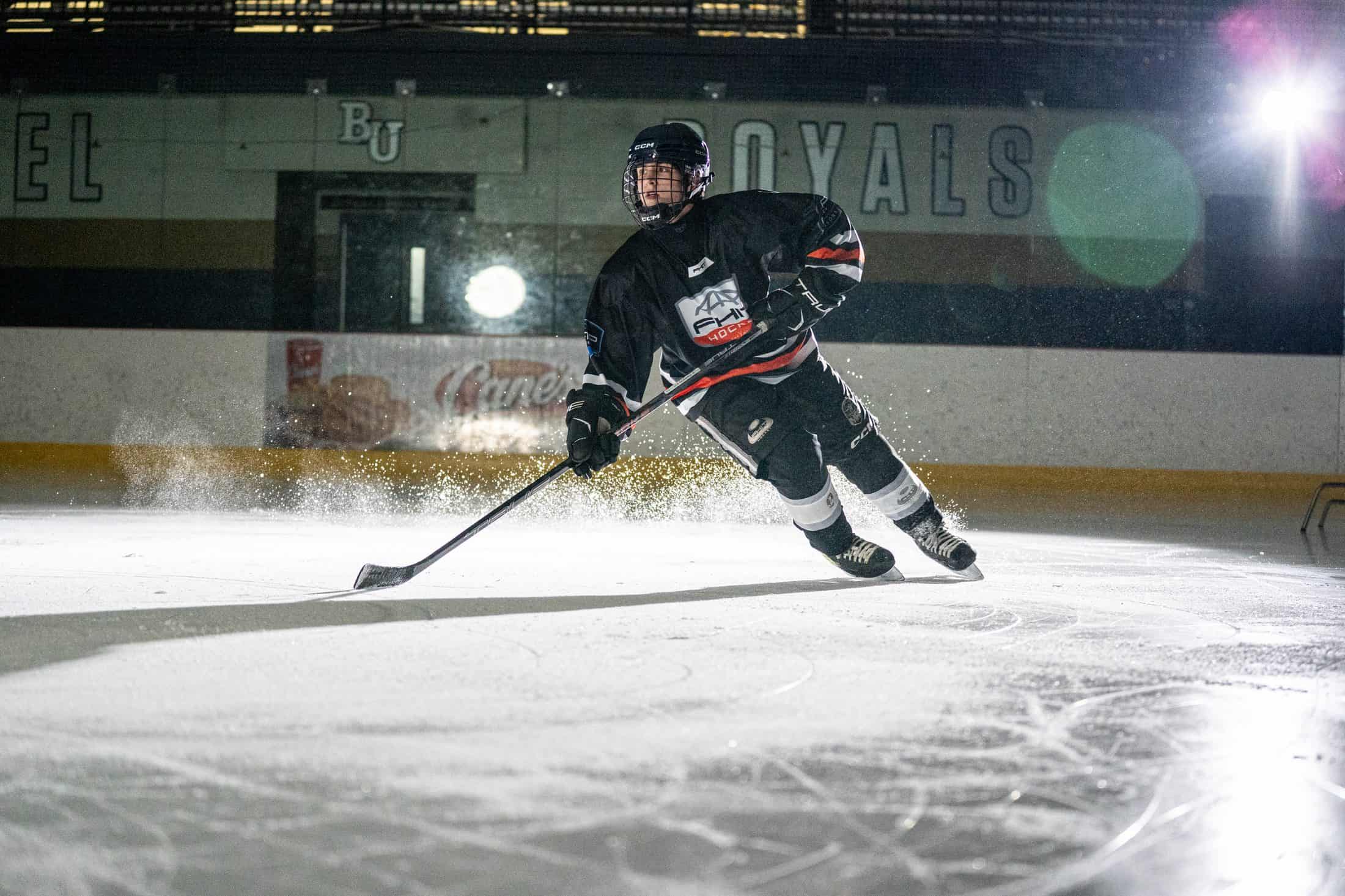
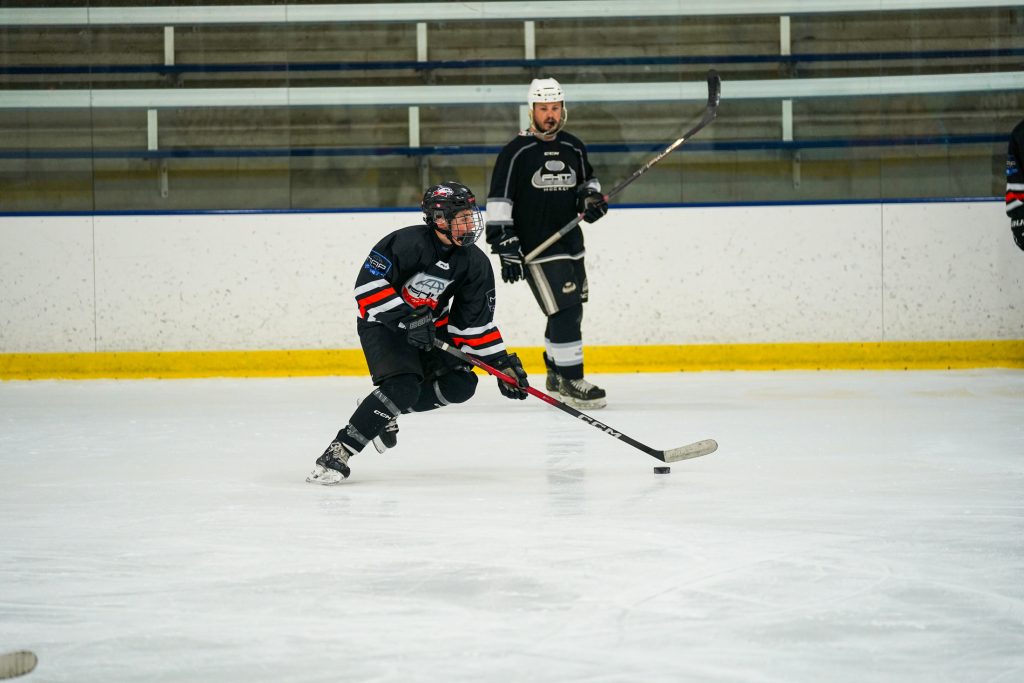
Player in a black FHIT Hockey jersey carrying the puck across open ice

Most defensive mistakes at the AAA level aren’t effort problems. They come from a few common sources.

Feet. A slow pivot, backward crossovers that lose speed or a heavy first step after a turnover. If your skating can’t keep up with the read, the read doesn’t matter. Many players who think they have a defense problem actually have a skating problem.

Late reads. Seeing the play a half-second too late. You end up reacting instead of anticipating, and at this speed that’s the difference between taking away a lane and chasing the puck into your own net.

Inconsistency under pressure. Doing it right in practice, then losing the habit late in a tight game when you’re tired and the stakes feel higher.

It helps to know which one is costing you. Watch a few shifts on video if you can, specifically the ones where the puck ended up in your net or nearly did. Look at what happened two or three seconds before the shot. That’s usually where the real mistake sits.

Building separation on purpose
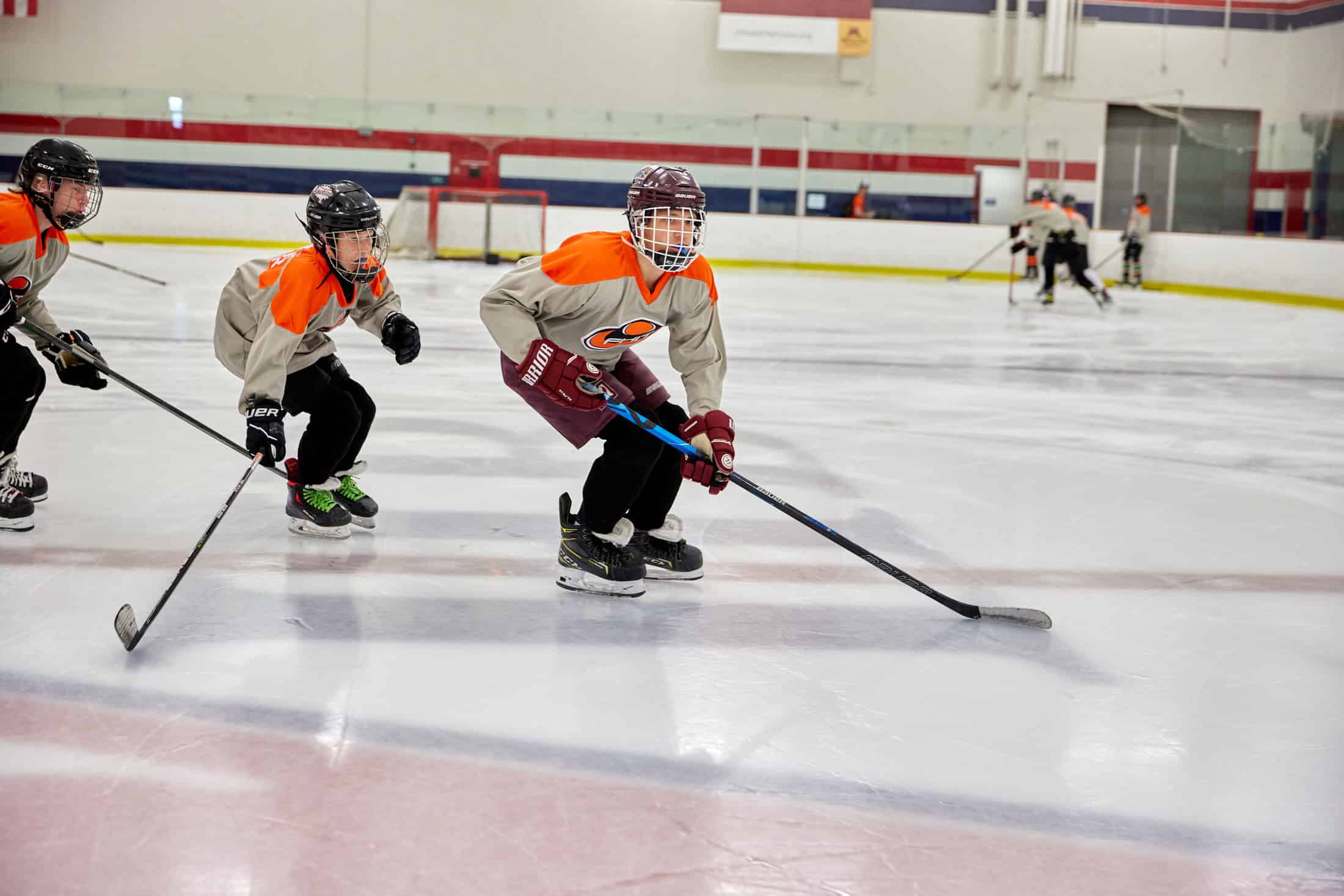
Two players in gray and orange FHIT jerseys crouched low and skating side by side on the ice
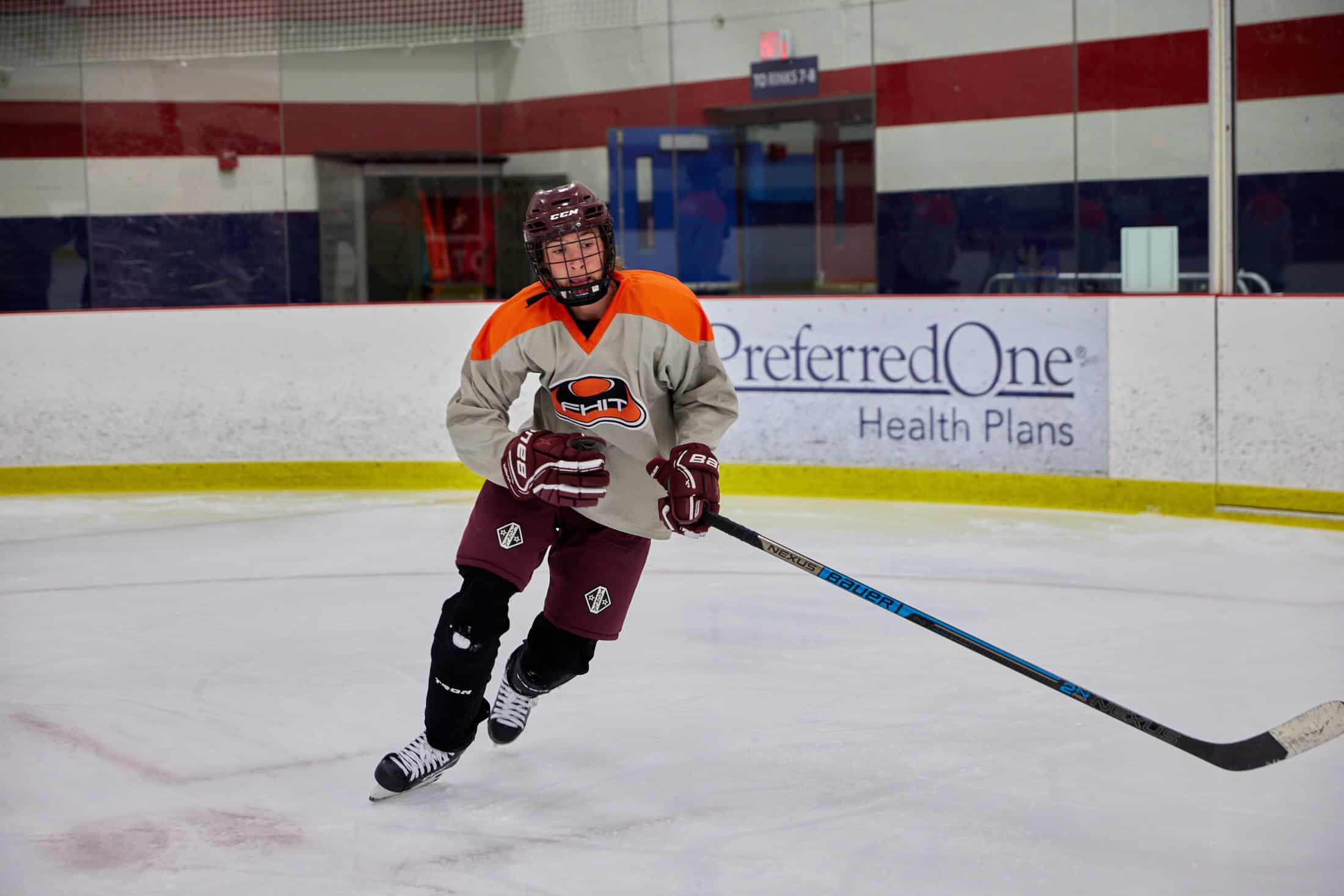
Young skater in a FHIT jersey and maroon gloves gliding in front of a PreferredOne board ad

When everyone around you is good, standing out rarely comes from one big new skill. It comes from doing the basic jobs a little better and a little more often than the next player. That kind of edge takes direct, focused work.

Team practice matters here, and your coaches are teaching defensive systems for good reason. But team time has to cover the whole roster: breakouts, forecheck structure, special teams. It doesn’t often have room to slow down and spend a full session on your gap or your pivots.

That’s where focused individual work can complement what your team does.

Where FHIT Clinics fit
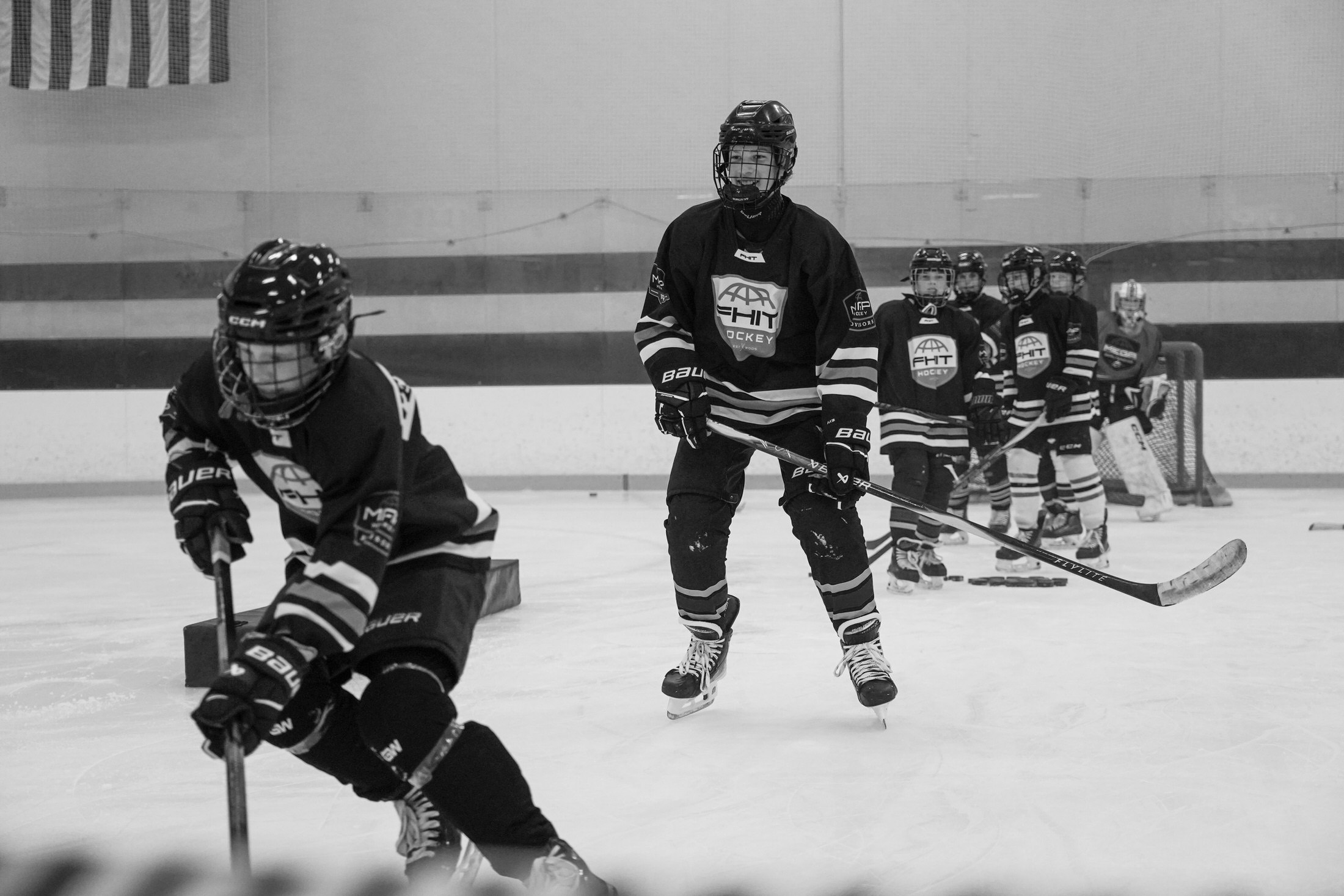
Black-and-white shot of players in FHIT Hockey jerseys running a drill as teammates line up

FHIT Clinics are small-group sessions built around the development of individual skills. There are three types: Defense, Offense and Power Skating. You book one session at a time, aimed at the part of the game you picked.

If defense is the part of your game you want to sharpen, the Defense clinic is the obvious place to start. If your breakdowns trace back to your feet, Power Skating may be the better first choice. You know your game best, so pick the one that matches what you found on video.

There’s no membership, no application and no evaluation to get in. That also means there’s no filter on who else is in the group. Clinics are grouped by age, not skill, so if the level of the group matters to you, have a parent ask before booking.

Make it specific
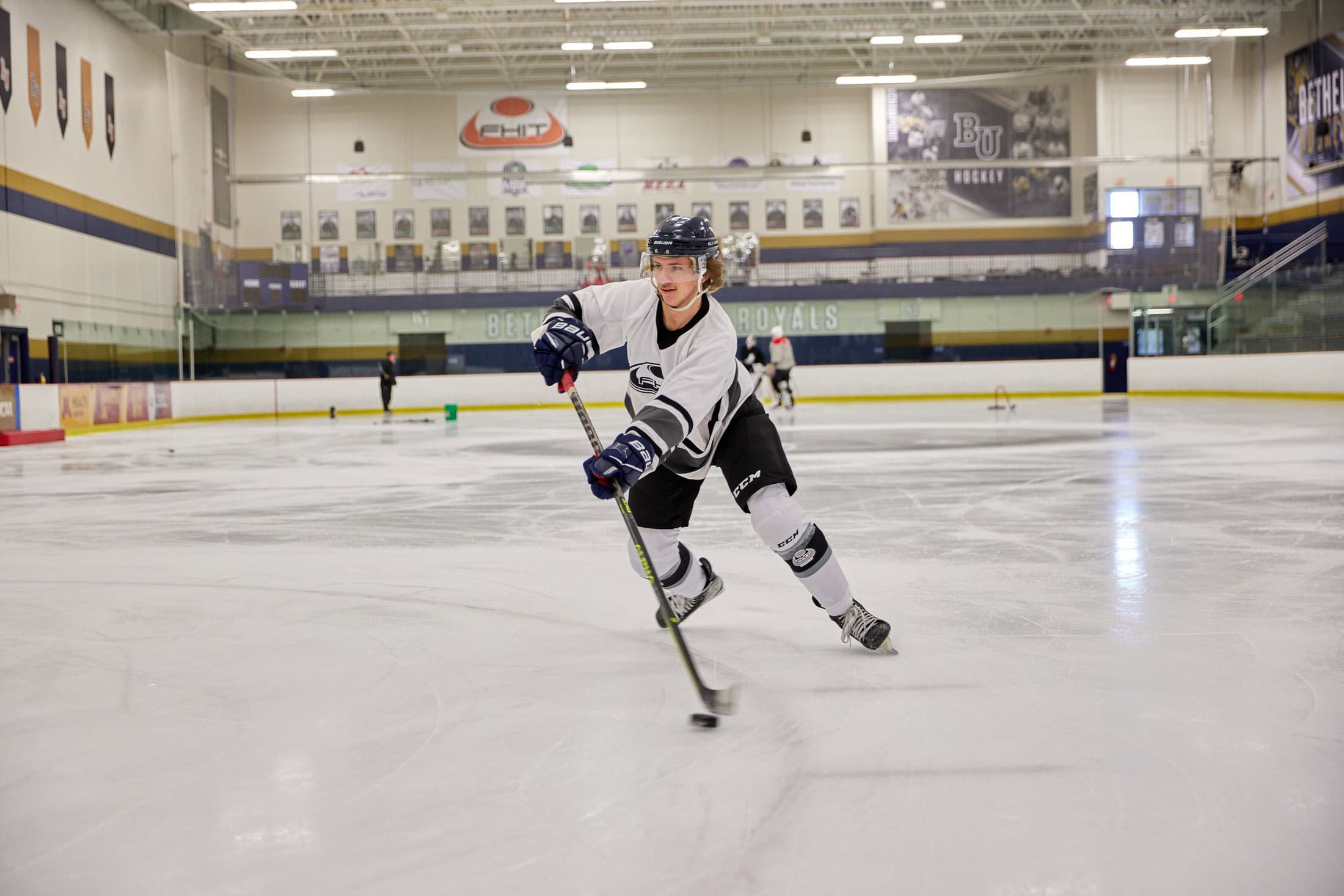
Wide view of a player in a white and black jersey carrying a puck across a large rink
Young player in a FHIT practice jersey and white helmet cage striding toward the camera
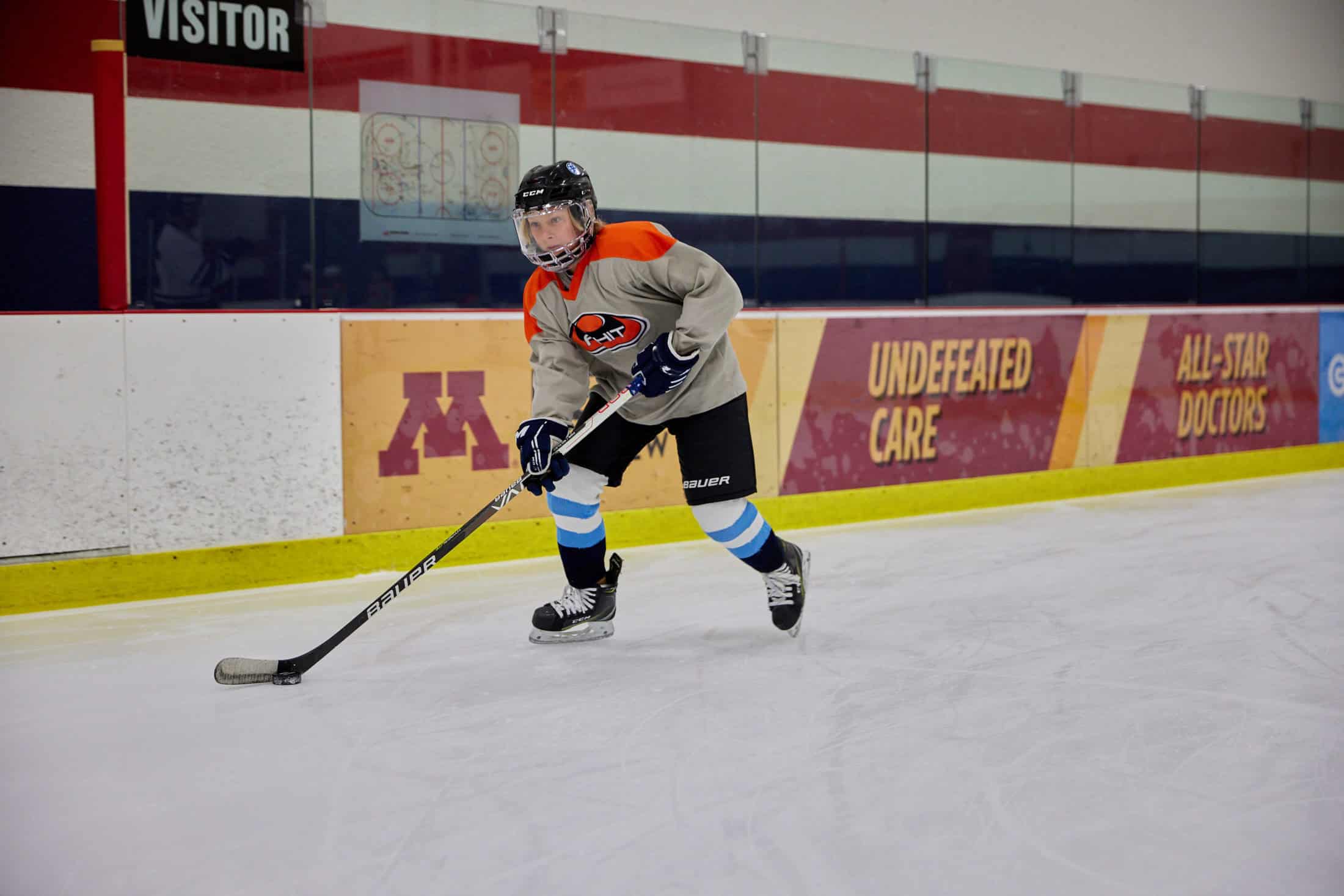
Player in a FHIT jersey and light blue striped socks handling the puck along the rink boards

The more exact you are, the more useful the work becomes. “Get better at defense” is hard to work on. “Close my gap earlier on the rush without getting beat on a cutback” is something you can actually train.

Name the detail. Pick the clinic. Bring it to a parent with the program page open and decide together.
Learn more about FHIT Clinics →

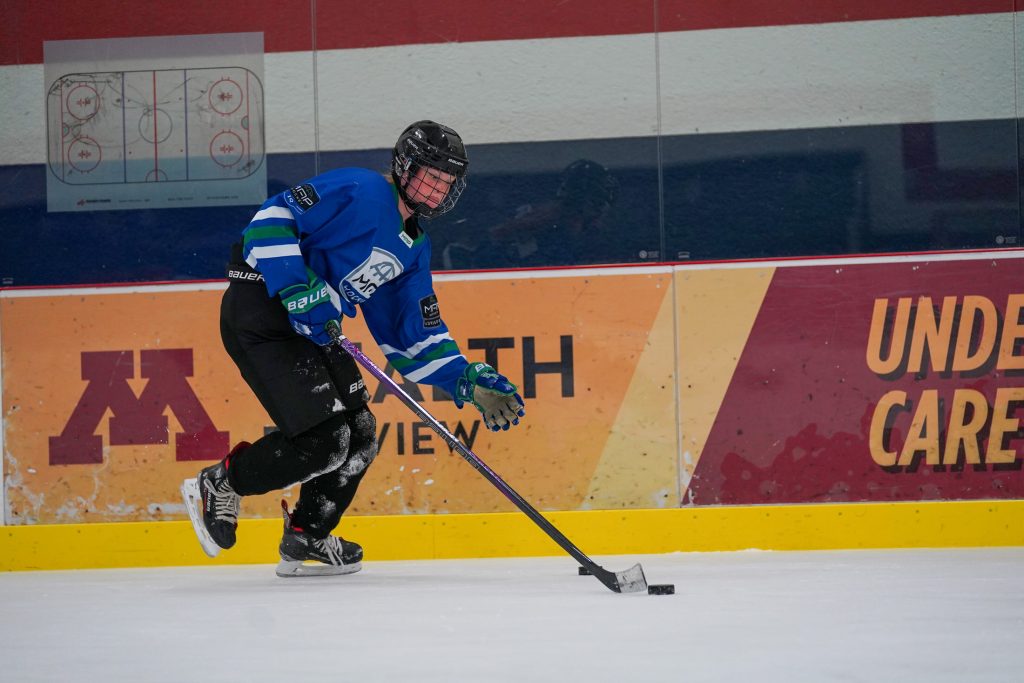
Player in a blue MAP jersey stickhandling the puck past a maroon and gold rink board

Membership

MAP Hockey Membership

Year-round development for elite skaters, built on small groups and individual feedback.

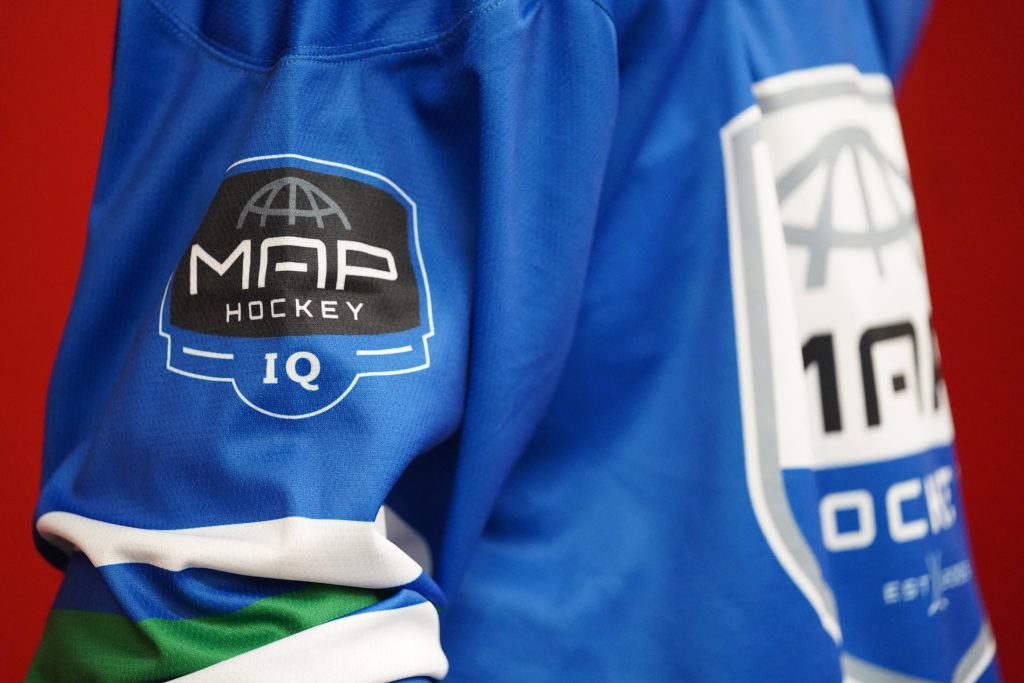
Close-up of a MAP Hockey IQ patch on the sleeve of a blue and green jersey

Film and Game Sense

MAP Hockey IQ

Film breakdowns that show your player what to read before the puck arrives.

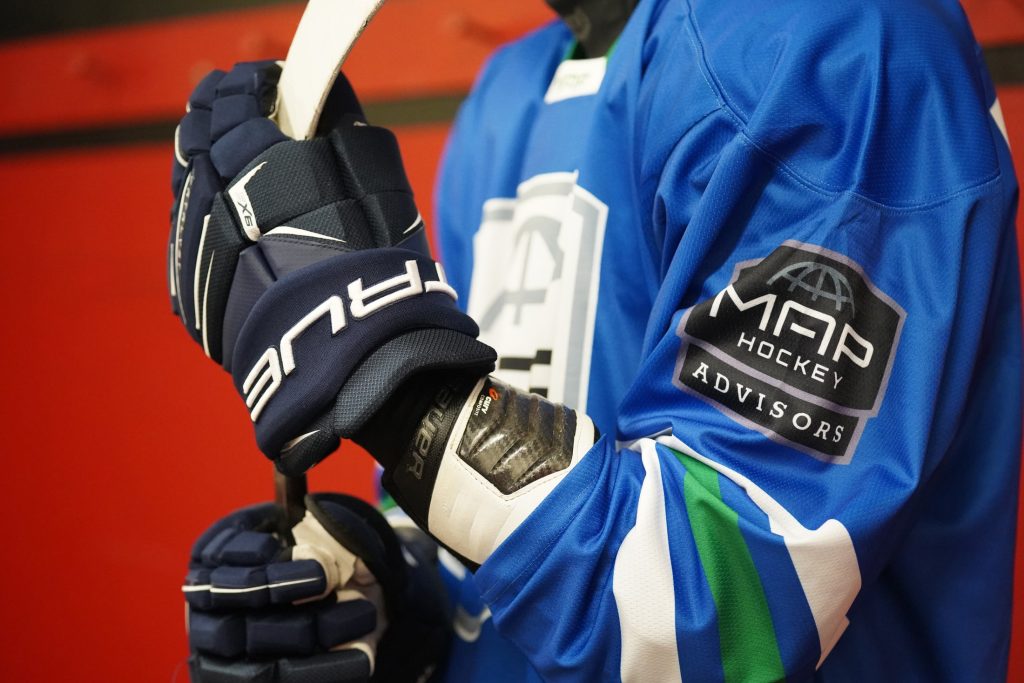
Close-up of a gloved hand gripping a stick beside a MAP Hockey Advisors patch on a blue jersey

Recruiting

MAP Hockey Advisors

Guidance through the recruiting years from people who have walked families through it.

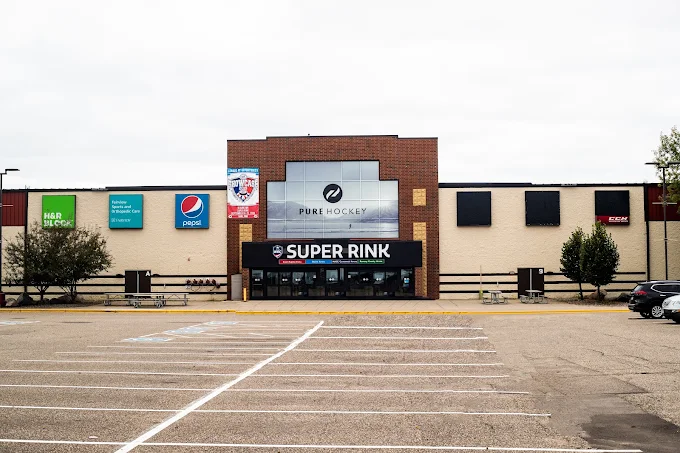
Front entrance of the Super Rink building in Blaine seen across an empty parking lot

Campuses

Find Your Campus

Blaine, Plymouth, Hudson and St. Michael-Albertville.

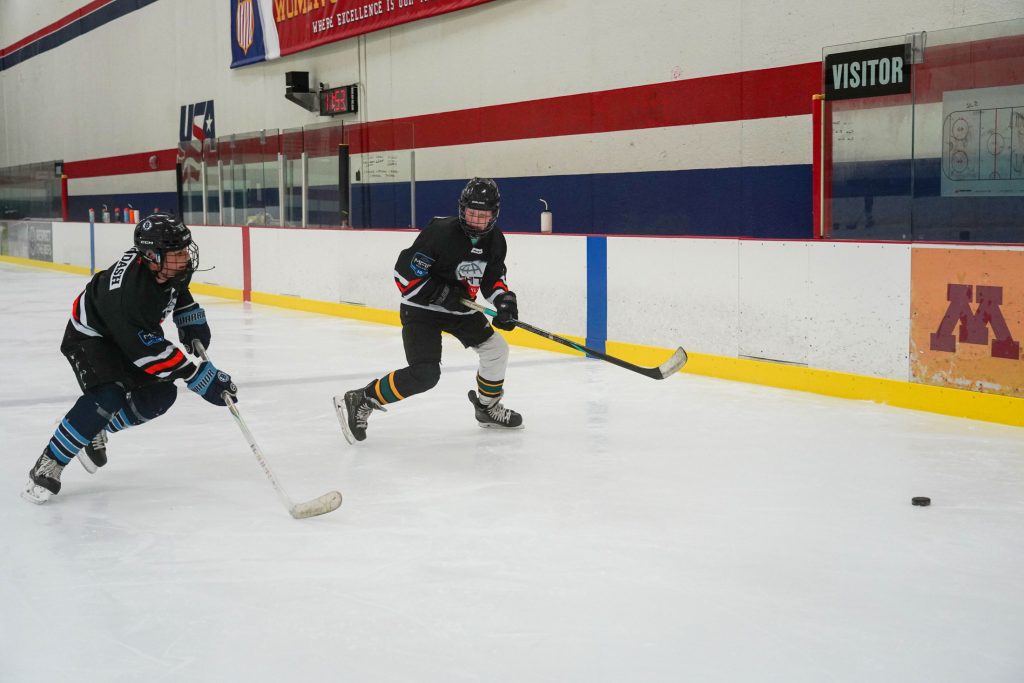
Two players in black jerseys racing toward the puck along the boards near a visitor bench

Membership

FHIT Hockey Membership

Eight off-season months and four in-season, with a cap of eight skaters per coach.

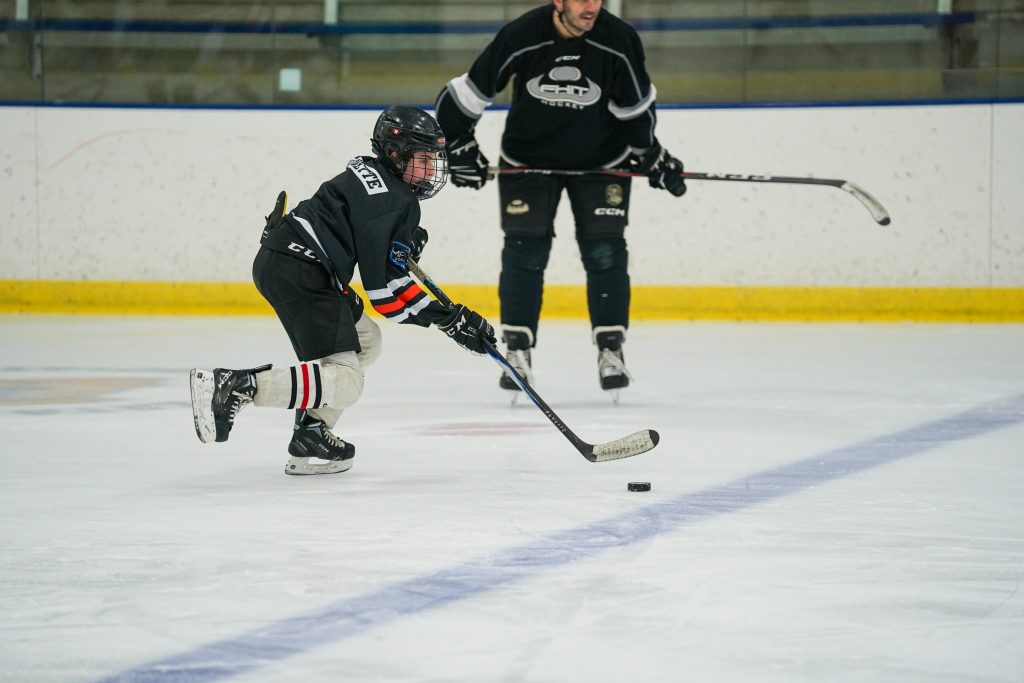
Player in a black jersey reaching low for the puck as a coach skates behind

Squirts and Peewees

FHIT Futures

Summer development for younger skaters ready for more than a weekly skate.

Player in a black FHIT jersey carrying the puck as a coach in a helmet follows

On-Site Training

Bring FHIT to Your Rink

Sessions run at your association’s home rink, on your schedule.

Front entrance of the Super Rink building in Blaine seen across an empty parking lot

Campuses

Find Your Campus

Blaine, Plymouth, Hudson and St. Michael-Albertville.

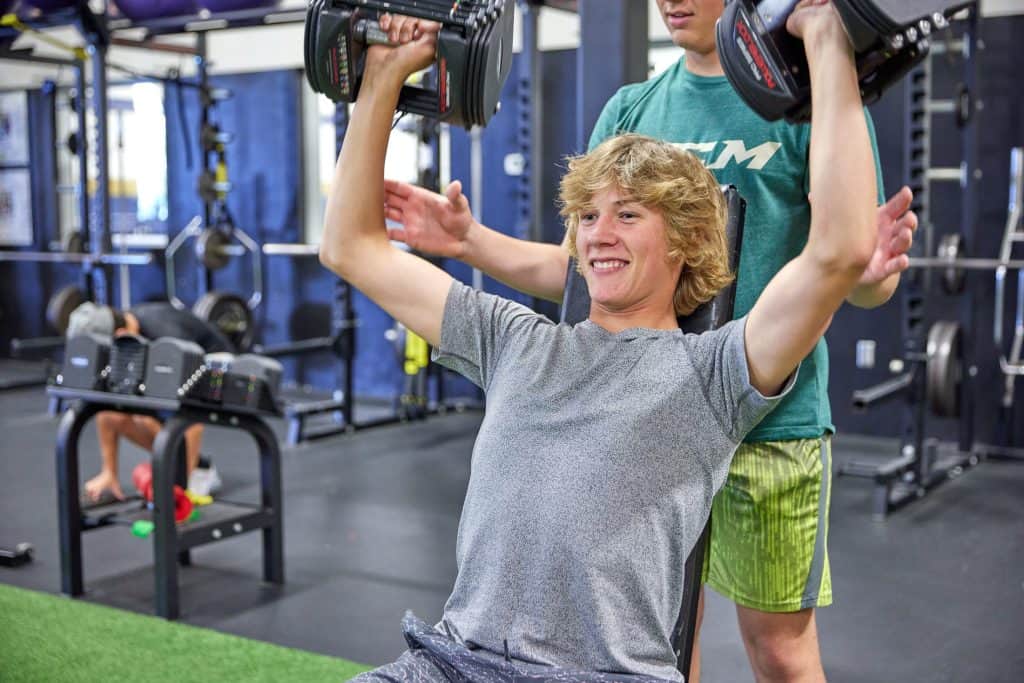
Teen in a gray shirt pressing adjustable dumbbells high overhead with a spotter in green behind him

Off-Ice Training

Dark Horse Performance

Speed, strength and agility work built for athletes who still have a season to play.

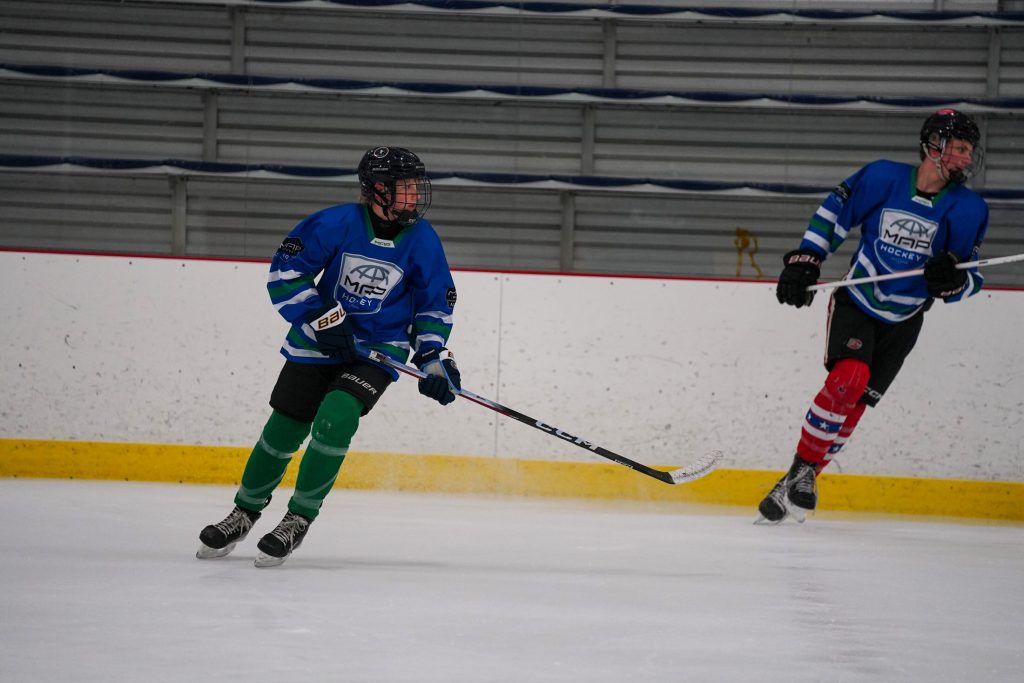
Pair of skaters in blue MAP jerseys with green and red socks moving along the boards

On the Ice

MAP Hockey Membership

Pair the off-ice work with year-round on-ice development.

Two players in black jerseys racing toward the puck along the boards near a visitor bench

On the Ice

FHIT Hockey Membership

Year-round on-ice development alongside the strength work.

Front entrance of the Super Rink building in Blaine seen across an empty parking lot

Campuses

Find Your Campus

Blaine, Plymouth, Hudson and St. Michael-Albertville.

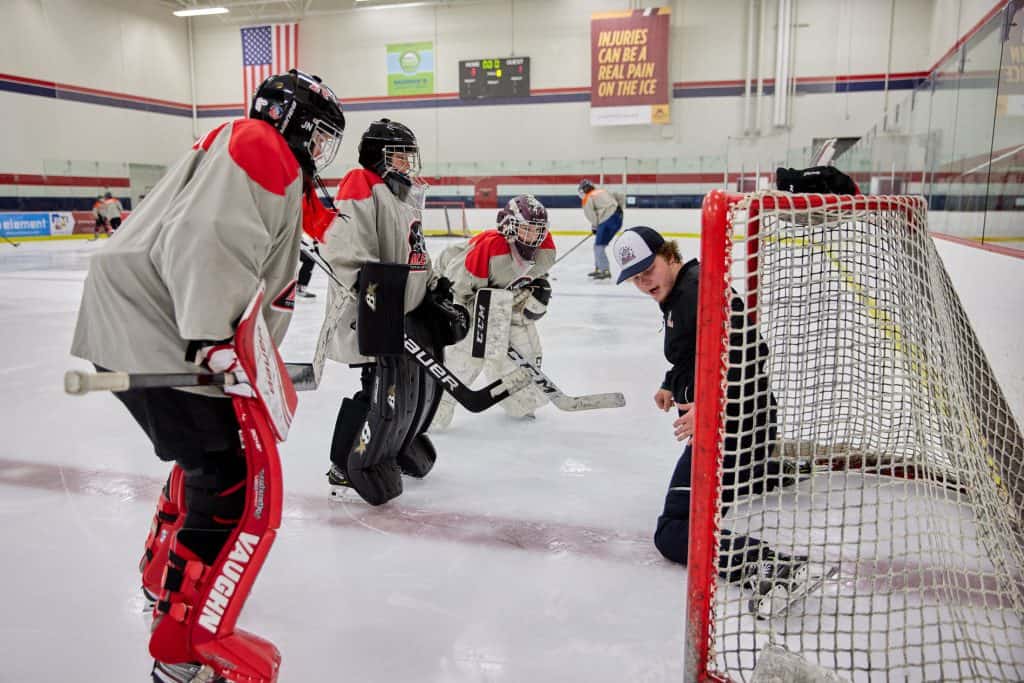
Young goalies in red and black pads wait in line beside the net as a coach kneels to explain a drill

Goaltending

MEGA Goaltending

Goalie development with coaching built around the position, not bolted onto a skater session.

Goalie in a white mask stays square in a butterfly while a skater shifts the puck to the forehand

Blaine

Goalie Membership

Year-round goalie training at the Super Rink in Blaine.

Close-up of a MAP Hockey IQ patch on the sleeve of a blue and green jersey

Film and Game Sense

MAP Hockey IQ

Film breakdowns that show what to read before the shot comes.

Front entrance of the Super Rink building in Blaine seen across an empty parking lot

Campuses

Find Your Campus

Blaine, Plymouth, Hudson and St. Michael-Albertville.

Two players in orange jerseys skating in a low ready stance during a game

Summer AAA

Falcons AAA

Summer AAA teams for players who want more hockey once the winter season ends.

Two players in black jerseys racing toward the puck along the boards near a visitor bench

Membership

FHIT Hockey Membership

Year-round development that runs alongside the summer season.

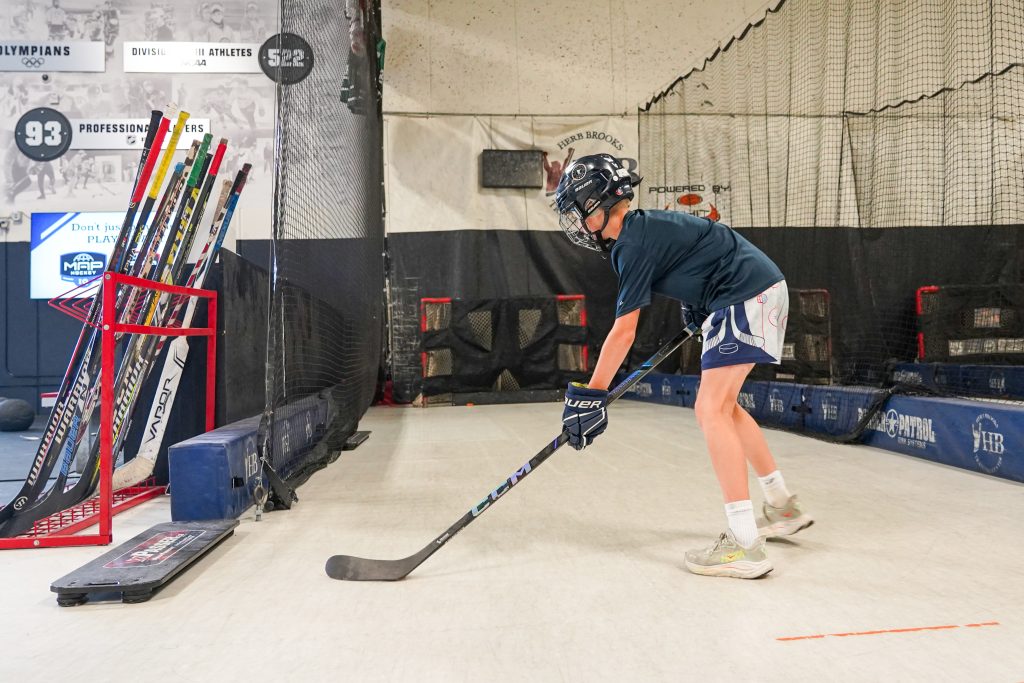
Teen in a helmet, T-shirt and shorts stickhandling on synthetic ice in a netted training room

Squirts and Peewees

FHIT Futures

Summer development for younger skaters ready for more than a weekly skate.

Front entrance of the Super Rink building in Blaine seen across an empty parking lot

Campuses

Find Your Campus

Blaine, Plymouth, Hudson and St. Michael-Albertville.

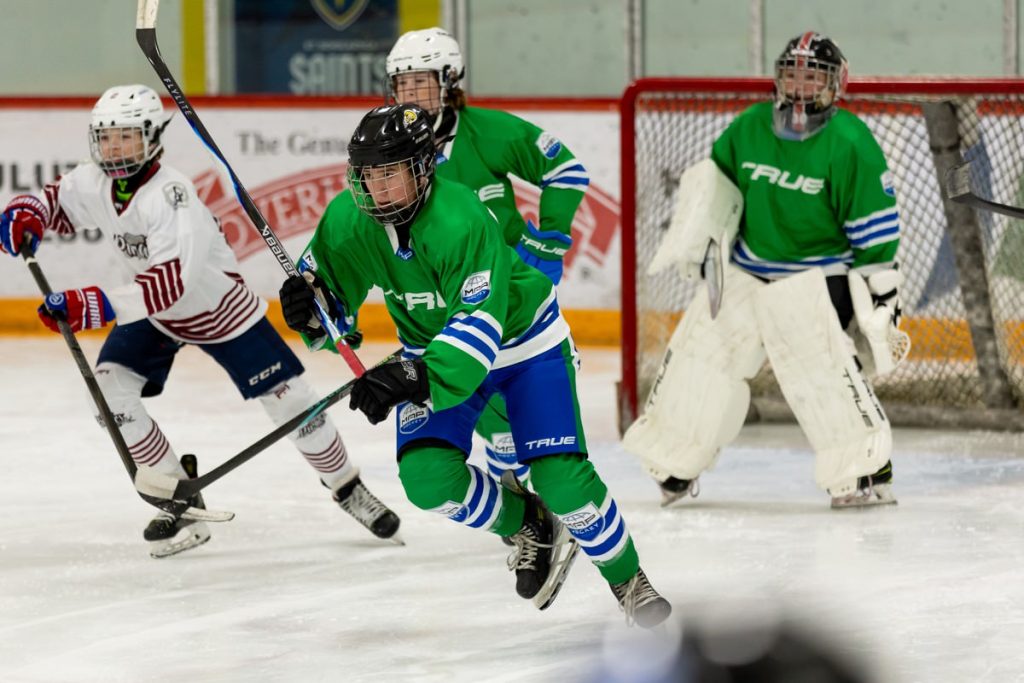
Players in green True jerseys chasing the puck against a skater in white near the net

Summer AAA

Team True AAA

Summer AAA for players who want a full season of competitive hockey.

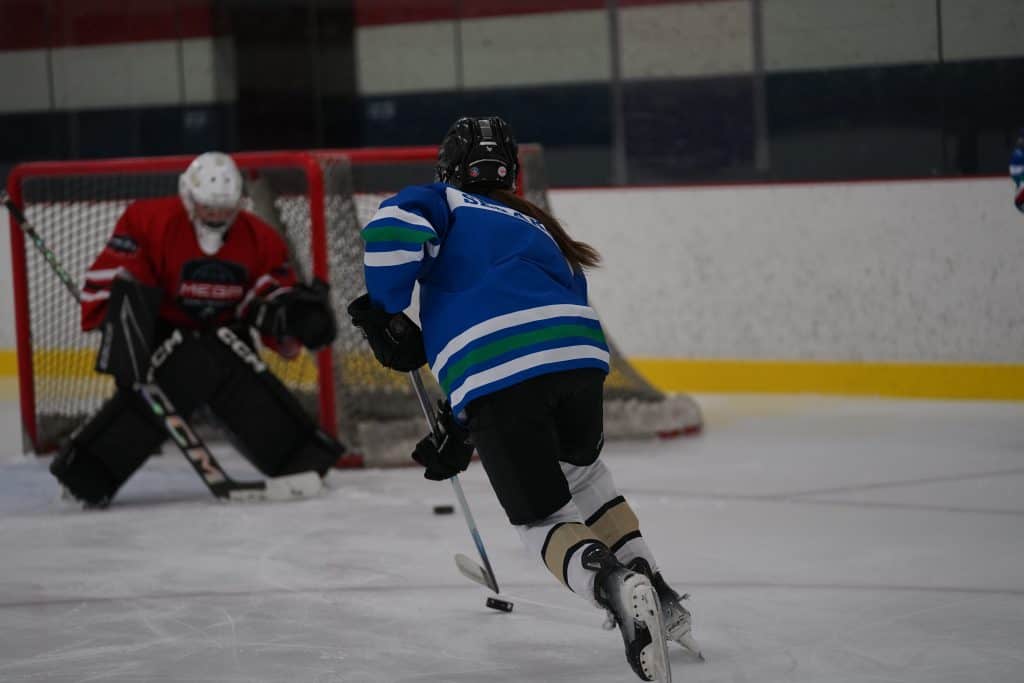
Player in a blue jersey with a ponytail skating the puck in on a goalie in red

Membership

MAP Hockey Membership

Year-round development for elite skaters, built on small groups and individual feedback.

Close-up of a gloved hand gripping a stick beside a MAP Hockey Advisors patch on a blue jersey

Recruiting

MAP Hockey Advisors

Guidance through the recruiting years from people who have walked families through it.

Front entrance of the Super Rink building in Blaine seen across an empty parking lot

Campuses

Find Your Campus

Blaine, Plymouth, Hudson and St. Michael-Albertville.