You’re at the rink five or six days a week. Skating, lifting, shooting, stickhandling. You do what your coaches ask. And you’re still on the third line, or still waiting for the ice time you’ve been working toward.
Putting in the work and still riding the bench is frustrating. It can make you wonder what else there is to do. One question worth asking: you’re working hard, but is your hockey sense keeping up?
Below are some of the most common places where hard work doesn’t carry over into games, and what you can look for in each one.
Sharp in practice, rushed in games
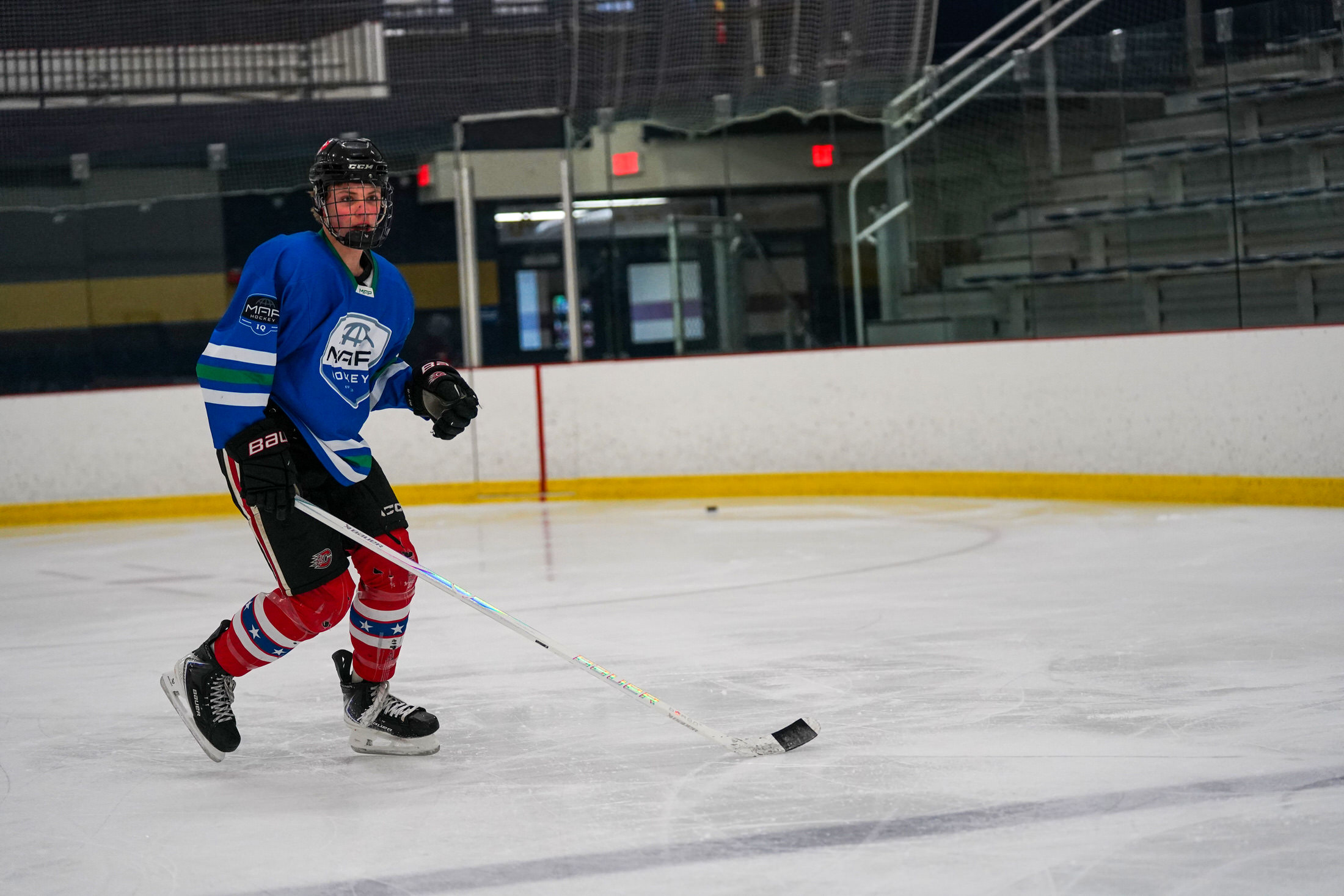
Plenty of players look great in practice. The passes are crisp, the shot is there, the edges are clean. Then the game starts and everything feels a half second too fast.
Practice gives you time. Most drills tell you where the puck is going before it gets there. You know the pattern, you know who’s coming, and you’re rarely surprised.
Games don’t give you that. The forecheck shows up from a different angle. The winger you expected on the wall cut to the middle. You end up rushed in games because you’re gathering information while the play is already happening.
The fix usually isn’t more reps of the same drill. It’s learning to read the play sooner, so you have more time to choose when the puck arrives.
Forcing plays and turning the puck over
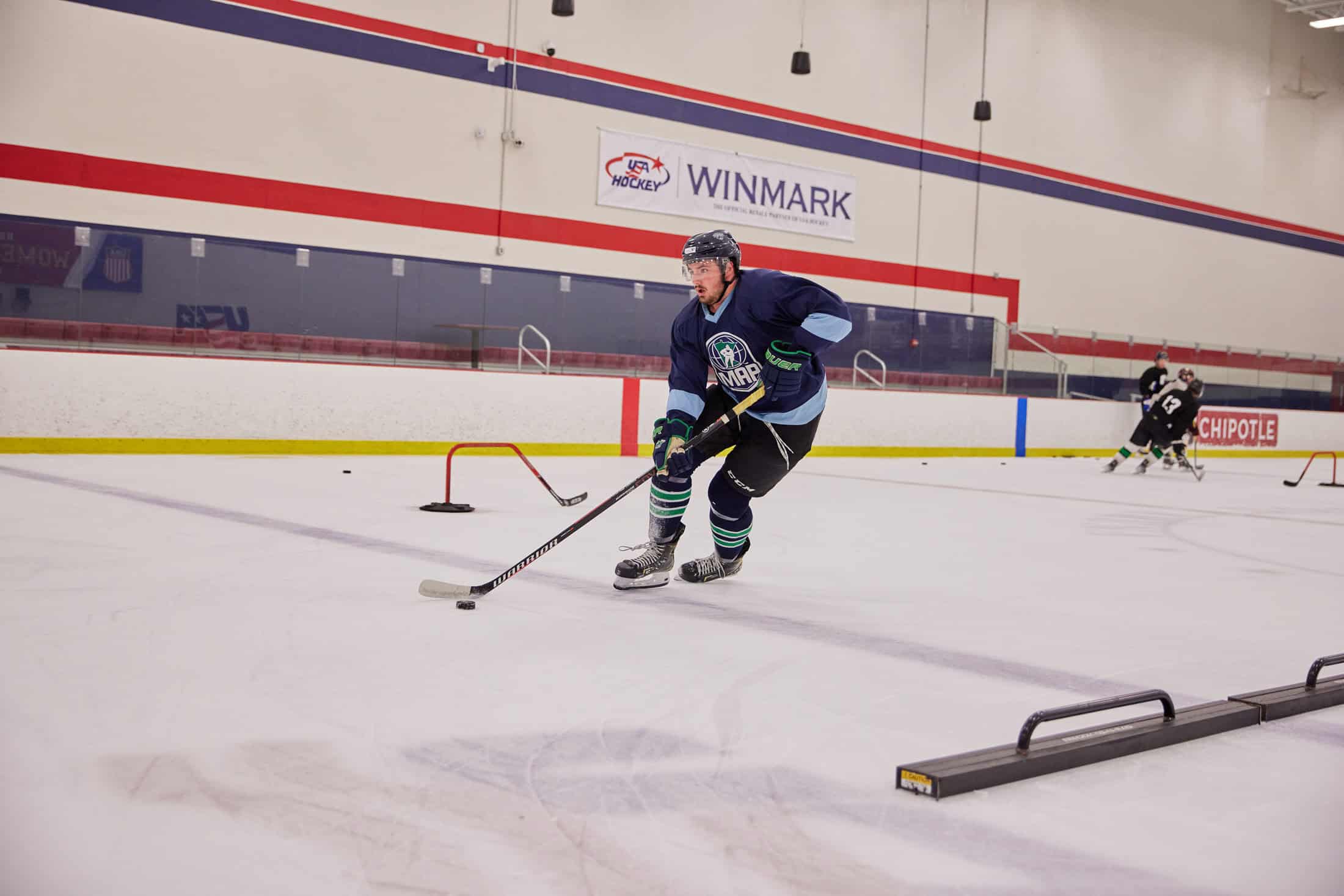
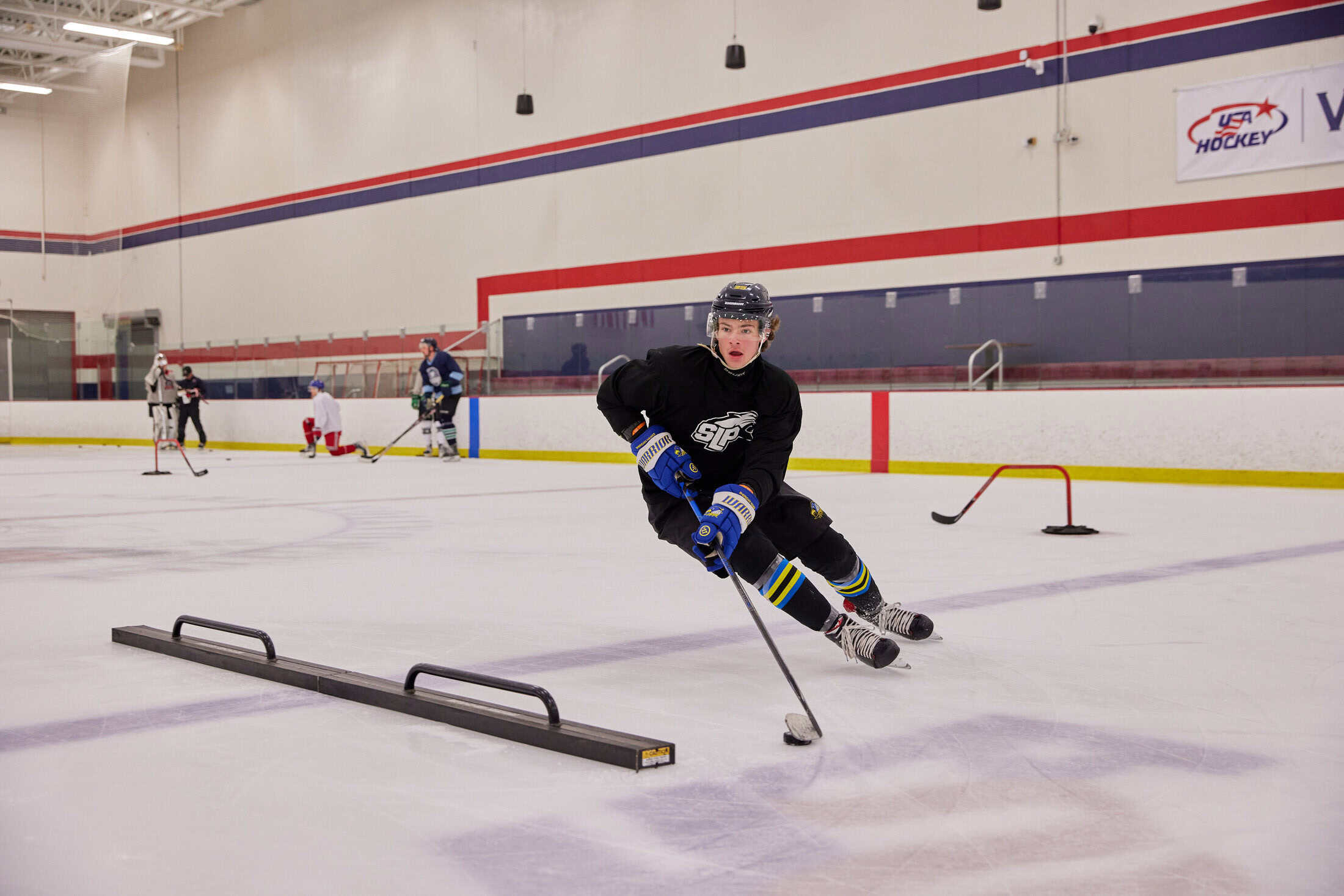
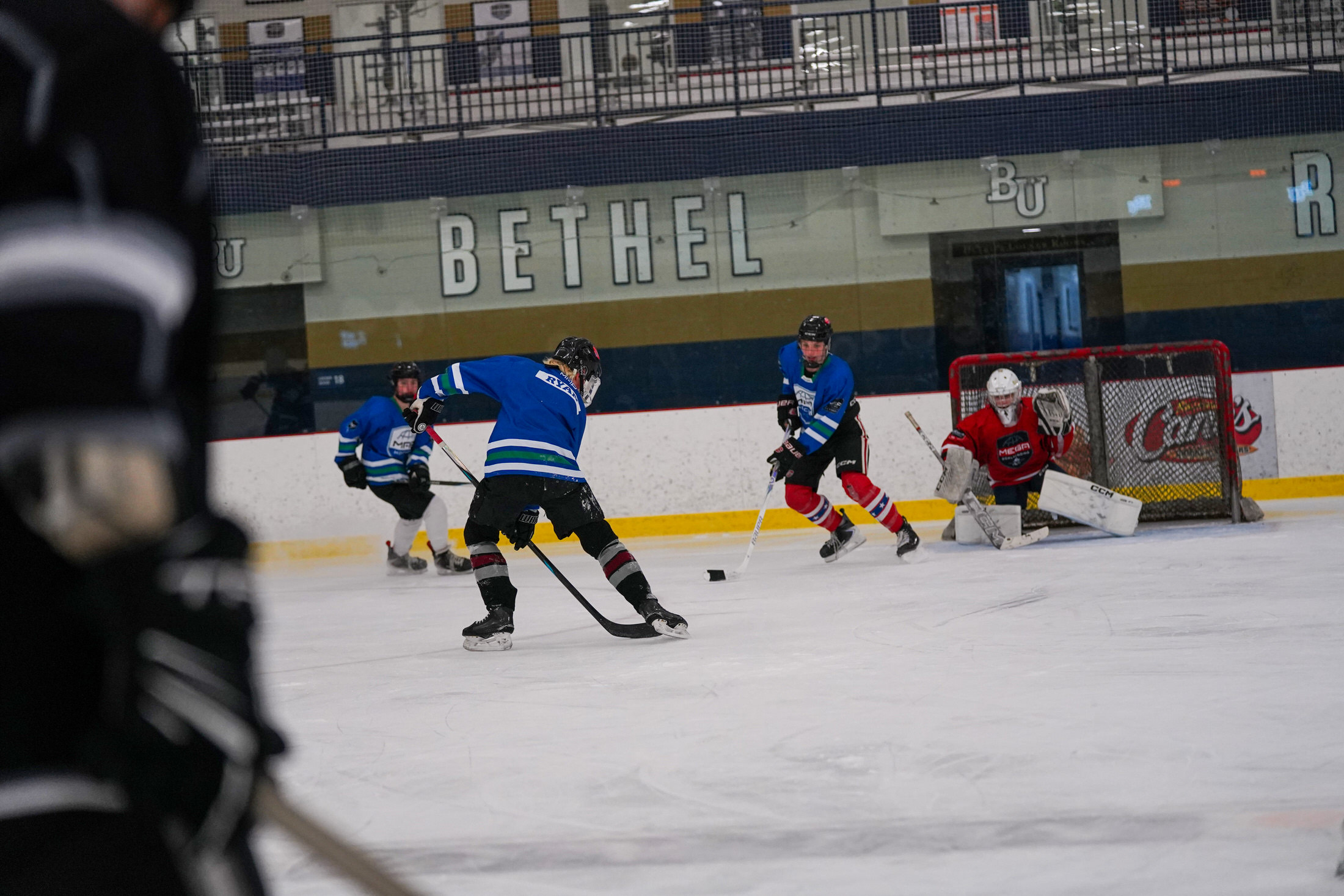
You get the puck at the offensive blue line with a defender closing. You try to thread it through two sticks to the slot. It gets picked off and the other team is going the other way.
Turnovers under pressure usually come from deciding too late, not from bad hands. If you checked over your shoulder before the puck got to you, you’d know the slot was covered and the point was open. When you see it earlier, you can make more confident decisions under pressure: chip it in, hit the point, or hold the line and cycle.
Hesitating with the puck
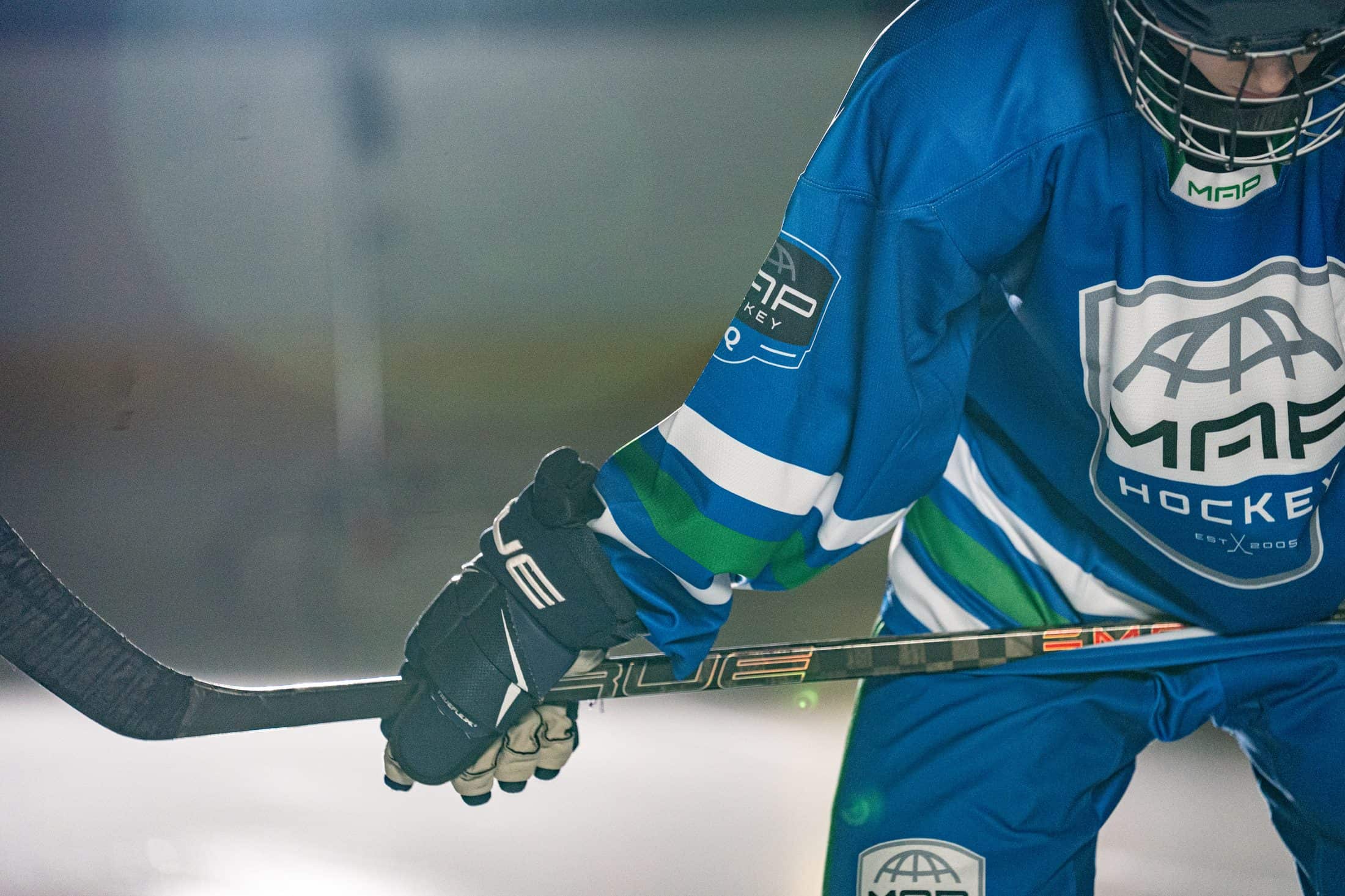
Hesitation is the opposite problem, and it can be just as costly. You get the puck in the neutral zone, look up, and hold it a beat too long. The lane closes. The forechecker gets there. Now the safe play is the only play left.
Most hesitation comes from not having a plan before the puck arrives. Players who play more confidently aren’t guessing. They’ve already scanned the ice, so they know their first option and their second. When you trust your decisions, you can play your game instead of waiting for the play to show itself.
Positioning away from the puck
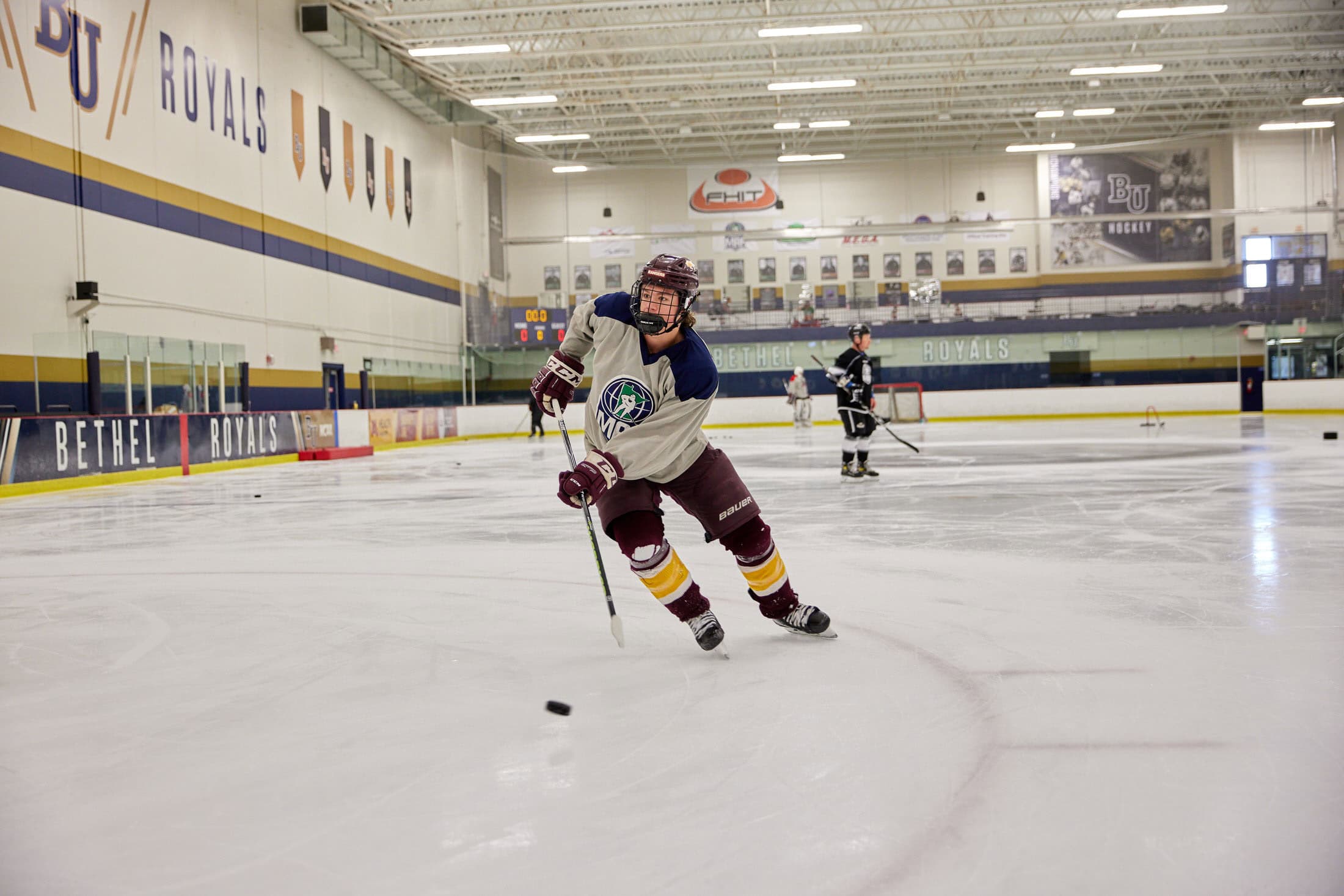
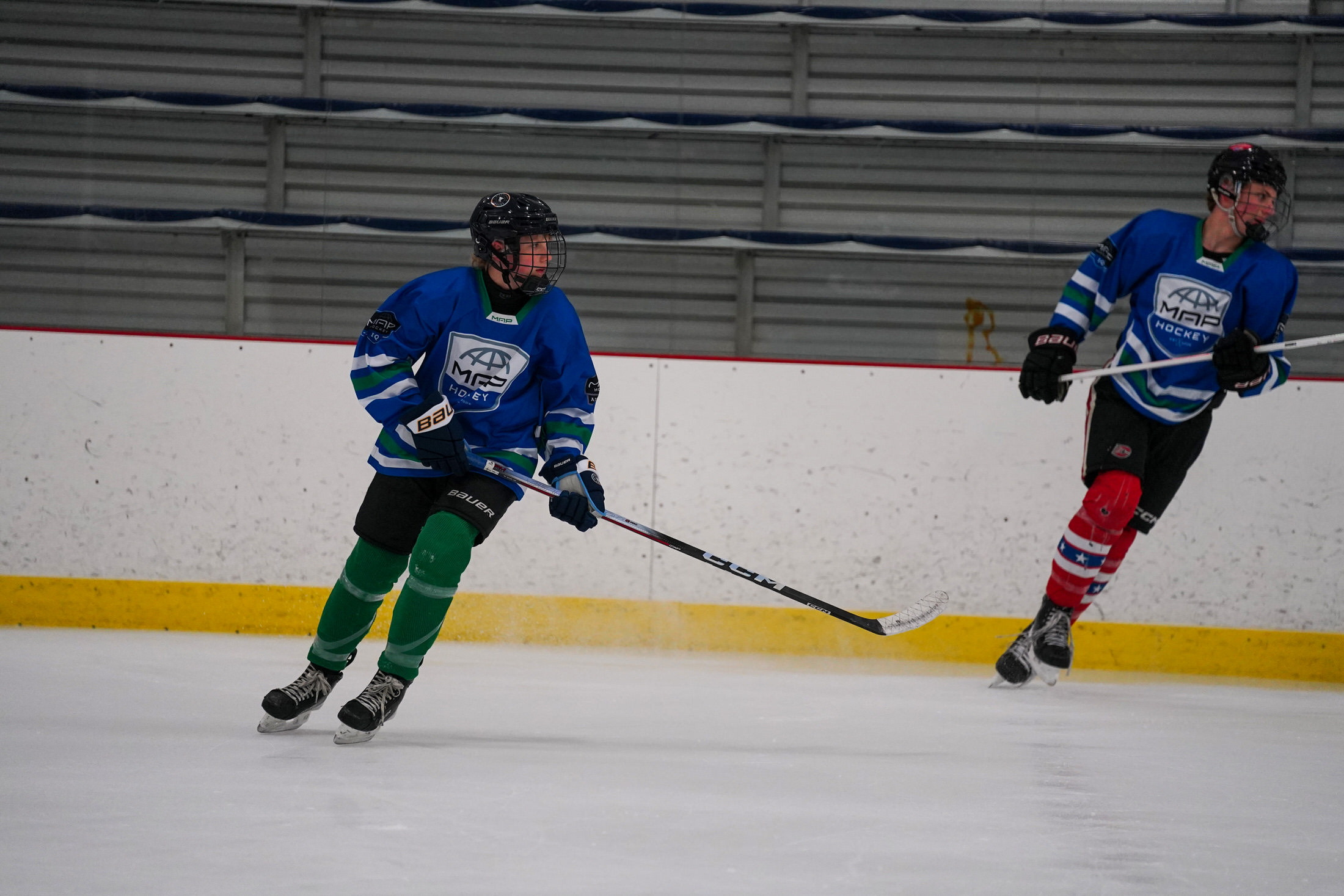
Most of your shifts are spent without the puck, and that time matters more than many players think.
On offense, away from the puck means finding open ice and creating an option for the puck carrier. Are you drifting into a passing lane, or standing behind a defender where nobody can find you?
On defense, it means getting position and taking away an option. Are you reading the weak side on the backcheck, or chasing the puck into the corner with two teammates already there?
These are two of MAP Hockey’s 4 Components of Hockey, offense away from the puck and defense away from the puck. Your impact goes beyond the puck, and a lot of players have never had this part of their game looked at closely.
Bigger, faster opponents
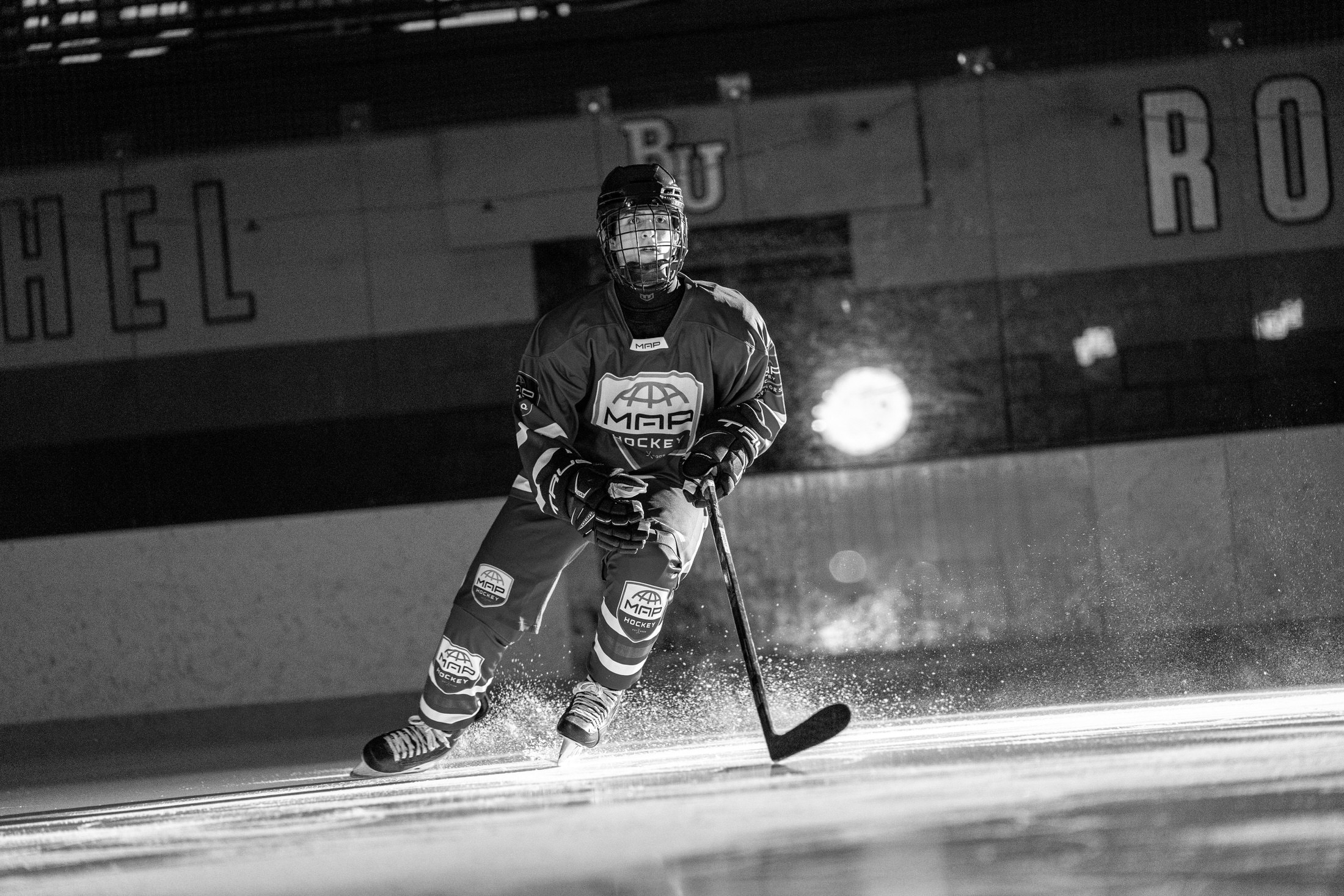
Every jump in level brings opponents who skate faster and hit harder. Getting stronger helps, and it’s an essential part of your development. But speed and size also shrink your time and space, which means decisions matter more.
Players who handle bigger, faster opponents tend to see the play earlier and recognize what’s developing before it reaches them. They know their options, find space and support, and then make their move with confidence. When you’re reading the play a step ahead, you aren’t relying only on strength to win the puck.
Thinking about the next level
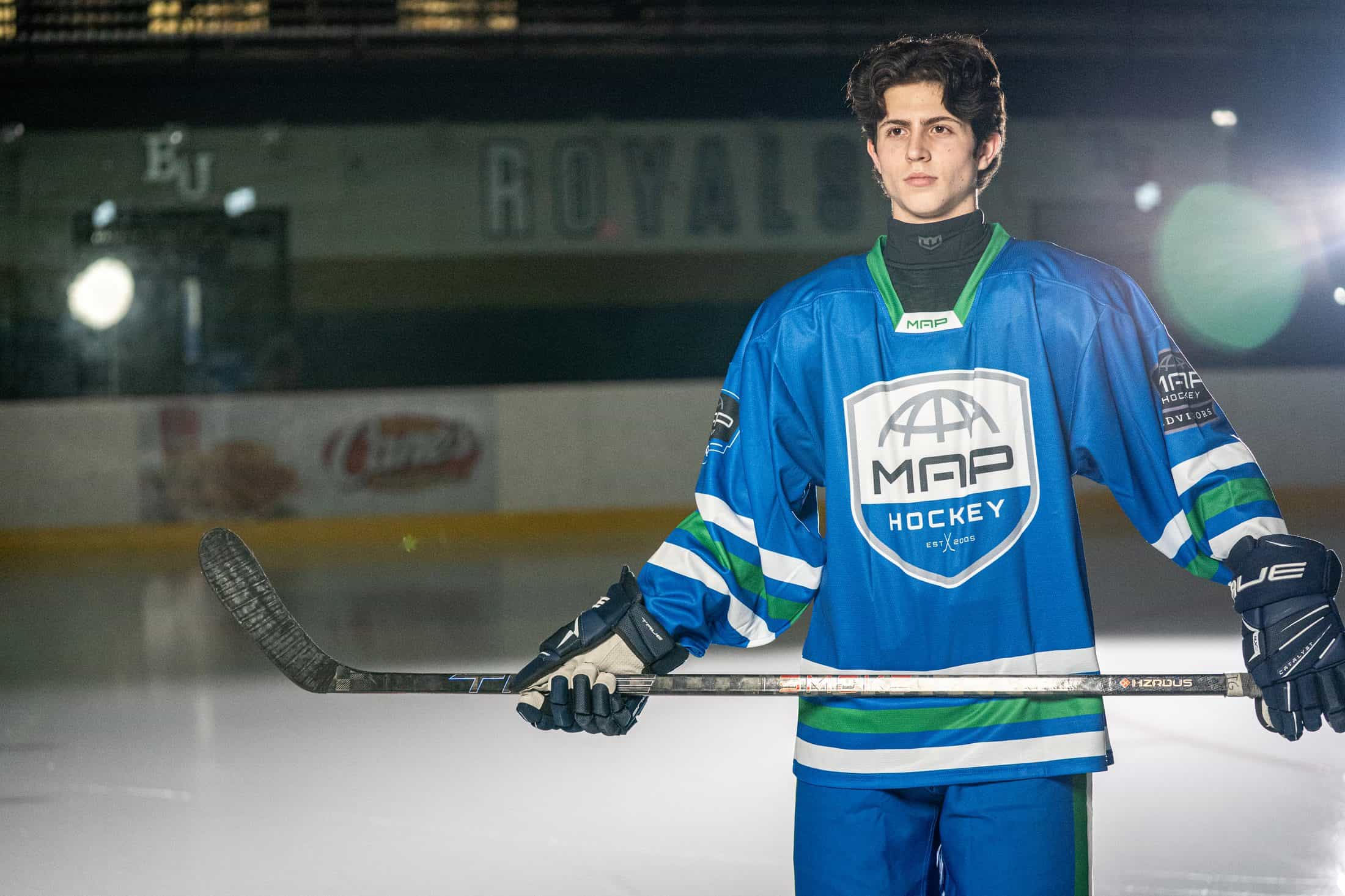
If juniors or college hockey is on your mind, you’ve probably asked yourself what it actually takes. The competition at the next level is faster, stronger and smarter.
Nobody can promise you a spot or tell you exactly what a future coach will want. What you can control is your preparation. Keep developing your skills, because they matter at every level. Alongside them, keep raising your hockey sense: how quickly you read a play, how well you understand your options, and how consistently you make the right decision. Your decisions are one part of your game you can work on right now.
What are you missing?
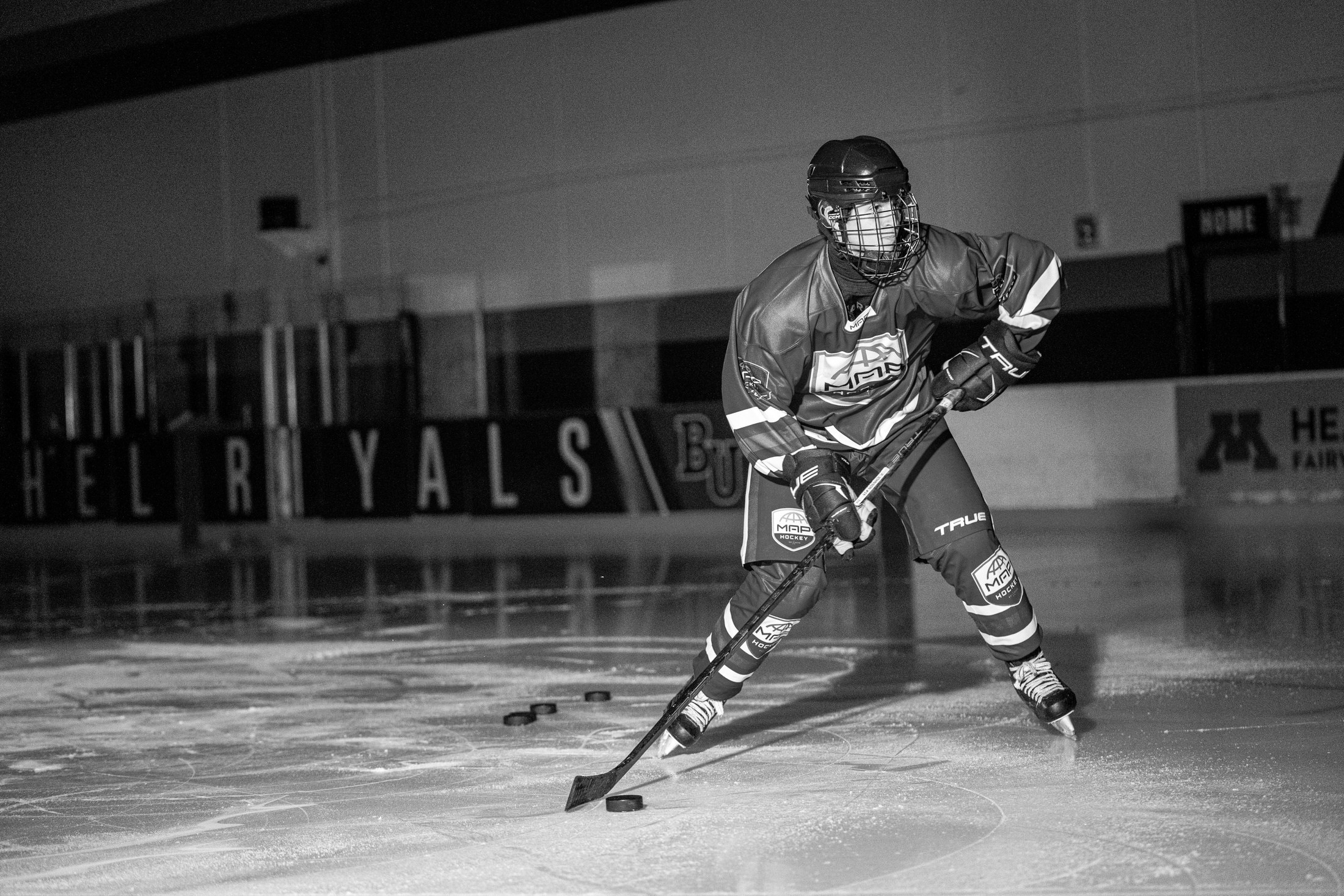
If you think you’re doing everything, it’s fair to ask what you might be missing. For a lot of hard-working players, the answer sits in their game film. You can see when you were a step late on a read, when an option was open that you didn’t notice, or when you made the right play and could do it more often.
MAP Hockey defines Hockey IQ simply: “Hockey IQ is a player’s ability to make a read, process it, and then execute the right play.” MAP Hockey IQ coaching is personalized analysis of your own game footage by a MAP Hockey IQ coach. A MAP Hockey IQ coach can help you see what you’re missing in your game, sorted by situation, so you know what to work on next.
It’s designed to complement the skills training you already do and the coaching you get from your team. It doesn’t replace either one, and it can’t decide your role. Your coach makes that call.
Give your decisions the same work as your skills
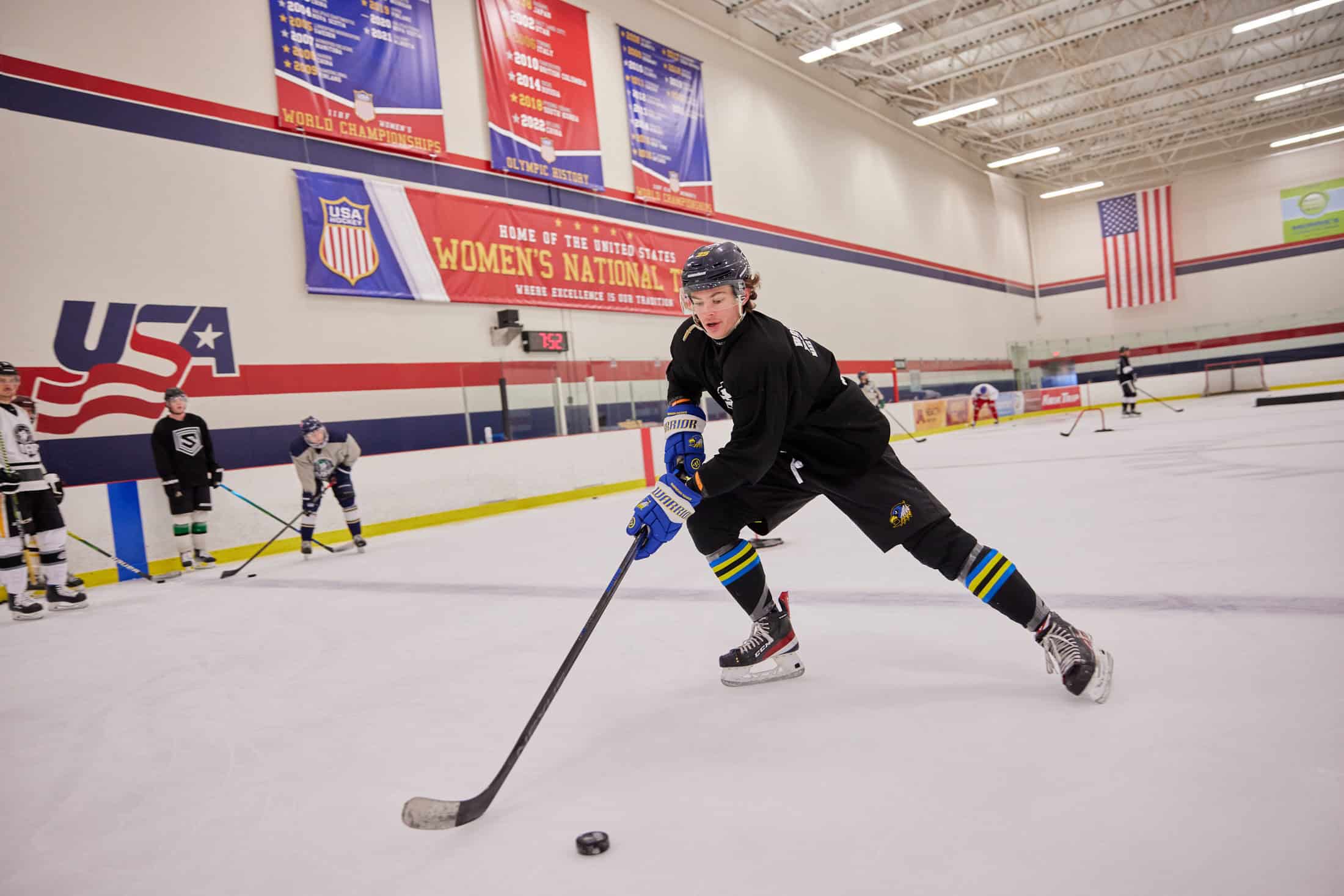
You’ve built your skating, your shot and your strength through years of hard work. Your decisions deserve that same attention. Talk it over with your parents, and learn more about MAP Hockey IQ.