High School to Junior or College Hockey? Plan the Steps

Open the family calendar of a high school hockey player and you’ll see the problem right away. The school team’s schedule is in one color. The spring team is in another. There’s a showcase someone forwarded, a camp your athlete’s friend is going to, a parent-teacher conference, a dentist appointment that got moved twice, and a test the same Friday as a tournament. Somewhere in the middle of all that, your family is supposed to be thinking about junior hockey or college.

Each of those calendars has someone in charge of it. The high school coach owns one. The spring coach owns another. The school owns the academic one. What nobody owns is the question of how it all fits together. Most of the time, that job lands on one parent, usually late at night.

One parent, many calendars
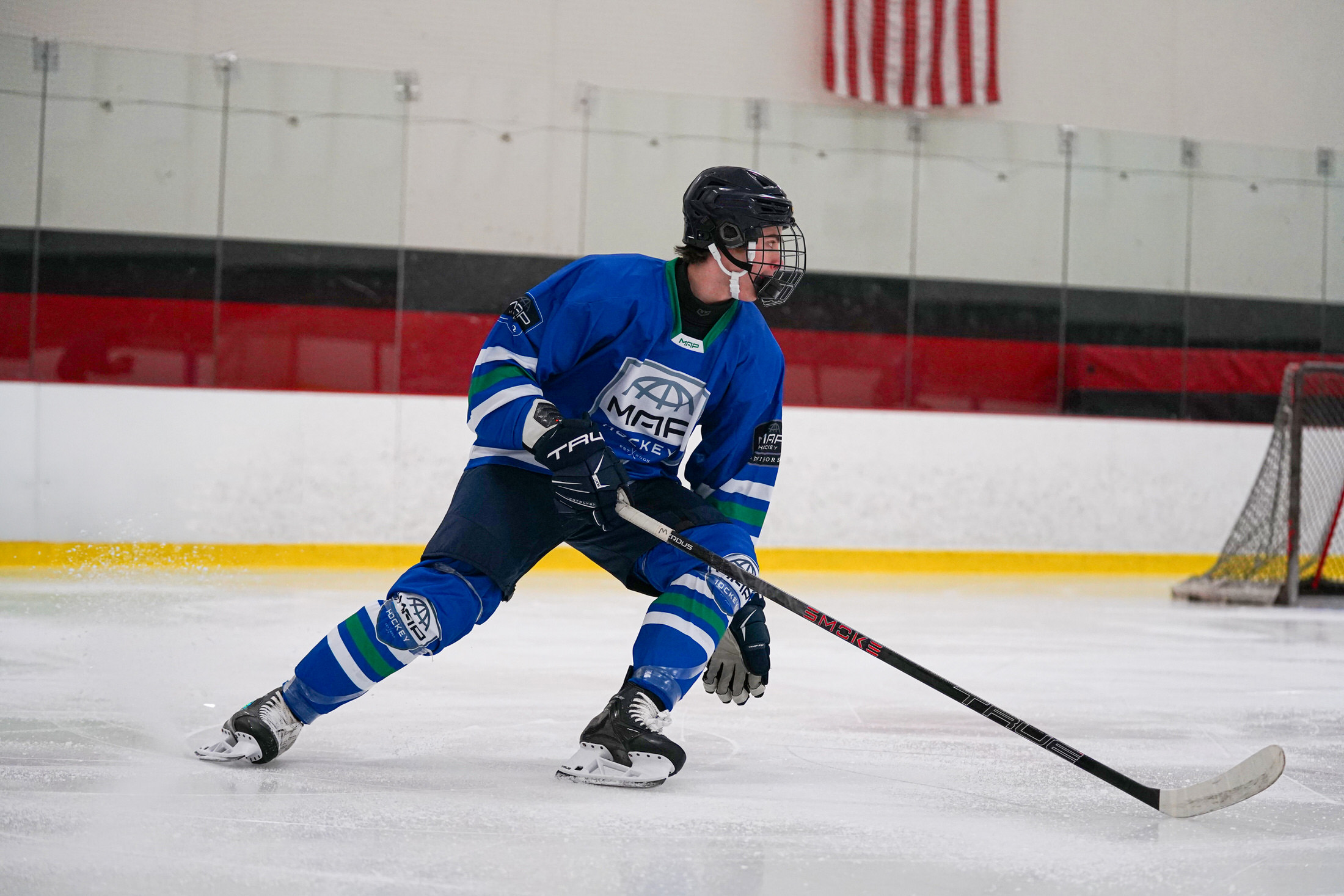
Player in a blue MAP jersey and green-striped socks skating in a low stance with stick on the ice

If that’s you, you’re not disorganized. You’re doing a job that doesn’t officially exist. You’re the only person who sees every piece, so you’re the one who notices when a summer showcase overlaps with a family commitment, or when a new team’s travel would cost your child two school days a month.

Scheduling is the easy part. The harder part is that each adult in your athlete’s hockey life is advising from inside their own piece. The high school coach wants a full commitment to the high school season. A spring program wants your child for spring. A camp wants them for a week this summer. Every one of those can be a good opportunity. Put them all on one page and they might not add up to a plan.

Look at the whole picture at once
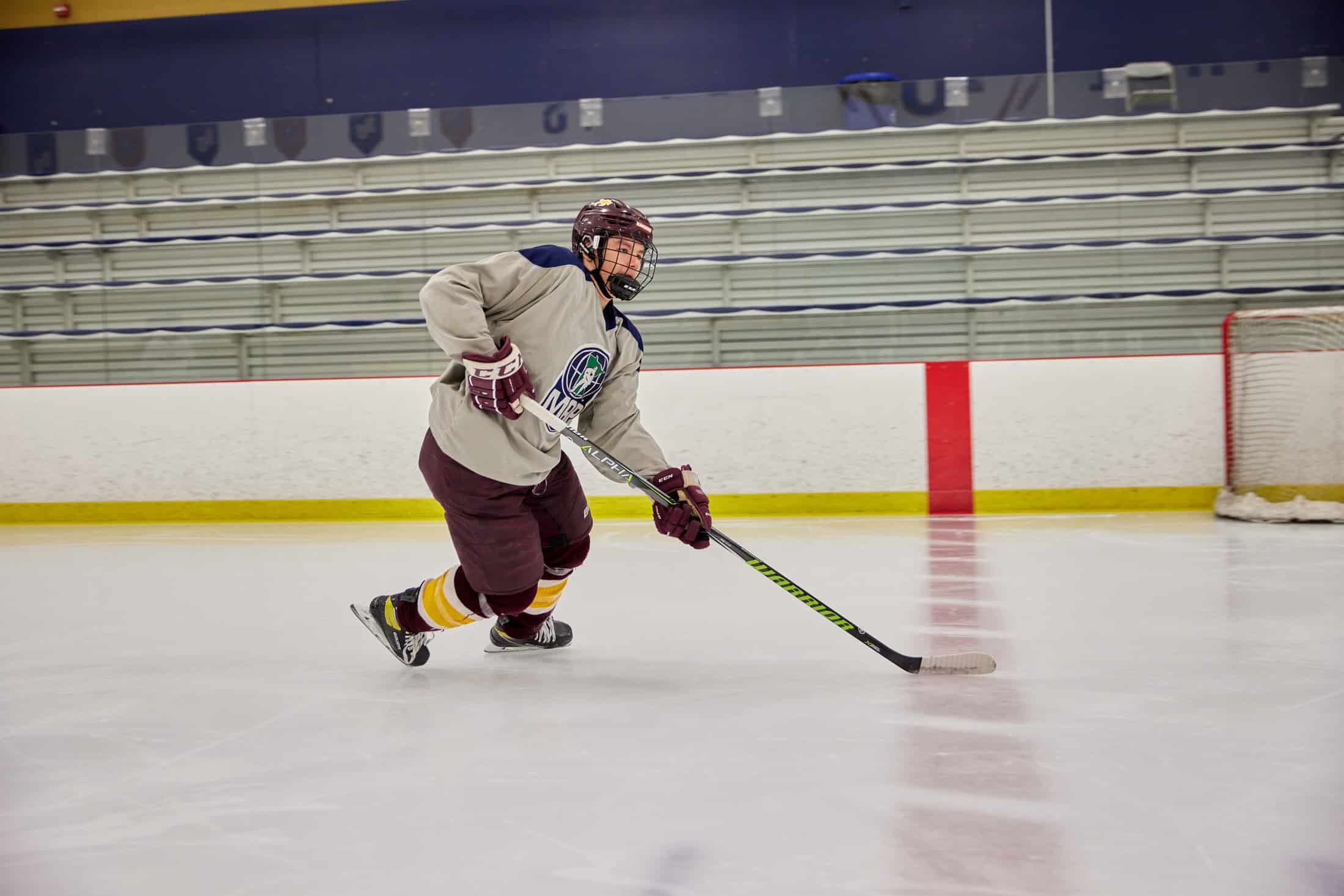
Hockey player in a MAP practice jersey skating with the stick on the ice near the red line

Before the next decision lands, try putting everything on a single page. Not the dates, which change, but the commitments and what each one is for.

For every team, camp, showcase or program on the table, write down:

  • What it is supposed to do for your child. Development, competition, being seen, fun with friends. Be honest. “Everyone else is going” is a real reason, but write it down as that.
  • What it costs in time. Hours per week, weekends away, school missed.
  • What it costs in money. Everything, including travel, hotels and gear.
  • Who recommended it, and what they get from it. Not as an accusation. Just as a fact worth knowing.

Then look at the list as a whole. Are three things doing the same job? Is anything left that supports school, rest or the rest of the family? Does your athlete agree with what’s on the page?

Plan the steps, not every step
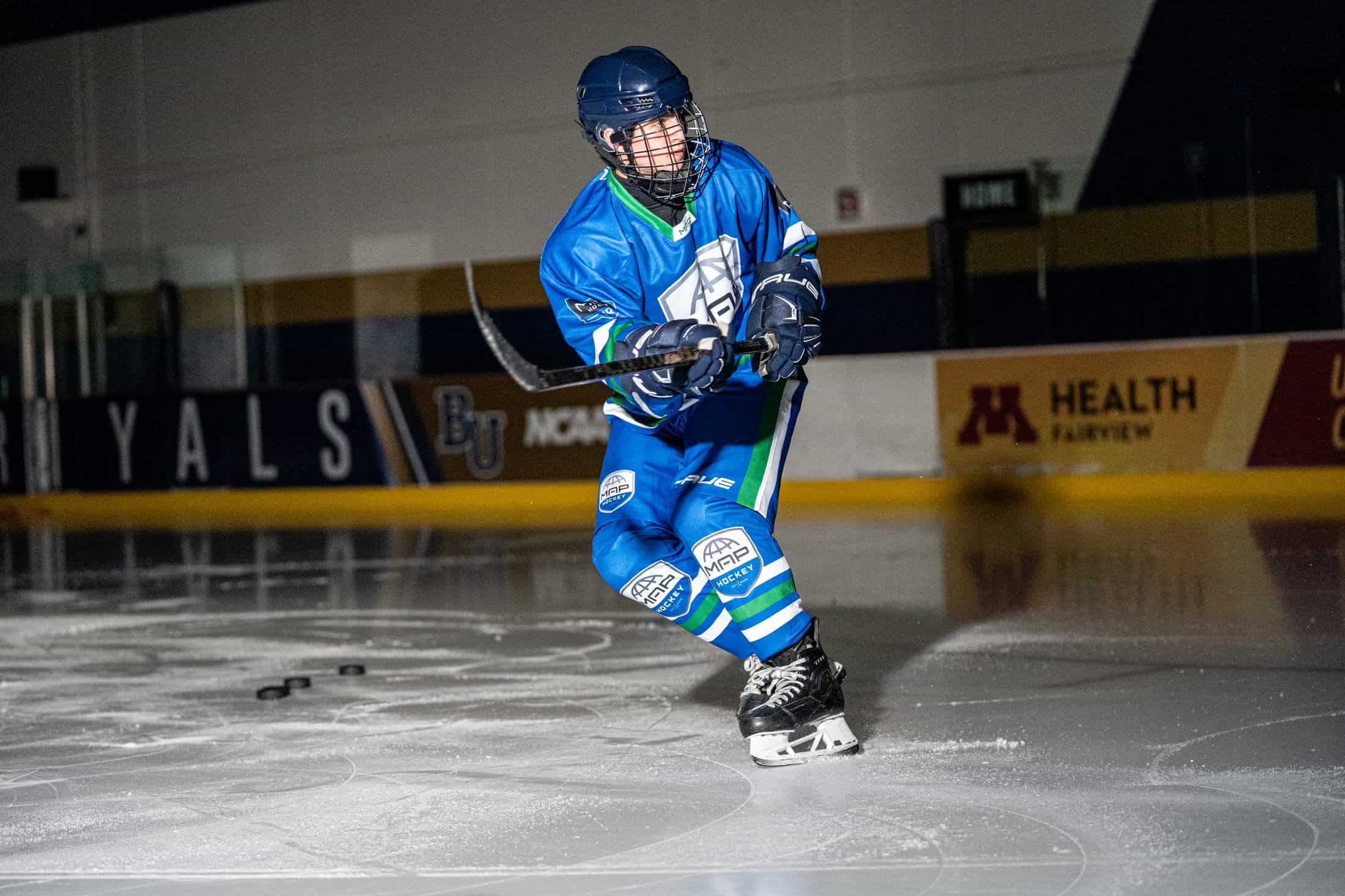
MAP Hockey player in the blue current-crest jersey skating under arena lights

You don’t need a five-year map to make a good next decision. You need to know what decisions are actually coming in the next season or two, and which of them can’t be undone easily. Committing to a team, a school, or a big summer plan tends to land in that second group. Signing up for a single camp usually doesn’t.

Sort what’s ahead into two piles: decisions you can change later, and decisions you can’t. Give the second pile your best thinking and the most time. That alone will take a lot of pressure off the nights when the phone buzzes with “we need an answer by Friday.”

And have the conversation with your athlete, not just about them. They’re old enough to have a view on what they want hockey to give them. Families who plan these seasons together usually argue less in the car.

Send rules questions to the source
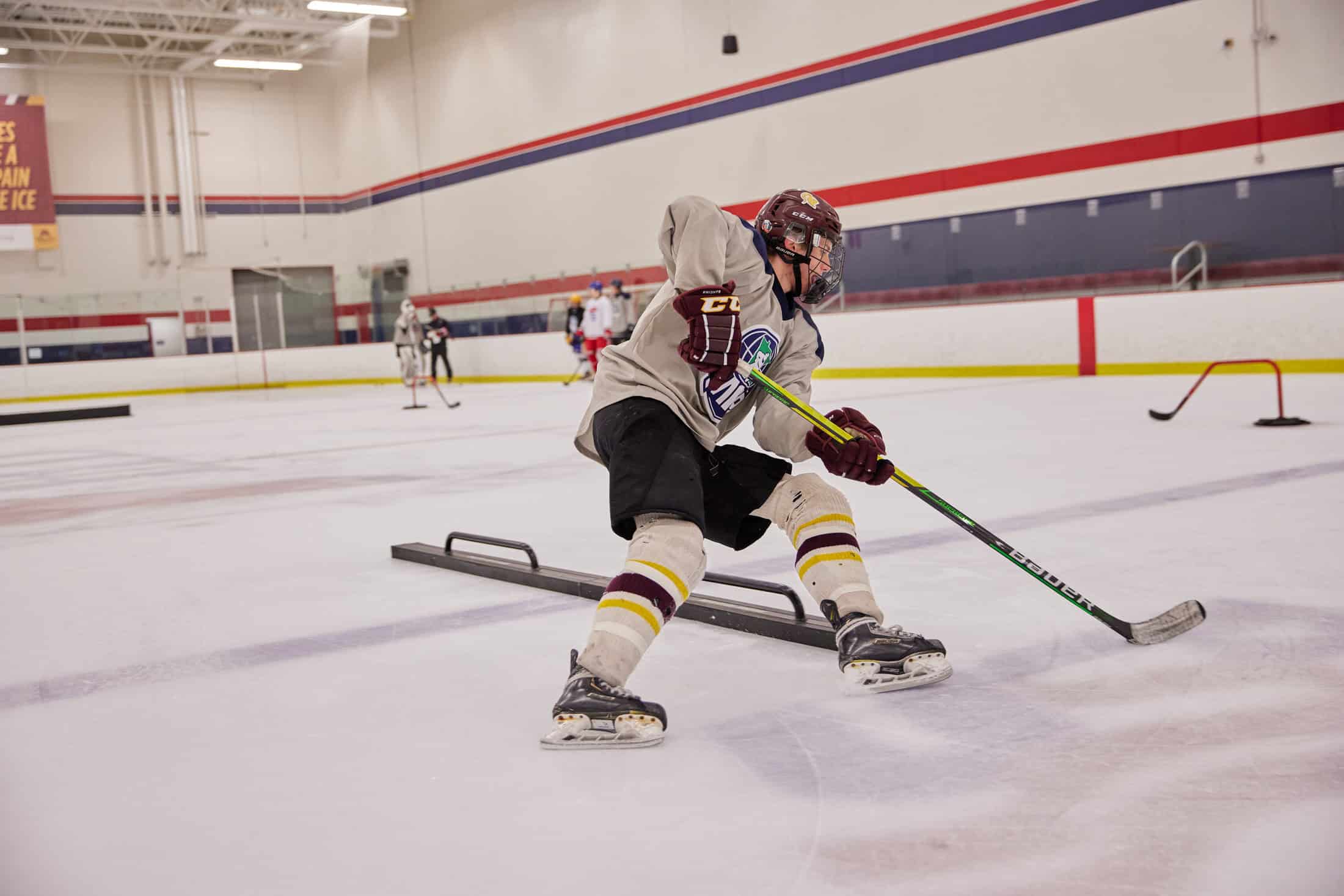
Hockey player in a MAP practice jersey stepping over a stickhandling bar while keeping the puck on the stick

Junior hockey and college both come with rules, and those rules carry real consequences. An advisor isn’t the place to get rules answered, and neither is a coach or another parent. Questions about eligibility, amateur status or league rules belong with your athlete’s own compliance authority: their school, their junior league, or the NCAA Eligibility Center. Ask them directly and keep a record of what they tell you.

Where an advisor fits
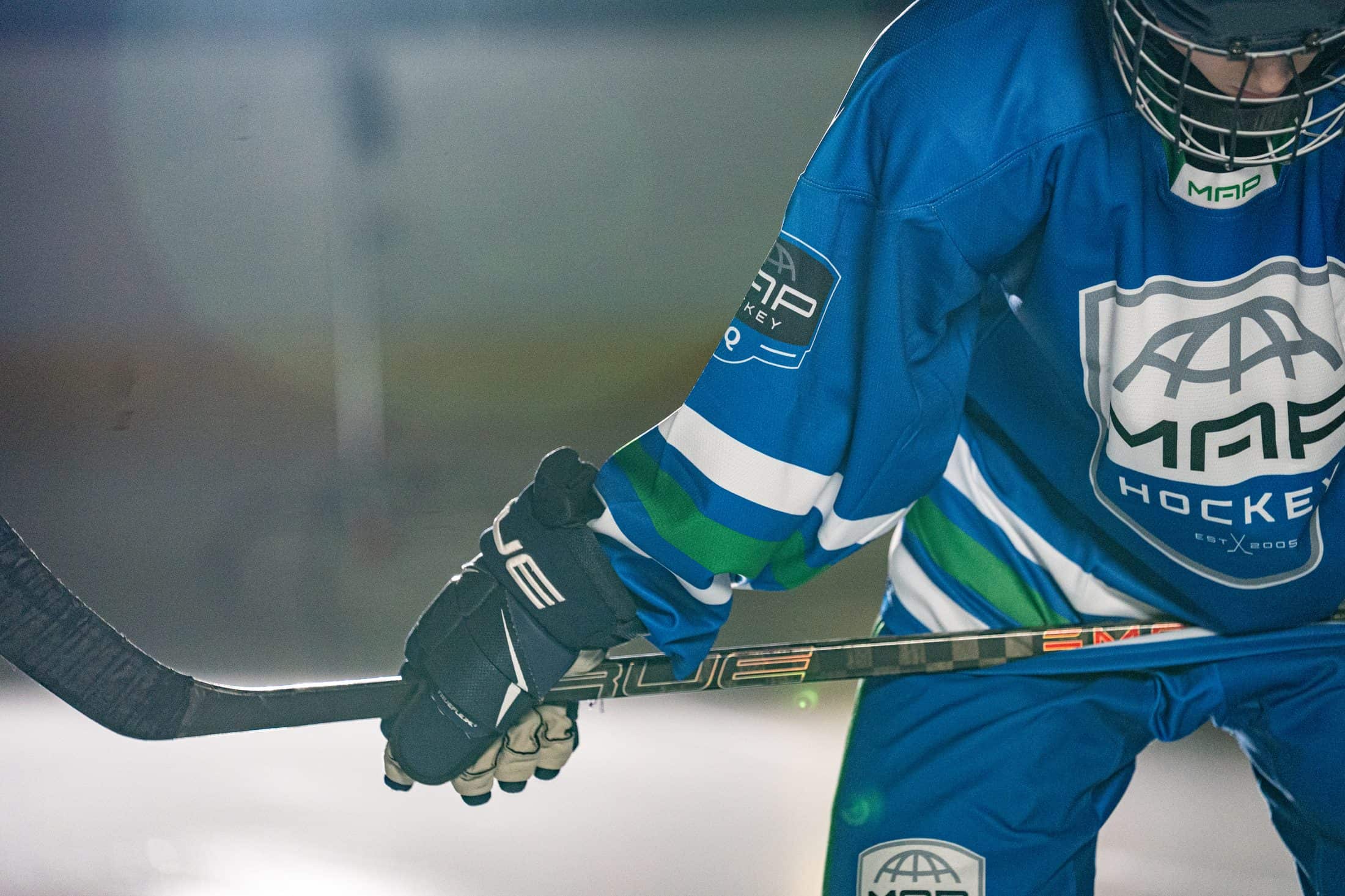
Youth hockey player in a blue MAP Hockey jersey with the current crest standing on the ice

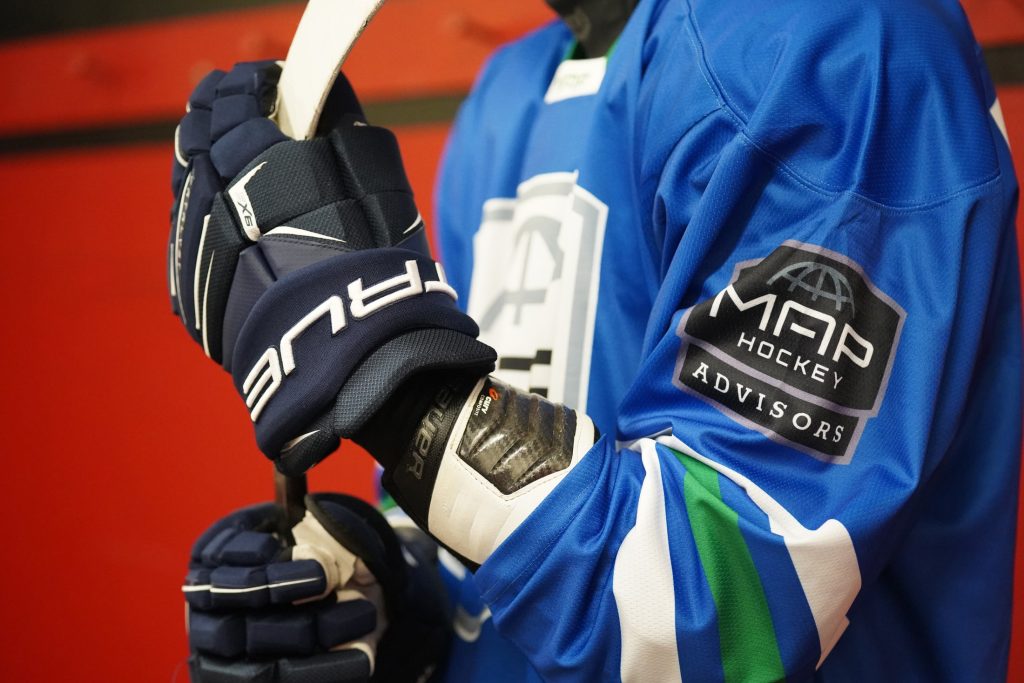
Some families want one person to look at the whole page with them, someone who isn’t responsible for any single piece of it. That’s the conversation MAP Hockey Advisors offers. On its program page, MAP puts it this way: “An advisor focuses on the strategic and logistical aspects of a player’s career, such as team selection, college recruitment, contract negotiations, and navigating the hockey system.”

Worth knowing before you reach out: MAP Hockey Advisors is part of MAP Hockey, which also offers training programs and runs teams. Ask about that if it touches your decision. MAP Hockey has been training athletes for more than 20 years, and the advisors are listed by name on the program page.

The way in is a short “Request A Consult” form where you say what you want to talk about. Bring your one-page list.

Start with the page you already have
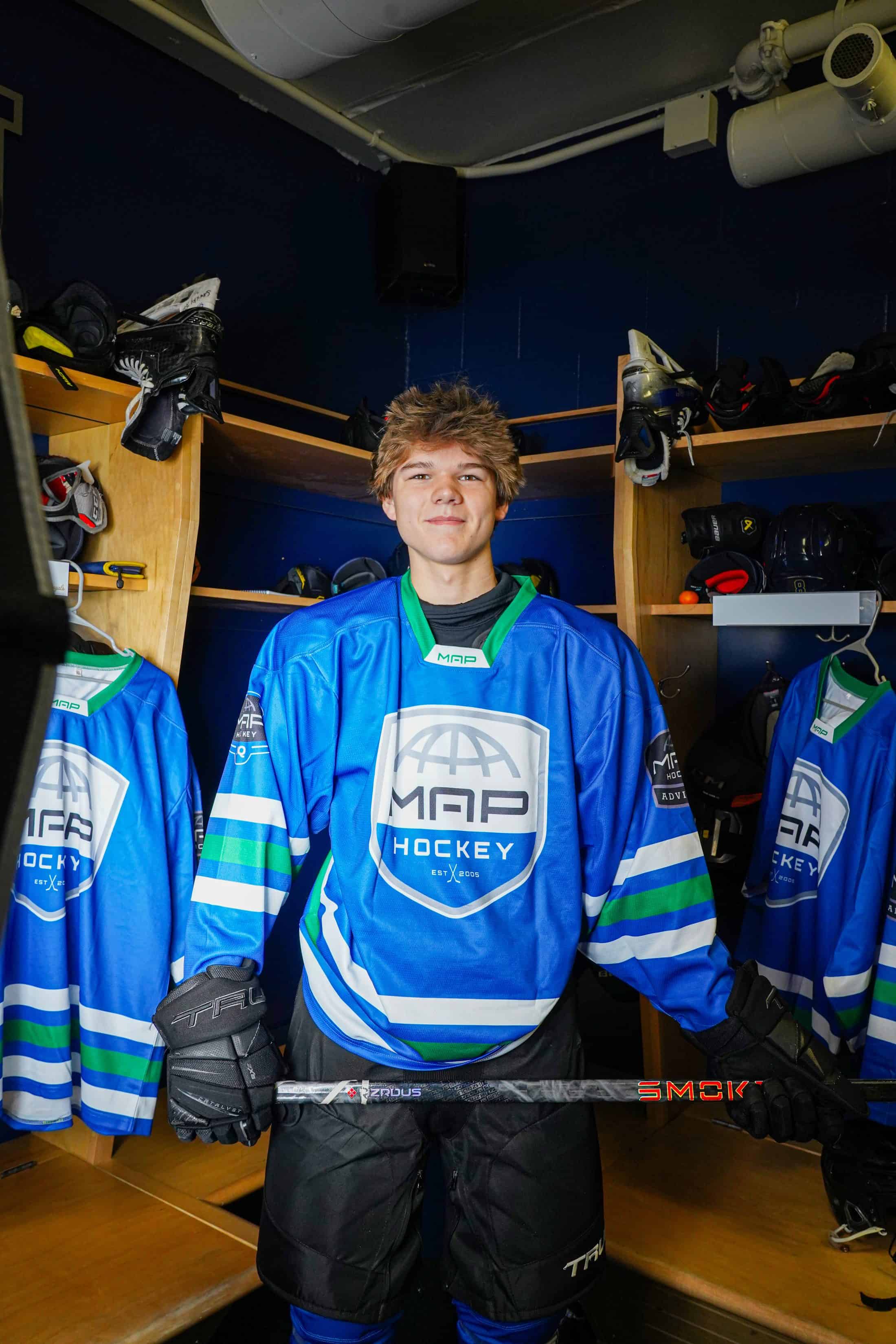
MAP Hockey player in a blue jersey with the current crest seated in the locker room

You’ve been holding all of those calendars in your head for a while. Get them onto one sheet, sort the decisions that can’t be undone, and talk them through with your athlete. Then, if you want a second set of eyes on it, learn more about planning the move from high school hockey with MAP Hockey Advisors.
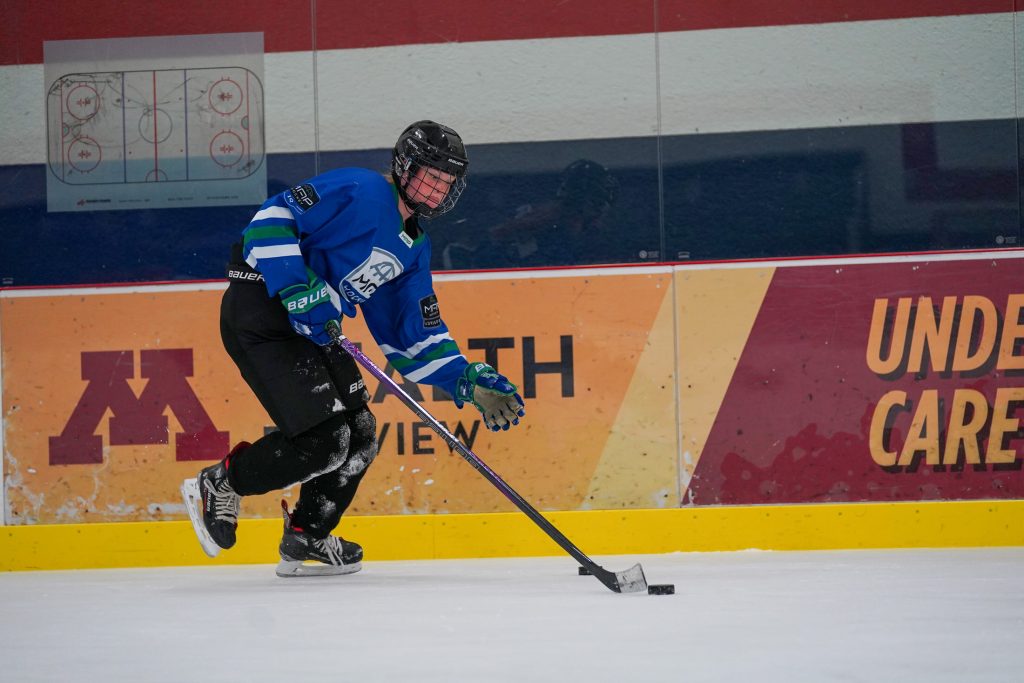
Player in a blue MAP jersey stickhandling the puck past a maroon and gold rink board

Membership

MAP Hockey Membership

Year-round development for elite skaters, built on small groups and individual feedback.

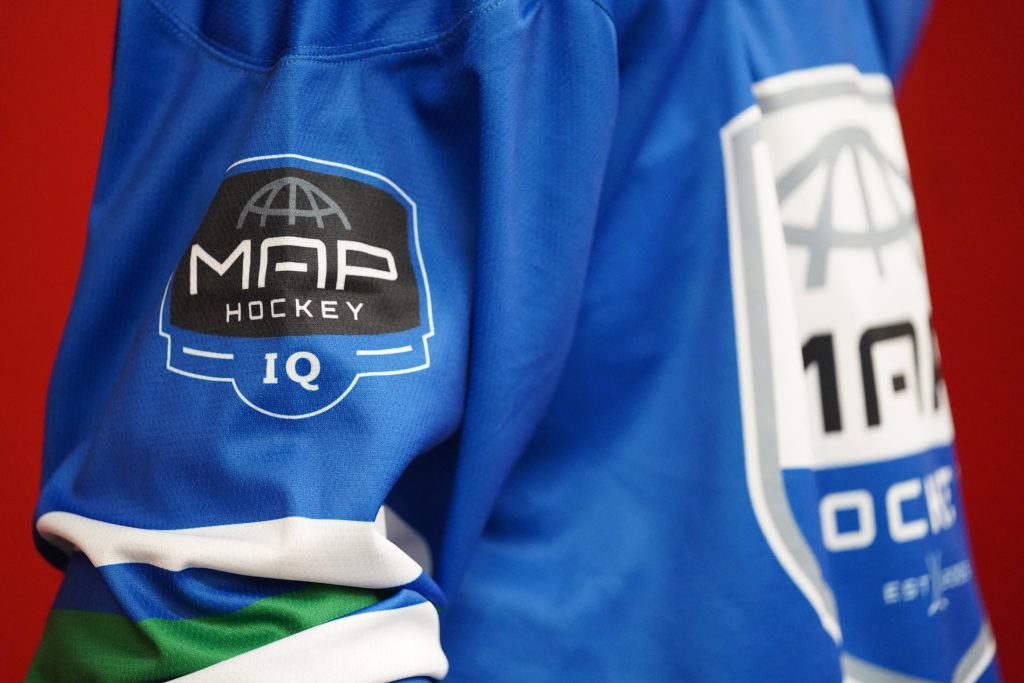
Close-up of a MAP Hockey IQ patch on the sleeve of a blue and green jersey

Film and Game Sense

MAP Hockey IQ

Film breakdowns that show your player what to read before the puck arrives.

Close-up of a gloved hand gripping a stick beside a MAP Hockey Advisors patch on a blue jersey

Recruiting

MAP Hockey Advisors

Guidance through the recruiting years from people who have walked families through it.

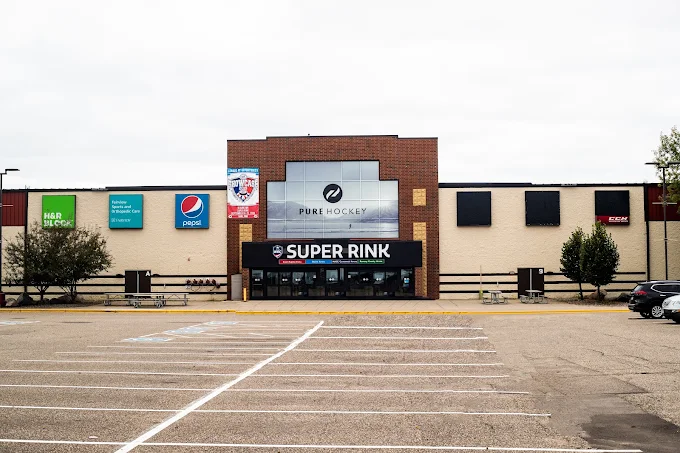
Front entrance of the Super Rink building in Blaine seen across an empty parking lot

Campuses

Find Your Campus

Blaine, Plymouth, Hudson and St. Michael-Albertville.

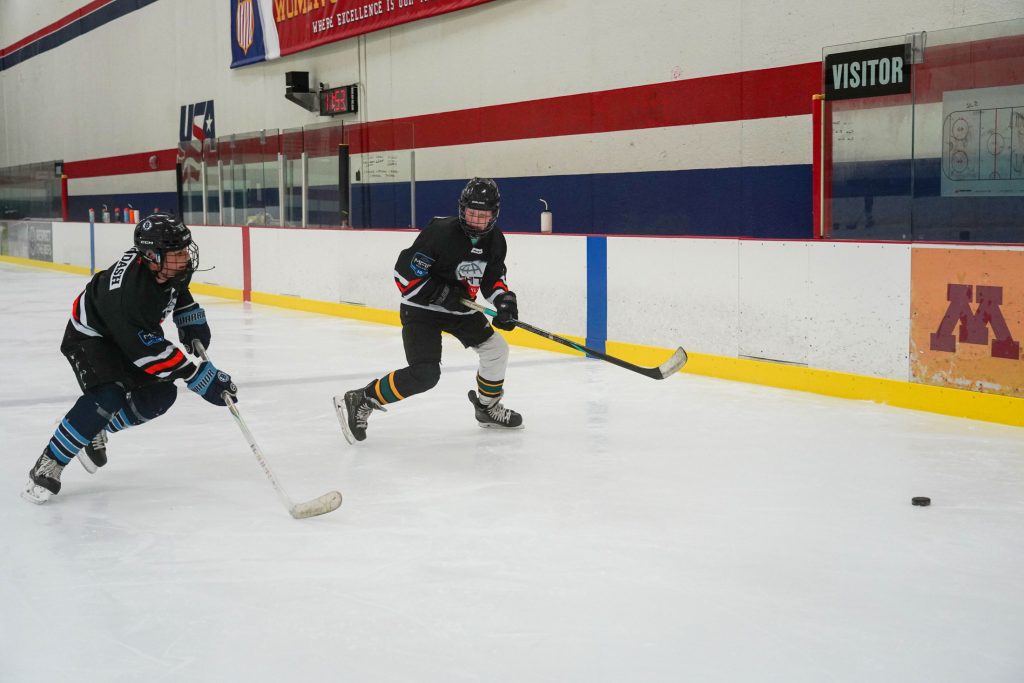
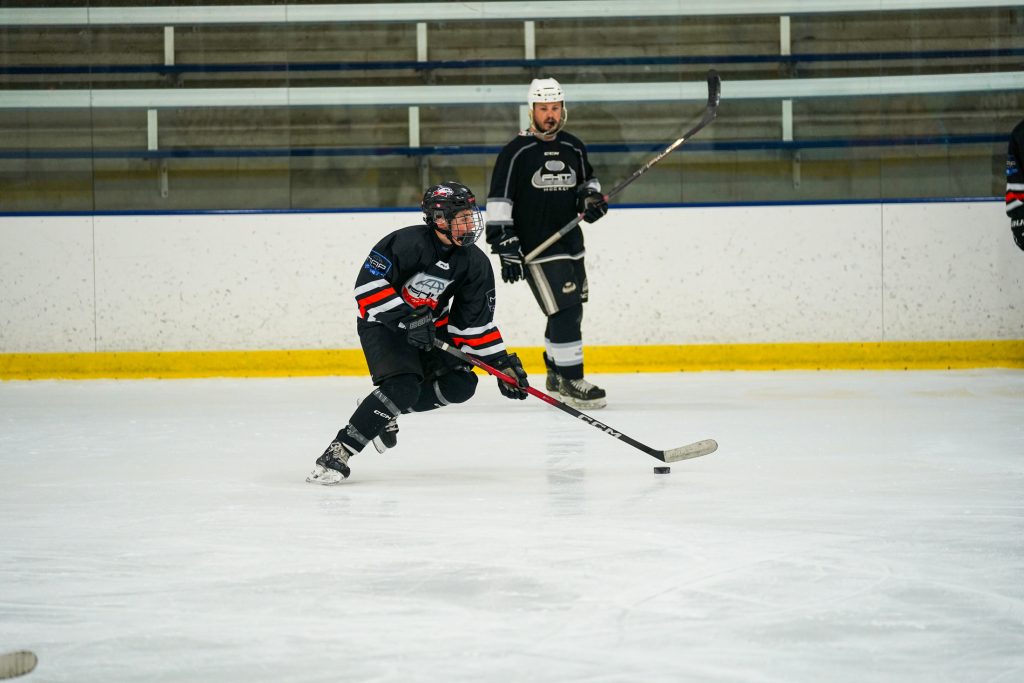
Two players in black jerseys racing toward the puck along the boards near a visitor bench

Membership

FHIT Hockey Membership

Eight off-season months and four in-season, with a cap of eight skaters per coach.

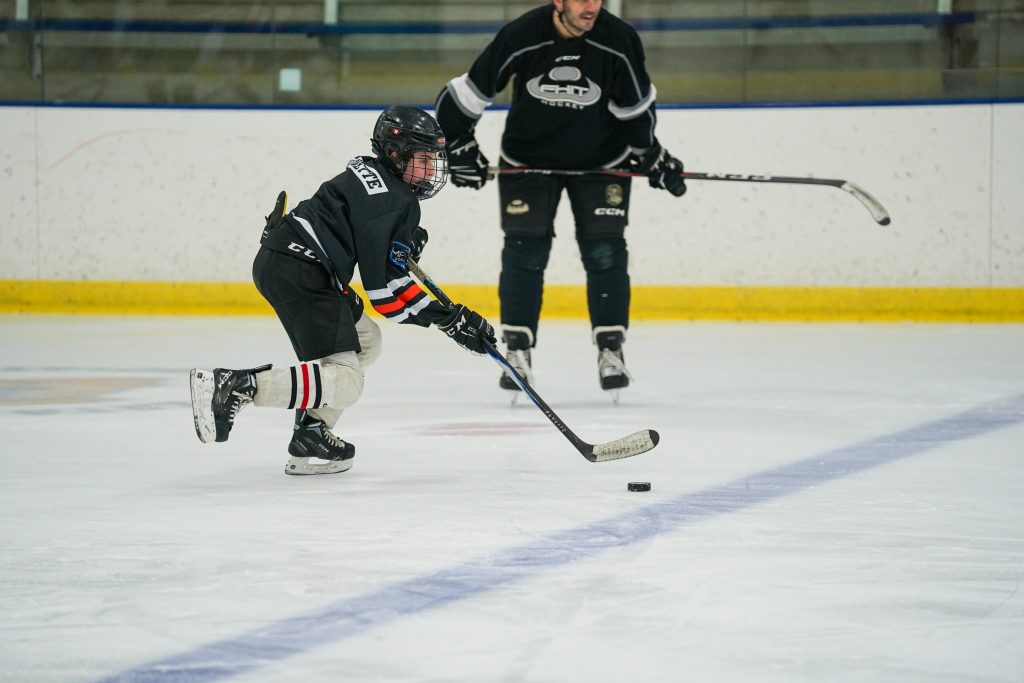
Player in a black jersey reaching low for the puck as a coach skates behind

Squirts and Peewees

FHIT Futures

Summer development for younger skaters ready for more than a weekly skate.

Player in a black FHIT jersey carrying the puck as a coach in a helmet follows

On-Site Training

Bring FHIT to Your Rink

Sessions run at your association’s home rink, on your schedule.

Front entrance of the Super Rink building in Blaine seen across an empty parking lot

Campuses

Find Your Campus

Blaine, Plymouth, Hudson and St. Michael-Albertville.

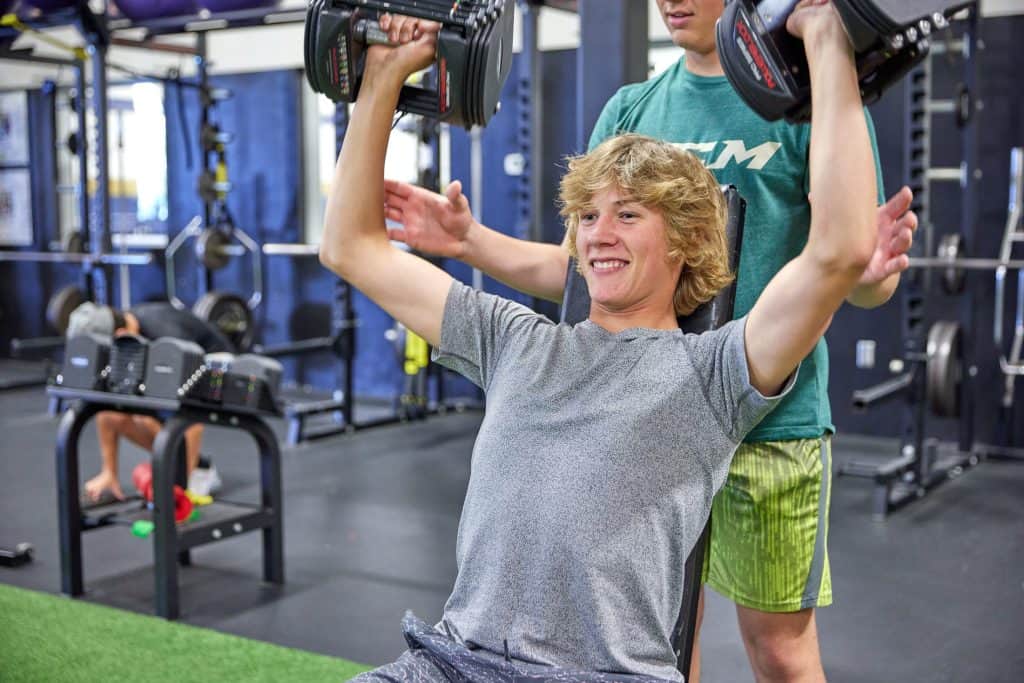
Teen in a gray shirt pressing adjustable dumbbells high overhead with a spotter in green behind him

Off-Ice Training

Dark Horse Performance

Speed, strength and agility work built for athletes who still have a season to play.

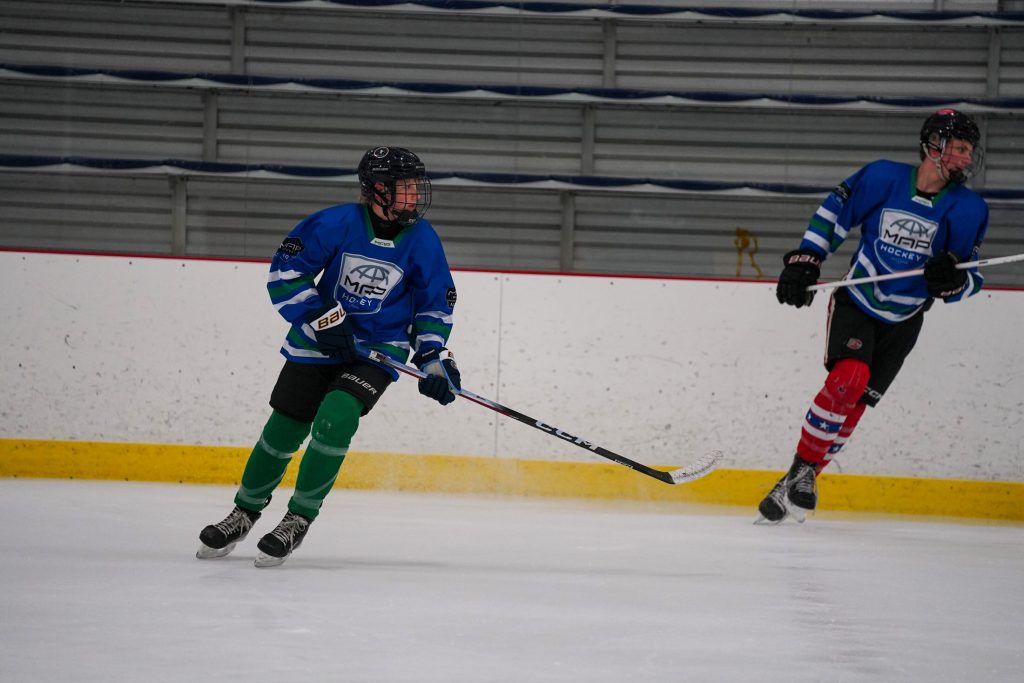
Pair of skaters in blue MAP jerseys with green and red socks moving along the boards

On the Ice

MAP Hockey Membership

Pair the off-ice work with year-round on-ice development.

Two players in black jerseys racing toward the puck along the boards near a visitor bench

On the Ice

FHIT Hockey Membership

Year-round on-ice development alongside the strength work.

Front entrance of the Super Rink building in Blaine seen across an empty parking lot

Campuses

Find Your Campus

Blaine, Plymouth, Hudson and St. Michael-Albertville.

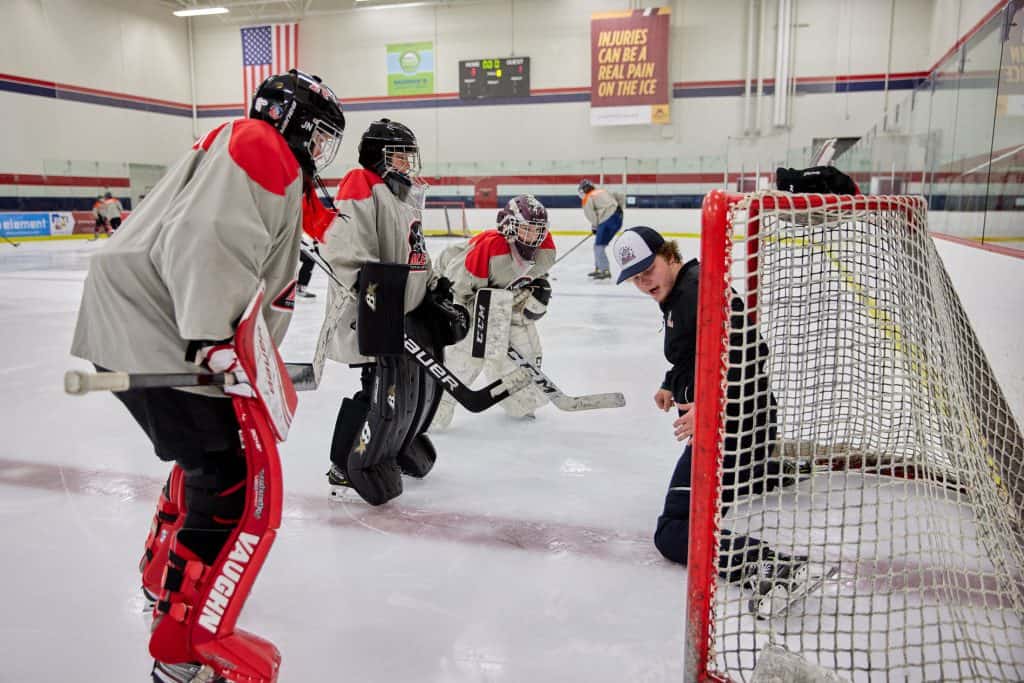
Young goalies in red and black pads wait in line beside the net as a coach kneels to explain a drill

Goaltending

MEGA Goaltending

Goalie development with coaching built around the position, not bolted onto a skater session.

Goalie in a white mask stays square in a butterfly while a skater shifts the puck to the forehand

Blaine

Goalie Membership

Year-round goalie training at the Super Rink in Blaine.

Close-up of a MAP Hockey IQ patch on the sleeve of a blue and green jersey

Film and Game Sense

MAP Hockey IQ

Film breakdowns that show what to read before the shot comes.

Front entrance of the Super Rink building in Blaine seen across an empty parking lot

Campuses

Find Your Campus

Blaine, Plymouth, Hudson and St. Michael-Albertville.

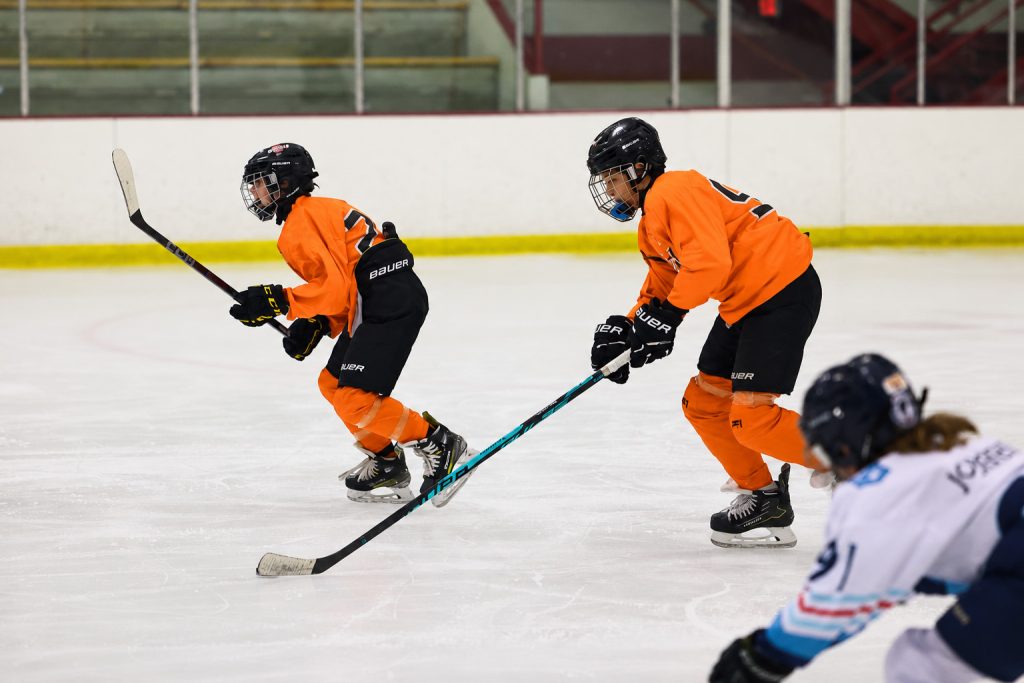
Two players in orange jerseys skating in a low ready stance during a game

Summer AAA

Falcons AAA

Summer AAA teams for players who want more hockey once the winter season ends.

Two players in black jerseys racing toward the puck along the boards near a visitor bench

Membership

FHIT Hockey Membership

Year-round development that runs alongside the summer season.

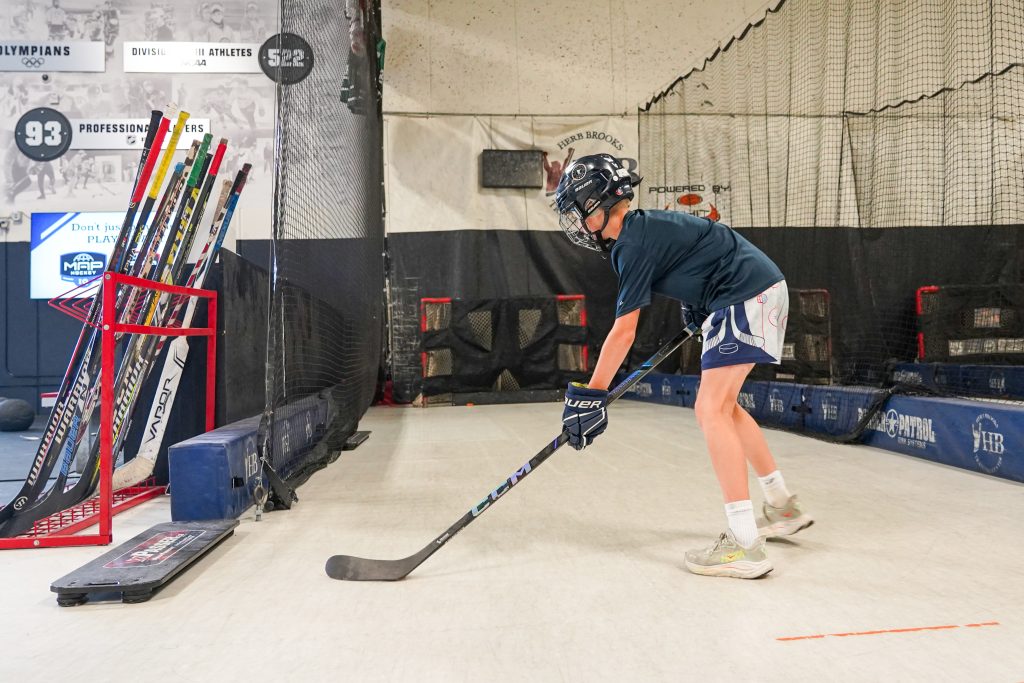
Teen in a helmet, T-shirt and shorts stickhandling on synthetic ice in a netted training room

Squirts and Peewees

FHIT Futures

Summer development for younger skaters ready for more than a weekly skate.

Front entrance of the Super Rink building in Blaine seen across an empty parking lot

Campuses

Find Your Campus

Blaine, Plymouth, Hudson and St. Michael-Albertville.

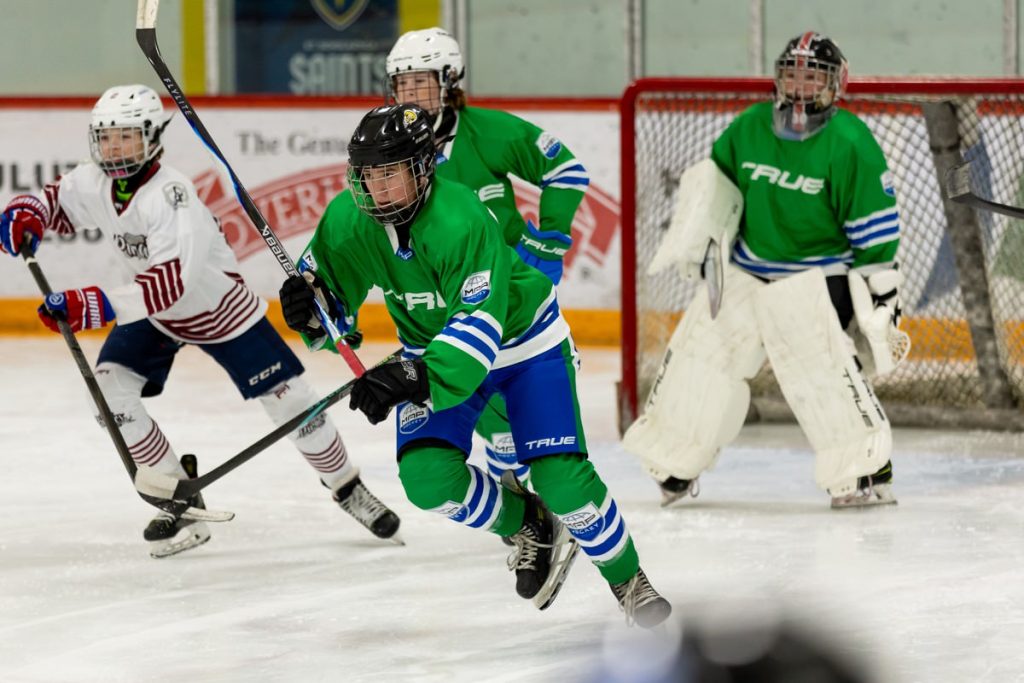
Players in green True jerseys chasing the puck against a skater in white near the net

Summer AAA

Team True AAA

Summer AAA for players who want a full season of competitive hockey.

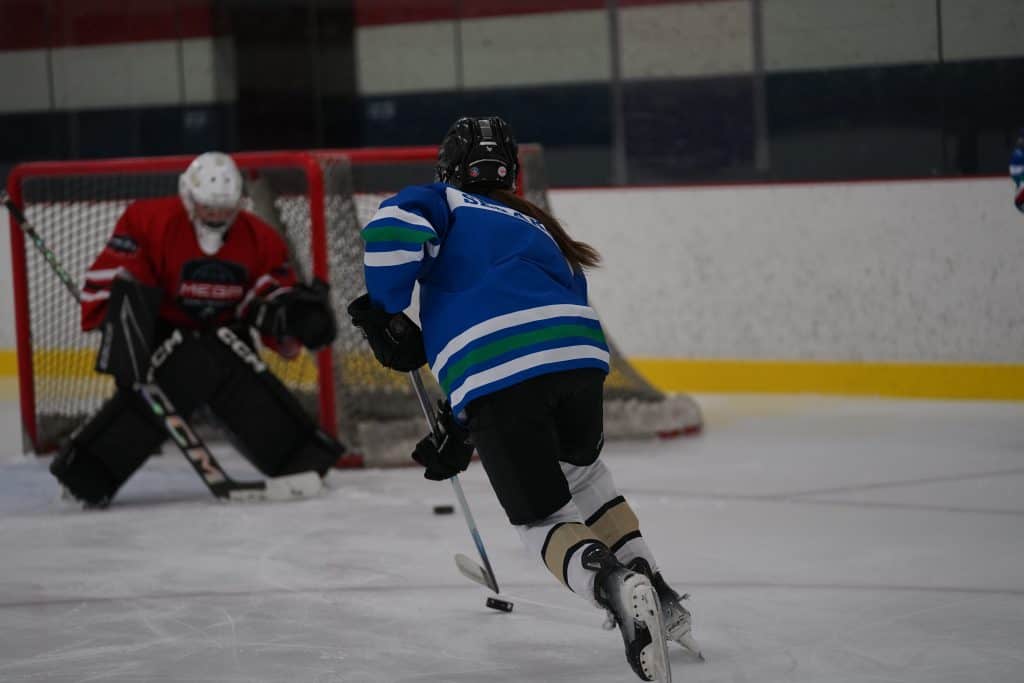
Player in a blue jersey with a ponytail skating the puck in on a goalie in red

Membership

MAP Hockey Membership

Year-round development for elite skaters, built on small groups and individual feedback.

Close-up of a gloved hand gripping a stick beside a MAP Hockey Advisors patch on a blue jersey

Recruiting

MAP Hockey Advisors

Guidance through the recruiting years from people who have walked families through it.

Front entrance of the Super Rink building in Blaine seen across an empty parking lot

Campuses

Find Your Campus

Blaine, Plymouth, Hudson and St. Michael-Albertville.