Hit a Plateau in Hockey? Why Game Sense Is the Next Step

You skate five days a week. You lift. You shoot pucks in the driveway until somebody tells you to come inside. And when it’s a one-goal game with two minutes left, you’re still watching from the bench.

Or maybe you’re playing, but it doesn’t feel like your game anymore. Your plays are fine. Nobody’s yelling at you. You just don’t feel like you’re getting better, and the teammate who plays your position seems to be getting everything.

That stuck feeling is real. But the answer might not be more of the same training.

When hard work stops showing up in games
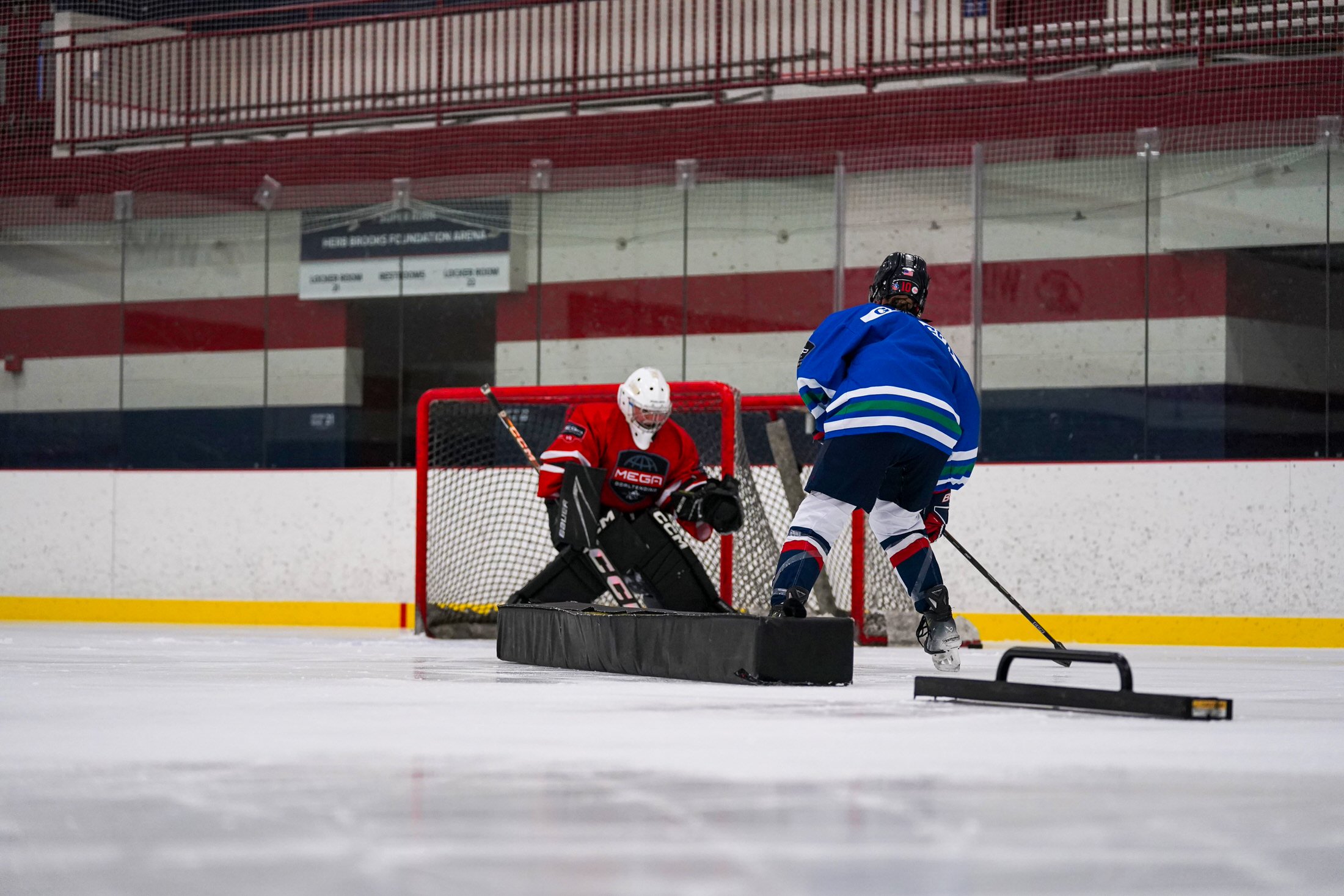
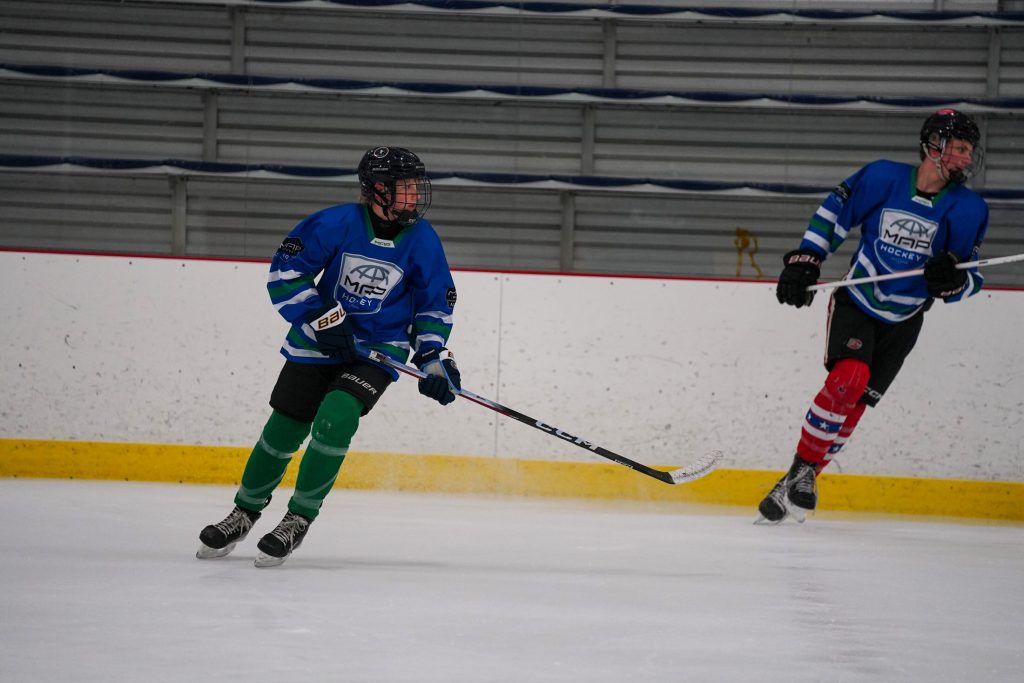
MAP Hockey player in a blue jersey attacking the net past a training obstacle

When you stop improving, the instinct is to add more of what worked. More skating. More shots. More time in the gym. That’s how you got here, so it makes sense.

Skating, shooting, puck skills and strength are essential parts of your development. But using those skills in a game also means recognizing what’s happening, understanding your options and making a decision under pressure.

MAP Hockey puts it in one line: “Hockey IQ is a player’s ability to make a read, process it, and then execute the right play.”

If you’re recognizing the play a beat late, your skating and skills might not be the problem. Sometimes the next step is learning to see your options sooner and make better decisions at game speed.

What coaches watch in big moments
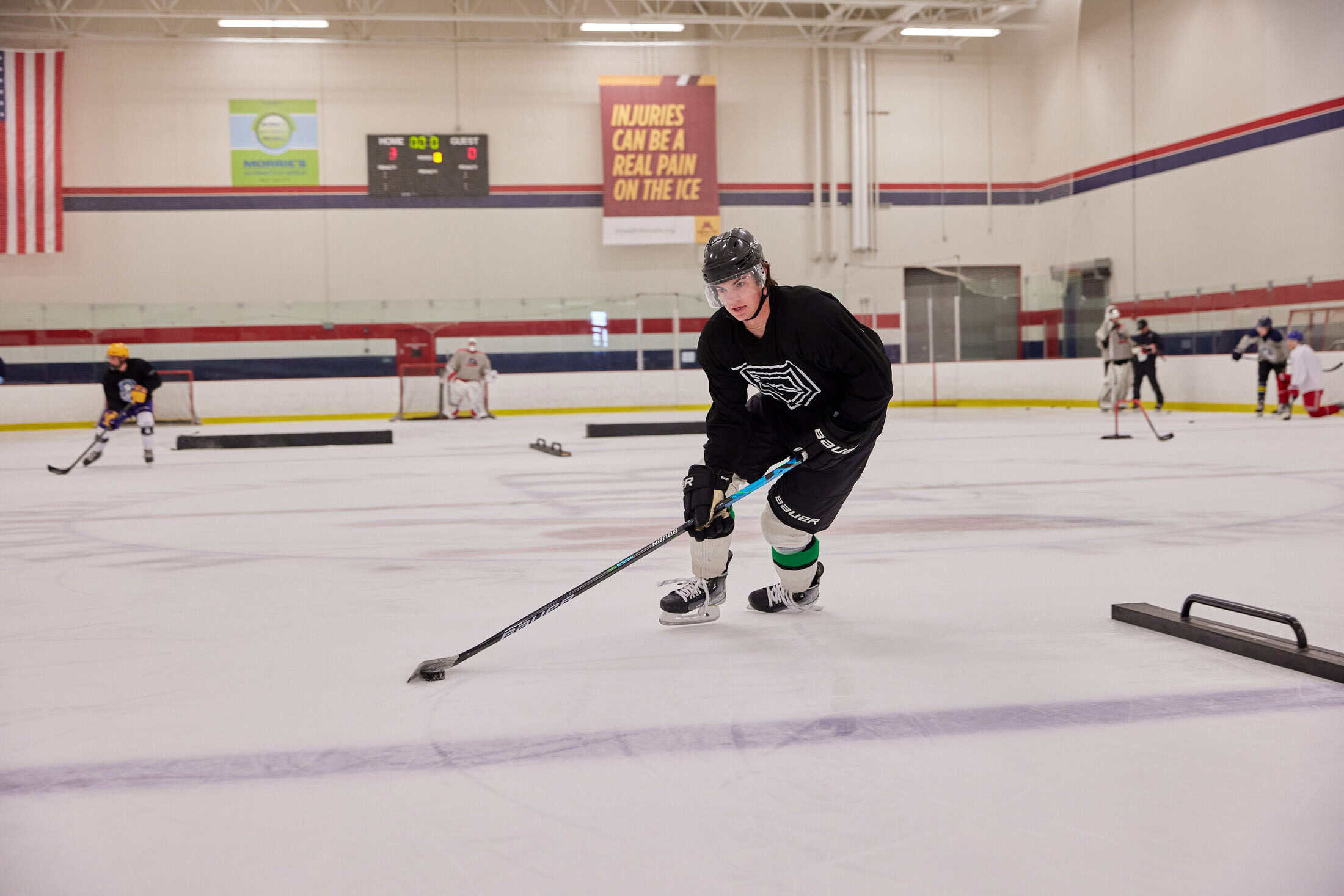
Youth hockey player in a black practice jersey extending the stick to pull the puck wide during skills training
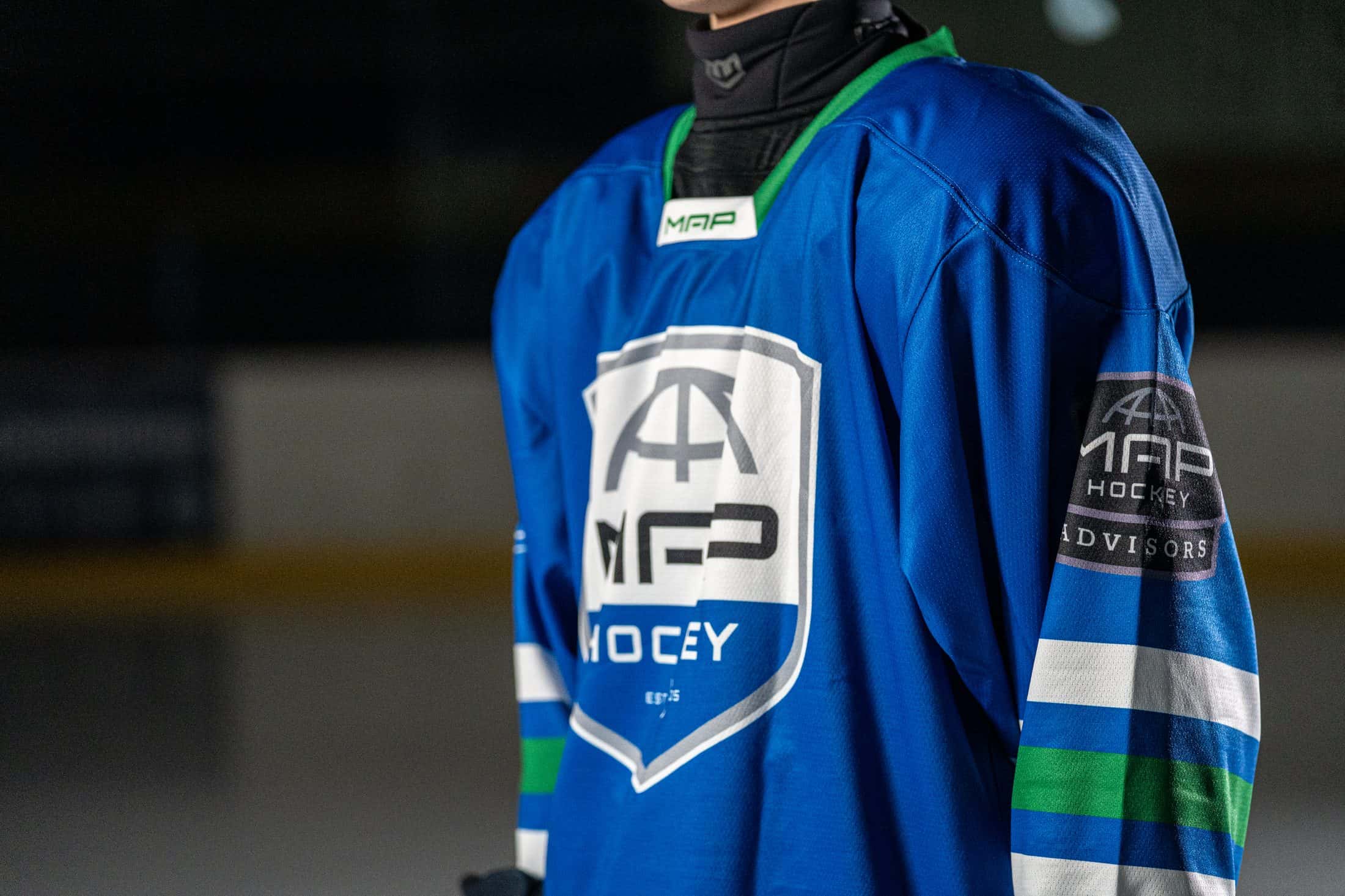
MAP Hockey crest on a blue jersey in a tight side view

Picture the last minute of a tight game. Your coach looks down the bench. Who goes over the boards?

Nobody can tell you exactly what’s in your coach’s head, and every coach is different. But you can probably describe the kind of player who gets tapped in those spots. The one who chips it out instead of forcing a pass through the middle. The one who’s in the right lane on the backcheck without being told. The one who reads a 2-on-1 against and takes away the pass.

Every one of those is a decision. A reliable, repeatable decision made under pressure. That’s what game sense looks like when the stakes go up, and it’s a part of your game you can actually work on.

Stop measuring yourself against one teammate
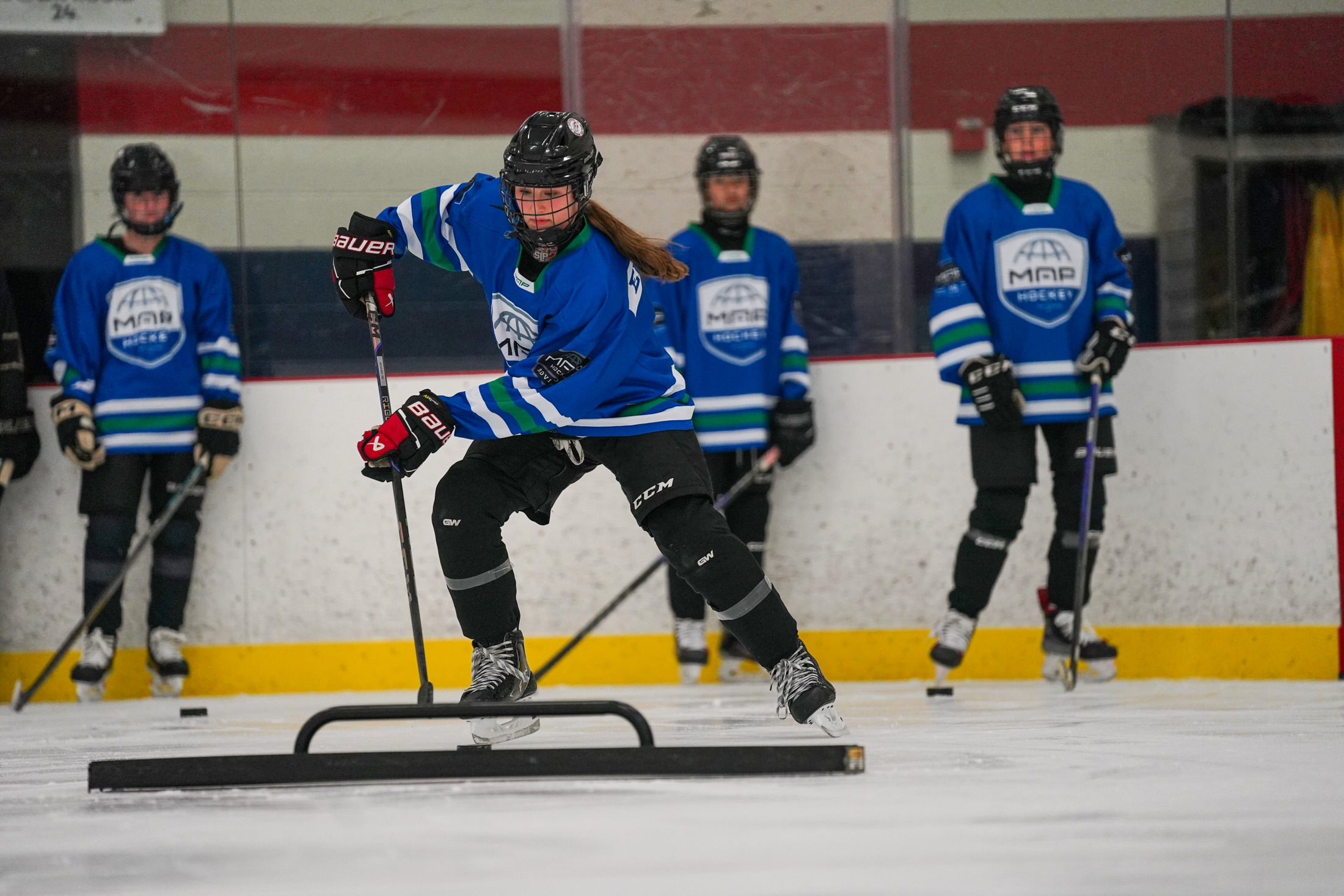
Girl in a blue MAP Hockey jersey stepping over a training obstacle as teammates watch

Almost every player has done this. There’s one teammate at your position, and you track everything about them. Their shifts. Their points. Whether they got the power play tonight. You leave the rink thinking about their game instead of yours.

It’s exhausting, and it doesn’t help much. Watching one teammate tells you who seems ahead on a scoreboard you invented. It doesn’t tell you what to do differently on your next shift.

Your own game film gives you something more useful to focus on. When you review what you saw, what you chose and what other options were available, you can identify what to work on next instead of measuring yourself against somebody else.

Game sense has a framework
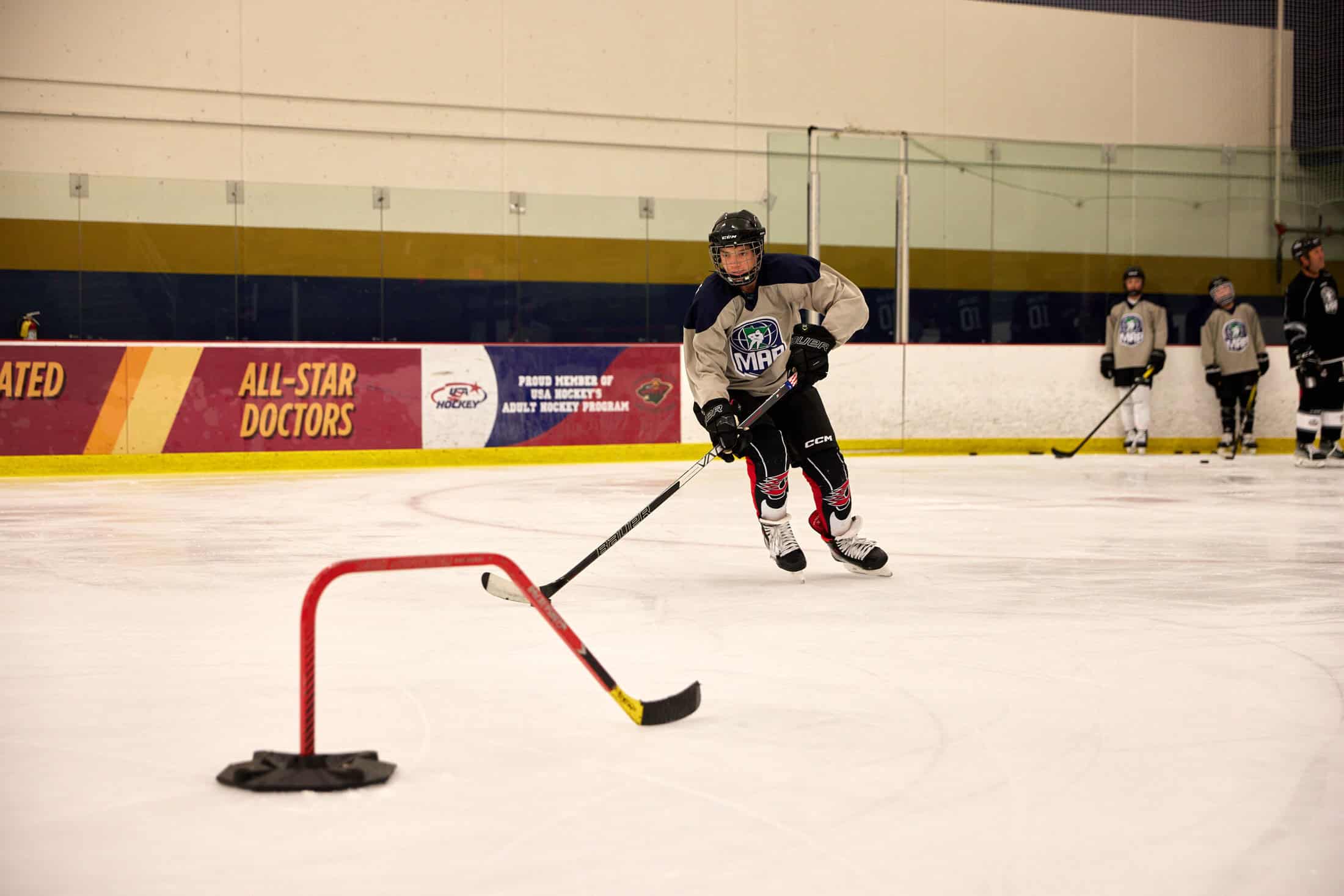
Youth hockey player in a MAP practice jersey skating in to stickhandle the puck under a red training obstacle
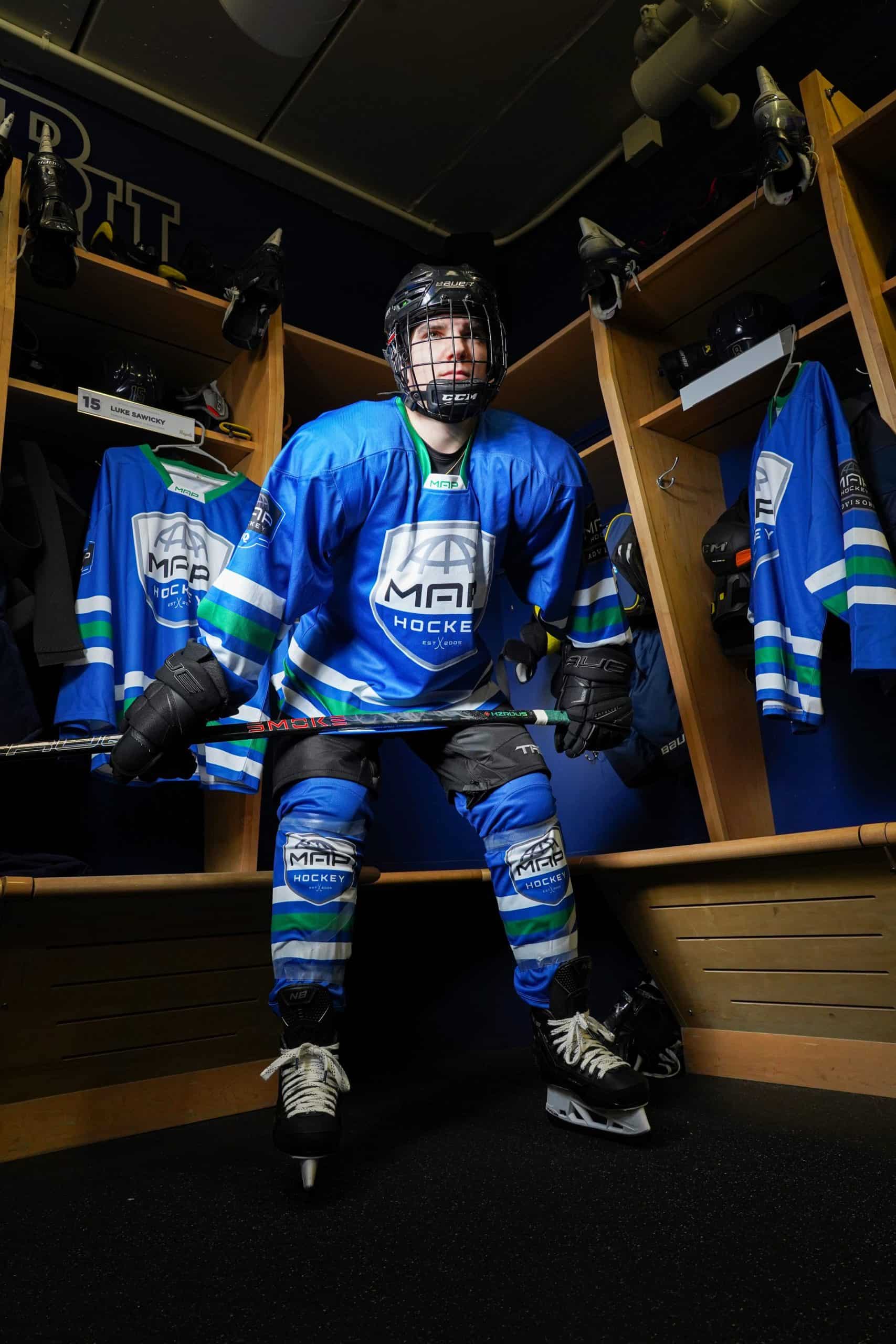
Helmeted MAP Hockey player seated on the locker room bench

“Play smarter” is something every hockey player has heard and almost nobody knows how to practice. It needs to be broken down into pieces.

Director of MAP Hockey IQ John Becanic developed the 4 Components of Hockey. At any point in a game, you’re in one of four situations:

  • Offense at the puck
  • Offense away from the puck
  • Defense at the puck
  • Defense away from the puck

Each one asks its own questions. On defense away from the puck, are you reading the weak side or watching the puck? On offense at the puck, did you look before the pass got to you, or after? Once you can name the situation, you can start judging your own choices inside it. You stop thinking “I played bad” and start thinking “I got caught puck-watching on the weak side in the second period.”

That’s something you can take to practice on Tuesday.

What working on game sense looks like
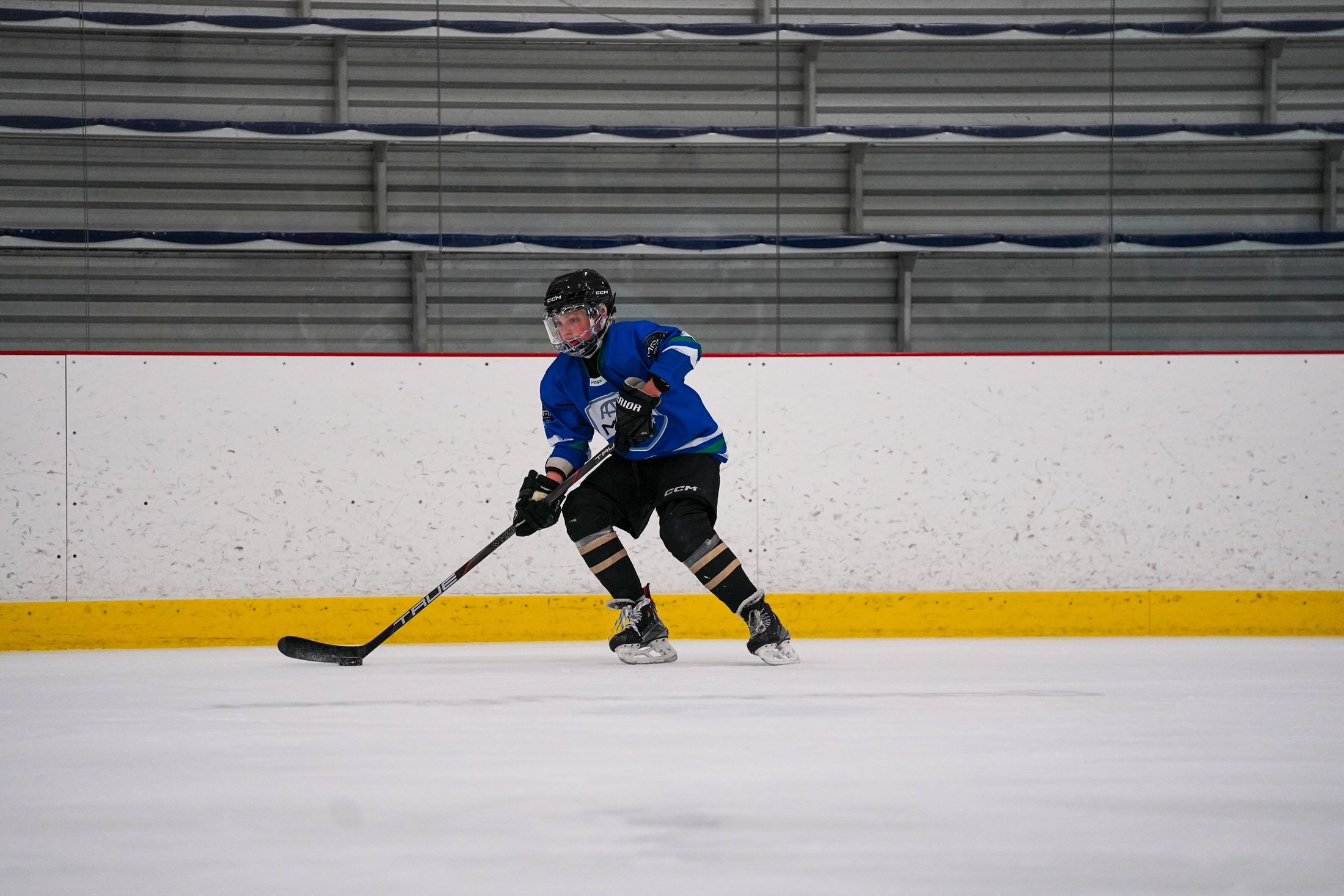
MAP Hockey skater handling the puck along a yellow-trimmed rink wall

Your game film. Your decisions. Personalized analysis from your MAP IQ coach.

That’s the approach in one line. A MAP Hockey IQ coach goes through your actual shifts and gives you personalized analysis of your game footage: where the read came late, what option was there, which of the 4 Components you were in when it happened. Coaching moments from pro film show how elite players handle the same situations you’re facing.

Nobody can promise you a line, a letter or a spot on the power play. That’s your coach’s call, and it should be. What you can work on is recognizing situations sooner, understanding your options and making better decisions under pressure. That’s worth developing no matter what the lineup card says.

Learn more about MAP Hockey IQ
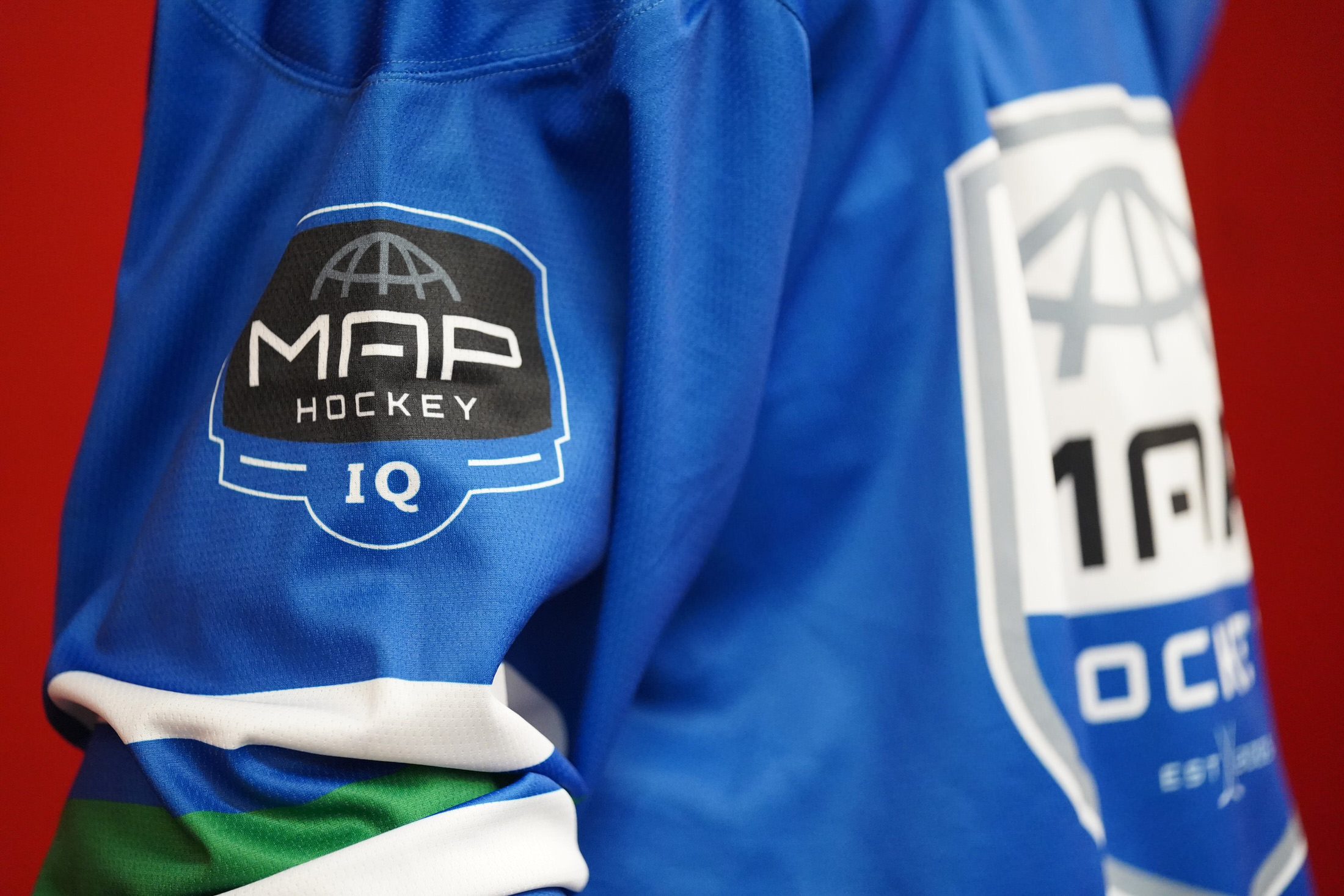
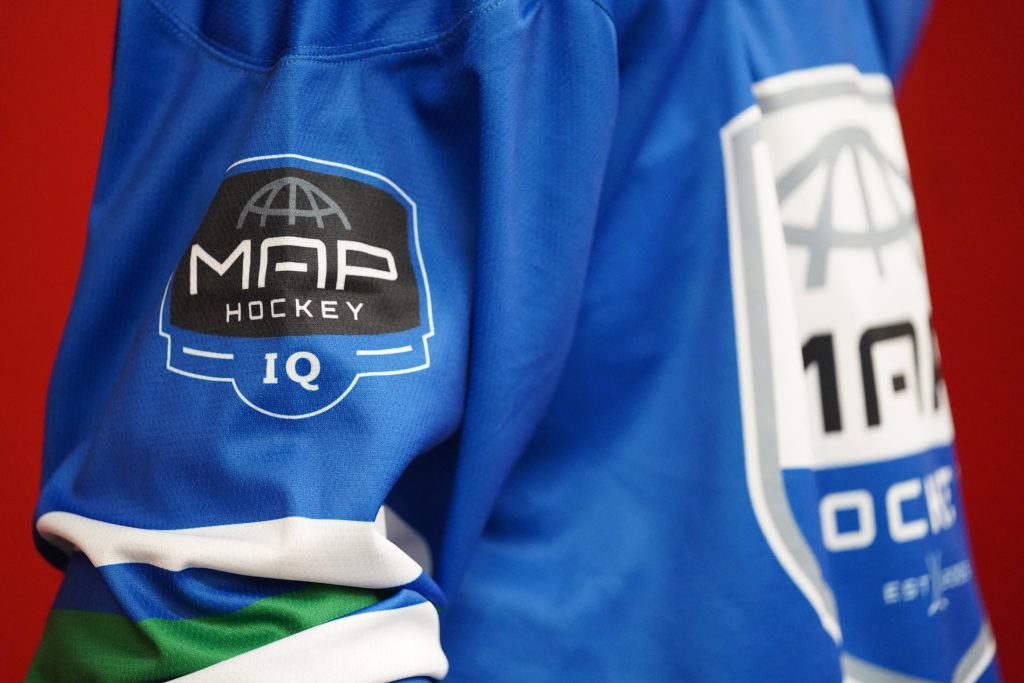
Close-up of the MAP Hockey IQ patch on the sleeve of a blue current-crest MAP jersey

You’re already putting in the work to develop your skills. Now give the decisions behind those skills the same attention. Learn more about MAP Hockey IQ and talk it over with your parents to see if it fits your game.
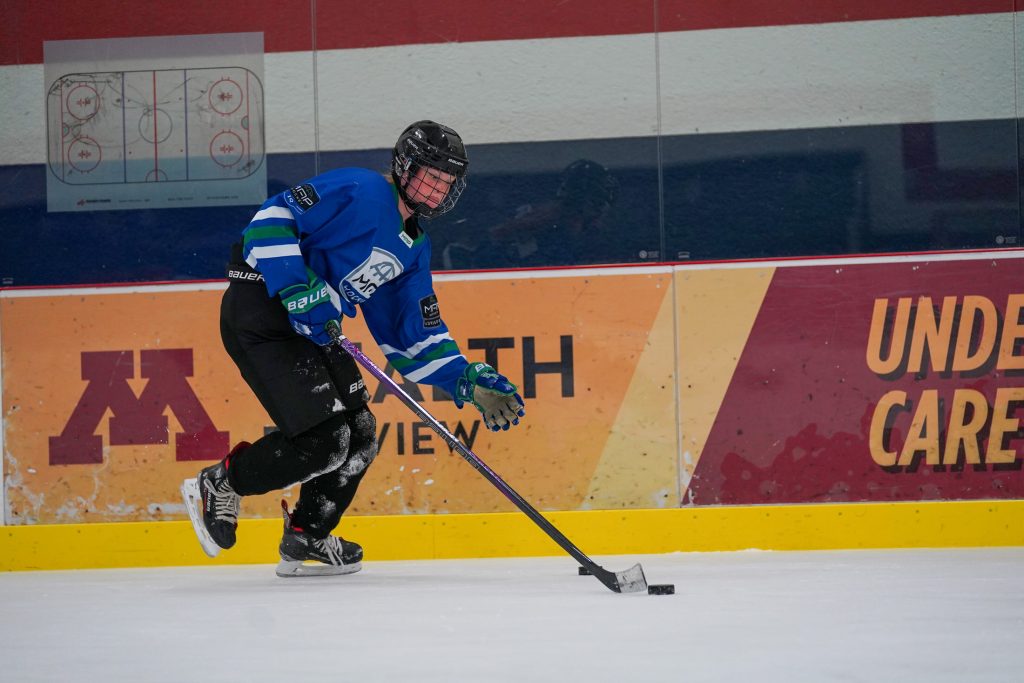
Player in a blue MAP jersey stickhandling the puck past a maroon and gold rink board

Membership

MAP Hockey Membership

Year-round development for elite skaters, built on small groups and individual feedback.

Close-up of a MAP Hockey IQ patch on the sleeve of a blue and green jersey

Film and Game Sense

MAP Hockey IQ

Film breakdowns that show your player what to read before the puck arrives.

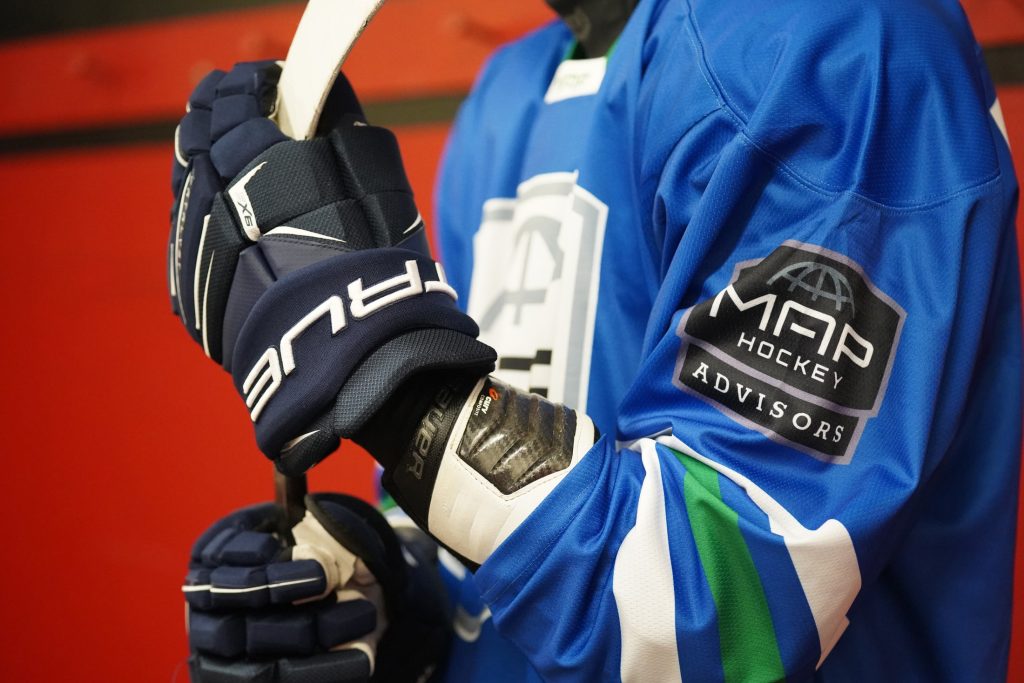
Close-up of a gloved hand gripping a stick beside a MAP Hockey Advisors patch on a blue jersey

Recruiting

MAP Hockey Advisors

Guidance through the recruiting years from people who have walked families through it.

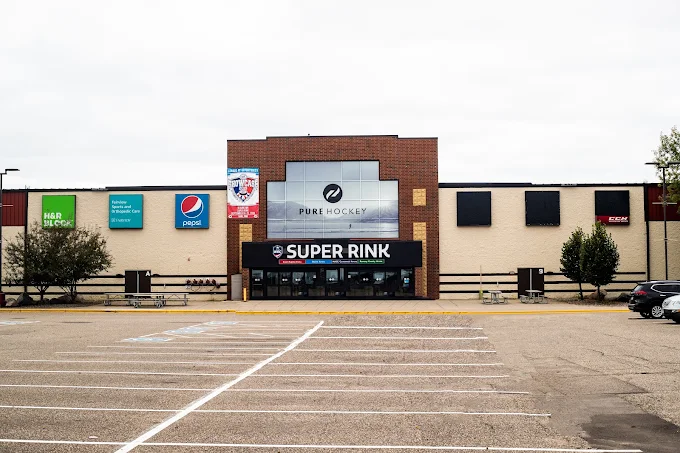
Front entrance of the Super Rink building in Blaine seen across an empty parking lot

Campuses

Find Your Campus

Blaine, Plymouth, Hudson and St. Michael-Albertville.

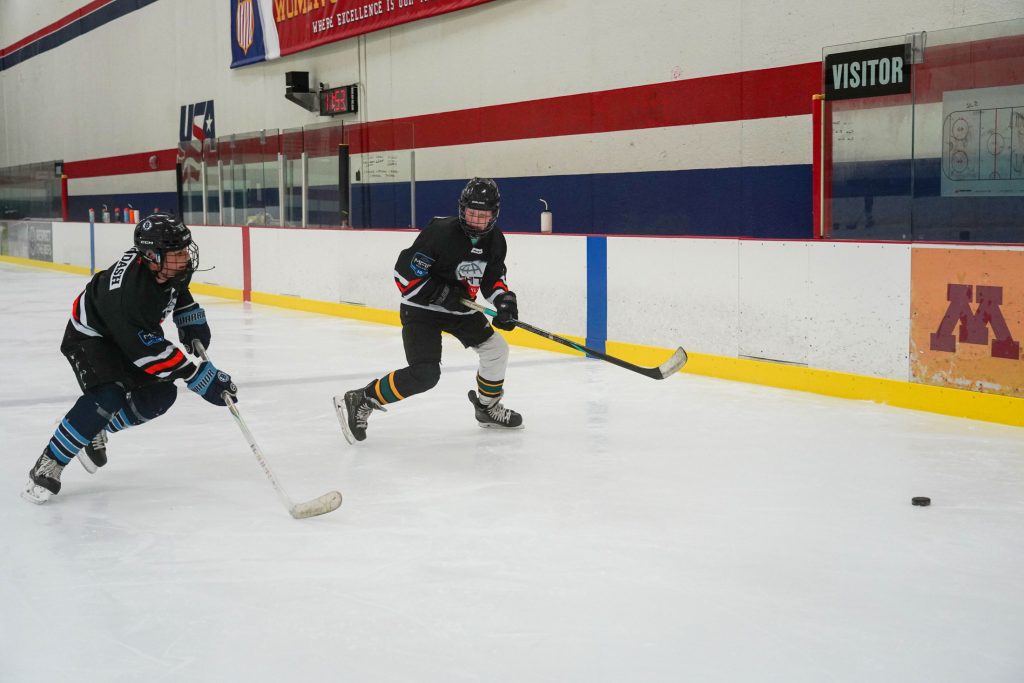
Two players in black jerseys racing toward the puck along the boards near a visitor bench

Membership

FHIT Hockey Membership

Eight off-season months and four in-season, with a cap of eight skaters per coach.

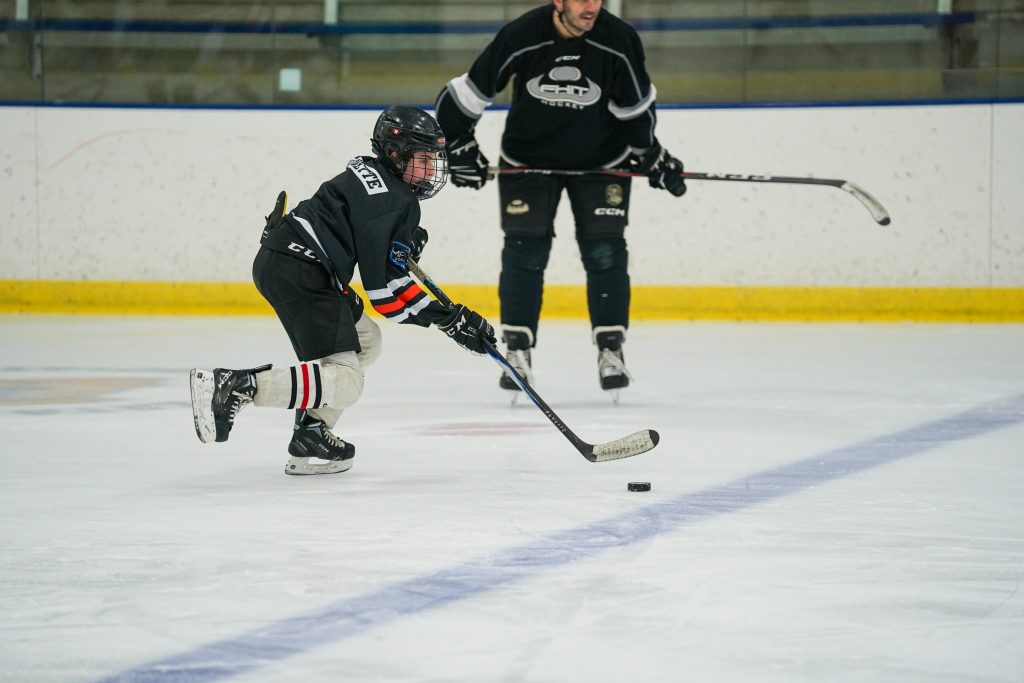
Player in a black jersey reaching low for the puck as a coach skates behind

Squirts and Peewees

FHIT Futures

Summer development for younger skaters ready for more than a weekly skate.

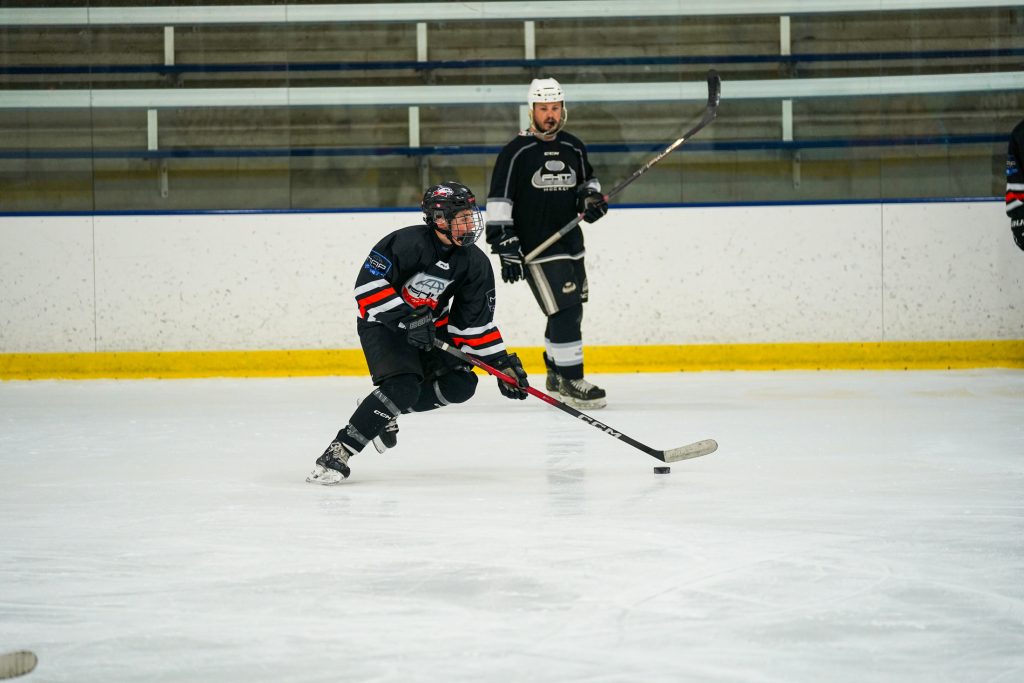
Player in a black FHIT jersey carrying the puck as a coach in a helmet follows

On-Site Training

Bring FHIT to Your Rink

Sessions run at your association’s home rink, on your schedule.

Front entrance of the Super Rink building in Blaine seen across an empty parking lot

Campuses

Find Your Campus

Blaine, Plymouth, Hudson and St. Michael-Albertville.

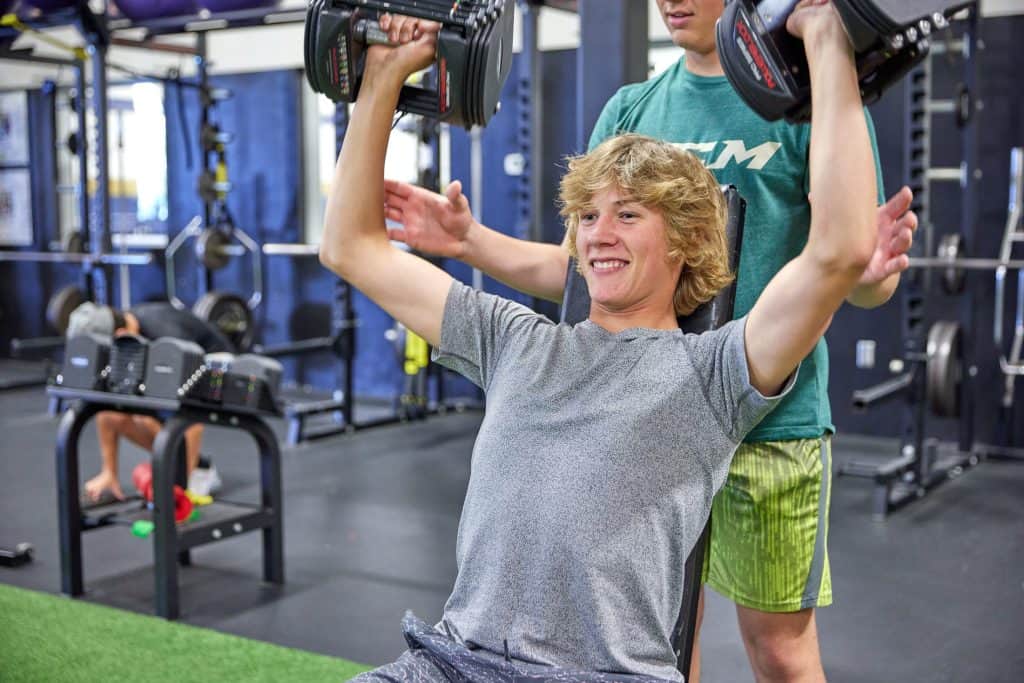
Teen in a gray shirt pressing adjustable dumbbells high overhead with a spotter in green behind him

Off-Ice Training

Dark Horse Performance

Speed, strength and agility work built for athletes who still have a season to play.

Pair of skaters in blue MAP jerseys with green and red socks moving along the boards

On the Ice

MAP Hockey Membership

Pair the off-ice work with year-round on-ice development.

Two players in black jerseys racing toward the puck along the boards near a visitor bench

On the Ice

FHIT Hockey Membership

Year-round on-ice development alongside the strength work.

Front entrance of the Super Rink building in Blaine seen across an empty parking lot

Campuses

Find Your Campus

Blaine, Plymouth, Hudson and St. Michael-Albertville.

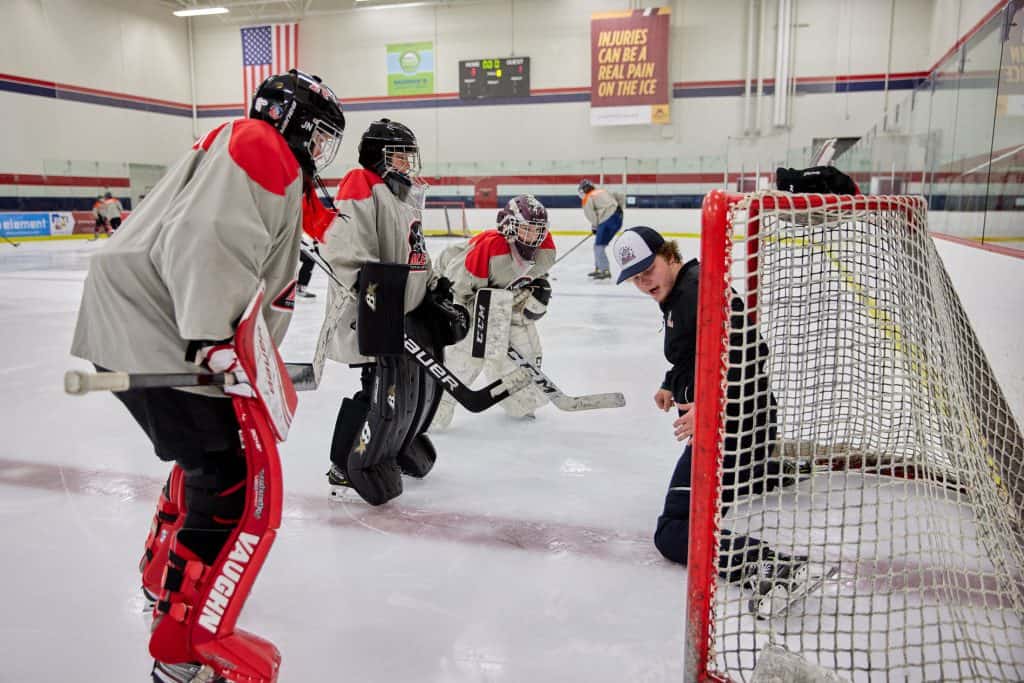
Young goalies in red and black pads wait in line beside the net as a coach kneels to explain a drill

Goaltending

MEGA Goaltending

Goalie development with coaching built around the position, not bolted onto a skater session.

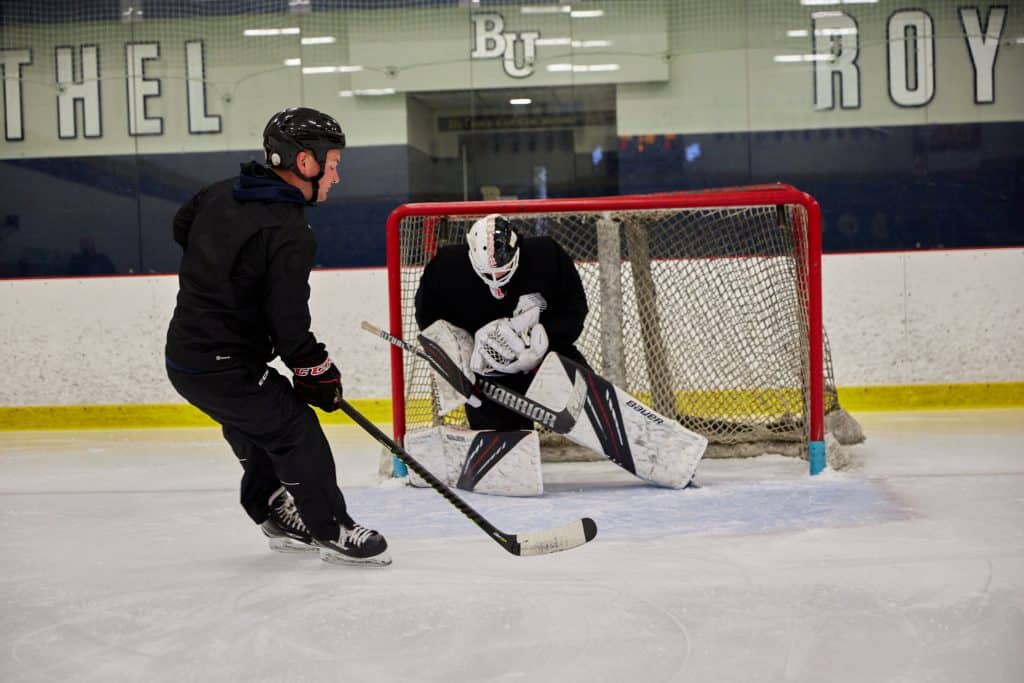
Goalie in a white mask stays square in a butterfly while a skater shifts the puck to the forehand

Blaine

Goalie Membership

Year-round goalie training at the Super Rink in Blaine.

Close-up of a MAP Hockey IQ patch on the sleeve of a blue and green jersey

Film and Game Sense

MAP Hockey IQ

Film breakdowns that show what to read before the shot comes.

Front entrance of the Super Rink building in Blaine seen across an empty parking lot

Campuses

Find Your Campus

Blaine, Plymouth, Hudson and St. Michael-Albertville.

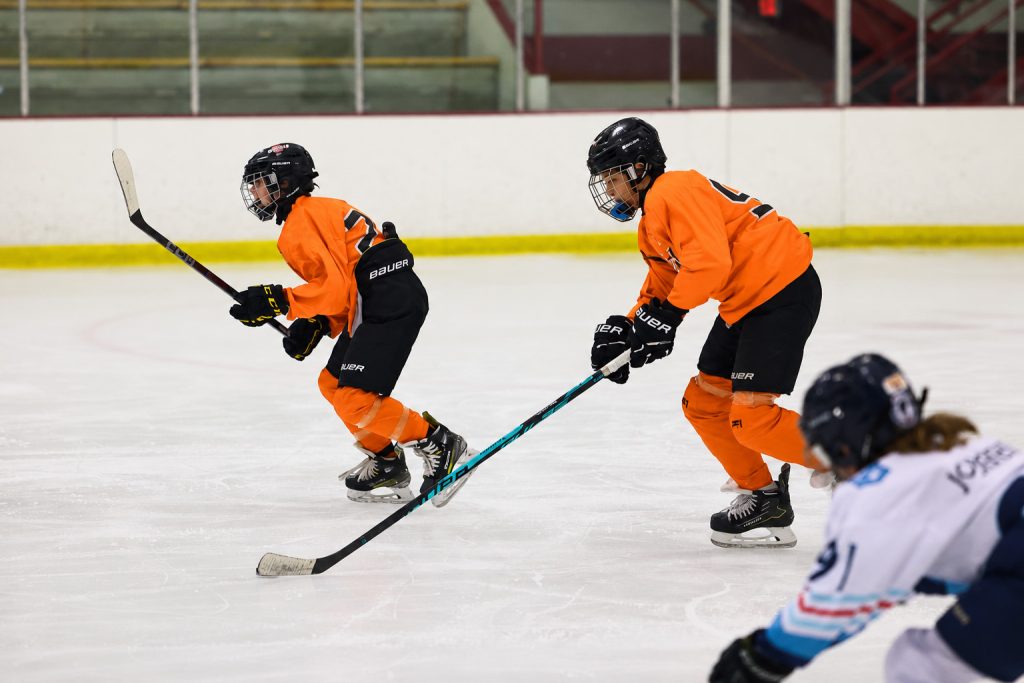
Two players in orange jerseys skating in a low ready stance during a game

Summer AAA

Falcons AAA

Summer AAA teams for players who want more hockey once the winter season ends.

Two players in black jerseys racing toward the puck along the boards near a visitor bench

Membership

FHIT Hockey Membership

Year-round development that runs alongside the summer season.

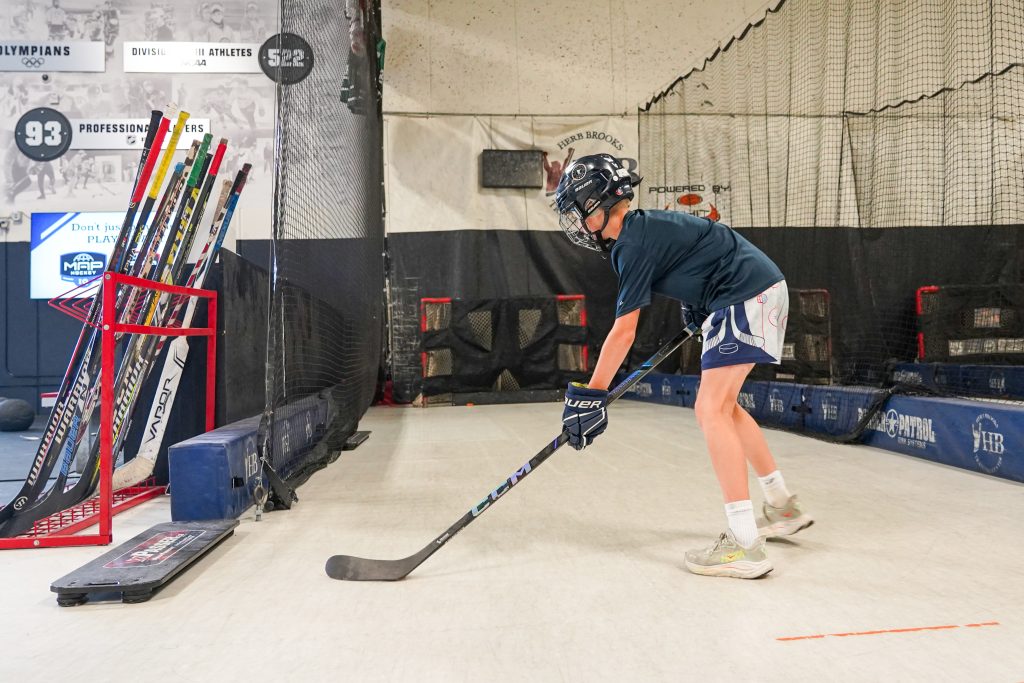
Teen in a helmet, T-shirt and shorts stickhandling on synthetic ice in a netted training room

Squirts and Peewees

FHIT Futures

Summer development for younger skaters ready for more than a weekly skate.

Front entrance of the Super Rink building in Blaine seen across an empty parking lot

Campuses

Find Your Campus

Blaine, Plymouth, Hudson and St. Michael-Albertville.

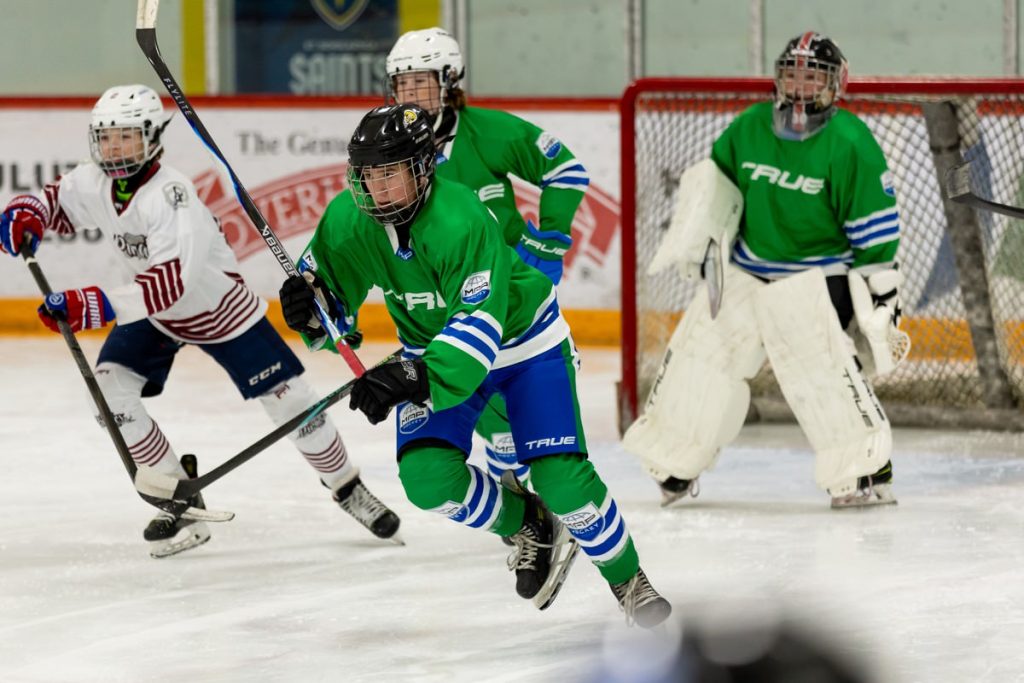
Players in green True jerseys chasing the puck against a skater in white near the net

Summer AAA

Team True AAA

Summer AAA for players who want a full season of competitive hockey.

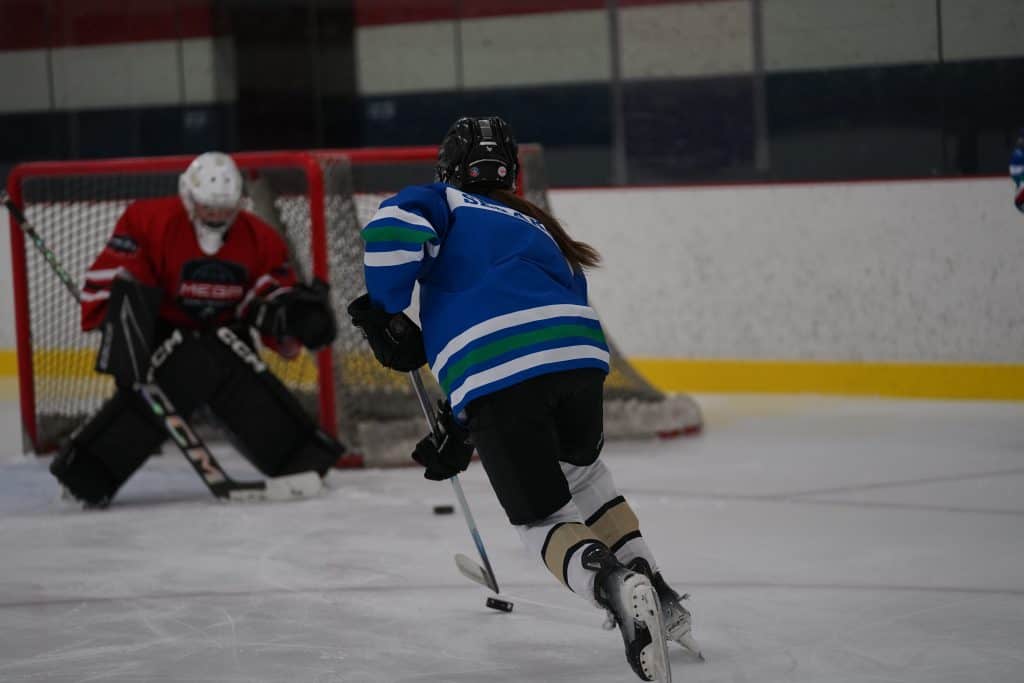
Player in a blue jersey with a ponytail skating the puck in on a goalie in red

Membership

MAP Hockey Membership

Year-round development for elite skaters, built on small groups and individual feedback.

Close-up of a gloved hand gripping a stick beside a MAP Hockey Advisors patch on a blue jersey

Recruiting

MAP Hockey Advisors

Guidance through the recruiting years from people who have walked families through it.

Front entrance of the Super Rink building in Blaine seen across an empty parking lot

Campuses

Find Your Campus

Blaine, Plymouth, Hudson and St. Michael-Albertville.