Hockey Choices That Fit Your Family

Ask most hockey families why their kid plays, and you won’t hear “to get drafted.” You’ll hear something closer to: we want them to learn to work hard, be a good teammate, handle losing, show up for people. Hockey is the vehicle. The kid is the point.

Then the season starts. Practice moves to 6 a.m. A tournament lands on the weekend of a cousin’s wedding. A new team wants a commitment that would mean missing school every other Friday. One decision at a time, the calendar starts making choices your family never actually sat down and made.

If that sounds familiar, this post is for you. It’s about making hockey choices that fit what your family already believes, before the season makes them for you.

When the schedule starts making the decisions
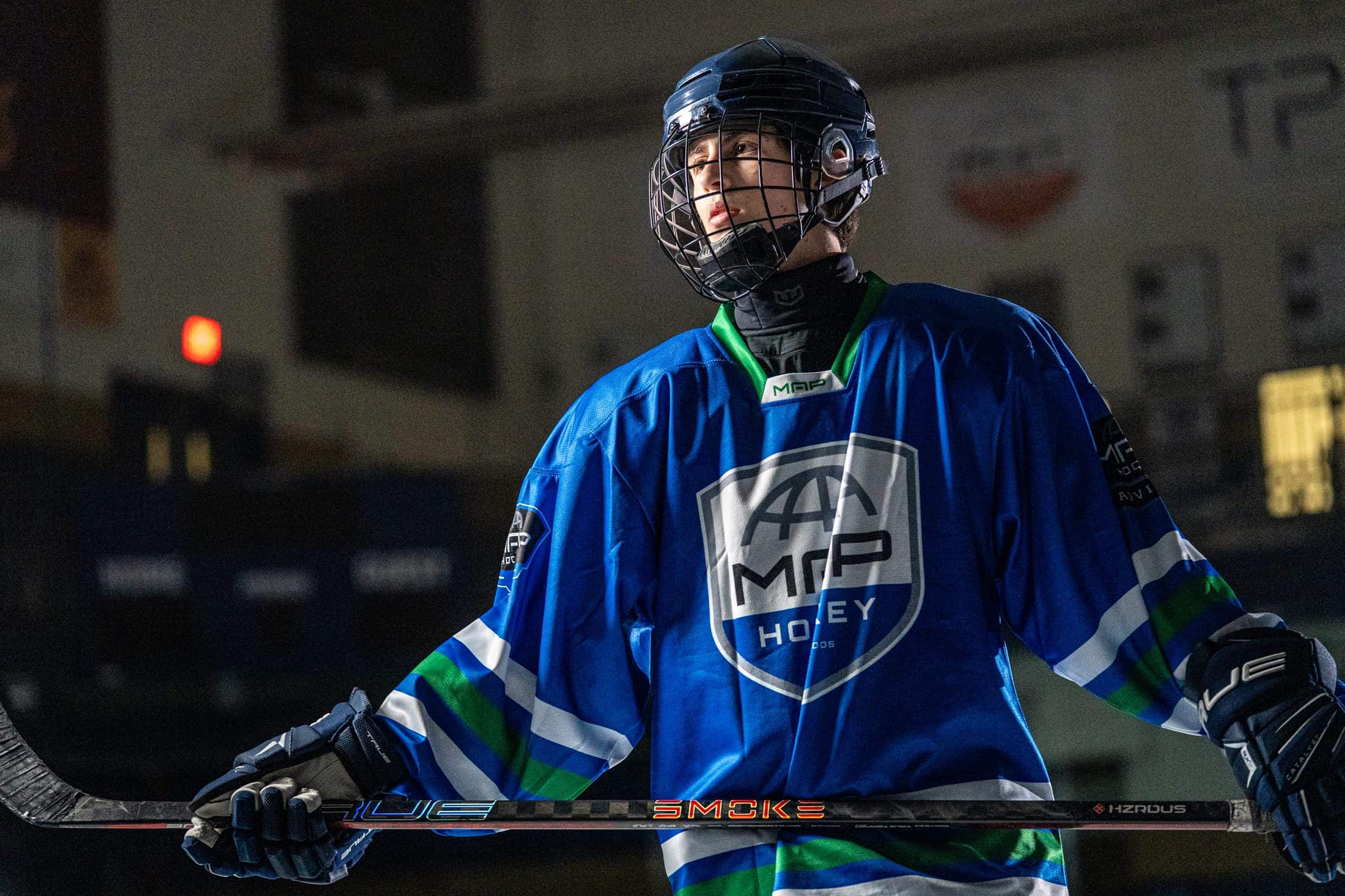
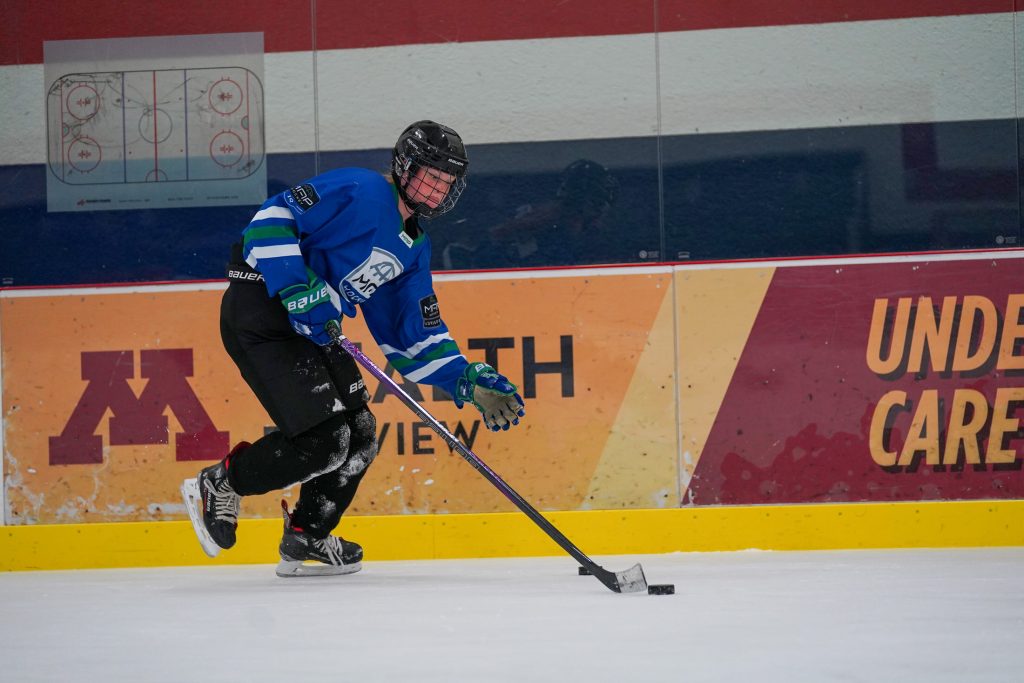
MAP Hockey player in the blue home jersey holding a stick across the ice

Nobody sets out to let hockey run the house. It happens in small steps. Each one makes sense in the moment. A second team for more ice. A summer camp because the coach suggested it. An extra skills session because teammates are doing it.

The trouble is that every one of those decisions gets made on hockey’s terms, usually under a deadline, by whoever happens to be in the room. Your family’s priorities, the ones you’d list in a heartbeat if someone asked, don’t always get a vote.

You can tell it’s happening when:

  • Homework is getting done in the car more often than at the kitchen table.
  • Family plans get scheduled around hockey instead of the other way around.
  • Your athlete’s answer to “how are you?” is always about the last game.
  • Siblings start missing things because of a hockey weekend.

None of that is a crisis on its own. It’s a signal to step back and check whether the choices still match what you care about.

Write down what you’re optimizing for
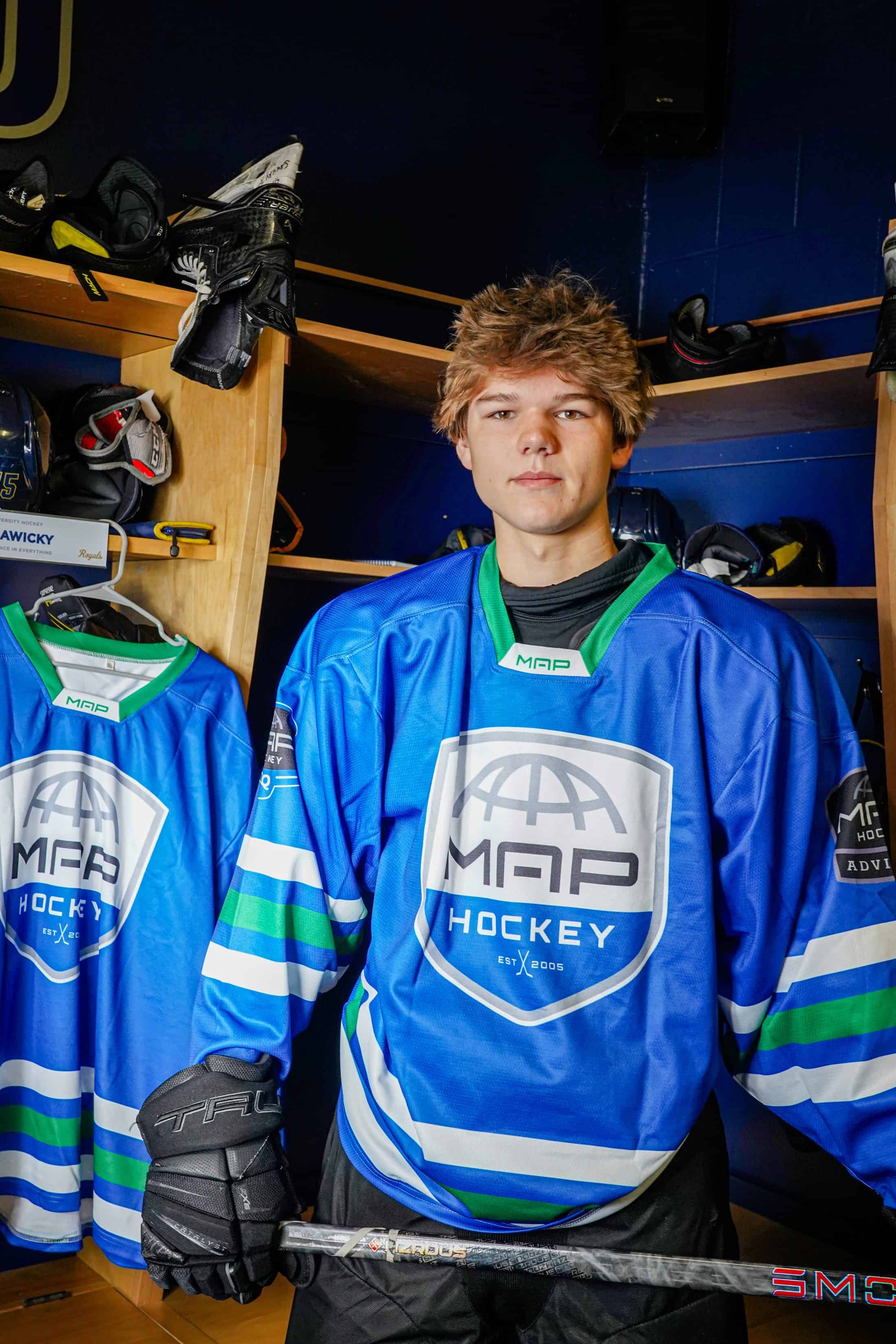
Player in a blue MAP Hockey jersey standing at his locker room stall

Here’s an exercise that takes ten minutes. Each person in the family writes two sentences.

The first sentence: “We want hockey to give our child ____.” The second: “We will not trade ____ for hockey.”

Compare what everyone wrote. You’ll probably find a lot of overlap. You may also find a surprise, like a parent who wrote “playing college hockey” and an athlete who wrote “friends I’ll have for life.” Neither is wrong. But you want to know that before the next big decision, not after.

Keep those sentences somewhere you’ll see them. When the next tryout, camp or team change comes up, read them first.

Put your priorities first in the room
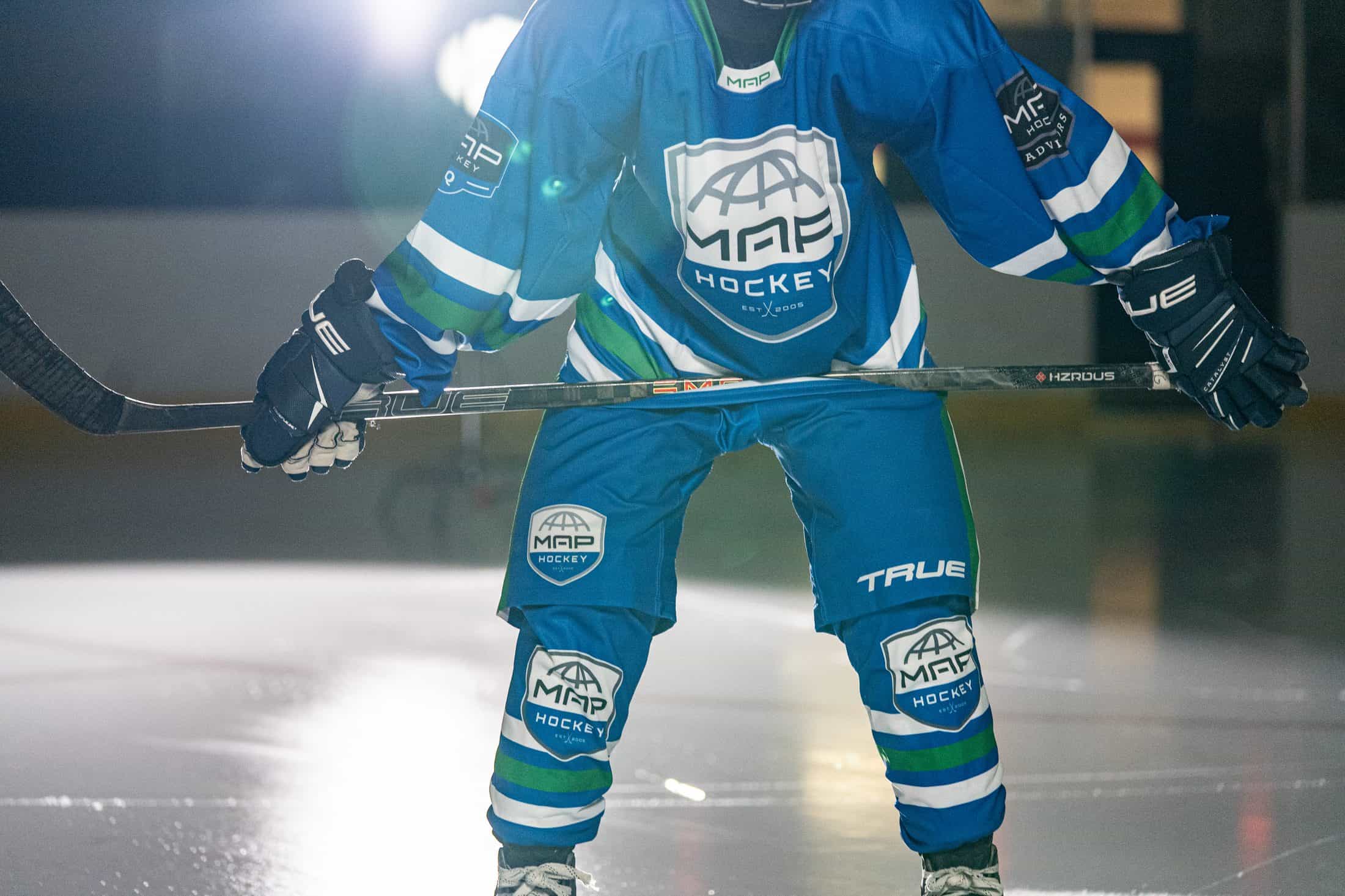
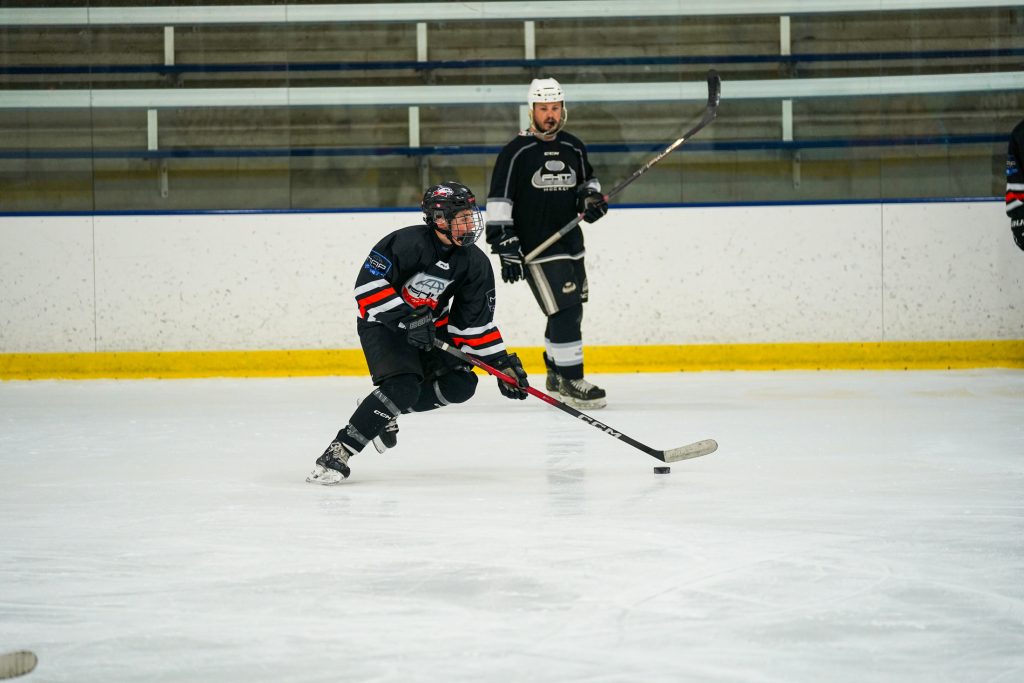
MAP Hockey player set in a ready stance with his stick on the ice

The next time a hockey decision lands, try leading with your sentences instead of the opportunity. Say to the coach or program, “Here’s what matters to our family. How does this fit?” It changes the conversation. It also tells you a lot about the people you’re talking to by how they respond.

A few questions that help keep the decision on your terms:

  • “What would this mean for school days and family weekends?”
  • “If we say no this time, what happens?”
  • “What does a typical week look like, start to finish?”

Where an advisor fits, and where it doesn’t
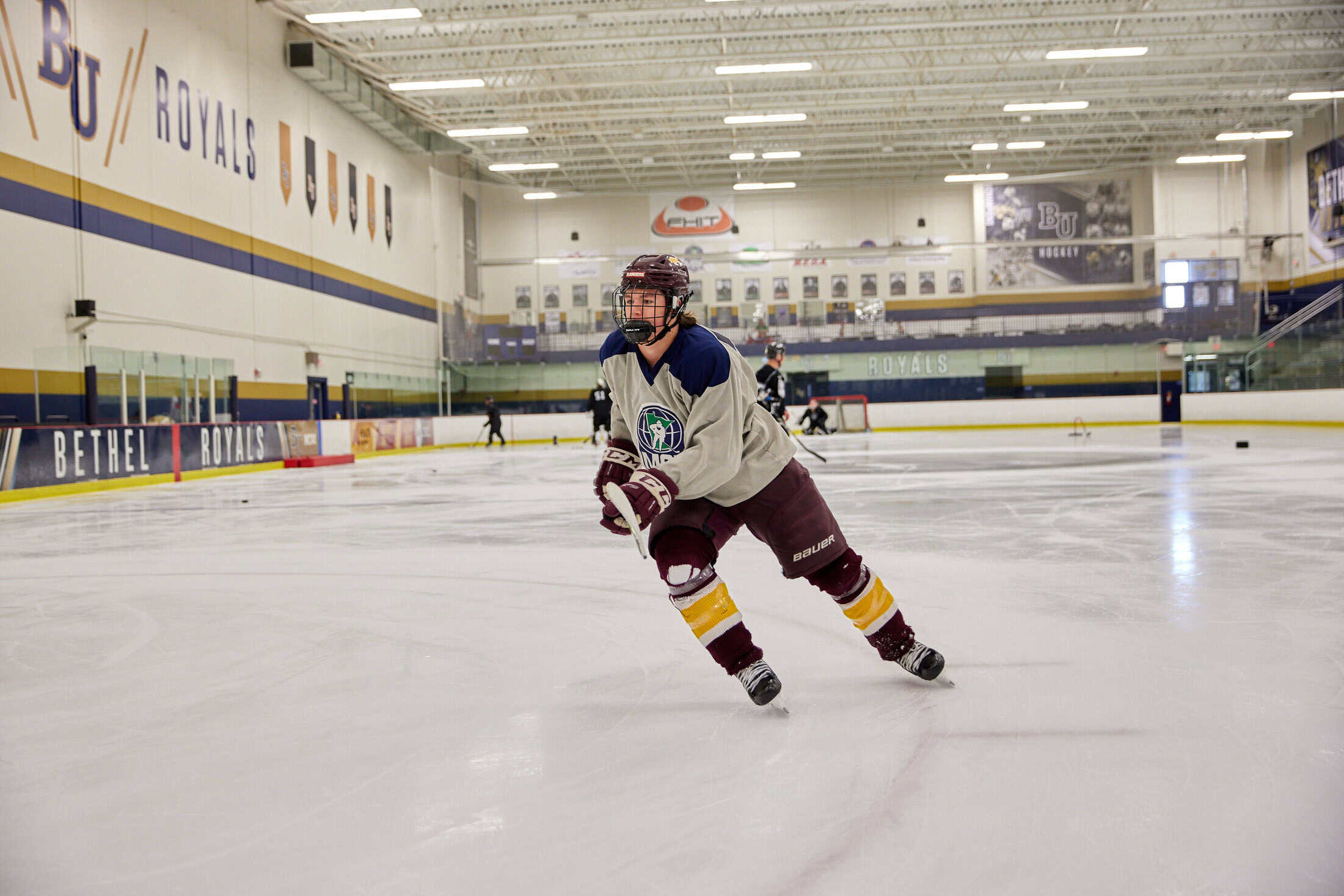
Hockey player in a MAP practice jersey and maroon pants striding forward with the stick down in a large rink
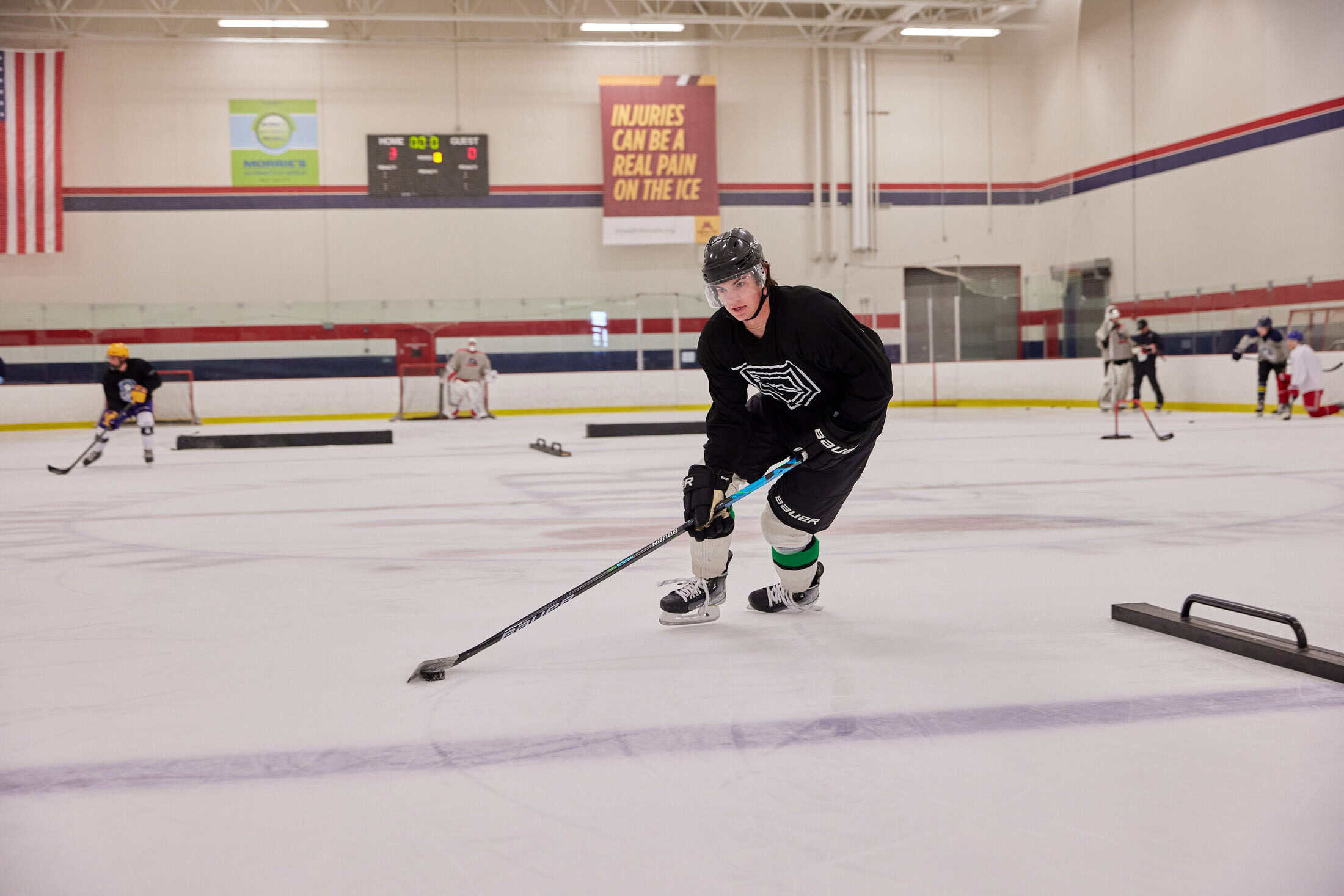
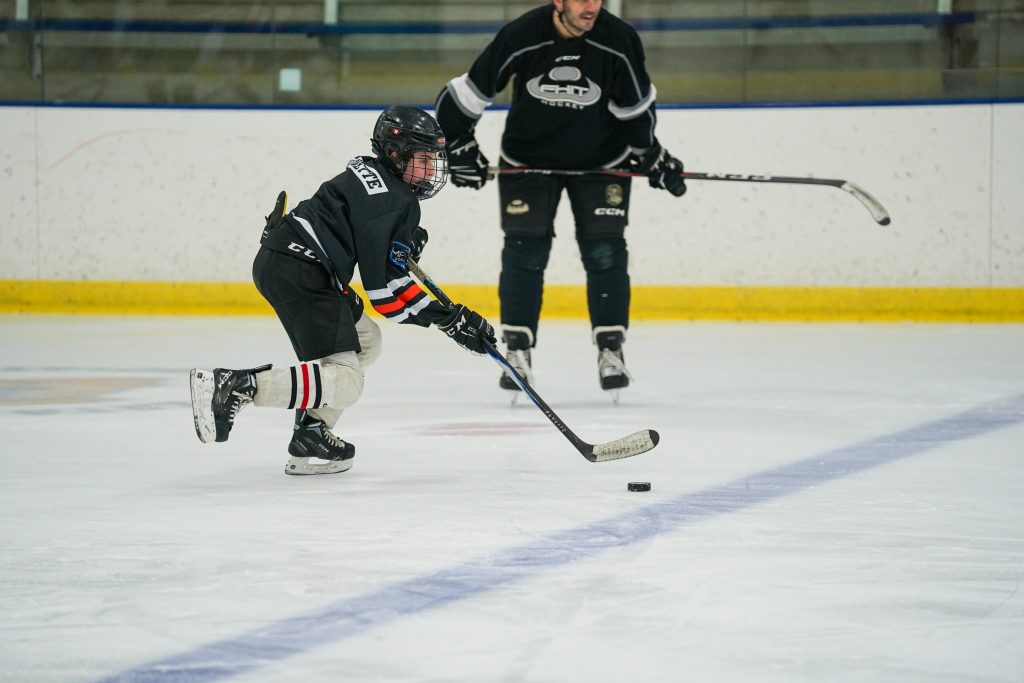
Hockey player in a black practice jersey extending the stick to pull the puck wide during skills training

Some families want to talk through the bigger hockey decisions with someone whose job is exactly that. MAP Hockey Advisors is built around that kind of conversation. In MAP’s own words, “An advisor focuses on the strategic and logistical aspects of a player’s career, such as team selection, college recruitment, contract negotiations, and navigating the hockey system.”

MAP is clear that this is a different role from a mentor, who it describes as “typically an experienced player or coach who provides guidance on personal growth,” motivation and mental resilience. So an advisor conversation is about hockey decisions, not about building character or confidence. Your family is already doing that work at home.

It’s also worth knowing that MAP Hockey Advisors is part of MAP Hockey, which offers training programs and runs teams. Ask about it if it touches your decision. The way in is a short “Request A Consult” form on the program page, where you can name one decision and the priorities you want on the table.

A couple of questions belong with other people entirely. If you’re worried about your child’s stress, sleep, mood or health, bring that to your family’s own doctor, counselor or other qualified professional. And if a decision touches junior hockey, college, or anything affecting eligibility or amateur status, take those questions to your athlete’s own compliance authority: their school, their association or junior league, or the NCAA Eligibility Center.

Make the next decision on purpose
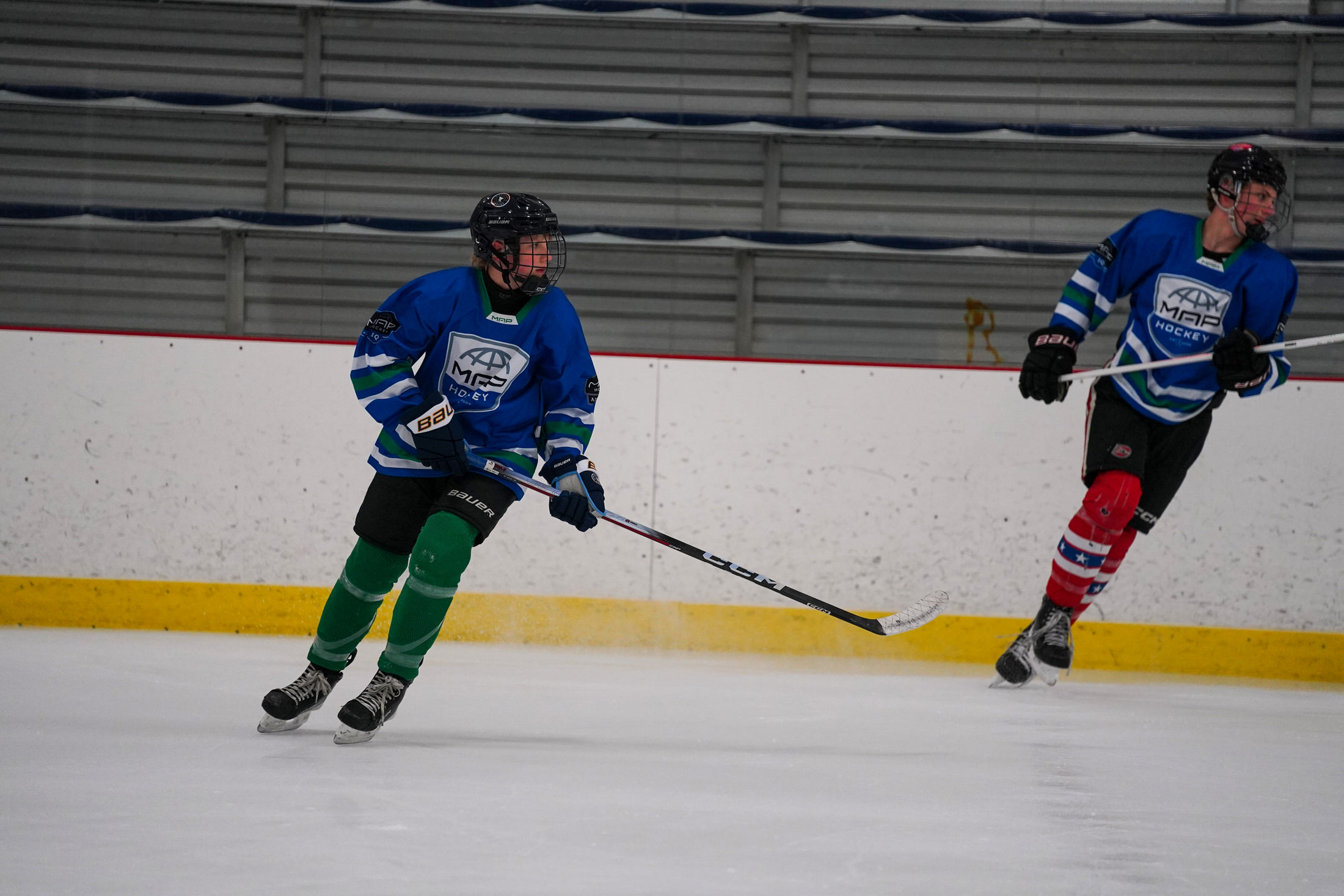
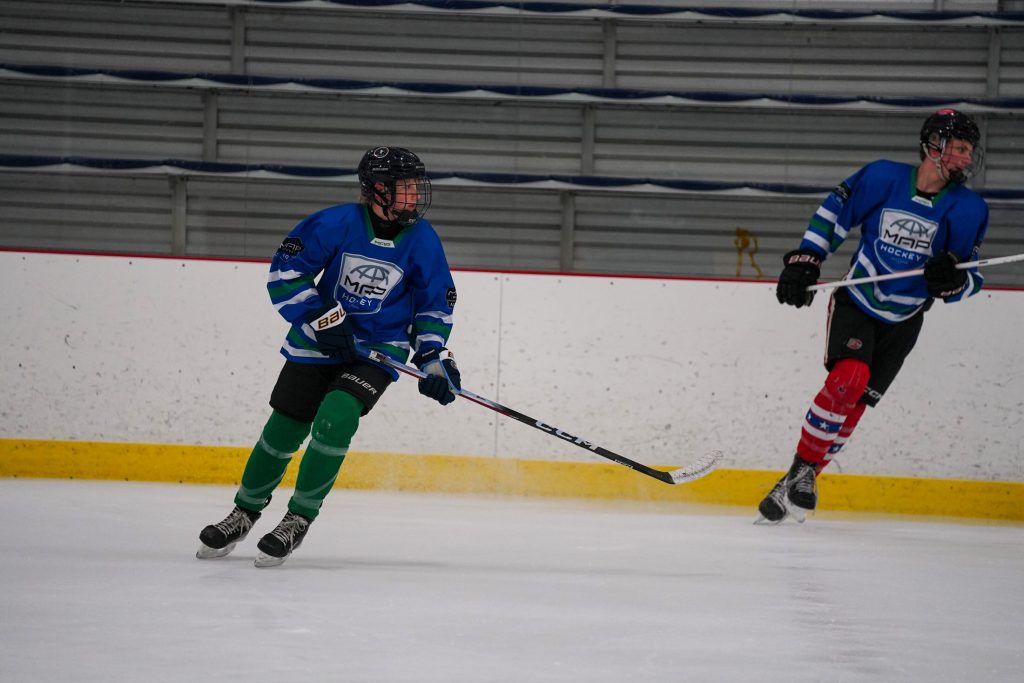
Pair of skaters in blue MAP jerseys with green and red socks moving along the boards

You already know what you want hockey to do for your child. The goal is just to keep that front and center when the next choice shows up. Write your two sentences, bring them to the next conversation, and see whether the options still fit. If you’d like to talk a decision through with your priorities on the table, learn more about hockey choices that fit your family with MAP Hockey Advisors.
Player in a blue MAP jersey stickhandling the puck past a maroon and gold rink board

Membership

MAP Hockey Membership

Year-round development for elite skaters, built on small groups and individual feedback.

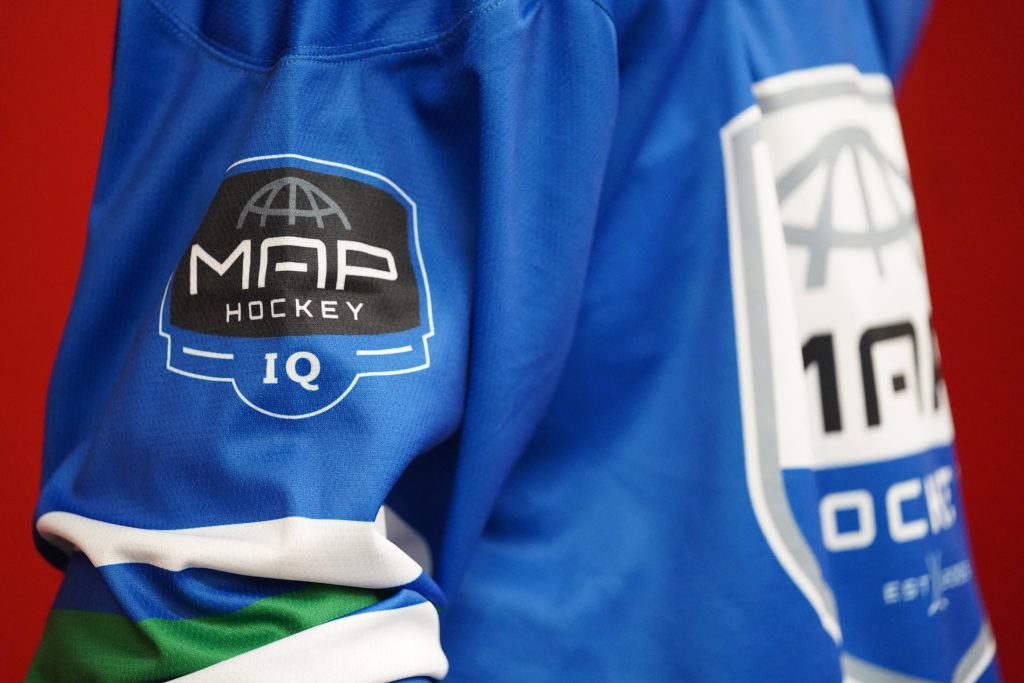
Close-up of a MAP Hockey IQ patch on the sleeve of a blue and green jersey

Film and Game Sense

MAP Hockey IQ

Film breakdowns that show your player what to read before the puck arrives.

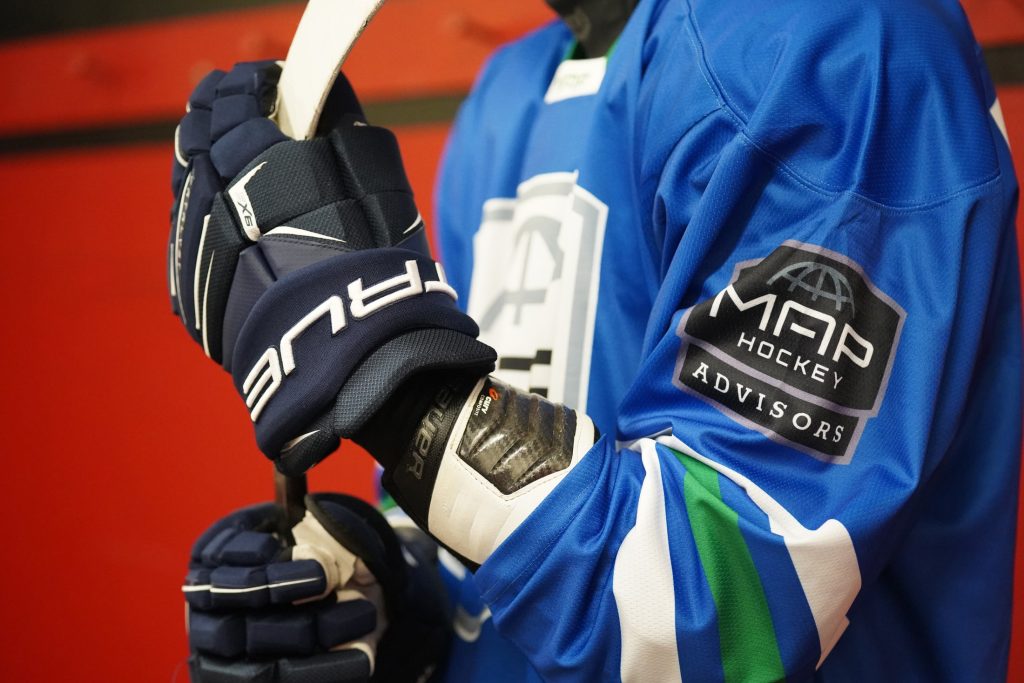
Close-up of a gloved hand gripping a stick beside a MAP Hockey Advisors patch on a blue jersey

Recruiting

MAP Hockey Advisors

Guidance through the recruiting years from people who have walked families through it.

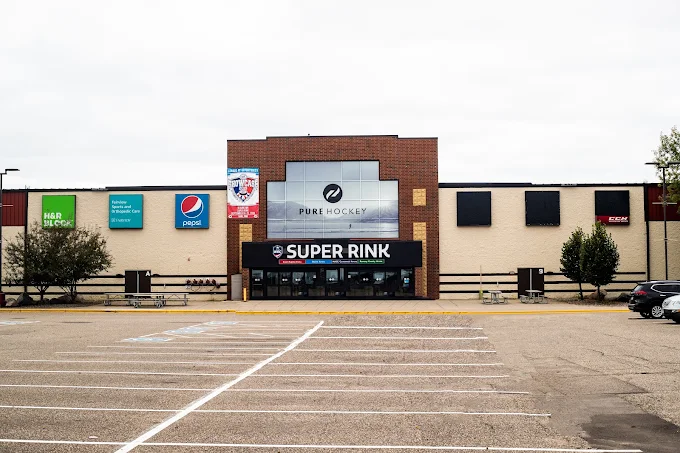
Front entrance of the Super Rink building in Blaine seen across an empty parking lot

Campuses

Find Your Campus

Blaine, Plymouth, Hudson and St. Michael-Albertville.

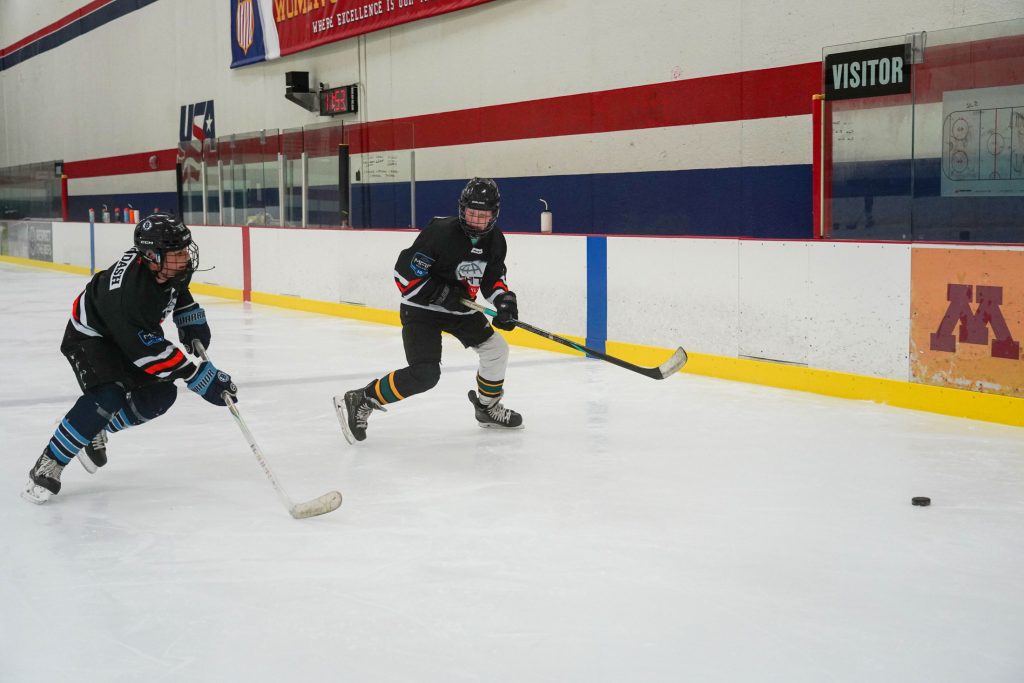
Two players in black jerseys racing toward the puck along the boards near a visitor bench

Membership

FHIT Hockey Membership

Eight off-season months and four in-season, with a cap of eight skaters per coach.

Player in a black jersey reaching low for the puck as a coach skates behind

Squirts and Peewees

FHIT Futures

Summer development for younger skaters ready for more than a weekly skate.

Player in a black FHIT jersey carrying the puck as a coach in a helmet follows

On-Site Training

Bring FHIT to Your Rink

Sessions run at your association’s home rink, on your schedule.

Front entrance of the Super Rink building in Blaine seen across an empty parking lot

Campuses

Find Your Campus

Blaine, Plymouth, Hudson and St. Michael-Albertville.

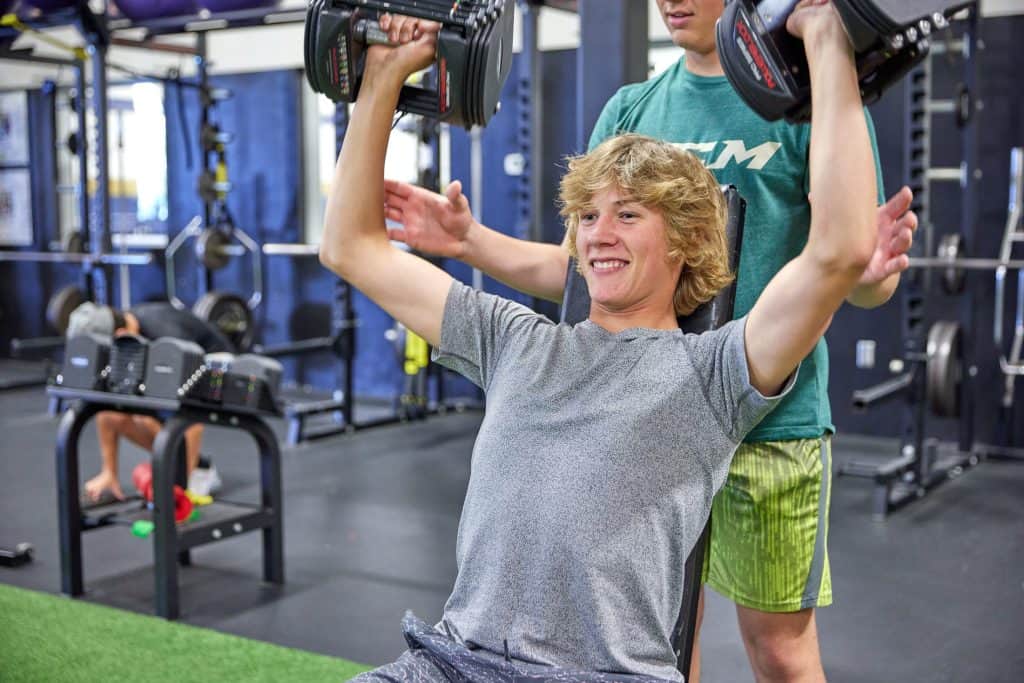
Teen in a gray shirt pressing adjustable dumbbells high overhead with a spotter in green behind him

Off-Ice Training

Dark Horse Performance

Speed, strength and agility work built for athletes who still have a season to play.

Pair of skaters in blue MAP jerseys with green and red socks moving along the boards

On the Ice

MAP Hockey Membership

Pair the off-ice work with year-round on-ice development.

Two players in black jerseys racing toward the puck along the boards near a visitor bench

On the Ice

FHIT Hockey Membership

Year-round on-ice development alongside the strength work.

Front entrance of the Super Rink building in Blaine seen across an empty parking lot

Campuses

Find Your Campus

Blaine, Plymouth, Hudson and St. Michael-Albertville.

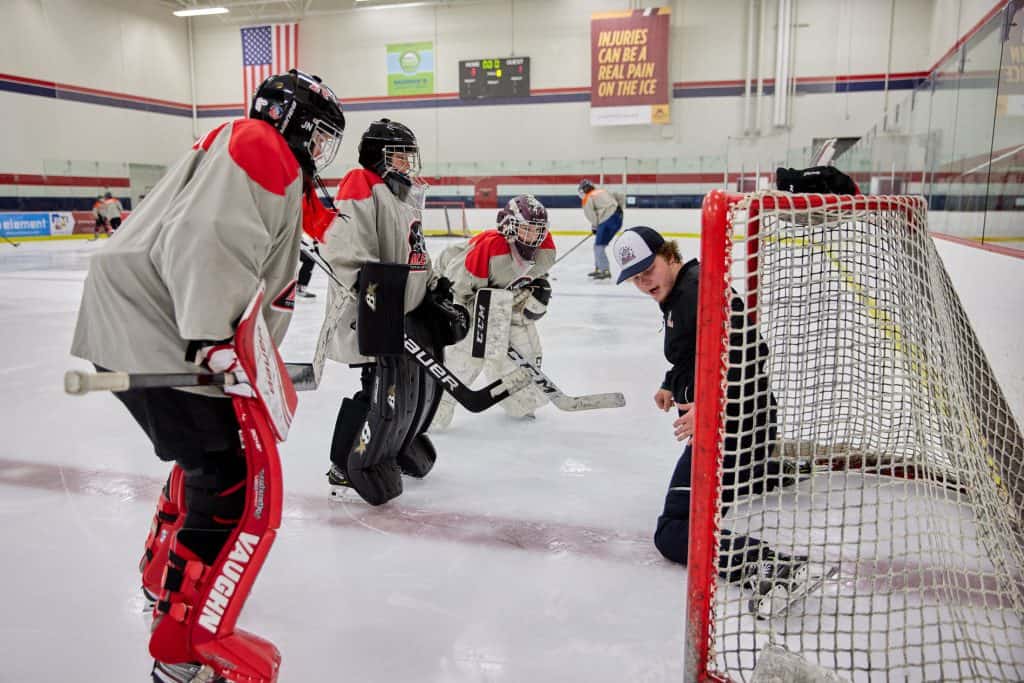
Young goalies in red and black pads wait in line beside the net as a coach kneels to explain a drill

Goaltending

MEGA Goaltending

Goalie development with coaching built around the position, not bolted onto a skater session.

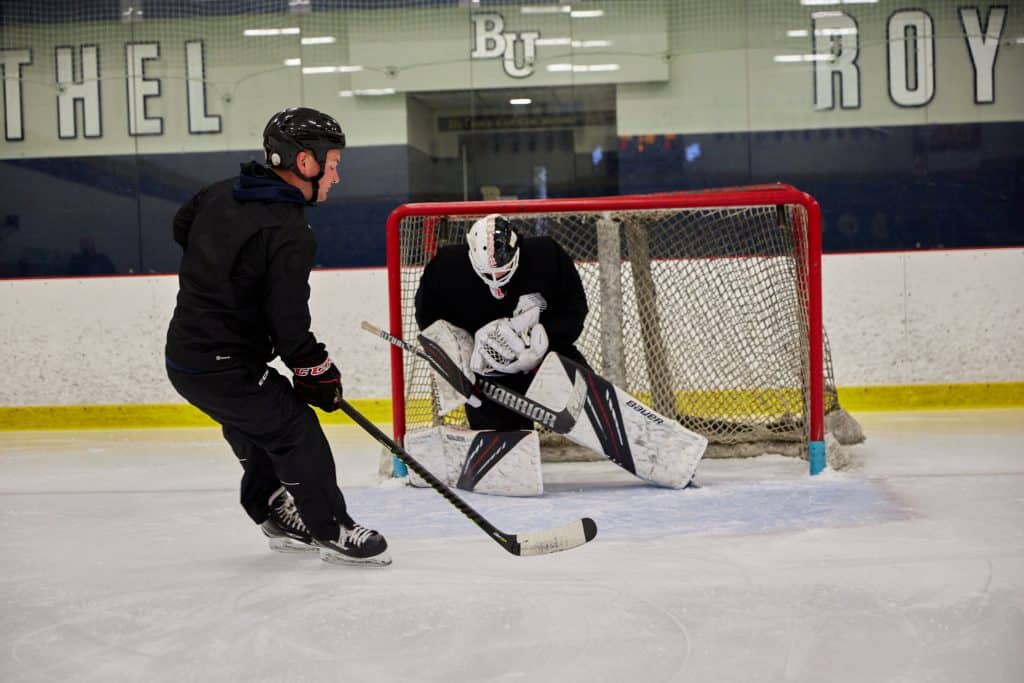
Goalie in a white mask stays square in a butterfly while a skater shifts the puck to the forehand

Blaine

Goalie Membership

Year-round goalie training at the Super Rink in Blaine.

Close-up of a MAP Hockey IQ patch on the sleeve of a blue and green jersey

Film and Game Sense

MAP Hockey IQ

Film breakdowns that show what to read before the shot comes.

Front entrance of the Super Rink building in Blaine seen across an empty parking lot

Campuses

Find Your Campus

Blaine, Plymouth, Hudson and St. Michael-Albertville.

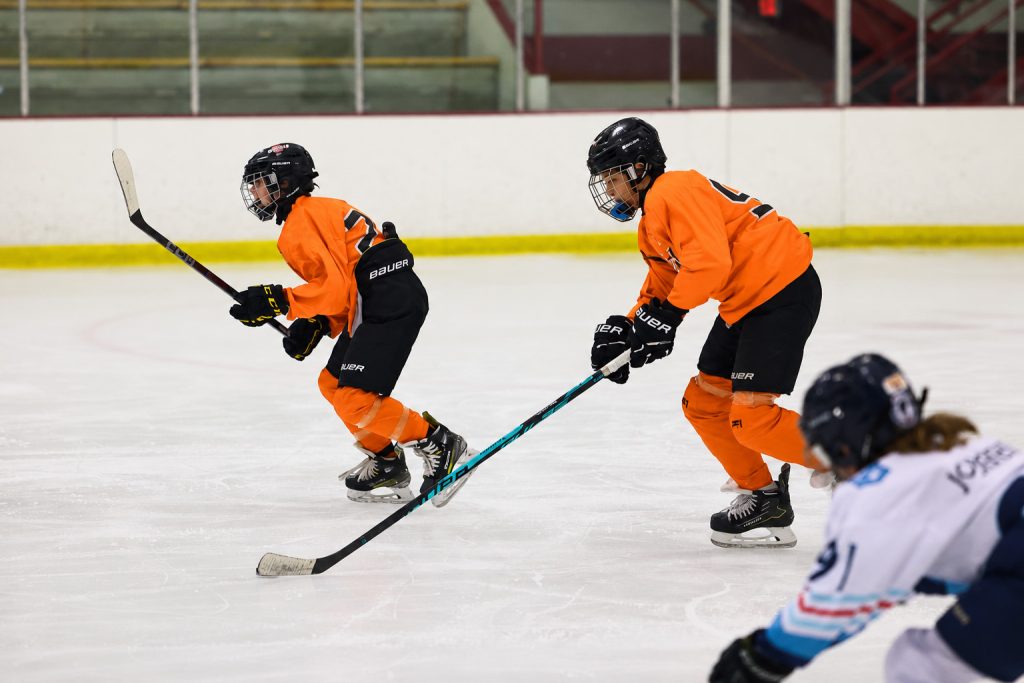
Two players in orange jerseys skating in a low ready stance during a game

Summer AAA

Falcons AAA

Summer AAA teams for players who want more hockey once the winter season ends.

Two players in black jerseys racing toward the puck along the boards near a visitor bench

Membership

FHIT Hockey Membership

Year-round development that runs alongside the summer season.

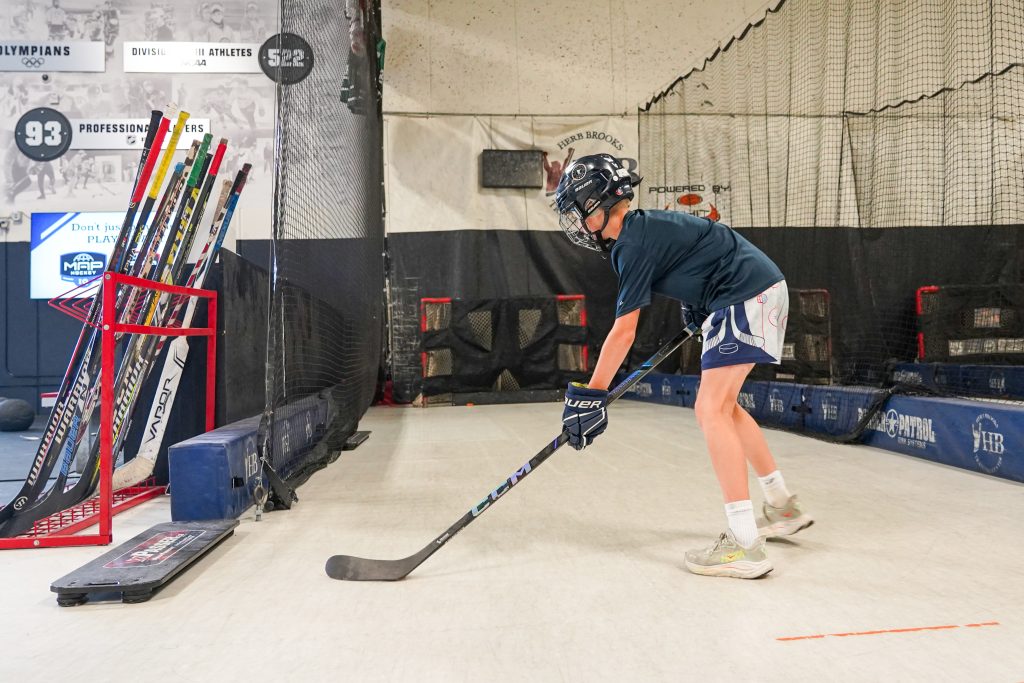
Teen in a helmet, T-shirt and shorts stickhandling on synthetic ice in a netted training room

Squirts and Peewees

FHIT Futures

Summer development for younger skaters ready for more than a weekly skate.

Front entrance of the Super Rink building in Blaine seen across an empty parking lot

Campuses

Find Your Campus

Blaine, Plymouth, Hudson and St. Michael-Albertville.

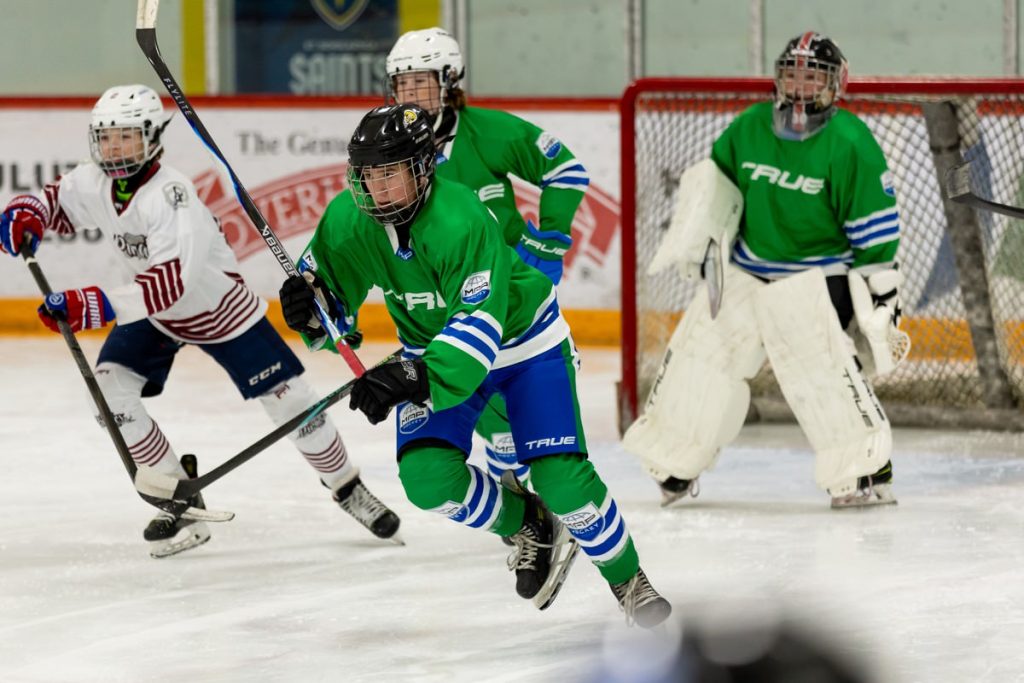
Players in green True jerseys chasing the puck against a skater in white near the net

Summer AAA

Team True AAA

Summer AAA for players who want a full season of competitive hockey.

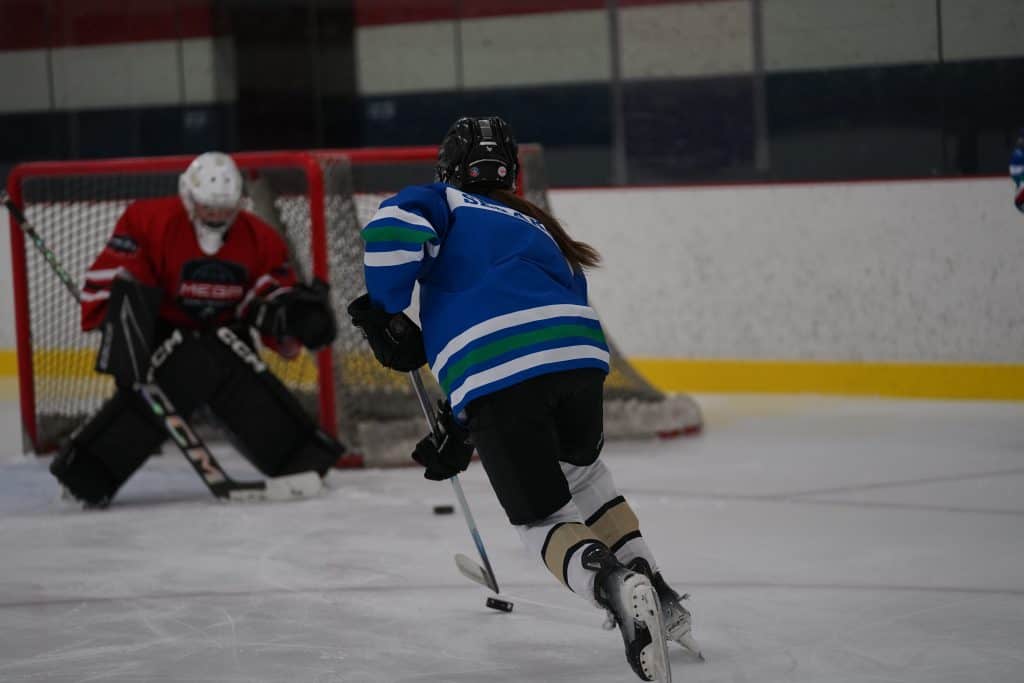
Player in a blue jersey with a ponytail skating the puck in on a goalie in red

Membership

MAP Hockey Membership

Year-round development for elite skaters, built on small groups and individual feedback.

Close-up of a gloved hand gripping a stick beside a MAP Hockey Advisors patch on a blue jersey

Recruiting

MAP Hockey Advisors

Guidance through the recruiting years from people who have walked families through it.

Front entrance of the Super Rink building in Blaine seen across an empty parking lot

Campuses

Find Your Campus

Blaine, Plymouth, Hudson and St. Michael-Albertville.