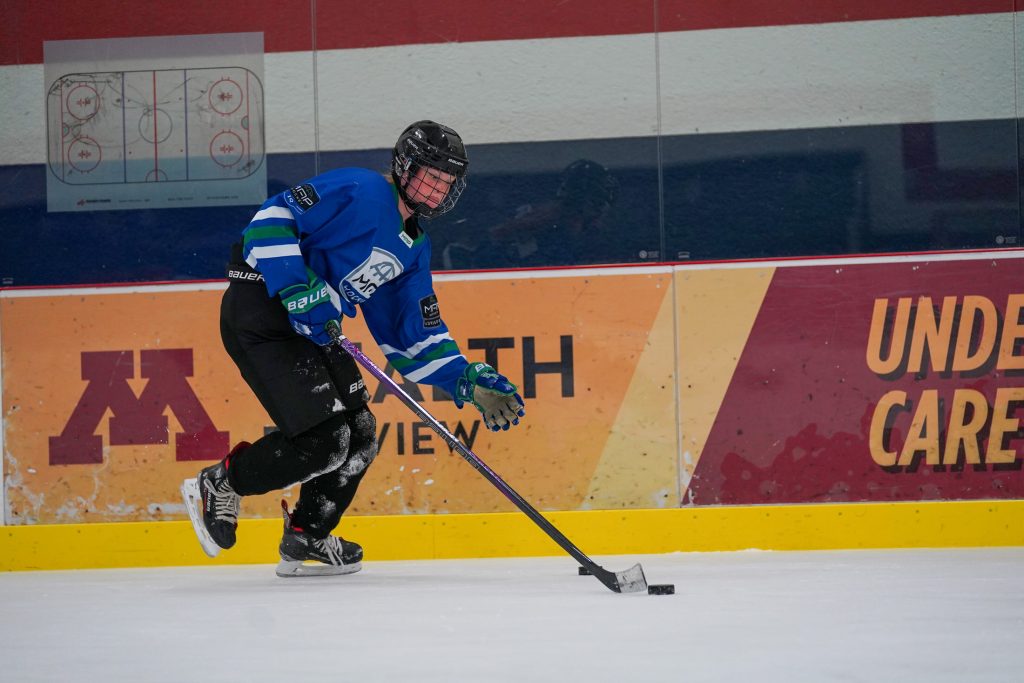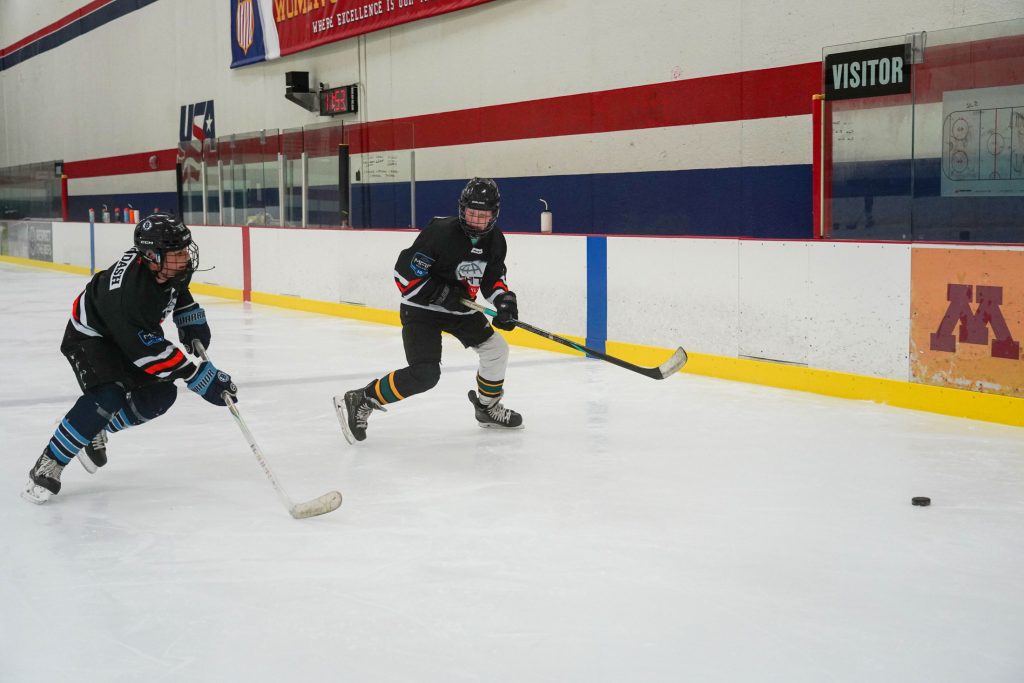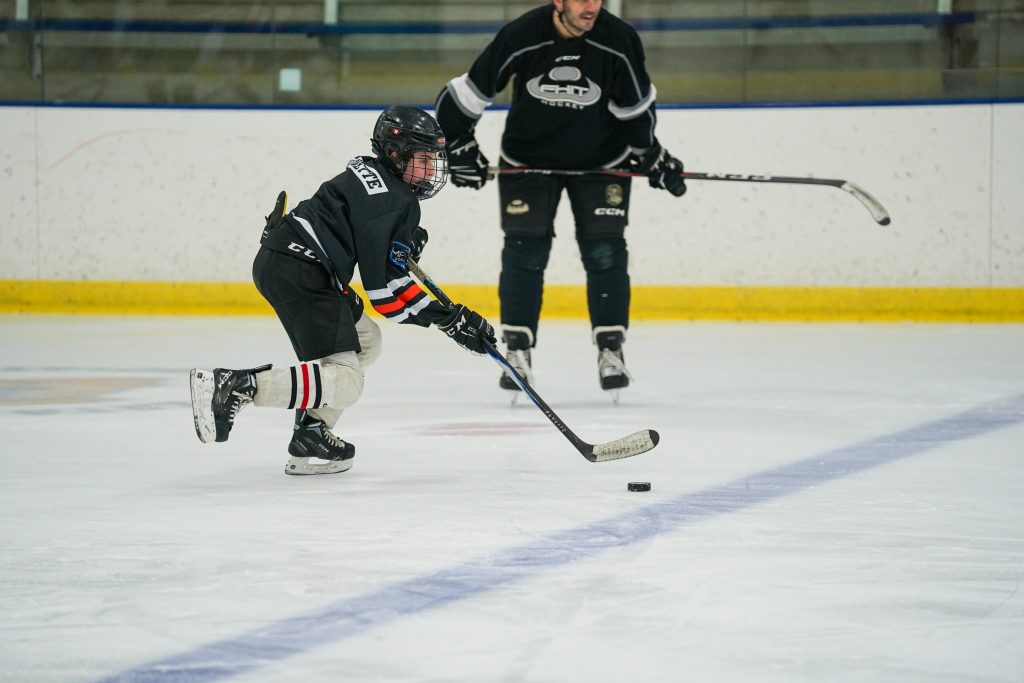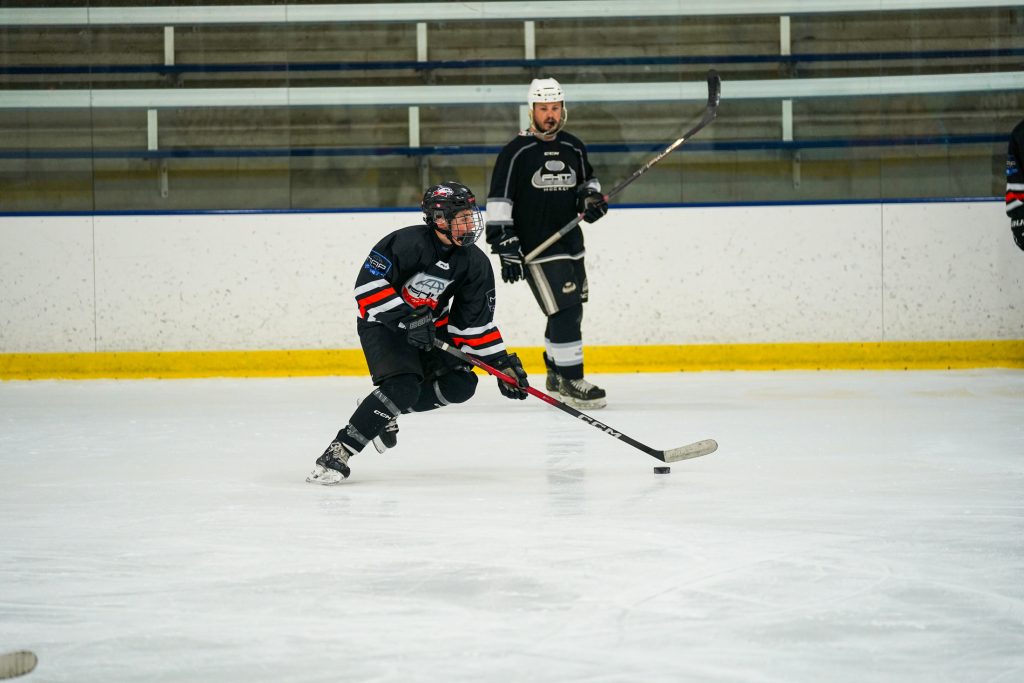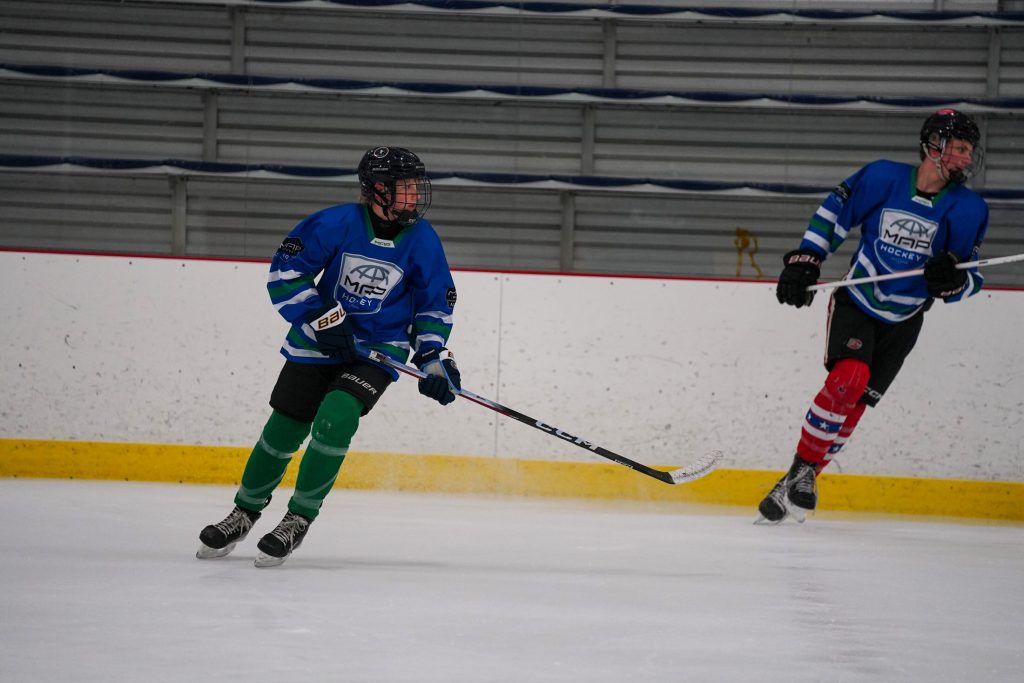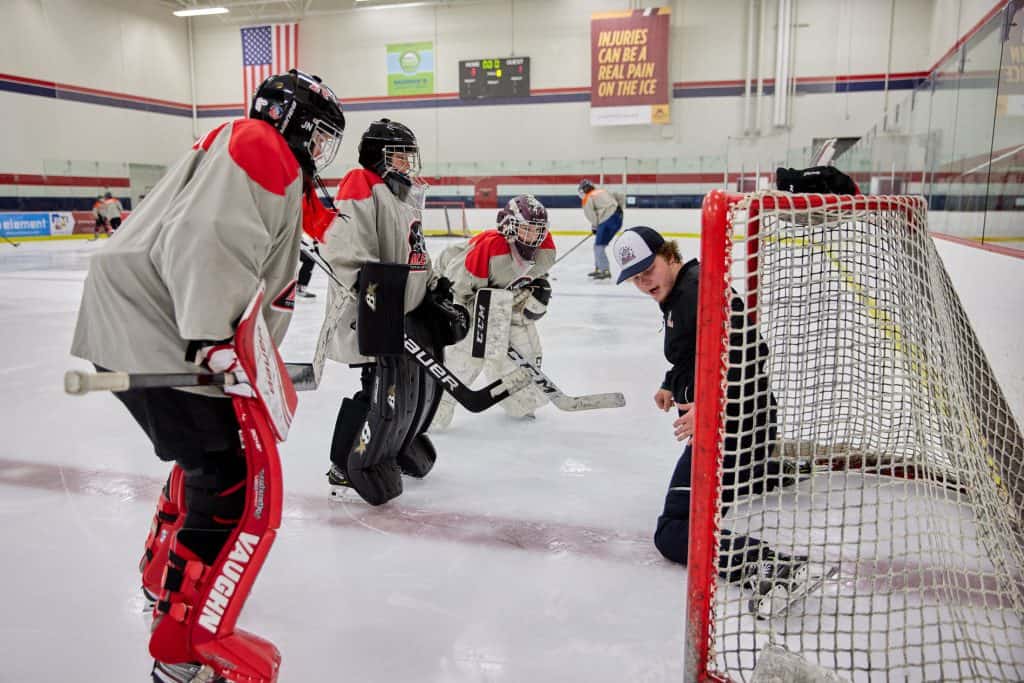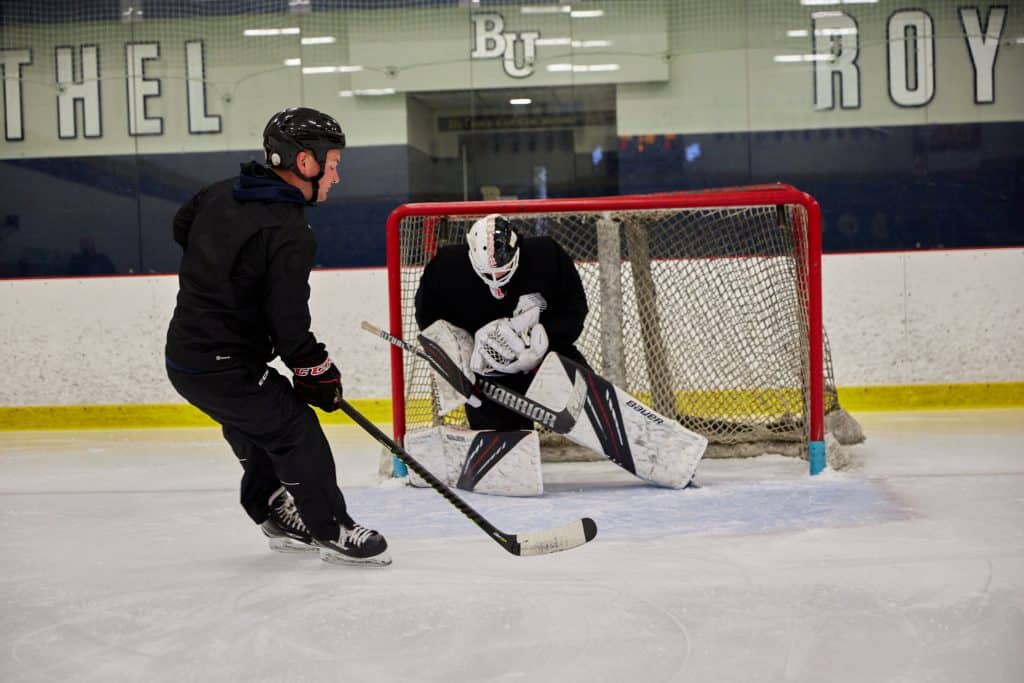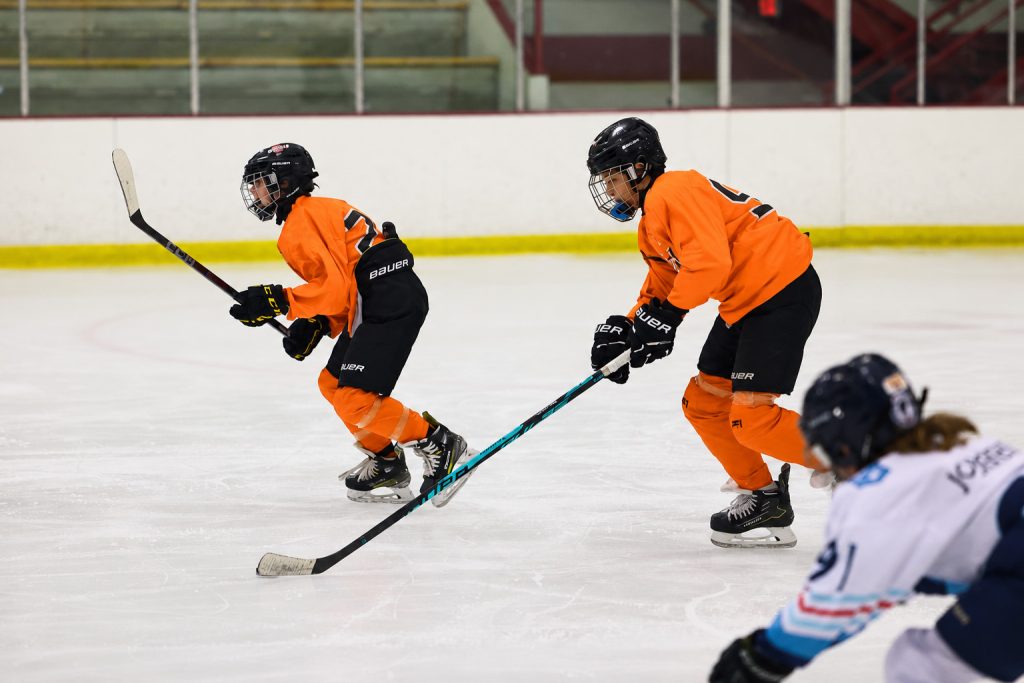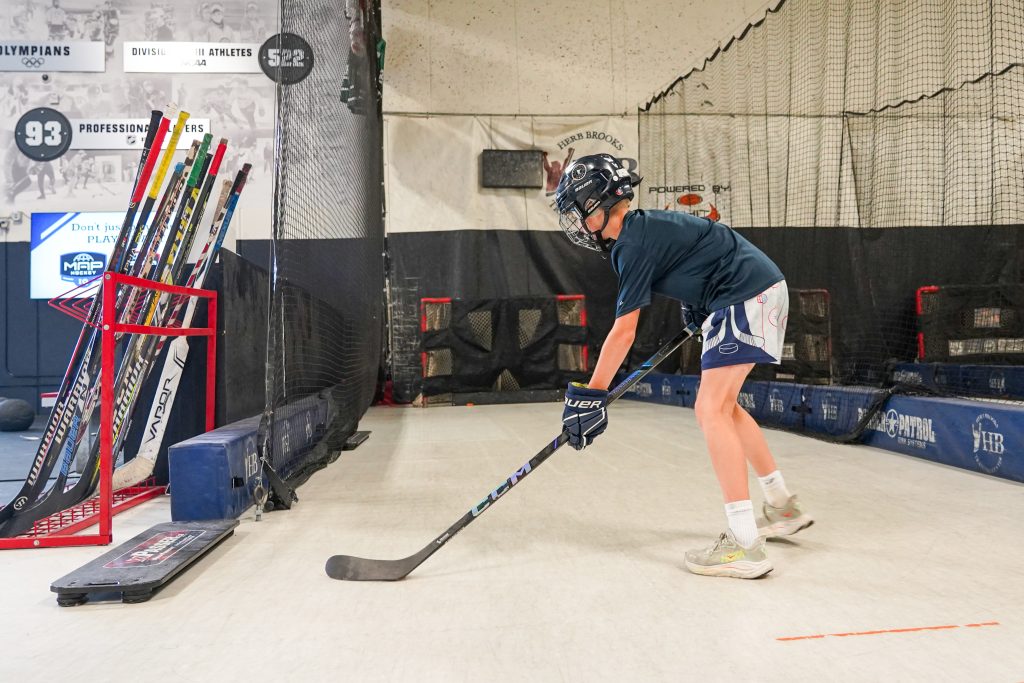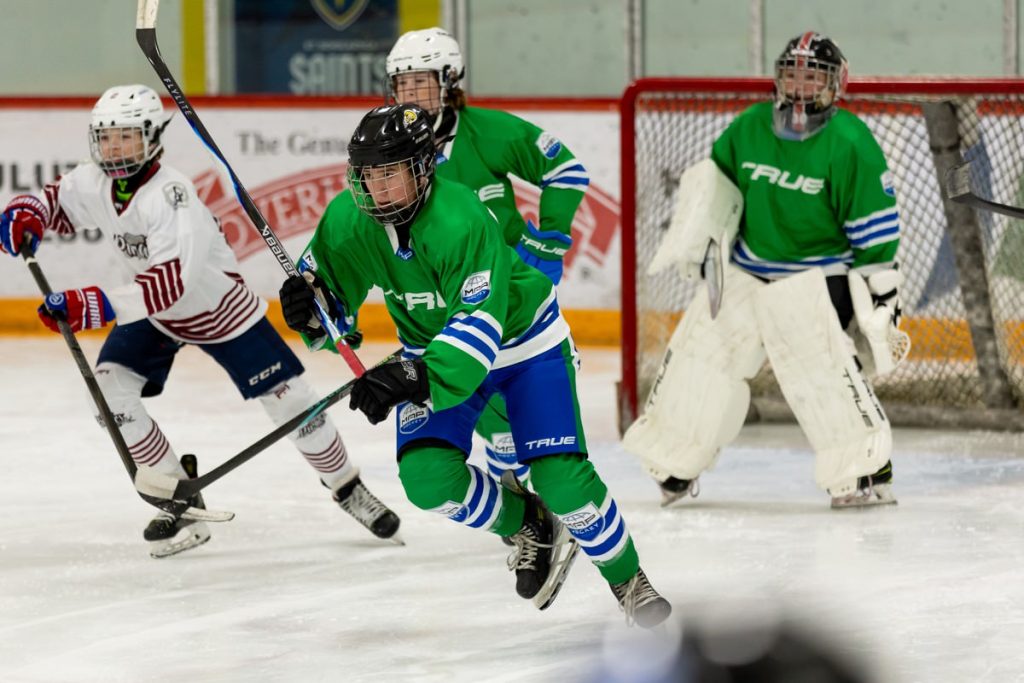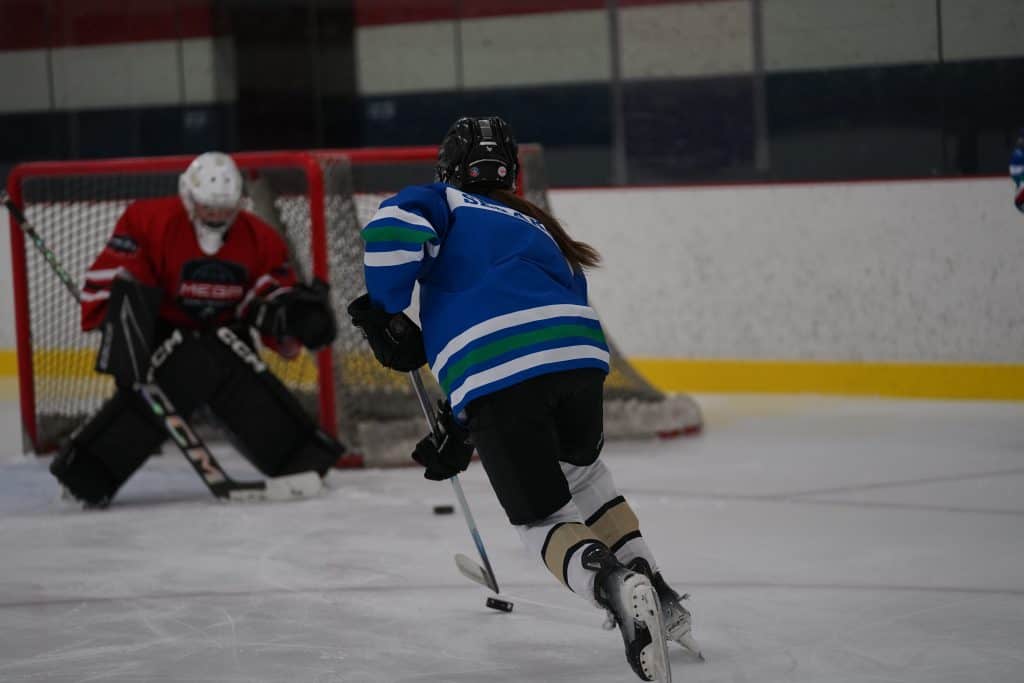
Watch the last ten minutes of a MAP training session and you’ll usually see it. The drills wrap up, the coaches roll out a small-area game, and the energy in the building changes. Kids who were patient and technical a minute ago start hunting pucks. Sticks get louder. Someone tries the move they’ve been working on for weeks, and it either works or it doesn’t.
That little scrimmage tells you something. Your child wants to compete. And if they’ve been training for a while, you’ve probably started to wonder where all of that work is supposed to go next. More training? A team? Something that connects the two?
This post is about that question, and about how a competitive team season can fit into a long-term development plan instead of pulling away from it.
Why competition belongs in a development plan
Skills training is essential. It’s where edges get sharper, hands get quicker, and good habits get repeated until they stick. Nothing replaces those reps.
Games add something training can’t fully copy. The pressure is real. The forecheck shows up a half second sooner than expected. A defenseman closes the gap and your child has to decide, right now, whether to protect the puck along the wall or move it to the weak side. There’s no whistle to reset and no coach explaining what comes next.
That’s where development gets tested. A player can know a breakout cold in a drill and still rush it when the other team is coming hard. Competition is where those reads start to become instinct, and it works best when it connects back to what’s being taught in training.
What stronger competition can do
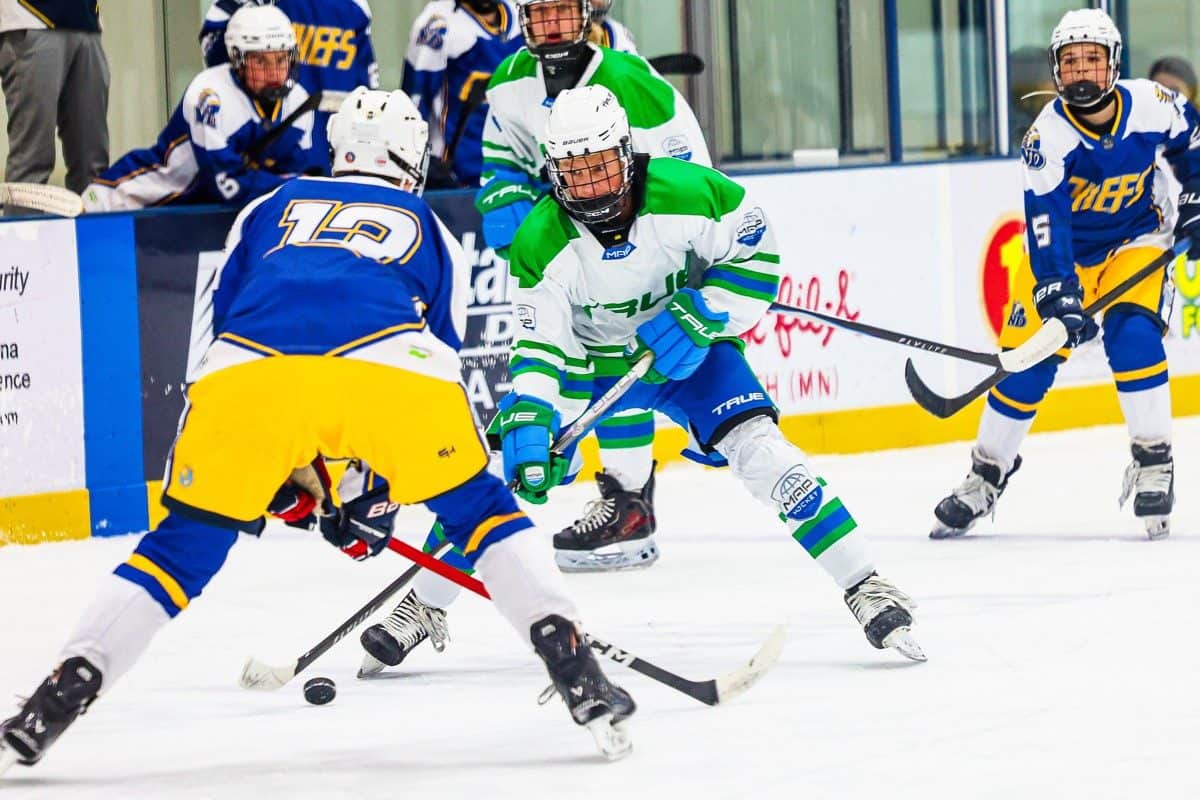
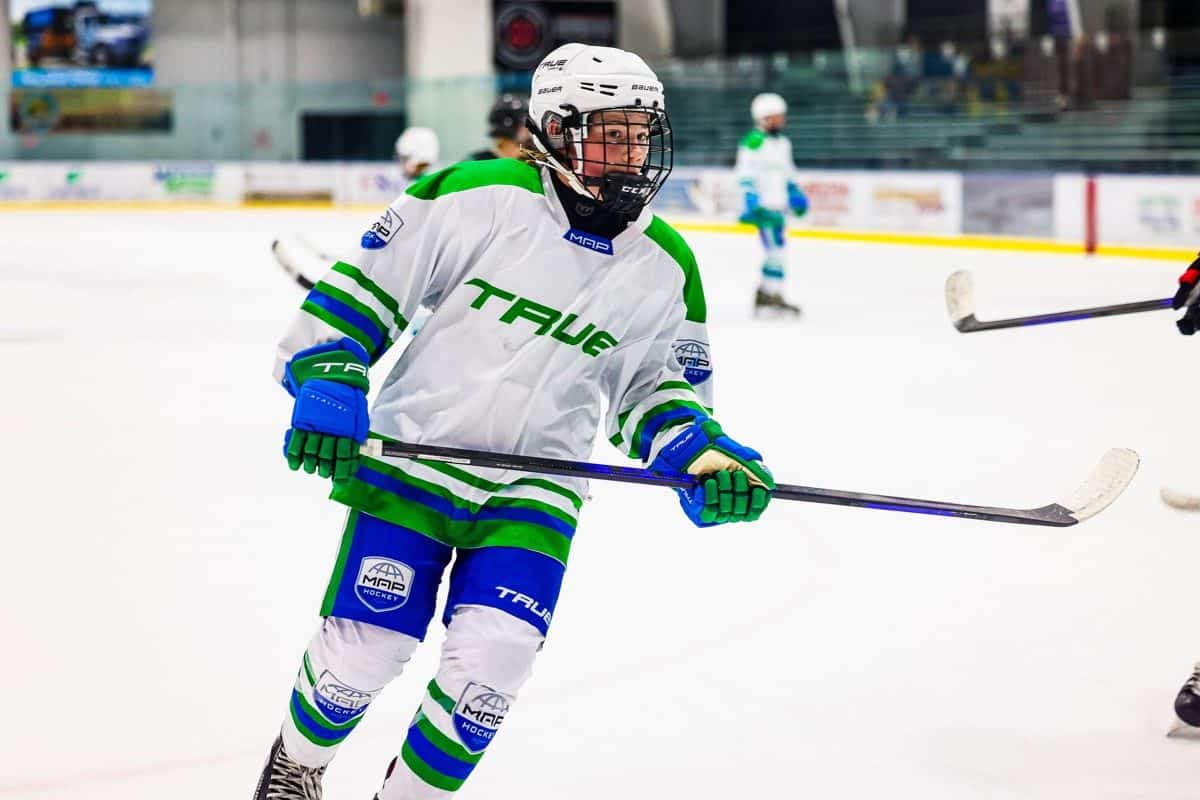
Plenty of families notice the same thing at some point. Their child is comfortable. Maybe a little too comfortable. Practices feel easy, and games against familiar opponents don’t ask much.
Stronger competition changes the questions a young athlete has to answer. Can they make a play when a faster forward is on their back? Do they still backcheck late in a tight game? Will they win the race to a loose puck in the corner?
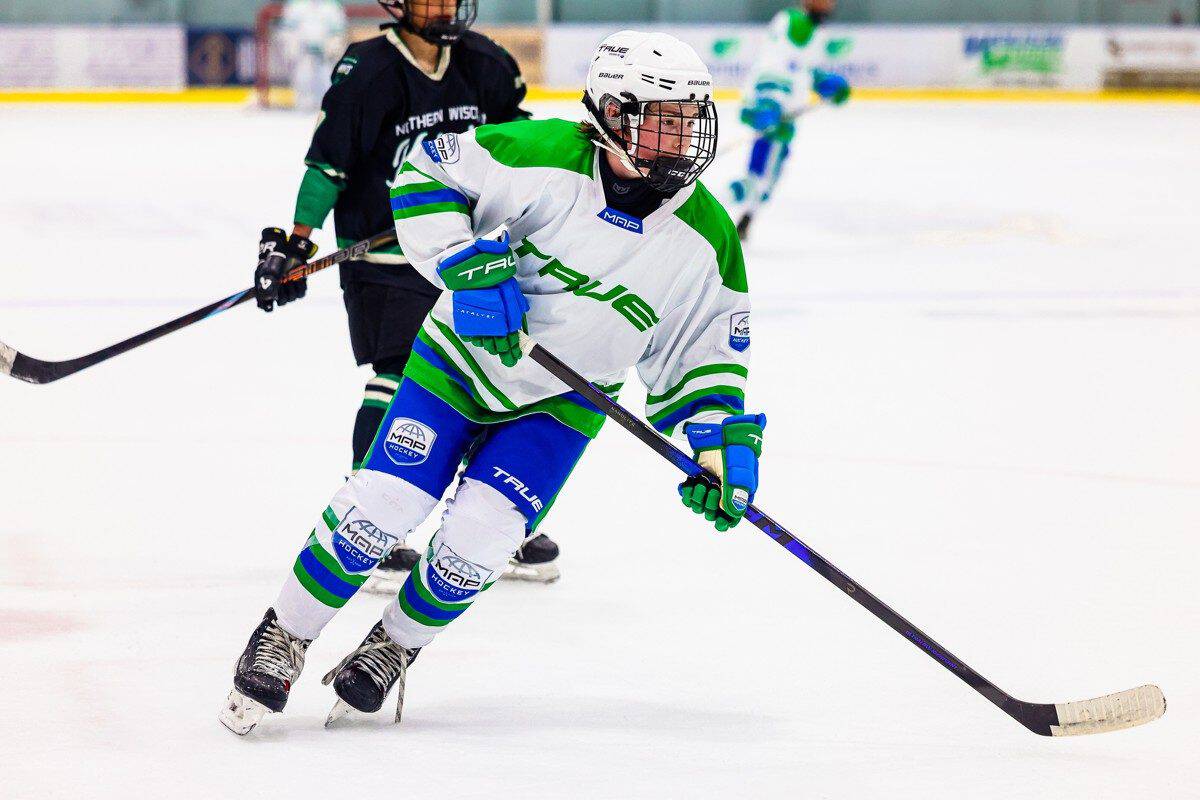
Team True AAA is MAP Hockey’s elite team program for select boys and girls, and the program page states it directly: “Yes. Team True AAA serves both male and female hockey players.” For a child who’s ready for that kind of challenge, the scoreboard is the least interesting part. The learning comes from being pushed by kids who push back.
That said, harder competition on its own doesn’t guarantee growth. What happens between shifts matters just as much.
Competition as a teaching tool
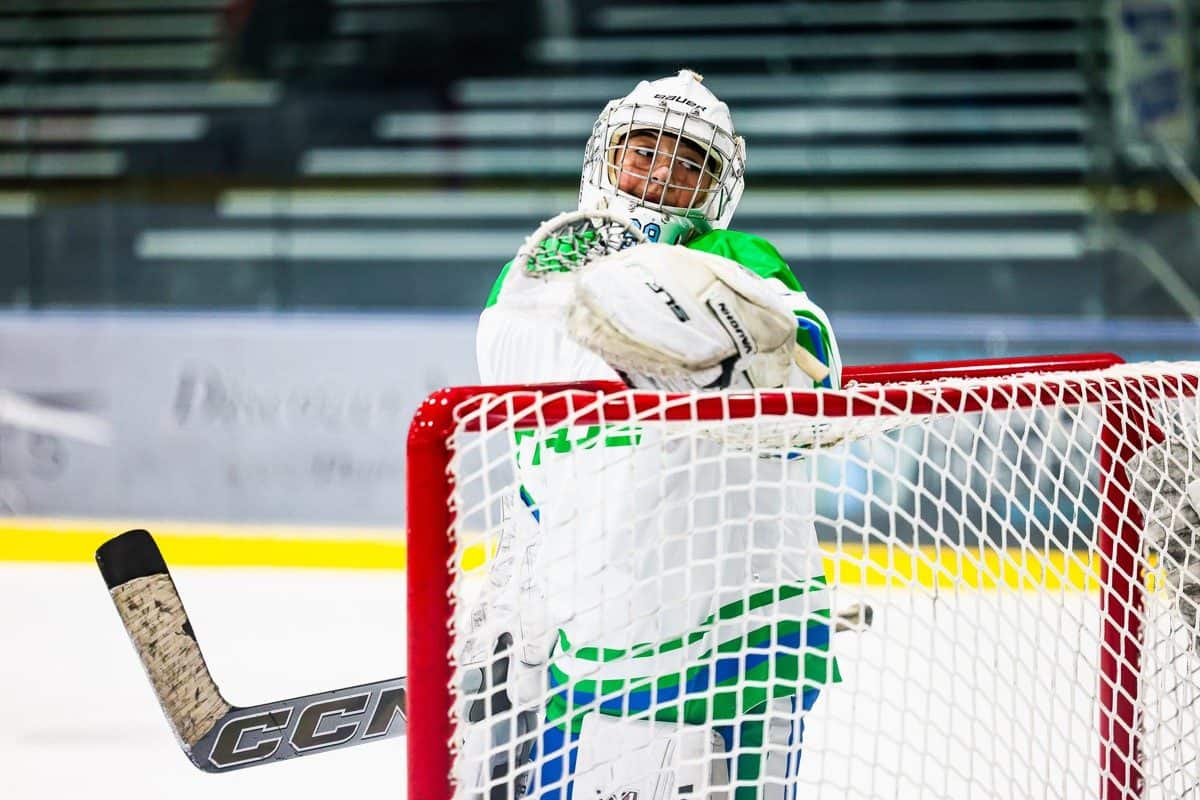
This is where the connection between training and games makes a difference. MAP describes Team True AAA as having “Direct alignment with the MAP Hockey development model, with competition used as a teaching tool.”
In practical terms, the coaching doesn’t stop when the puck drops. MAP puts it this way: “Athletes receive ongoing coaching feedback throughout the competitive experience, not just during practice.”
Picture a shift where your child carries the puck into the zone, gets pinned on the wall, and coughs it up. On a bench that’s connected to their training, that moment can become a quick, specific conversation. What did you see? Where was your support? What could you try next time? Then they go back out and try it.
Over a season, those small moments can add up. Watch for things like:
- Your child keeping their head up a beat longer before moving the puck
- Fewer panic dumps and more plays made on purpose
- Better positioning away from the puck, especially on the weak side
- A quicker reset after a mistake instead of carrying it into the next shift
None of those show up on a stat sheet. All of them are signs that training is starting to carry into games.
One team, one standard
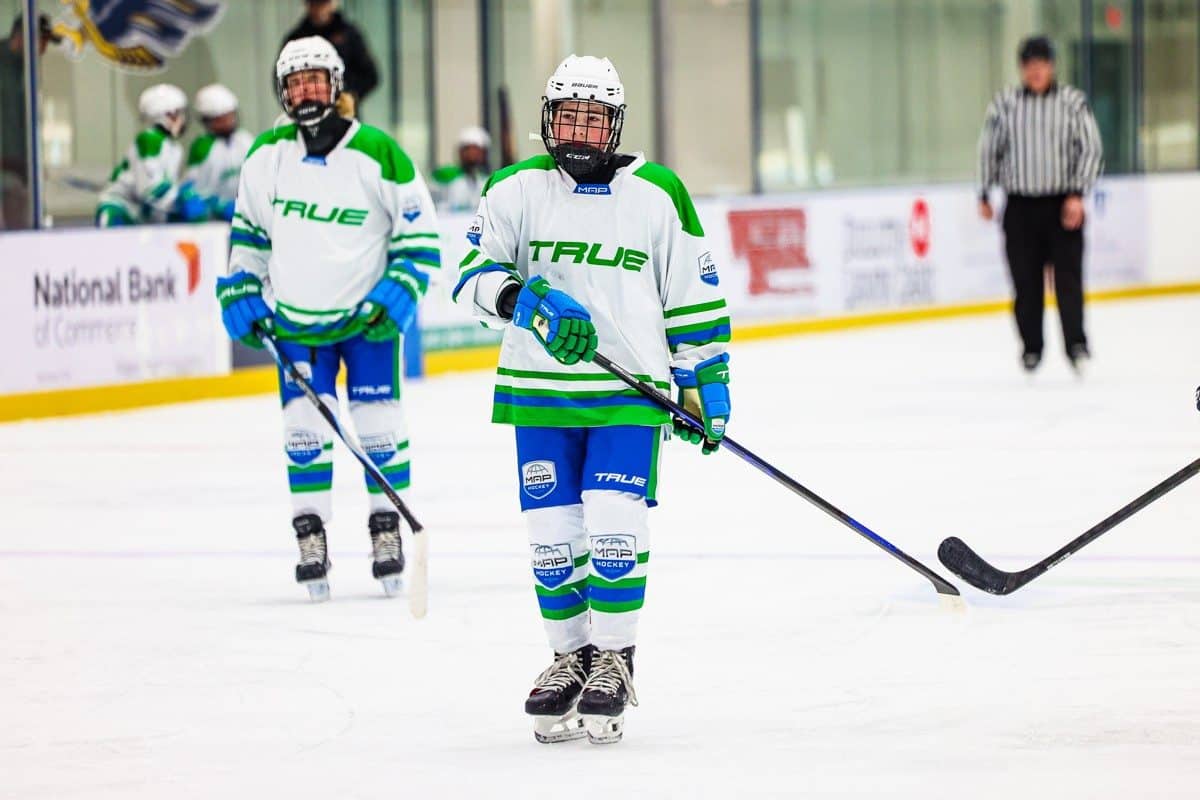
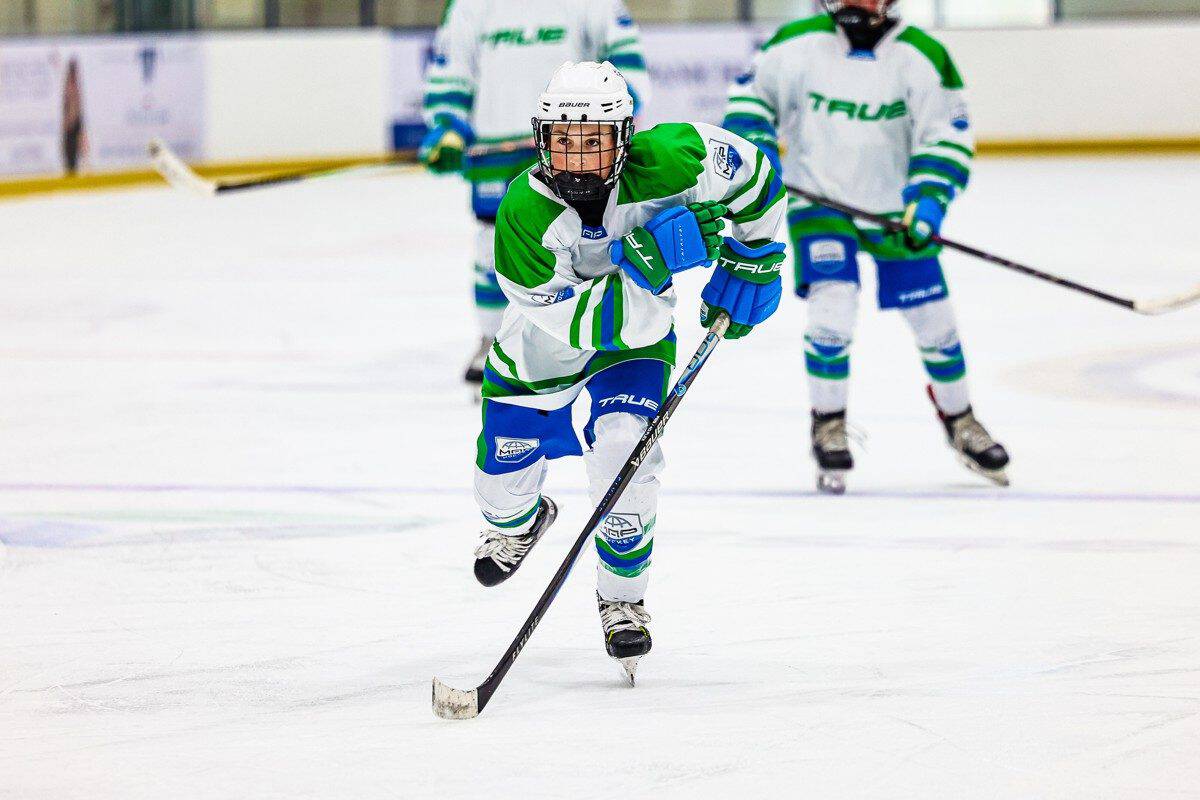
Good team culture is easy to talk about and harder to build. Kids feel it right away, though. They know whether practice matters, whether effort is noticed, and whether the expectations in training are the same as the ones on game day.
Team True AAA is built around a simple idea from the program page: “MAP Coaches. MAP Standards. MAP Expectations.” The standard your child already knows from training is the standard the team plays to.
That consistency can be a relief for a young athlete. They aren’t trying to figure out a new set of rules or guess what a new group values. They can focus on competing, supporting their teammates, and holding themselves to a standard they already understand.
For parents, a clear standard also makes the season easier to read. When you know what the coaches are asking for, you know what to look for from the stands, and what to talk about on the ride home.
Thinking past this season
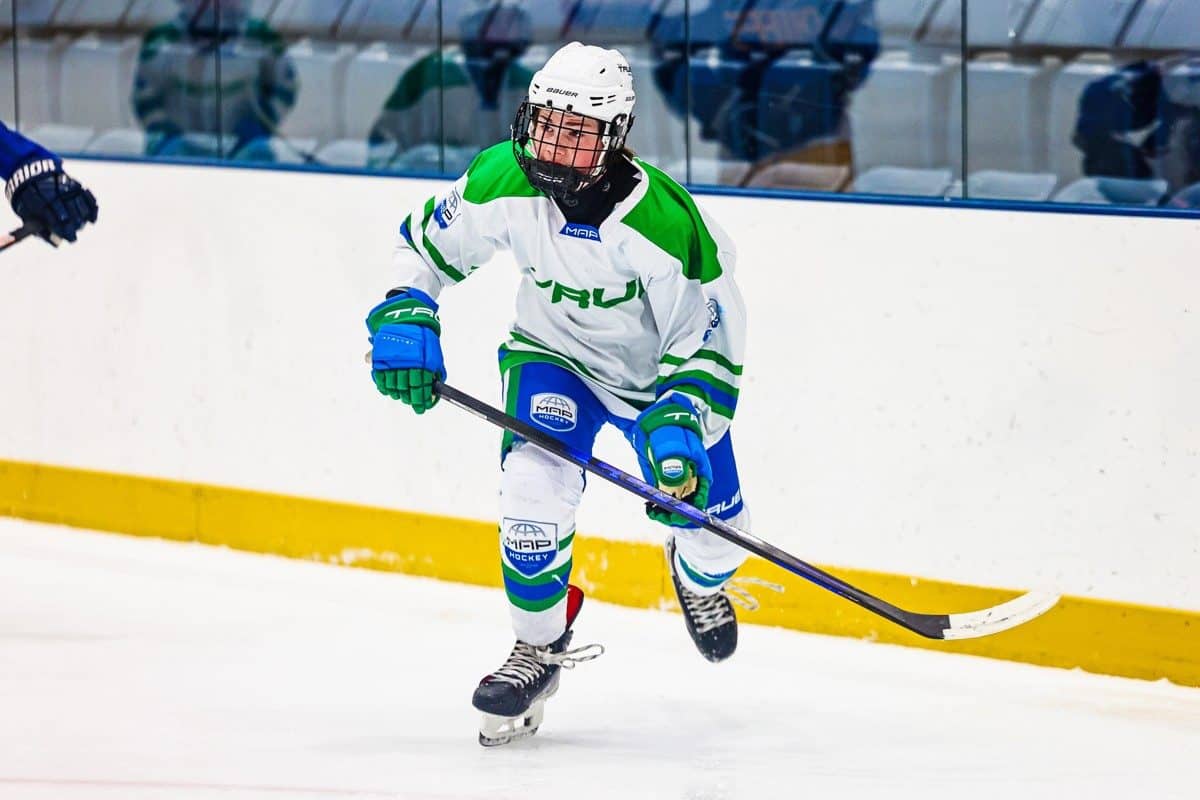
It’s natural to judge a hockey season by how it felt in the moment. Did they score? Did the team win? Did they have fun?
Those questions matter. Long-term development asks a few more. Is your child building habits that will hold up as the game gets faster? Are they learning to compete without losing the skills they’ve worked on? Do they still love showing up?
A competitive team season can help with all of that when it sits inside the same development model your family has already invested in. Training builds the skills. Competition puts them under pressure. Coaching feedback in both settings helps connect the two. Each piece supports the others instead of competing for your child’s attention.
Progress at this age rarely moves in a straight line. Some stretches look like a leap forward. Others look like a stall. Looking back over a longer stretch tends to give a truer picture than any single weekend.
A clear next step, without starting over
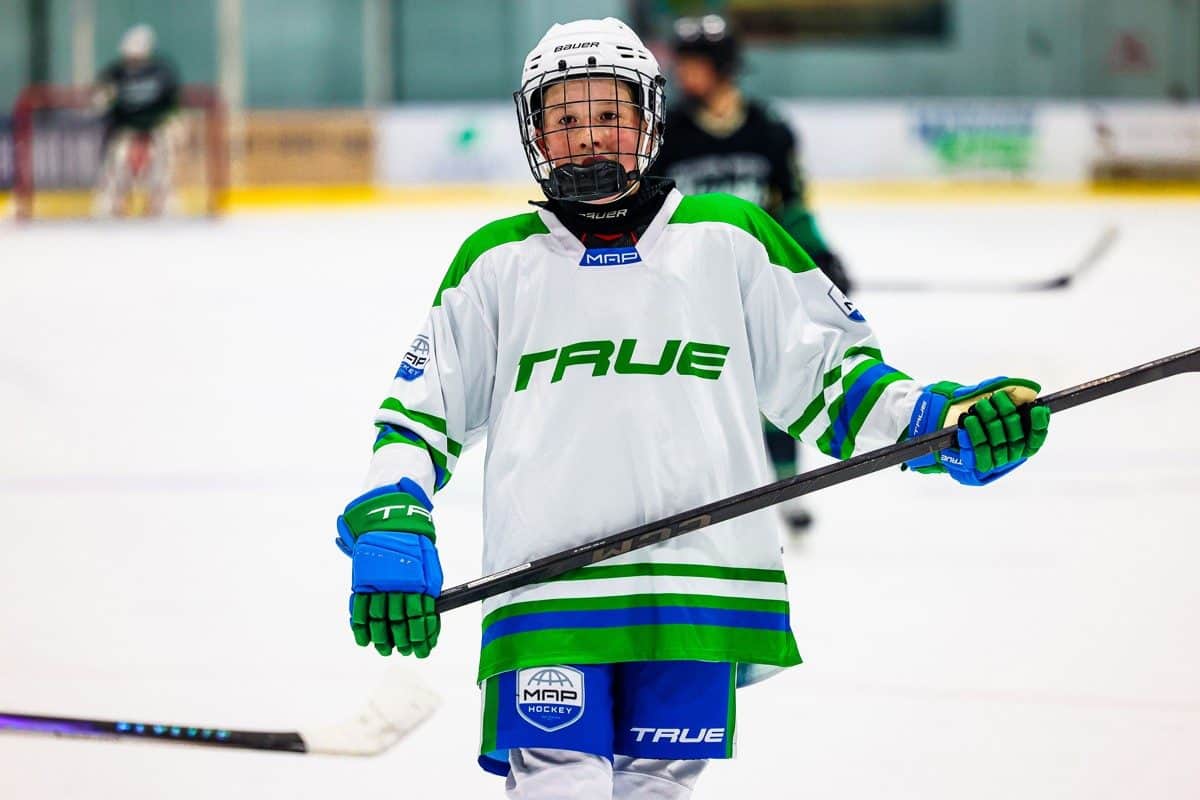
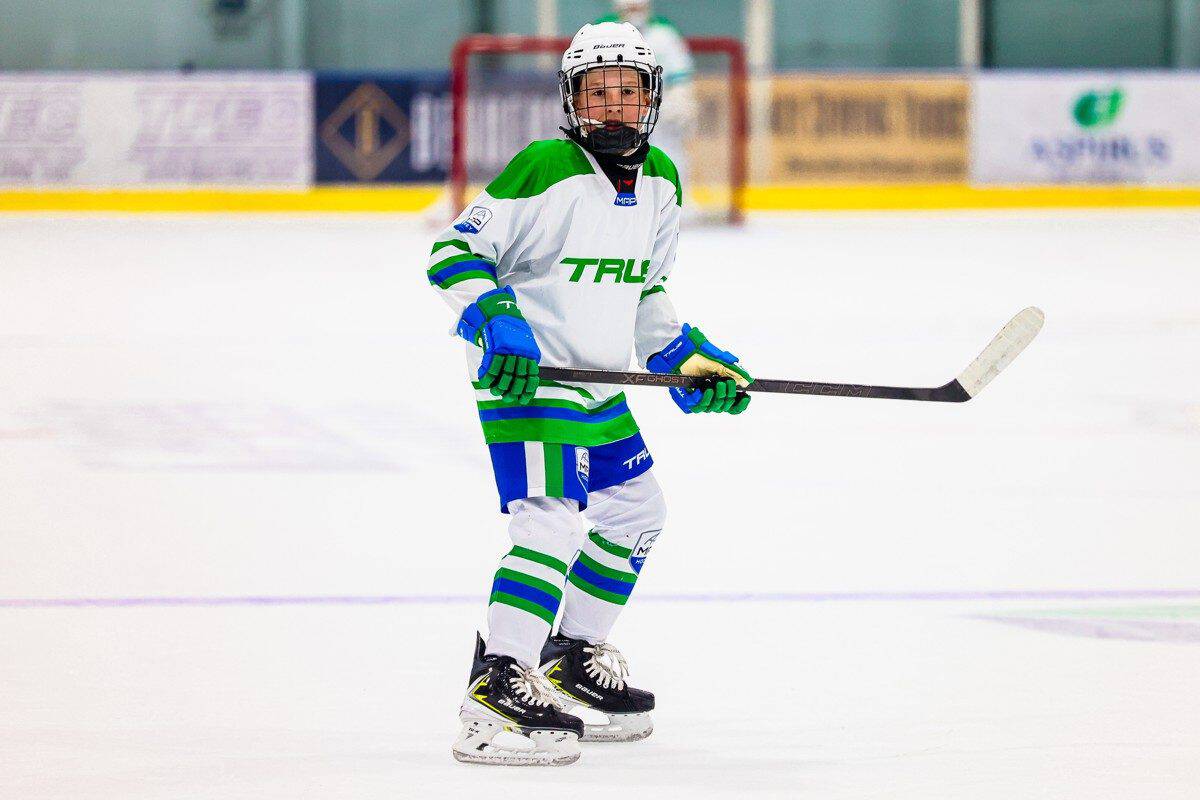
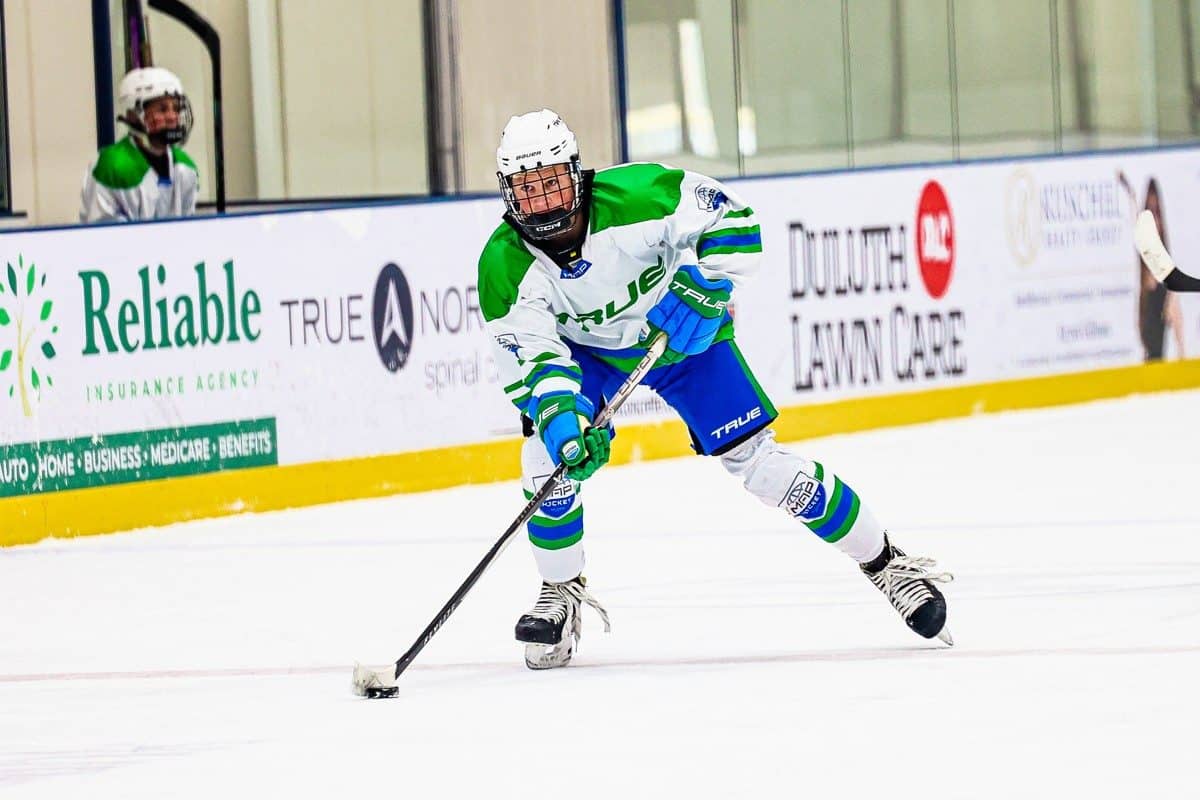
For families already training at MAP, this is the part that tends to matter most. MAP states: “Team True AAA teams are an extension of MAP Hockey. The coaches who develop your athlete in training are the same coaches behind the bench on game day.”
Selection comes from MAP’s own training staff: “Athletes are selected by the MAP Hockey training staff based on skill, development trajectory, and evaluation.”
So the next step doesn’t mean learning a new philosophy or a new organization. It means taking what your child has built in training and testing it against strong competition, with the same coaching staff and the same standards behind them.
Before you decide
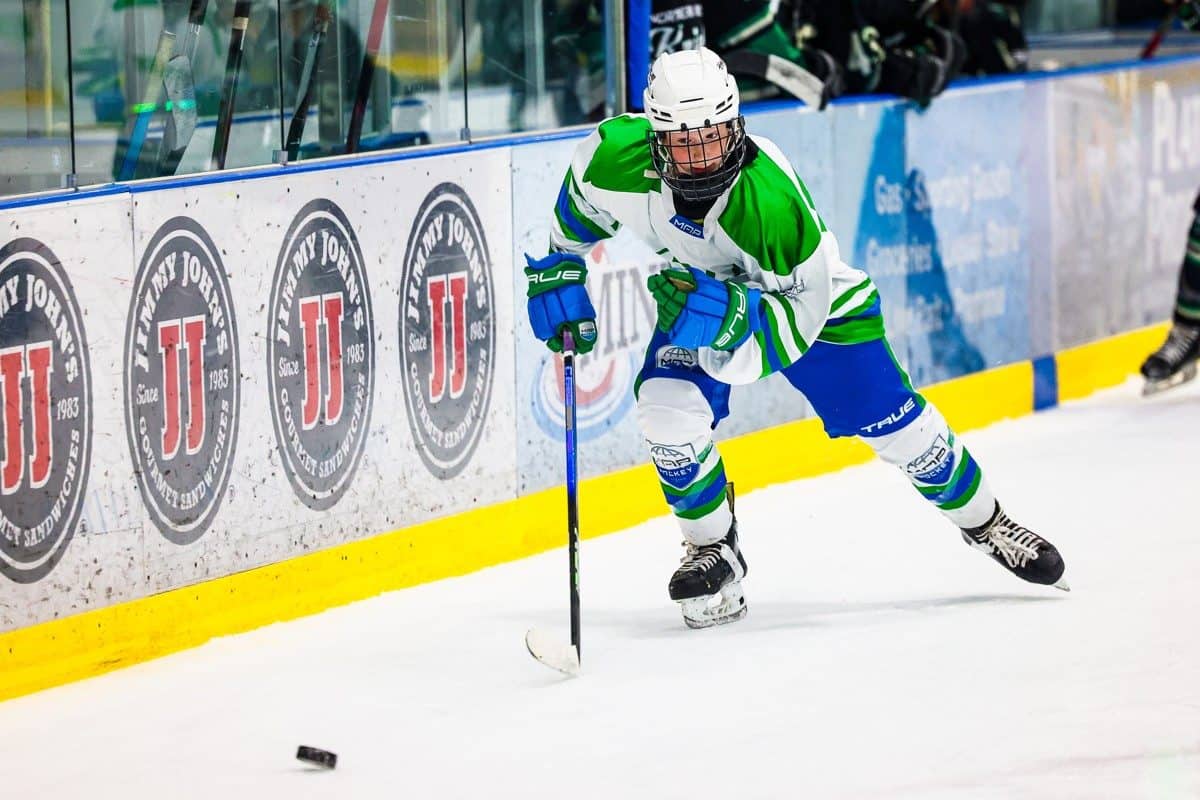
A few questions can help you think it through as a family:
- Is your child asking for more of a challenge, or are they happy focusing on training for now?
- What would you want to see from them a season from now?
- How does a team commitment fit with school and everything else your family has going on?
The program page covers the details, including season structure, age groups and how to get started. If you have questions about how Team True fits with your current Membership, ask the MAP staff directly.
When you’re ready to see whether Team True AAA is the right next step for your child, learn more about Team True AAA.