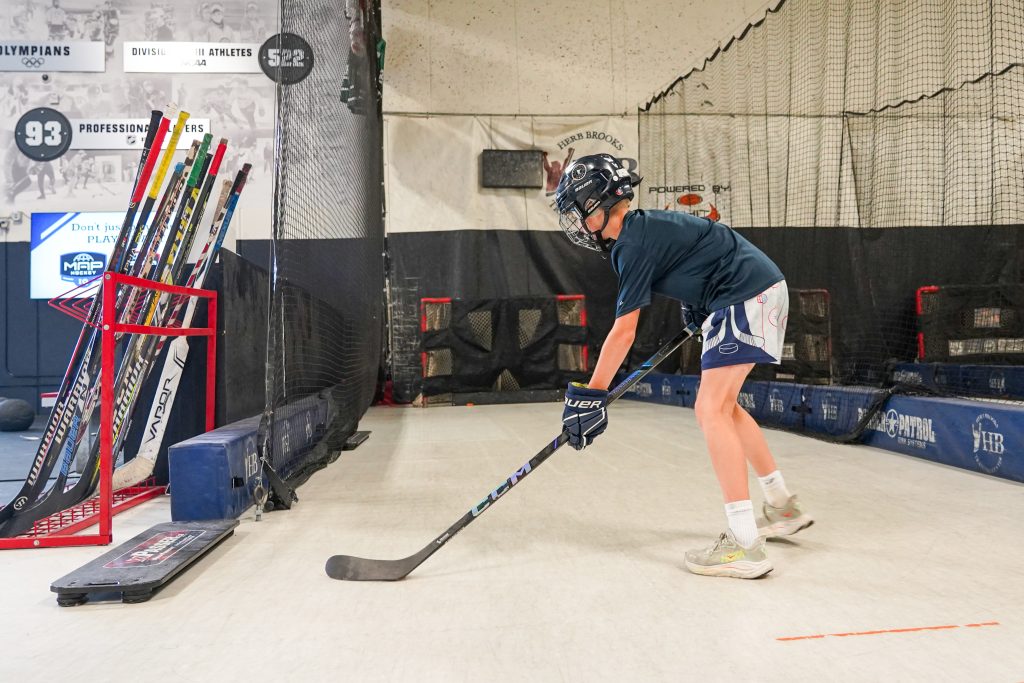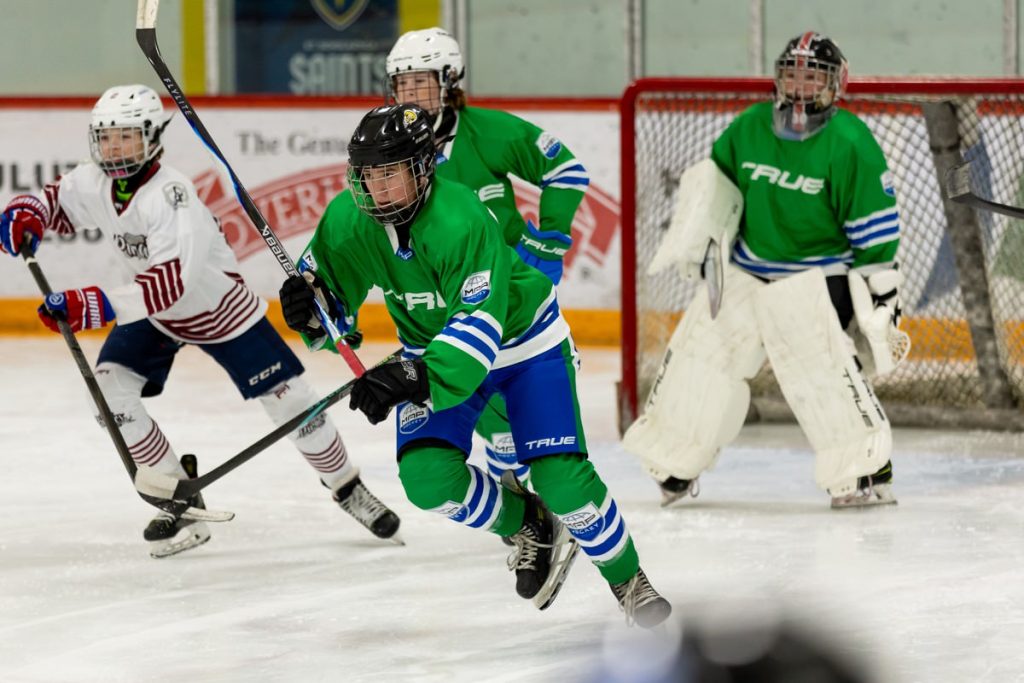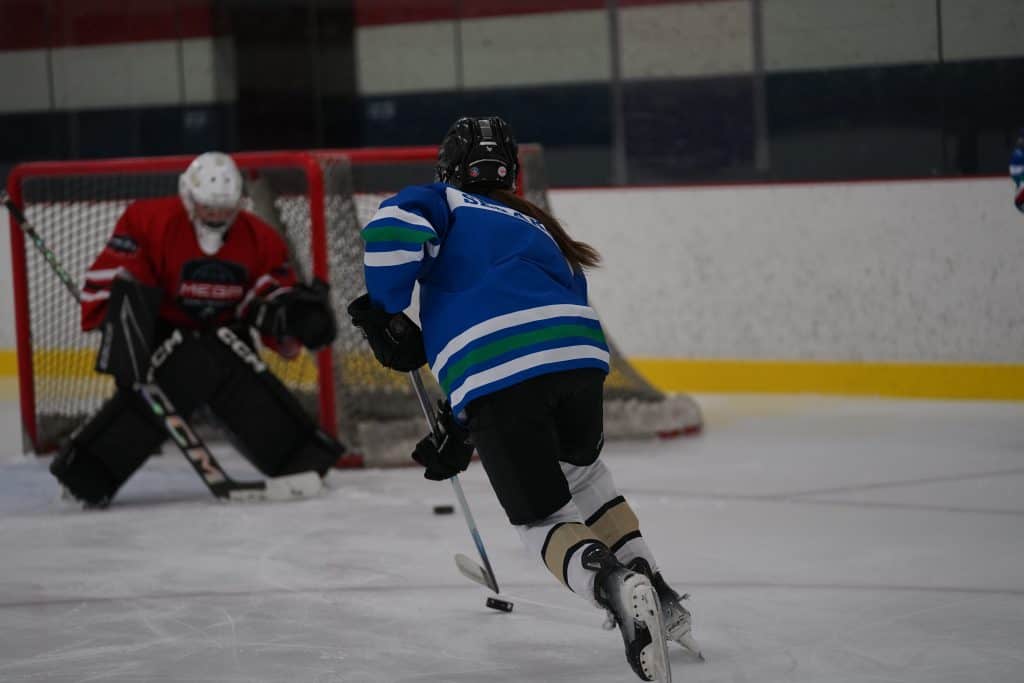
Watch a close game from behind your bench and count the shifts that turn on one player’s skill. The defenseman who opens up on a rimmed puck and makes the first pass before the forecheck gets there. The winger who wins a battle on the half wall because her feet were under her. The center who backchecks hard enough to lift a stick in the slot.
None of those plays is a system. Your system put players in the right spots. Their skills decided what happened next.
That link between one player’s skills and your team’s results is easy to say and hard to see in the middle of a season. It tends to run in a fairly predictable order, though. An individual skill gets better, the team gets more dependable, and the player enjoys the game enough to keep coming back. It helps to look at each link in that chain, and at where skill work away from your practice can fit.
Skills set the ceiling for your systems
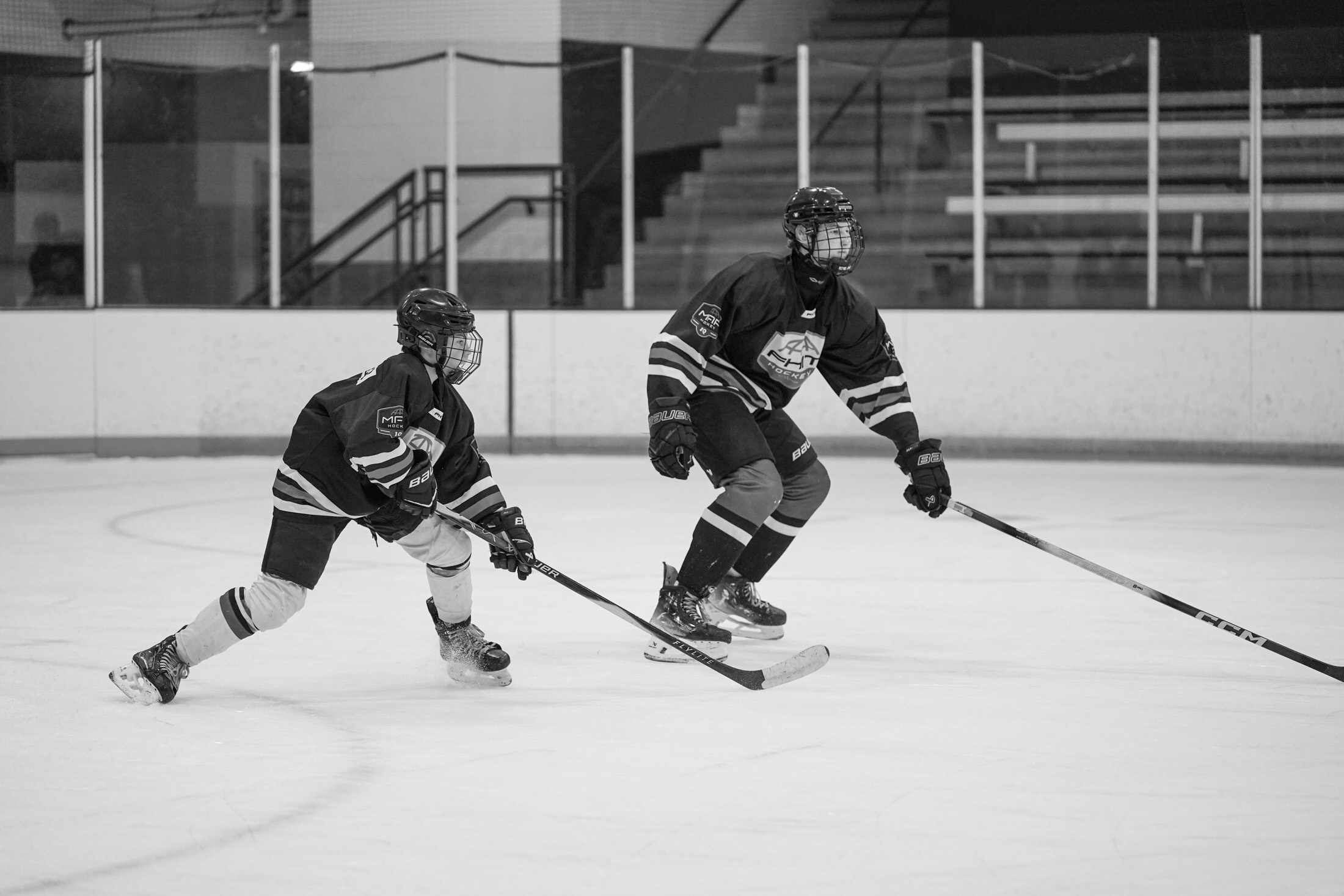
Every coach has lived this one. You install a breakout with a strong-side rim and your center swinging low for support. On the whiteboard it’s clean. In the game, your defenseman can’t turn and retrieve with speed, so the rim comes late and the forecheck is already on him. The system was fine. The skill underneath it wasn’t there yet.
The same pattern shows up all over the ice. Your forecheck depends on F1 closing with speed and taking a good angle. A tight gap on the rush depends on backward crossovers that hold speed. A power play needs someone on the half wall who can protect the puck for an extra beat.
When individual skills improve, your options grow. You can run the breakout you actually want. You can ask your D to hold a tighter gap. You can trust more players in more situations, which matters a lot when the third period gets tight and you’d like to roll four lines instead of shortening the bench.
Skating comes first
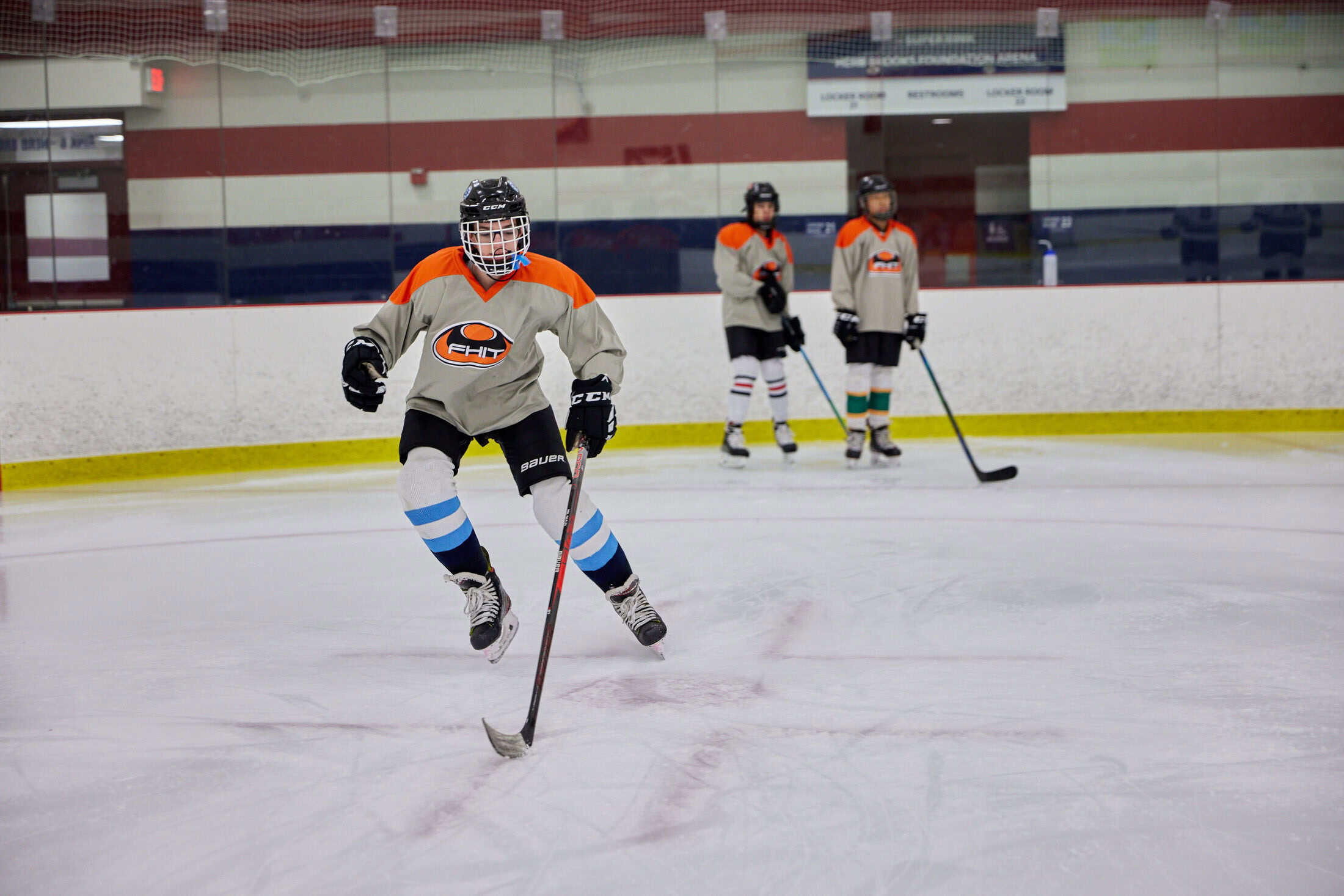
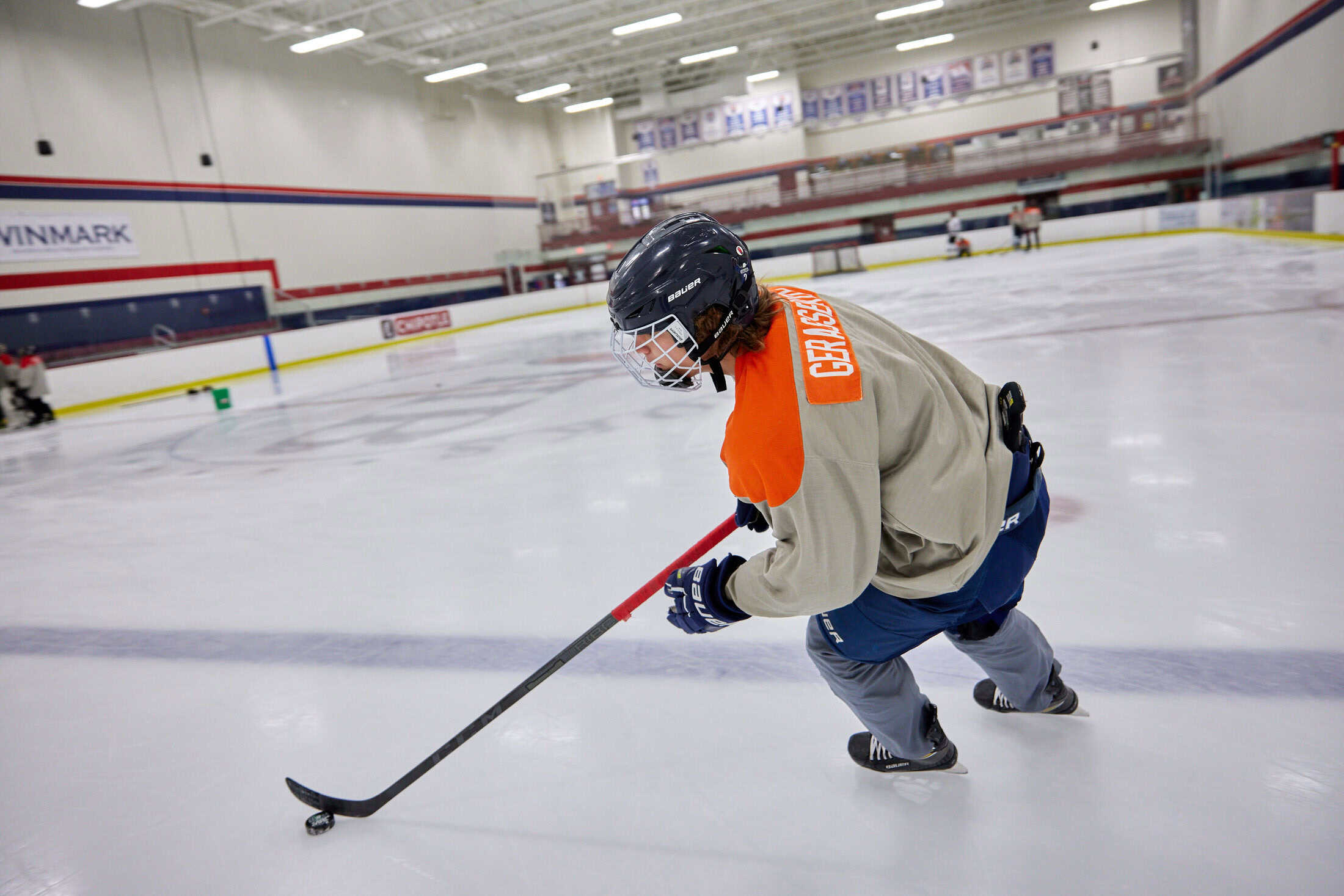
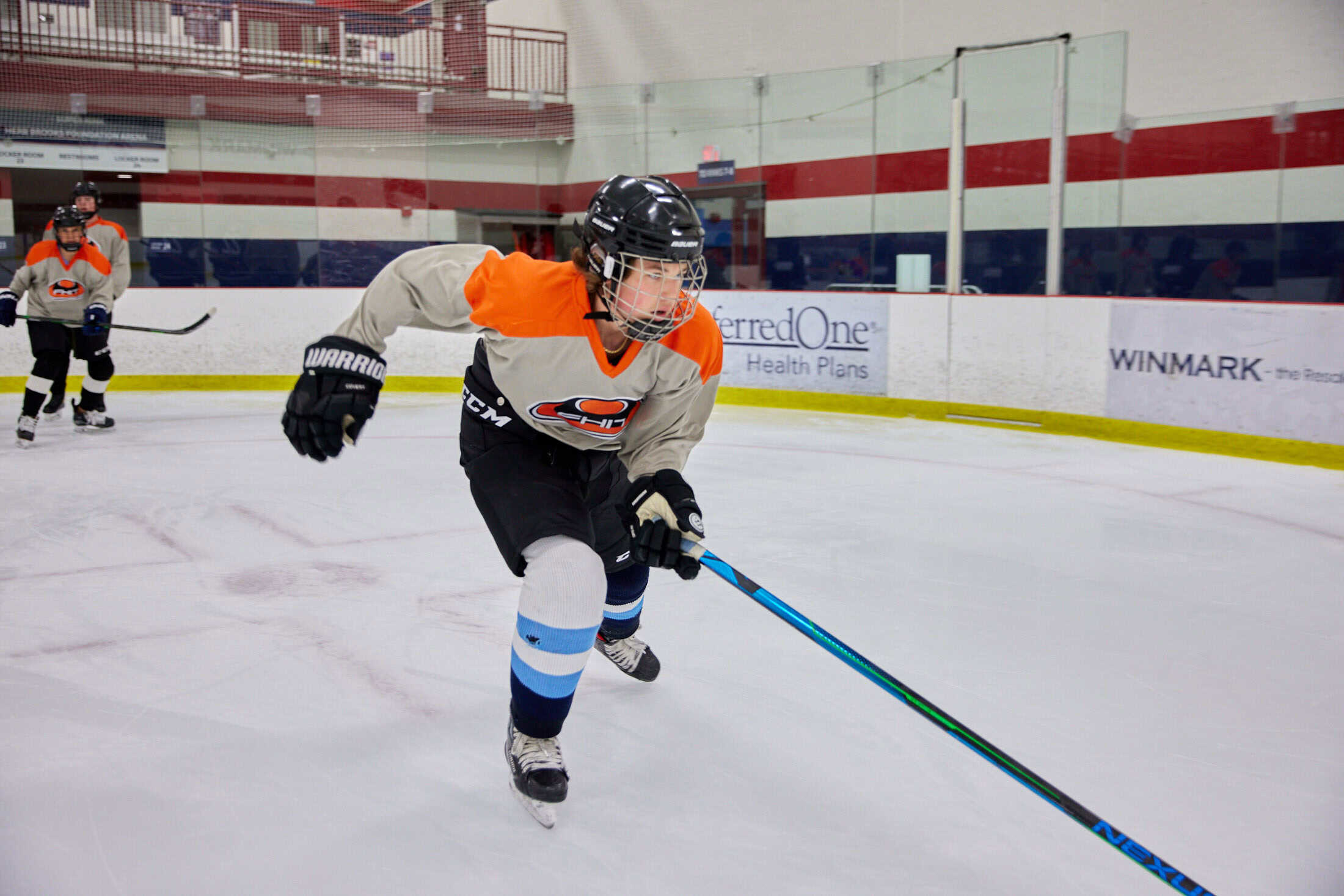
Trace most breakdowns back far enough and a lot of them start with feet. The late backcheck. The lost race to a loose puck. The defenseman who gets walked on a cutback because his pivot is a half-second slow.
Skating sits under every other skill. A player with stronger edges, a quicker first three strides and balance through contact has more time with the puck and more time to read the play. That shows up in places you might not credit to skating at all: cleaner passes, better body position along the boards, fewer hooking calls from reaching after a player who got a step.
It’s also one of the hardest things to rebuild during team practice. Changing a stride or a crossover pattern takes focused reps and close attention, and that kind of attention is tough to give one player with a full roster on the ice.
Where individual reps come from
Practice ice belongs to the team, and it should. You’ve got systems, special teams and game prep to cover. Individual skill work still happens in stations and quick corrections, but the reps a single player gets on a single weakness add up slowly.
That’s why many players do some skill work away from team practice. The appeal is efficiency. A session aimed at one part of the game can give a player more reps on that piece than they’d collect across several practices. Then they bring it back to your ice, where you put it to use inside your drills.
The work that helps a team most stays individual. A cleaner stride, a quicker release, better stick position in the passing lane. Those fit into whatever you’re already teaching. What makes an outside option dependable from a coach’s side is that it reinforces your teaching instead of adding a second voice on systems. Systems stay with you.
What carryover looks like
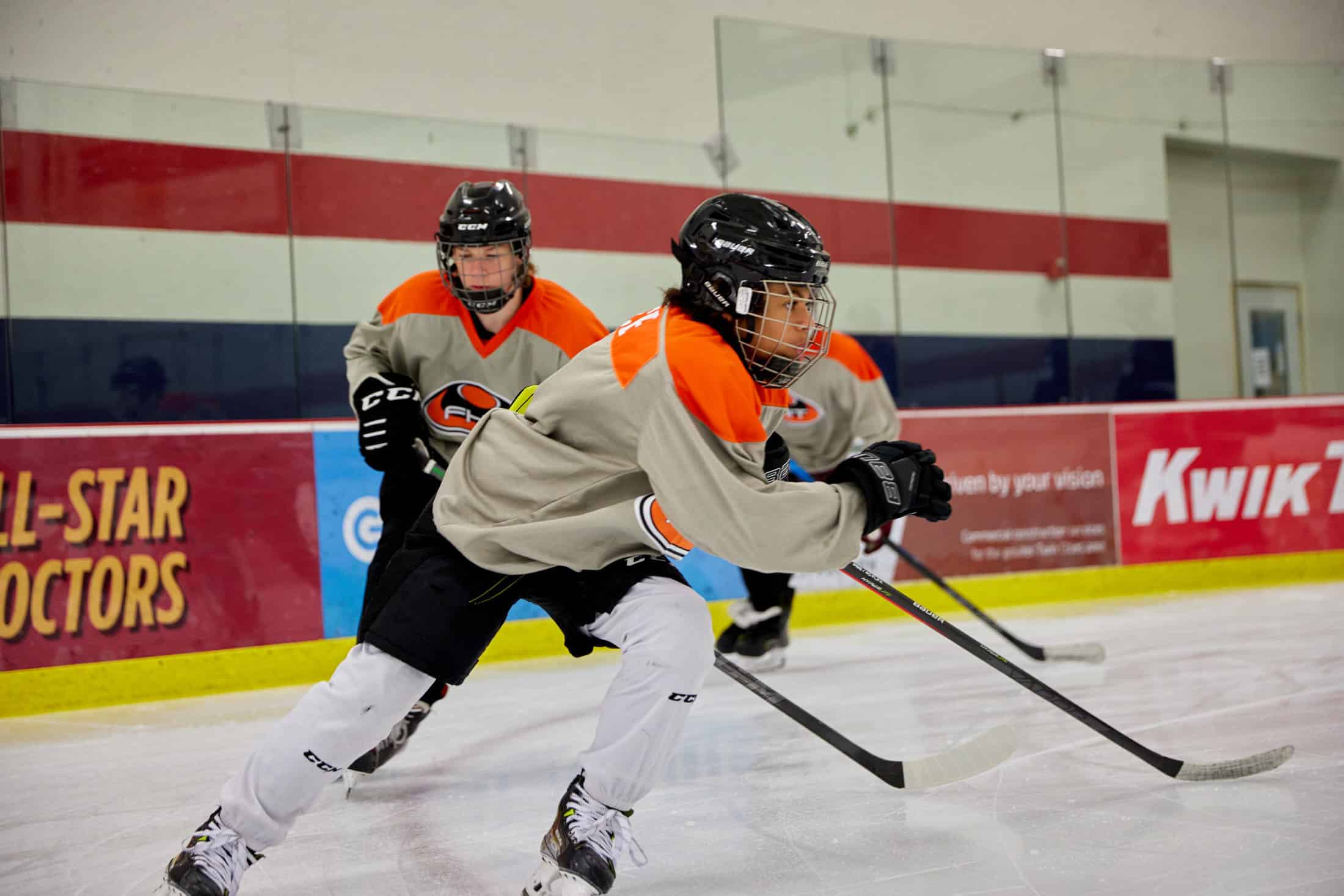
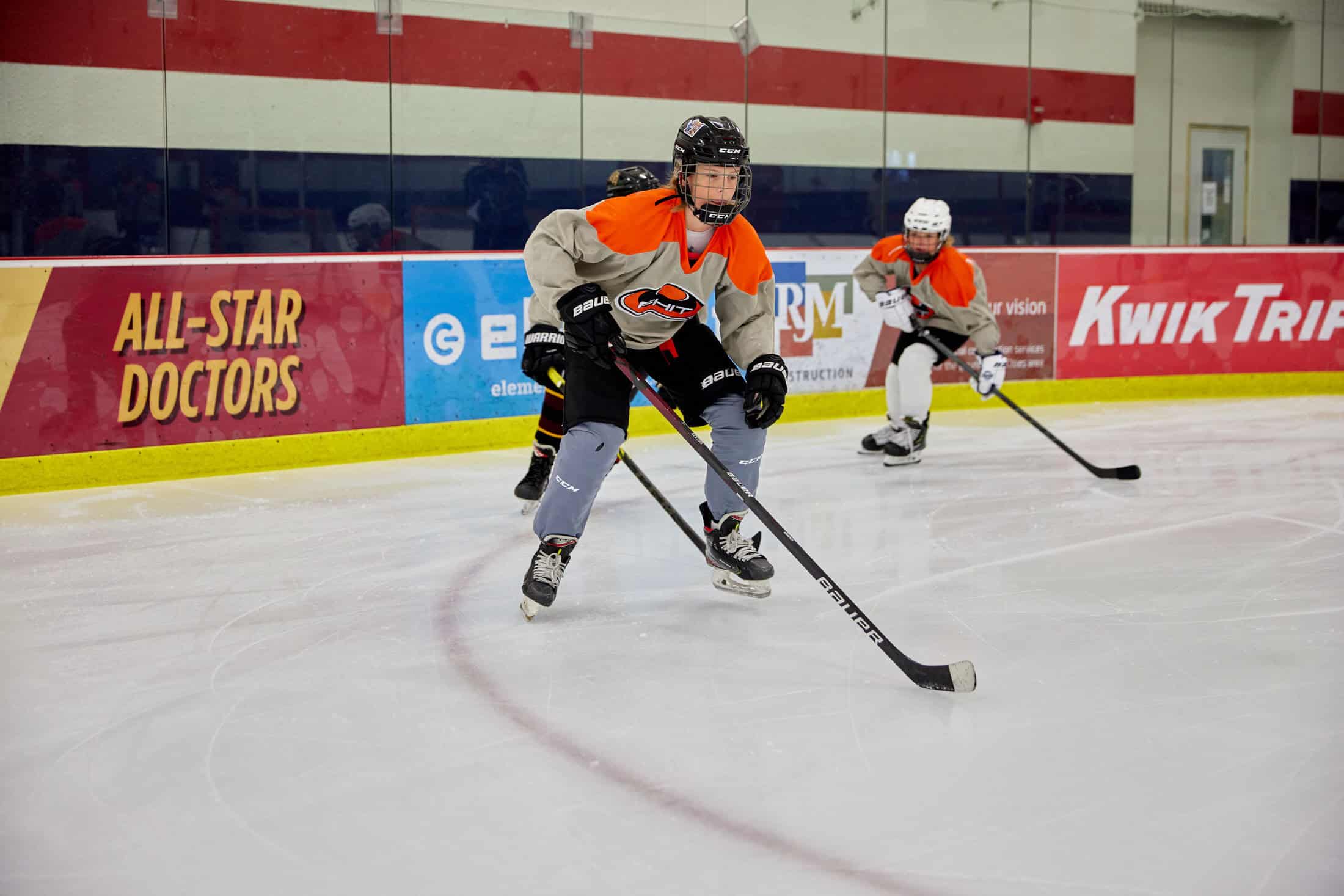
Improvement from skill work rarely arrives as a big jump. It usually shows up quietly, so it’s worth knowing what to watch for:
- A player who used to get caught flat-footed on turnovers is a stride closer on the backcheck.
- Your D start getting to retrievals with time to look up, instead of just firing the puck around the boards.
- A forward who used to pass up shots is getting them off in stride.
- You find yourself putting a player on the ice in a spot you avoided earlier in the season.
Each of those is small. Spread across a roster, small changes can add up to a team that turns the puck over less, defends with more structure and has more answers late in games. At the youth level, better team performance usually looks like fewer breakdowns, not a highlight reel.
Players who improve tend to stay
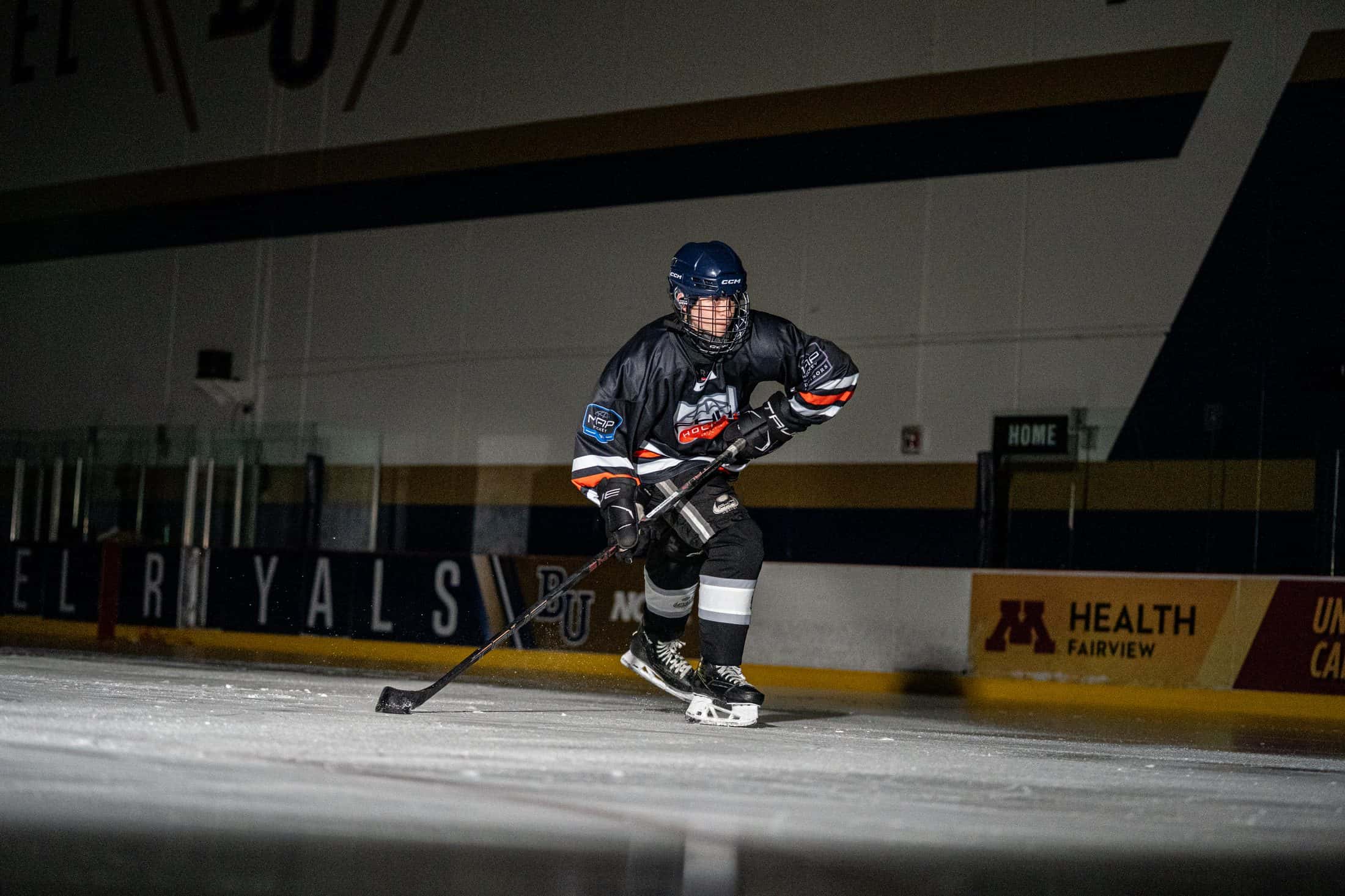
This is the link that’s easy to miss. Kids who feel themselves getting better usually enjoy the game more. The player who finally keeps up in races starts wanting the puck. The defenseman who stops getting beat wide stops dreading the rush.
The opposite happens too. A player who falls behind in skating often starts to feel it right around the age when teams get more competitive. Shifts get shorter. Confidence dips. That’s often when kids start drifting toward other sports.
You can’t keep every player in the game, and no outside session can promise to. Development and retention are connected, though. When a player sees progress, there’s a better chance they come back next season, and a deeper pool of returning players helps your program as much as any system does.
Where FHIT Clinics can fit
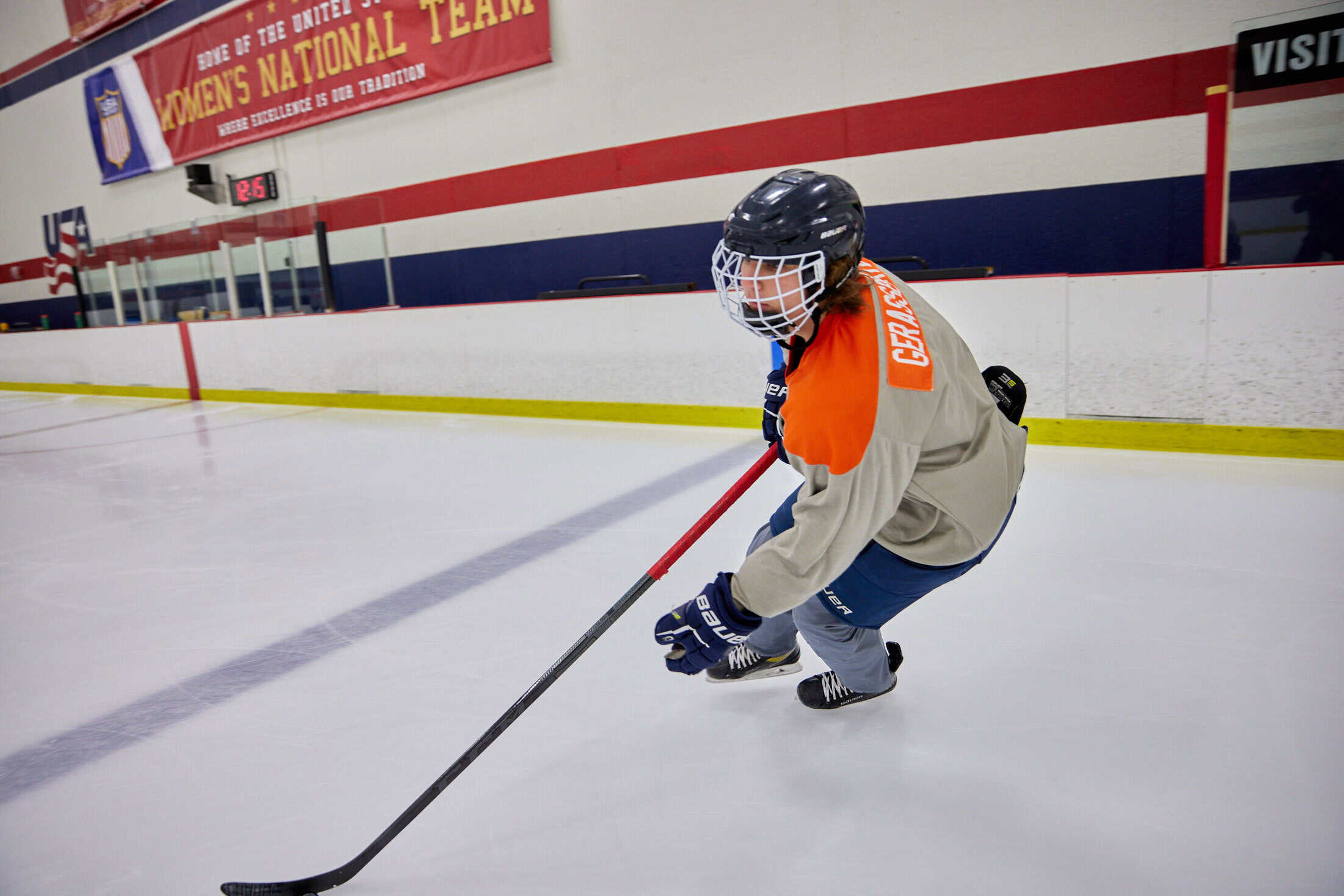
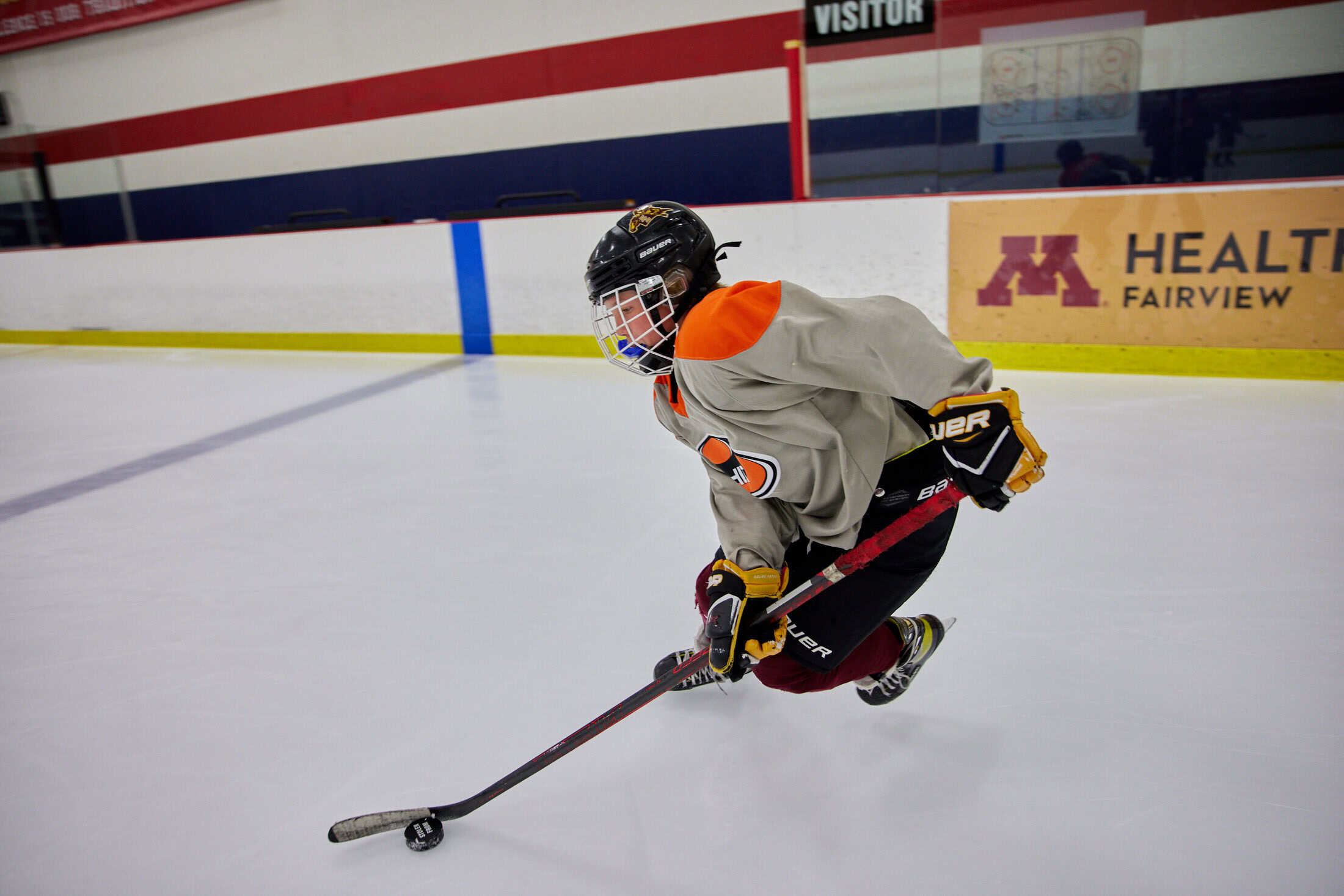
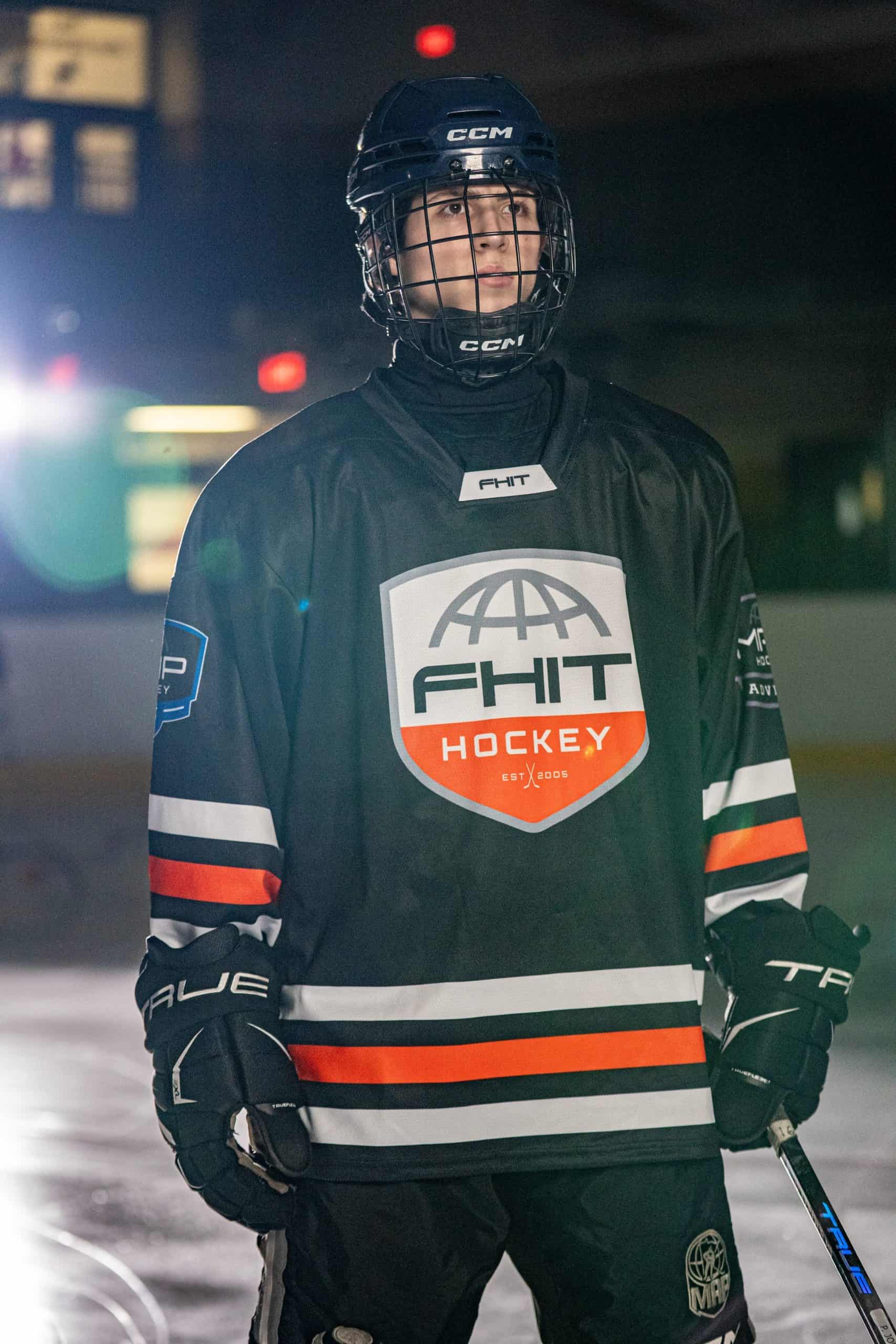
FHIT Clinics are small-group sessions dedicated to the development of individual skills. There are three types: Defense, Offense and Power Skating. Power Skating’s published focus is speed, agility, edge control, and efficiency.
Families book one session at a time for their own player. There’s no membership, no application and no evaluation, so any player on your roster can attend a session. Clinics are grouped by age, not skill, into two age bands. They aren’t a team service and they don’t replace your practice plan. They’re a place a player can get focused reps on one part of the game, then bring that work back to your team.
If you suggest a clinic to a family, be specific about the match. Power Skating for the skater who’s a step behind the play. Defense for the player who keeps getting beat one-on-one. Offense for the player who gets chances and can’t finish them. Cost, session length, group size and timing aren’t covered here. Check the clinics page or call before you pass a recommendation along, so you can answer a family’s follow-up questions.
From one player to the whole bench
Your systems decide where players go. Their skills decide what happens when they get there. When individual skills grow, your team can become more dependable, and the players who feel that progress are more likely to stick with the game for another season.