Not all Hockey IQ programs teach the game the same way. Some use video lessons. Others focus on coaching or personalized game analysis. If you’re exploring options for your daughter, the important question is how each program helps her understand and improve her decisions on the ice. Here’s what to look for.
Does the program include her own game film?

Hockey IQ can be developed through several teaching methods, including professional game examples, classroom instruction, on-ice training, and personalized film analysis. Each can offer value. One important question is whether the program also helps your daughter understand decisions from her own games.
General lessons teach the concept. Her own game film shows how she applies it. Reviewing both can help her connect what she’s learning to the decisions she makes during games.
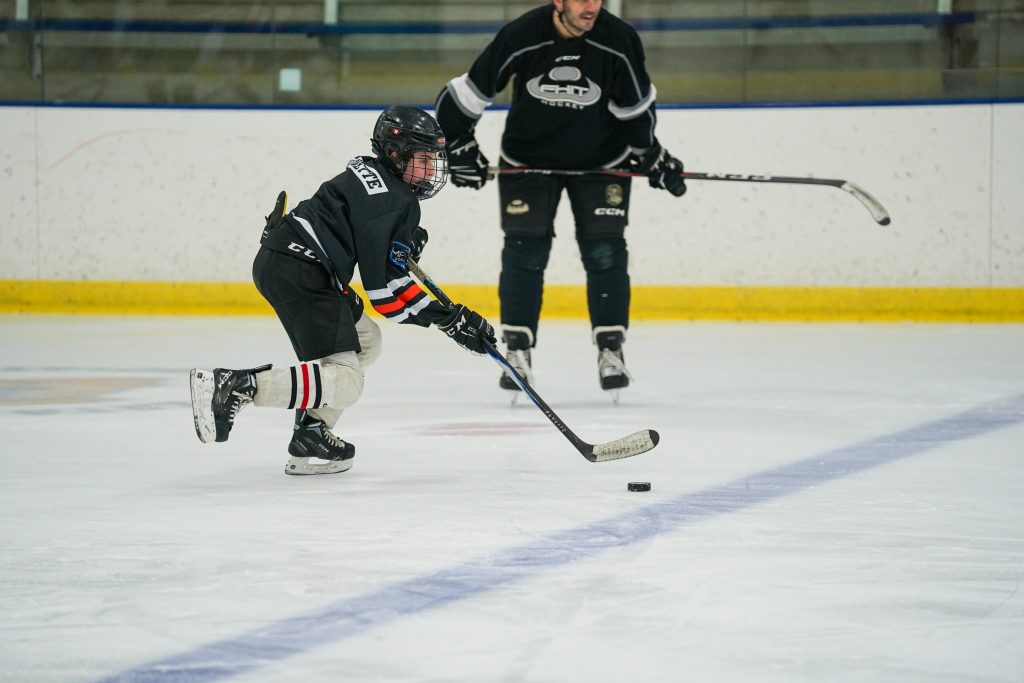
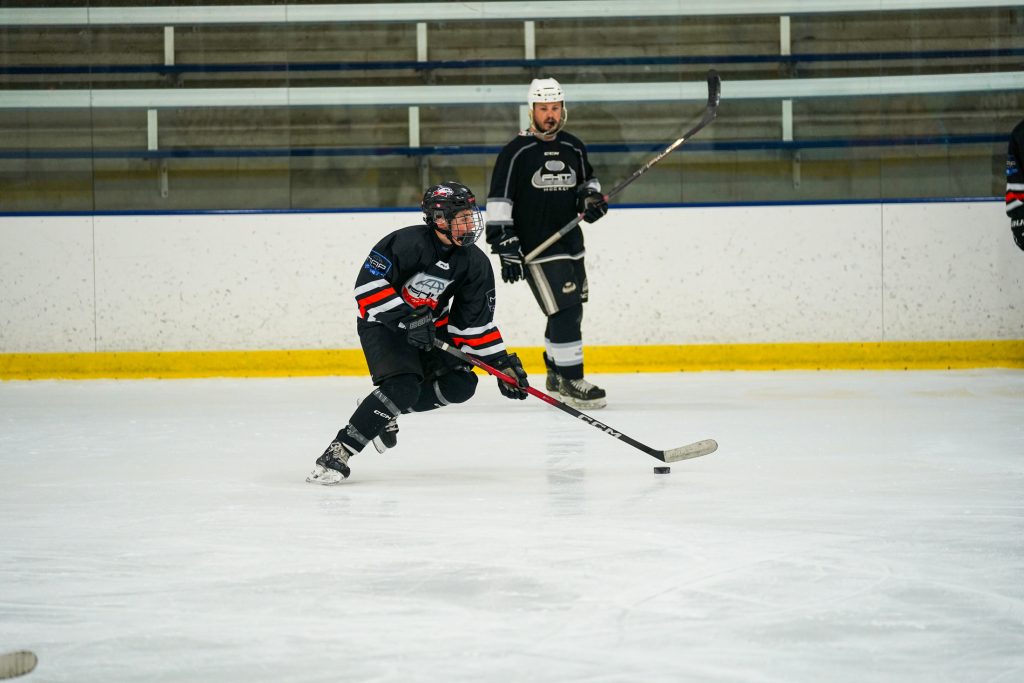
Think about the last game she played. Maybe there was a neutral-zone regroup where she had two outlets and froze, or a rush where she jumped into the play a stride too late to be an option. General lessons describe those situations. Her own film shows her the one she was actually in, and what she could have done instead.
MAP Hockey IQ combines personalized analysis of her own game footage with coaching insights and professional game examples. When comparing programs, ask how the lessons connect to your daughter’s actual game.
Look for a clear teaching framework

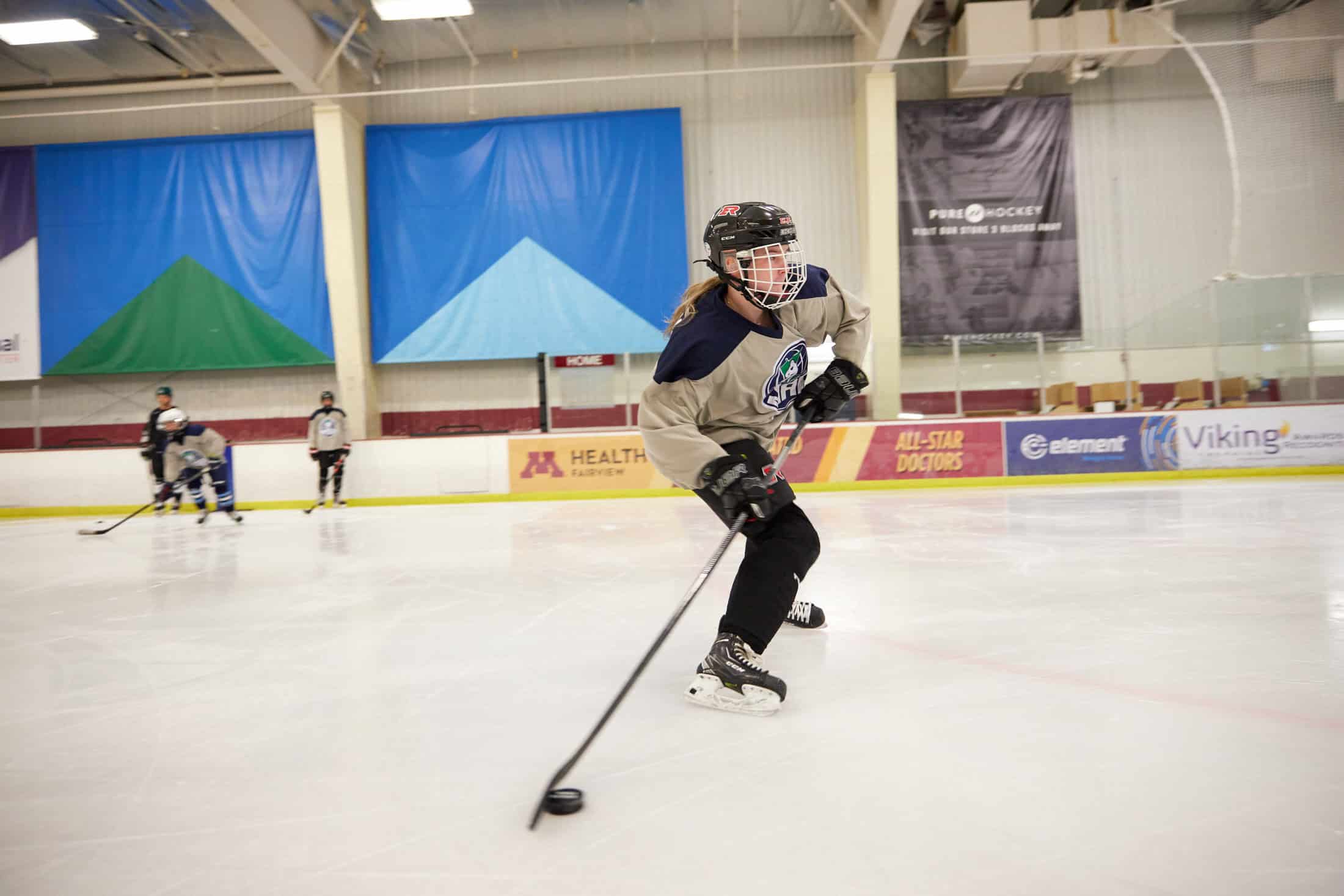
A clear teaching framework can help players understand what they’re learning and connect coaching feedback across different game situations.
Ask any program how it defines the subject. MAP Hockey publishes its definition: “Hockey IQ is a player’s ability to make a read, process it, and then execute the right play.” It also publishes a framework, the 4 Components of Hockey, developed by John Becanic, Director of MAP Hockey IQ:
- Offense at the puck
- Offense away from the puck
- Defense at the puck
- Defense away from the puck
A clear framework can give your daughter a shared language with her coach and help her connect feedback to specific situations on the ice. When you compare programs, look for one that can tell you what it teaches before you buy.
Understand what’s included in each program
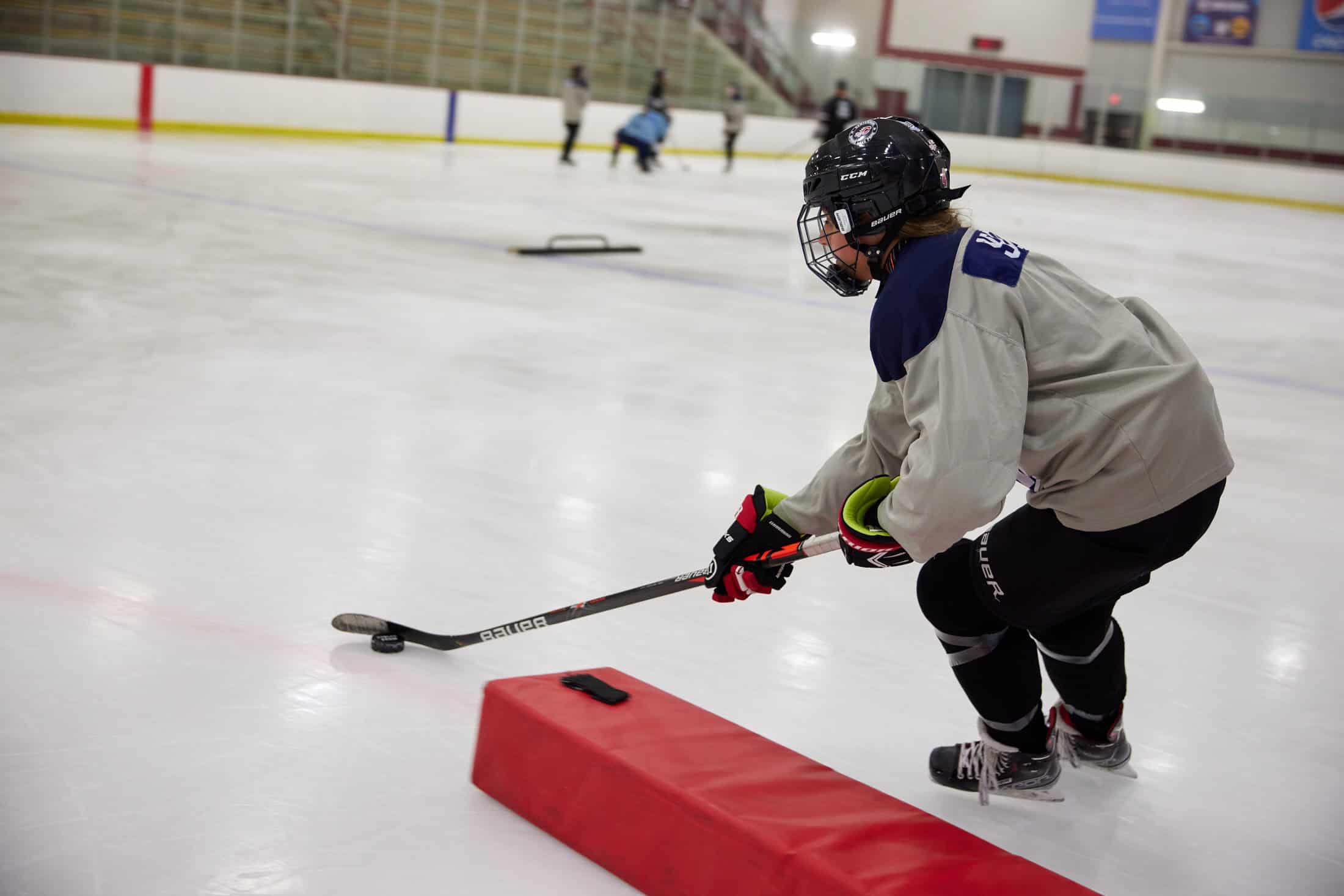
Two Hockey IQ programs may sound similar but offer very different coaching experiences.
As you compare, line up what each option actually contains. Is it a single game review, or a set of reviews? Is there teaching content beyond her own film, like film breakdowns of pro examples or position-specific sessions? MAP Hockey IQ’s Master Class, for instance, includes professional game film examples and position-specific live webinars. Is there a kickoff conversation to set direction?
Before choosing, confirm how many reviews are included, how often feedback is provided, how footage is submitted and who delivers the coaching.
Make sure the coaching fits her development goals
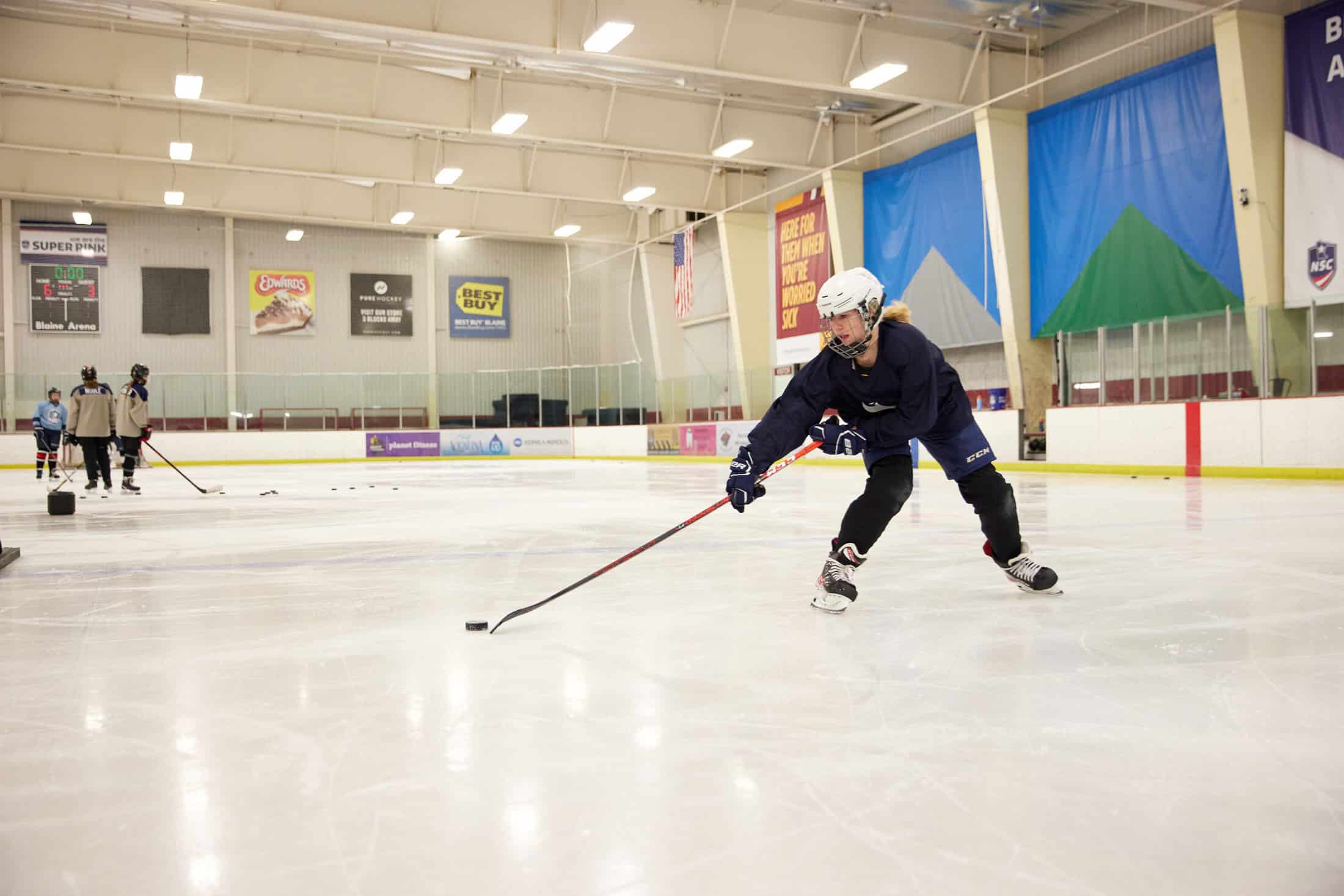
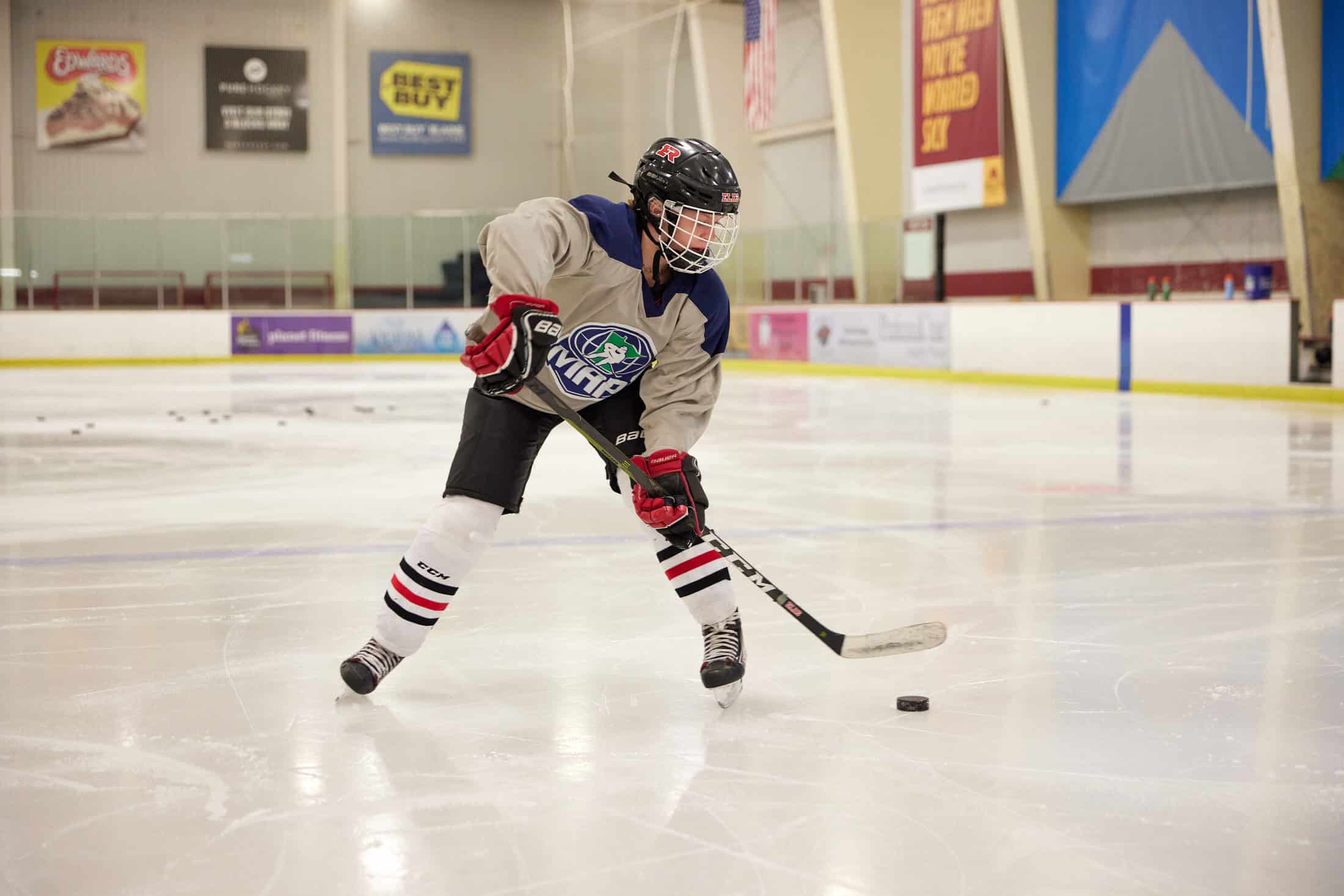
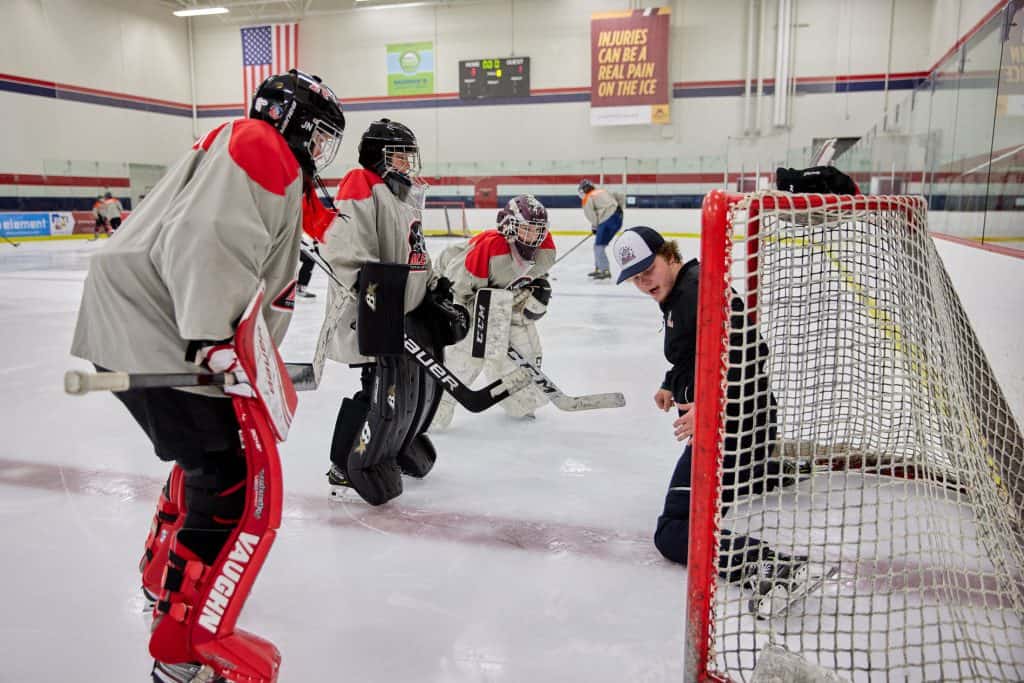
Every player has different strengths, challenges, and development goals. Ask how the coaching will account for your daughter’s position, experience, and the situations she faces during games. MAP Hockey IQ uses personalized game film analysis to connect coaching feedback directly to her own shifts and decisions.
Try one game before committing

One way to explore the coaching approach is to start with a single game. MAP Hockey publishes a Single Game Review, where a MAP Hockey IQ coach goes through a game she has already played. This gives her an opportunity to experience personalized feedback on her own game and better understand how Hockey IQ coaching works.
See how MAP Hockey IQ approaches personalized coaching, compare the available options and find the right starting point for your daughter’s development. Learn more about MAP Hockey IQ.