The season ended. Maybe it ended in a playoff loss you still think about, or maybe it just ran out on a Saturday in late winter. Either way, you now have something you didn’t have in October: a full season of your own game film, and a few months before the next one starts.
Most players spend the off-season adding more. More skating, more shooting, more lifting. Keep doing that. Your skills are essential, and summer is a great time to build them. But the film from last season can tell you something a skating session can’t: which decisions held you back, and which ones you should be making more often.
So the real question is how to use that film, and how to figure out what kind of help, if any, makes sense next.
Start with three games, not thirty
Going through a whole season of film sounds productive. In practice, most players open the first game, watch two periods, and quit.
Pick three games instead. One where you played well. One where you didn’t. And one big game, a rivalry night or a playoff game, where the pace was as high as it got all year. That mix gives you your normal game, your bad game and your game under pressure. Patterns that show up in all three are the ones worth your summer.
Watch only your own shifts. Skip the whistles and the line changes. If your film lets you, slow down the ten seconds before you touch the puck, because that’s usually where the decision got made.
What to look for on each shift
Don’t grade yourself with “good shift” or “bad shift.” That won’t tell you anything you can work on. Ask smaller questions:
- Did I look before the puck got to me, or after?
- When I had it, what was open that I didn’t use?
- When I didn’t have it, was I in a spot that helped my linemates?
- On the backcheck, did I pick up the right player, or the closest one?
Write down the moments where your answer surprises you. A defenseman might notice they rim the puck hard around the boards almost every time they’re pressured, even when the strong-side winger has nobody near him. A center might see that he’s always the third player back on turnovers at the far blue line. Those aren’t effort problems. They’re reads, and reads can be worked on.
Turn what you find into a short list
By the end of three games, you should have a handful of notes. Group the ones that look alike. Most players find two or three habits that keep coming back. Maybe you drift to the puck side in your own zone and leave the weak side open. Maybe you hold the puck one beat too long on the breakout.
That short list is your off-season focus for hockey sense. Keep it next to whatever your skating or strength plan is. You’re not replacing that work. You’re adding a second line to it.
Why another set of eyes helps
Reviewing your own film is useful, but it has limits. You can only spot what you already know to look for. If you never knew the high forward should be swinging to give a middle option, you won’t notice when you didn’t.
That’s where coaching on your decisions can help. MAP Hockey defines the skill this way: “Hockey IQ is a player’s ability to make a read, process it, and then execute the right play.” MAP Hockey IQ coaching is personalized analysis of your own game footage by a MAP Hockey IQ coach, organized around the 4 Components of Hockey: offense at the puck, offense away from the puck, defense at the puck and defense away from the puck. Coaching moments drawn from pro film show how high-level players handle the same situations you saw on your shifts.
It’s meant to complement your skills training and the coaching you get from your team, not replace either one.
Comparing options with your parents
Your parents may already be looking at summer programs, or they may be waiting for you to bring something specific to them. Either way, they’re likely the ones approving it, so make it a conversation you have together.
A good place to start is your short list from the film. “I want to get better” is hard to act on. “I keep holding the puck too long on breakouts, and I want help with my reads” gives everyone something real to compare against.
Then look at each option with the same questions:
- What is actually being coached? Skating, shooting and strength are one category. Decisions are another. Know which one you’re buying.
- What’s the material? Is the work built on your own game film, or on general drills and examples?
- Who looks at your game, and how? Ask how your footage gets to the coach and what format it needs to be in.
- What’s the smallest step to try it? Some programs let you start small before committing to anything bigger.
- What does the bigger plan include? If there’s a larger package, ask exactly how many sessions or reviews it includes and over what period, in writing, before signing up.
- What does it promise? Be careful with anything that promises a spot, a role or more ice time. No outside program controls those. Your coach does.
Read each program page together. Write down what’s clear and what you’d still need to ask. That list makes the decision much easier.
A small first step
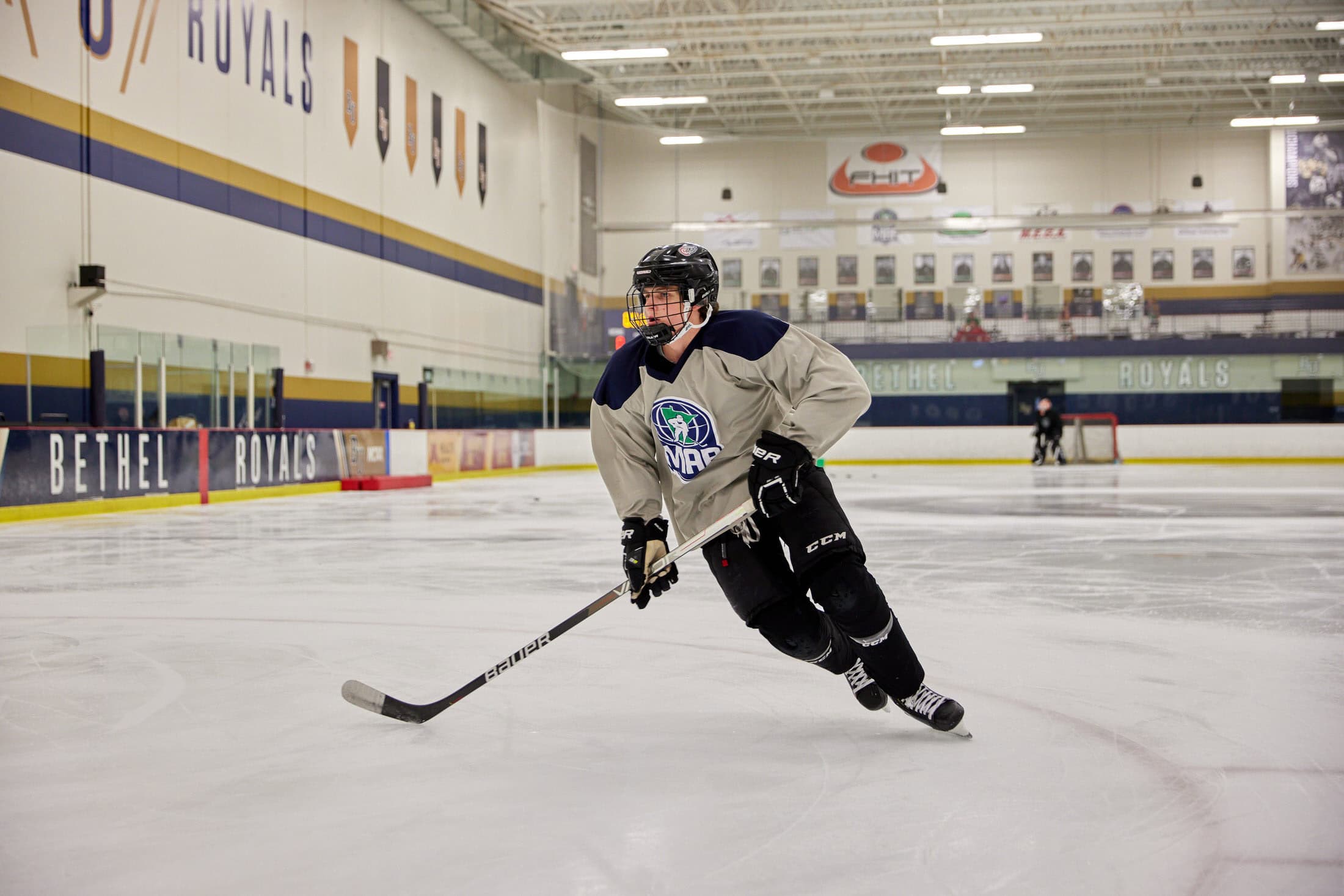
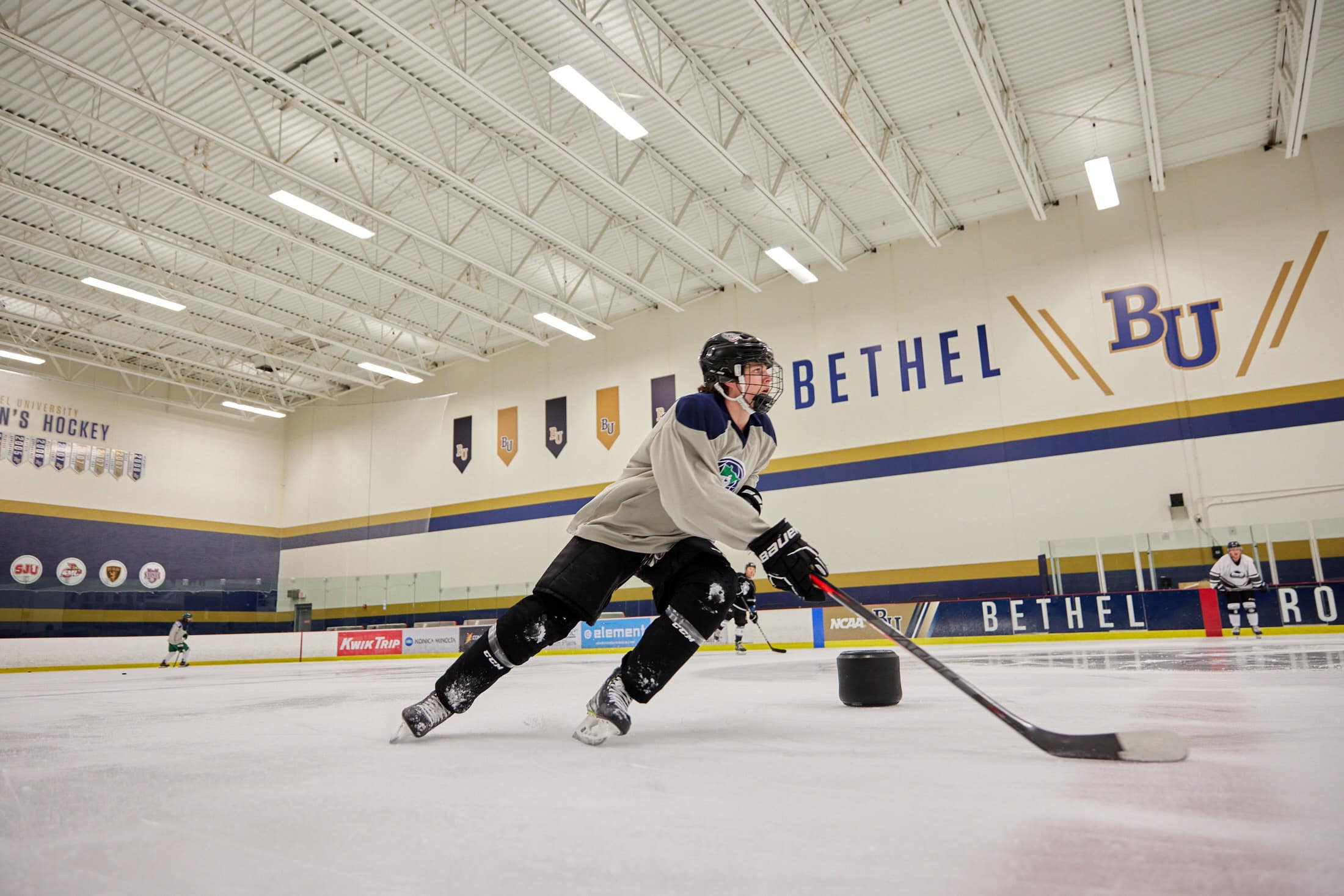
If you want to see what coached film review looks like before committing to more, MAP Hockey offers a Single Game Review. You bring one game you’ve already played, and a MAP Hockey IQ coach goes through it with you. The off-season is a good time for it, because you have the film and the time to actually work on what comes out of it.
Make the off-season count
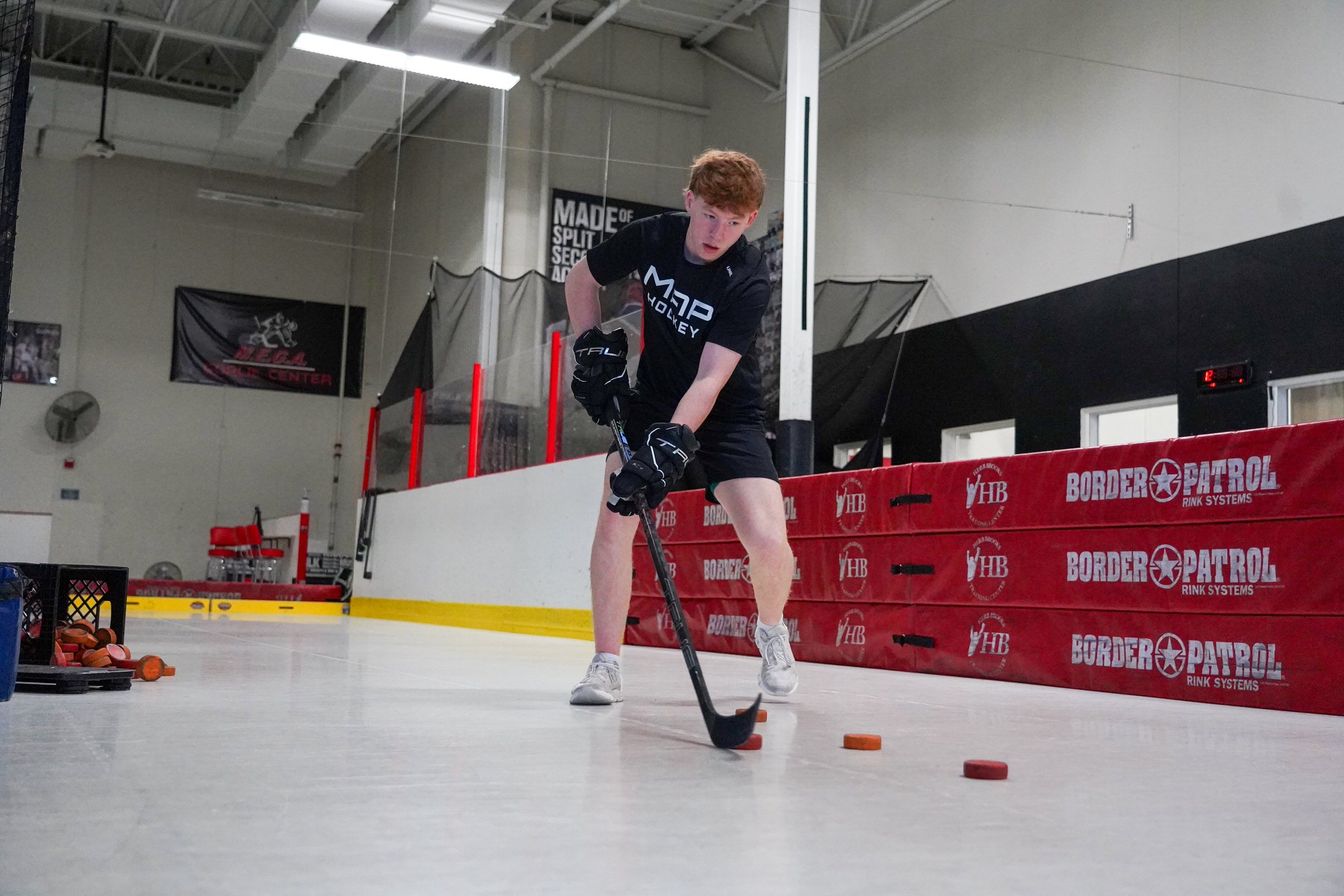
Last season is over, but the film isn’t done teaching you. Pick your three games, find the patterns and talk it through at home.
Learn more about MAP Hockey IQ and look at the options with your parents.