Maybe it happened on a Tuesday. The line rushes went up in the locker room and your name had slid down a spot. Maybe the varsity list got posted and you read it three times looking for a name that wasn’t there. Or maybe you had the puck on your stick late in a playoff game and the play you made is the one you keep replaying on the bus.
Most players don’t go looking for something new when things are going well. They go looking after a moment like that. If you’re in one right now, the question in your head is probably simple: what do I do next?
There’s no single answer, and nobody can tell you exactly why a lineup changed. But there are a few good places to start, and most of them begin with your own game.
When your role changes
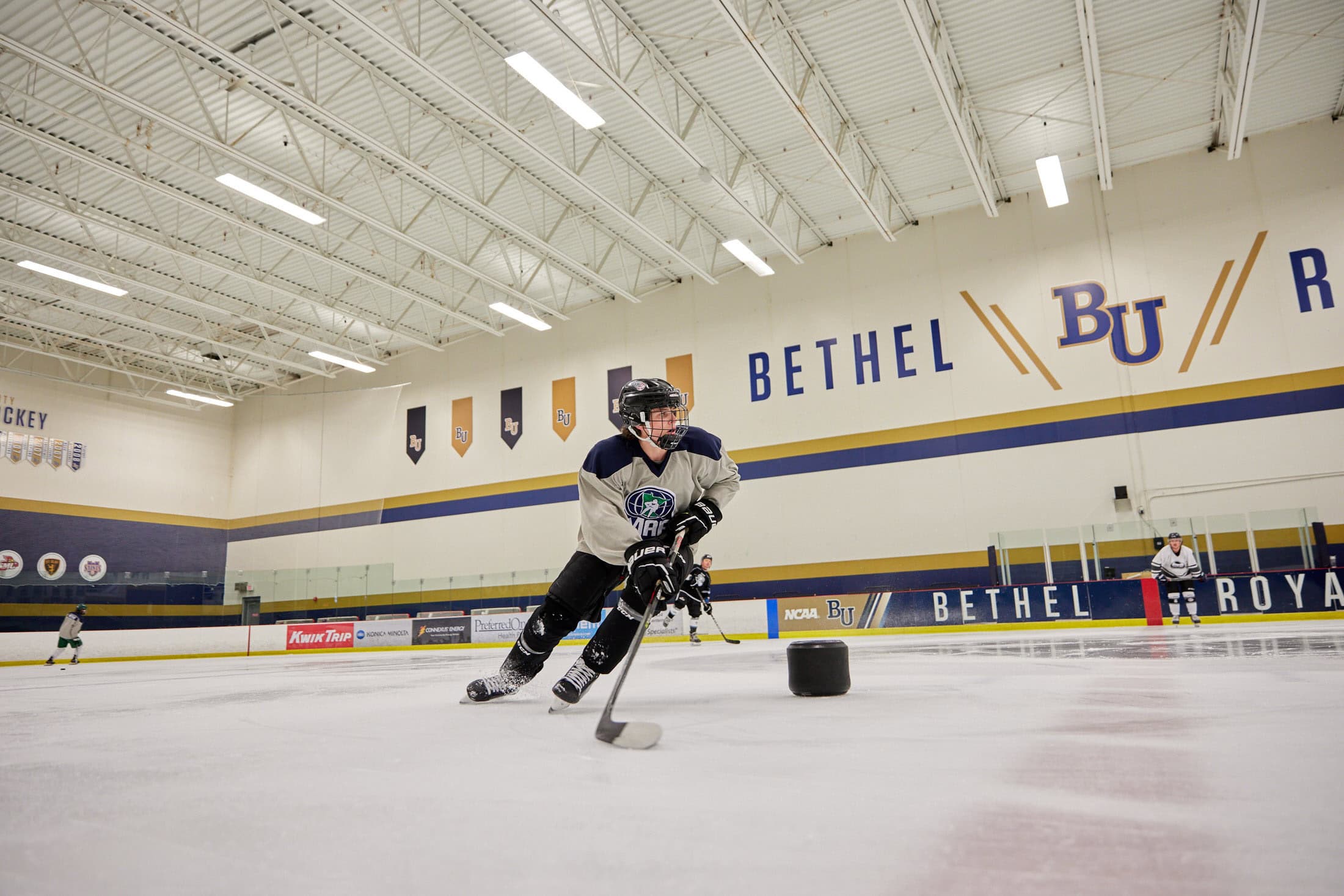
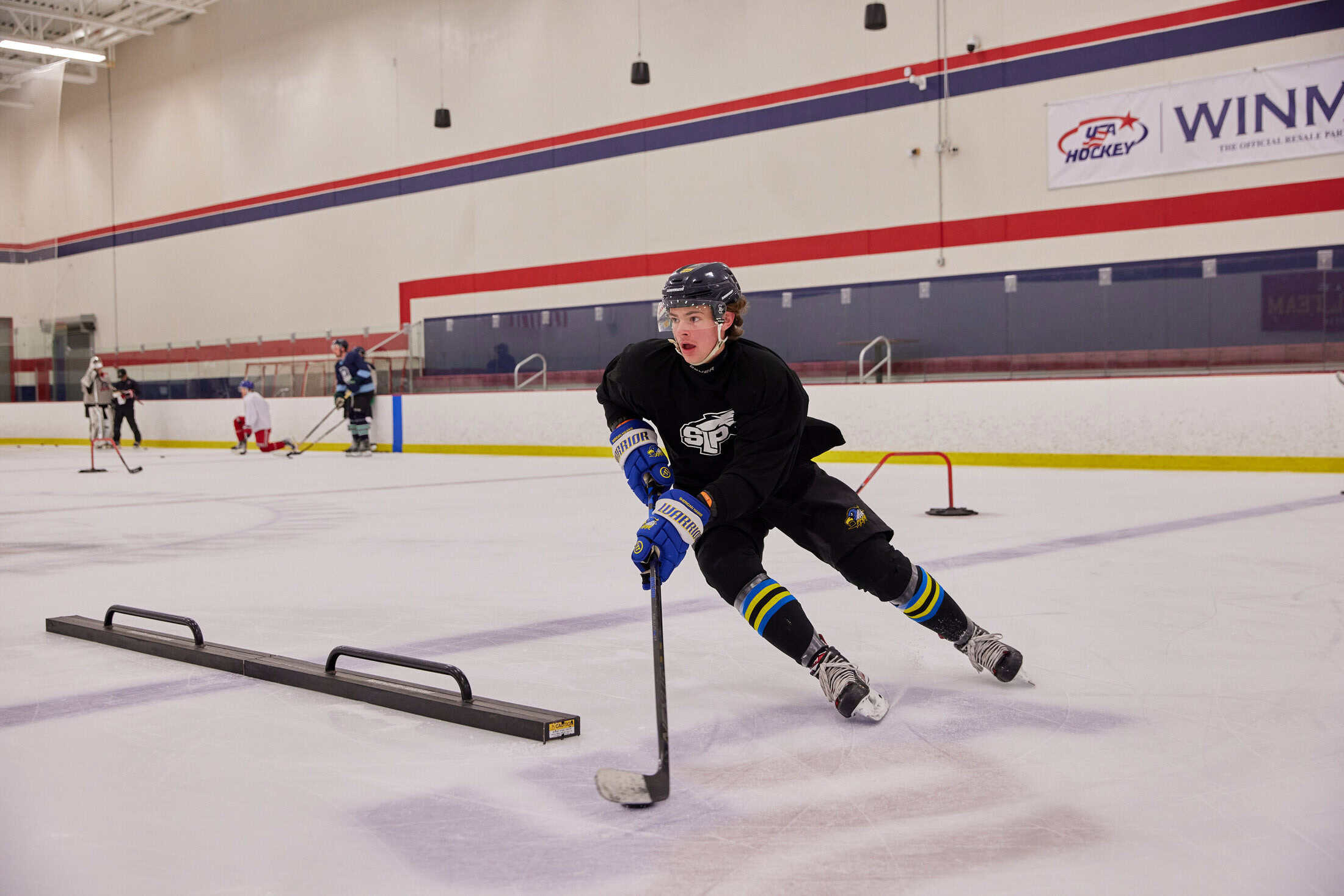
Fewer shifts. A spot on the power play that went to someone else. Sitting through a penalty kill you used to be part of. It stings, and it’s natural to start guessing at the reason.
Before you guess, look at your decisions. Not your effort, which is probably fine, and not your skating, which you’ve worked on for years. Look at the choices you made with and without the puck. Did you force a play when a safer option was available? Did you miss a teammate getting open or lose track of your responsibility away from the puck?
Your game film can show you what to work on next. It’s a lot more useful than replaying the lineup card in your head.
After a cut or a roster disappointment
Getting cut from varsity, or missing the roster you trained all summer for, is one of the hardest things in youth hockey. You can’t change the decision. That part belongs to the coaches who made it.
What you can do is figure out what to improve before your next chance. Your next opportunity starts with knowing what to work on. Go back to tryout footage or game film from the last season if you have it. Look for the moments where the play happened fast. Were you reading it early, or reacting late? That’s the kind of detail that can help you prepare for the next tryout with a clear plan instead of just more of the same.
The game you can’t stop replaying
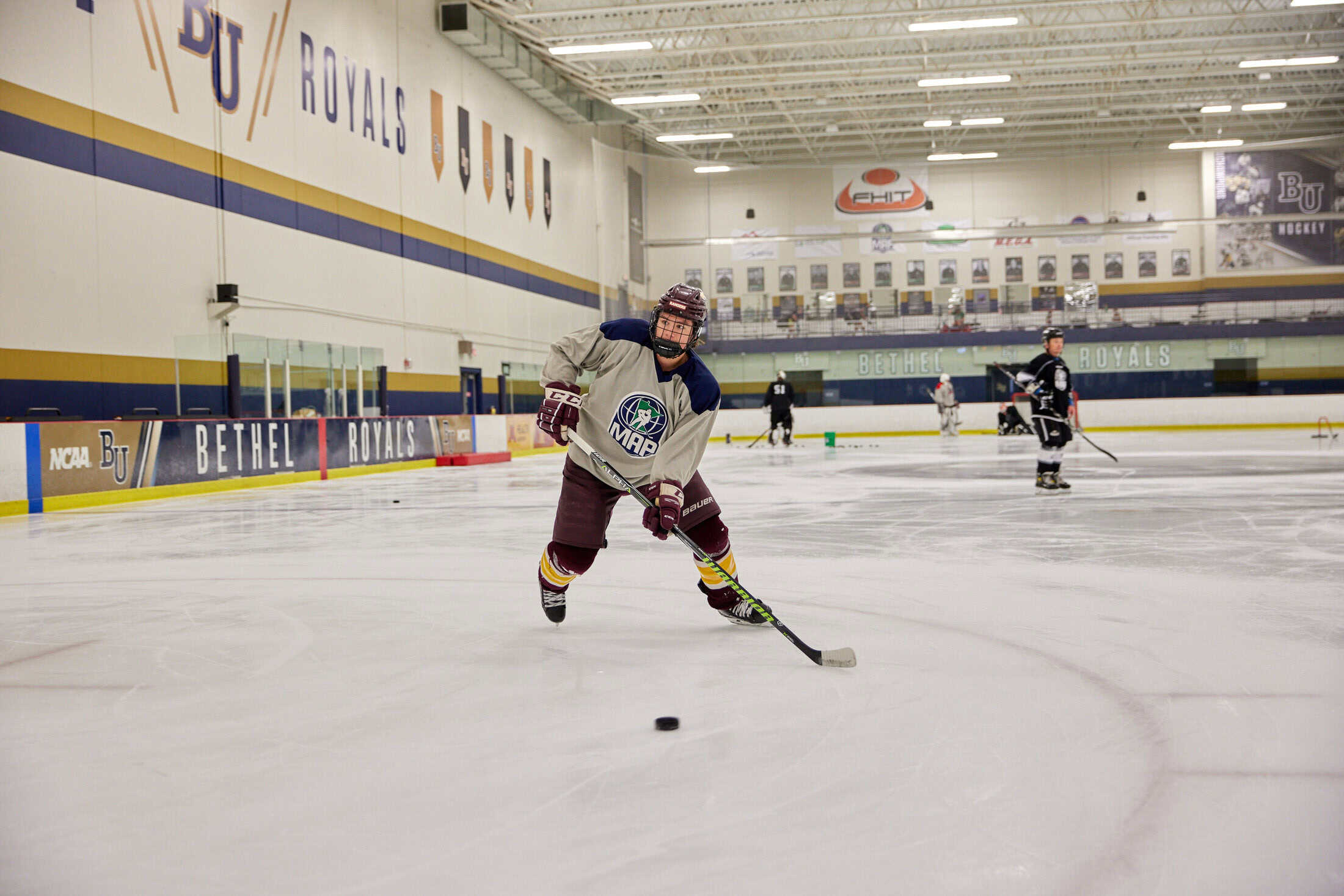
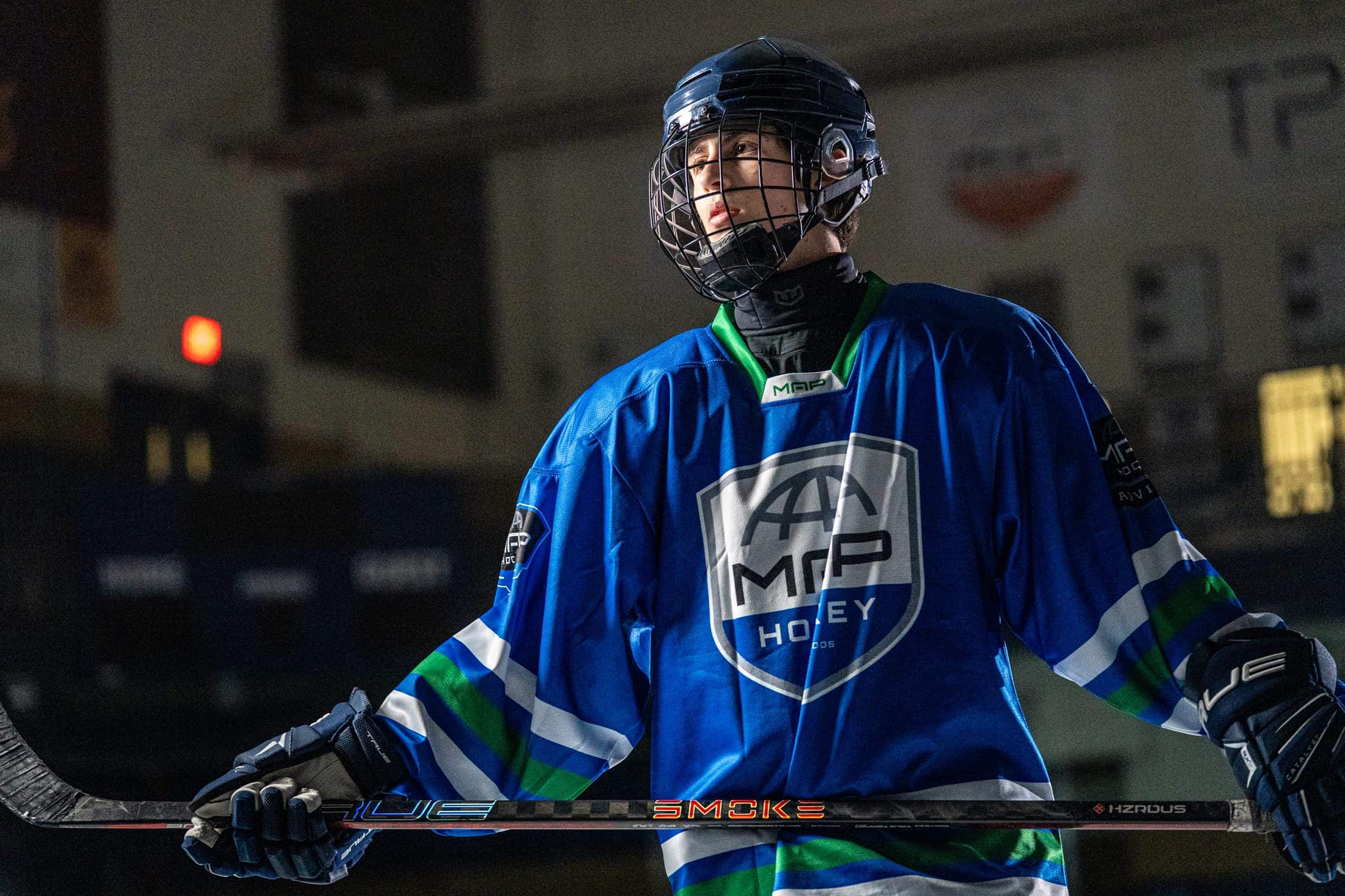
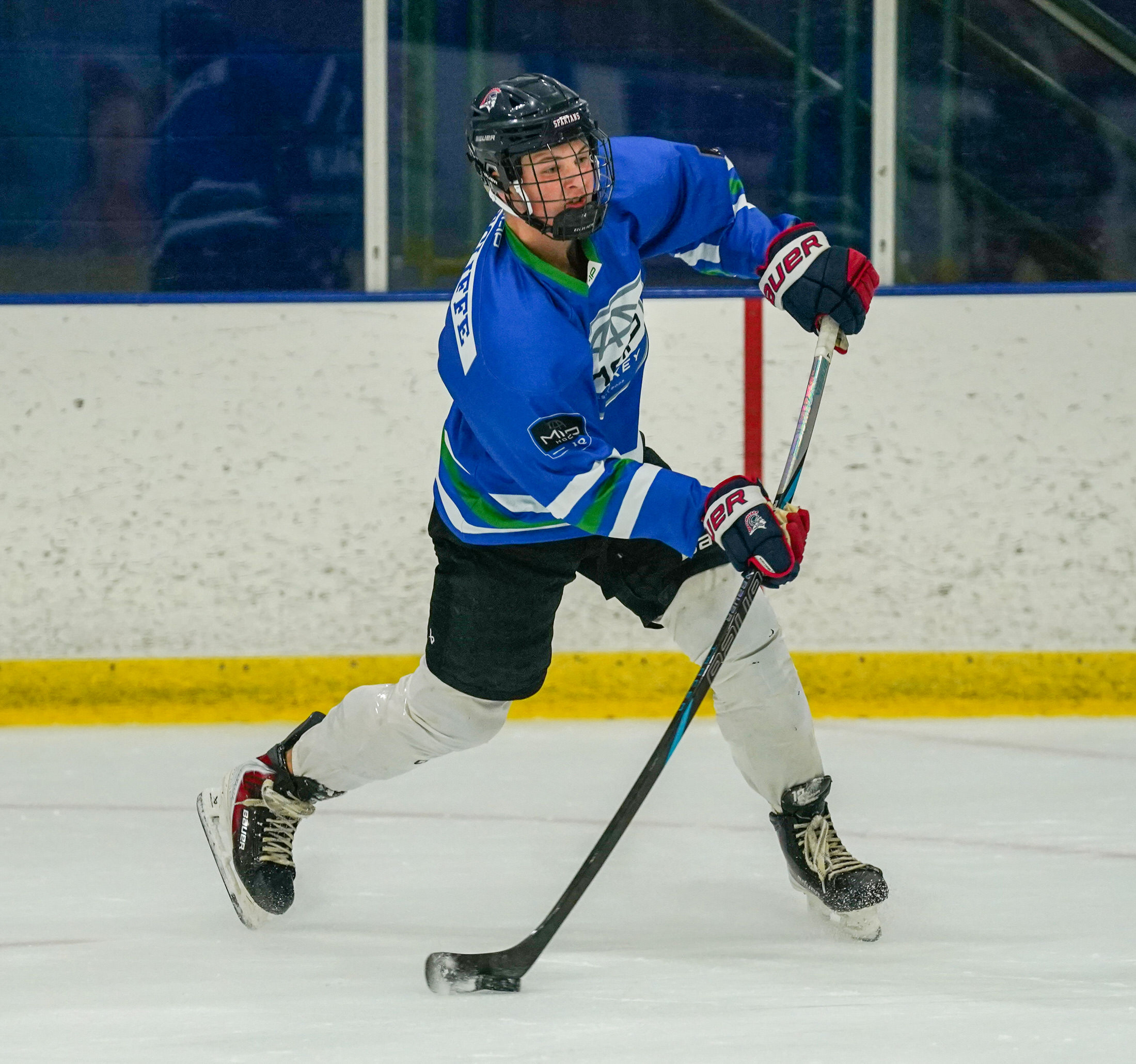
Everybody has one. A turnover at the offensive blue line in overtime. A missed coverage on the weak side that turned into the tying goal. A breakout pass that went to the wrong jersey.
It’s tempting to bury that game and move on. A better move is to review it. See what happened. Understand the decision you made in that moment, and recognize what other options were there. Then you know what to work on, and you’re better prepared for the next big moment instead of just hoping it goes differently.
Watching clips vs. studying your own game
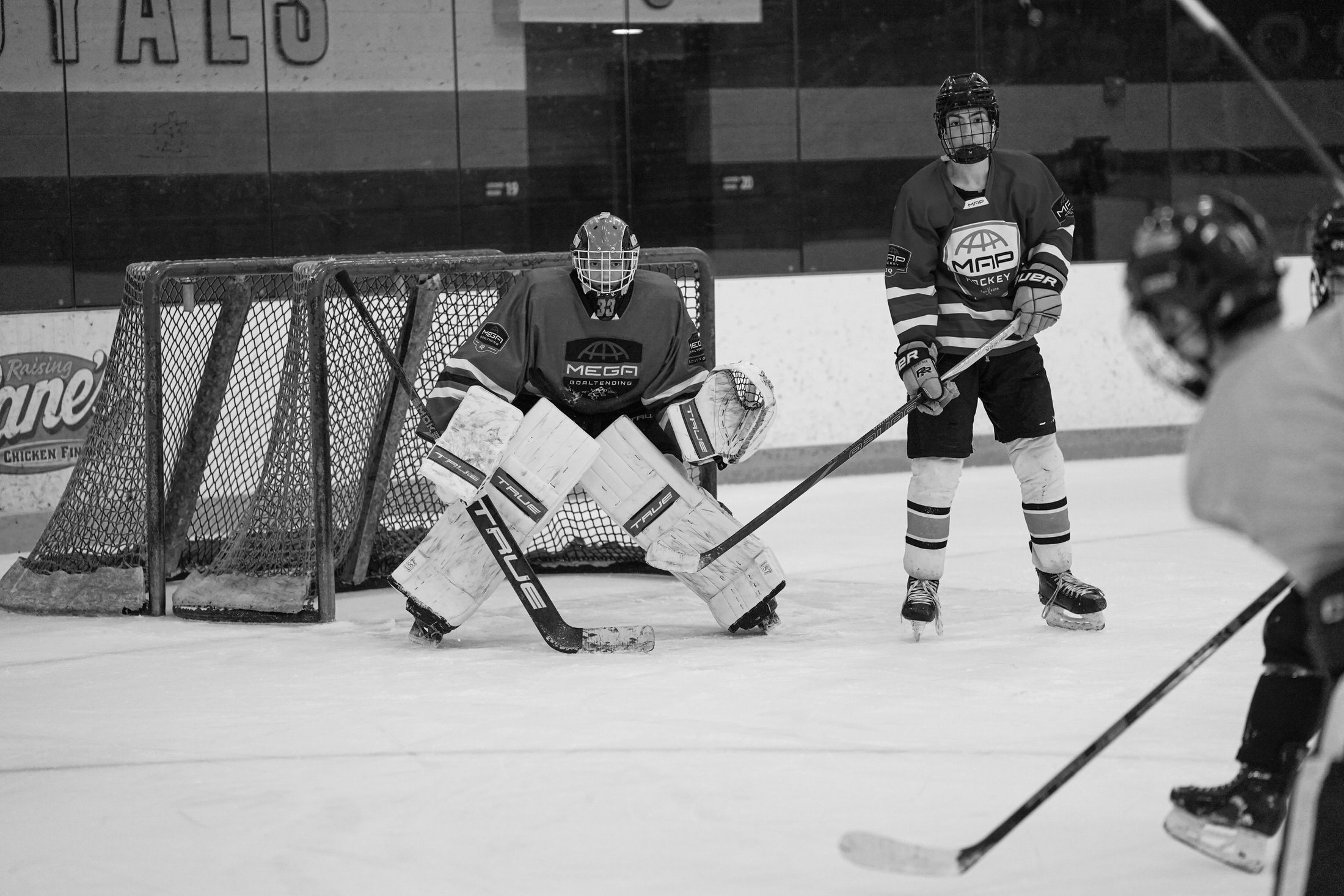
A lot of players start looking for help online. You find a breakdown of an NHL forward’s shoulder checks, or a clip of a defenseman killing a 2-on-1, and it clicks for a second.
Clips are a great way to learn what good decisions look like. The next step is turning that same eye on your own shifts. Watching clips helps you understand the play. Studying your own game helps you recognize what you saw, what you missed and what you could have done differently. Coaching that combines both, your film plus examples from pro film, can help you connect what you see online to what happens in your games.
When an older teammate says it helped
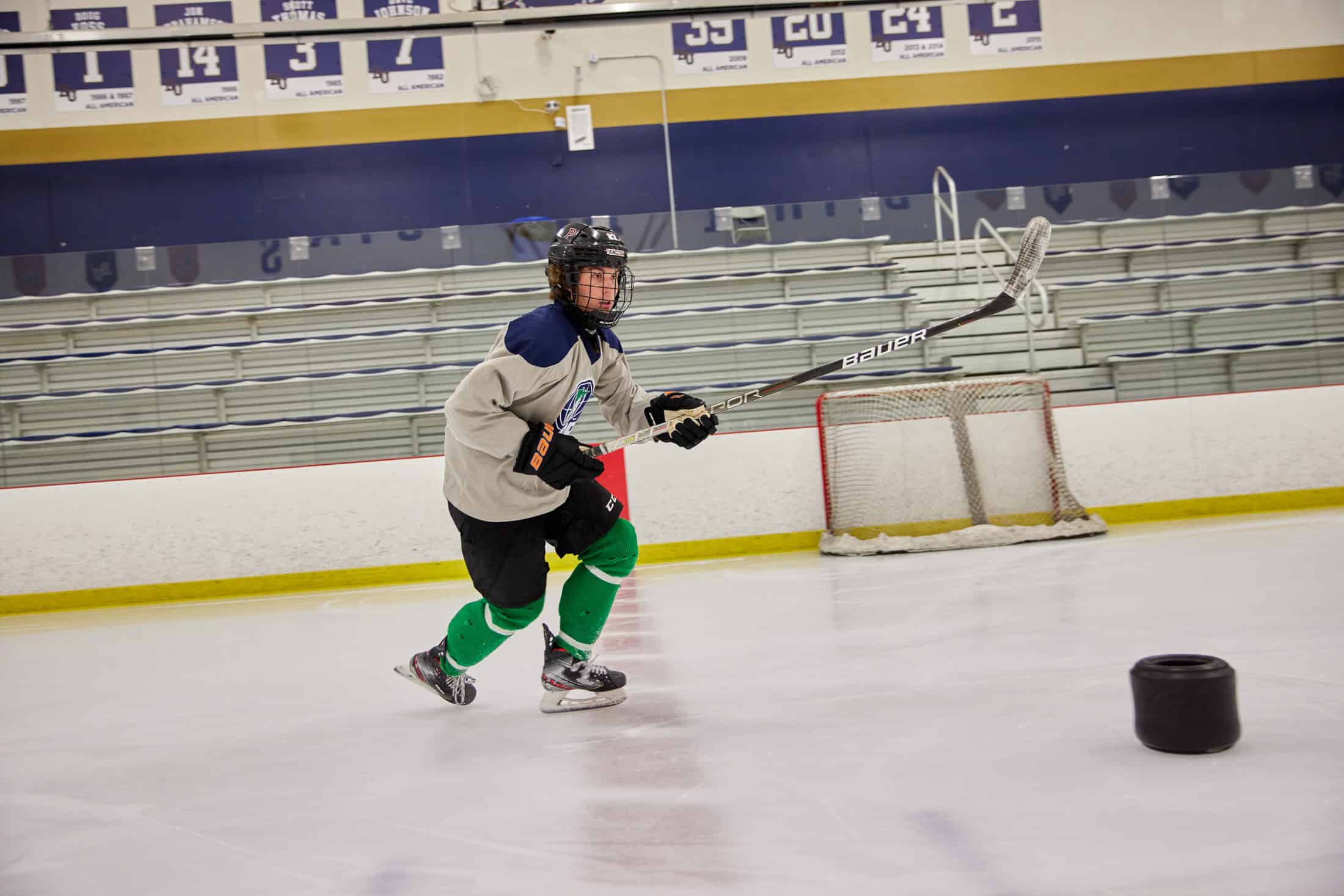
Sometimes the push comes from a captain or an older teammate now playing juniors. They tell you the game gets faster at the next level and that working on their hockey sense helped them adjust. Hearing that from someone who’s been where you are can make you think differently about your own development.
When juniors or college comes up at home
At some point the conversation at the dinner table changes. Someone mentions juniors. Someone asks about college hockey. Your parents may start comparing development programs on their own, trying to figure out which one is worth it.
Be careful with anything that promises a roster spot, a commitment or recruiting interest. No development program can make that promise. A useful question for your family is simpler: what’s your next step as a player? For a lot of high school players, it’s learning to review your game film, understand your decisions and own your development.
Asking your parents for a program
If this is the first time you’ve asked your parents for a specific program, go in prepared. Saying “I want to get better” is hard for a parent to act on. Being specific is easier.
Tell them what you want to work on. Hockey sense: seeing the game better and making decisions earlier. Show them that you know your options and that you’ve looked at the program page together. Explain that the work is built on your game film, so you’re learning from your own shifts and not from a generic video. A conversation like that shows you’ve thought it through, and it gives them what they need to decide.
The end of a season, with film in hand
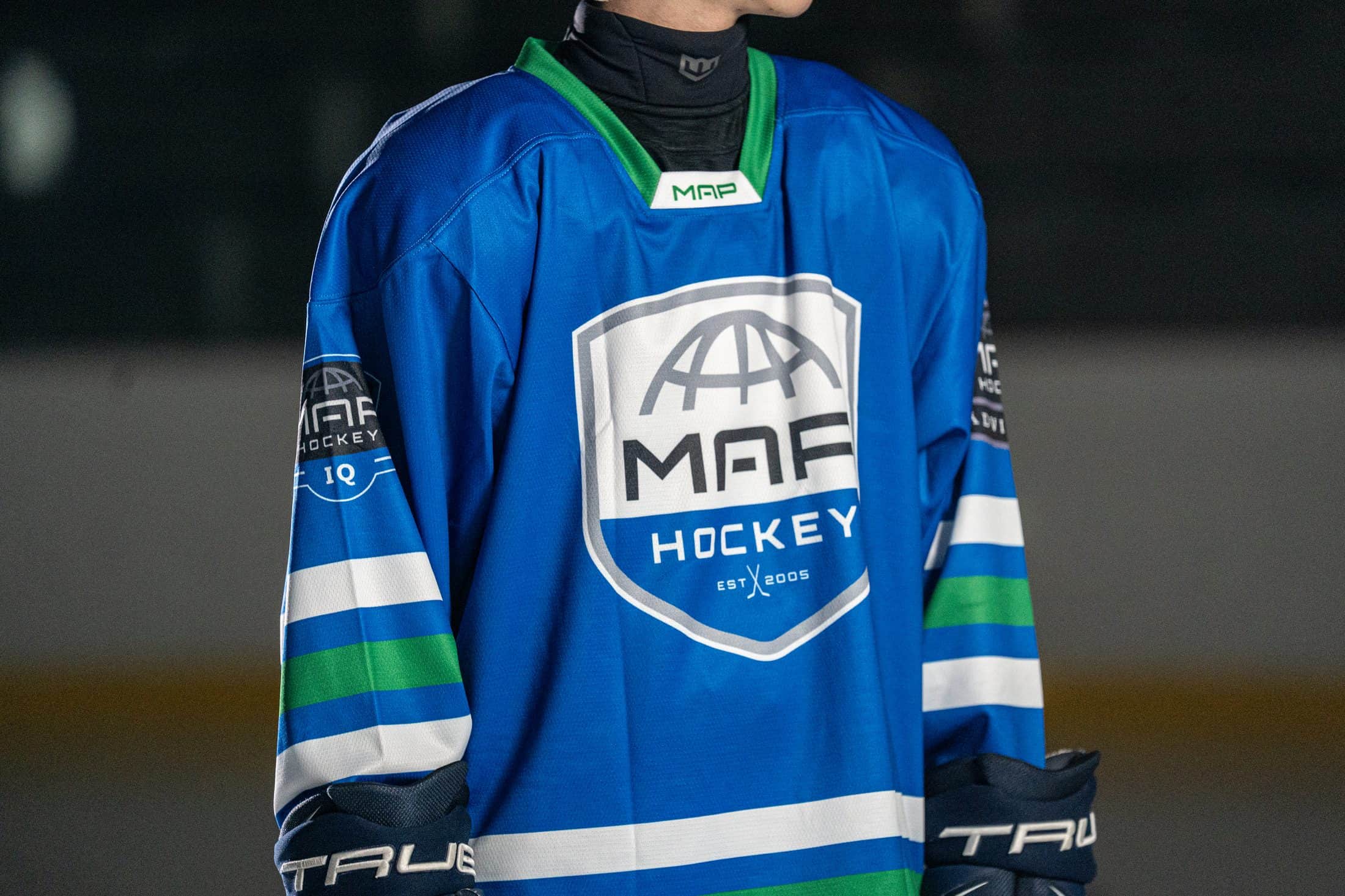
The offseason gives you an opportunity to review your game film and identify patterns you might have missed during the season. Those patterns can help you decide what to focus on before next season.
Where MAP Hockey IQ fits
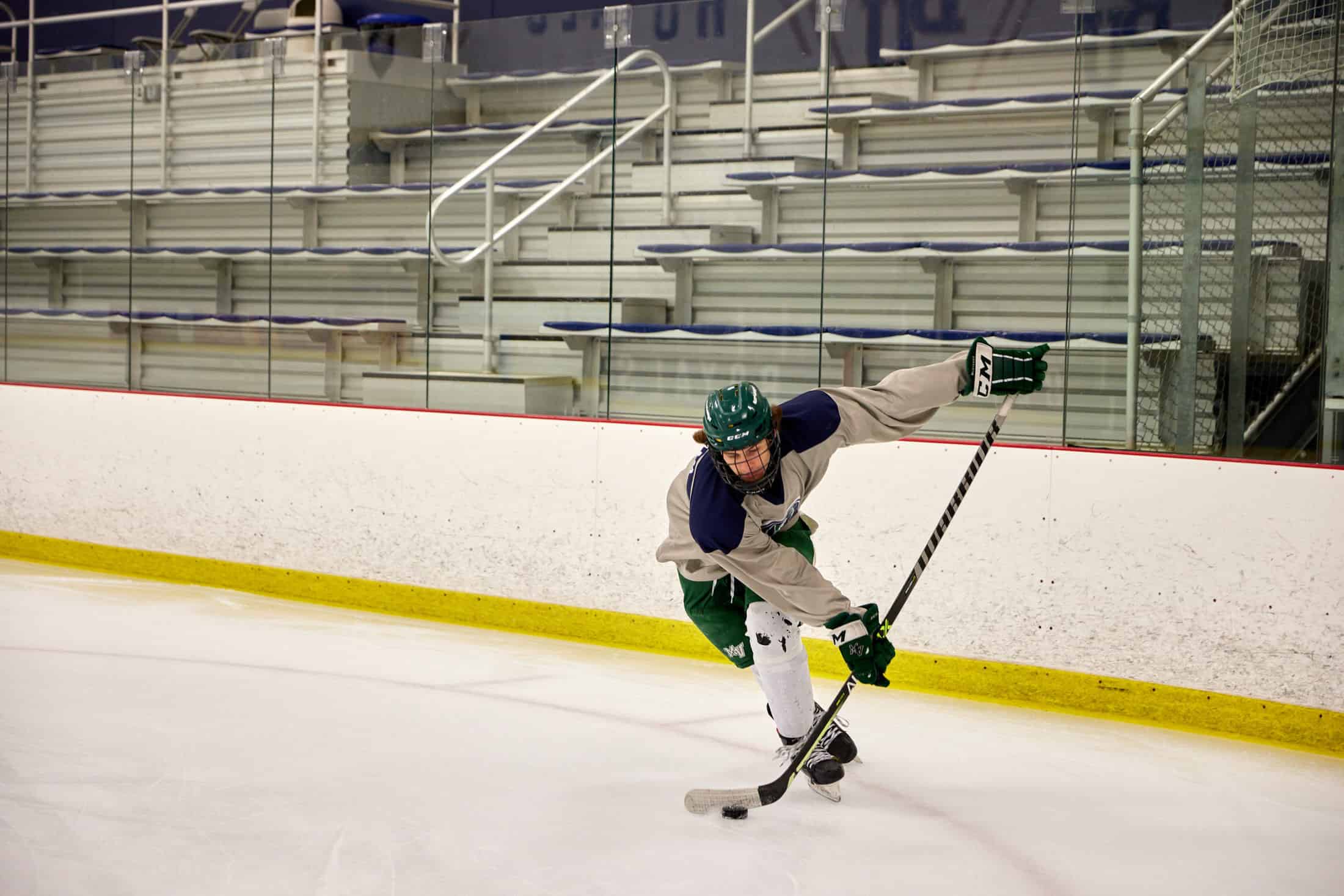
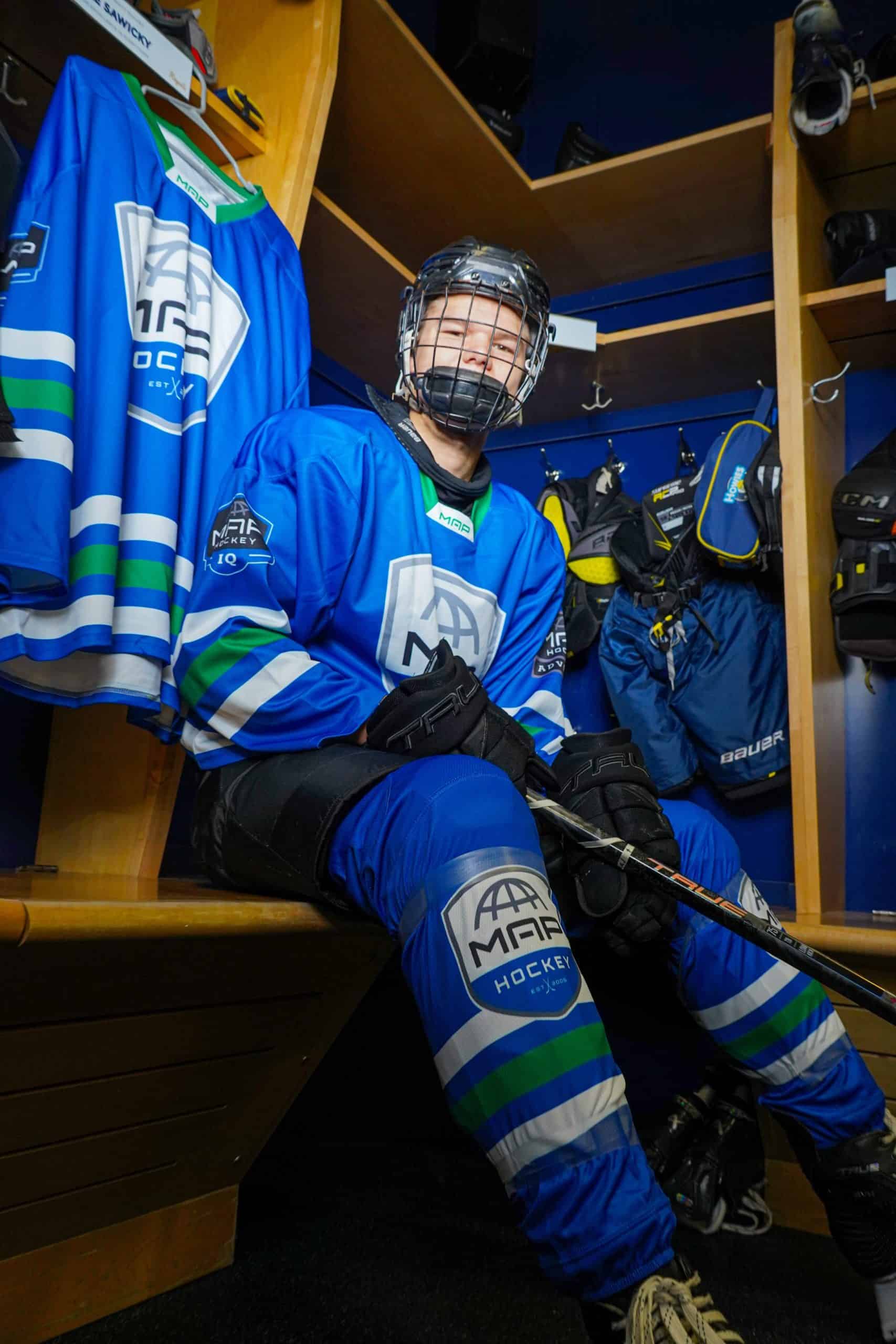
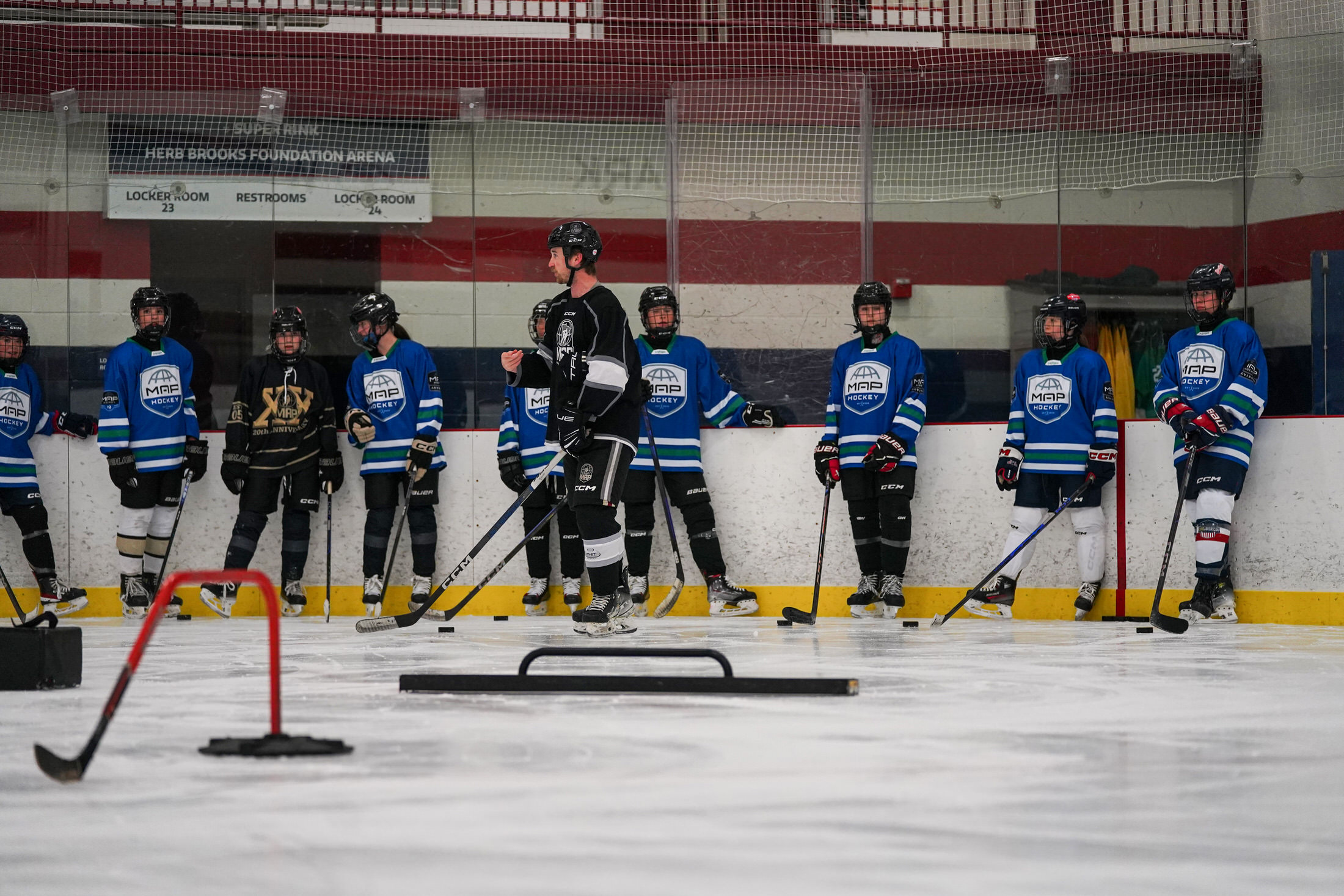
Skills training is essential, and so is the coaching you get from your team. MAP Hockey IQ is meant to complement both. MAP Hockey defines the skill this way: “Hockey IQ is a player’s ability to make a read, process it, and then execute the right play.” The coaching is personalized analysis of your own game footage by a MAP Hockey IQ coach, organized around the 4 Components of Hockey and supported by coaching moments from pro film.
It can’t promise ice time or a roster spot. Those decisions belong to your coach. What it can help with is understanding your decisions and knowing what to work on next.
Find your next step
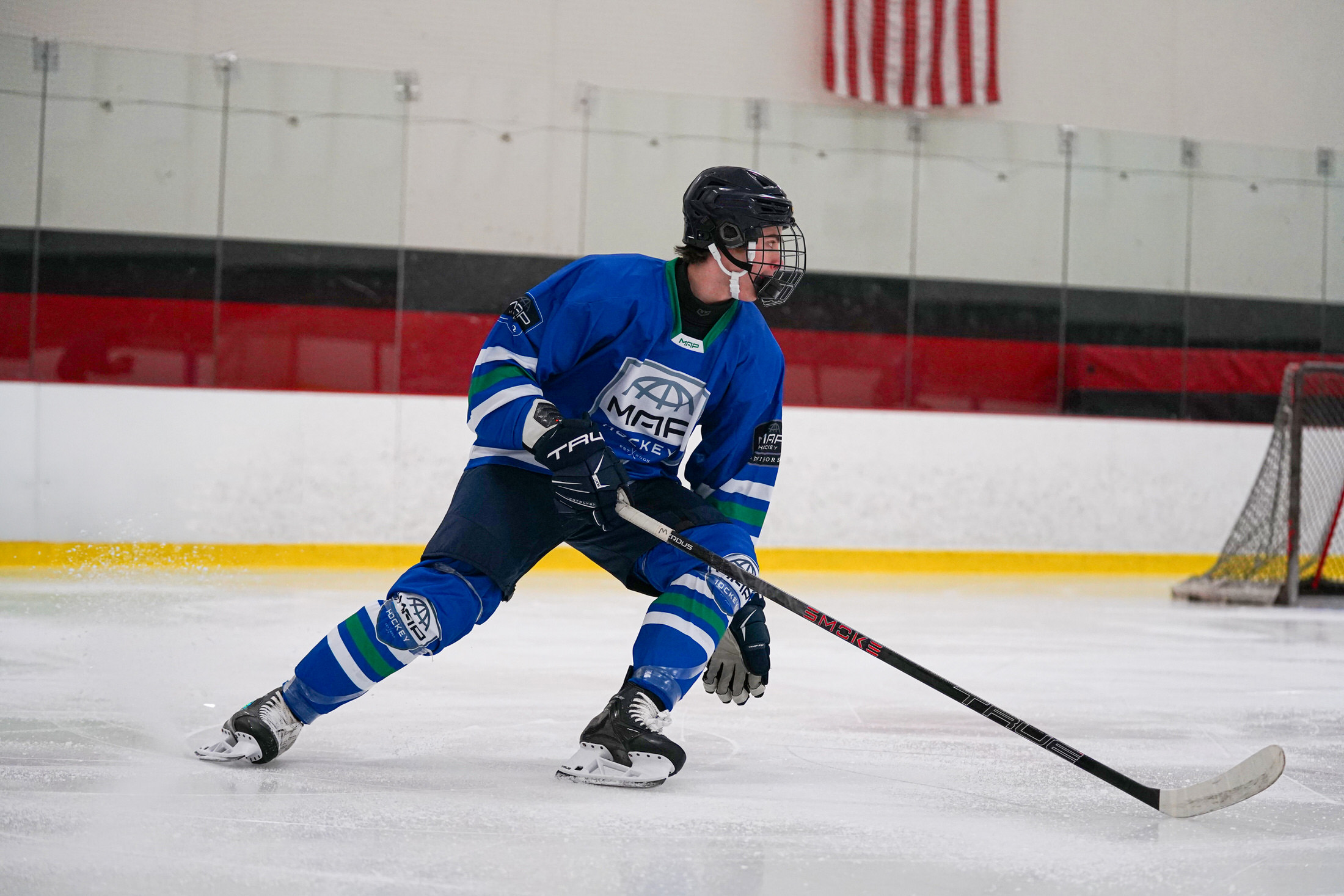
Whatever started you looking, a lost shift, a cut, a bad game or a talk at home, the next move is the same: start with your own game. Sit down with your parents, look through the options together, and learn more about MAP Hockey IQ.