Moving Up a Level in Hockey? Compare Before You Commit

The invitation shows up on a Tuesday. A higher-level team wants your child at a second skate, or a coach mentions there’s a spot if you can commit by the weekend. Suddenly the family group chat is busy, your athlete is checking their phone between classes, and you’re trying to figure out two things at once: is my kid ready, and is this the right place?

Those are hard questions on a good day. They get harder when every person you could ask is connected to one of the choices. This post is about slowing that decision down long enough to compare the options side by side before anyone signs anything.

Two fears at the same time
Two fears at the same time

Parents facing a move up tend to carry two worries that pull in opposite directions. One says, “If we wait, we’ll miss the window.” The other says, “If we jump too soon, we’ll hurt their confidence.” Both are reasonable. Both get louder the closer you get to a deadline.

It helps to say this plainly: nobody can tell you for certain whether your child is ready. Not the coach who wants them, not the coach who doesn’t want to lose them, and not an advisor. What you can do is make sure you’re comparing real options on the same terms, rather than comparing one team’s sales pitch against your own nerves.

Build a simple comparison before you commit
Build a simple comparison before you commit

Grab a sheet of paper and draw a grid. Each option gets a column, including “stay where we are.” That last column matters. Staying is a choice too, and it deserves the same scrutiny as the shiny new one.

Down the side, list the things that will actually shape your child’s season:

  • Ice time and role. Ask directly what a typical week looks like for a player in your child’s likely spot. Top line, fourth line and extra skater are three very different seasons.
  • Who is coaching day to day. The person who ran the tryout isn’t always the person running Tuesday practice.
  • Total commitment. Practices, games, travel weekends and drive time, written out as hours per week. Then add the money, all of it, including what isn’t on the registration form.
  • School and life. How does this schedule sit next to homework, sleep and family time?
  • What happens after. Where have players from this team gone the following season? Ask for the general pattern, not the one success story.
  • How your child feels about it. Ask them alone, away from the rink and away from the coach.

Fill in each box with what you know, and mark anything you’re guessing with a question mark. The question marks become your to-do list.

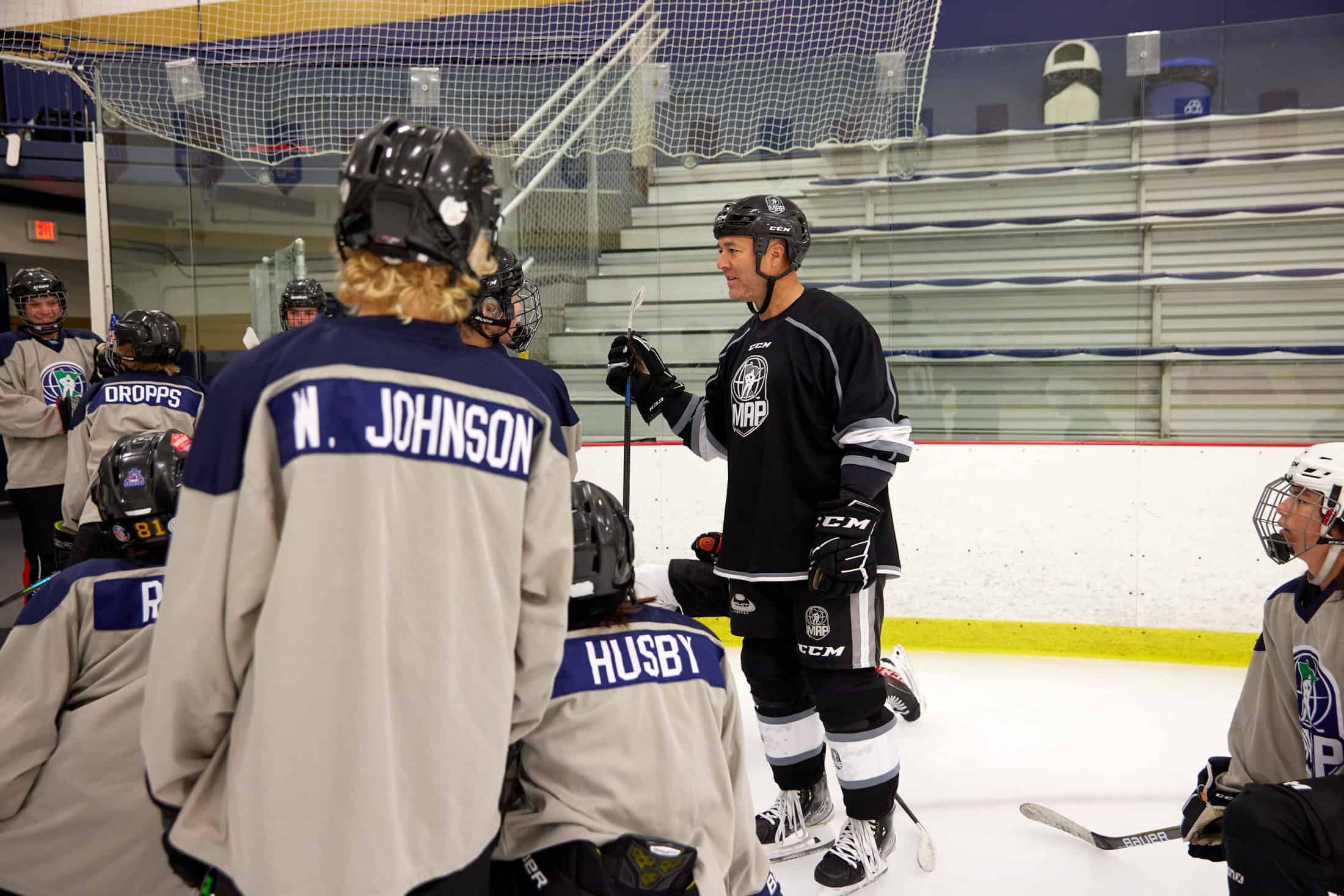
Ask the people inside each option
Ask the people inside each option

Every program you’re comparing should be able to answer the questions in your grid. A few to add:

  • “If my child isn’t in the lineup much, what does the plan look like?”
  • “How firm is this deadline, and what happens if we need more time?”
  • “Who else is on the roster at this position?”

Watch how people respond to being asked. A program that’s comfortable with your questions now is likely to be comfortable with them in the middle of the season too.

Where an advisor fits, and where it doesn’t
Where an advisor fits, and where it doesn't

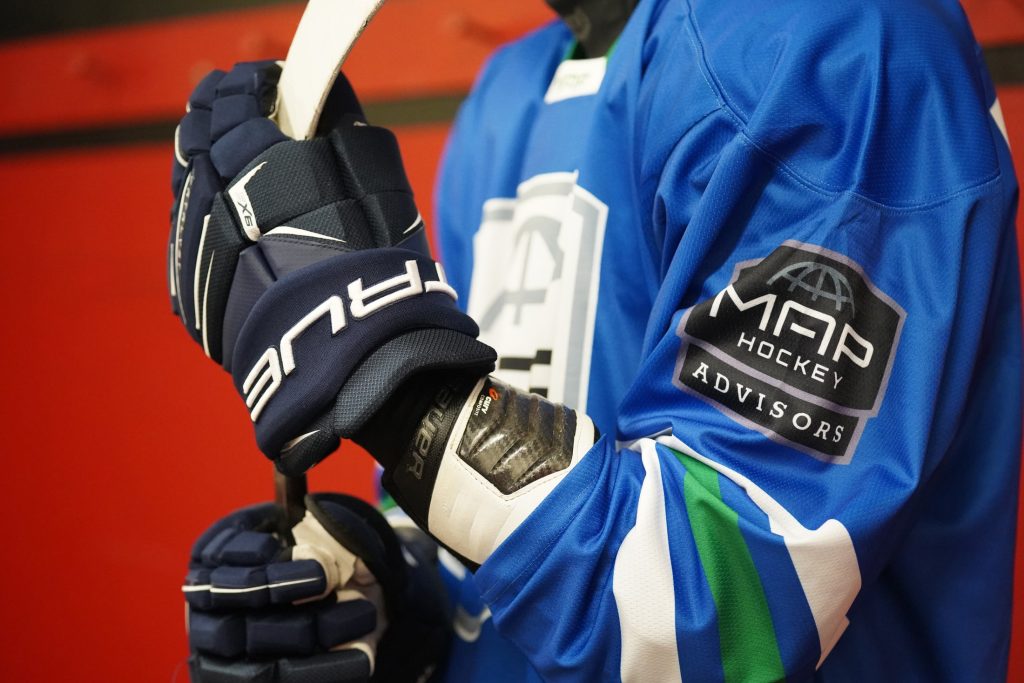
Some families want another set of eyes on the grid before they decide. That’s what MAP Hockey Advisors is set up for. On its program page, MAP describes the role this way: “An advisor focuses on the strategic and logistical aspects of a player’s career, such as team selection, college recruitment, contract negotiations, and navigating the hockey system.” Team selection is the first thing on that list.

Before you reach out, you should know who you’d be talking to. MAP Hockey Advisors sits inside MAP Hockey, which also sells training memberships, clinics and game-film work, and runs AAA teams. So MAP could be one of the options in your grid. If it is, ask the advisor about that directly, and weigh the answer the same way you’d weigh anyone else’s. We’d rather you hear it from us first.

A conversation with an advisor isn’t a readiness test, and no one will hand you a verdict on your child. It’s a chance to talk through the comparison with someone who has seen a lot of these decisions, with your priorities on the table instead of a program’s.

If the move involves junior hockey, college or anything touching eligibility or league rules, take those questions to your athlete’s own compliance authority: their school, their junior league, or the NCAA Eligibility Center. They’re the ones whose answers count.

Give yourself a real deadline
Give yourself a real deadline

The last step is the simplest. Write the actual due date at the top of the grid, then pick your own decision date two days earlier. That gap is where you catch the question you forgot to ask.

If you’d like to talk the comparison through, the MAP Hockey Advisors page has a short “Request A Consult” form. Note the decision and the date it’s due, and bring your grid. Learn more about guiding your child through a move up before you commit.
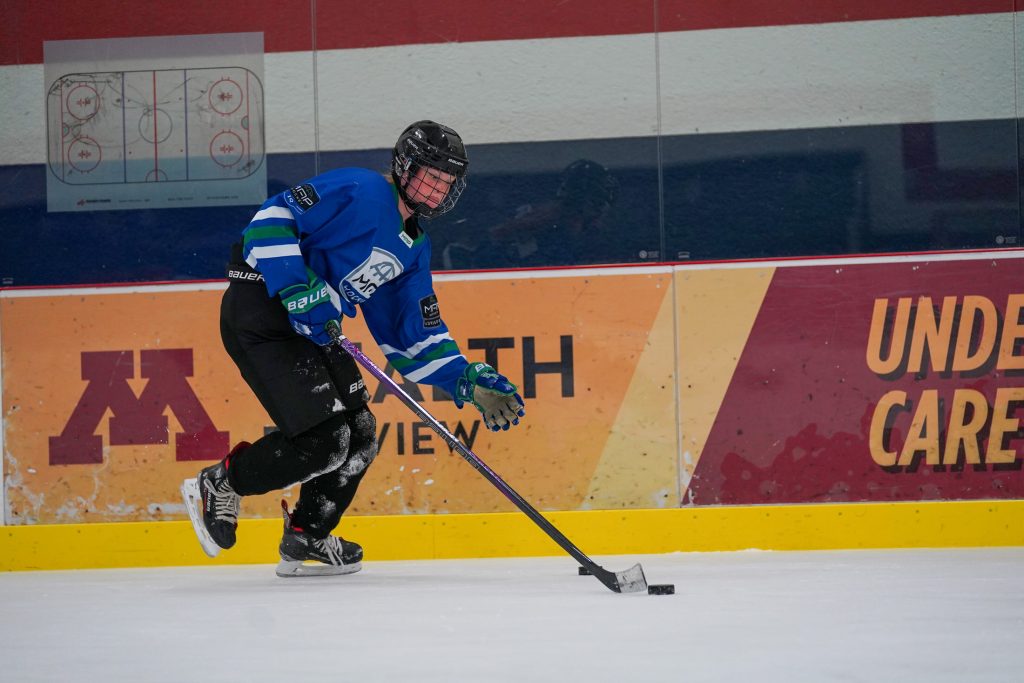
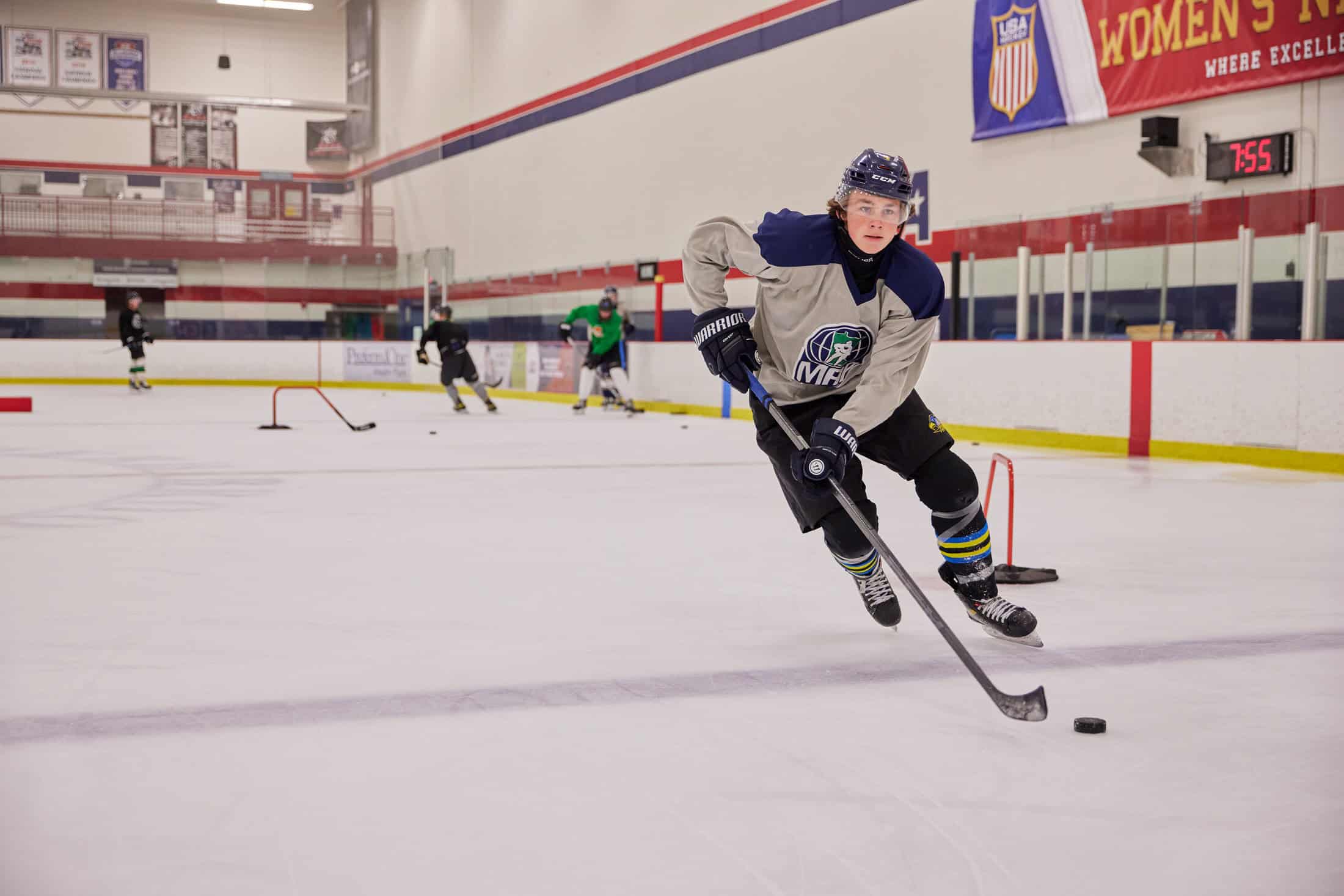
Player in a blue MAP jersey stickhandling the puck past a maroon and gold rink board

Membership

MAP Hockey Membership

Year-round development for elite skaters, built on small groups and individual feedback.

Close-up of a MAP Hockey IQ patch on the sleeve of a blue and green jersey

Film and Game Sense

MAP Hockey IQ

Film breakdowns that show your player what to read before the puck arrives.

Close-up of a gloved hand gripping a stick beside a MAP Hockey Advisors patch on a blue jersey

Recruiting

MAP Hockey Advisors

Guidance through the recruiting years from people who have walked families through it.

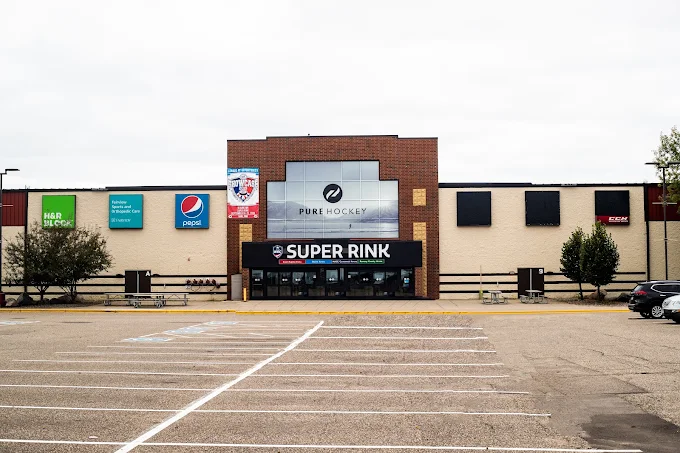
Front entrance of the Super Rink building in Blaine seen across an empty parking lot

Campuses

Find Your Campus

Blaine, Plymouth, Hudson and St. Michael-Albertville.

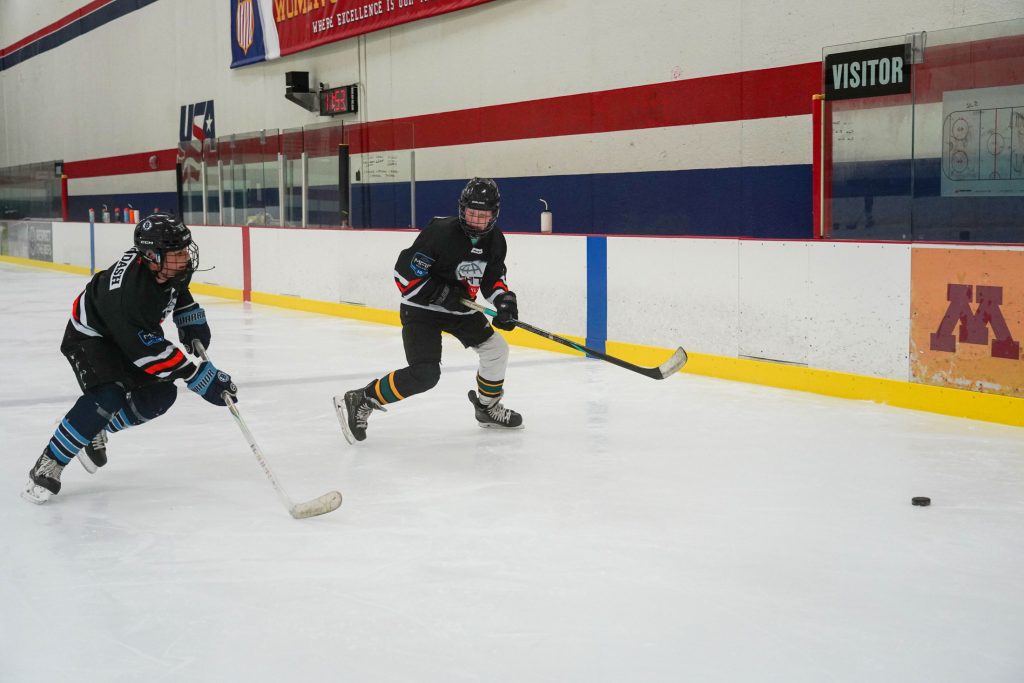
Two players in black jerseys racing toward the puck along the boards near a visitor bench

Membership

FHIT Hockey Membership

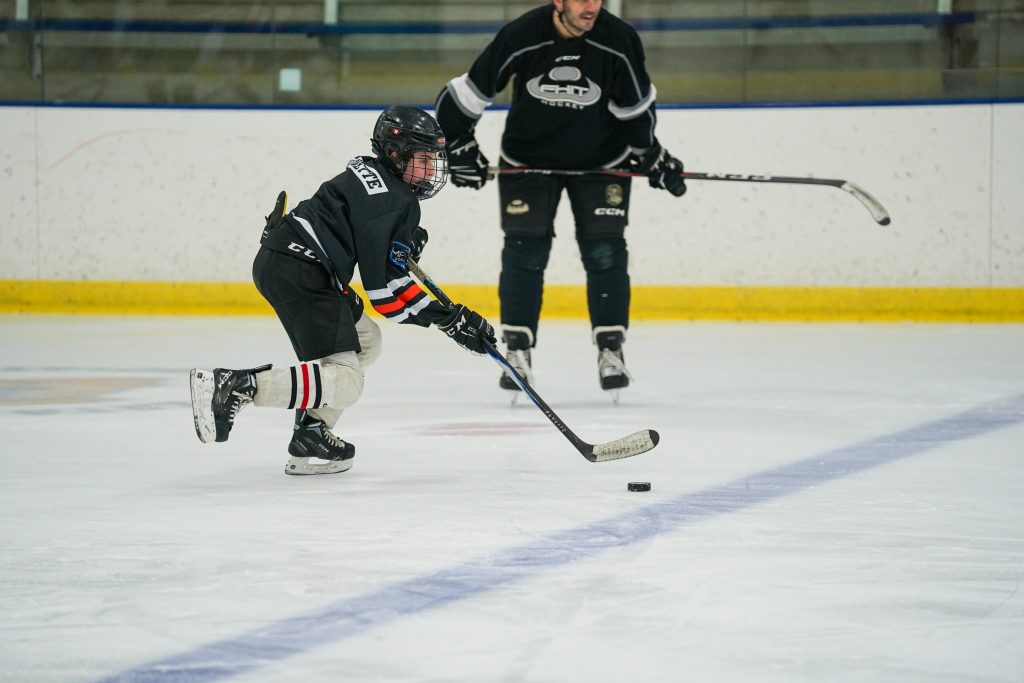
Eight off-season months and four in-season, with a cap of eight skaters per coach.

Player in a black jersey reaching low for the puck as a coach skates behind

Squirts and Peewees

FHIT Futures

Summer development for younger skaters ready for more than a weekly skate.

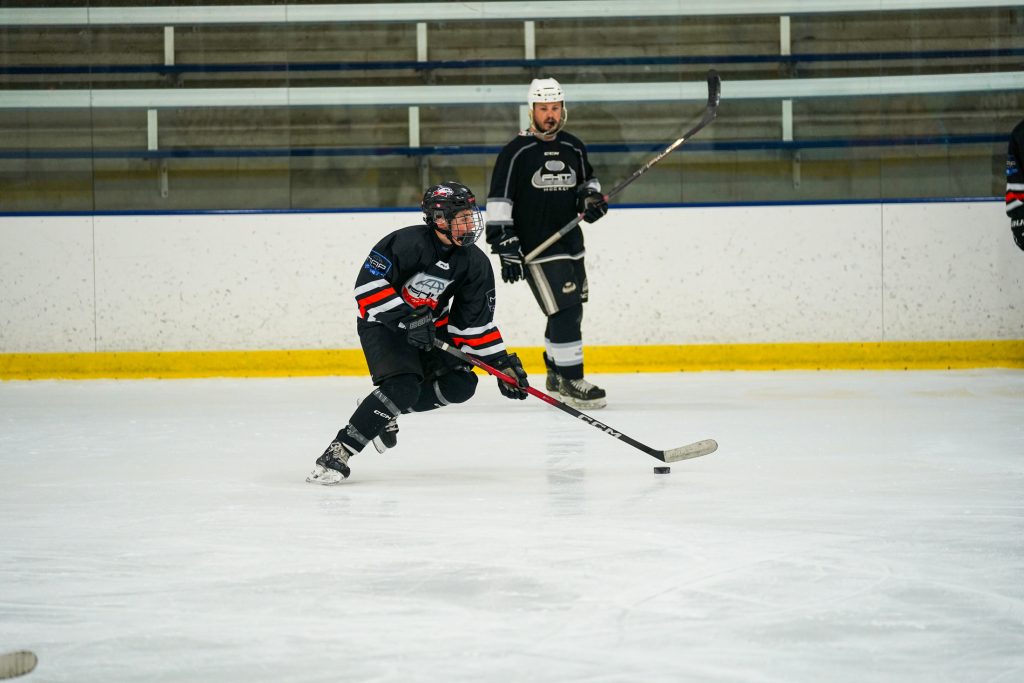
Player in a black FHIT jersey carrying the puck as a coach in a helmet follows

On-Site Training

Bring FHIT to Your Rink

Sessions run at your association’s home rink, on your schedule.

Front entrance of the Super Rink building in Blaine seen across an empty parking lot

Campuses

Find Your Campus

Blaine, Plymouth, Hudson and St. Michael-Albertville.

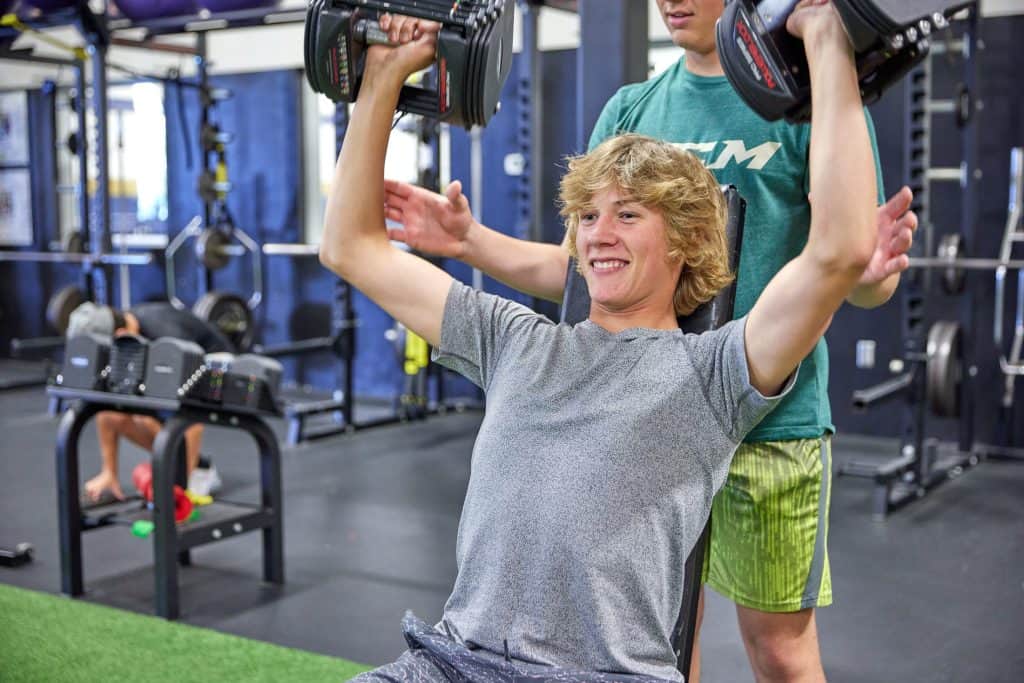
Teen in a gray shirt pressing adjustable dumbbells high overhead with a spotter in green behind him

Off-Ice Training

Dark Horse Performance

Speed, strength and agility work built for athletes who still have a season to play.

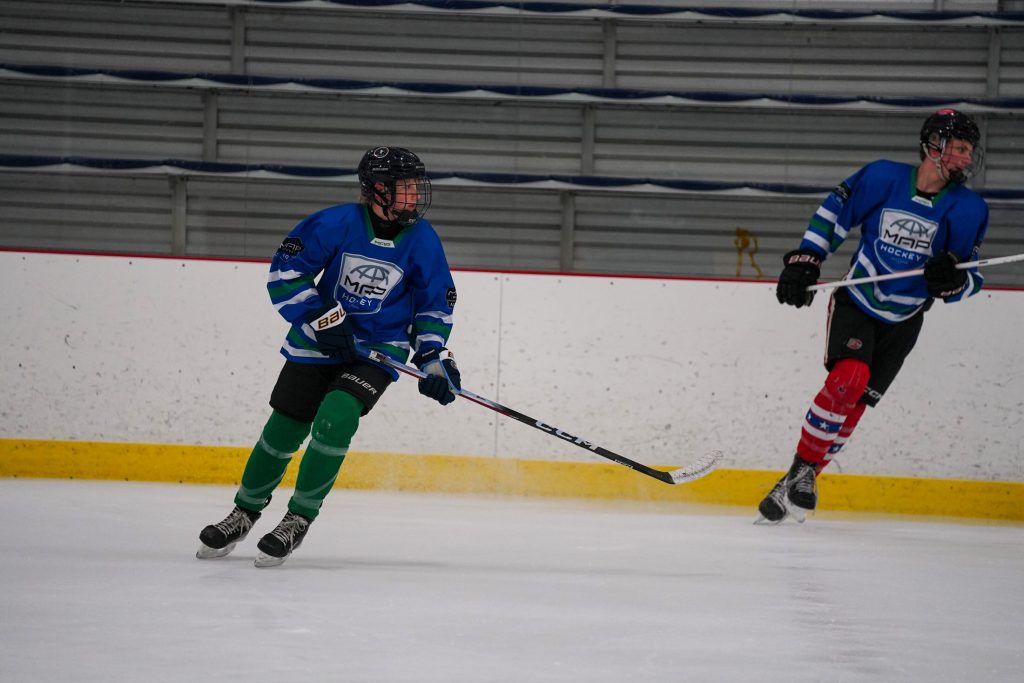
Pair of skaters in blue MAP jerseys with green and red socks moving along the boards

On the Ice

MAP Hockey Membership

Pair the off-ice work with year-round on-ice development.

Two players in black jerseys racing toward the puck along the boards near a visitor bench

On the Ice

FHIT Hockey Membership

Year-round on-ice development alongside the strength work.

Front entrance of the Super Rink building in Blaine seen across an empty parking lot

Campuses

Find Your Campus

Blaine, Plymouth, Hudson and St. Michael-Albertville.

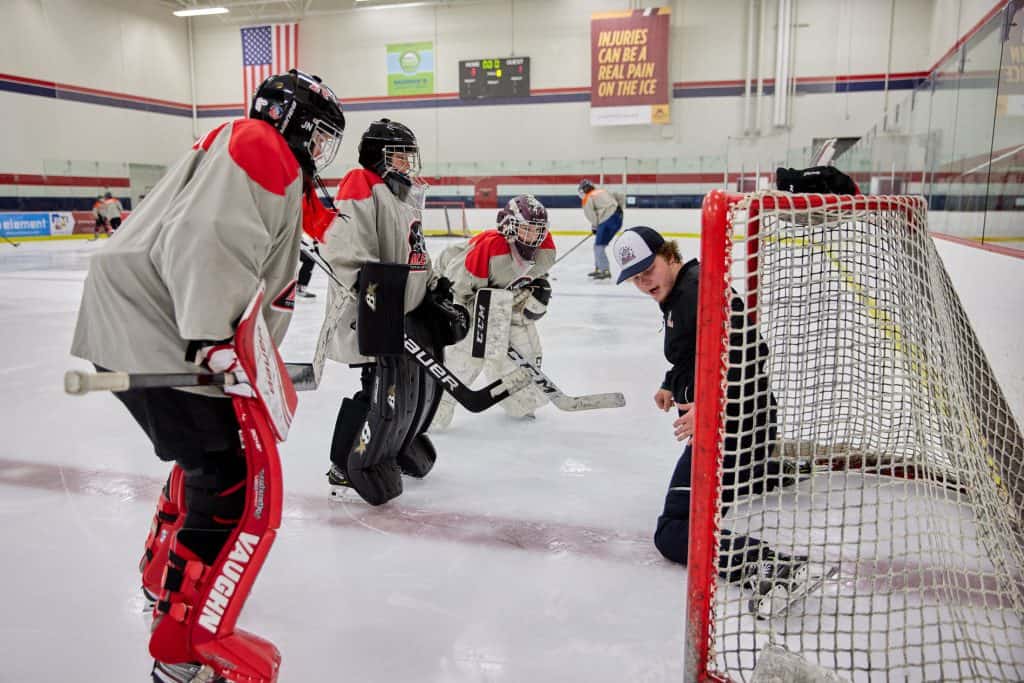
Young goalies in red and black pads wait in line beside the net as a coach kneels to explain a drill

Goaltending

MEGA Goaltending

Goalie development with coaching built around the position, not bolted onto a skater session.

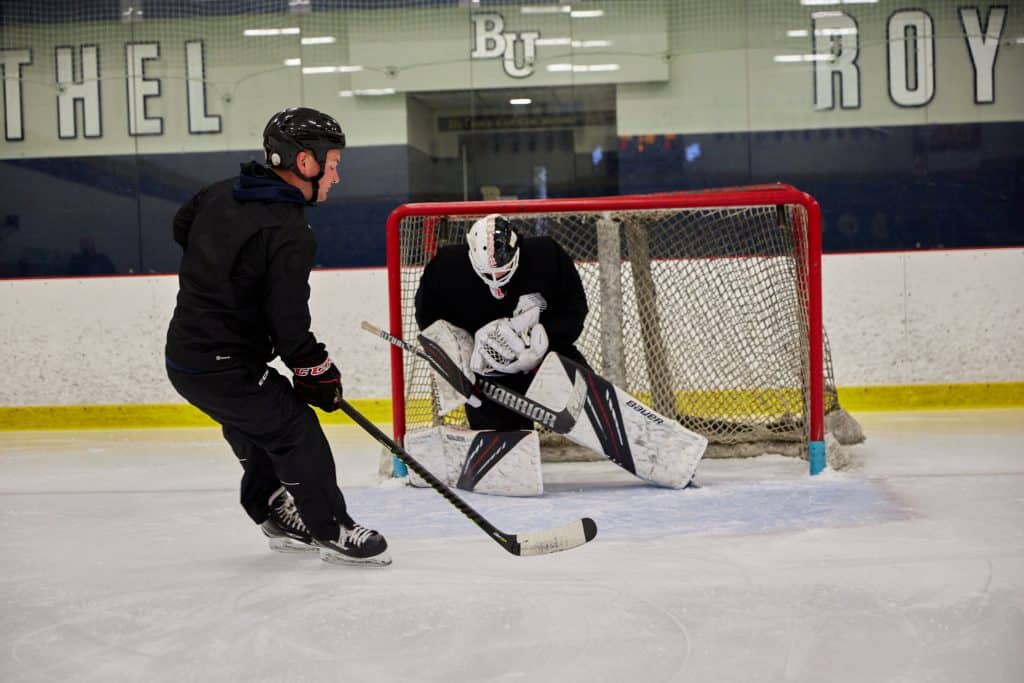
Goalie in a white mask stays square in a butterfly while a skater shifts the puck to the forehand

Blaine

Goalie Membership

Year-round goalie training at the Super Rink in Blaine.

Close-up of a MAP Hockey IQ patch on the sleeve of a blue and green jersey

Film and Game Sense

MAP Hockey IQ

Film breakdowns that show what to read before the shot comes.

Front entrance of the Super Rink building in Blaine seen across an empty parking lot

Campuses

Find Your Campus

Blaine, Plymouth, Hudson and St. Michael-Albertville.

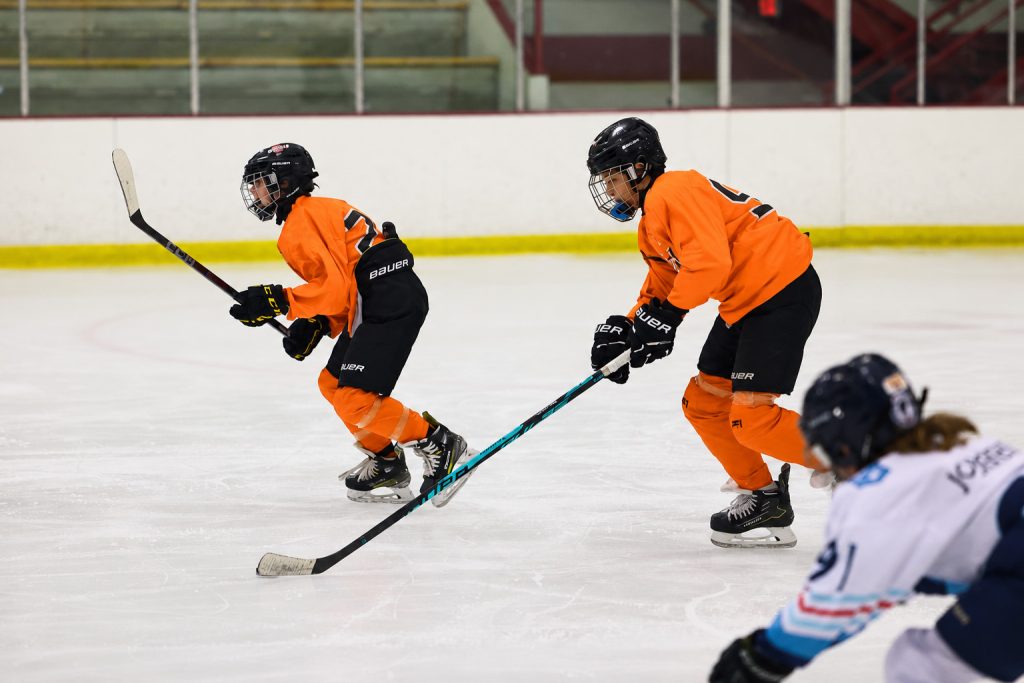
Two players in orange jerseys skating in a low ready stance during a game

Summer AAA

Falcons AAA

Summer AAA teams for players who want more hockey once the winter season ends.

Two players in black jerseys racing toward the puck along the boards near a visitor bench

Membership

FHIT Hockey Membership

Year-round development that runs alongside the summer season.

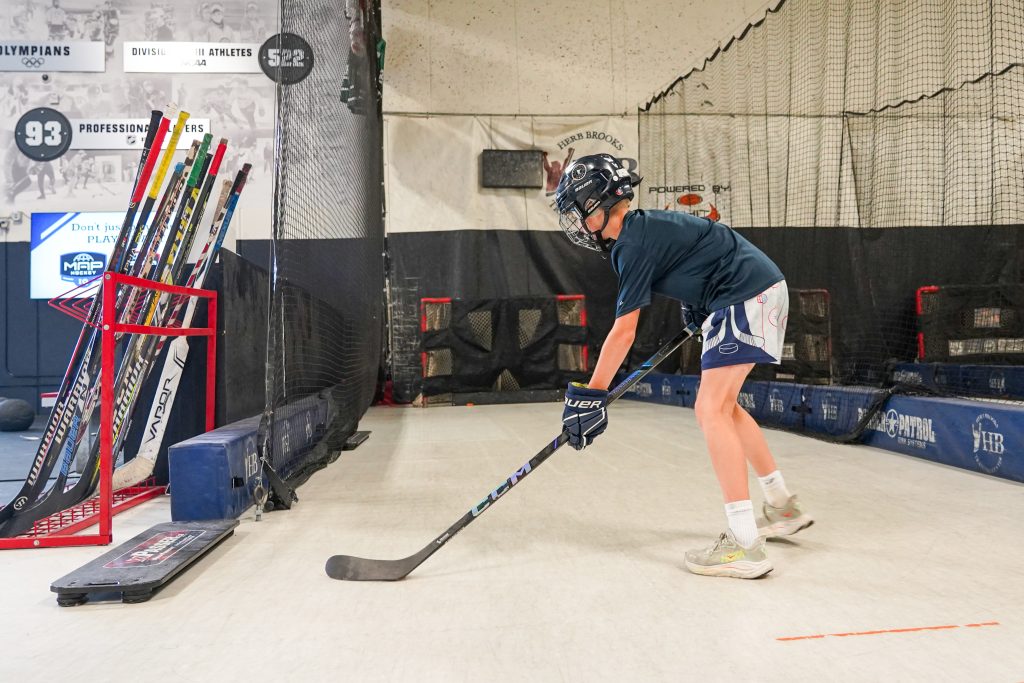
Teen in a helmet, T-shirt and shorts stickhandling on synthetic ice in a netted training room

Squirts and Peewees

FHIT Futures

Summer development for younger skaters ready for more than a weekly skate.

Front entrance of the Super Rink building in Blaine seen across an empty parking lot

Campuses

Find Your Campus

Blaine, Plymouth, Hudson and St. Michael-Albertville.

Players in green True jerseys chasing the puck against a skater in white near the net

Summer AAA

Team True AAA

Summer AAA for players who want a full season of competitive hockey.

Player in a blue jersey with a ponytail skating the puck in on a goalie in red

Membership

MAP Hockey Membership

Year-round development for elite skaters, built on small groups and individual feedback.

Close-up of a gloved hand gripping a stick beside a MAP Hockey Advisors patch on a blue jersey

Recruiting

MAP Hockey Advisors

Guidance through the recruiting years from people who have walked families through it.

Front entrance of the Super Rink building in Blaine seen across an empty parking lot

Campuses

Find Your Campus

Blaine, Plymouth, Hudson and St. Michael-Albertville.