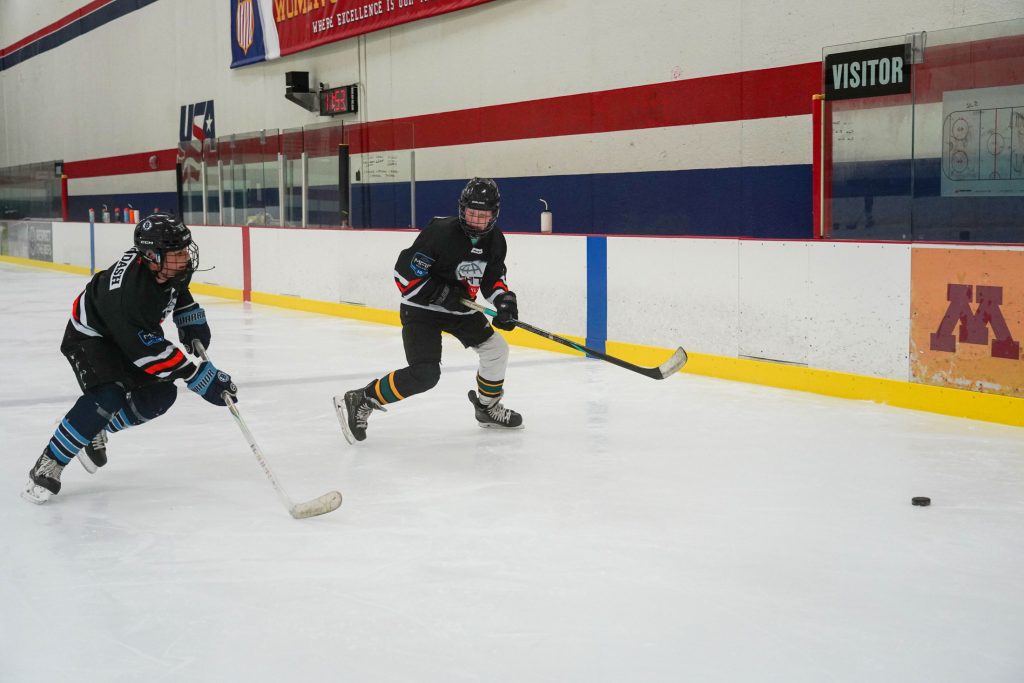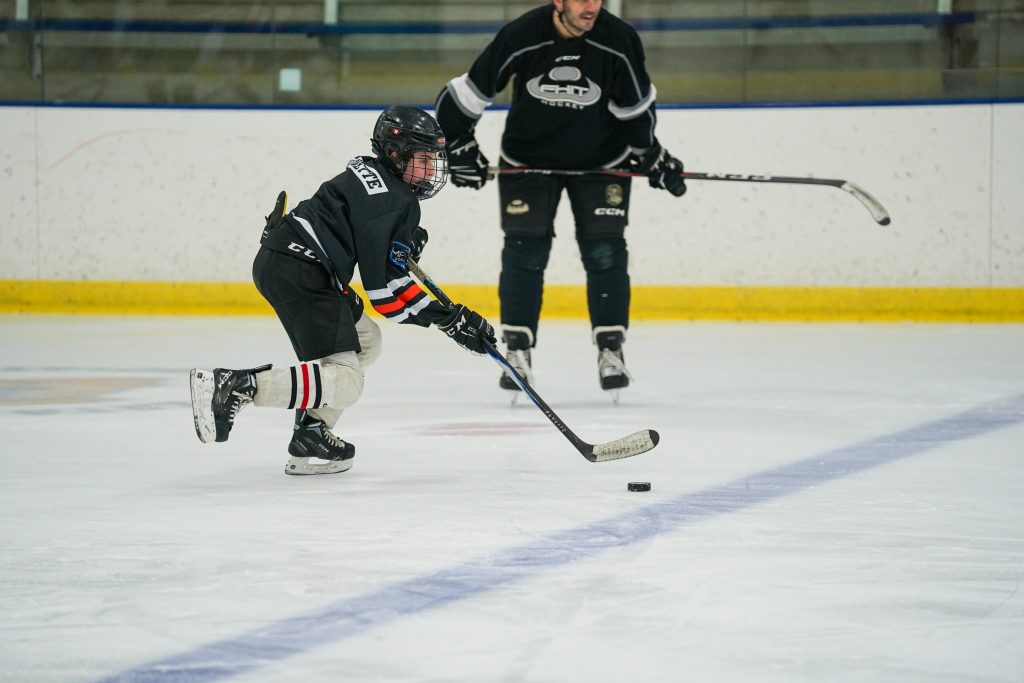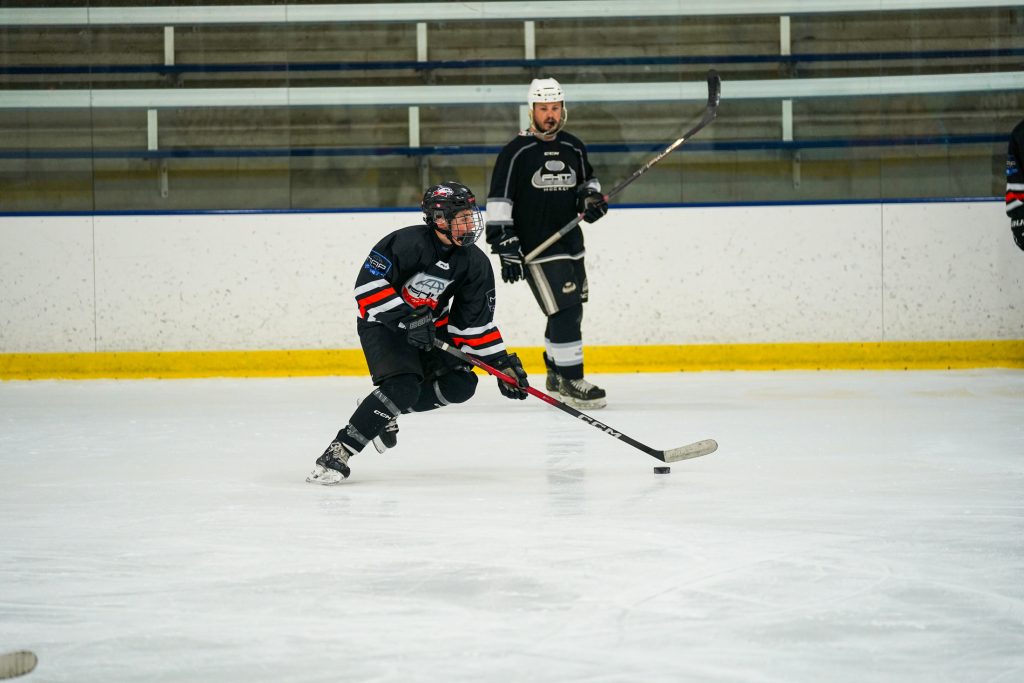
You’ve watched enough games from the same spot on the bleachers to know something is off. Your child gets to the puck first, then loses the race back the other way. They swing wide on every turn while another kid cuts inside them. Their stride looks busy but doesn’t seem to cover much ice.
You can see it. You just can’t put a name on it, and you’re not sure what to do about it. That’s a common spot for a parent to be in, and it doesn’t mean anyone is doing anything wrong.
What you’re seeing from the stands
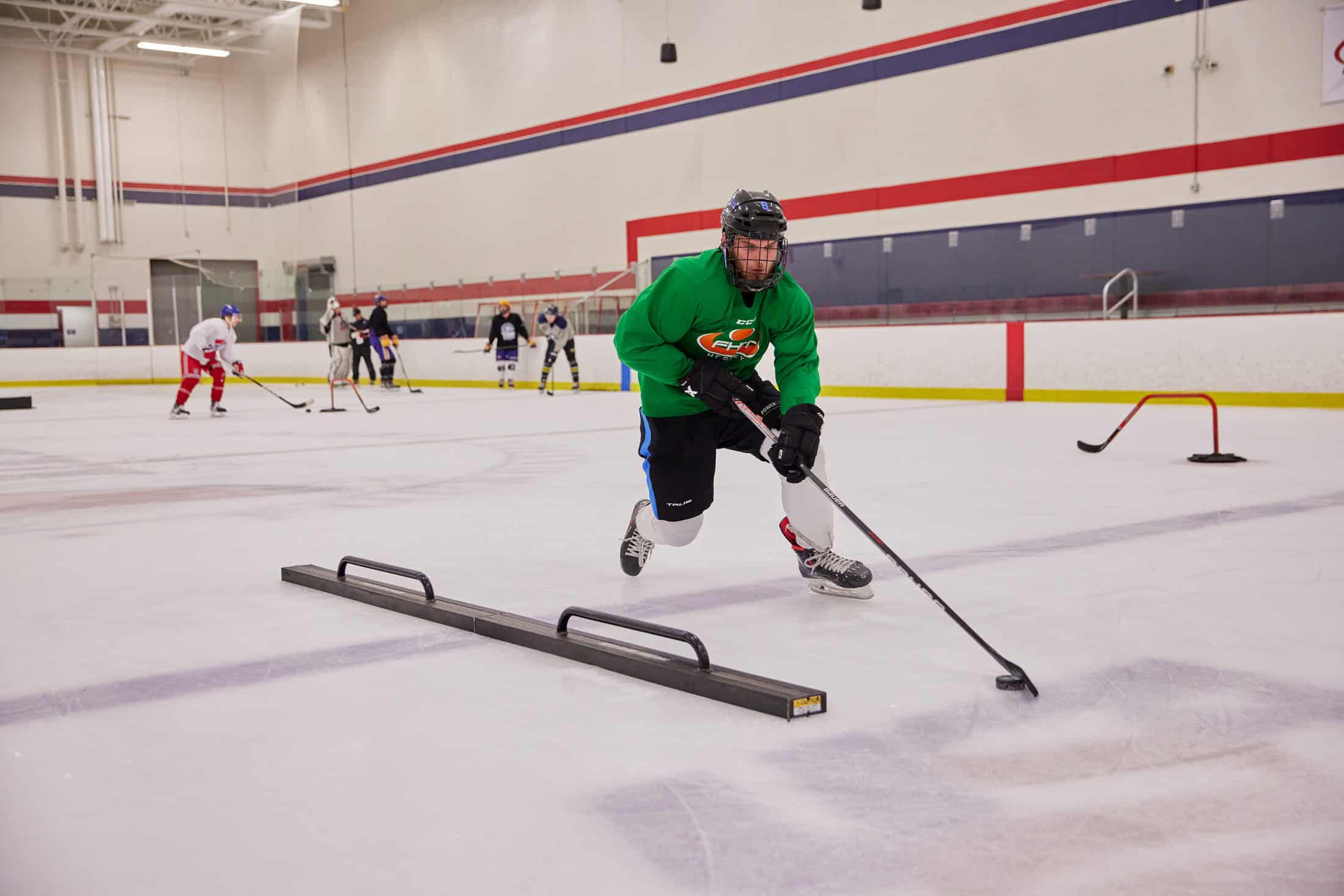
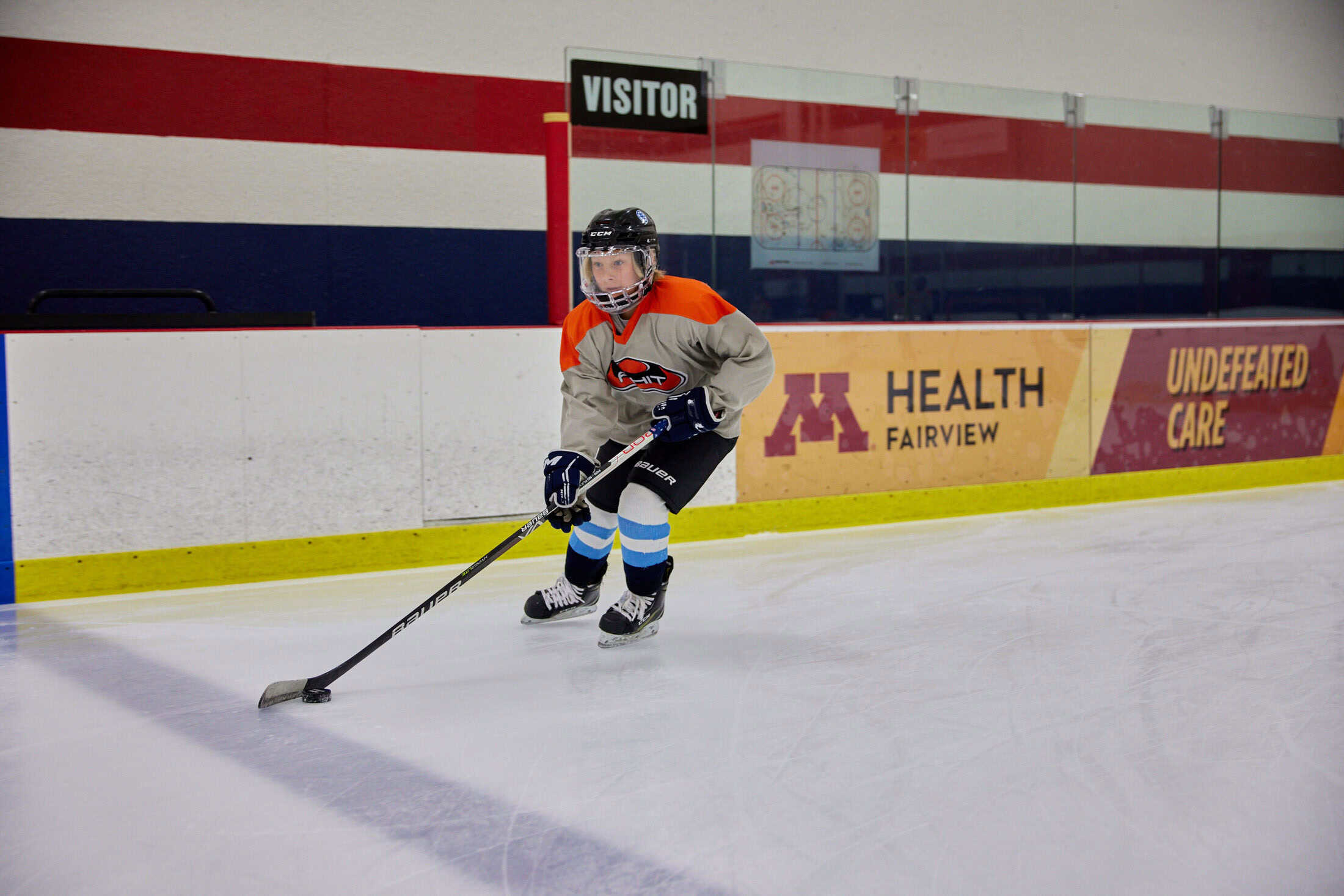
Most of what a parent notices comes back to a handful of habits in the feet and the hands. Giving them a name is the first step, so here are a few of the usual ones.
A stride that runs out of length. Watch your child skate the length of the ice. If the push stops short and the foot comes back under the body before the leg has fully extended, they’re working hard for less distance. A heel that kicks straight back instead of pushing out to the side does the same thing.
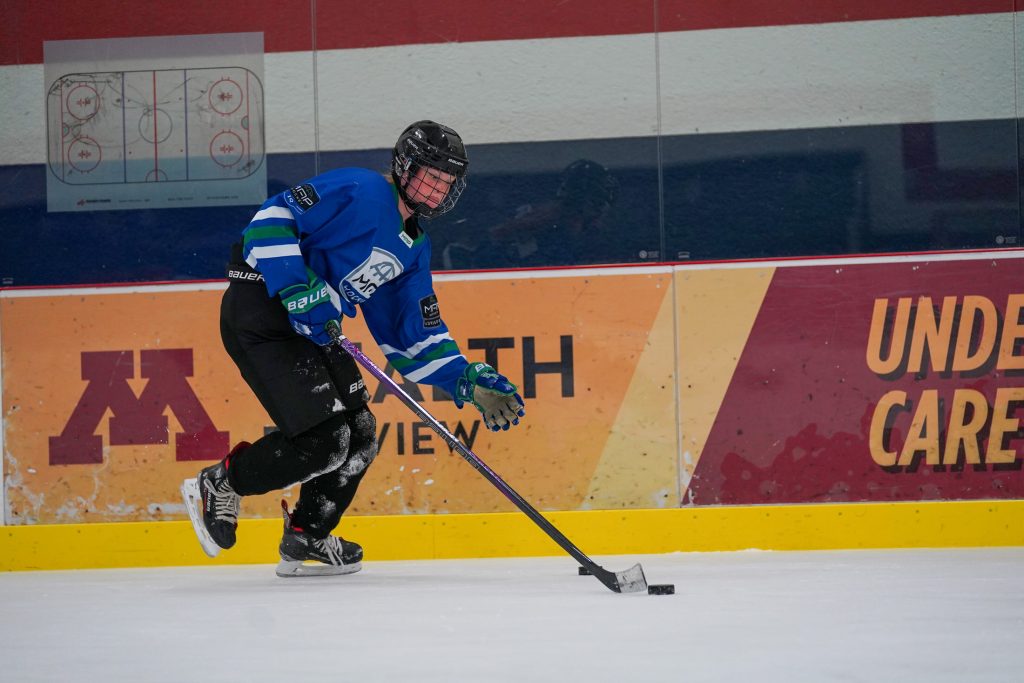
A turn taken flat. When a skater turns on a flat blade instead of leaning into an edge, the turn gets wide and slow. You’ll see the stick and shoulders come around and the skates lag behind. On a tight turn in the corner, it can be the difference between winning the puck and chasing it.
Weight on the heels. A skater sitting back on their heels tends to get knocked off the puck and has trouble stopping and starting quickly. You can often spot it when they stand up tall the moment they slow down.
Eyes on the puck. If your child looks down every time a pass arrives or every time they carry the puck, they miss what’s happening around them. It usually means the hands aren’t fully comfortable yet, so the eyes have to do the work.
None of these are rare. They show up on every team at every level. What matters is that each one is a habit, and habits can be worked on.
Why it’s hard to fix from the car ride home
It’s tempting to try. You saw the turn, you know it cost a scoring chance, so you mention it on the drive home. Maybe you mention it again the next week.
The trouble is that a habit in a stride or an edge doesn’t change because someone pointed it out. It changes through a lot of slow, careful repetition on the ice, with someone watching closely enough to catch it each time it creeps back in. Your child might fully understand what you mean and still skate the same way the next shift. Their body learned the old way over hundreds of hours.
Team practice has a lot to cover. Breakouts, forecheck, line changes, getting ready for the weekend. With a full roster on the ice, there’s rarely time to stop the group so one player can rebuild a crossover. That’s the nature of a team setting. The fundamentals end up needing a place of their own.
The week is already full
So where does that place go? For most families, this is where the idea stalls.
Look at an ordinary winter week. Two team practices in the evening. Games on the weekend, sometimes a weeknight game thrown in. Homework every night. A sibling with their own schedule. Dinner, when there’s time for it.
Adding another evening session usually means one more meal in the car and one more late night before a school morning. Plenty of families try it and quietly let it go after a few weeks. It’s not a lack of commitment. There just isn’t an evening left to give.
That’s why the time before school is worth a second look. It’s a block of the day nobody else is asking for. The skating gets done before the first bell, and the evenings stay exactly as they are.
Will it be too much hockey?
It’s a fair worry. You don’t want your child burned out by February, and you don’t want extra ice pulling against what their team is doing.
A few things help keep this in proportion.
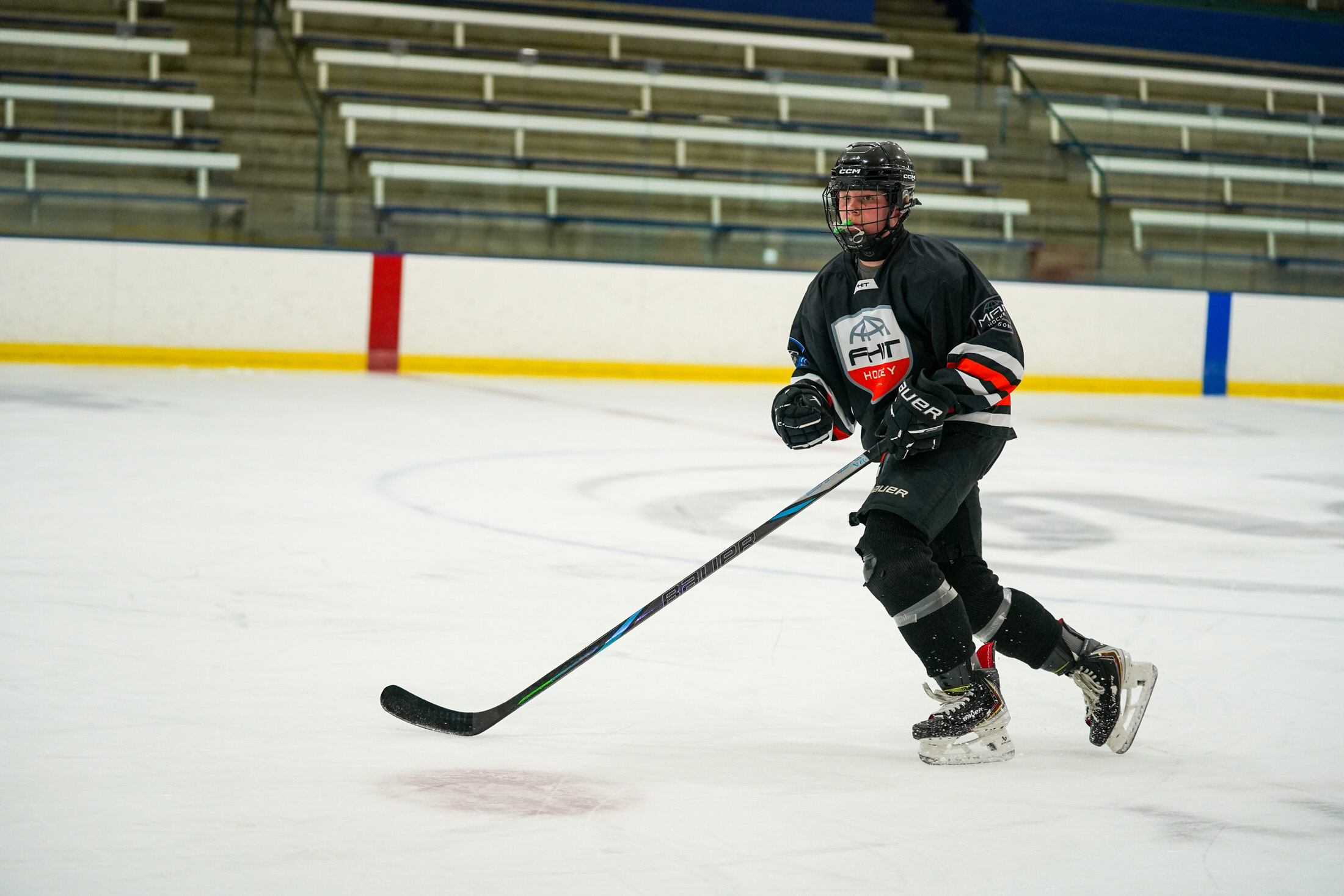
The work is different. Fundamentals ice isn’t another game or another round of systems. It’s focused time on the pieces underneath the game: edges, balance, stride, cornering, puck handling, passing, receiving and shooting in stride. Those skills don’t compete with anything a team coach teaches. An outside edge is the same on every team, and a cleaner turn helps in any system.
It doesn’t need to be every week. A weekly drop-in setup means you aren’t signing up for a full season to find out how mornings feel in your house. A heavy tournament weekend coming up? Talk it over with your child and decide whether that week makes sense.
Your child has a real say. This works best when they’re the one who wants to get up for it. If the early alarm turns into a fight, that tells you something. If they start setting it on their own, that tells you something too.
And keep an eye on how they’re doing. Are they still fresh for team practice later in the week? Are school mornings still calm? Are they enjoying the game? Those are good signals to watch over the first few weeks.
Before-school work on the fundamentals
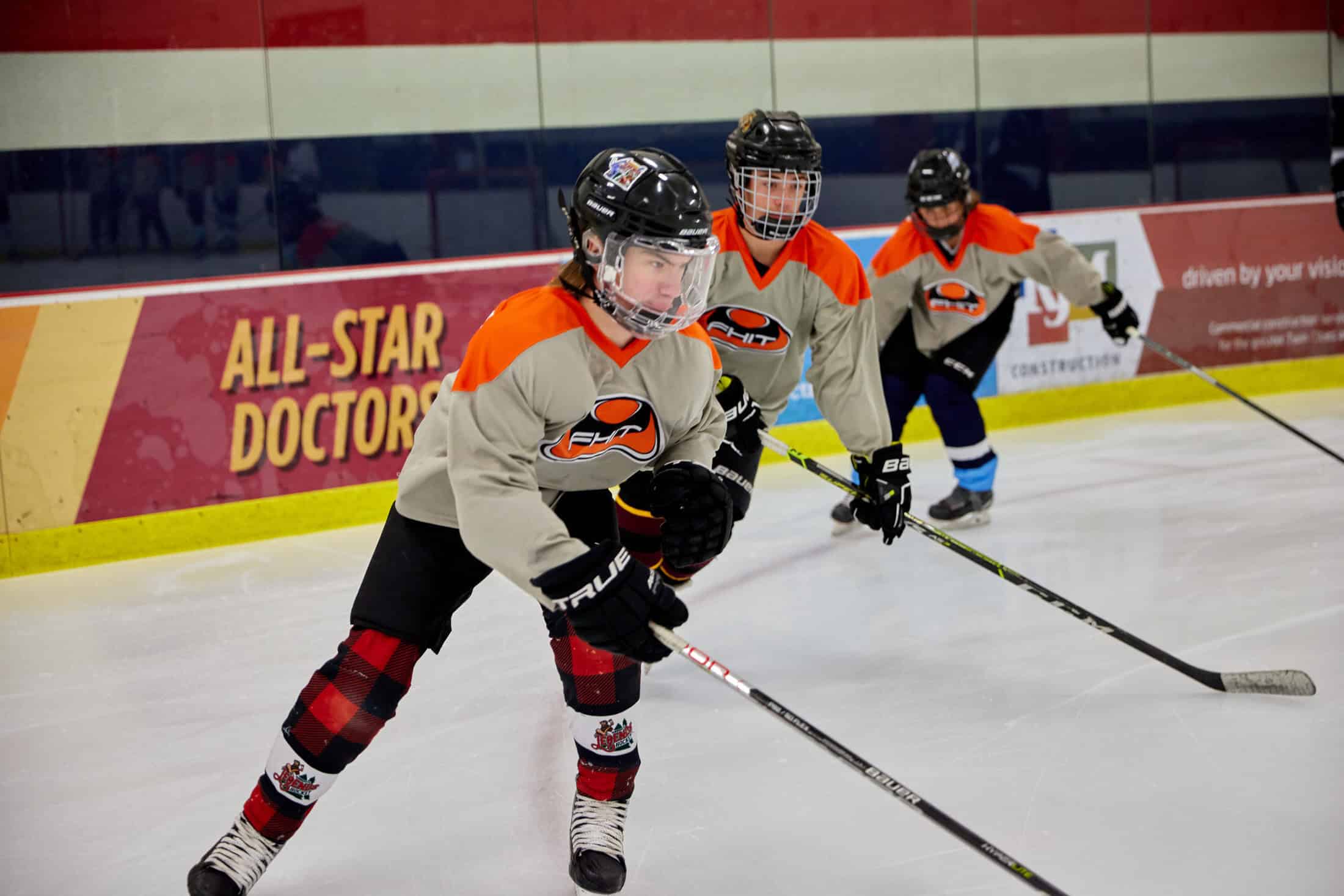
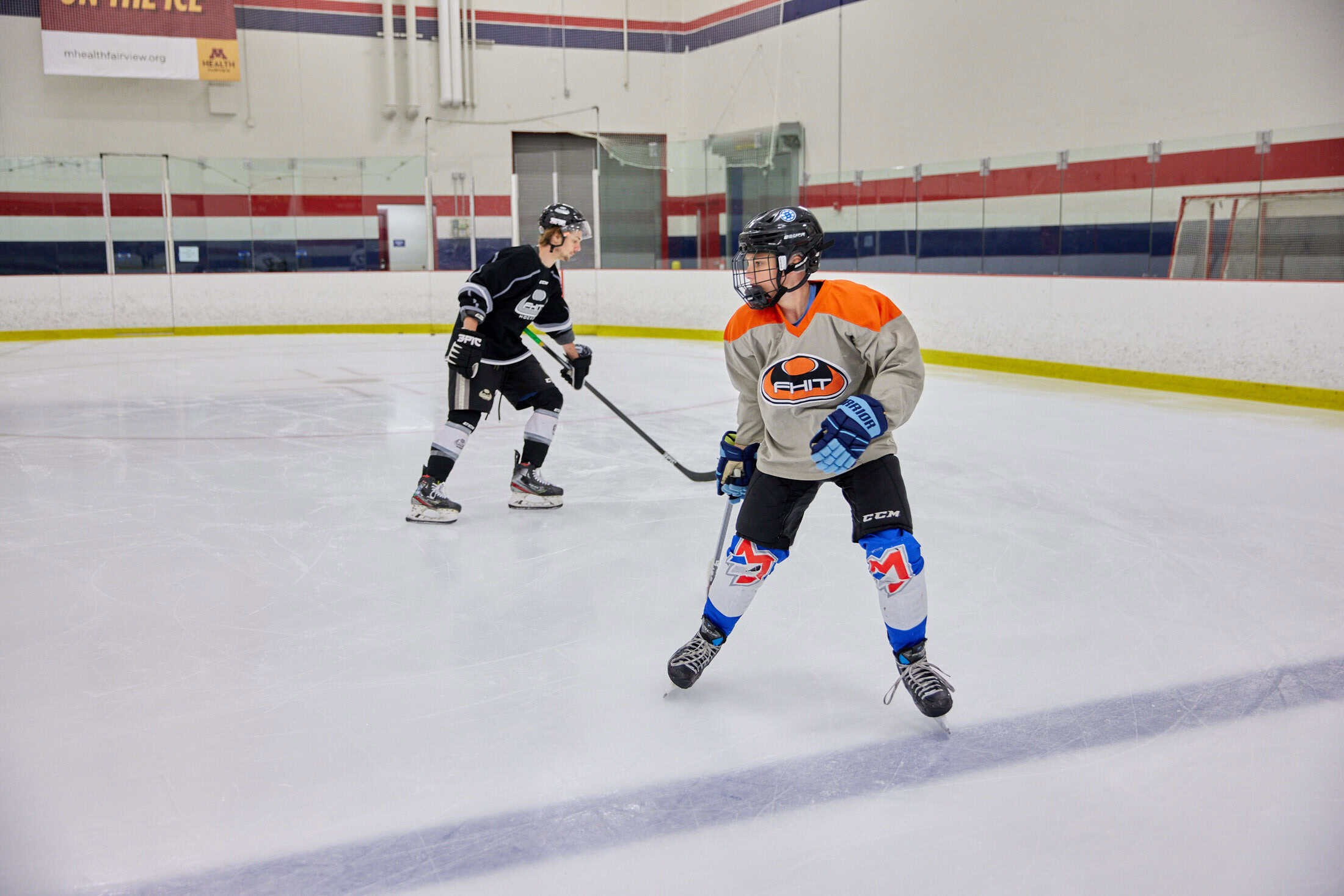
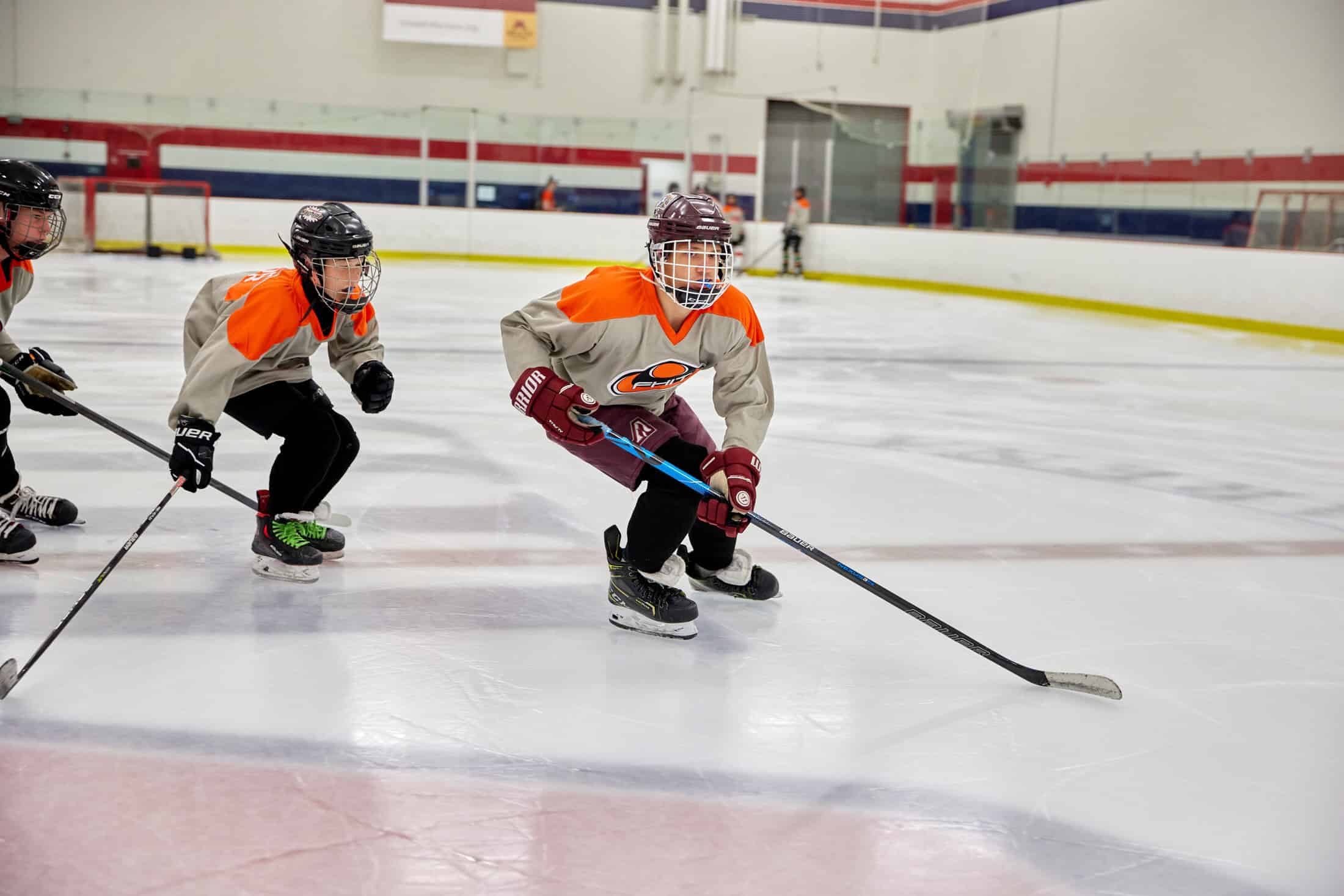
Breakfast Club Skates are weekly drop-in clinics that run before school. The focus is the fundamental skating and puck skills your child uses every shift: edge work, balance, stride, cornering, puck handling, passing, receiving and shooting in stride.
They sit beside the team season, not on top of it. Your child keeps their practices, their games and their coach. The morning work is simply time on the habits you’ve been watching from the bleachers, in a part of the day the team never uses.
If you’ve been noticing something in your child’s stride or turns and haven’t known where to take it, this is one place to start. The program page has current session details for each campus.