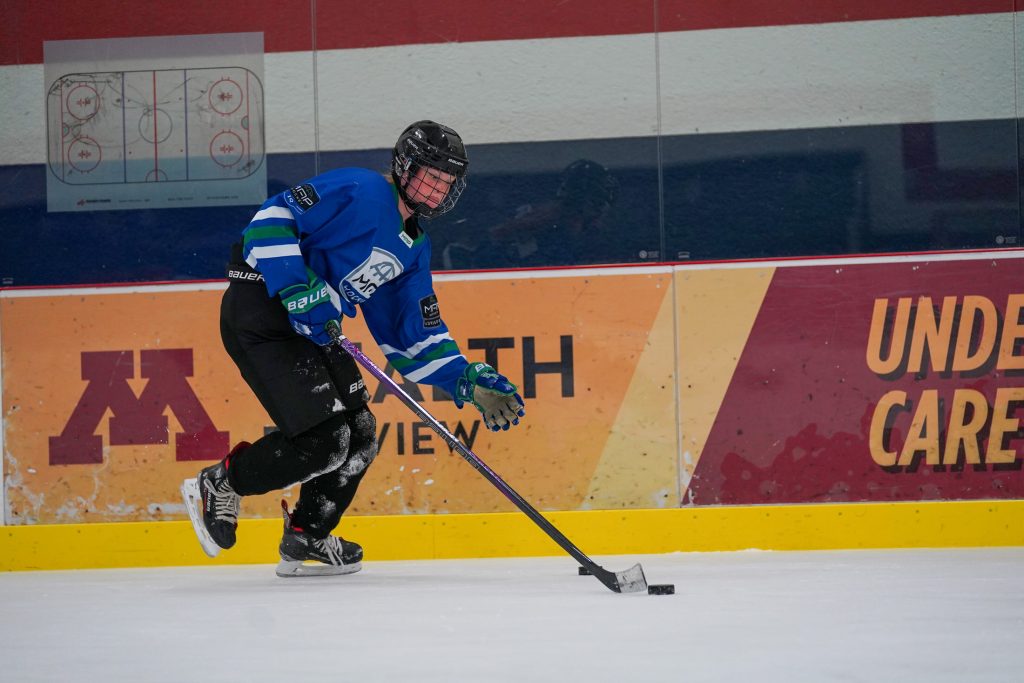
Every game gives your daughter opportunities to learn. But once the final buzzer sounds, how often does she get to go back and see the decisions she made? The positioning before a goal, the passing option she didn’t notice, or the play she recognized a second too late. Those moments can be difficult to catch while the game is happening. On film, they become opportunities to learn.
Her own game footage provides a valuable perspective on her development. Skills training helps build what she can do. Game film helps her understand how she’s using those skills in real situations, under pressure, against real opponents.
Why her own game film matters
Professional game footage can demonstrate how high-level players recognize situations and make decisions. Her own game film adds something different: the opportunity to see those same concepts in situations she’s actually experienced. Together, they connect learning with her own development.
Her own game film shows her actual habits. Does she shoulder-check before a puck retrieval, or after? When the play goes to the far side, does she stay connected to it or start to drift? On the penalty kill, does she pressure on the right cue or a beat early? These are game situations that film review can help her recognize, understand, and improve.
MAP Hockey IQ connects personalized analysis of her own game footage with coaching insights and examples from professional hockey. The focus is her game and the decisions she makes.
What a Hockey IQ coach looks for in game film
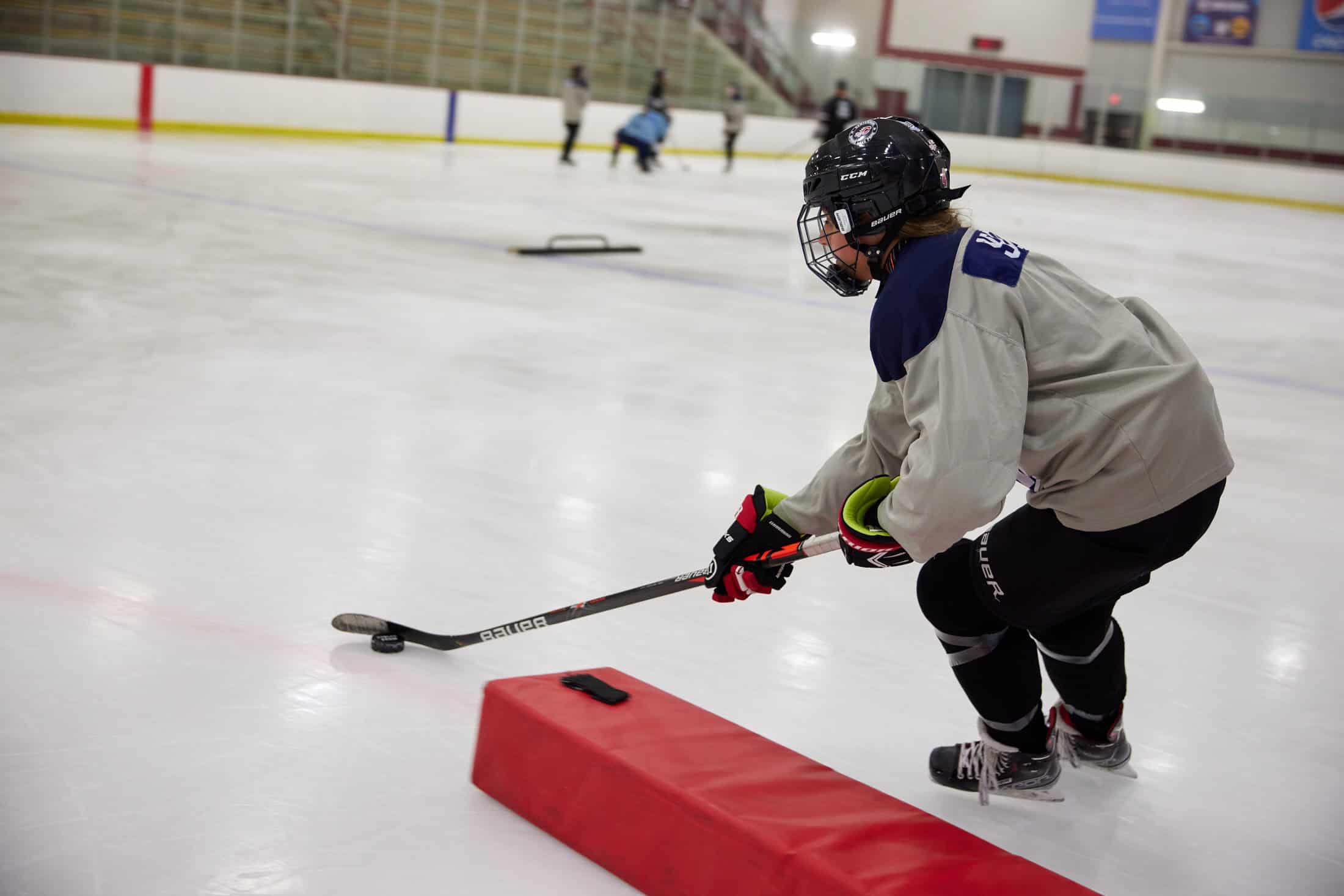
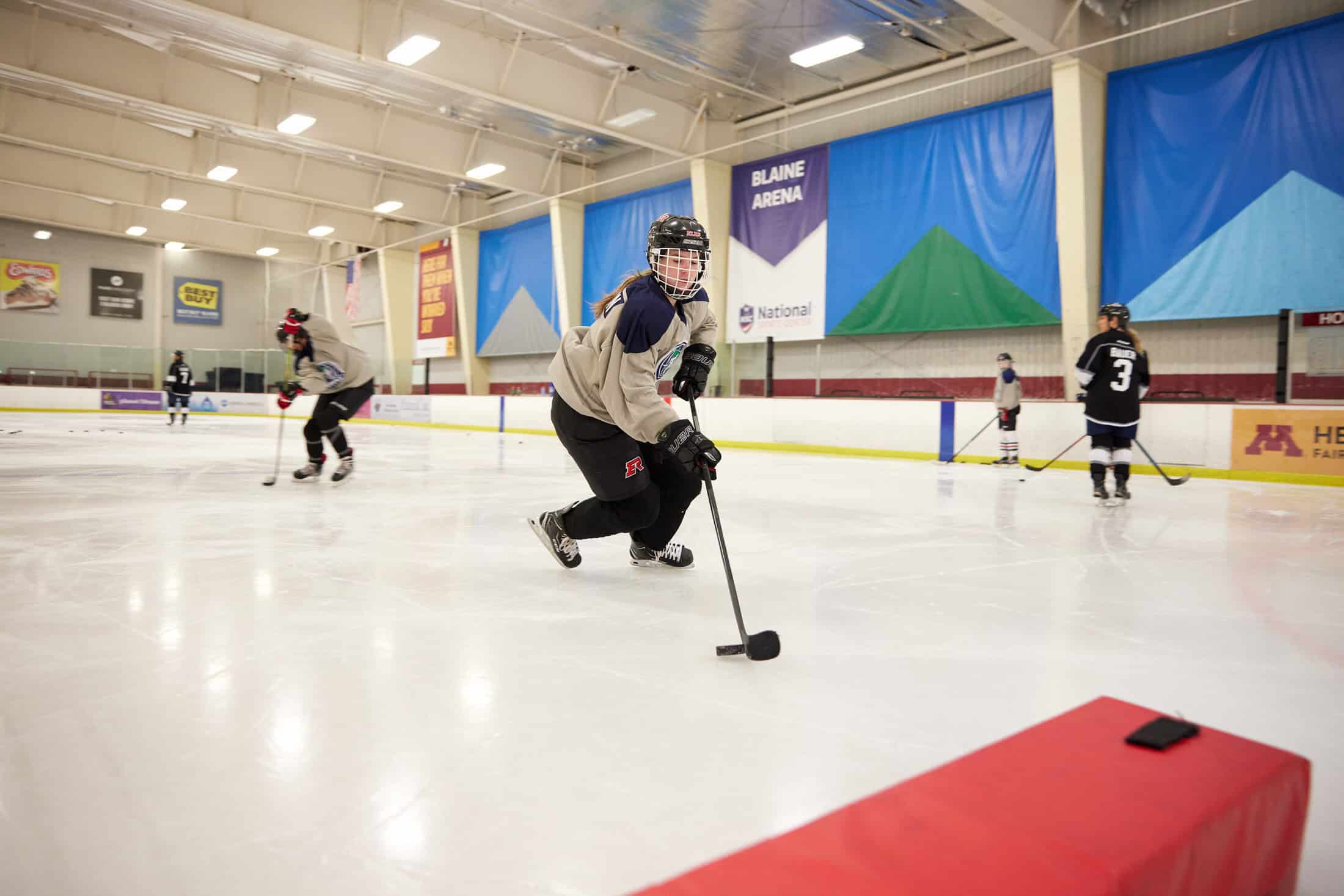
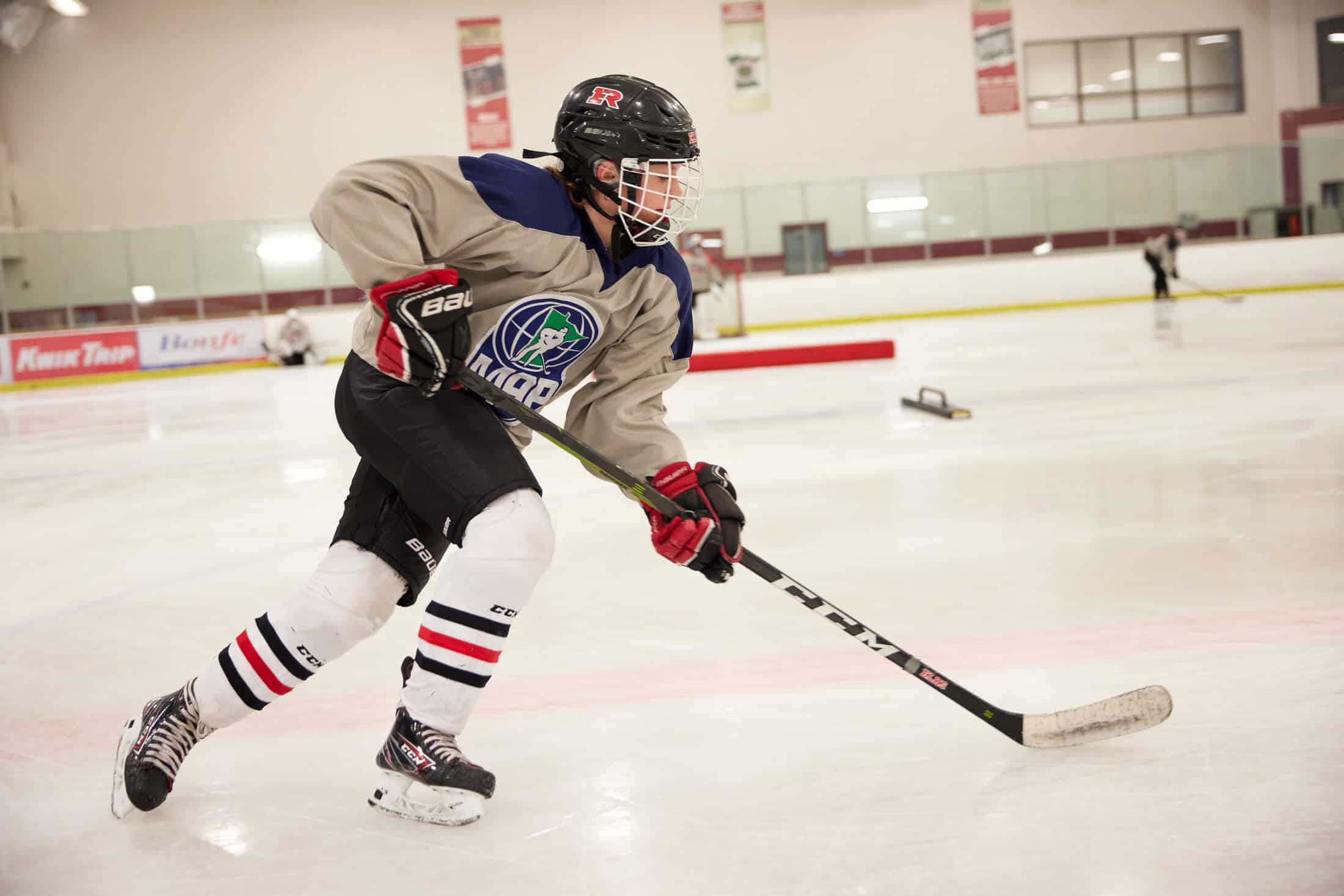
When a MAP Hockey IQ coach reviews her game, the puck is only part of the story. The coach is looking at where she was when the puck was somewhere else. Was she in a passing lane or behind it? When the defense collapsed, did she find the open ice at the far post, or skate into the same spot as her center? When her team lost the puck at the blue line, did she read the turnover and get back on the right side?
These moments can influence how a shift unfolds, even when they aren’t obvious from the stands. Film review helps her see the decision she made, the options available and what to recognize next time.
The 4 Components in her own game
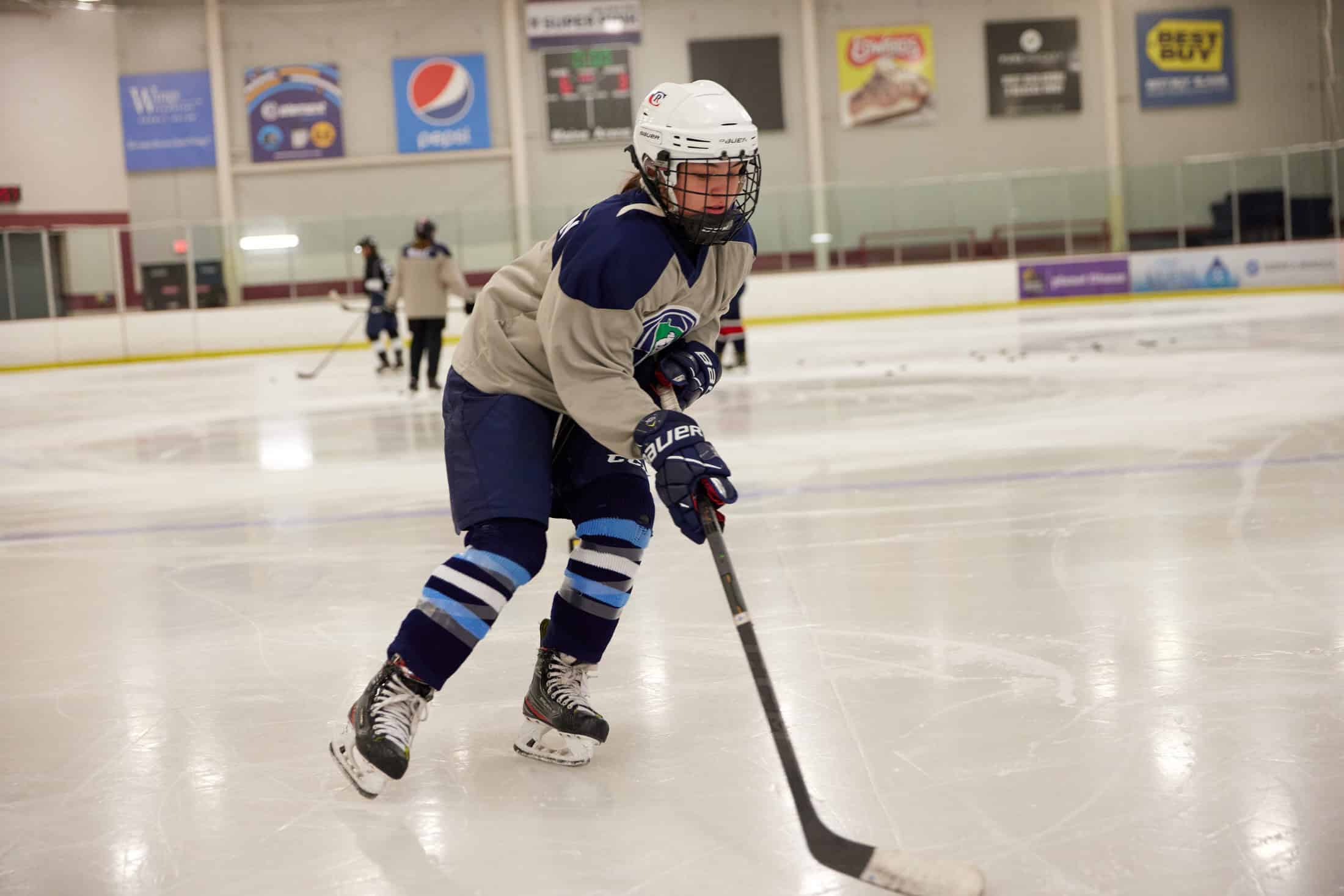
MAP Hockey IQ frames its teaching with the 4 Components of Hockey, developed by John Becanic, Director of MAP Hockey IQ. In any moment of a game, she’s in one of four situations:
- Offense at the puck
- Offense away from the puck
- Defense at the puck
- Defense away from the puck
The framework gives her a shared language with the coach. Instead of “you were out of position,” the conversation becomes “you were on defense away from the puck, and here’s what the play was asking for.” That’s a sentence a player can do something with.
It also connects to MAP Hockey’s definition: “Hockey IQ is a player’s ability to make a read, process it, and then execute the right play.” Film lets her see each part of that sentence in a moment she actually lived.
What smarter decisions look like on the ice
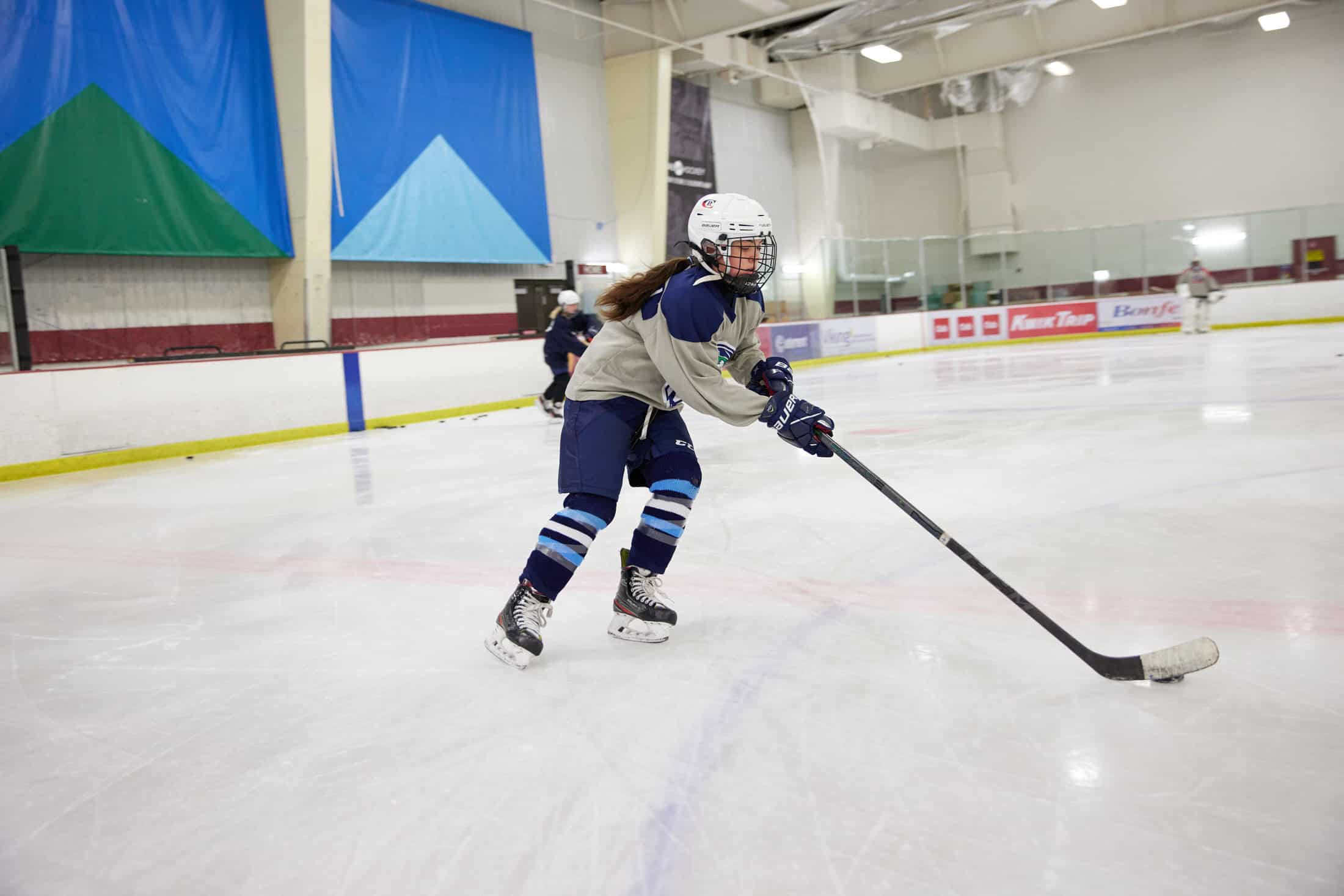
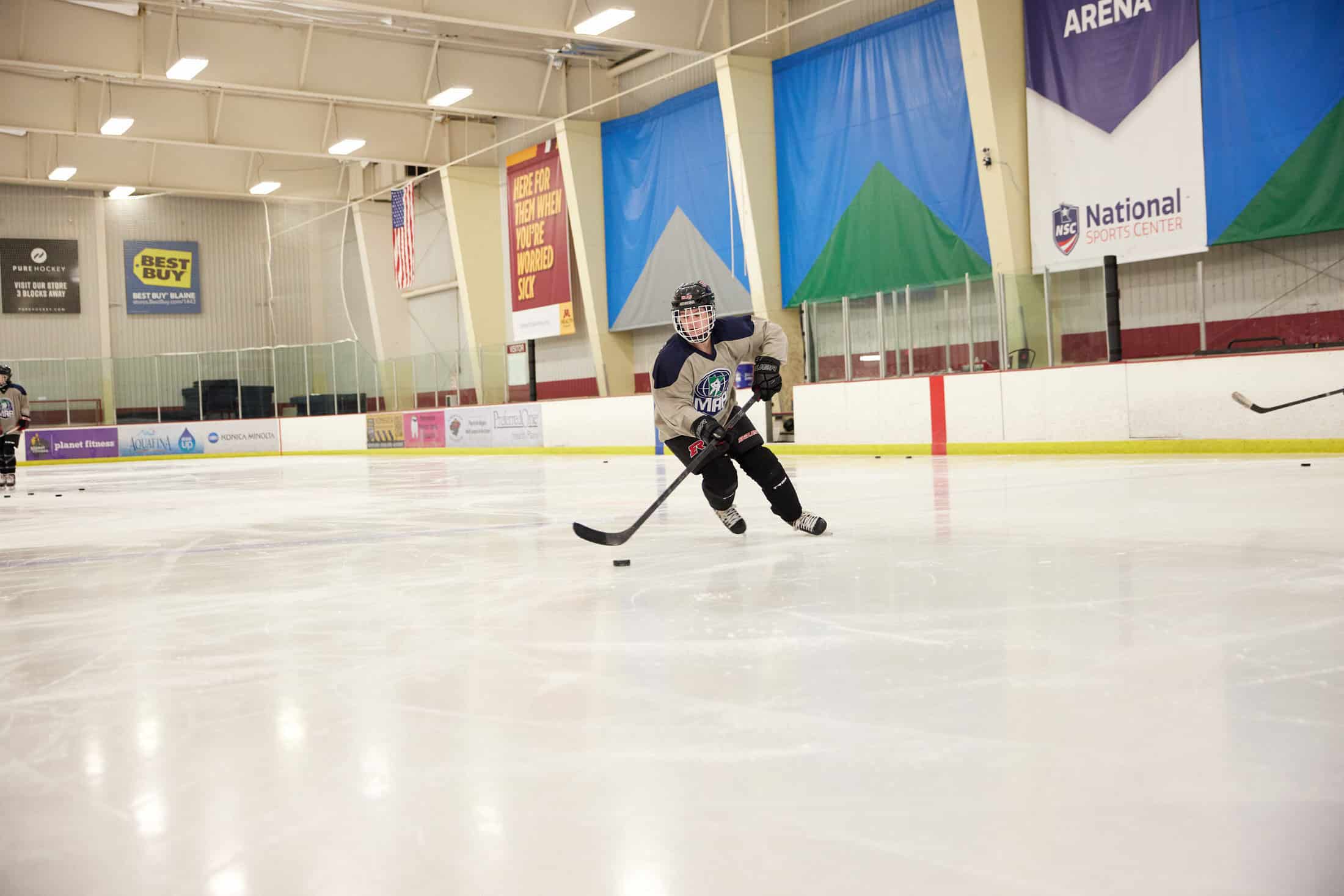
Some players seem to have more time and space, even when the game is moving fast. They recognize where the play is developing, anticipate their options, and make decisions before the pressure arrives. It’s not necessarily about being the fastest player. It’s about recognizing what’s happening and knowing what to do next.
Game film gives her a chance to revisit those moments, understand her options and recognize similar situations in future games. Instead of imagining what happened, she can see it.
Personalized coaching focused on her game
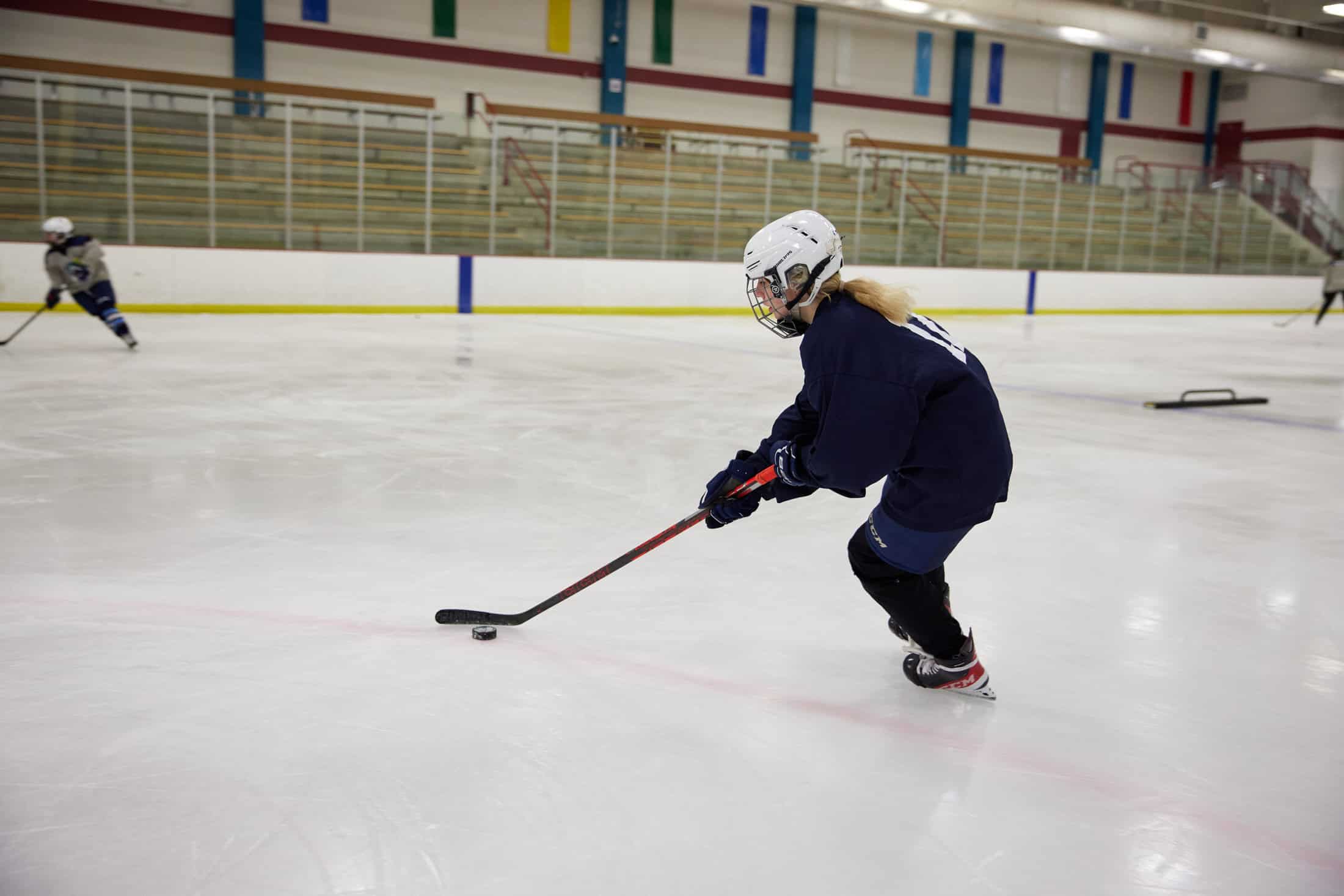
MAP Hockey IQ coaching is personalized around each athlete’s actual game footage. Her shifts, her position, her teammates, and the situations she faces become the foundation for understanding her decisions. Rather than relying on general advice, she receives feedback connected directly to her own development.
She’s put in the work to develop her skills. Now give her the opportunity to better understand how she’s using them in games. Learn more about MAP Hockey IQ.