Show Up Ready: Why Every MAP Hockey Applicant Gets Scouted First

You know the feeling. You’ve done the work. You go to a camp in the summer, you lift a few times a week, you stay late to shoot. Then the season starts and you’re still on the third line, or still on JV, and nobody can tell you why.

Most of the time, it isn’t effort. It’s information. Nobody has told you which part of your game is actually holding you back, so the work goes into the things you’re already good at.

Skilled isn’t the same as ready
Skilled isn't the same as ready

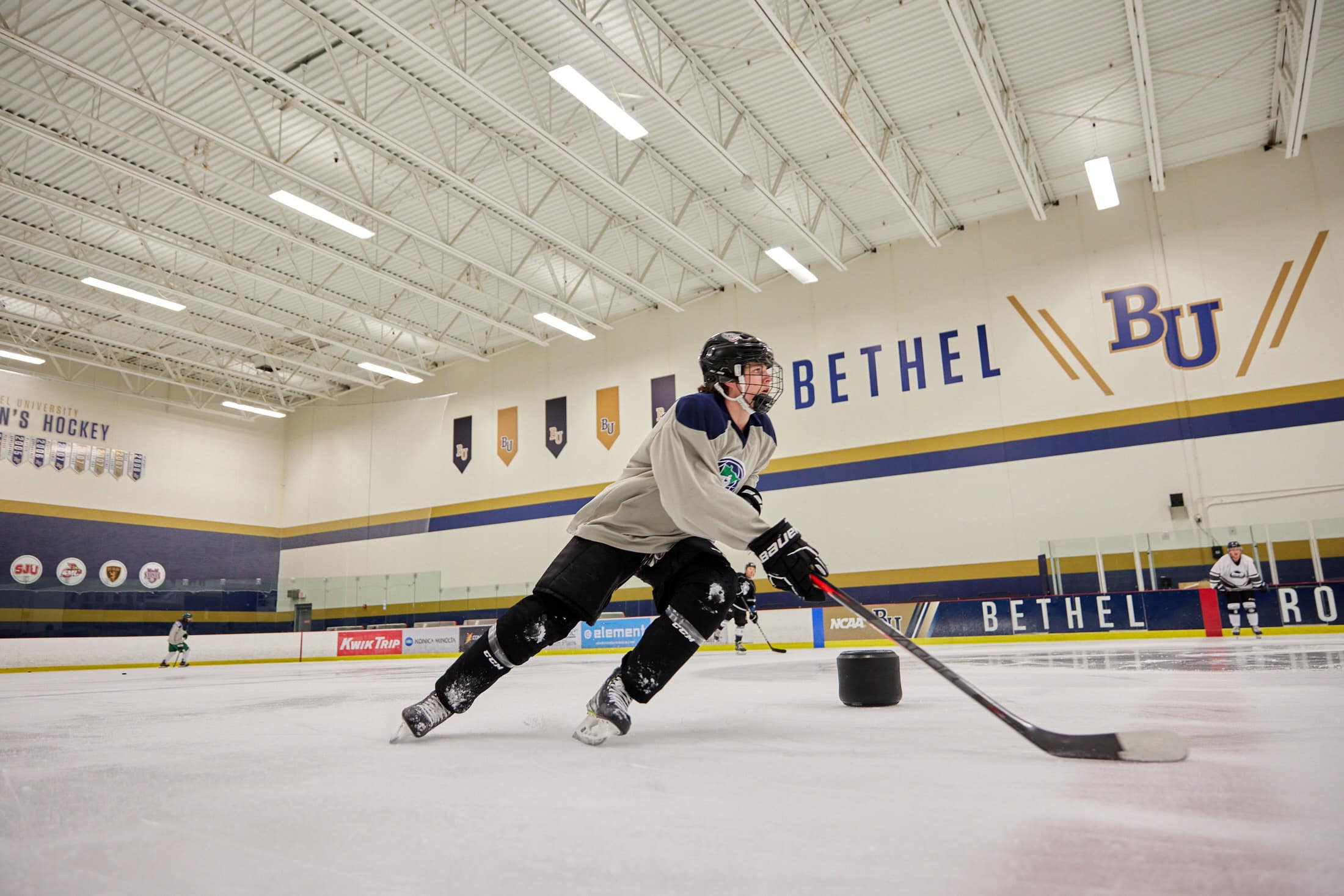
A lot of high school players have the hands. What they don’t have yet is the speed to use them at game pace, or the strength to hold onto the puck when someone leans on them in the corner.

That’s usually because skating, strength and skill are trained separately. Power skating one place. The weight room another. Stickhandling in the garage. Nobody connects them, so you get better at each one in isolation and the game still feels too fast.

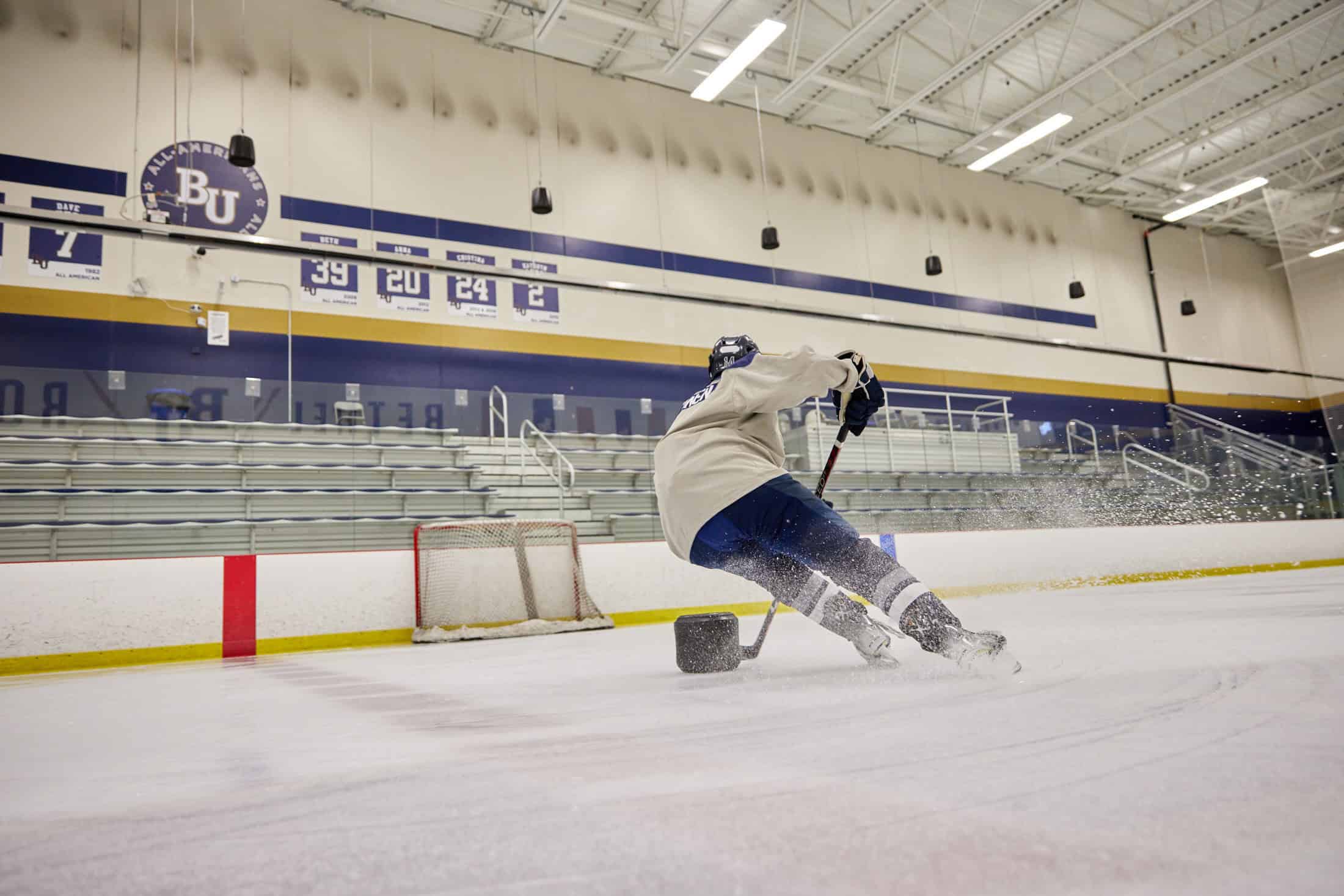
You can see it on a shift change. You hop the boards, the puck comes to you in the neutral zone, and before you can do anything with it there’s a defender on your hip. Your hands were fine. Your first two strides weren’t quick enough to buy you the time to use them. That’s the kind of thing a camp or a few lessons rarely fixes, because nobody is looking at the whole picture.

Three things, every training day
Three things, every training day

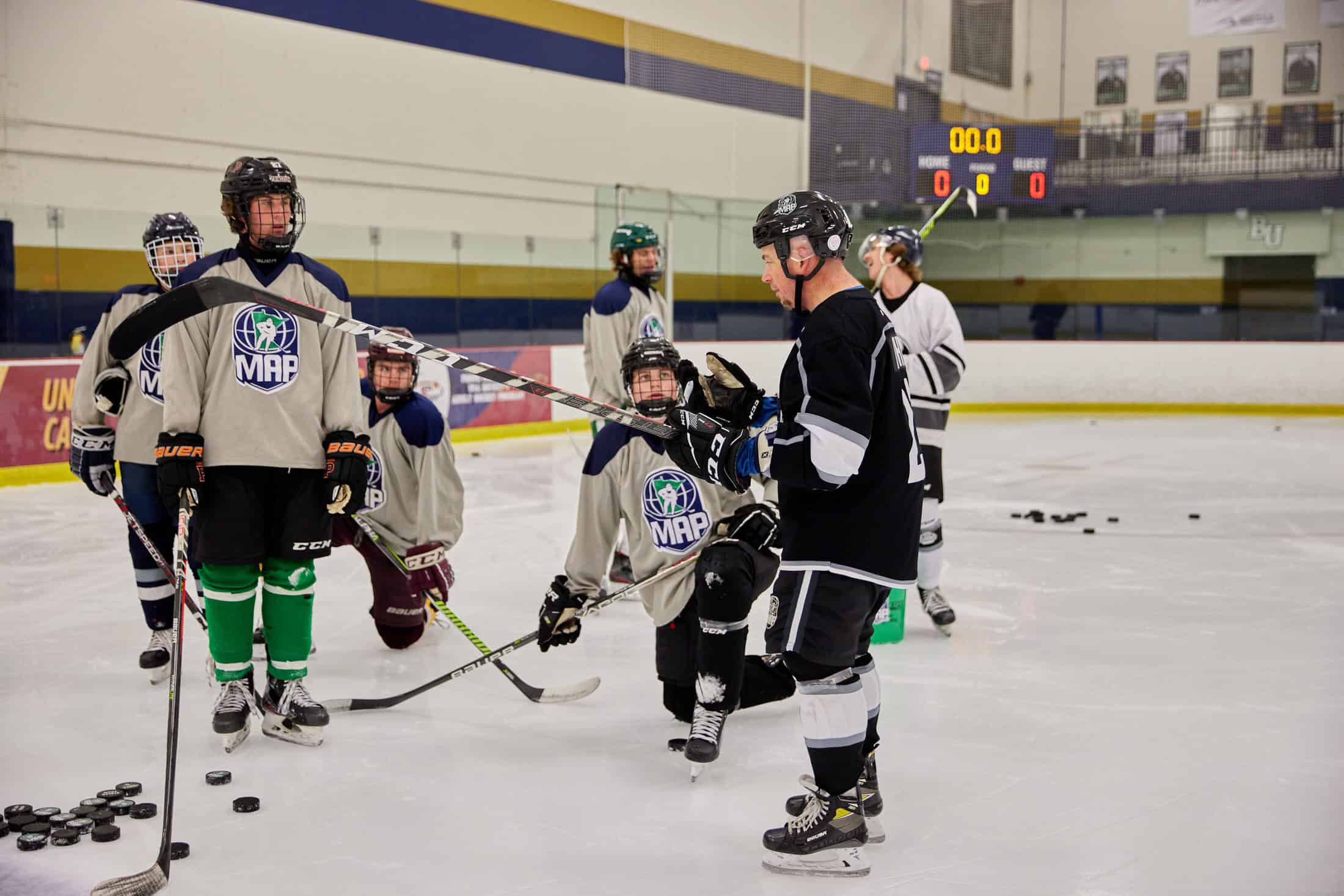
MAP Hockey Membership puts the pieces together. Every training day has three parts:

  • 1 hour of on-ice training.
  • 1 hour of off-ice strength and speed training.
  • 30 to 45 minutes of shooting and stick handling.

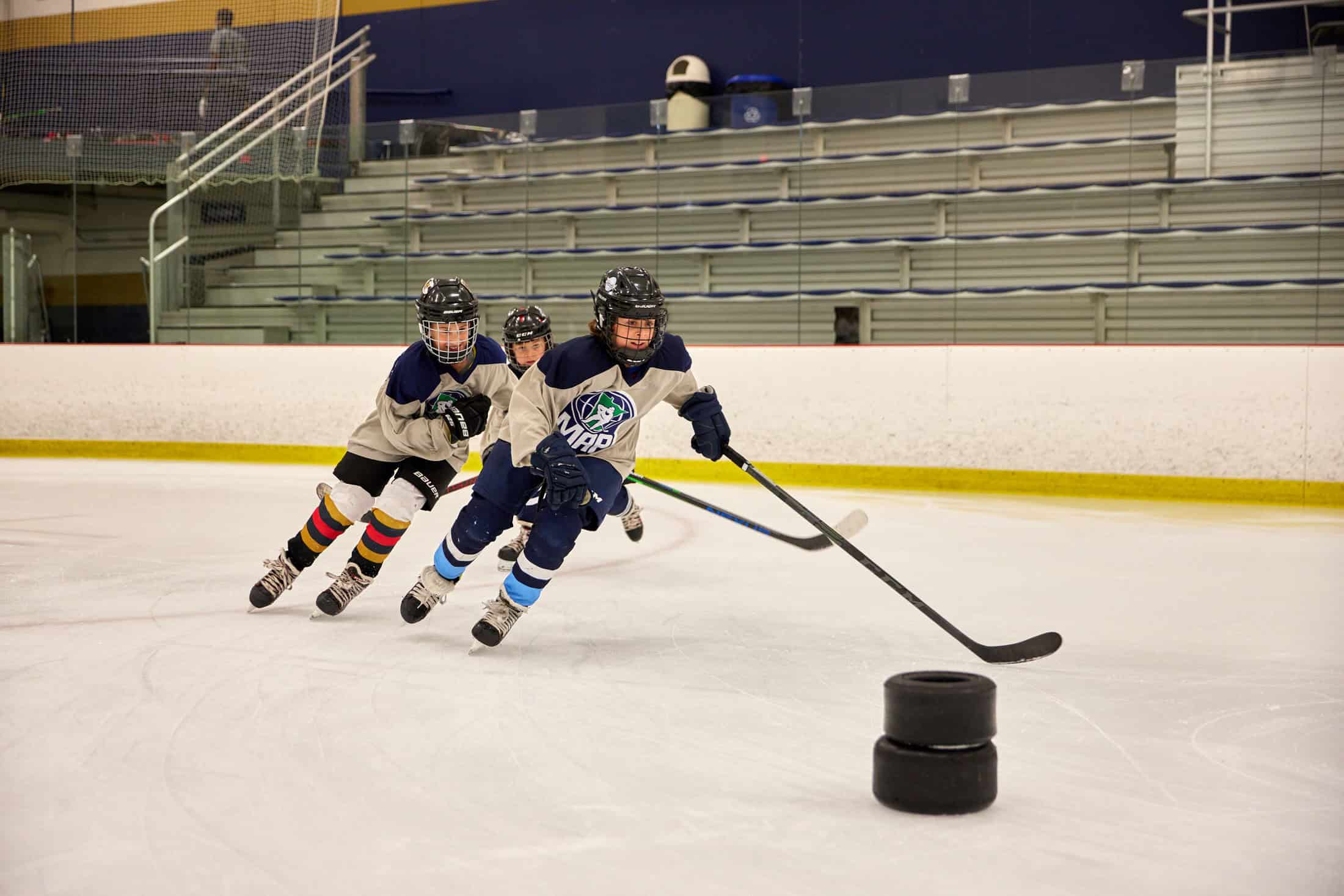
Same day, same program, with a maximum of eight players per coach.

“I already lift” is a fair thing to say. A lot of you do. The question is whether your lifting is built for hockey and whether it connects to what you do on the ice that same week. Lifting on your own can make you stronger. It doesn’t always make you faster in the first three strides.

Membership also doesn’t stop when your season starts. It runs year-round in two phases: eight off-season months and four in-season months. So the work you put in during the summer doesn’t fade by the holiday tournament.

Every applicant gets scouted first
Every applicant gets scouted first

This is the part that matters if you’re worried about getting in, or about being the worst player in the room.

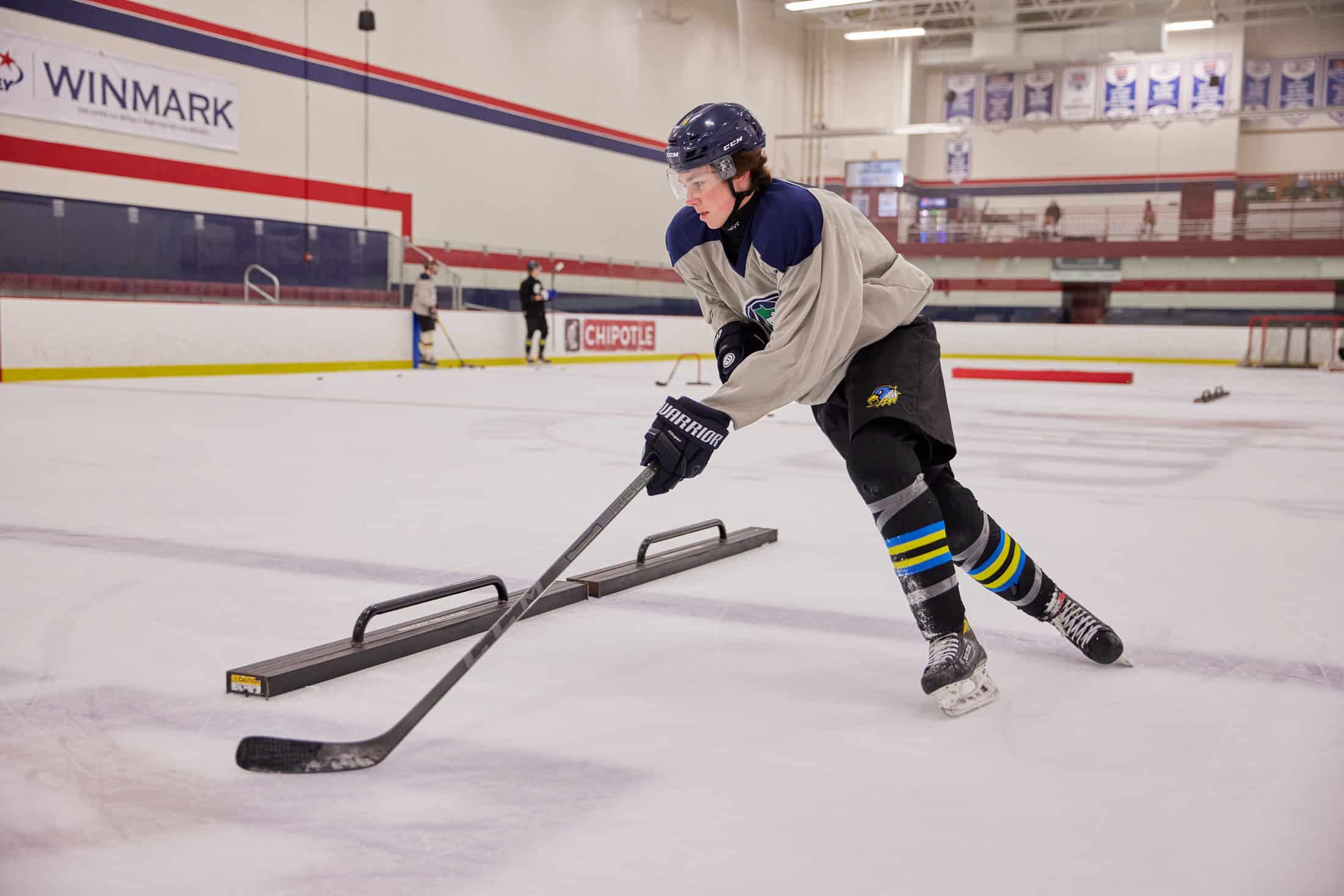
All applicants are evaluated by a MAP Hockey instructor before a decision is made. You don’t just sign up. Someone whose job is to watch hockey players watches you first, and staff get back within 48 hours.

That can feel scary. What if they say no? What if everyone else is better?

Think about it from the other side. A program that takes everyone tells you nothing. An evaluation gives you a straight read on where you stand right now. If you get in, you know you belong in that group. If you don’t, you’ve learned something real about what to work on. Either way you’re done guessing.

And being in a group that’s better than you is how you get better. Every player you look up to was the weakest one in a room at some point. The difference is that they stayed in the room and kept working until they weren’t.

Owning your development
Owning your development

You probably want more say in how you train. That’s a good sign. Players who own their development tend to show up ready, ask better questions and stick with it when it gets hard.

Owning it means doing a few things yourself:

  • Read the program page all the way through.
  • Write down what you think is holding you back, and what you want out of the year.
  • Bring it to your parents with the facts in hand.

That last step is where most players stall out.

Then comes the tricky part. You probably can’t tell your parents what it costs, and that’s okay. Cost is a conversation for your parents and the campus staff.

What you can do is make the conversation easy. Show them the training day. Show them the evaluation step and the 48-hour response. Tell them why you want it and what you’re willing to commit to. Applying is a family decision, and if you’re accepted, your parents handle registration and payment.

Parents say yes more often when the kid has clearly done the homework.

The players who earn bigger roles aren’t always the most talented. They’re the ones who show up ready, every shift, every practice. If you want to find out what’s actually holding your game back, start by reading how Membership works. Learn more about MAP Hockey Membership for high school skaters.
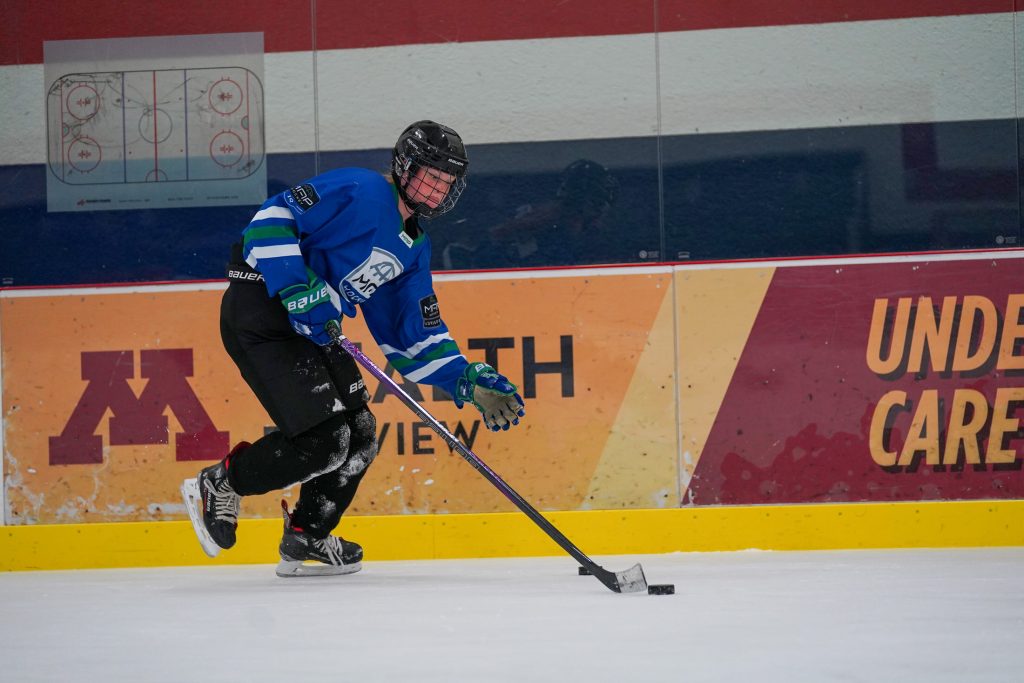
Player in a blue MAP jersey stickhandling the puck past a maroon and gold rink board

Membership

MAP Hockey Membership

Year-round development for elite skaters, built on small groups and individual feedback.

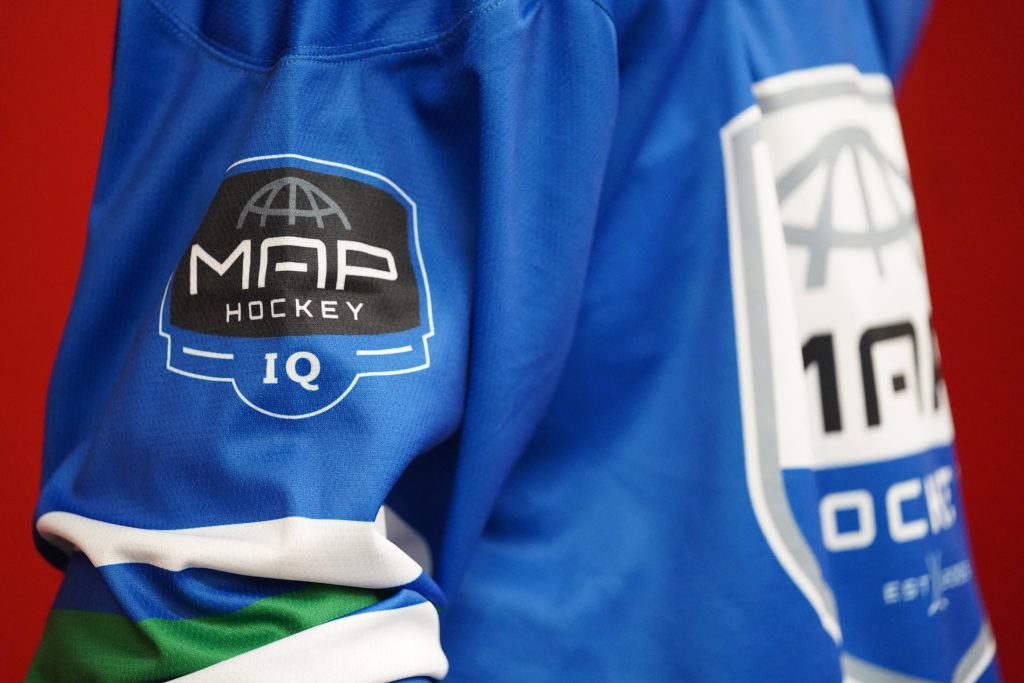
Close-up of a MAP Hockey IQ patch on the sleeve of a blue and green jersey

Film and Game Sense

MAP Hockey IQ

Film breakdowns that show your player what to read before the puck arrives.

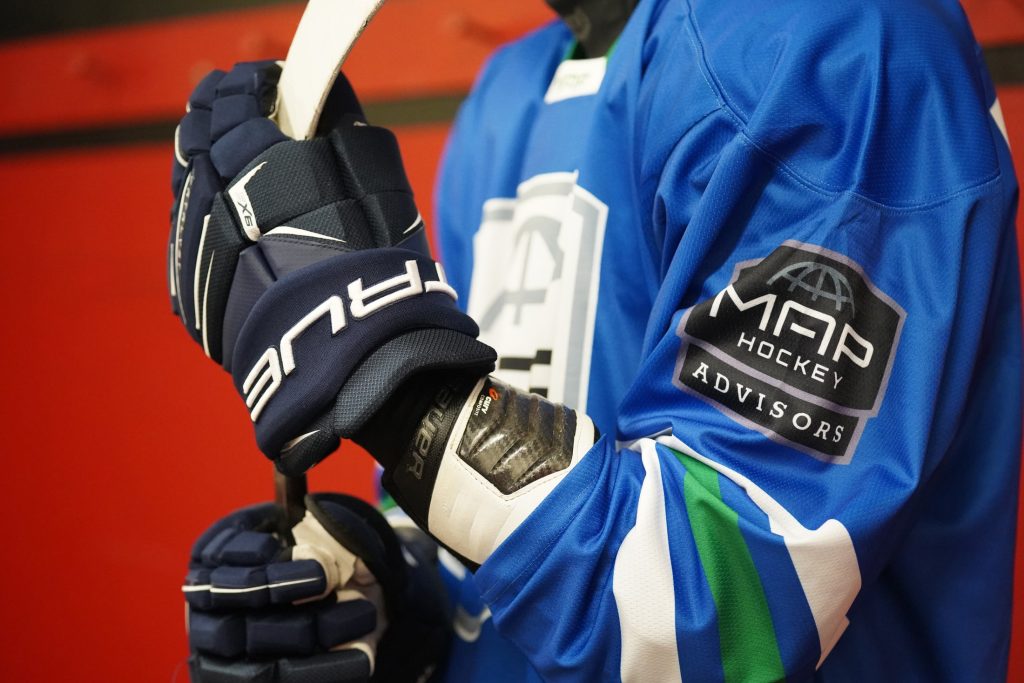
Close-up of a gloved hand gripping a stick beside a MAP Hockey Advisors patch on a blue jersey

Recruiting

MAP Hockey Advisors

Guidance through the recruiting years from people who have walked families through it.

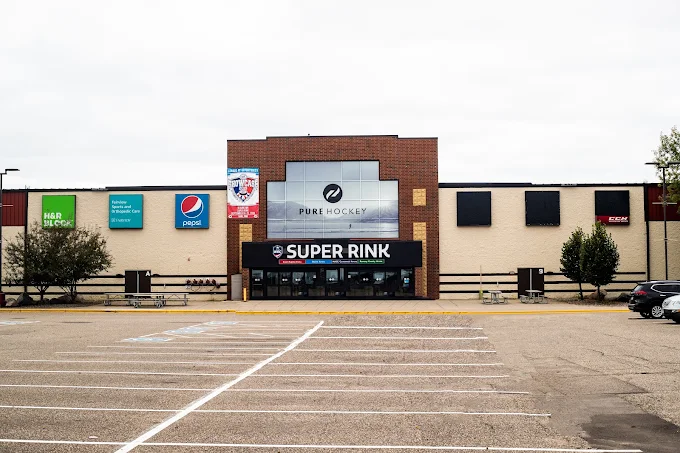
Front entrance of the Super Rink building in Blaine seen across an empty parking lot

Campuses

Find Your Campus

Blaine, Plymouth, Hudson and St. Michael-Albertville.

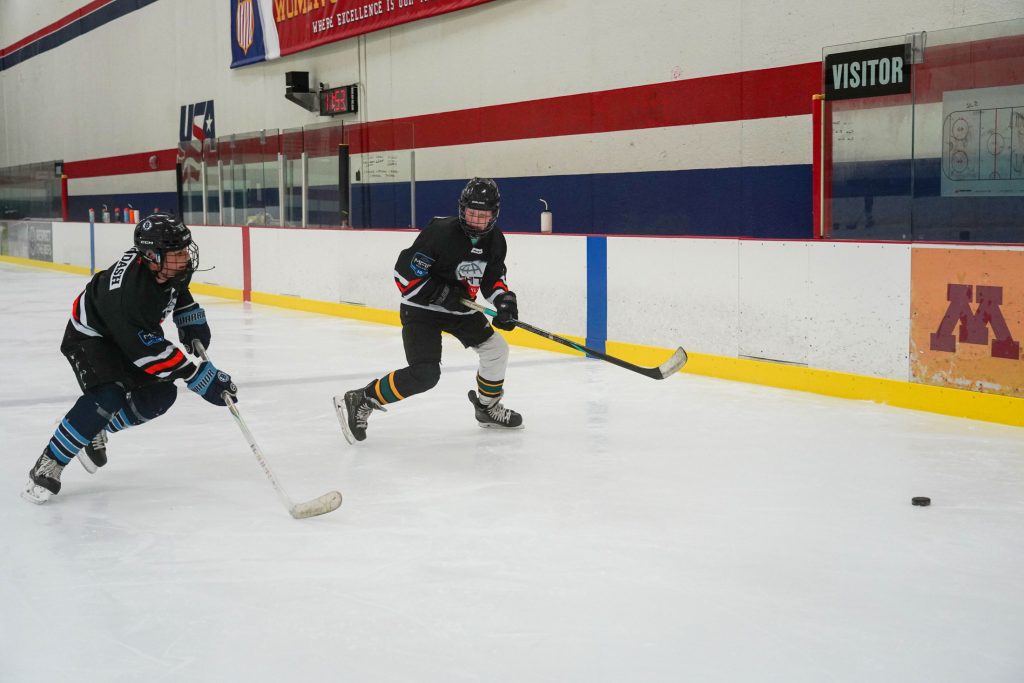
Two players in black jerseys racing toward the puck along the boards near a visitor bench

Membership

FHIT Hockey Membership

Eight off-season months and four in-season, with a cap of eight skaters per coach.

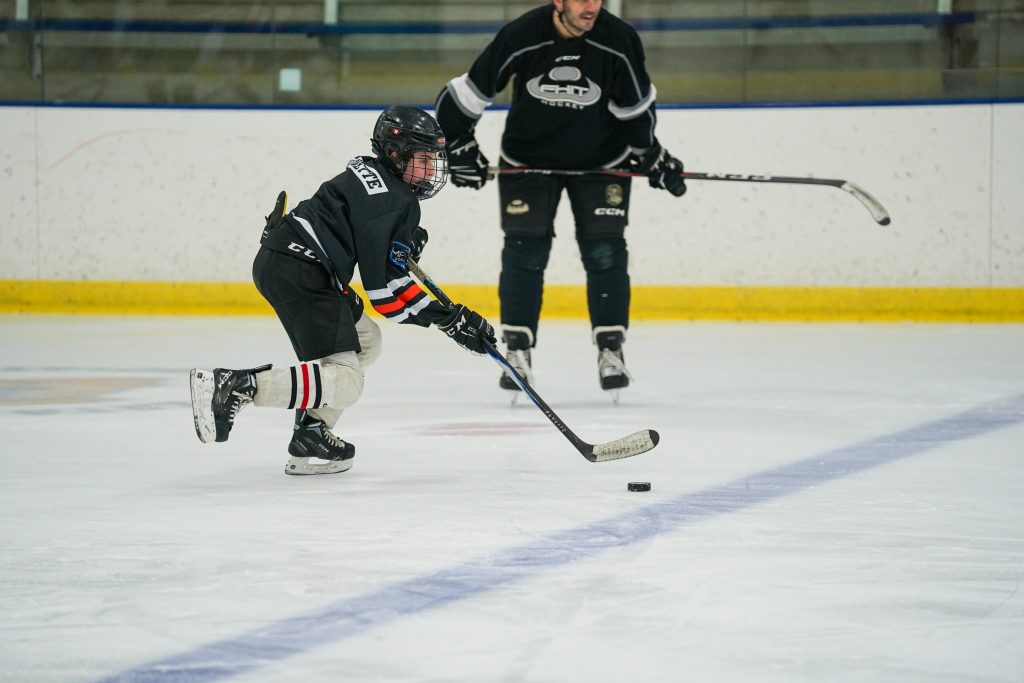
Player in a black jersey reaching low for the puck as a coach skates behind

Squirts and Peewees

FHIT Futures

Summer development for younger skaters ready for more than a weekly skate.

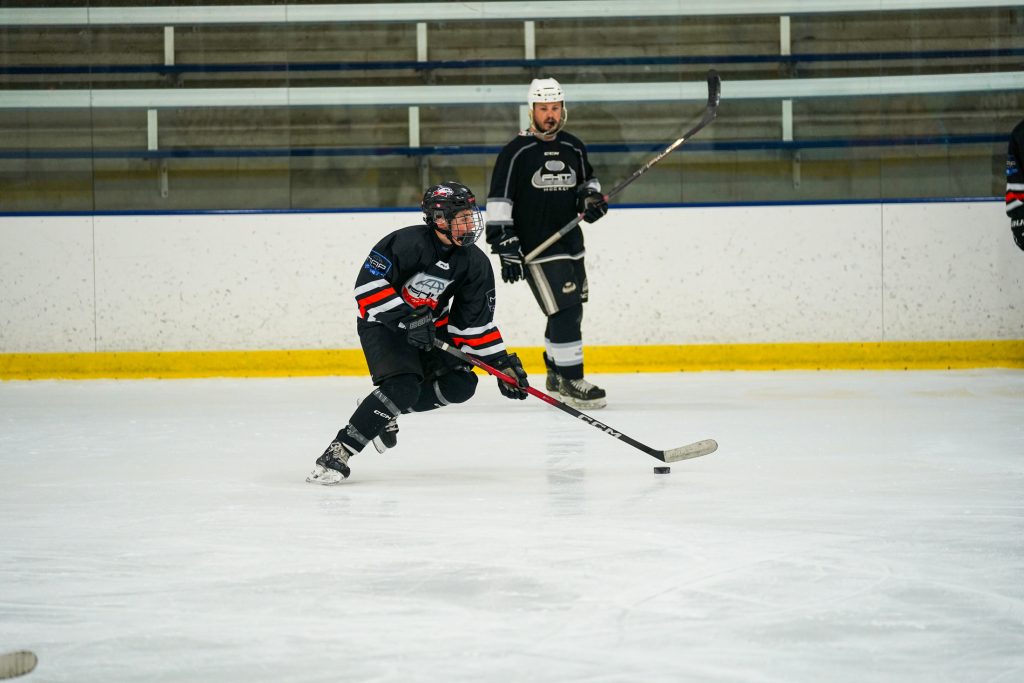
Player in a black FHIT jersey carrying the puck as a coach in a helmet follows

On-Site Training

Bring FHIT to Your Rink

Sessions run at your association’s home rink, on your schedule.

Front entrance of the Super Rink building in Blaine seen across an empty parking lot

Campuses

Find Your Campus

Blaine, Plymouth, Hudson and St. Michael-Albertville.

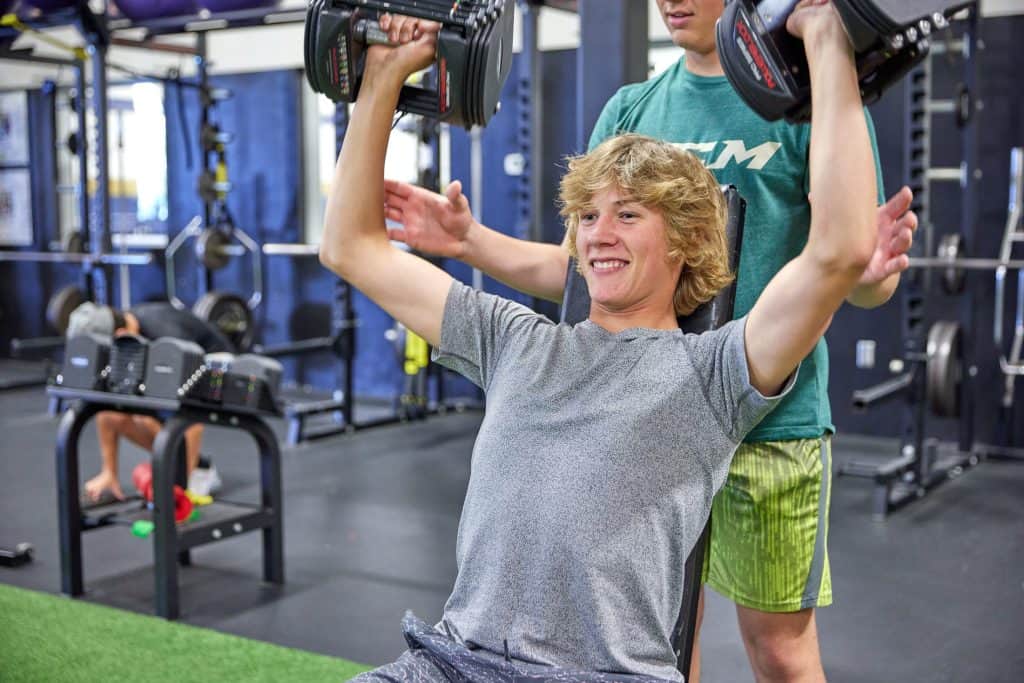
Teen in a gray shirt pressing adjustable dumbbells high overhead with a spotter in green behind him

Off-Ice Training

Dark Horse Performance

Speed, strength and agility work built for athletes who still have a season to play.

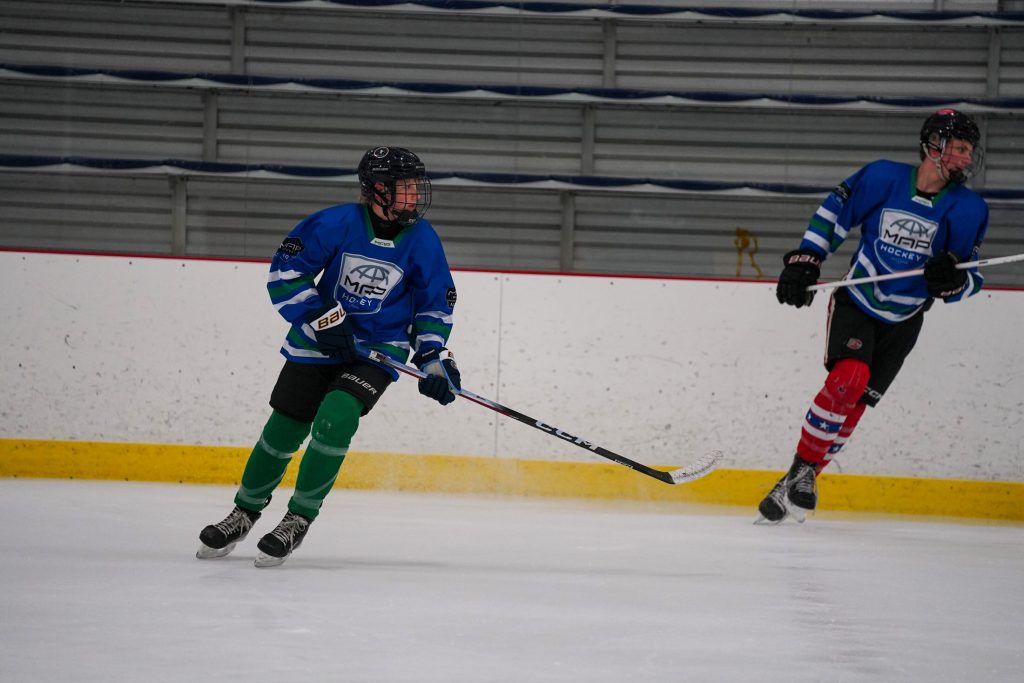
Pair of skaters in blue MAP jerseys with green and red socks moving along the boards

On the Ice

MAP Hockey Membership

Pair the off-ice work with year-round on-ice development.

Two players in black jerseys racing toward the puck along the boards near a visitor bench

On the Ice

FHIT Hockey Membership

Year-round on-ice development alongside the strength work.

Front entrance of the Super Rink building in Blaine seen across an empty parking lot

Campuses

Find Your Campus

Blaine, Plymouth, Hudson and St. Michael-Albertville.

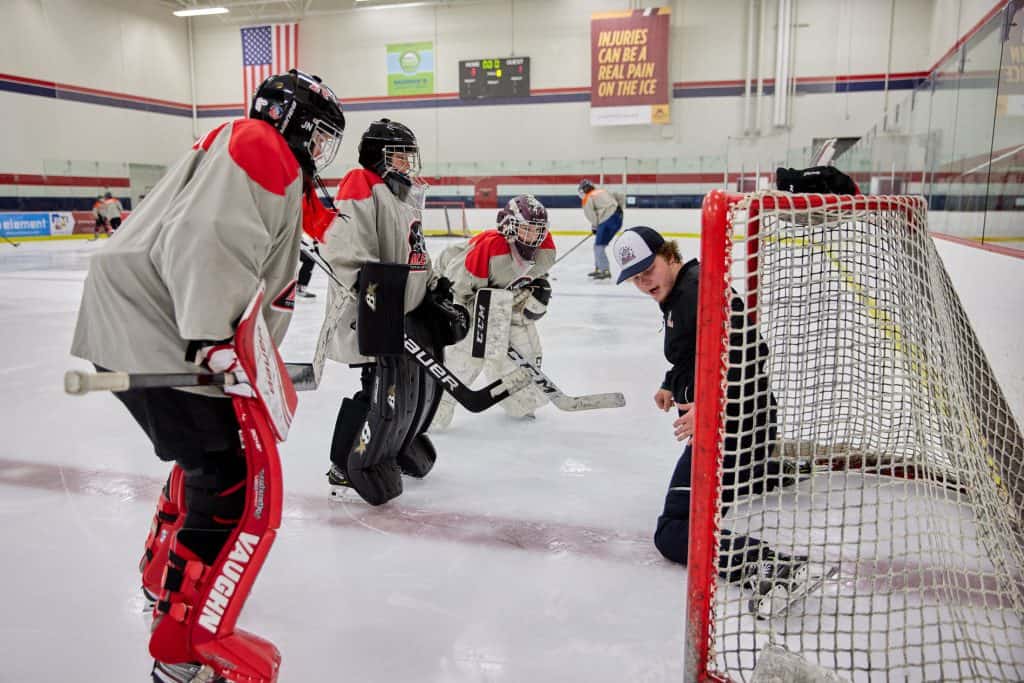
Young goalies in red and black pads wait in line beside the net as a coach kneels to explain a drill

Goaltending

MEGA Goaltending

Goalie development with coaching built around the position, not bolted onto a skater session.

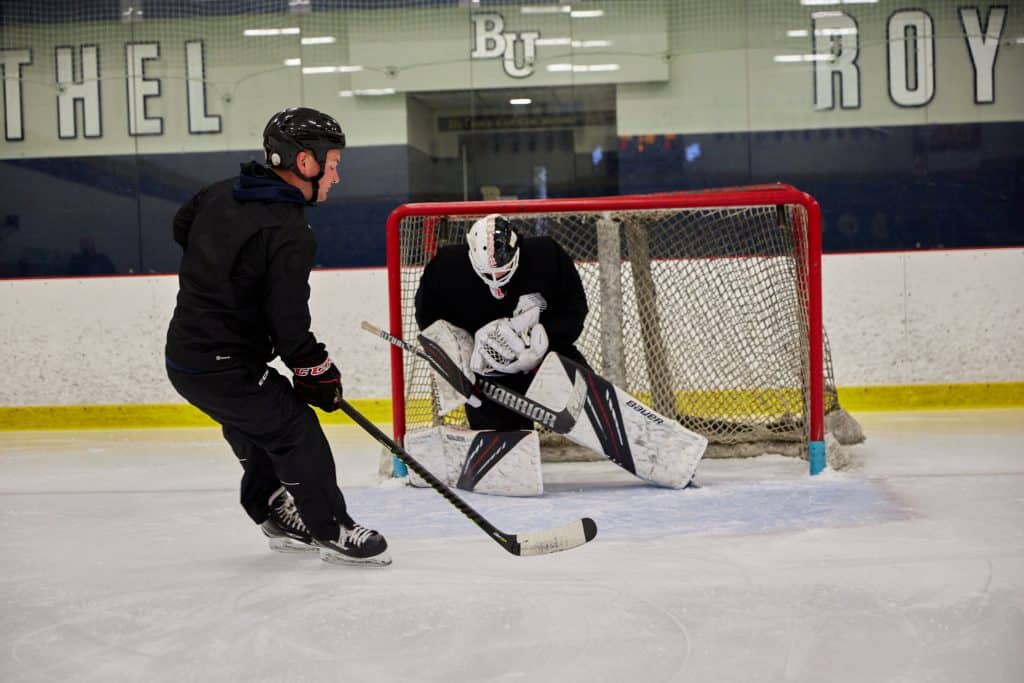
Goalie in a white mask stays square in a butterfly while a skater shifts the puck to the forehand

Blaine

Goalie Membership

Year-round goalie training at the Super Rink in Blaine.

Close-up of a MAP Hockey IQ patch on the sleeve of a blue and green jersey

Film and Game Sense

MAP Hockey IQ

Film breakdowns that show what to read before the shot comes.

Front entrance of the Super Rink building in Blaine seen across an empty parking lot

Campuses

Find Your Campus

Blaine, Plymouth, Hudson and St. Michael-Albertville.

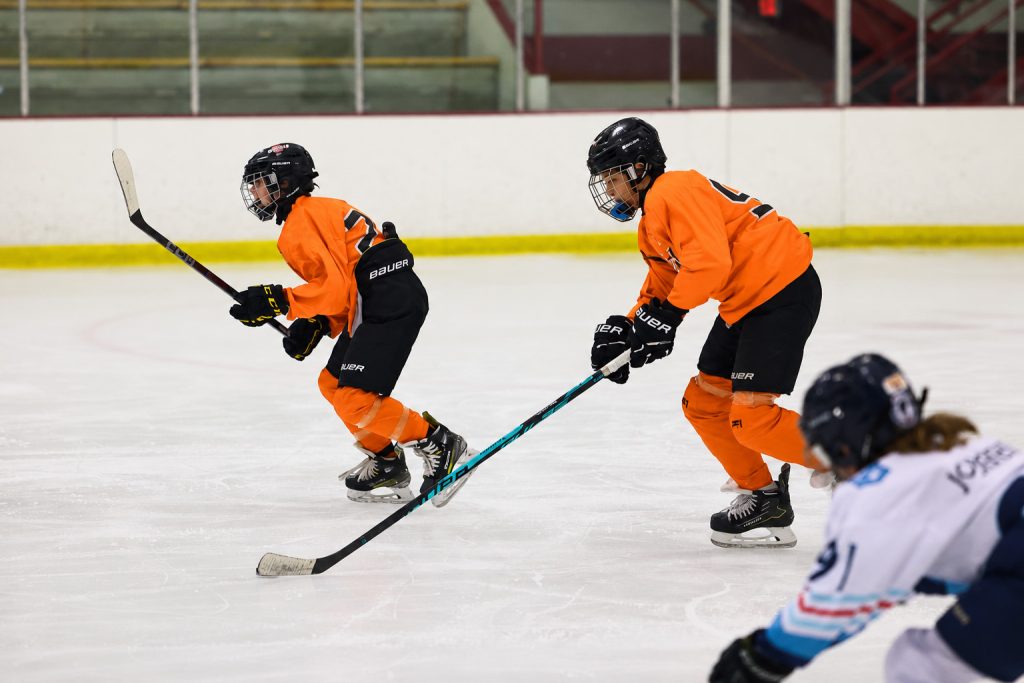
Two players in orange jerseys skating in a low ready stance during a game

Summer AAA

Falcons AAA

Summer AAA teams for players who want more hockey once the winter season ends.

Two players in black jerseys racing toward the puck along the boards near a visitor bench

Membership

FHIT Hockey Membership

Year-round development that runs alongside the summer season.

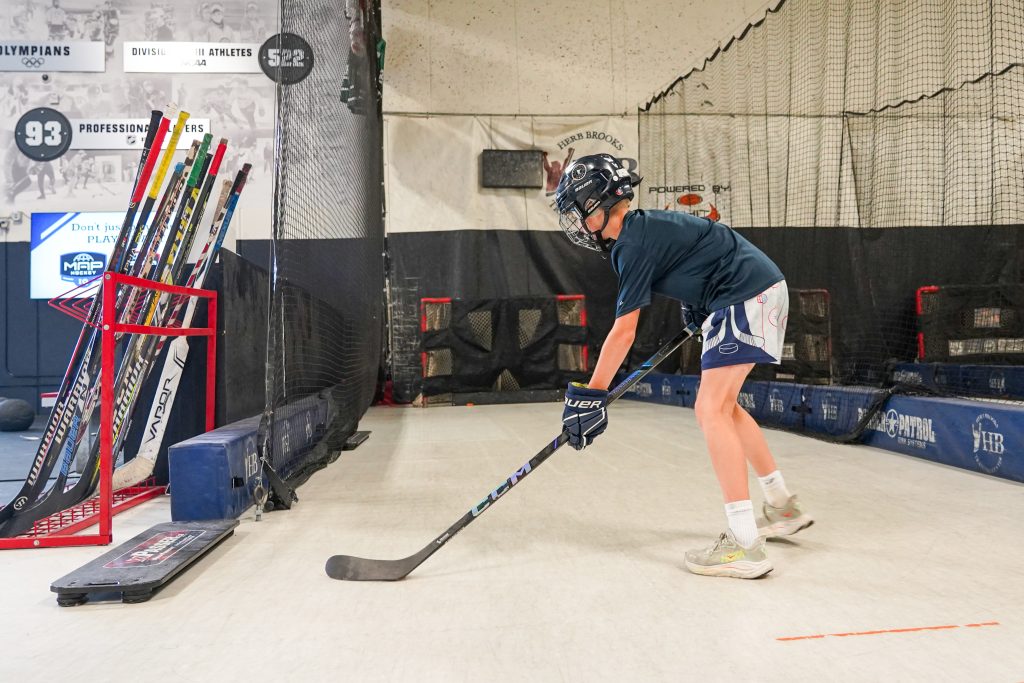
Teen in a helmet, T-shirt and shorts stickhandling on synthetic ice in a netted training room

Squirts and Peewees

FHIT Futures

Summer development for younger skaters ready for more than a weekly skate.

Front entrance of the Super Rink building in Blaine seen across an empty parking lot

Campuses

Find Your Campus

Blaine, Plymouth, Hudson and St. Michael-Albertville.

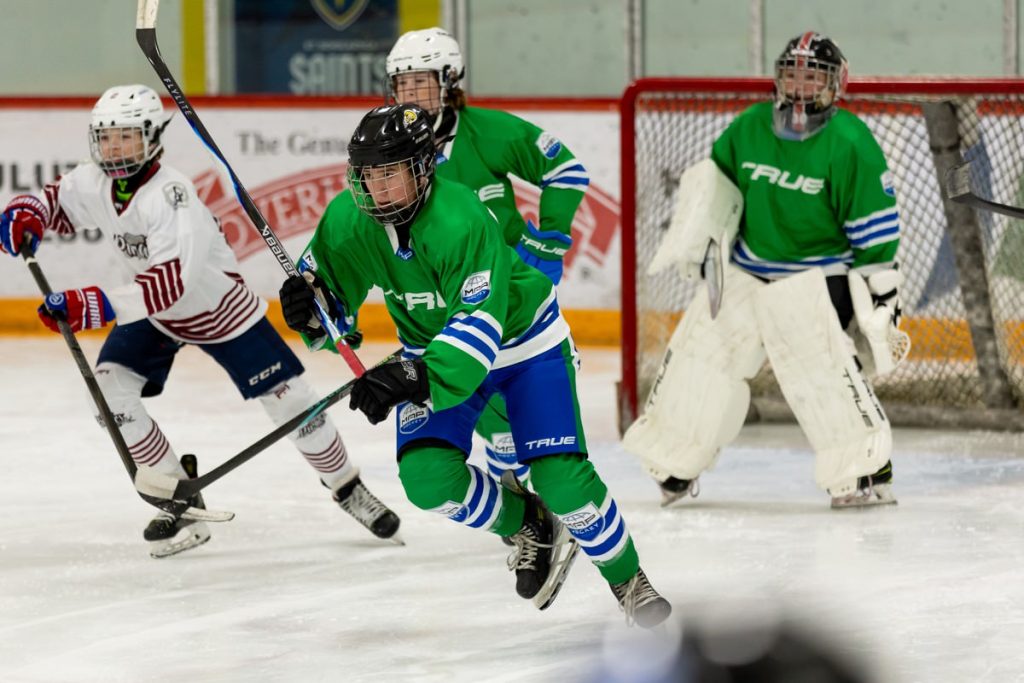
Players in green True jerseys chasing the puck against a skater in white near the net

Summer AAA

Team True AAA

Summer AAA for players who want a full season of competitive hockey.

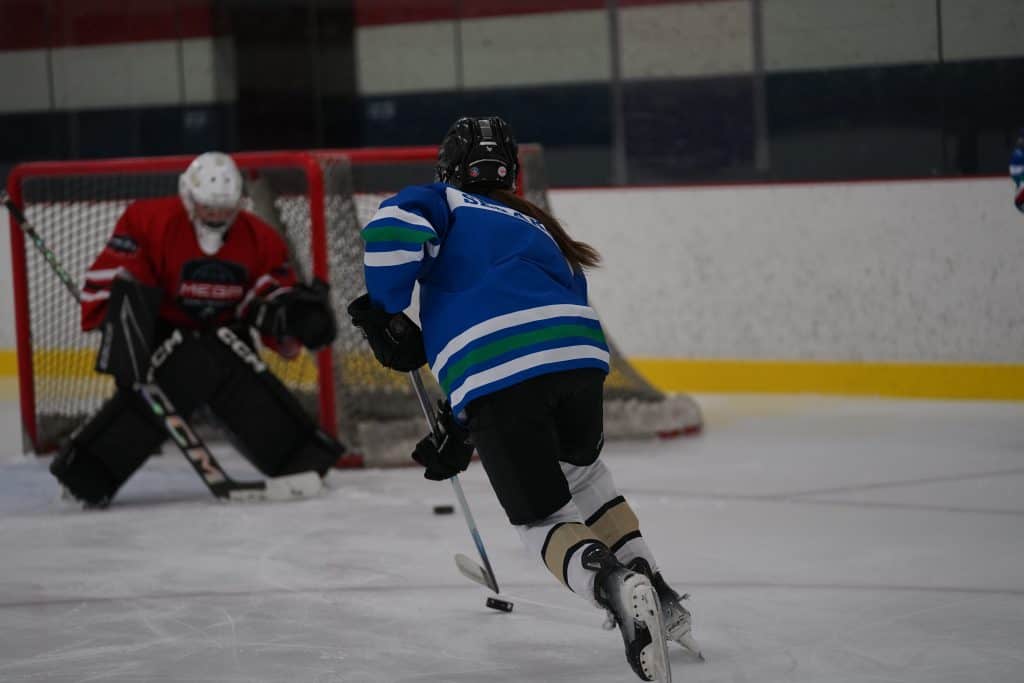
Player in a blue jersey with a ponytail skating the puck in on a goalie in red

Membership

MAP Hockey Membership

Year-round development for elite skaters, built on small groups and individual feedback.

Close-up of a gloved hand gripping a stick beside a MAP Hockey Advisors patch on a blue jersey

Recruiting

MAP Hockey Advisors

Guidance through the recruiting years from people who have walked families through it.

Front entrance of the Super Rink building in Blaine seen across an empty parking lot

Campuses

Find Your Campus

Blaine, Plymouth, Hudson and St. Michael-Albertville.