The 4 Components of Hockey, Explained Shift by Shift

Every coach you’ve had has told you to use your head out there. Read the play. Think the game. You nod, and then you go out for your next shift and wonder what you’re supposed to do differently.

Part of the problem is that “hockey IQ” sounds like one big thing. It isn’t. It’s a lot of small decisions, and they get a lot easier to work on once you can sort them.

MAP Hockey’s definition is a good place to start: “Hockey IQ is a player’s ability to make a read, process it, and then execute the right play.” In your own words: recognize the play. Make the decision. Execute.

MAP Hockey sorts every moment of a game into four parts, called the 4 Components of Hockey. Once you know them, you can look at any shift and say which one you were in and what decision it asked of you.

1. Offense at the puck
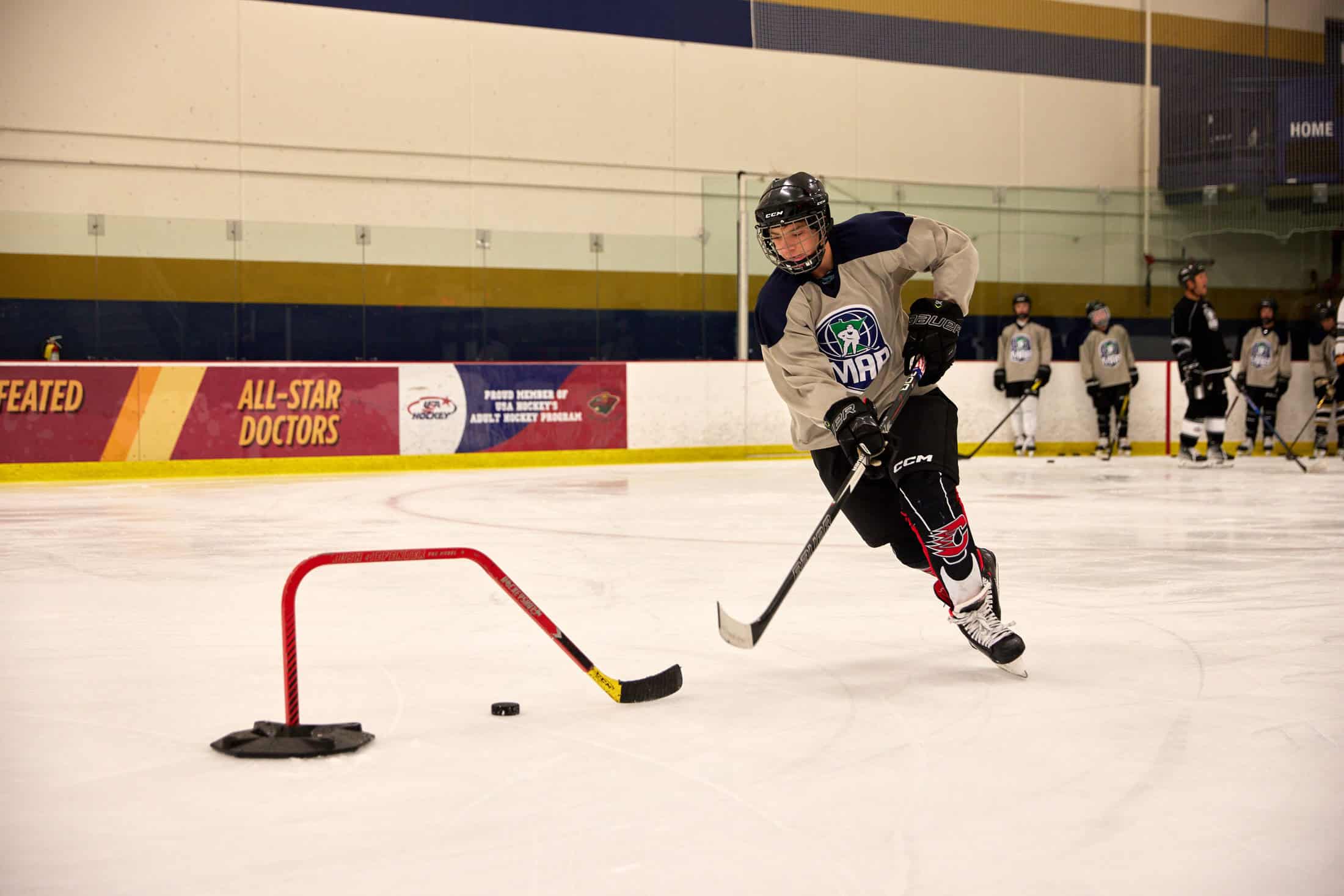
Youth hockey player in a MAP practice jersey accelerating with the puck away from a red stickhandling obstacle
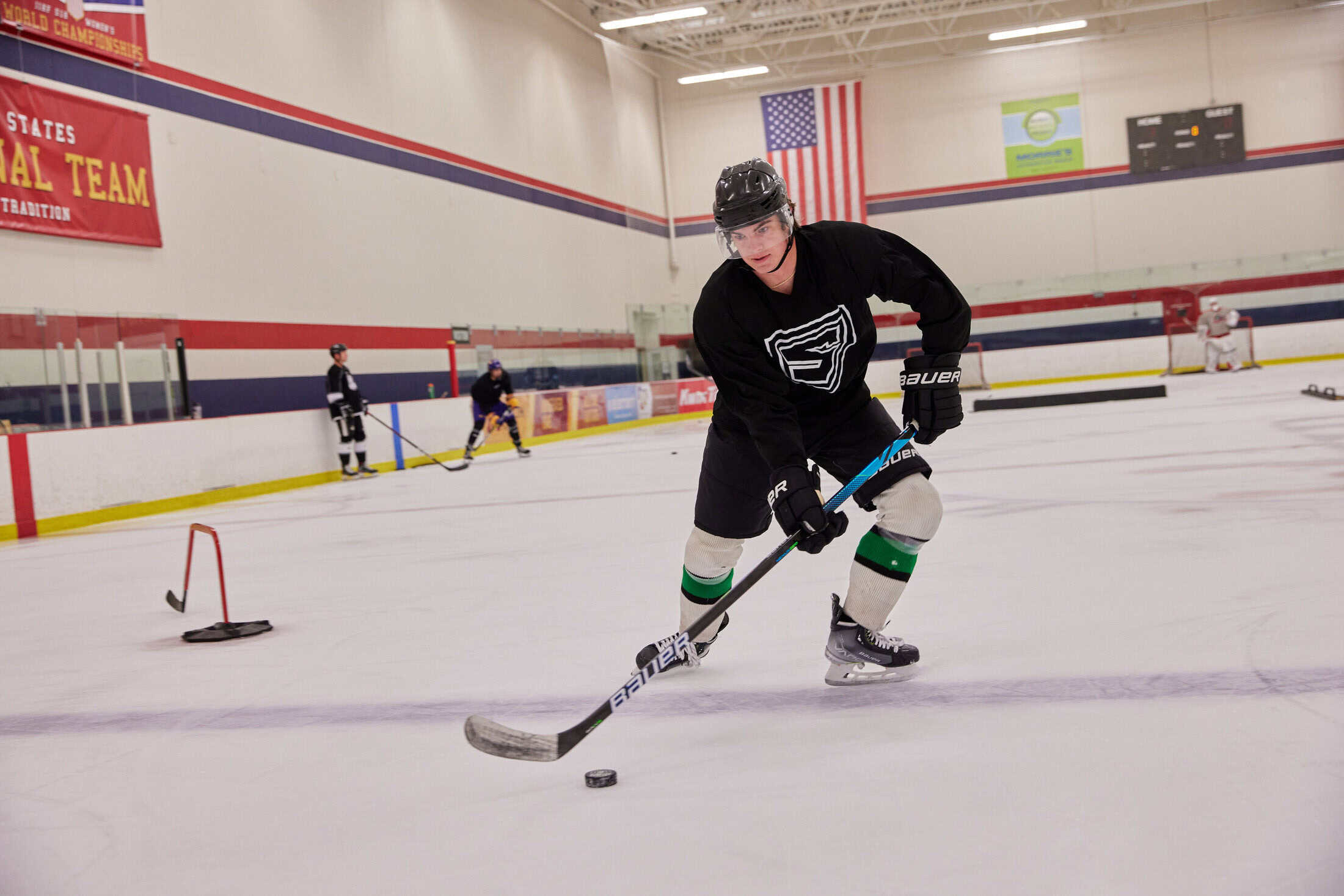
Youth hockey player in a black practice jersey carrying the puck toward a red training obstacle
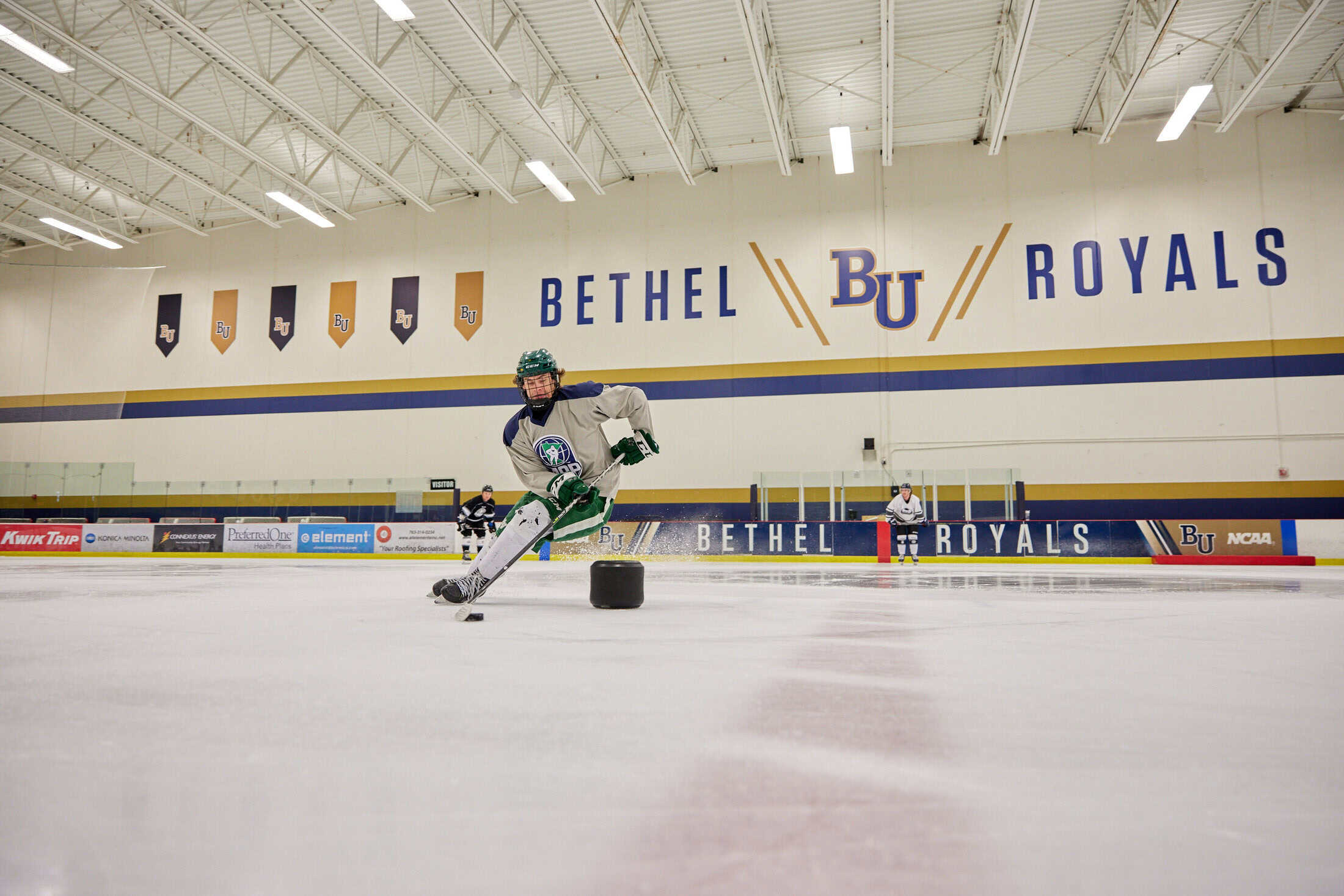
Hockey player in a MAP practice jersey and green helmet carving around a tire marker with the puck in a wide college rink

This is when the puck is on your stick. It’s the part everybody practices, and the part most players think of as “skill.”

But a lot happens before your hands take over. Say you pick up a loose puck on the half wall in the offensive zone. Did you know, before you got there, that the weak-side defenseman had pinched down? Did you see your center sliding into the slot? If you did, the pass is easy. If you didn’t, you’re turning your back to pressure and protecting the puck until somebody arrives.

Questions to ask yourself here: Did I look before I got it? Did I have a plan for the puck before it reached me? Was there a better option than the one I took?

2. Offense away from the puck
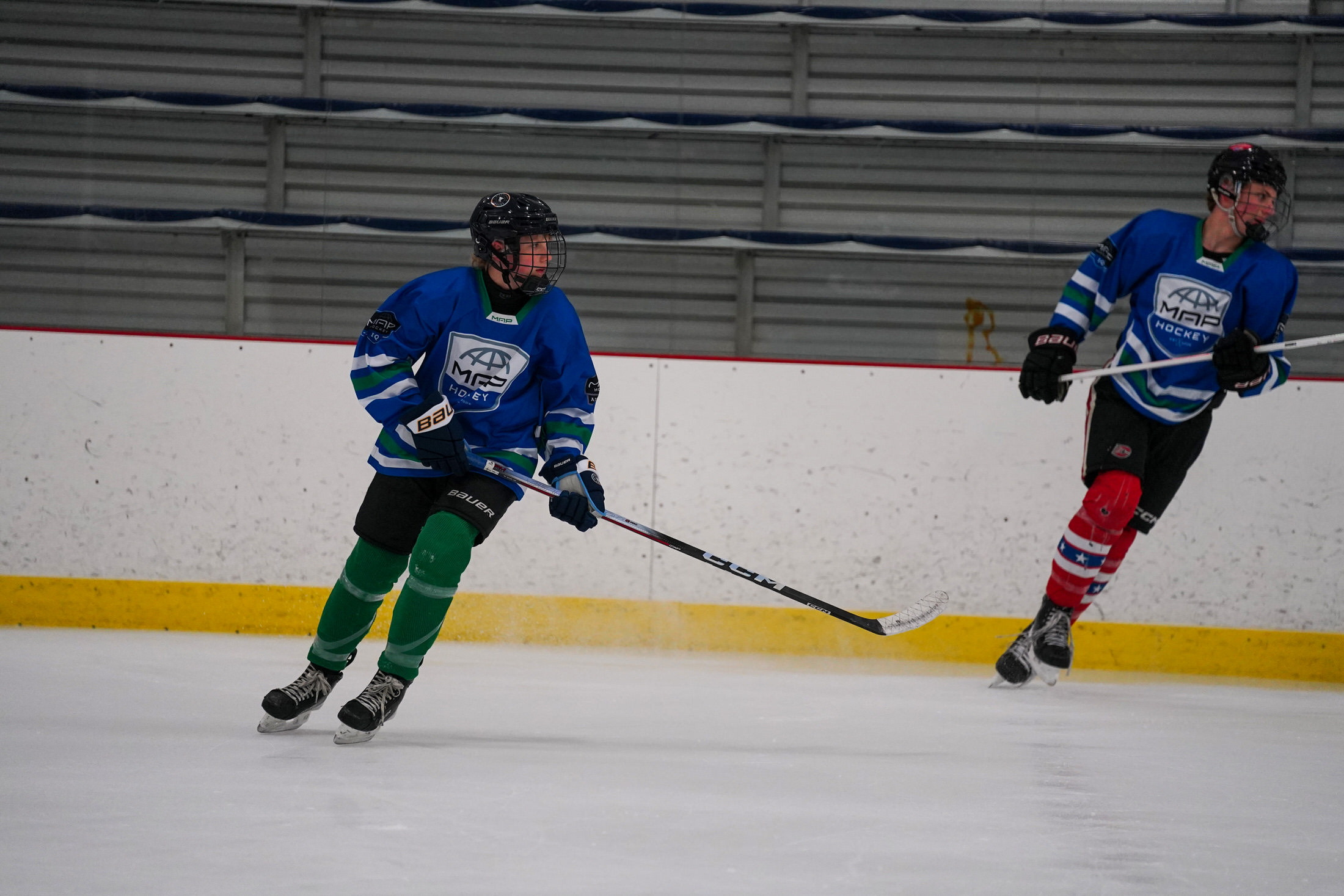
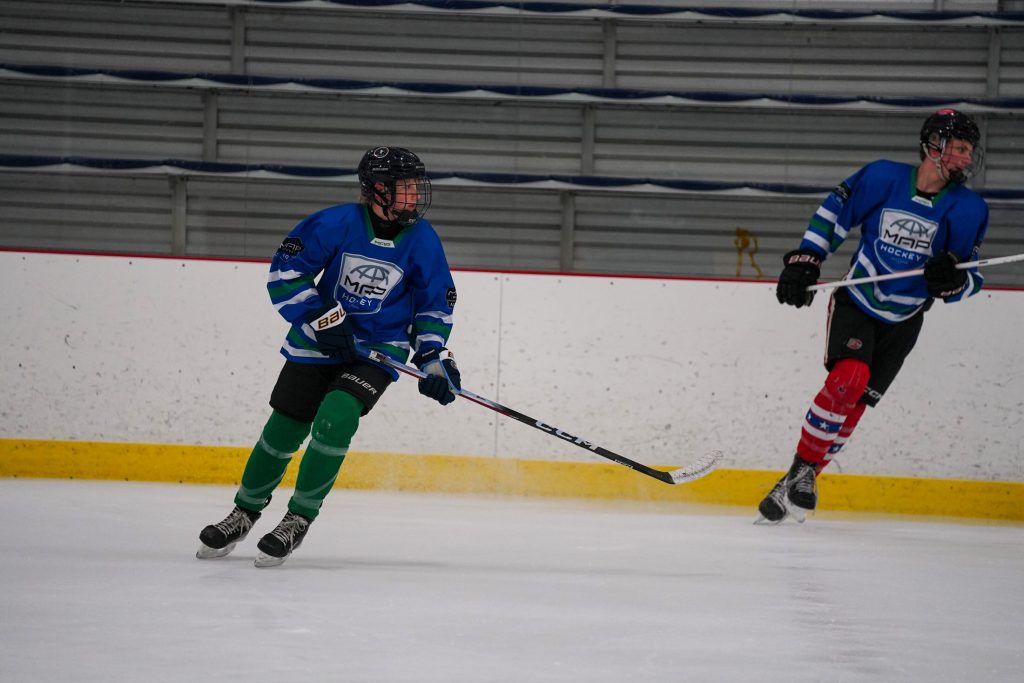
Two MAP Hockey players in blue jerseys skating side by side along the boards

Most of your time on offense, you don’t have the puck. This component is about what you do with that time.

Think about the breakout. Your defenseman goes back for a dump-in. As a winger, you can stand on the wall and wait, or you can time your route so you’re moving up the boards as he turns with it. As the center, you can drift high, or you can come back low and give him a middle option when the forechecker takes away the wall.

In the offensive zone, it’s the difference between watching the puck carrier and moving to the space he’s about to need. A lot of players who “don’t touch the puck much” are actually standing in spots where nobody can get it to them.

3. Defense at the puck
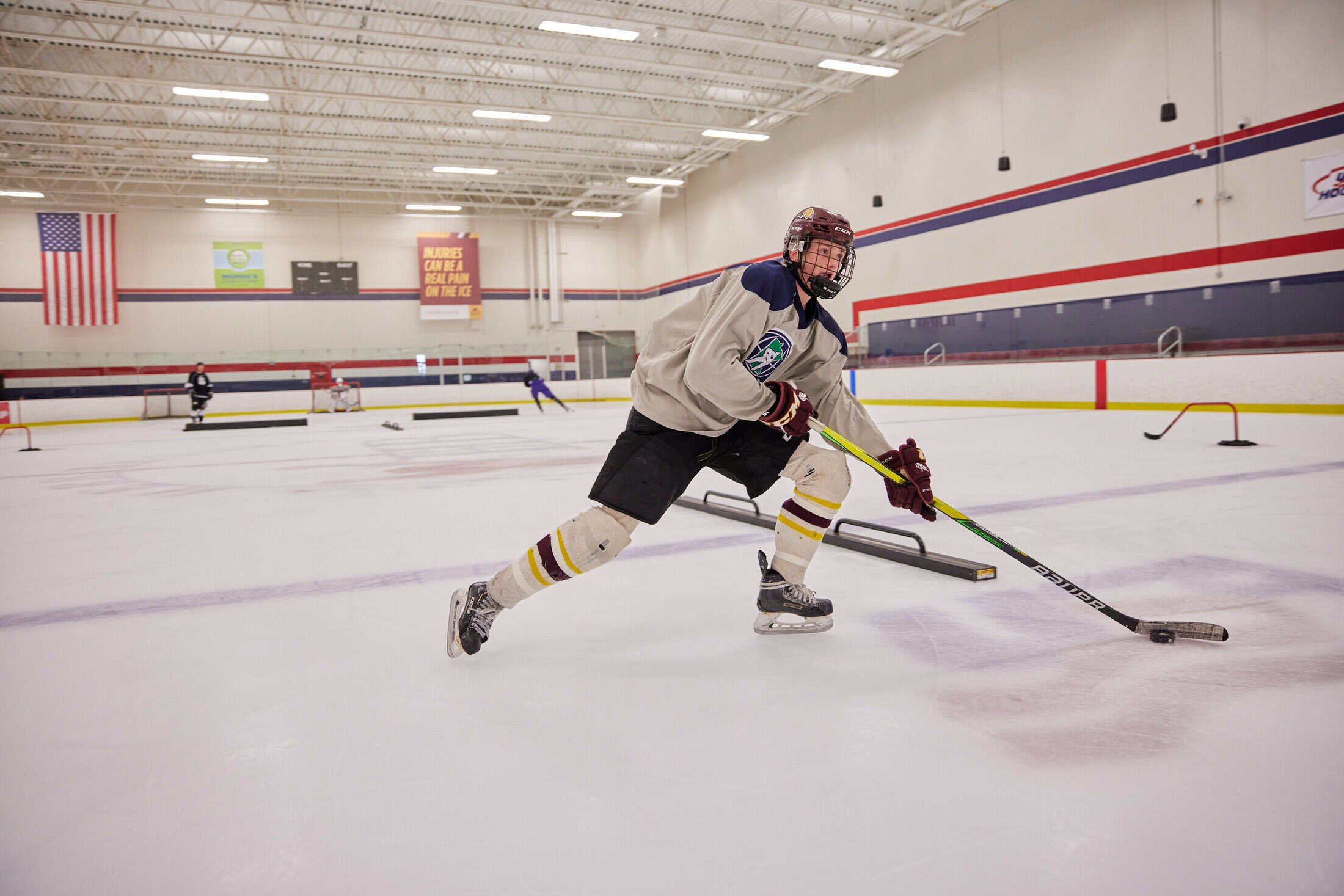
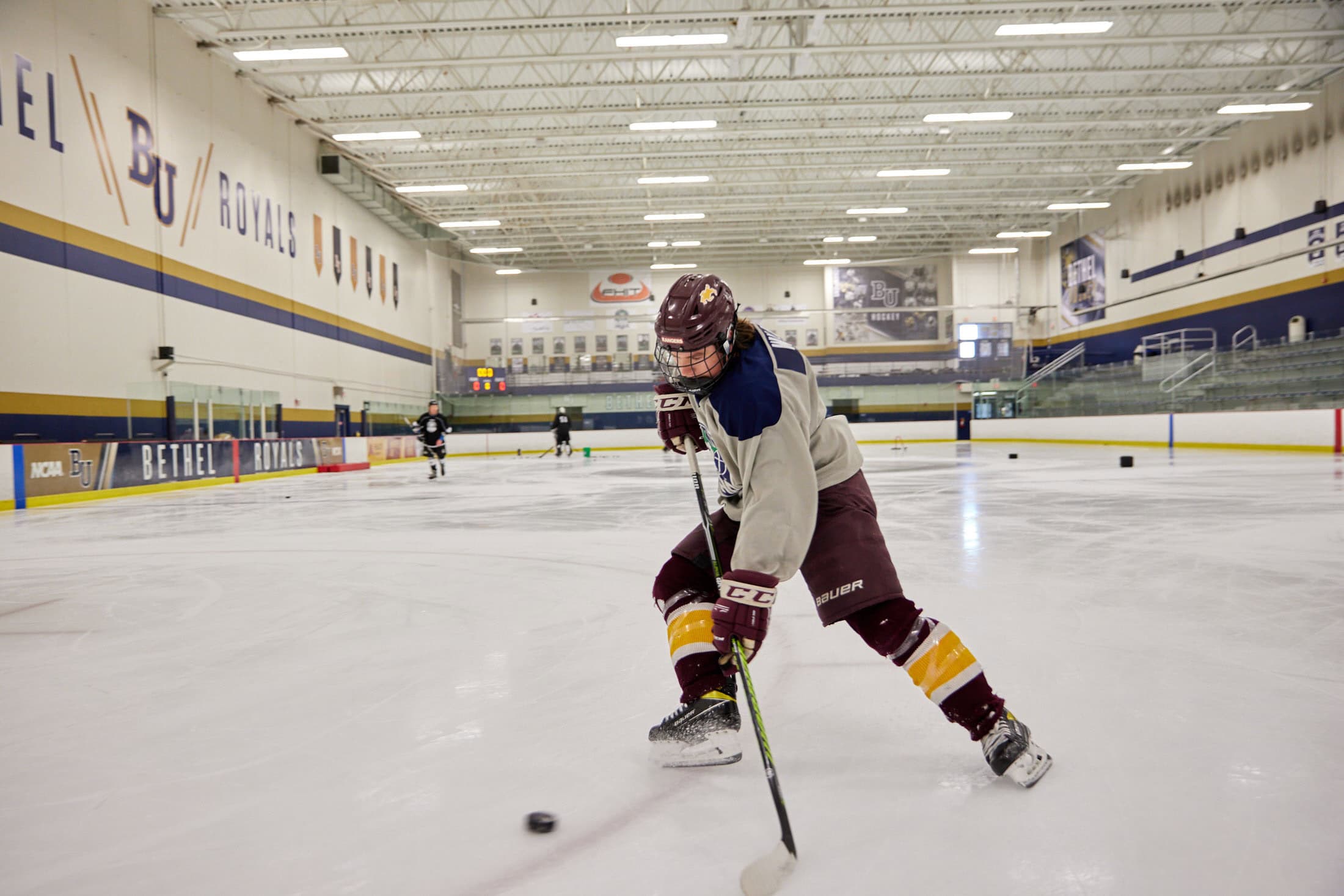
Hockey player in a MAP practice jersey reaching wide with the puck near a stickhandling bar in an empty training rink
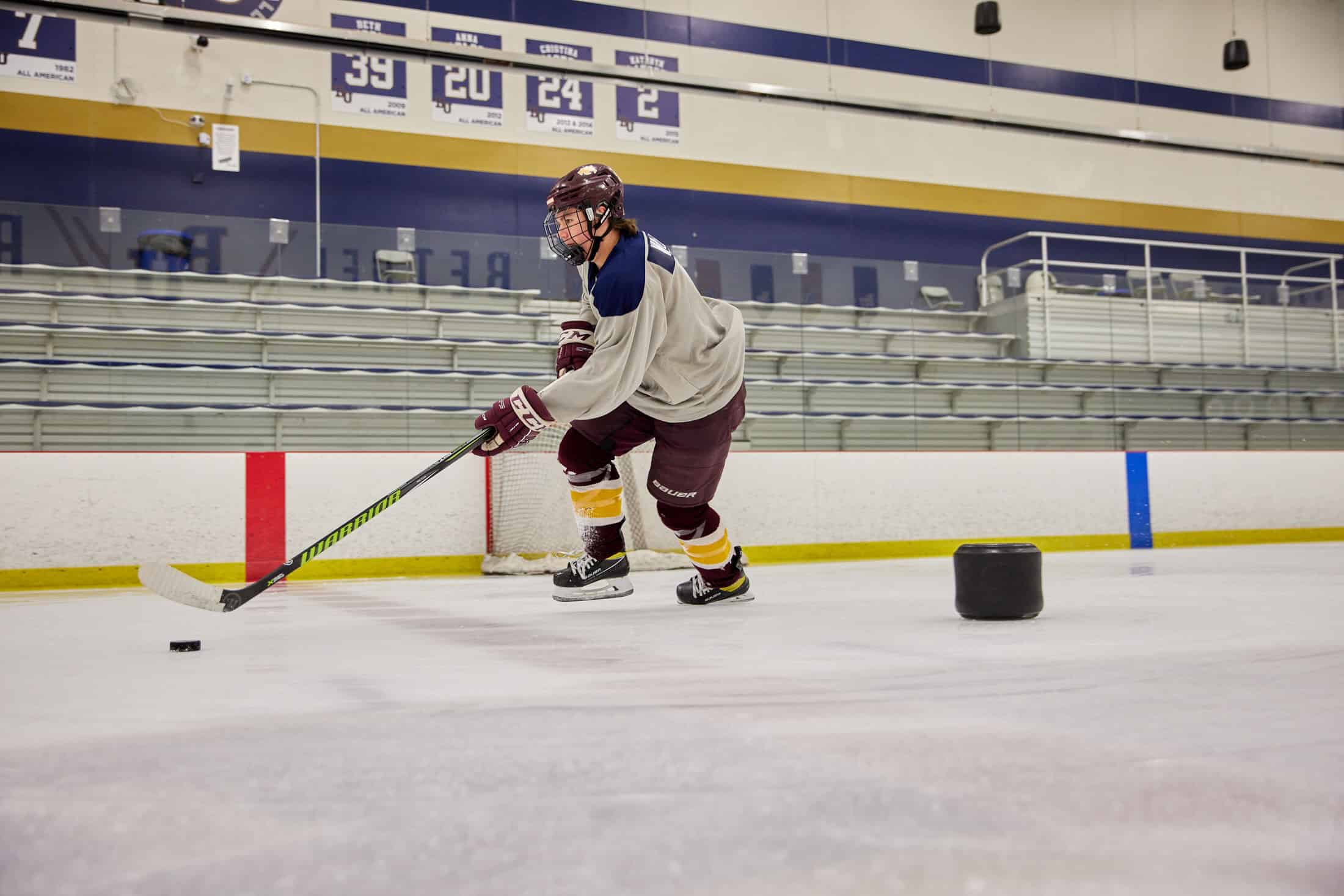
Hockey player in a MAP practice jersey reaching for a loose puck with a long stride

Now the other team has it, and you’re the player closest to it. This component covers your gap, your angle and your stick.

Picture a 1-on-1 coming at you through the neutral zone. Too much gap and the forward has time to pick his spot. Too little and one quick cut gets him past you. On the forecheck it’s similar: if you skate straight at the defenseman, he can go either way. Take an angle that cuts off one side, and you’ve made his decision for him.

The decision is often made before contact. Where do I take away space? When do I close? When do I hold?

4. Defense away from the puck
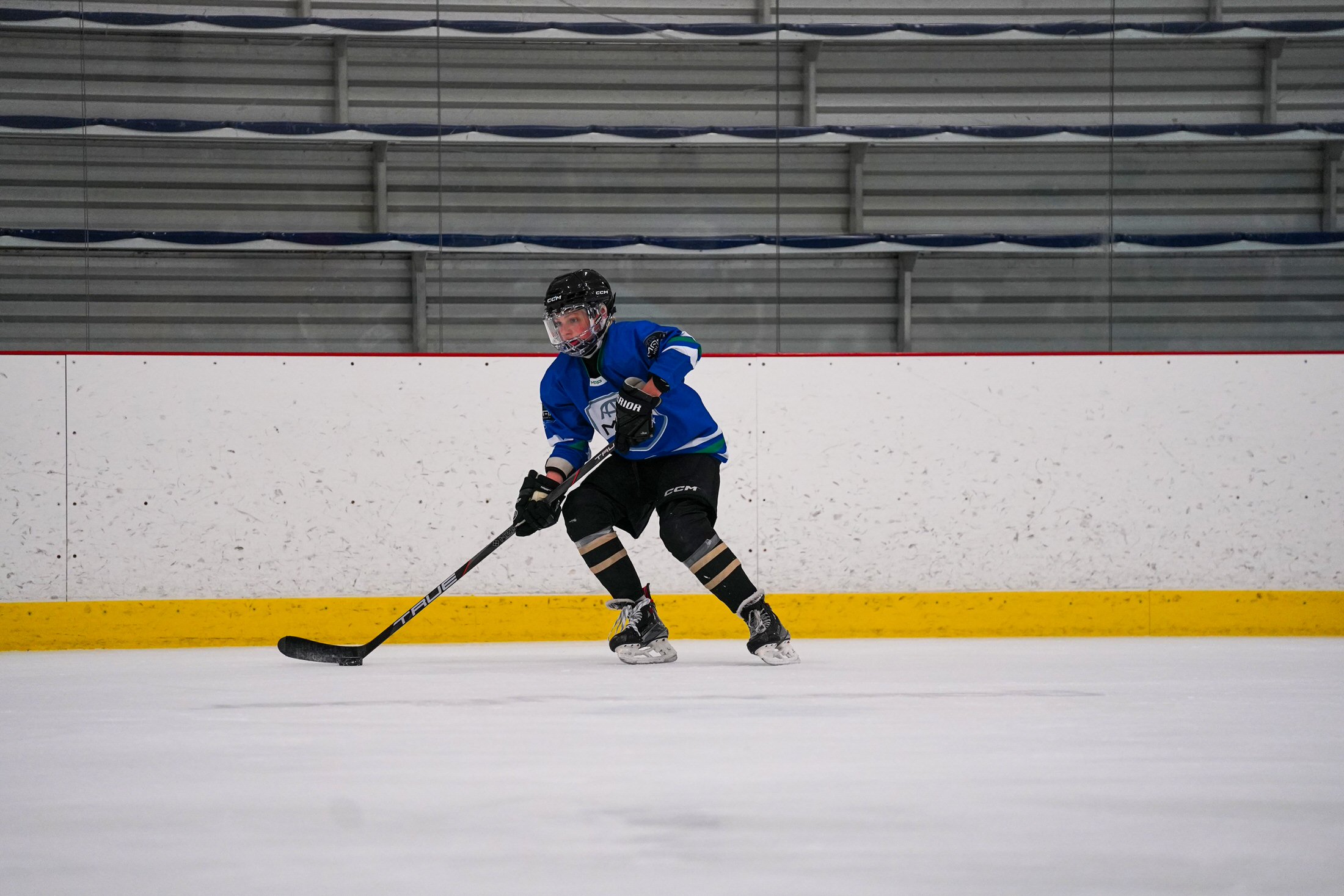
MAP Hockey player in a blue jersey carrying the puck along the boards

This is the one that rarely gets noticed when it goes right and almost always gets noticed when it goes wrong.

It’s your backcheck. It’s the weak-side coverage when the puck is down low on the far side. It’s knowing whether to pick up the late player coming into the slot or stay with your check at the point. A lot of goals against start with a player who was working hard but watching the puck instead of reading the ice.

On a backcheck, ask: did I pick up the right player, or the nearest one? In my own zone, did I know where the open player was before the pass went there?

Where your skills fit
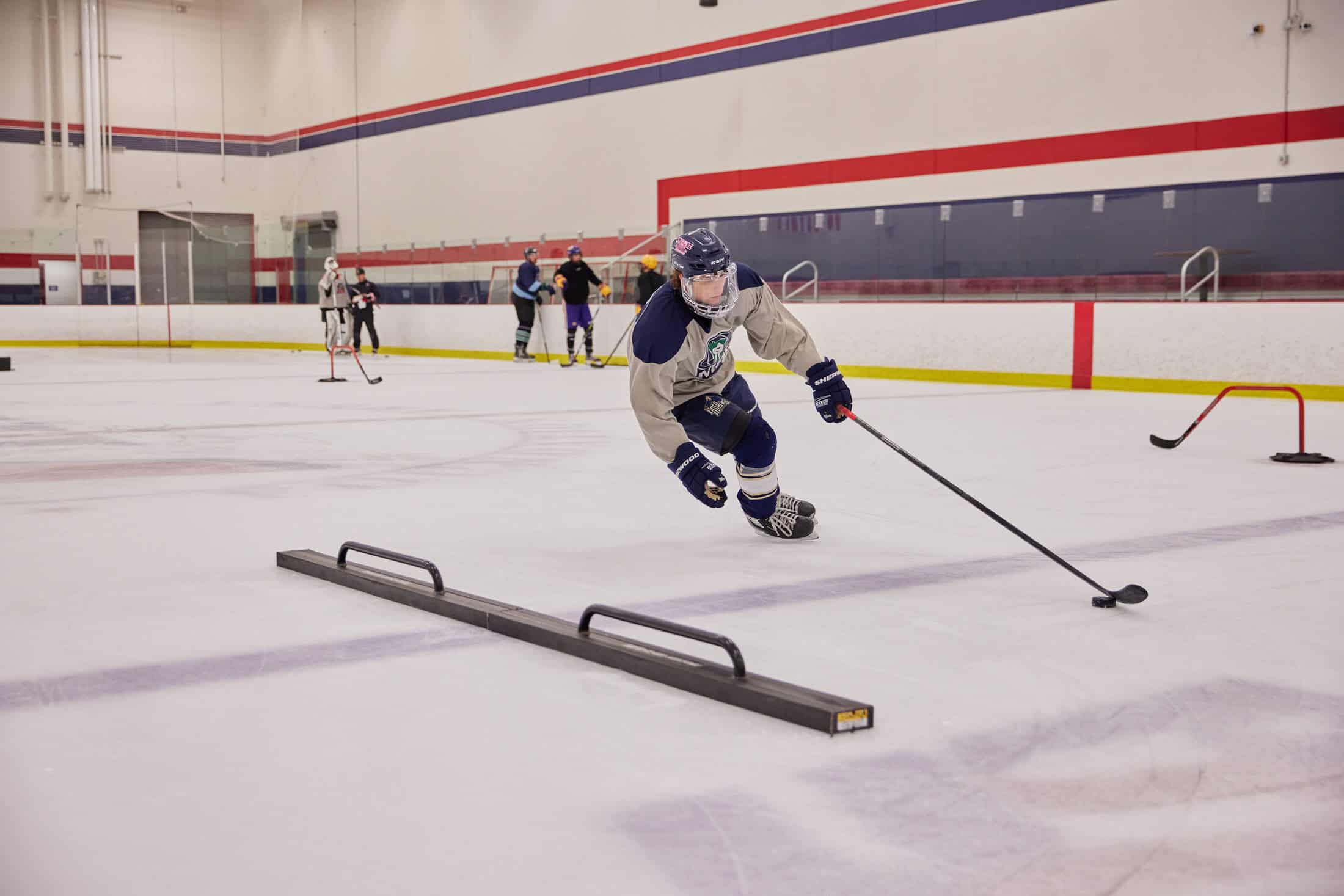
Hockey player in a MAP practice jersey skating with the puck behind a stickhandling bar on the ice
Hockey player in a MAP practice jersey and maroon pants pulling the puck wide past a tire marker

None of this replaces skill work. Skating, shooting, puck skills and strength are essential. They’re the tools. The 4 Components are about when and where you use them.

MAP Hockey IQ builds on the skills you’re already developing by helping you recognize situations, understand your options and make better decisions when the game gets fast.

How film connects the two
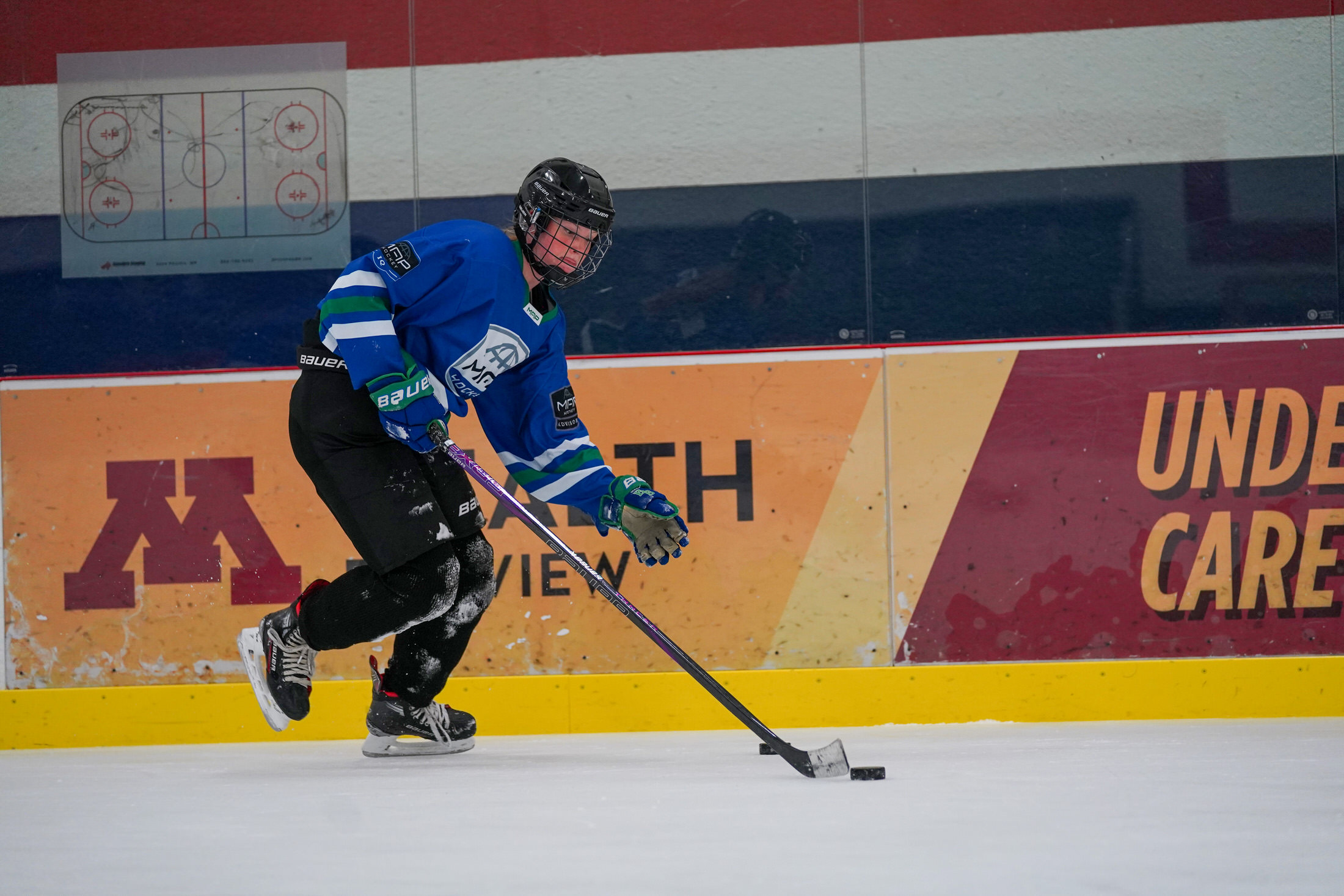
MAP Hockey player in a blue jersey with the current crest stickhandling the puck along the boards

Film matters here for a simple reason. In the moment, a shift goes by in 40 seconds and feels like a blur. On film, you can stop it. You can see exactly which component you were in, what was open and what you chose.

That’s the work MAP Hockey IQ is built around. A MAP Hockey IQ coach goes through your own game footage with you and gives you personalized analysis of your decisions, sorted by the 4 Components. Coaching moments drawn from pro film show how high-level players handle the same situations, so you can see the read you missed in a game you actually played.

Over time, the goal is to recognize those moments sooner on the ice, without having to think them through step by step. Read, process, execute.

Who’s coaching your decisions?
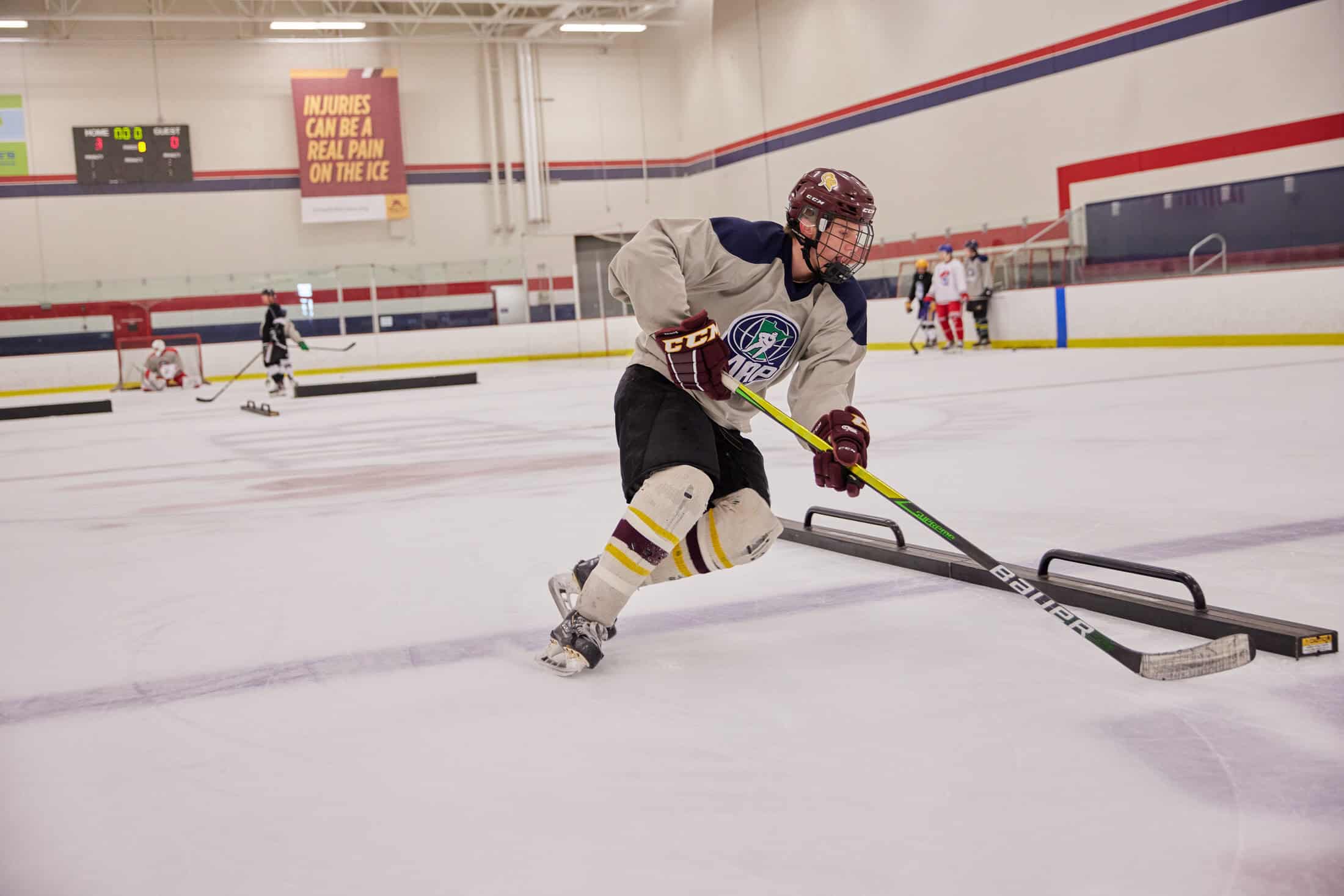
Close view of a hockey player in a MAP practice jersey pulling the puck across a stickhandling bar
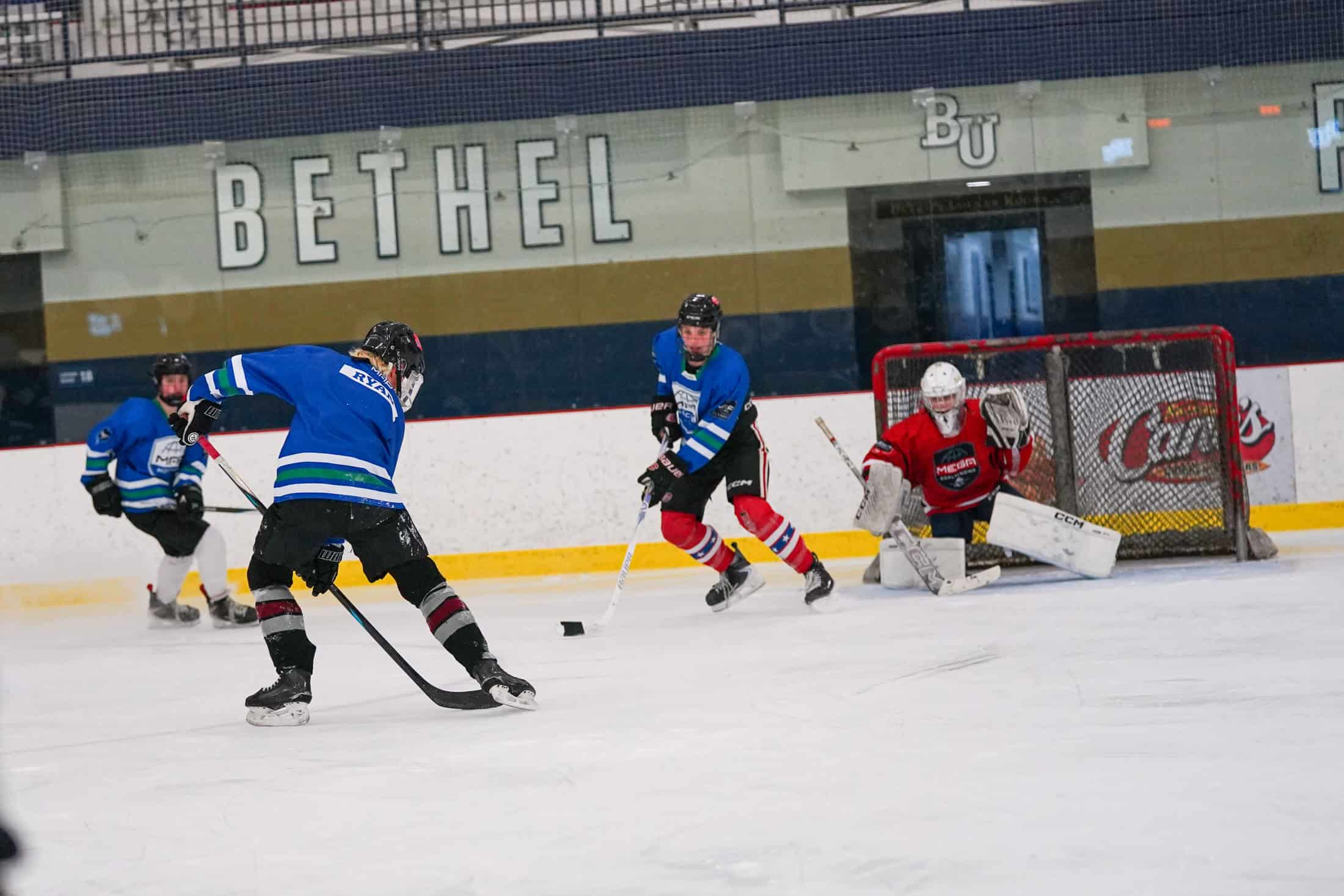
MAP Hockey players in blue jerseys moving the puck toward a goalie
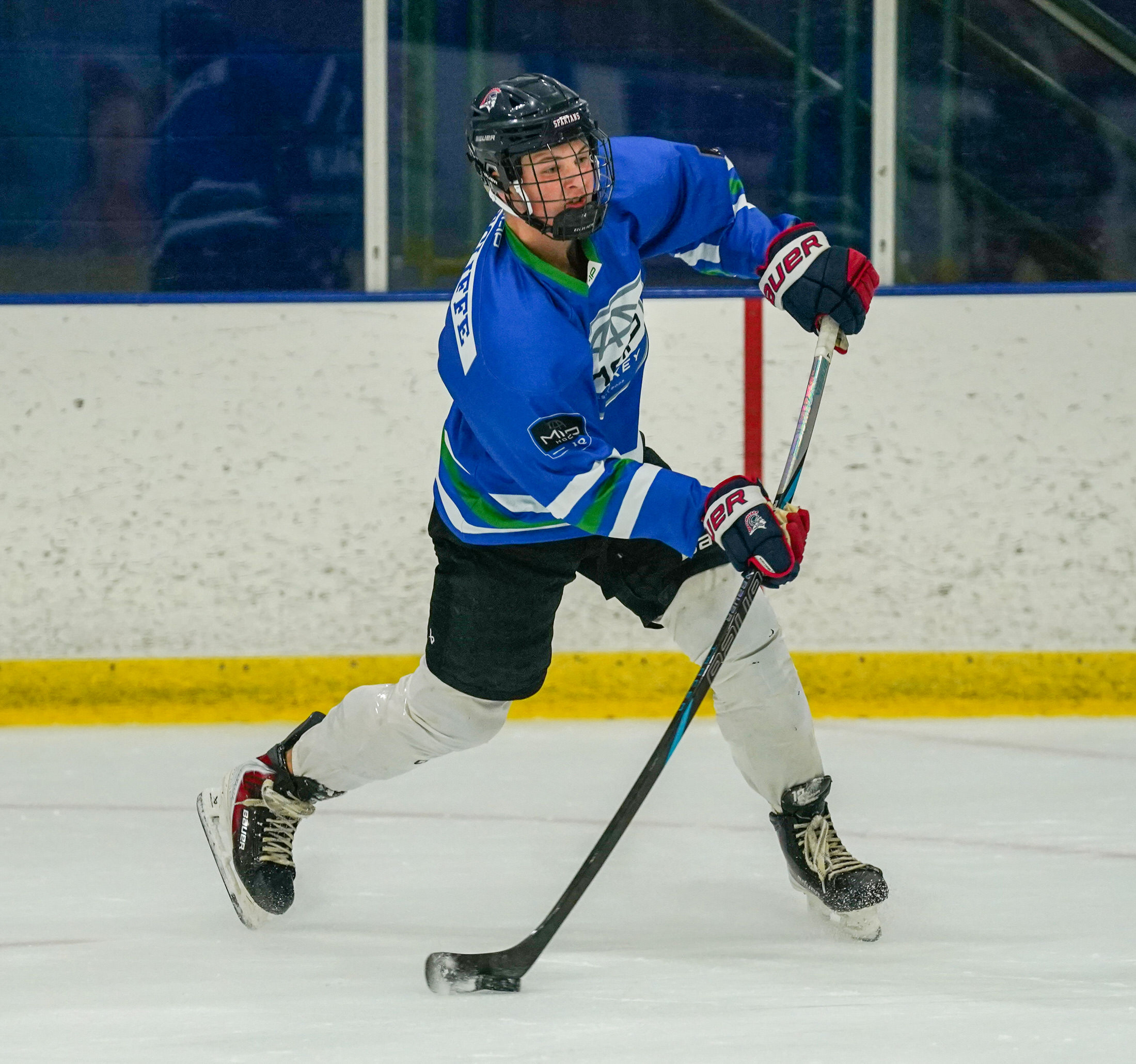
MAP Hockey player in a blue jersey taking a shot

You’ve had years of coaching on your stride, your edges and your release. Your team coach teaches you the systems. Both matter. The question is whether anyone has sat down with your own shifts and coached the decisions inside them.

If the answer is not really, the 4 Components are a simple place to start. Watch one game this week and look for moments in each of the 4 Components. Notice which situations give you trouble and what decisions you could make differently.

Learn more about MAP Hockey IQ and see how coached film review works.
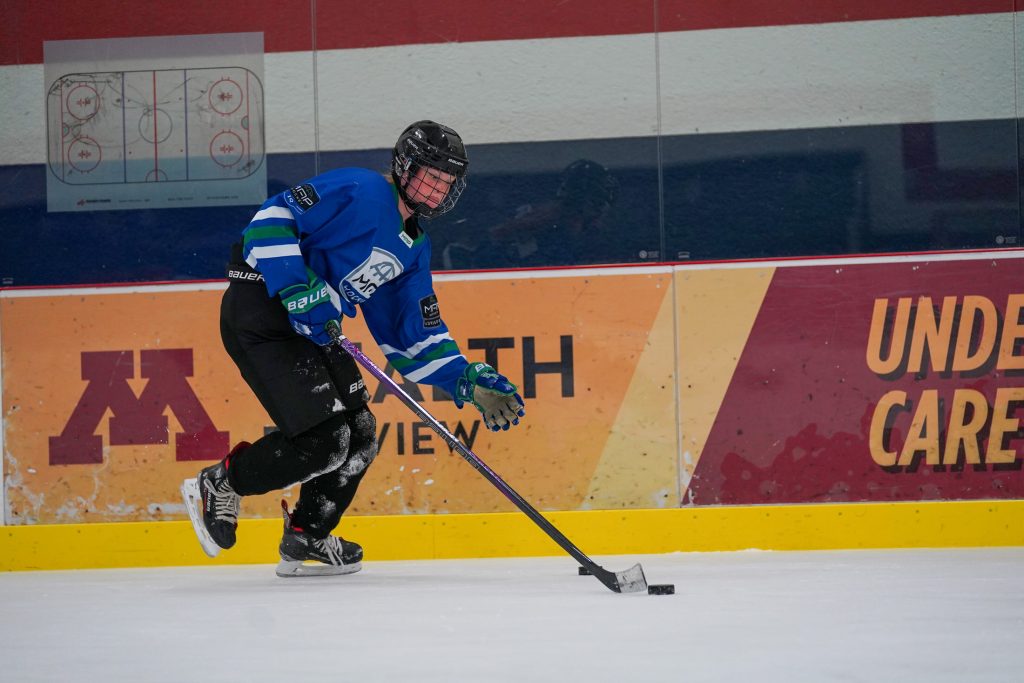
Player in a blue MAP jersey stickhandling the puck past a maroon and gold rink board

Membership

MAP Hockey Membership

Year-round development for elite skaters, built on small groups and individual feedback.

Close-up of a MAP Hockey IQ patch on the sleeve of a blue and green jersey

Film and Game Sense

MAP Hockey IQ

Film breakdowns that show your player what to read before the puck arrives.

Close-up of a gloved hand gripping a stick beside a MAP Hockey Advisors patch on a blue jersey

Recruiting

MAP Hockey Advisors

Guidance through the recruiting years from people who have walked families through it.

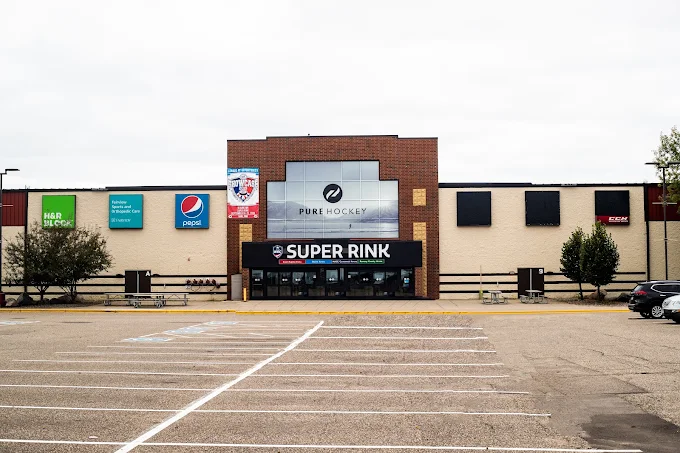
Front entrance of the Super Rink building in Blaine seen across an empty parking lot

Campuses

Find Your Campus

Blaine, Plymouth, Hudson and St. Michael-Albertville.

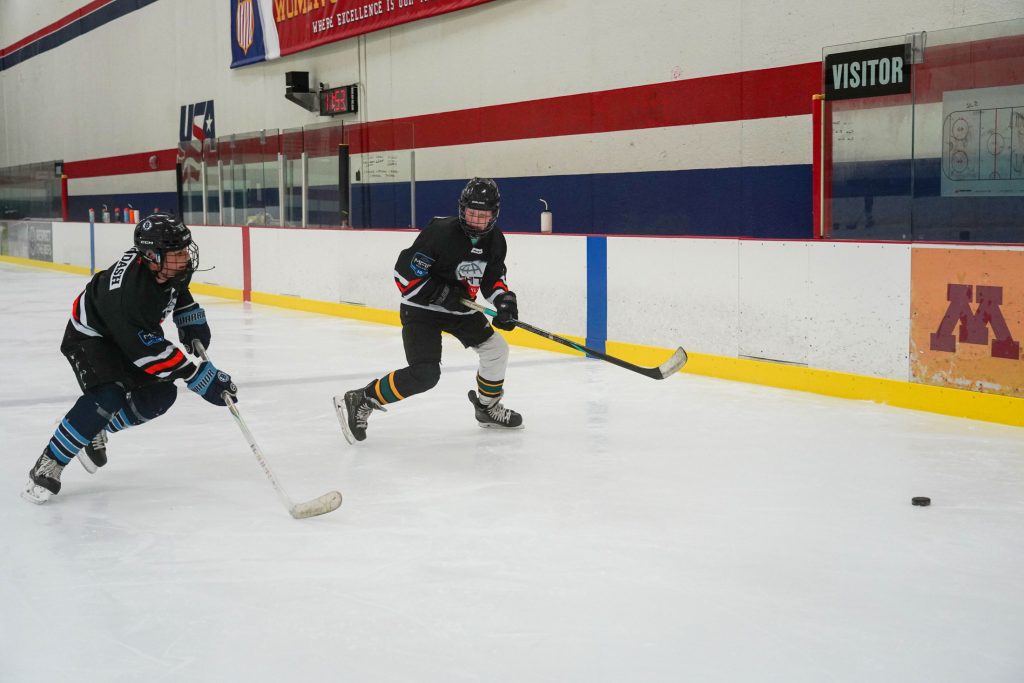
Two players in black jerseys racing toward the puck along the boards near a visitor bench

Membership

FHIT Hockey Membership

Eight off-season months and four in-season, with a cap of eight skaters per coach.

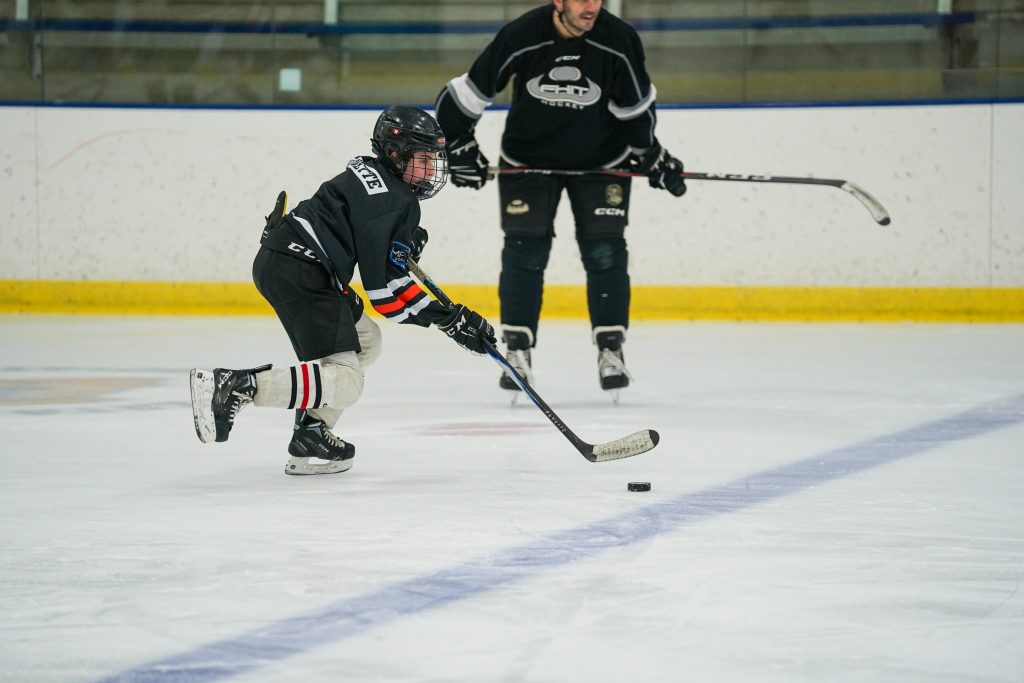
Player in a black jersey reaching low for the puck as a coach skates behind

Squirts and Peewees

FHIT Futures

Summer development for younger skaters ready for more than a weekly skate.

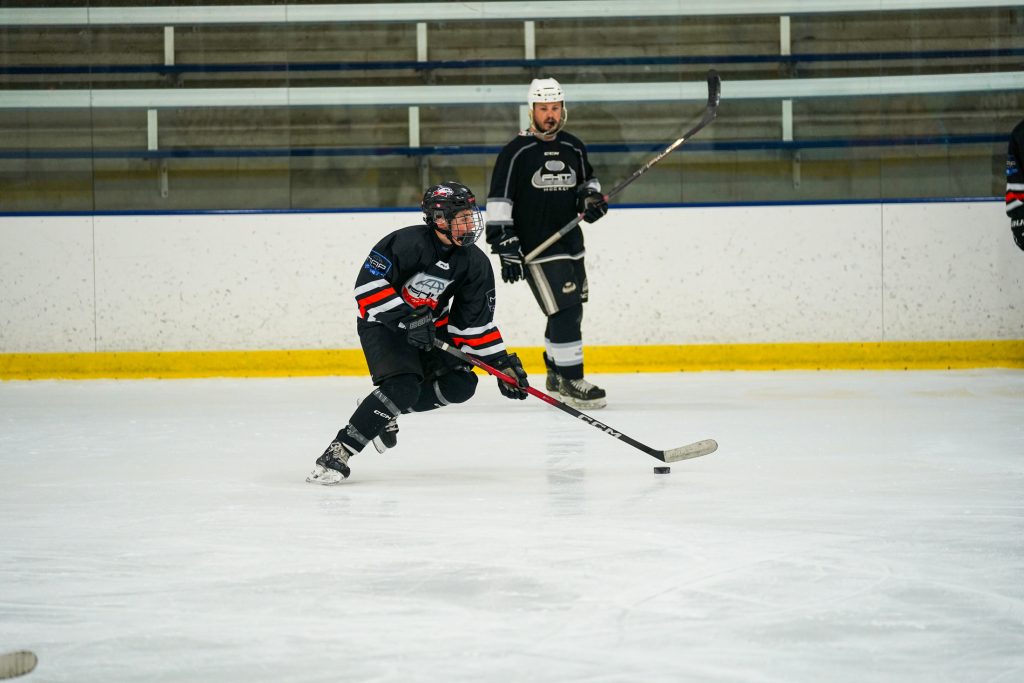
Player in a black FHIT jersey carrying the puck as a coach in a helmet follows

On-Site Training

Bring FHIT to Your Rink

Sessions run at your association’s home rink, on your schedule.

Front entrance of the Super Rink building in Blaine seen across an empty parking lot

Campuses

Find Your Campus

Blaine, Plymouth, Hudson and St. Michael-Albertville.

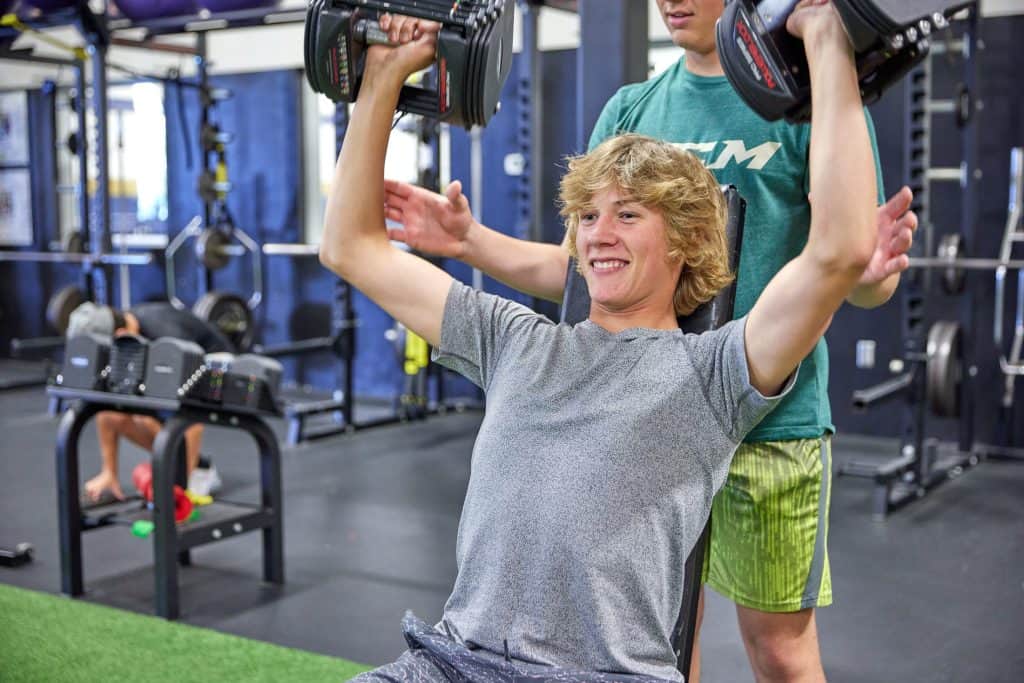
Teen in a gray shirt pressing adjustable dumbbells high overhead with a spotter in green behind him

Off-Ice Training

Dark Horse Performance

Speed, strength and agility work built for athletes who still have a season to play.

Pair of skaters in blue MAP jerseys with green and red socks moving along the boards

On the Ice

MAP Hockey Membership

Pair the off-ice work with year-round on-ice development.

Two players in black jerseys racing toward the puck along the boards near a visitor bench

On the Ice

FHIT Hockey Membership

Year-round on-ice development alongside the strength work.

Front entrance of the Super Rink building in Blaine seen across an empty parking lot

Campuses

Find Your Campus

Blaine, Plymouth, Hudson and St. Michael-Albertville.

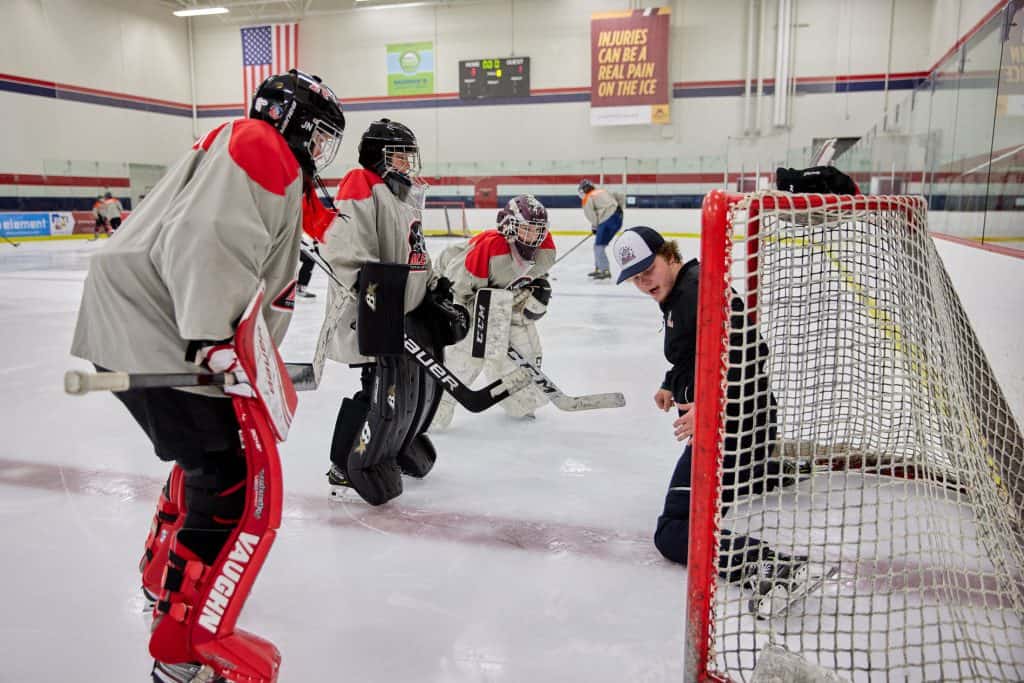
Young goalies in red and black pads wait in line beside the net as a coach kneels to explain a drill

Goaltending

MEGA Goaltending

Goalie development with coaching built around the position, not bolted onto a skater session.

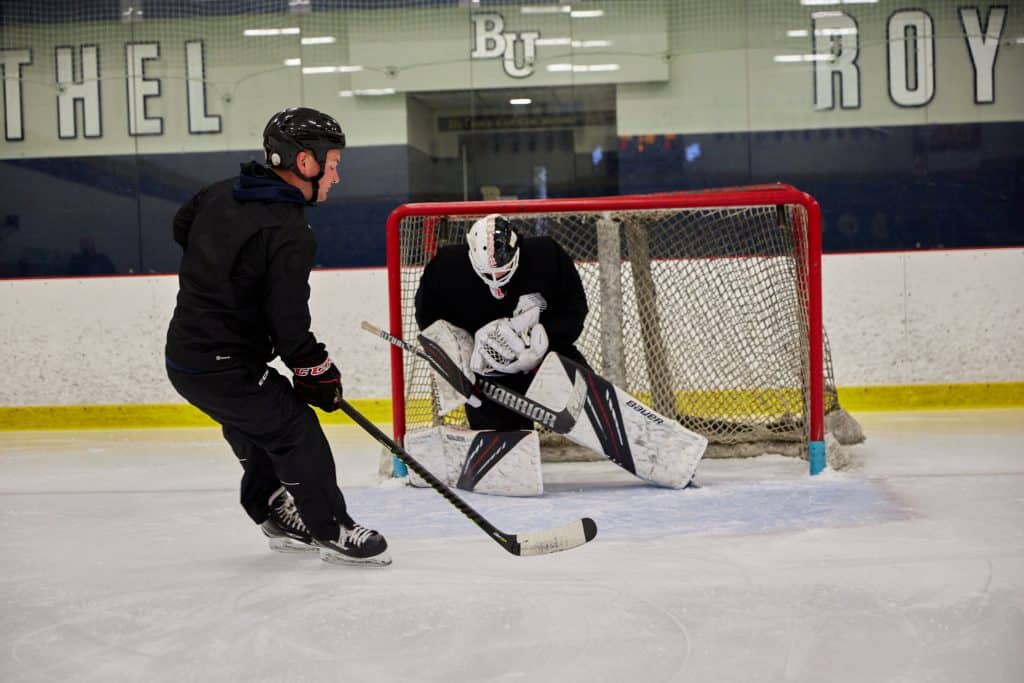
Goalie in a white mask stays square in a butterfly while a skater shifts the puck to the forehand

Blaine

Goalie Membership

Year-round goalie training at the Super Rink in Blaine.

Close-up of a MAP Hockey IQ patch on the sleeve of a blue and green jersey

Film and Game Sense

MAP Hockey IQ

Film breakdowns that show what to read before the shot comes.

Front entrance of the Super Rink building in Blaine seen across an empty parking lot

Campuses

Find Your Campus

Blaine, Plymouth, Hudson and St. Michael-Albertville.

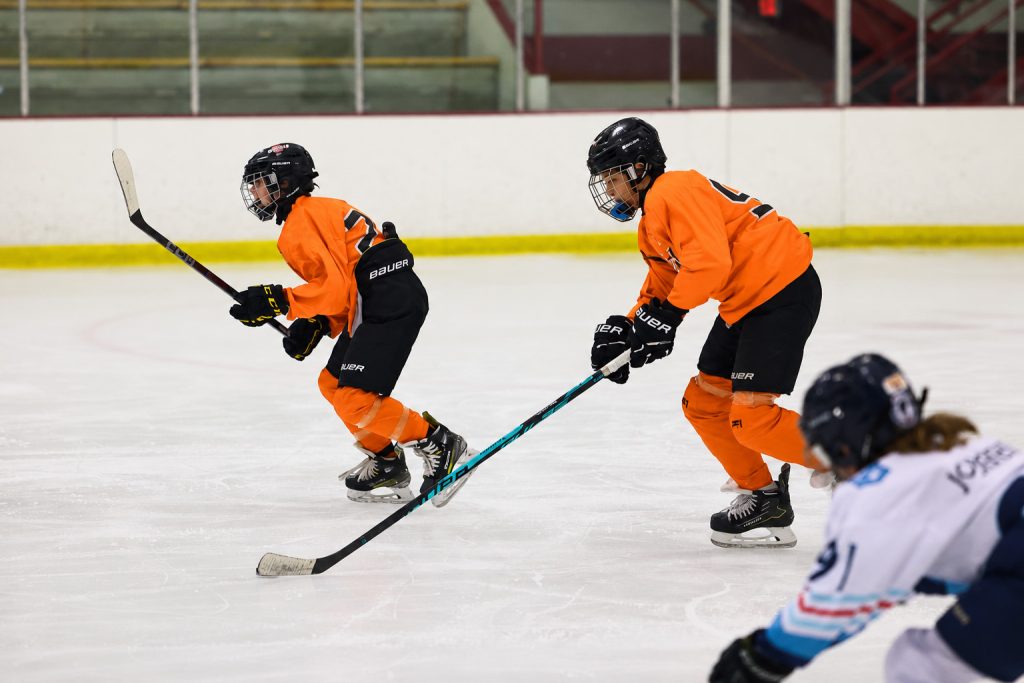
Two players in orange jerseys skating in a low ready stance during a game

Summer AAA

Falcons AAA

Summer AAA teams for players who want more hockey once the winter season ends.

Two players in black jerseys racing toward the puck along the boards near a visitor bench

Membership

FHIT Hockey Membership

Year-round development that runs alongside the summer season.

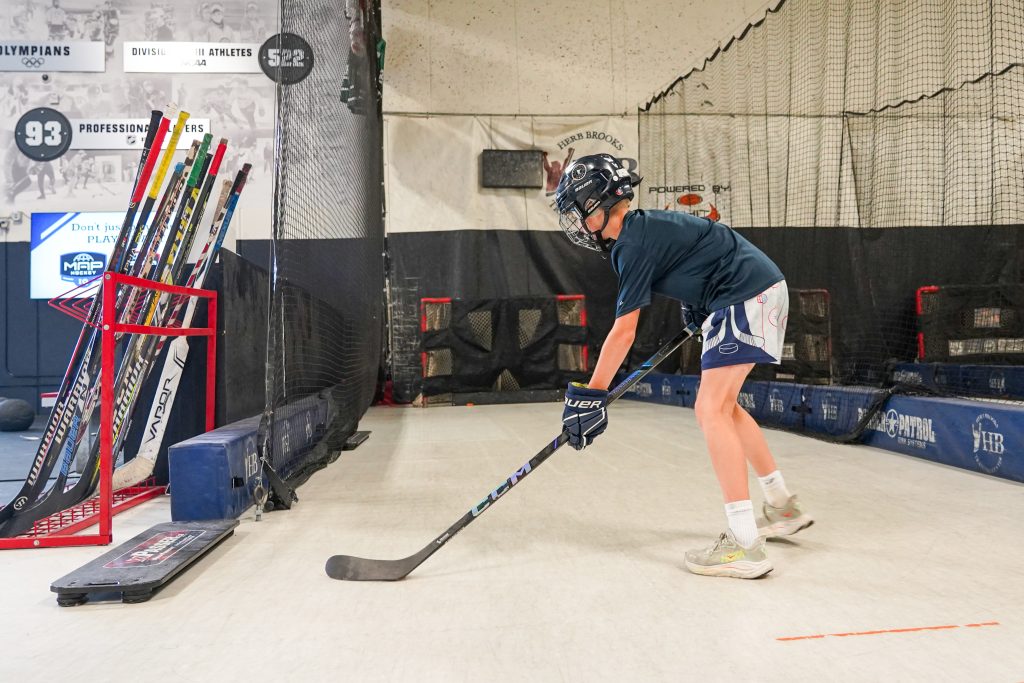
Teen in a helmet, T-shirt and shorts stickhandling on synthetic ice in a netted training room

Squirts and Peewees

FHIT Futures

Summer development for younger skaters ready for more than a weekly skate.

Front entrance of the Super Rink building in Blaine seen across an empty parking lot

Campuses

Find Your Campus

Blaine, Plymouth, Hudson and St. Michael-Albertville.

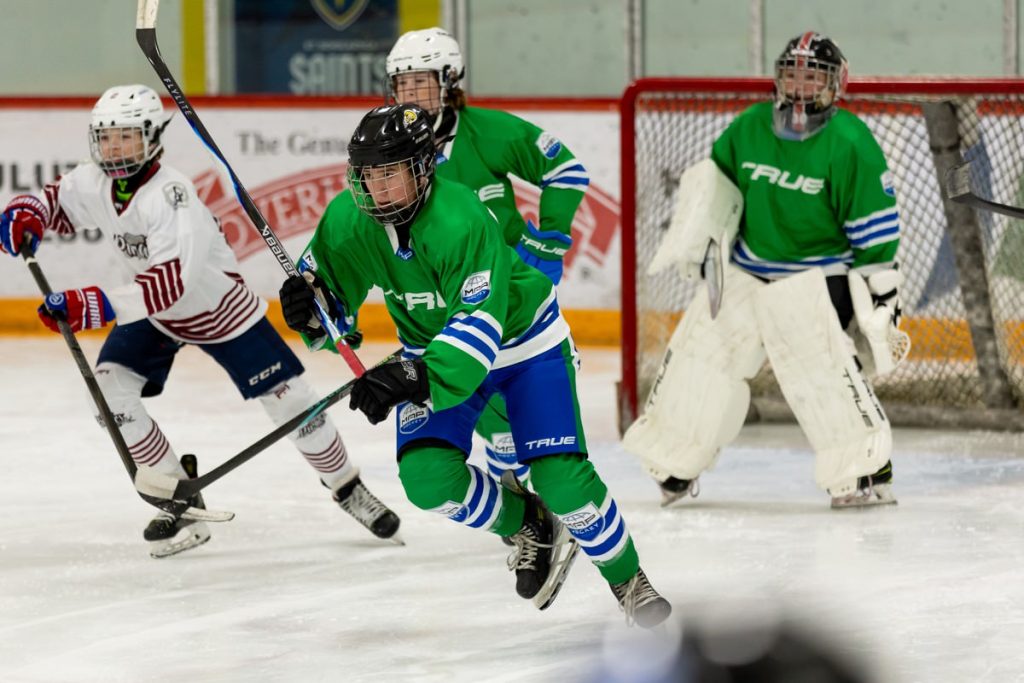
Players in green True jerseys chasing the puck against a skater in white near the net

Summer AAA

Team True AAA

Summer AAA for players who want a full season of competitive hockey.

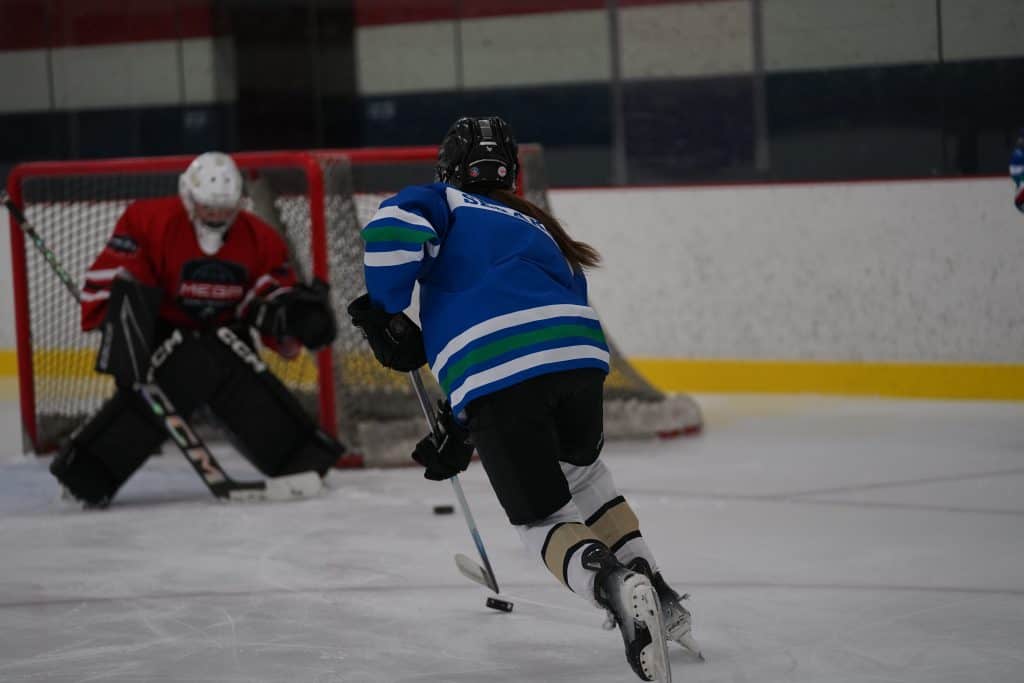
Player in a blue jersey with a ponytail skating the puck in on a goalie in red

Membership

MAP Hockey Membership

Year-round development for elite skaters, built on small groups and individual feedback.

Close-up of a gloved hand gripping a stick beside a MAP Hockey Advisors patch on a blue jersey

Recruiting

MAP Hockey Advisors

Guidance through the recruiting years from people who have walked families through it.

Front entrance of the Super Rink building in Blaine seen across an empty parking lot

Campuses

Find Your Campus

Blaine, Plymouth, Hudson and St. Michael-Albertville.