As your daughter moves into more competitive hockey, she’s surrounded by players who have put years into developing their skills. The skating is faster. The puck moves quicker. There’s less time and space to make a play. So what helps a skilled player stand out?
Her ability to recognize situations and make decisions under pressure can become an important advantage. The skills she’s developed still matter. Now it’s about recognizing when and how to use them as the game gets faster.
Strong skills are the foundation
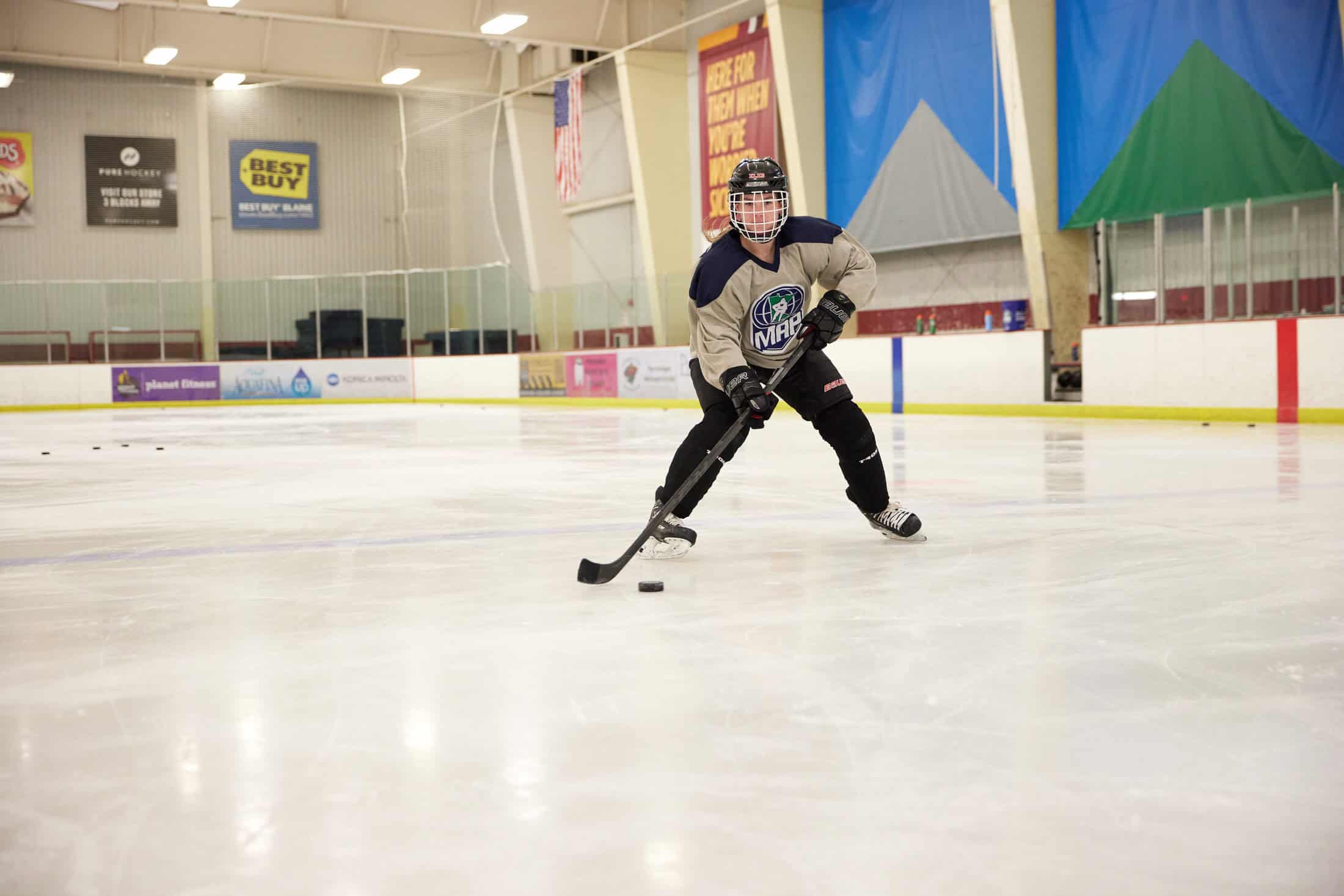
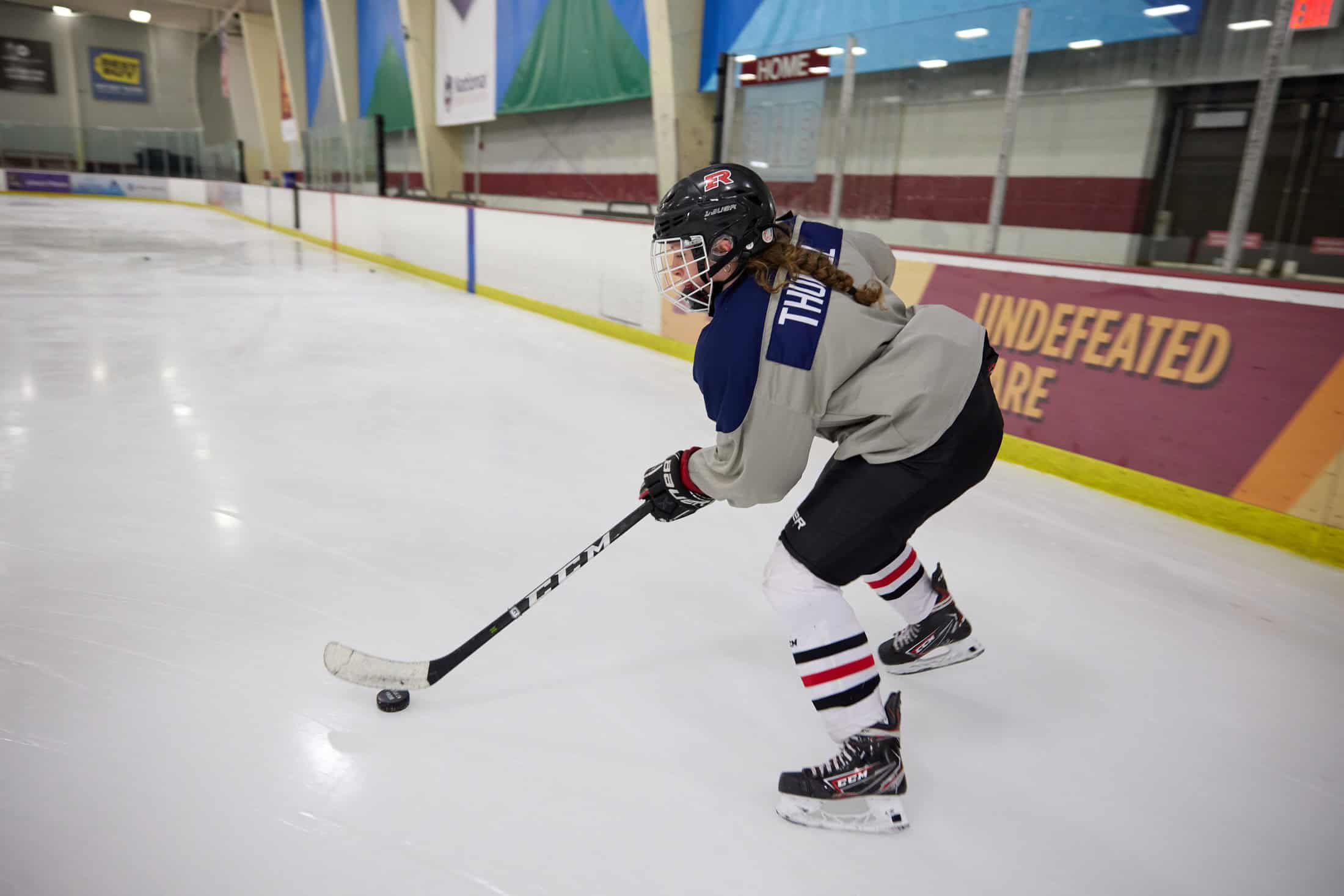
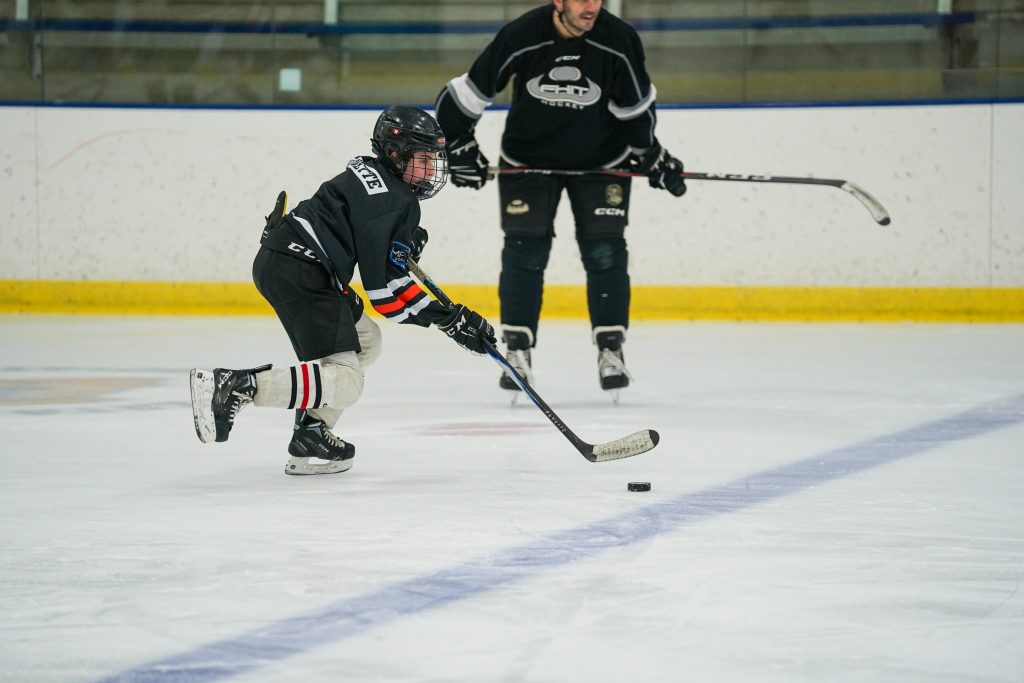
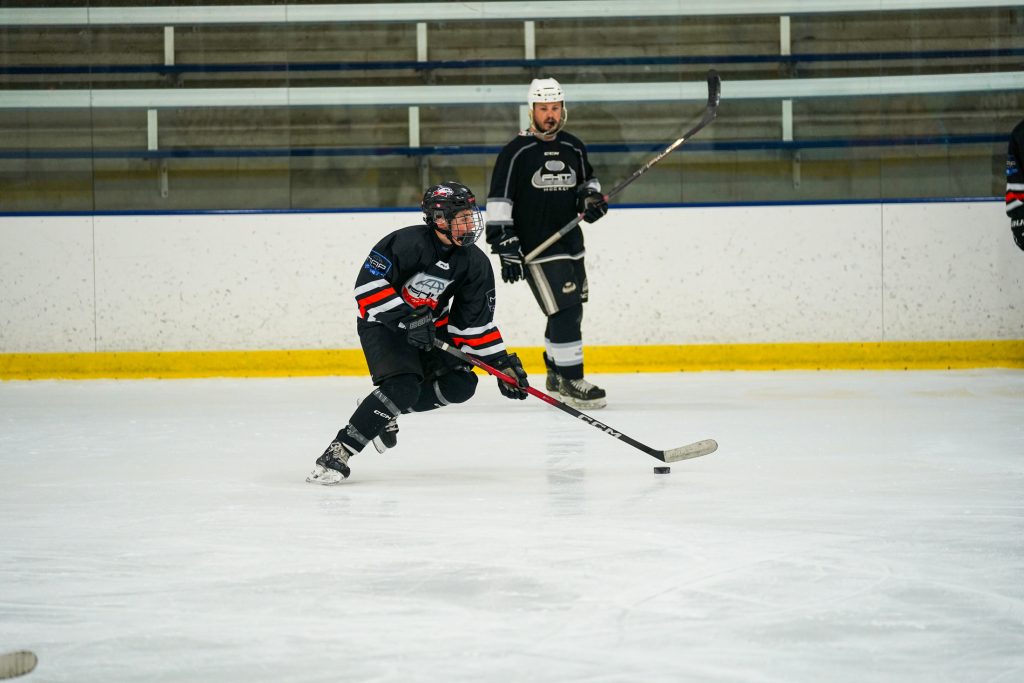
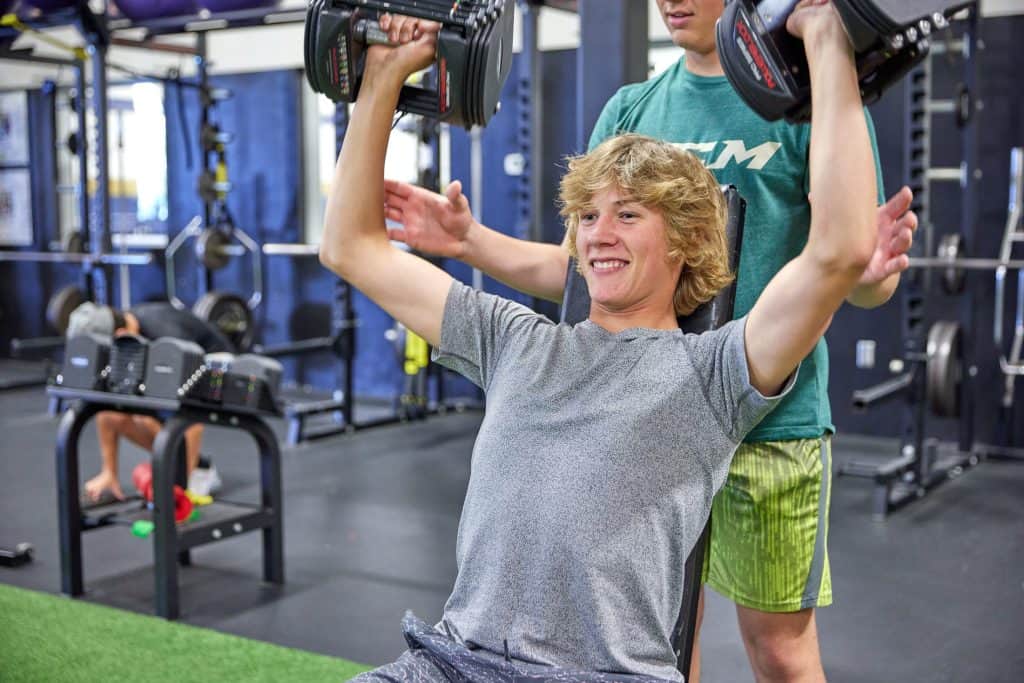
Skating, shooting, puck handling, and strength are essential parts of her development. As she moves into more competitive hockey, those skills are tested in faster situations with less time to decide what to do.
Hockey IQ development builds on those skills by helping her recognize situations, understand her options, and decide when and how to use them.
MAP Hockey IQ goes beyond traditional skills training by developing another part of her game: hockey sense. It complements the skills she’s already worked hard to build.
See the Play. Make the Decision. Execute.
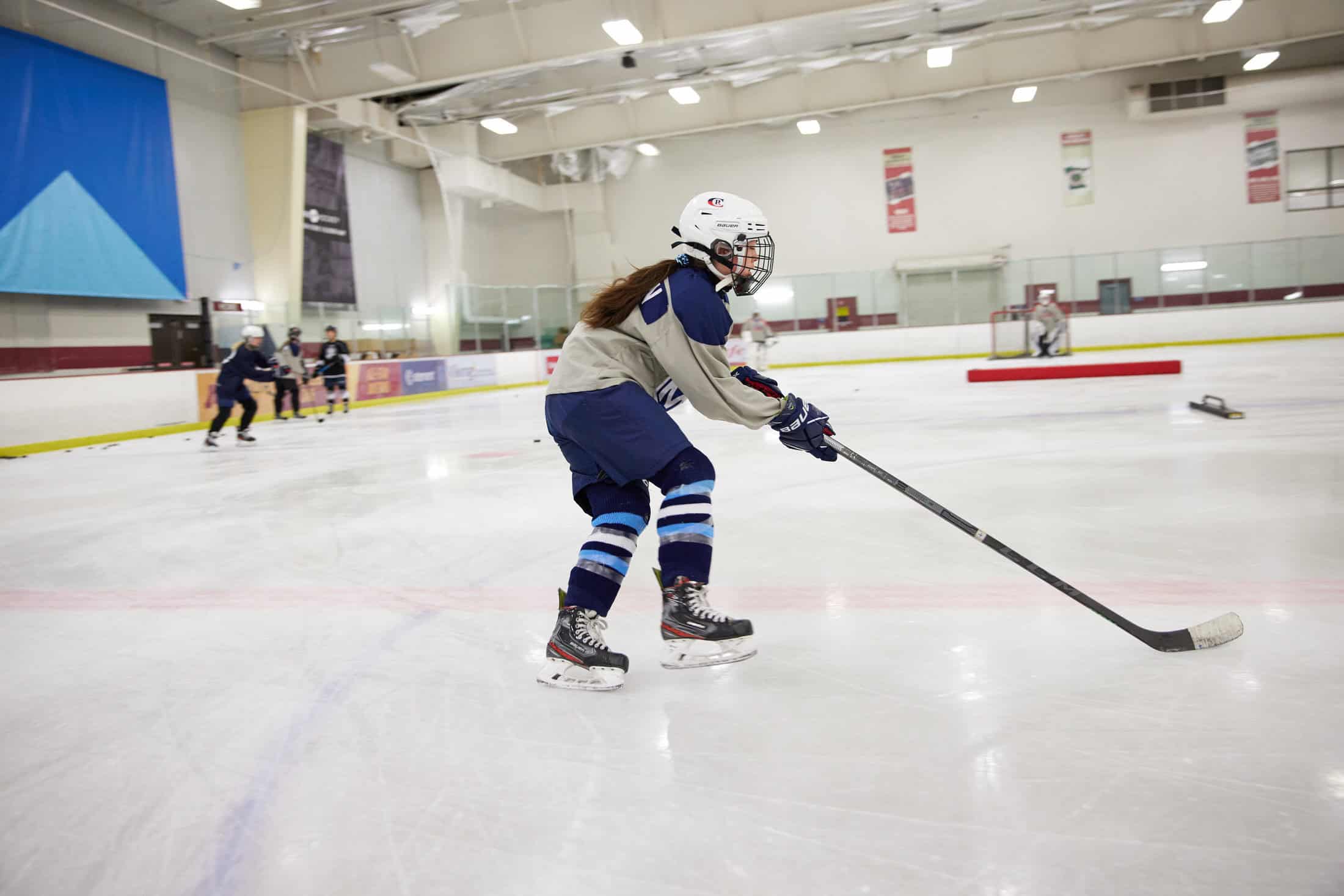
MAP Hockey defines the subject in one sentence: “Hockey IQ is a player’s ability to make a read, process it, and then execute the right play.”
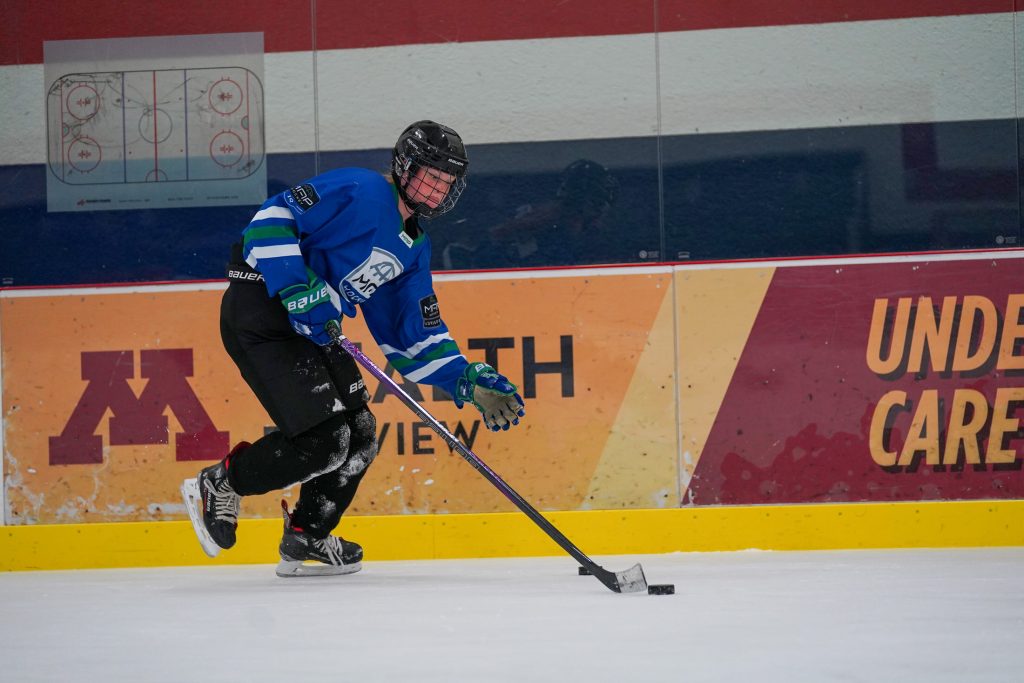
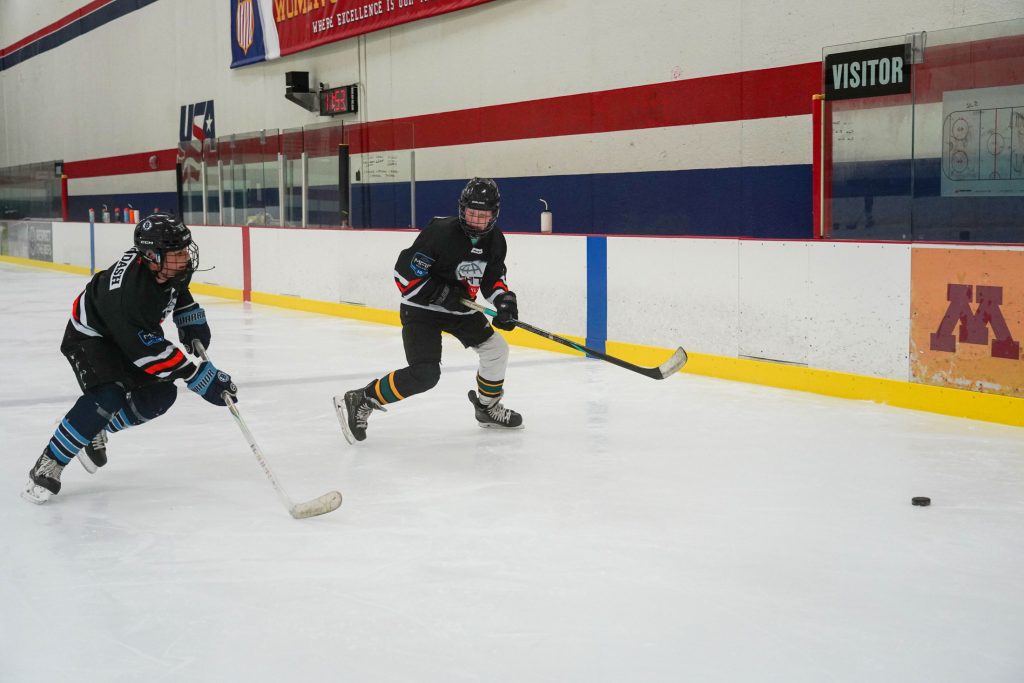
Put that on the ice. A defenseman retrieves a dump-in. Before she touches it, she has to read where the forechecker is coming from and where her partner is. Then she processes it: reverse, rim or carry? Then she executes. Recognizing those options earlier can help her make a better decision under pressure.
The same thinking applies away from the puck. Recognizing what’s developing can help her anticipate the next play and get into position.
The 4 Components of Hockey
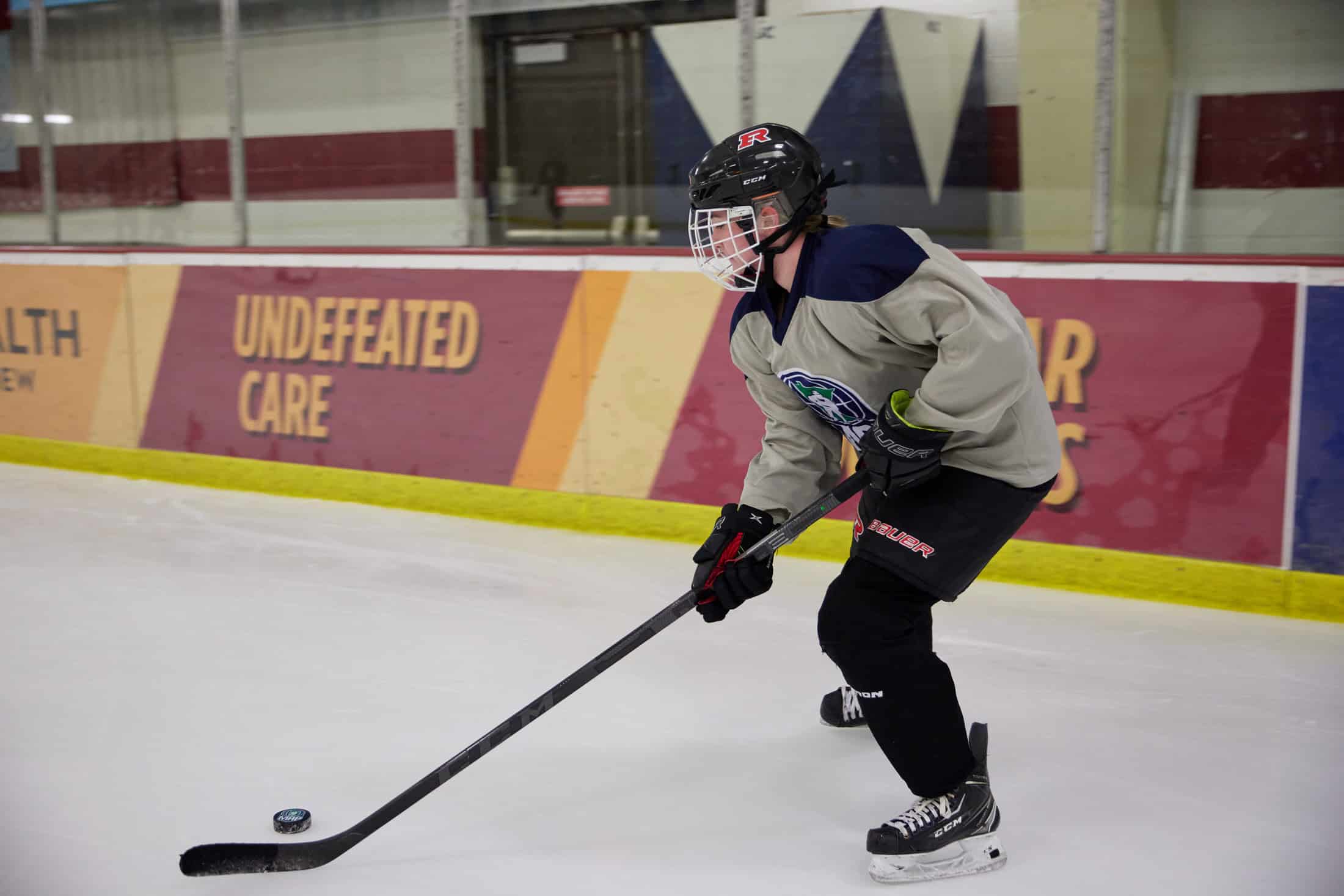
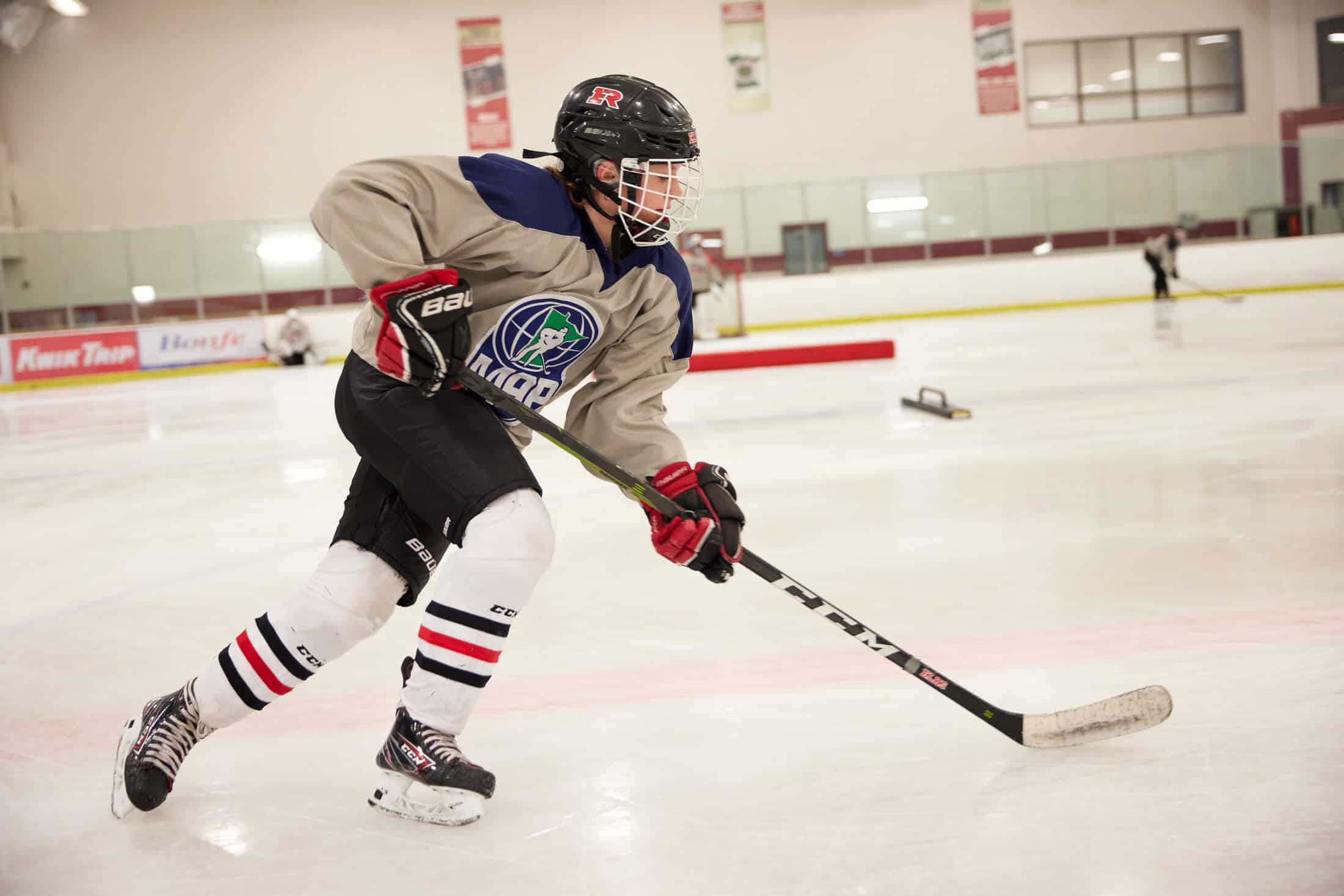
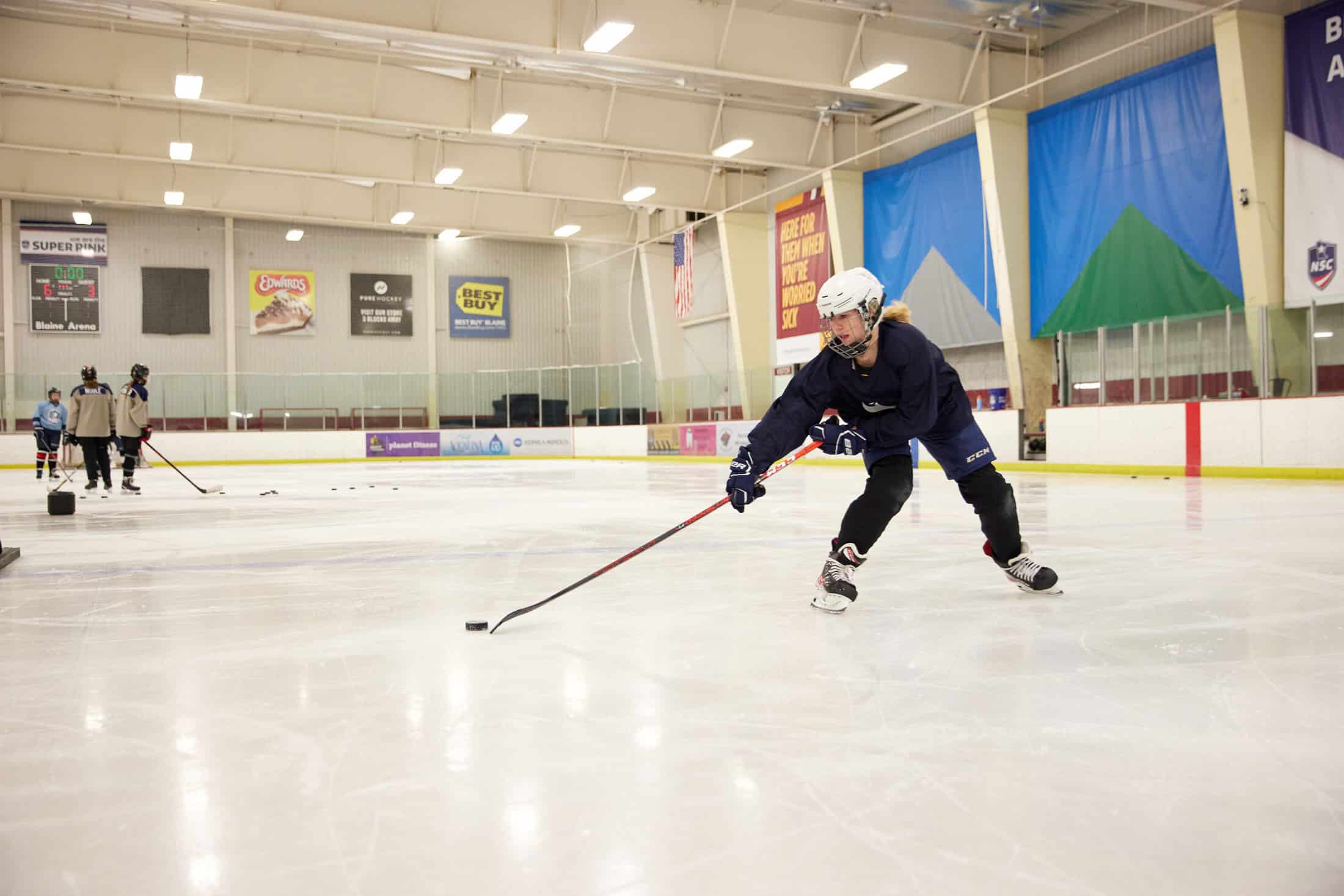
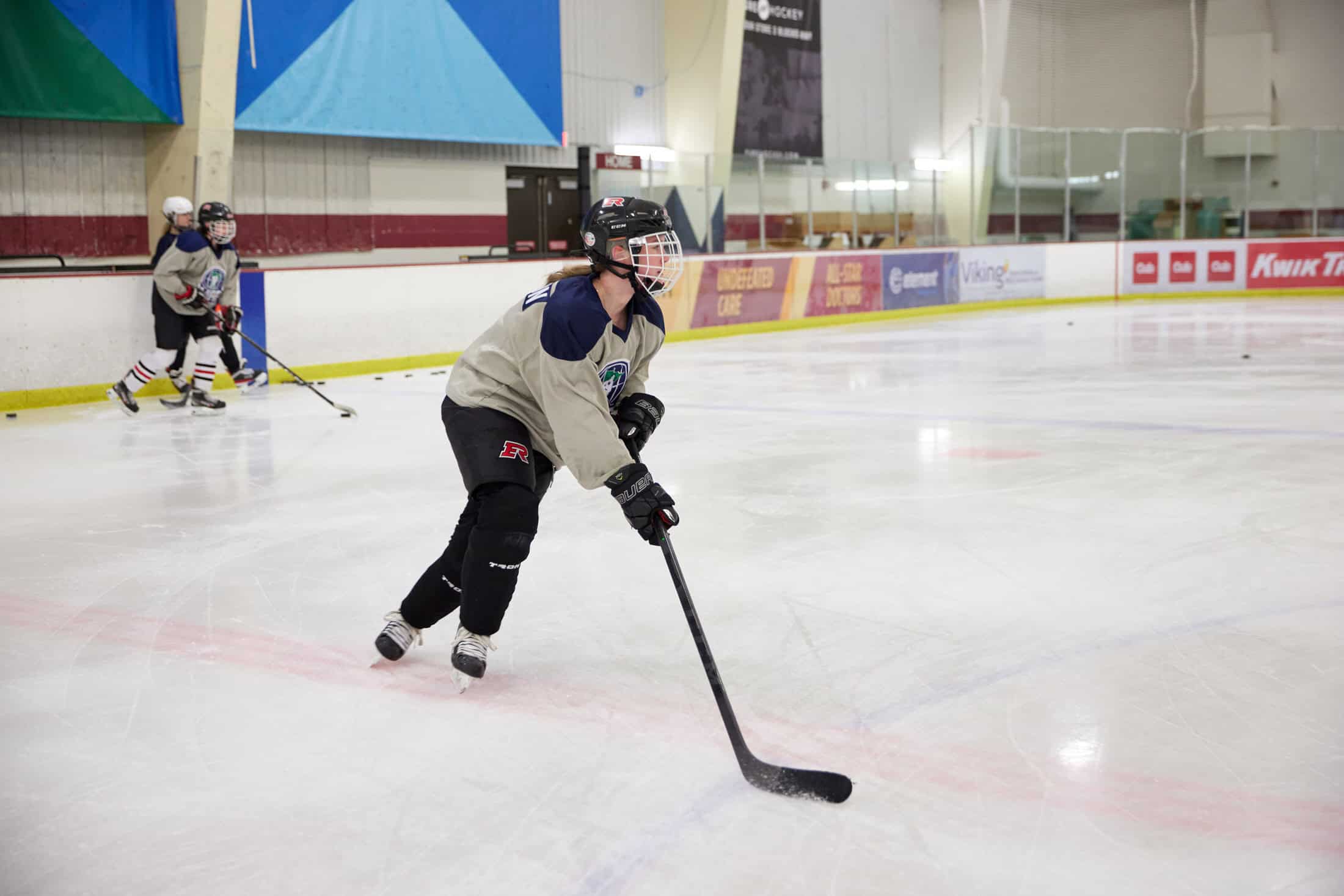
MAP Hockey IQ teaches decision-making through a framework called the 4 Components of Hockey, developed by John Becanic, Director of MAP Hockey IQ. At any moment in a game, a player is in one of four situations:
- Offense at the puck
- Offense away from the puck
- Defense at the puck
- Defense away from the puck
Look at that list and notice how much of it happens without the puck. A player’s impact isn’t limited to the moments when the puck is on her stick. Where she goes, what she recognizes and what she decides away from the puck all matter. You don’t need the puck to impact the game.
Executing a skill in practice and recognizing when to use it during a game are different challenges. Skills training develops what players can do. Hockey IQ coaching helps them recognize when and how to use those skills across all four components.
What Are You Missing in Your Game?
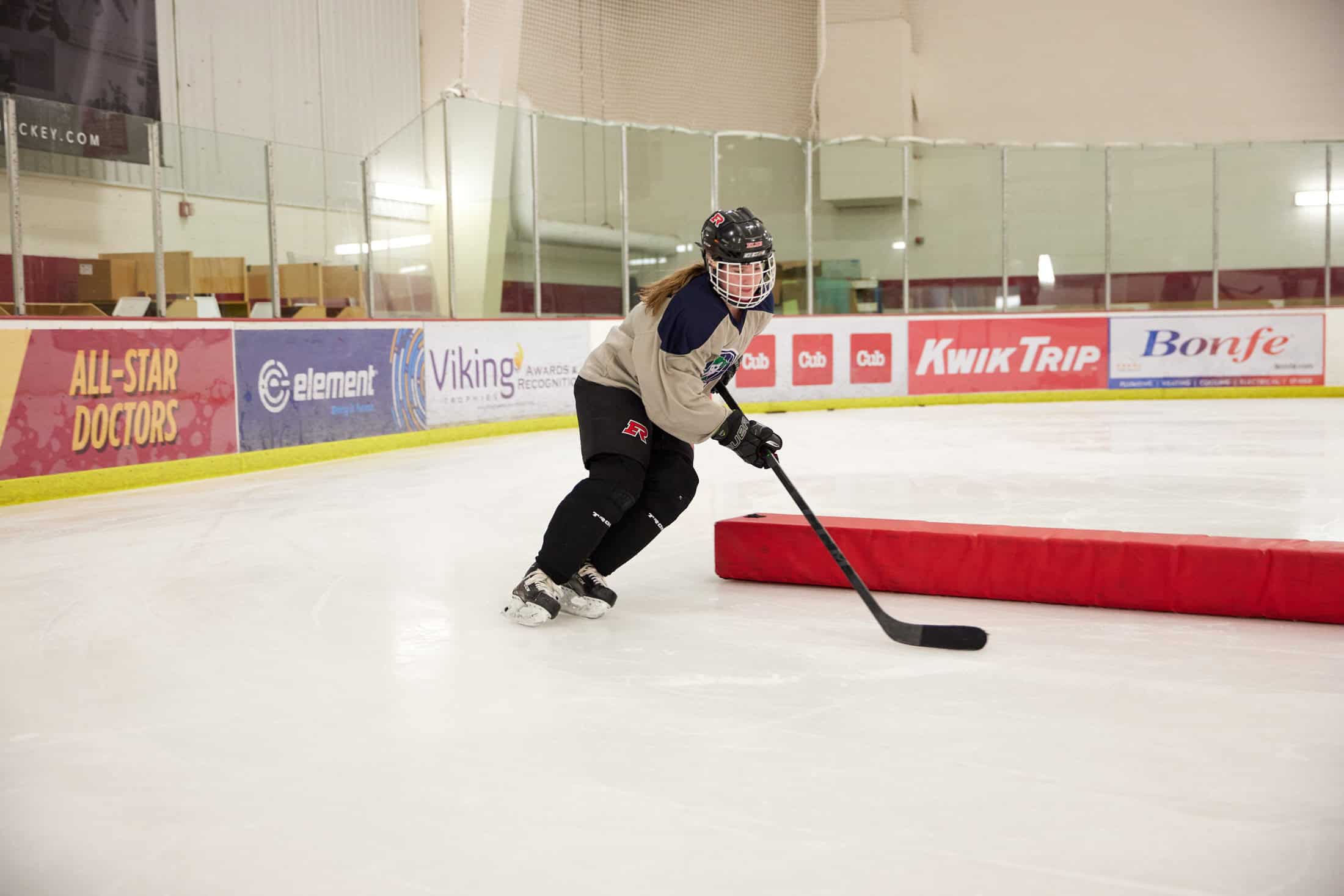
This is where it gets practical. MAP Hockey IQ works through personalized analysis of your game footage, done by MAP Hockey coaches. A MAP Hockey coach reviews her game footage to help her understand the situations and decisions within her shifts.
What can one game reveal about her decision-making? She sees what she’s doing well, so she keeps doing it. She discovers the opportunities she’s missing, like the weak-side lane that opened while she was puck-watching or the back-door option her center gave her twice. That feedback can help her identify what to work on next.
The flow is simple: review her game, get feedback from someone who knows what to look for, then know what to improve. Build on the strengths. Work on the areas holding her back. The goal is to help her become a more complete player who understands how to contribute with and without the puck.
Personalized Coaching Built Around Her Game
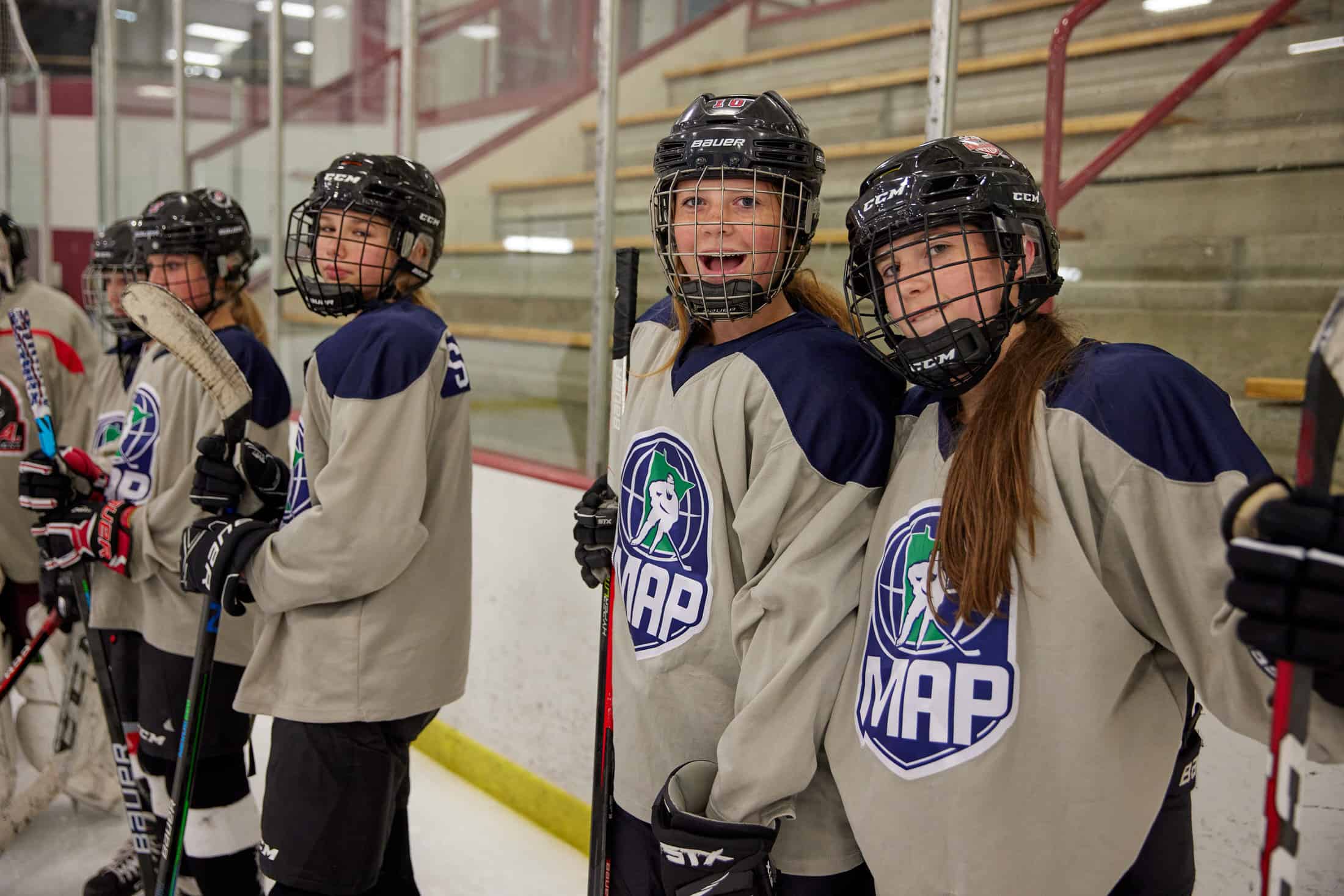
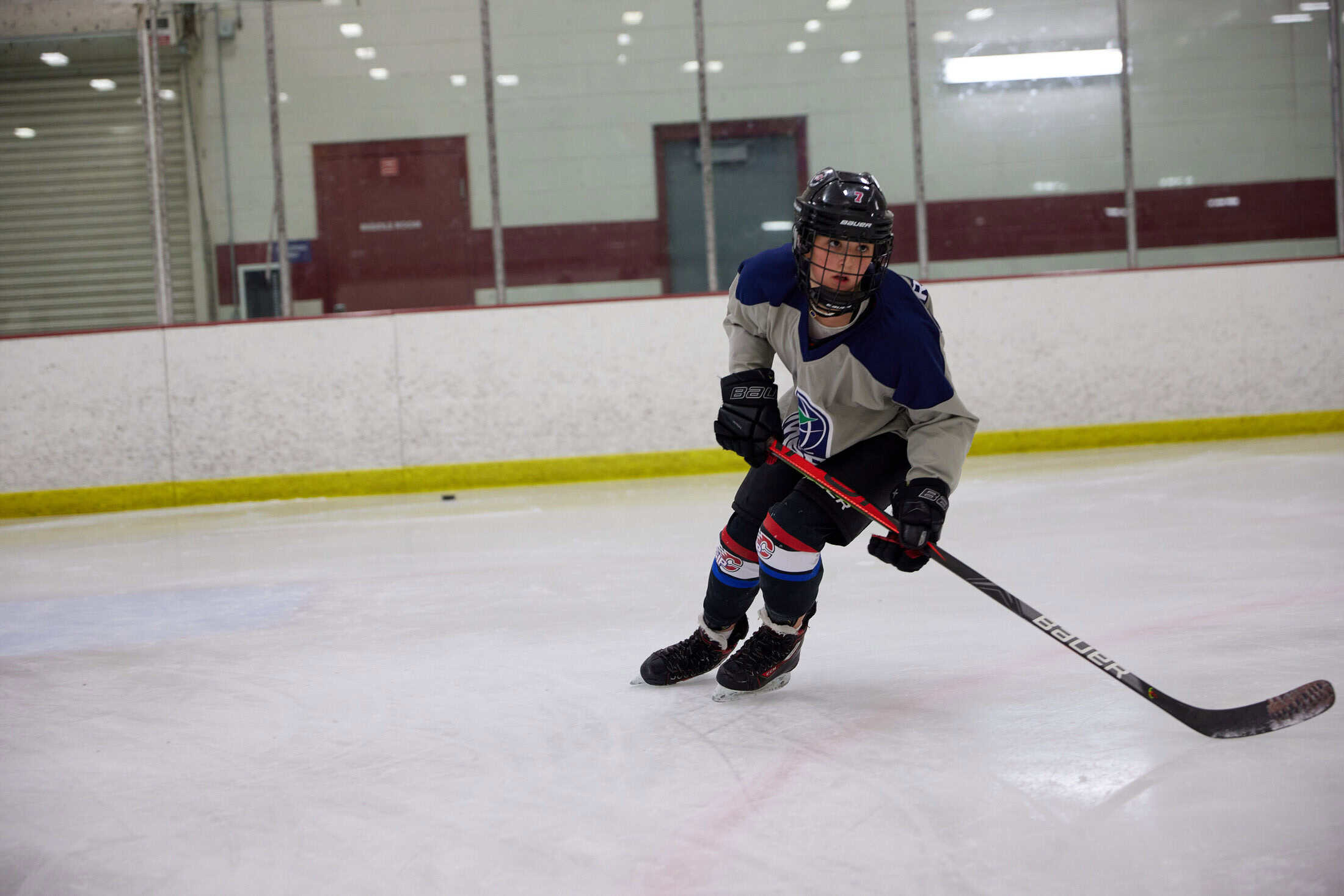
Every athlete has different strengths and areas to improve. MAP Hockey IQ uses her own game footage to help her recognize situations, understand her decisions, and identify opportunities she may be missing.
She’s worked hard to develop her skills. Now it’s time to develop how she uses them. Learn more about MAP Hockey IQ.