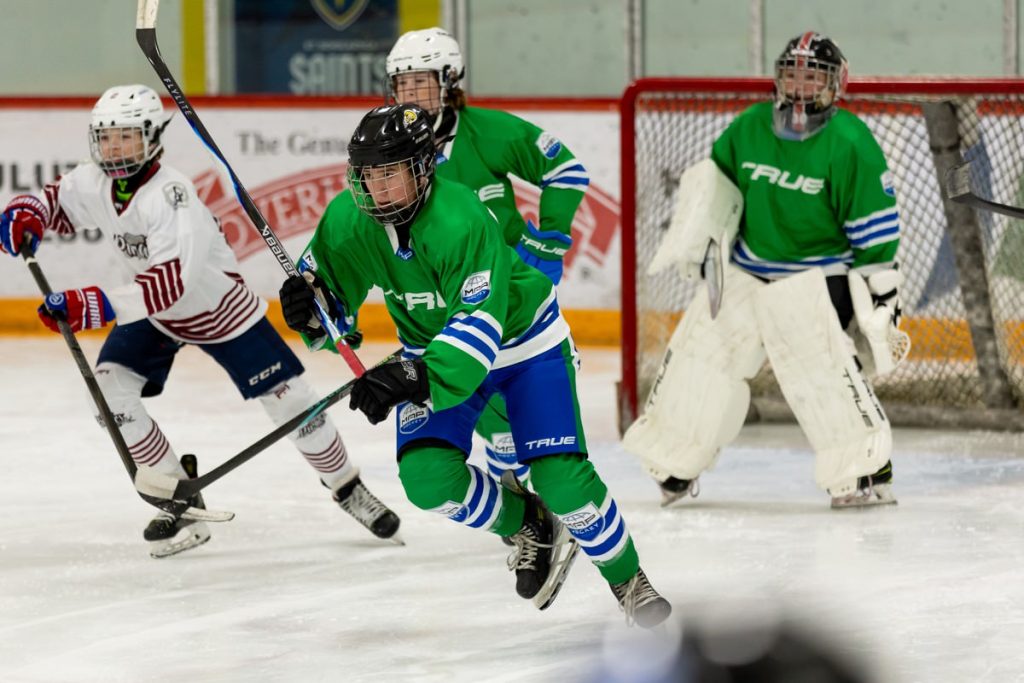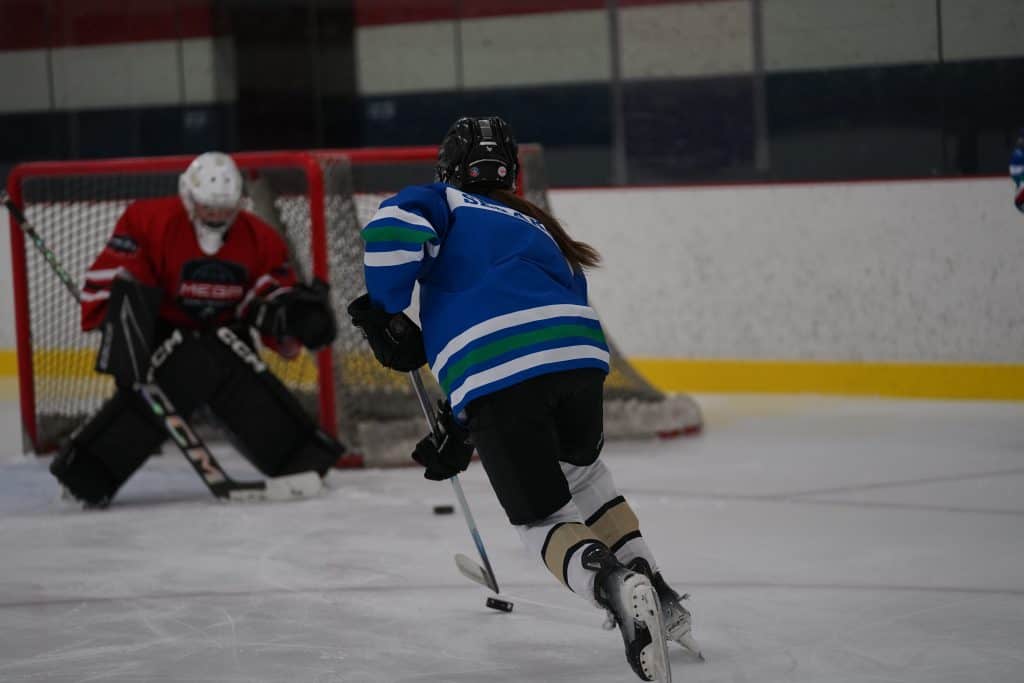
Most advanced players don’t wake up one morning and decide they need more skill work. Something happens first. A rough weekend. A comment from a coach in the hallway. A teammate who came back in the fall a full stride quicker. Evaluations showing up on the calendar faster than you expected.
Those moments are worth paying attention to. They’re usually your game telling you where it wants work, and they’re the best time to add a focused session on one part of it.
Here are the ones that come up most, and what each one tends to point at.
Evaluations are getting close
Tryout and evaluation season changes how you look at your own game. Suddenly every shift feels like it’s being graded, and the small stuff you got away with in November feels a lot bigger.
That pressure can be useful if you point it somewhere. Instead of trying to fix everything in the weeks before evaluations, pick the one thing you’d least like an evaluator to notice. Maybe your backward crossovers get choppy when you have to open up. Maybe your shot is fine off the pass and slow off your own handle.
Pick that thing and put a session on it. You won’t rebuild your game in a few weeks, and nobody should promise you that. You can walk into evaluations knowing you gave real attention to the piece that’s been bugging you.
You’ve hit a plateau
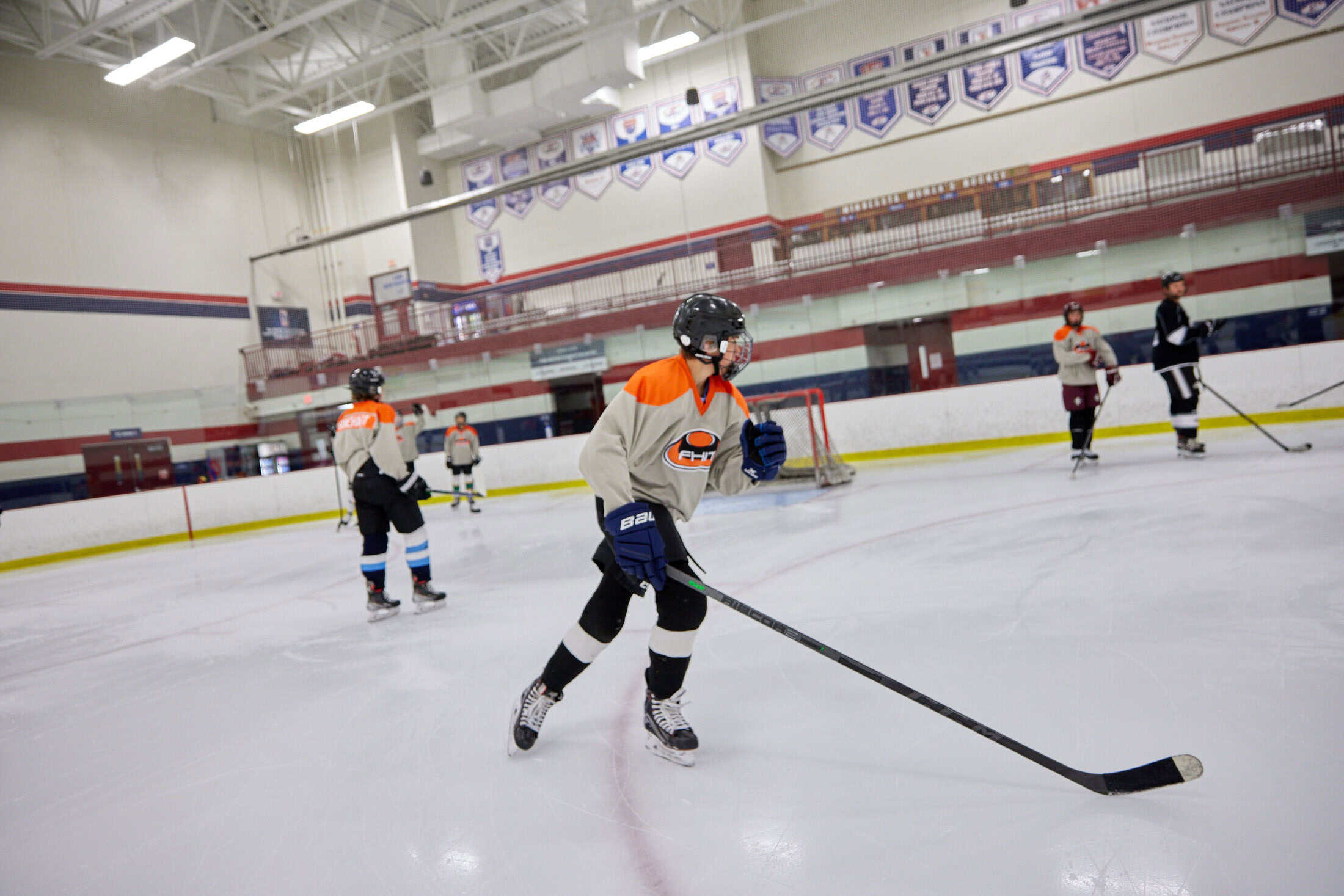
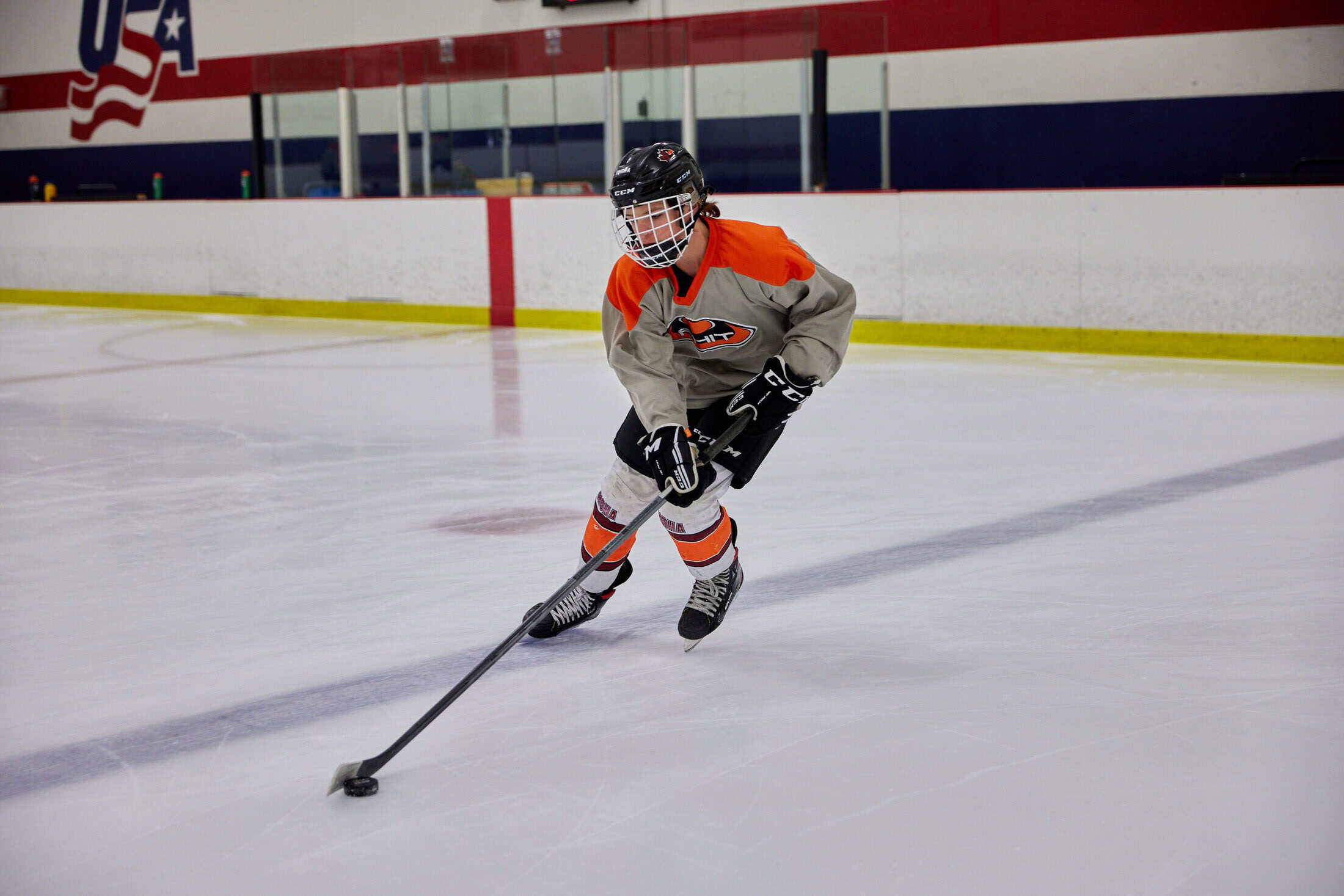
At the AAA level, improvement stops looking like big jumps. Early on you could add a new move or a harder shot almost every season. Now the gains are smaller, and some seasons it feels like you haven’t moved at all.
A plateau usually isn’t a sign that you’ve maxed out. More often it means the general work you’re doing has stopped reaching the specific thing holding you back. Team practice keeps you sharp on systems and reads, and it should. It just isn’t built to spend a full session on your edges or your release.
When it feels like you’re stuck, get specific. Write down three plays from your last few games that you’d want back. If two of them have the same root, like losing a race you should have won or getting caught flat-footed on a cutback, that’s your plateau talking.
The off-season gap
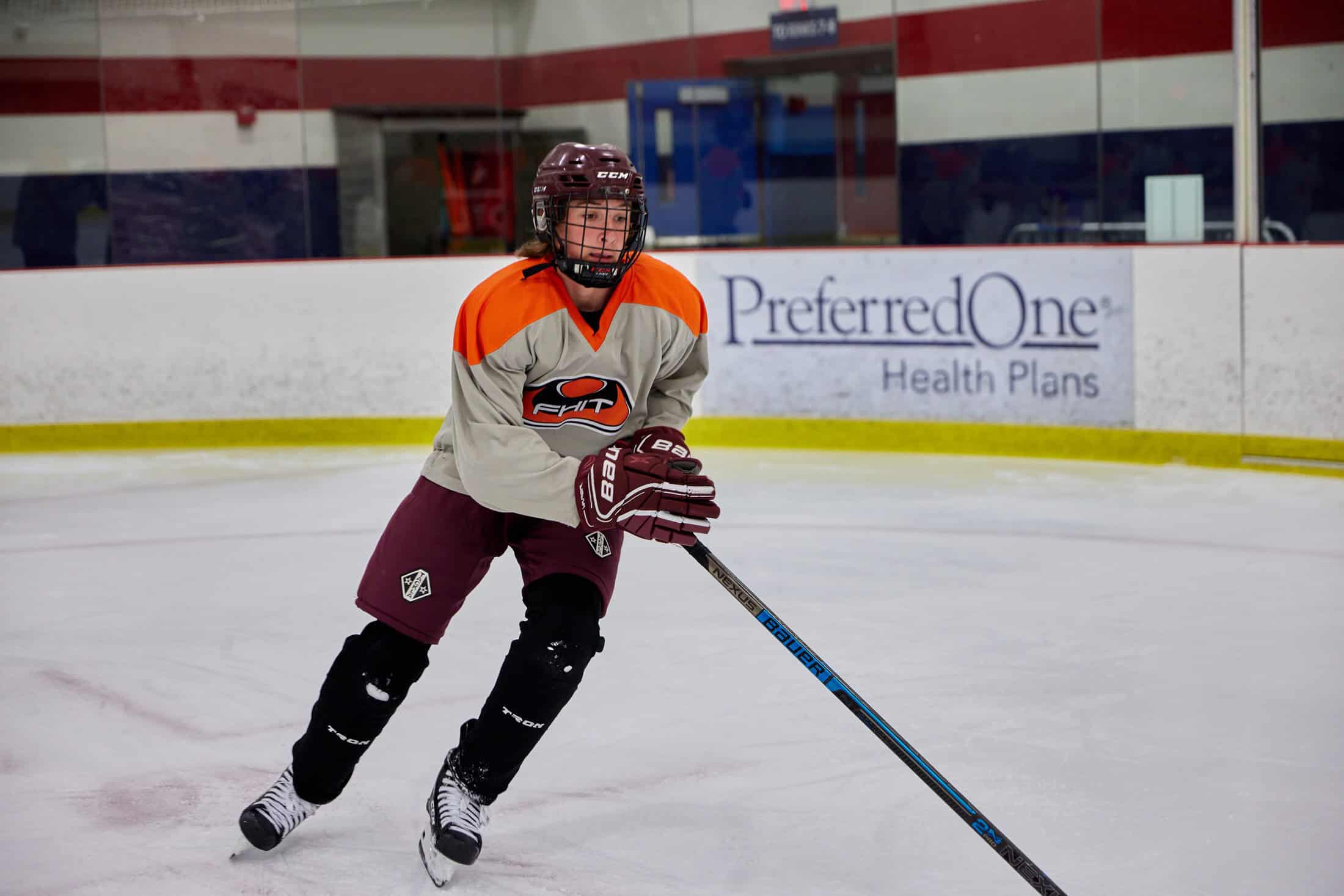
The stretch between seasons is long, and it can go two ways. Some players come back sharper. Others spend the first month of the new season trying to find their legs.
That gap is also the one time of year your team isn’t using most of your hockey week. No systems to install, no back-to-back weekends. It’s a natural window to give one part of your game a session of its own without it competing with practice or games.
You don’t need a summer-long plan to use it well. One focused session on the piece you most want to carry into next season is a reasonable place to start.
A coach or teammate said something
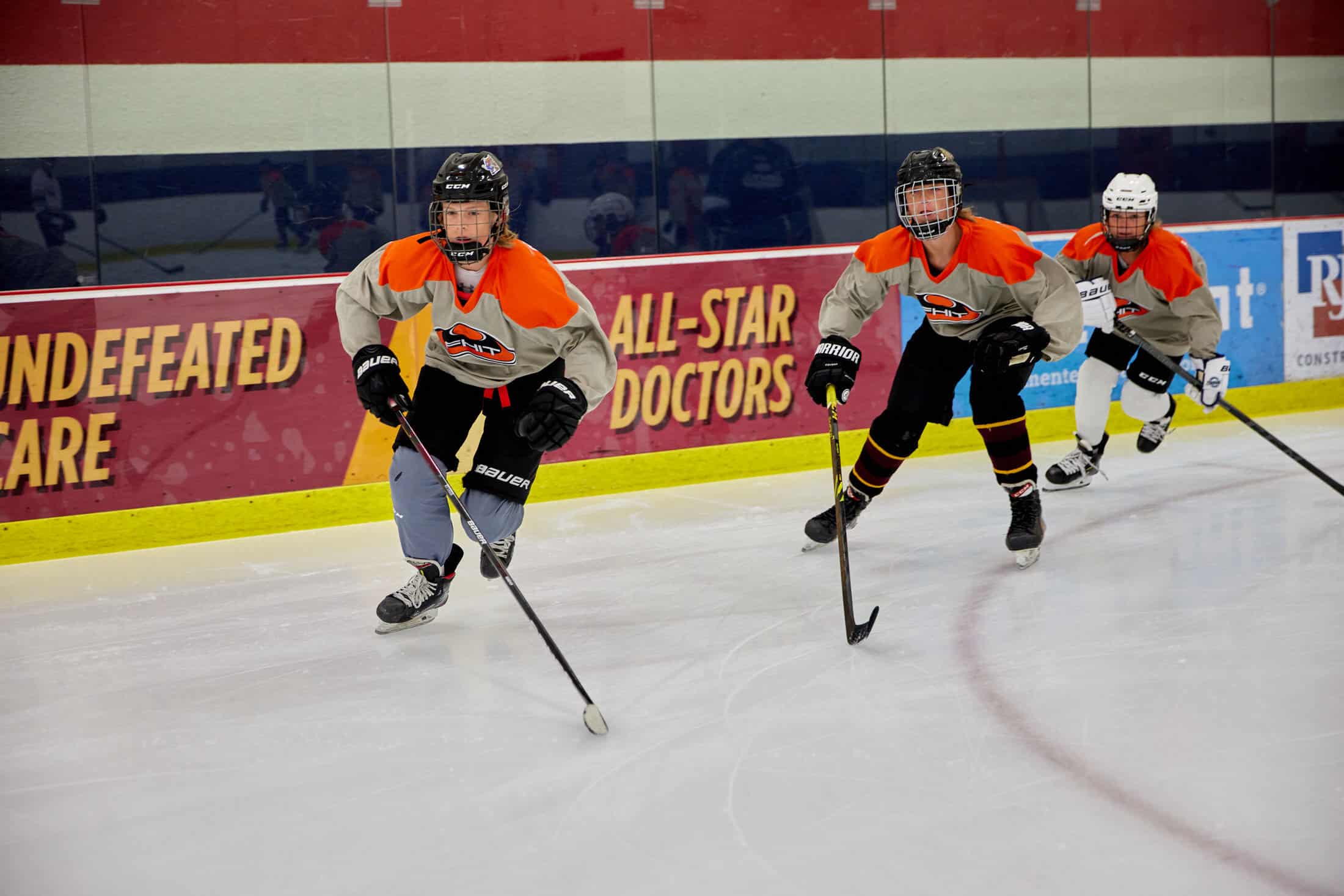
Sometimes the push comes from someone else. A coach mentions after a game that your gap was too loose on the rush. An older teammate tells you a skating session helped their first three steps. A friend on another team says they’ve been working on their shot away from practice.
Take those comments seriously, especially from coaches. They watch you every day, and when they bring something up in passing, they’ve usually noticed it more than once. Ask a follow-up question if you can: “What would you work on first?” Most coaches are glad to answer, and it gives you a clear target.
A teammate came back faster
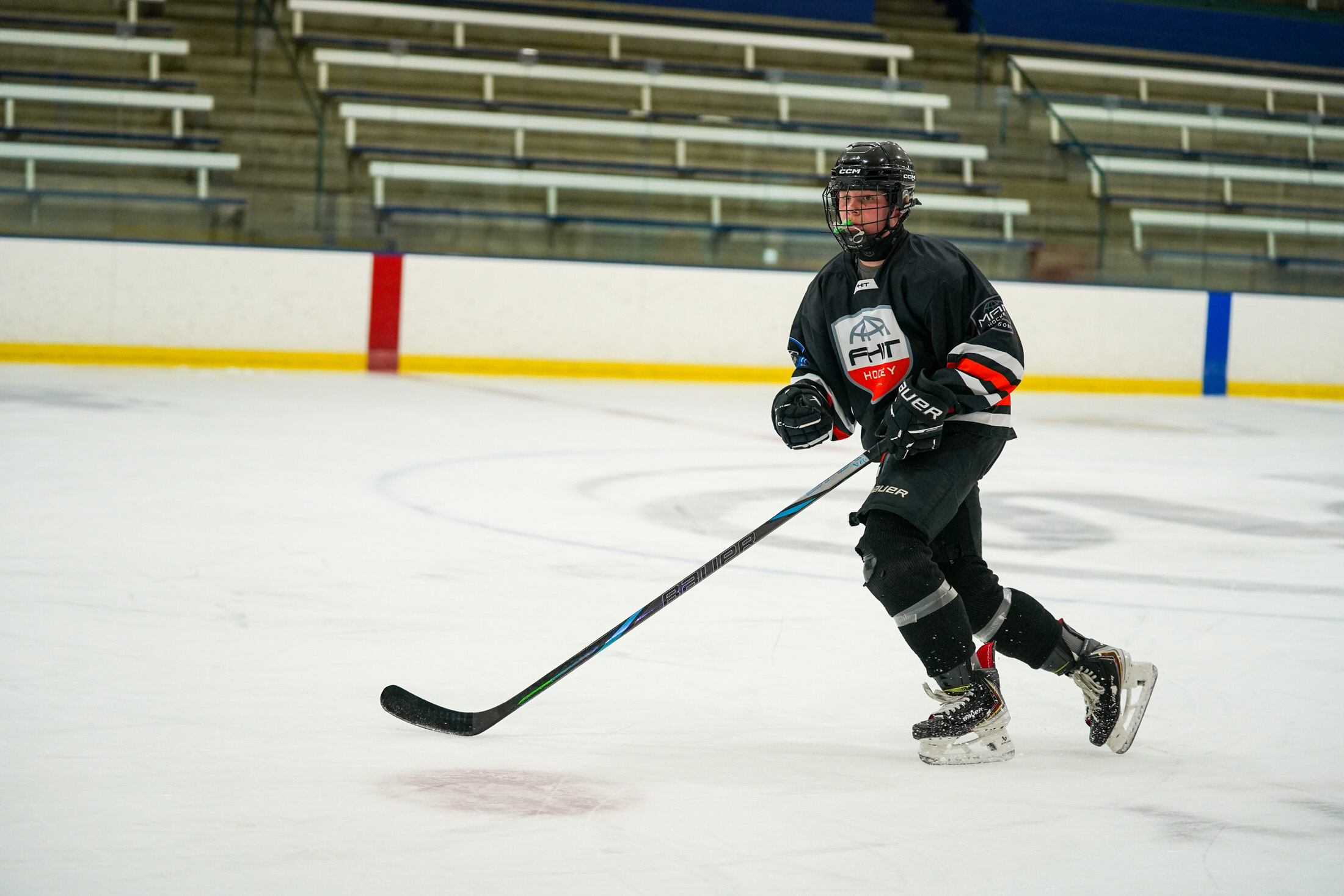
This one stings a little. You were even with someone last season, and now they’re beating you to loose pucks or pulling away on the rush.
Try to treat it as information about your own game, not a ranking. Their improvement doesn’t take anything away from you. It does show you that the part of the game they worked on is workable. If it’s speed, your skating is probably the place to look. If they’re suddenly finishing more, maybe it’s your release in stride.
The goal isn’t to match anyone. It’s to notice what your own game needs and put time on that.
Your games have been up and down
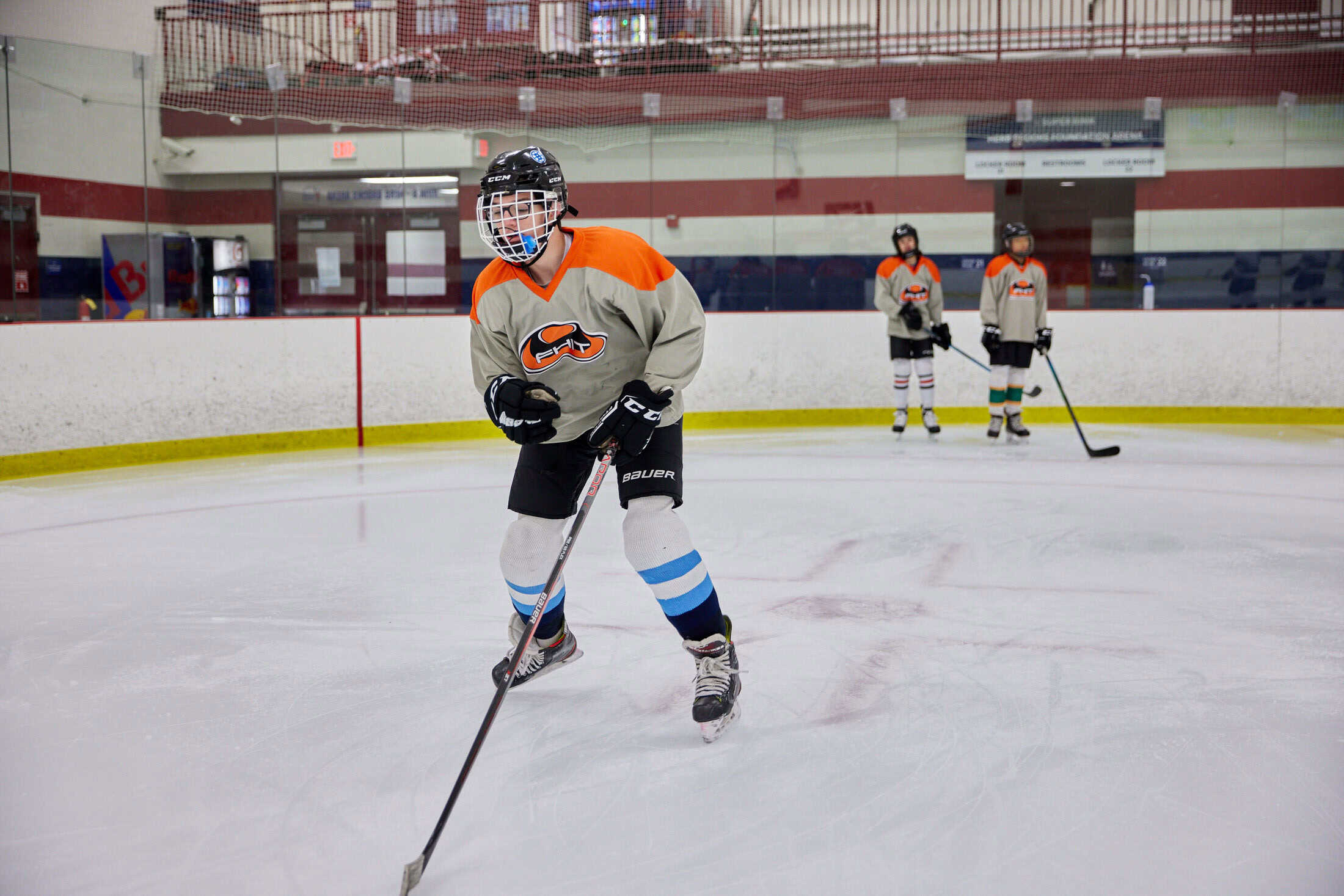
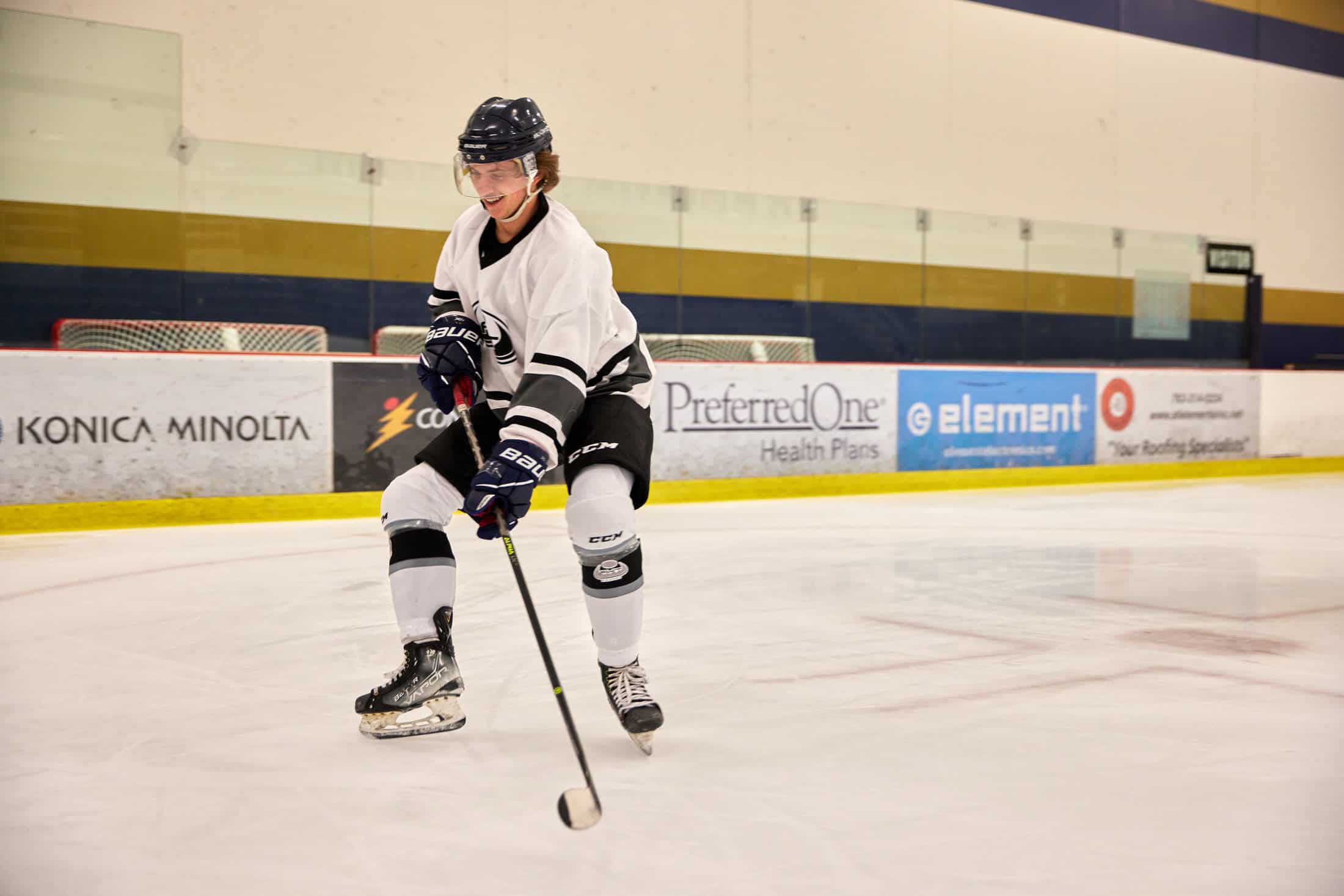
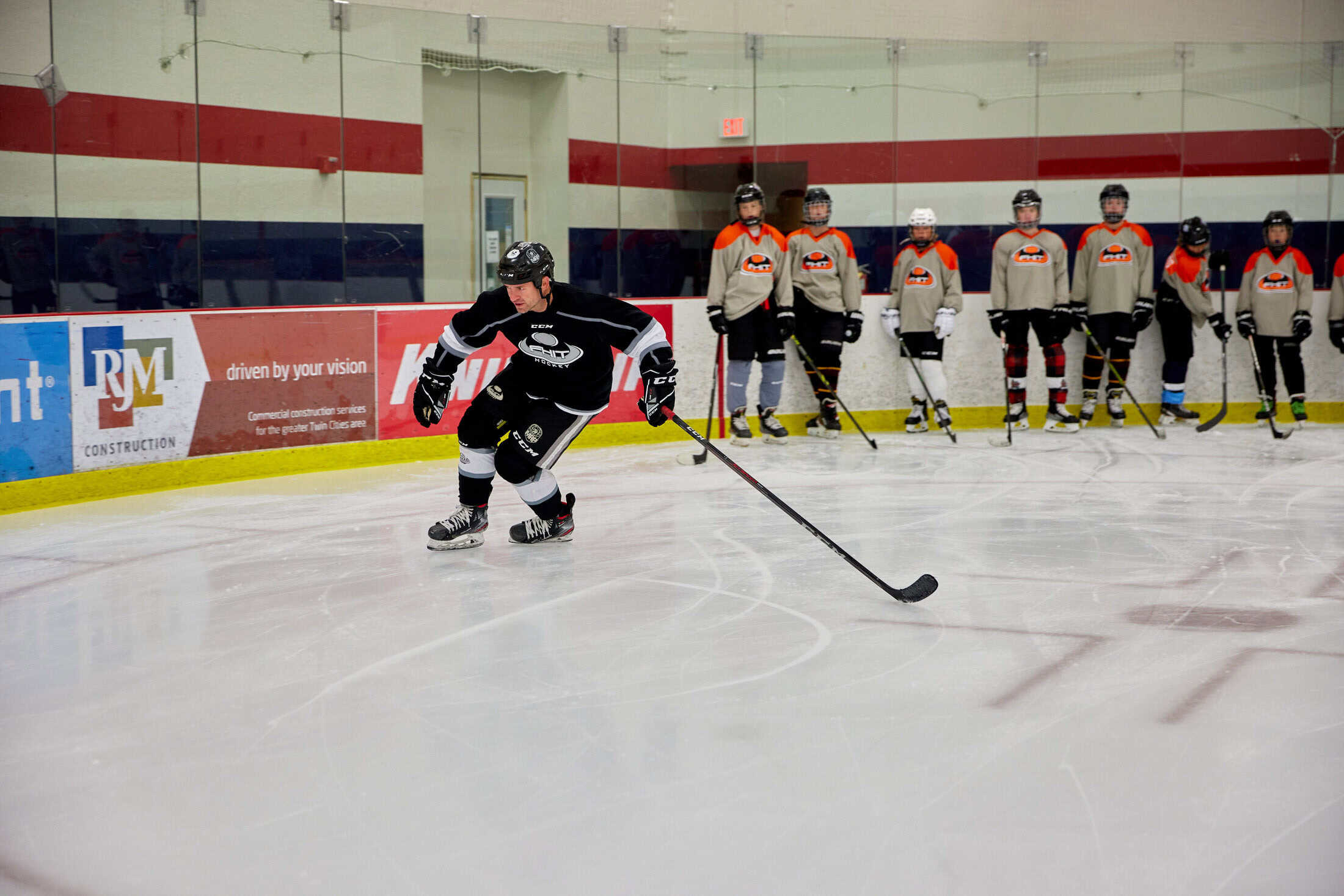
Maybe the most common trigger of all. One night you’re reading the play a half-second early and everything feels easy. The next weekend you’re chasing, your passes are in skates and you can’t settle in.
Inconsistency usually has a pattern if you look for it. Watch a few shifts from your rough games, ideally on video. Do the bad moments start with your feet? With the puck on your stick in traffic? With a read in your own zone that came late? The pattern tends to land in one of three places: skating, the offensive side of your game or the defensive side.
That’s useful, because those are exactly the three ways FHIT Clinics are organized.
Turning the moment into one session
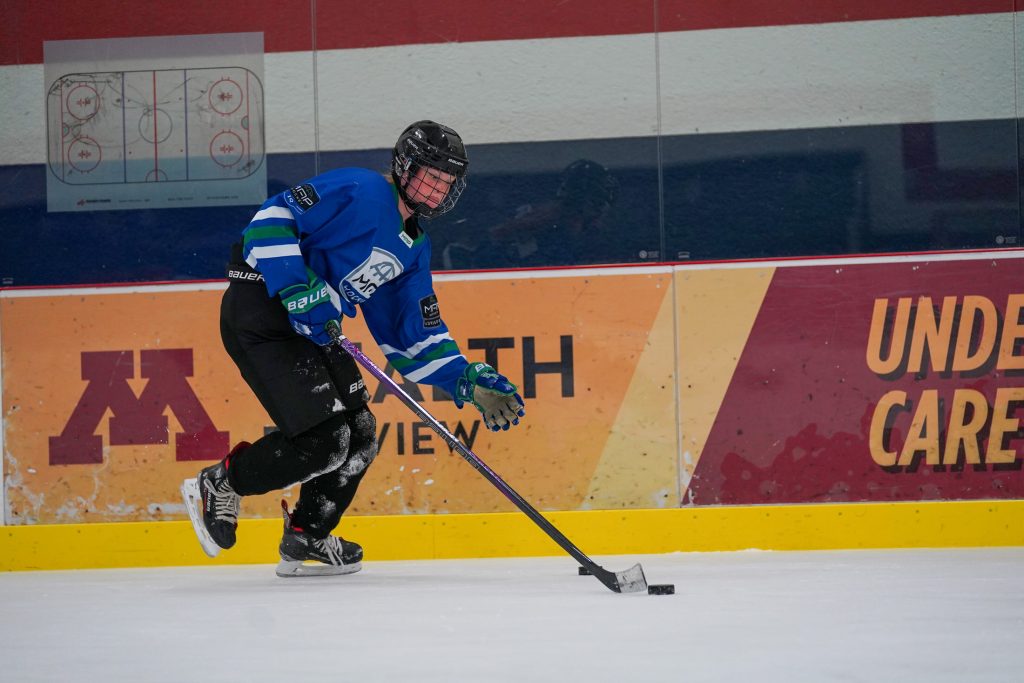
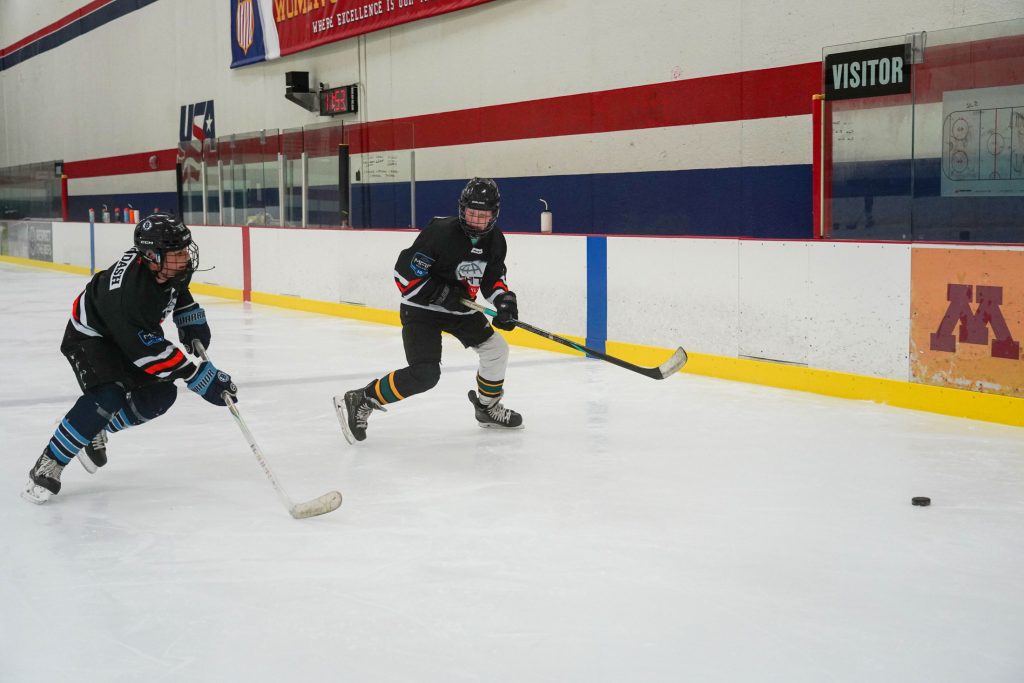
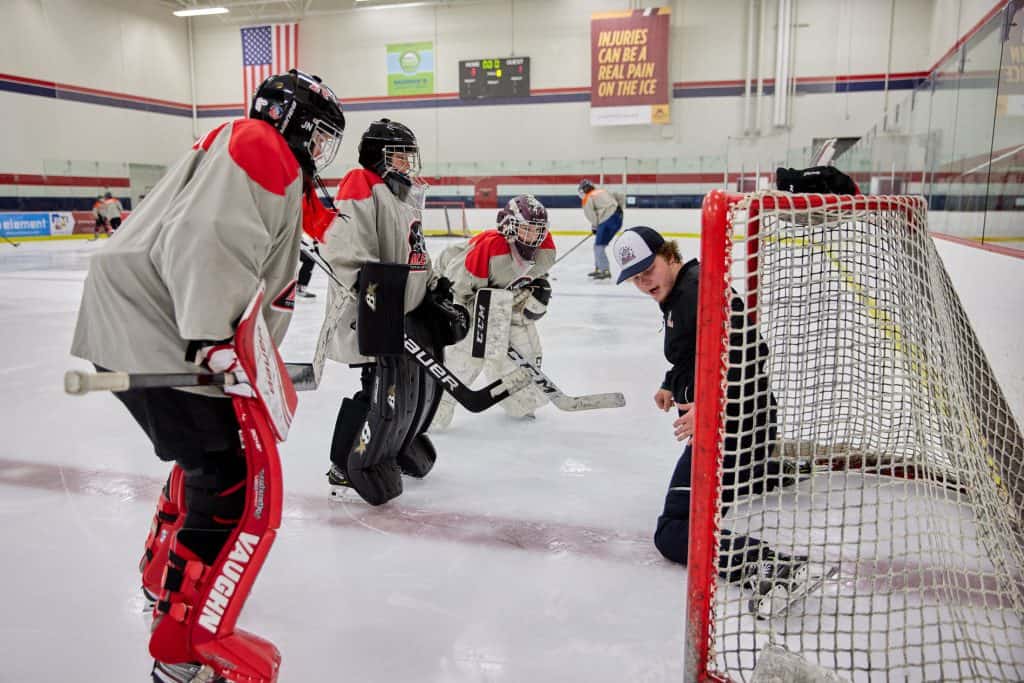
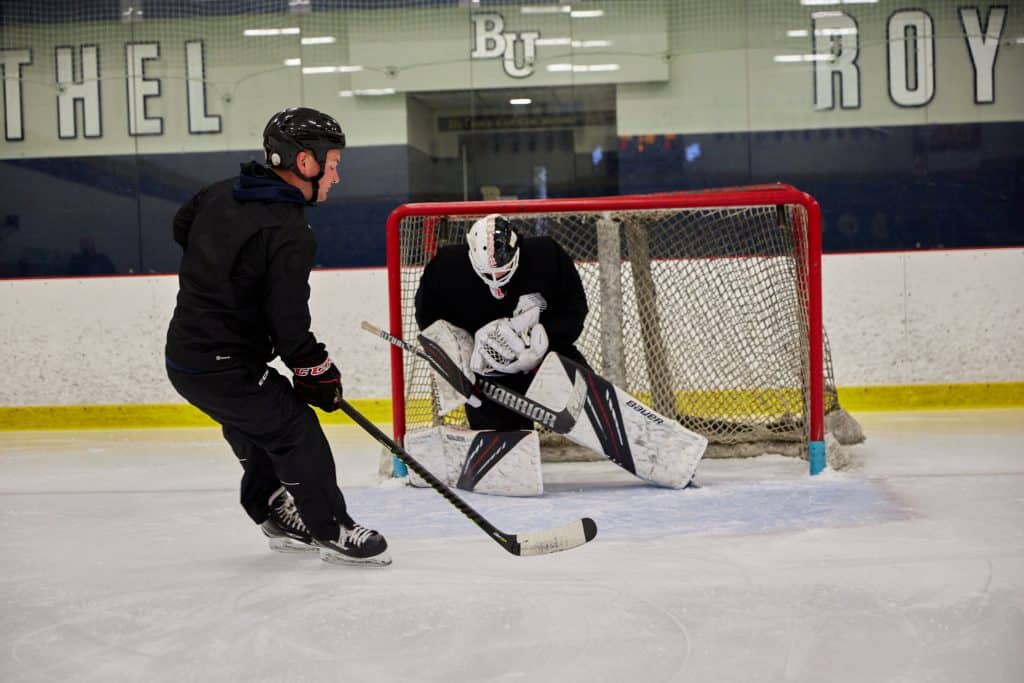
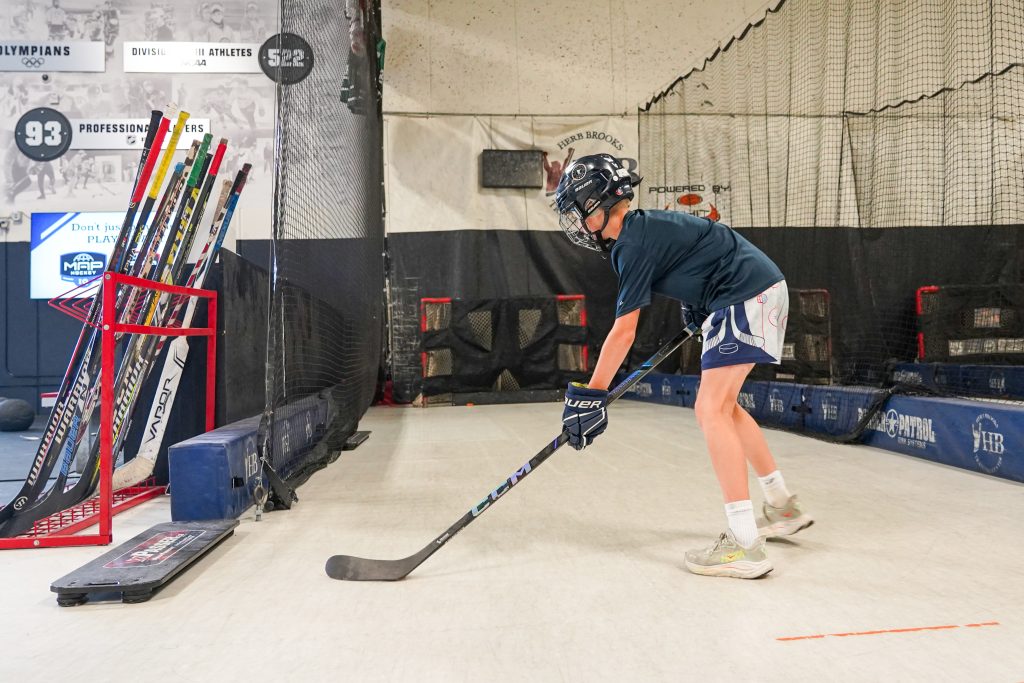
FHIT Clinics are small-group sessions built around the development of individual skills. There are three types: Offense, Defense and Power Skating. You pick the one that matches the part of your game you want to work on, and you book one session at a time.
There’s no membership, no application and no evaluation to get in. That keeps it simple when the moment hits. It also means nobody filters who else is in the session. Clinics are grouped by age, not skill level, so if the level of the group matters to you, have a parent ask before booking.
A quick way to match the moment to the clinic:
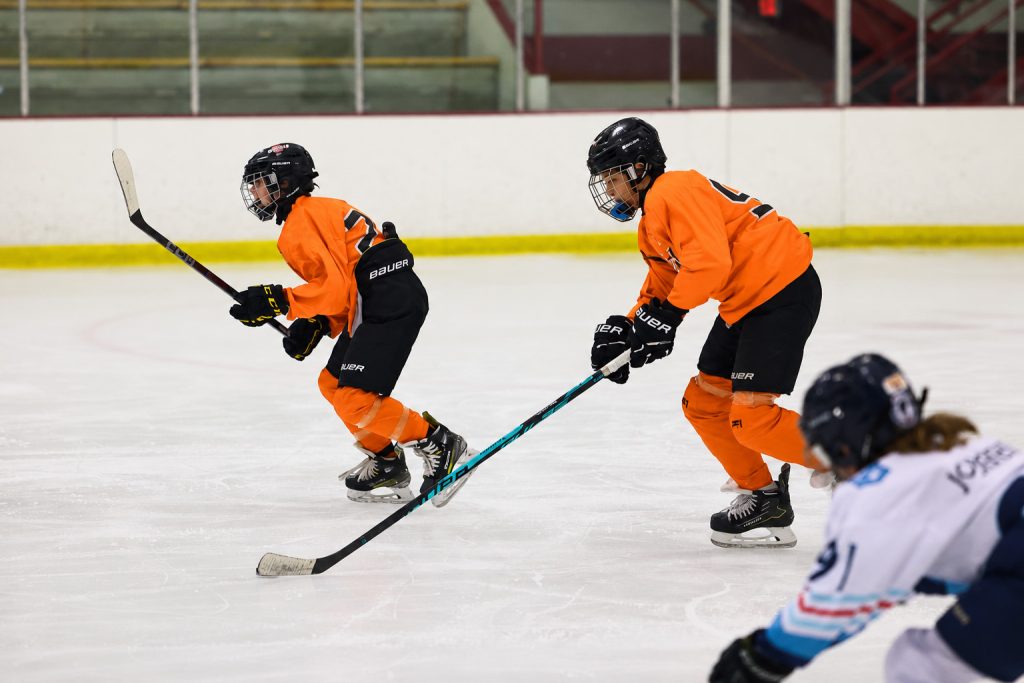
- Losing races, getting caught on turns or a step behind the play: look at Power Skating.
- The puck dies on your stick under pressure, or chances aren’t turning into shots: look at Offense.
- Getting beat one-on-one, gaps too loose, coverage breaking down in your own end: look at Defense.
Bring it to a parent
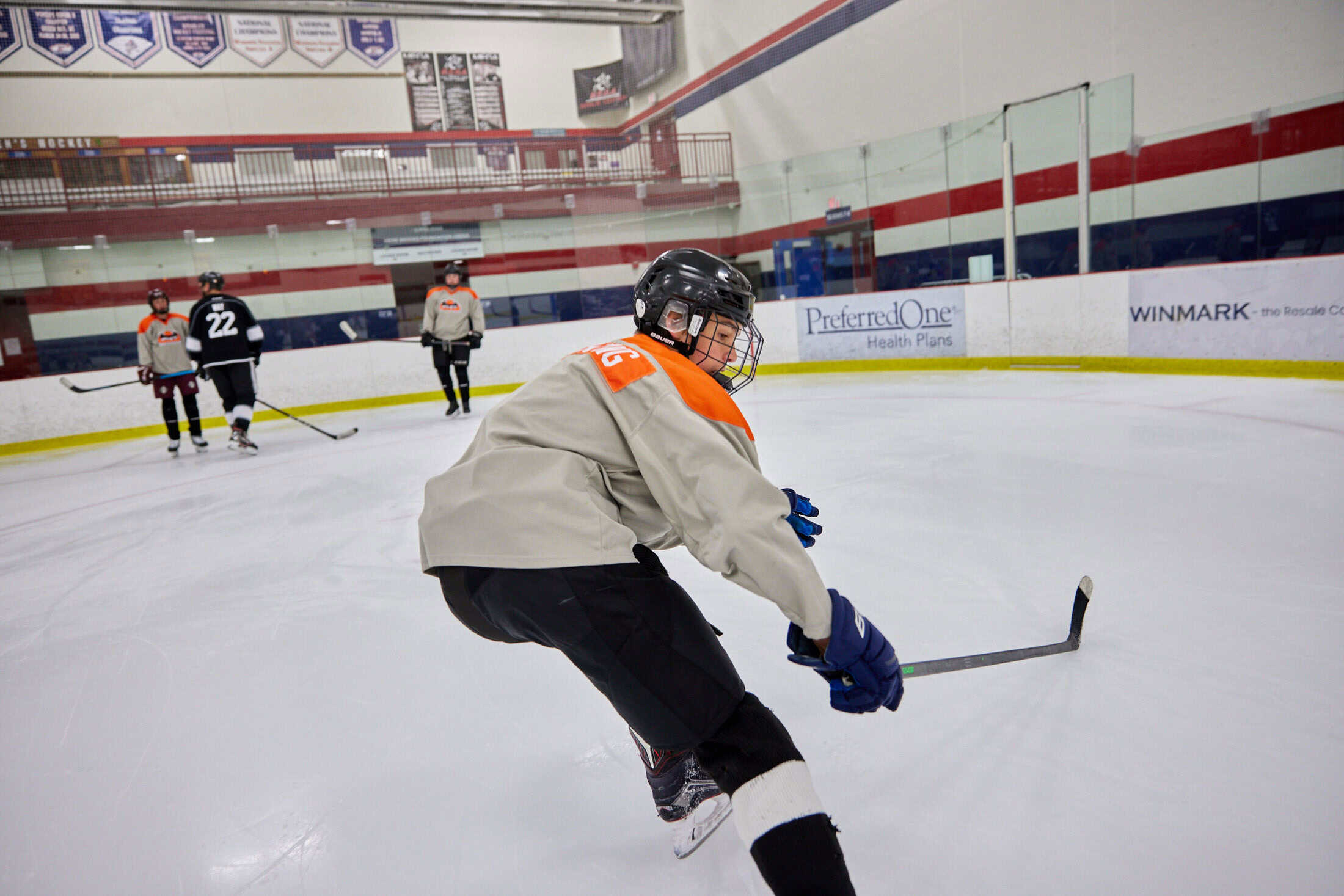
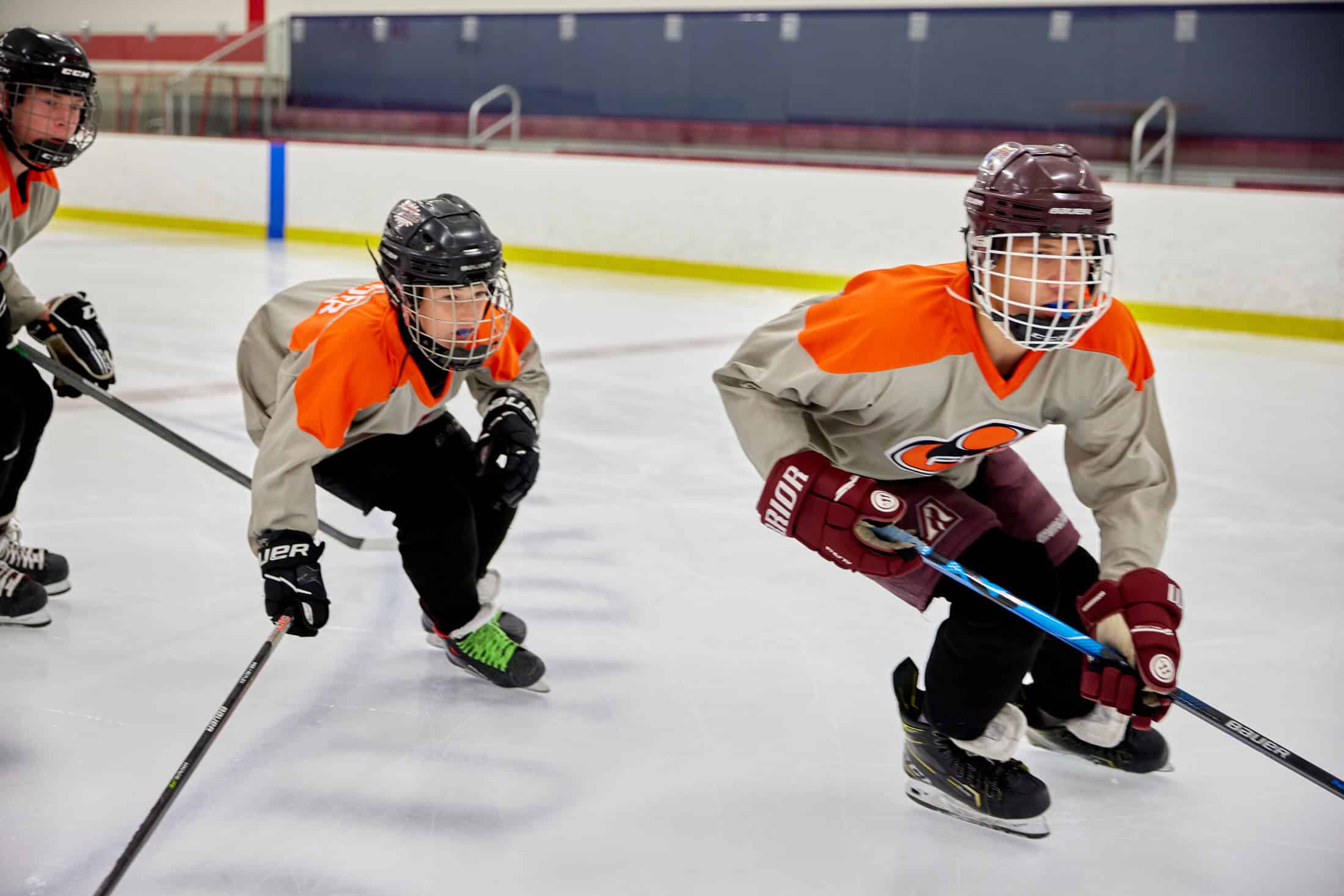
You probably aren’t the one booking. So make the conversation easy. Name the moment that got you thinking, the part of your game it points to and the clinic that matches. That’s a much better ask than “I need more training,” and it shows you know your own game.
The moments will keep coming. Evaluations every year, rough stretches, someone who got quicker over the summer. Each one is a chance to pick one thing and give it real attention.