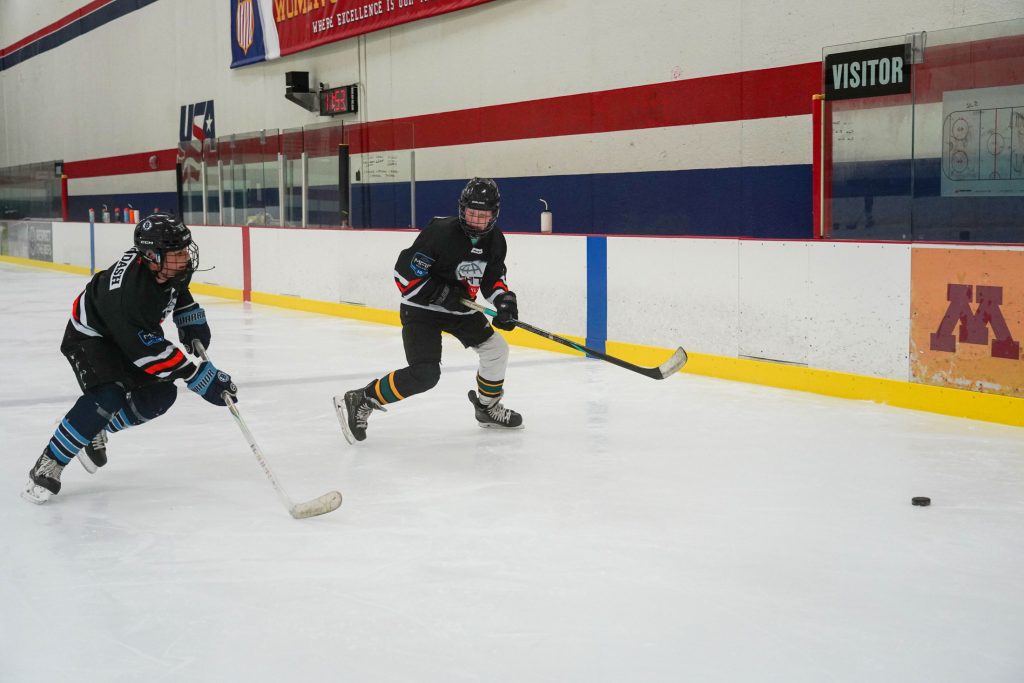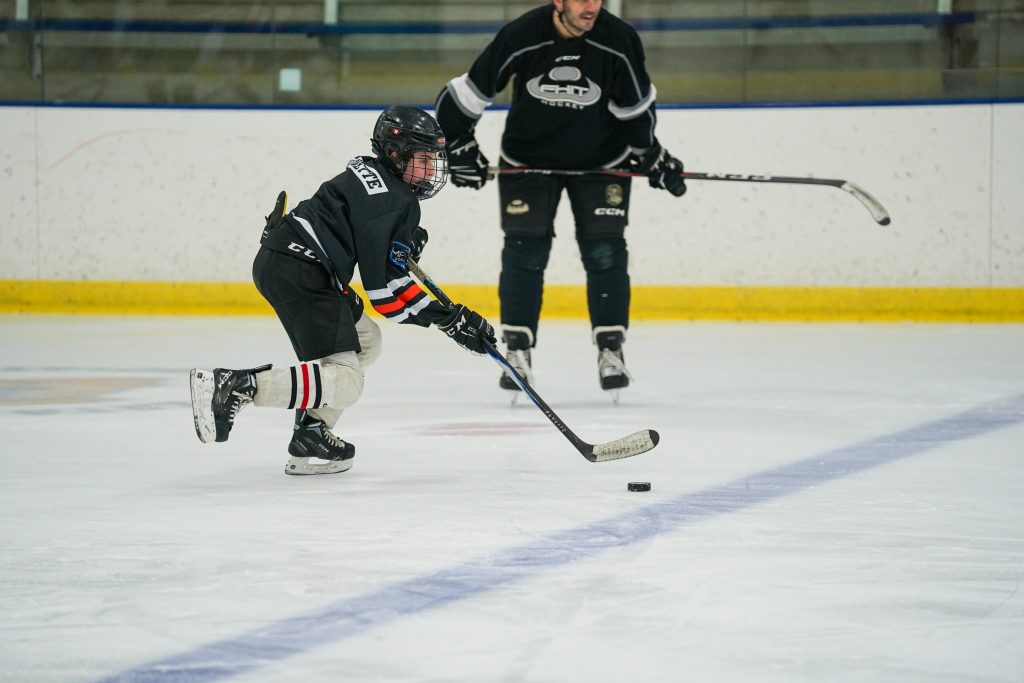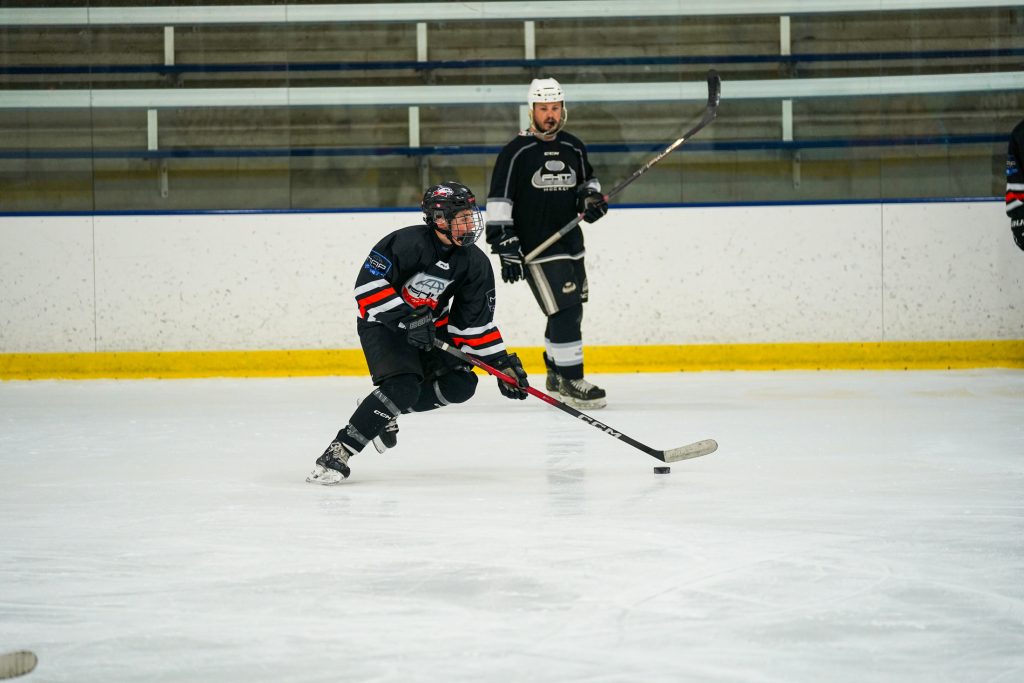
You know how fast you are. Somebody timed your edges drill at a summer camp. You know roughly how hard you shoot, how many pull-ups you can do and how your 40-yard sprint compares to last year.
Now try to put a number on your hockey sense. It’s harder, right?
That’s one of the main reasons decision-making gets less attention than skating or shooting. Players care about it. It just feels hard to grab onto. You can measure speed. What about hockey sense?
Why decisions feel harder to work on
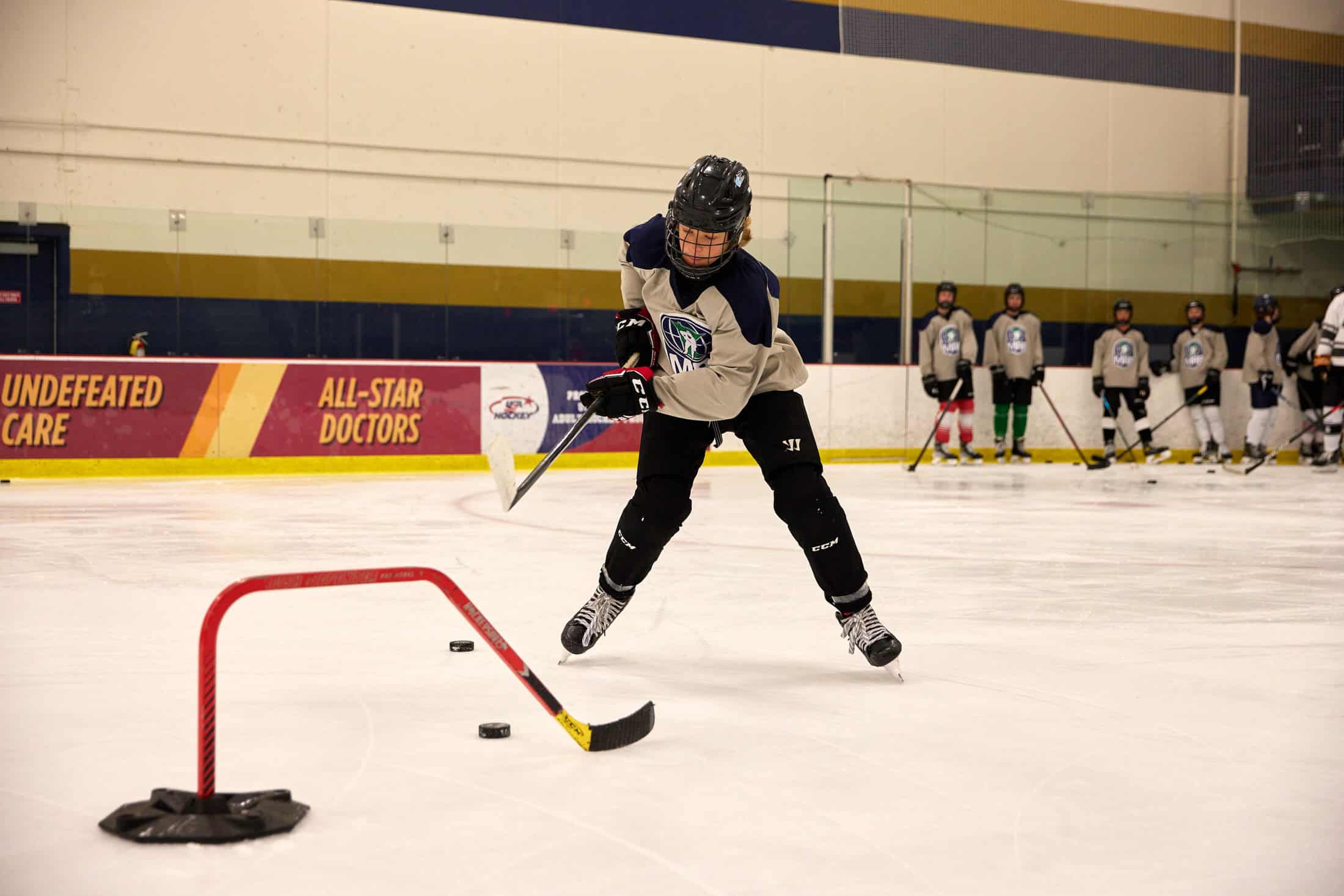
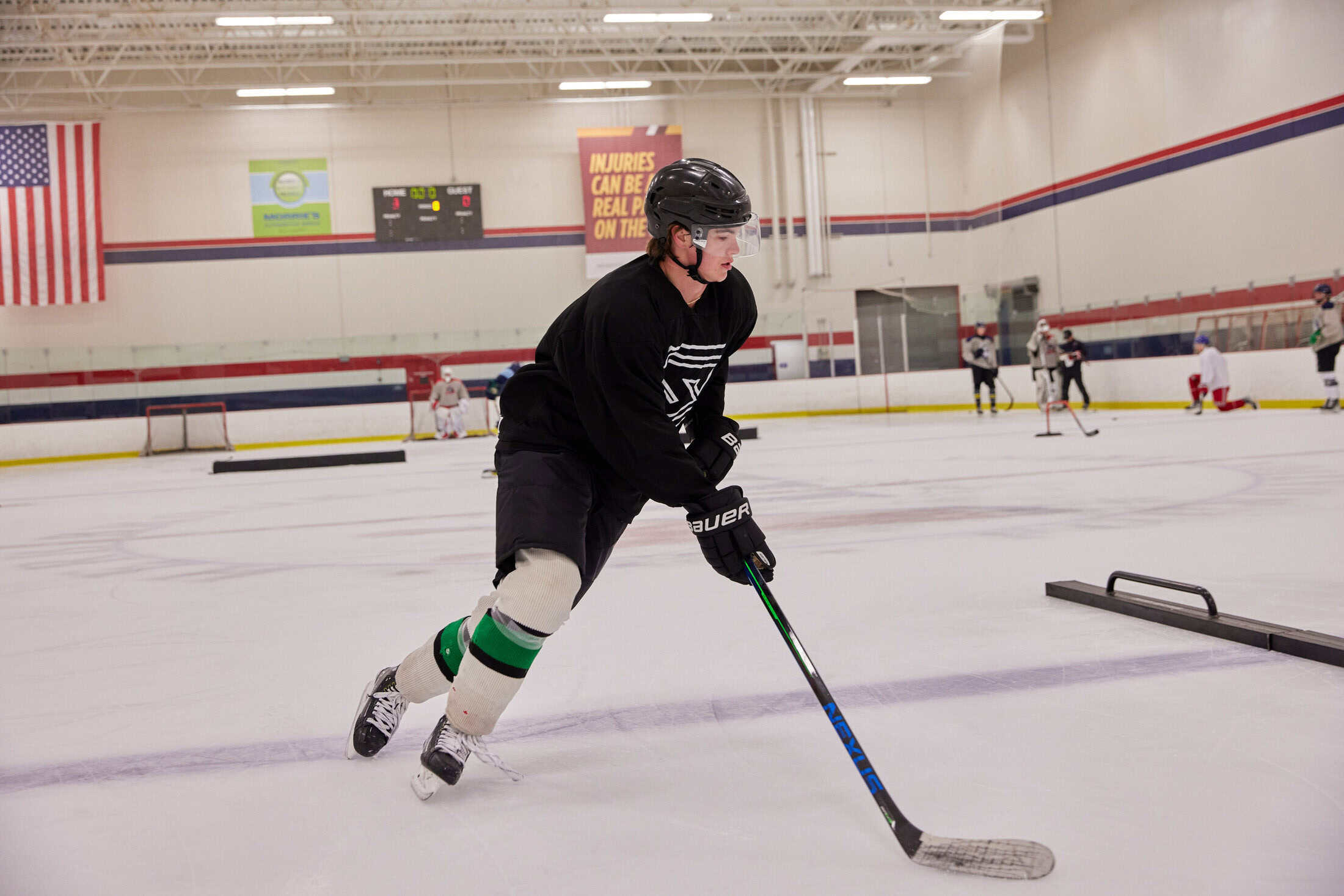
Skating and shooting give you feedback right away. The puck goes in or it doesn’t. You win the race to the puck or you don’t. You can do 50 reps on Tuesday and feel the difference by Thursday.
Decisions don’t work like that. A lot of them happen away from the puck, where nobody’s watching. You drift to the wrong lane on a regroup, the play goes the other way, and the moment is gone before anyone notices. When feedback does come, it tends to be general: “Move your feet.” “Be smarter with it.” That’s hard to practice.
So most players fall back on what they can measure. More shots. More strides. More time in the gym. All of that is essential. But it leaves the decision part of your game mostly untouched.
Your game film shows the decisions behind every shift
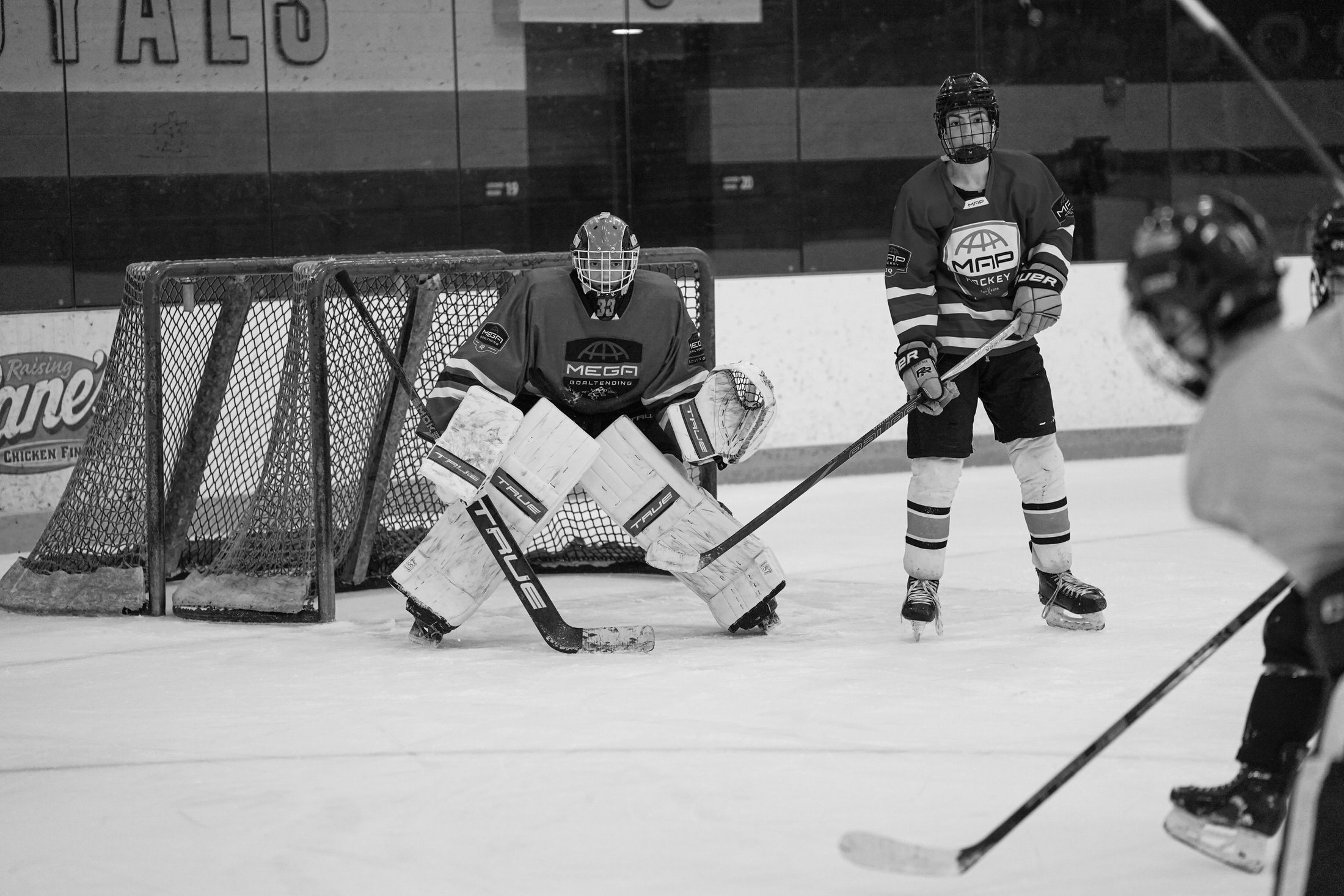
The good news is that decisions aren’t actually invisible. They’re on your game film. Every shift you play is a series of choices, and once you know where to look, you can see them.
It helps to break the game into four situations. MAP Hockey calls them the 4 Components of Hockey:
- Offense at the puck
- Offense away from the puck
- Defense at the puck
- Defense away from the puck
That turns a vague idea into something you can work with. Instead of “I need to play smarter,” you can say “On defense away from the puck, I’m watching the puck carrier and losing the weak-side forward.” Or “On offense at the puck, I’m not checking my shoulder before the breakout pass gets to me.” Those are specific. You can work on specific.
MAP Hockey defines it like this: “Hockey IQ is a player’s ability to make a read, process it, and then execute the right play.” Your film gives you a way to examine the situations you faced, the options available and the decisions you made, including moments away from the puck.
How to see progress without a score
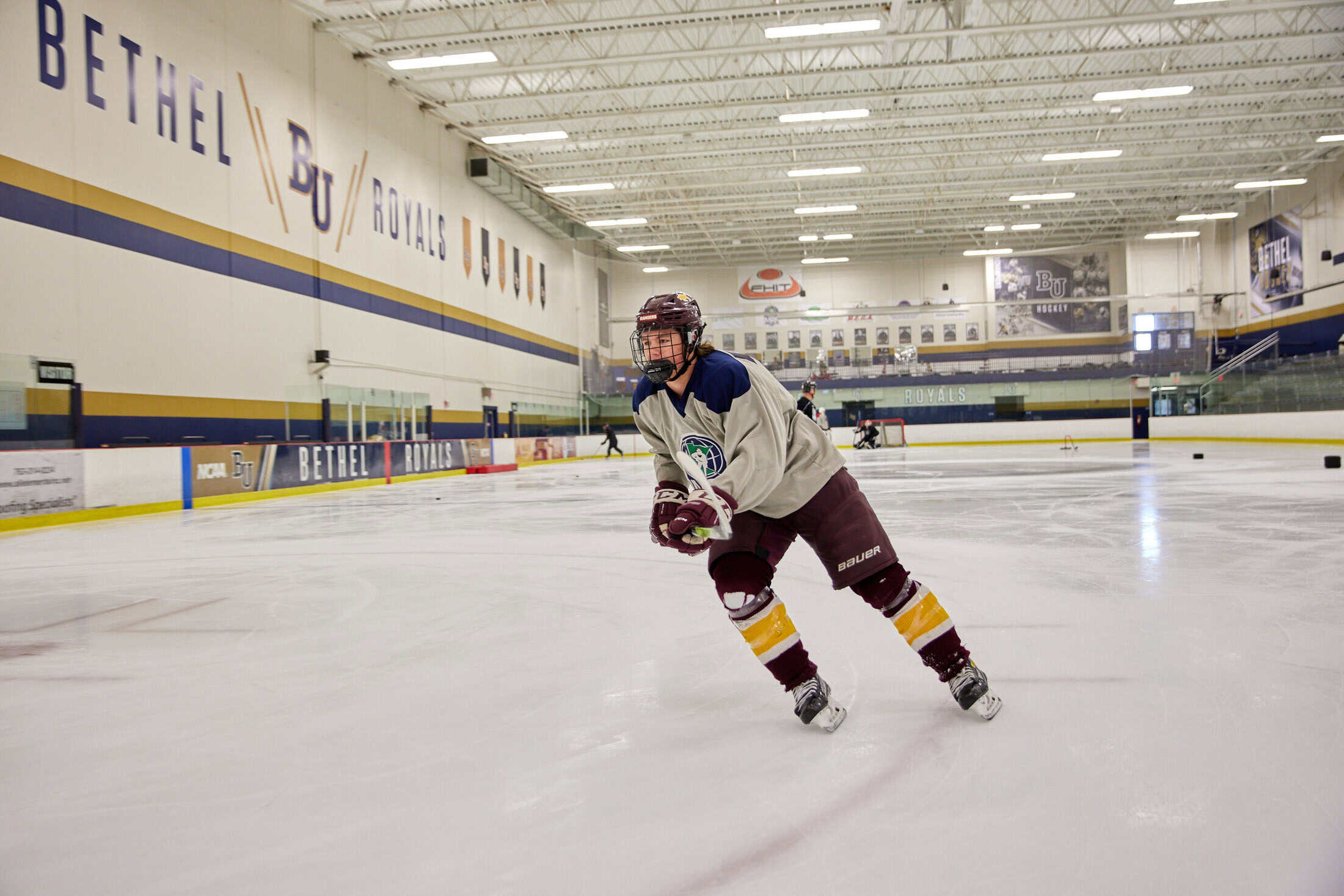
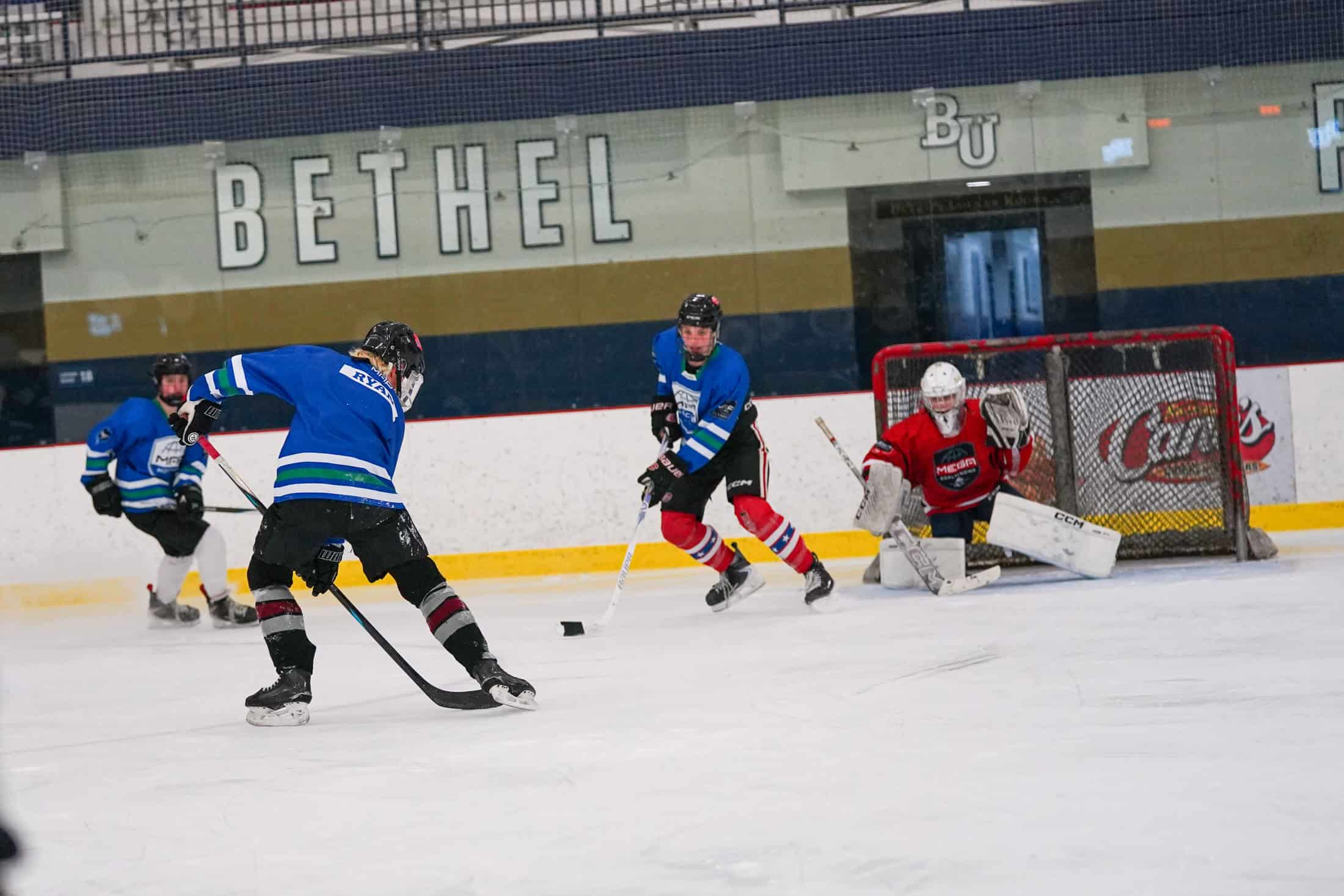
There’s no official score for hockey sense, and MAP Hockey IQ doesn’t hand out grades or rankings. That doesn’t mean progress is invisible. It means you replace guesswork about your game with something you can actually look at.
Study your game film. See your decisions. Know what to work on next. Then compare your film to your own earlier film. A few things worth watching for:
- Are you checking your shoulder before the puck arrives, or after?
- On the backcheck, are you picking up the right player sooner?
- When you’re the third forward high in the zone, are you in a spot that helps on the next play?
- Are you getting rid of the puck under pressure with a plan, or just getting rid of it?
One thing that doesn’t help much: measuring yourself against the teammate who plays your position. It’s natural, and almost everyone does it. But their shift chart doesn’t tell you what to fix on yours. Your game film. Your decisions. That’s the comparison that gives you something to work on.
Effort and decisions are two different things
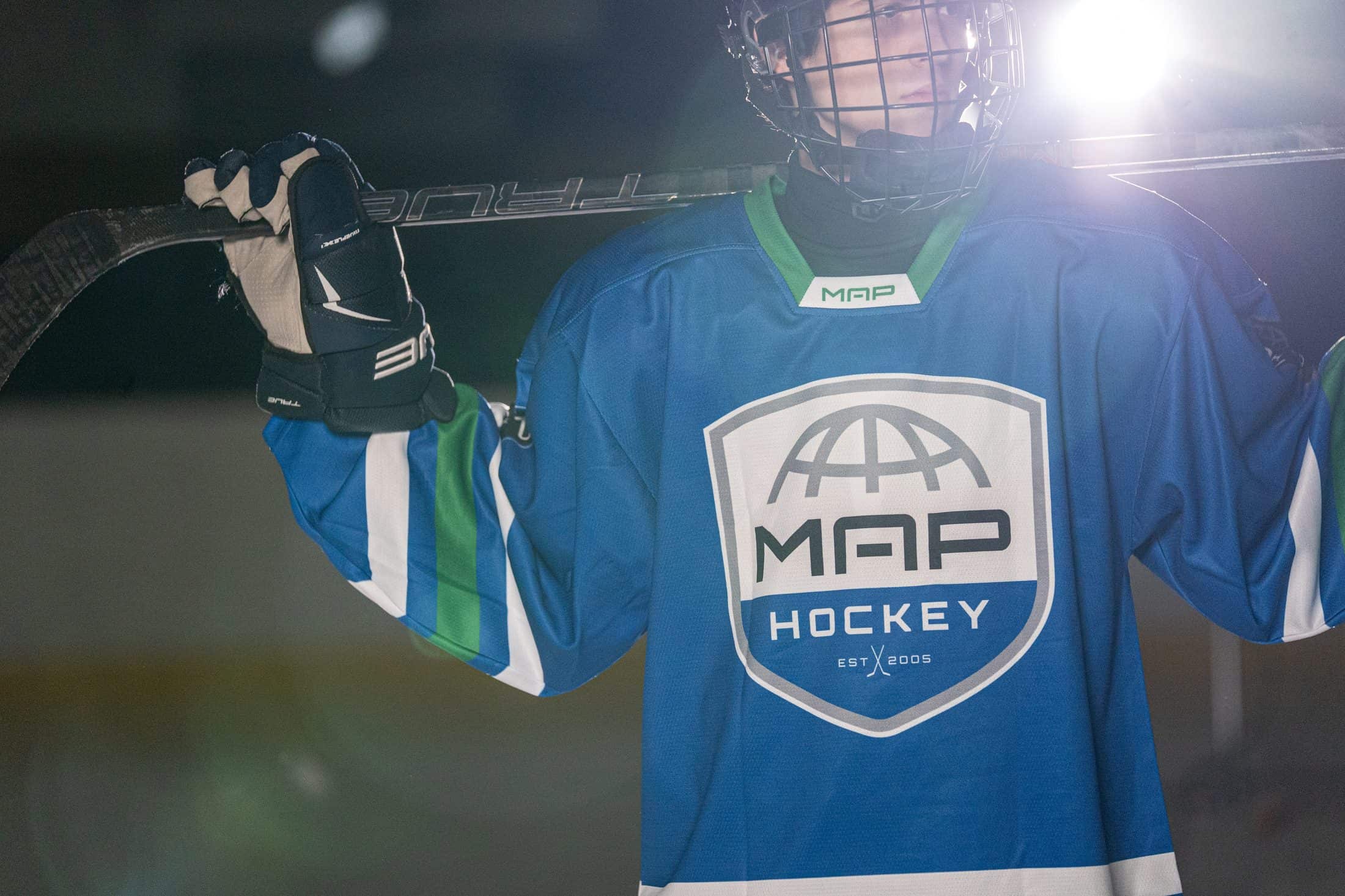
Most high school players have been told their whole lives that hard work pays off. It does. It’s also not the whole story. Opportunities don’t always go to the hardest worker.
You can skate as hard as anyone on your team and still be a beat late, because the read came late. Effort gets you to the spot. Decisions decide which spot. Keep putting in the work. Building your hockey sense alongside your physical skills can help you make better use of that work in games.
Some players worry that thinking more about decisions will slow them down. It usually works the other way. The more you understand the game, the more confidently you can make your next play. Build confidence. Play fast.
Talking to your parents about it
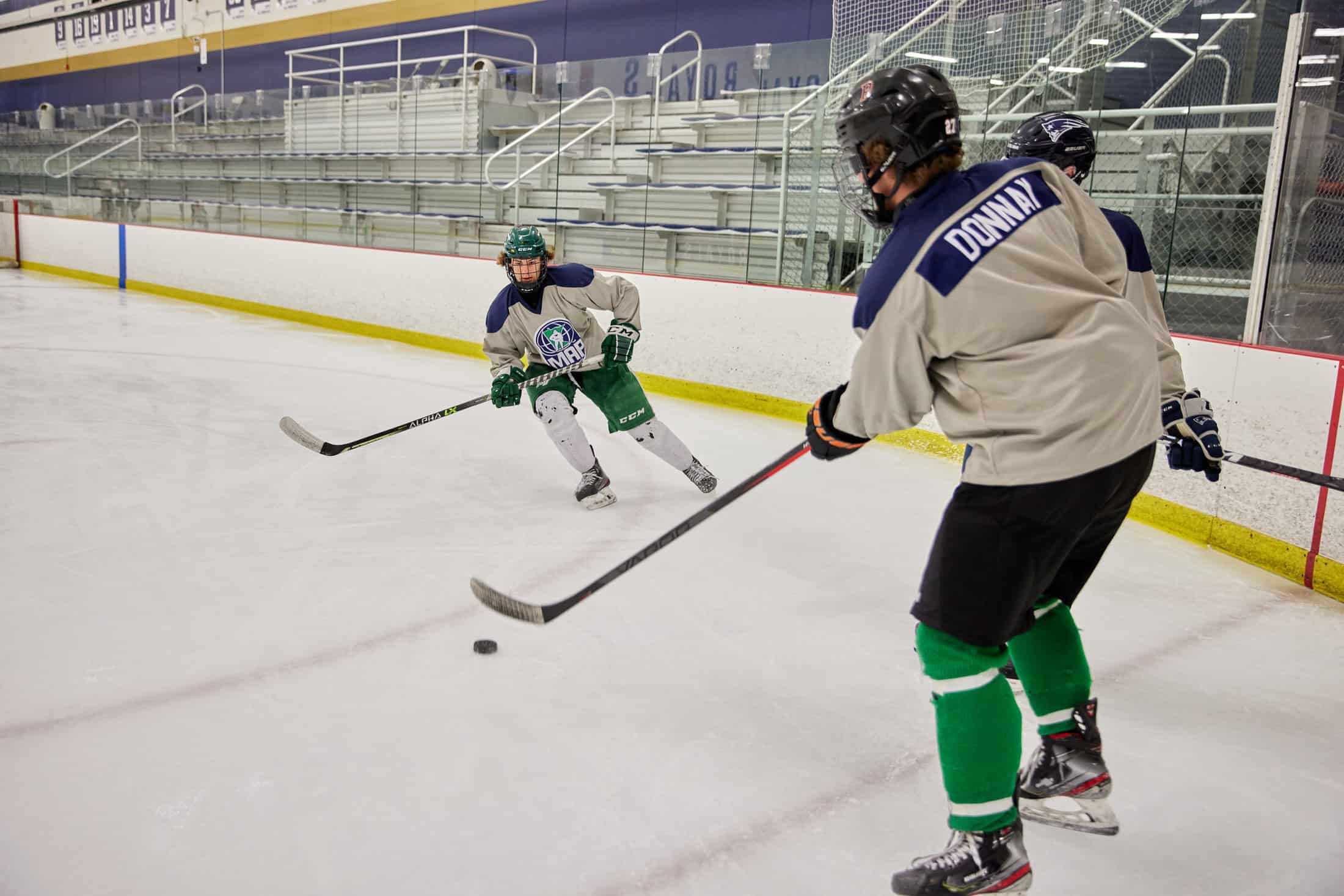
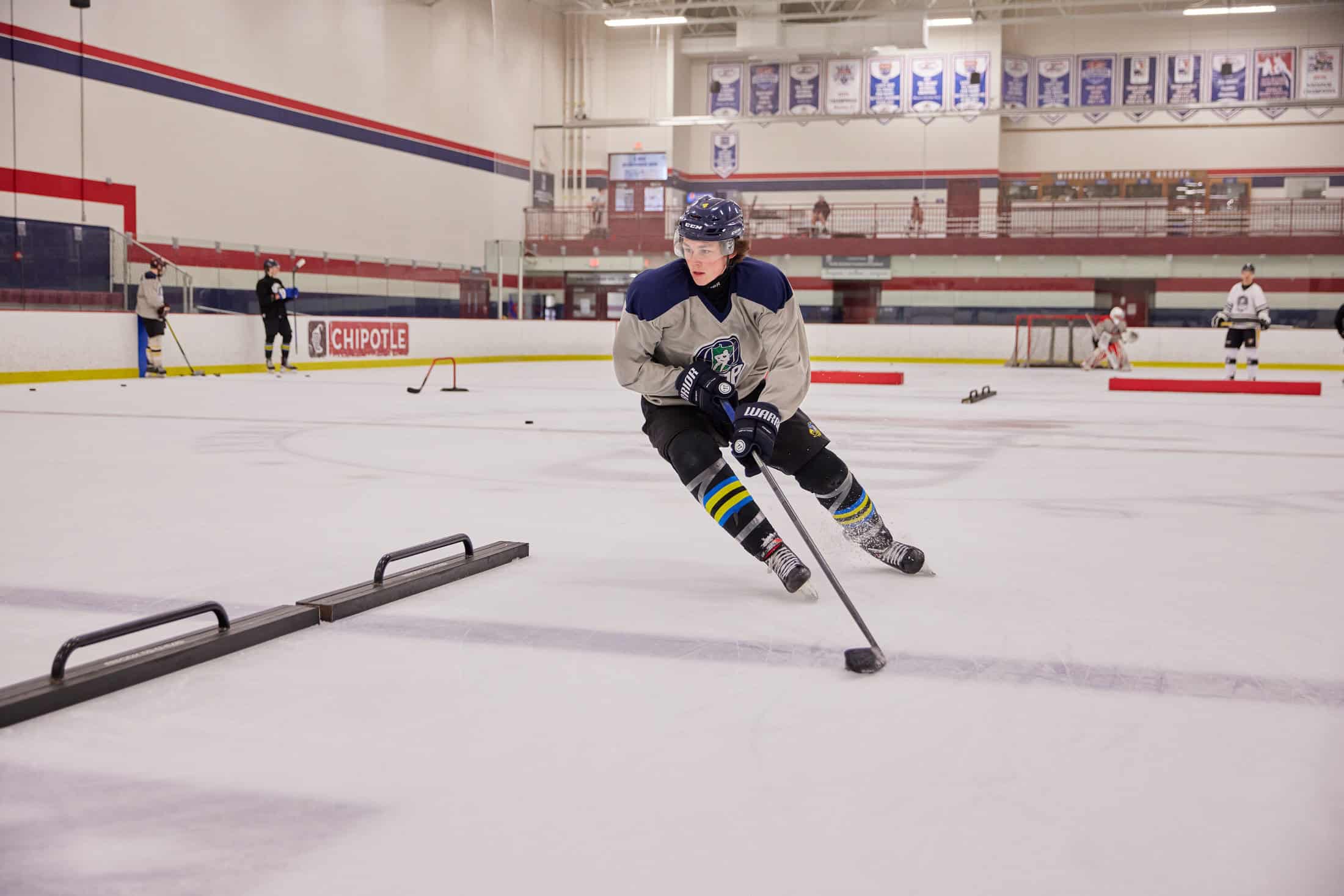
This is the part a lot of players skip. You’re probably not the one paying for your hockey. Your parents are, and they’ve likely invested a lot already in skating, skills and summer teams.
So when you bring up hockey IQ coaching, expect questions. More training? Or smarter play? That’s a fair thing for a parent to ask. It helps to explain it the way you’d explain any other part of your development:
- The focus: your decisions, not your stride or your shot.
- The approach: personalized study of your own game film with a MAP Hockey IQ coach.
- The goal: better hockey sense.
- What you’re hoping to see: more confident play.
If you want a bigger role, developing your hockey sense is another way to work toward making a bigger impact. Then go through the MAP Hockey IQ page together, so your parents can see each option and what it includes. They make the call. Your job is to explain why it matters to you.
Fitting it into school and a long season
High school hockey is a lot. Practices, games, lifts, homework, a bus ride to an away game on a weeknight. Adding one more thing can sound impossible.
Full schedule. Bigger goals. The nice part about working on decisions is that it doesn’t need more ice. It starts with your game and your film. A Single Game Review is one starting option, where a MAP Hockey IQ coach goes through one of your games with you and gives you feedback focused on your game. The MAP Hockey IQ Master Class is another way to learn on your own time, so you can study hockey IQ around your schedule.
Keep training. Keep developing. Just give the decision side of your game a place in your week too.
Make the invisible part visible
Decision-making feels abstract until you see it on film. Once you can name the situation and see the choice you made, it becomes something you can work on, the same way you work on your edges or your release.
Learn more about MAP Hockey IQ and look it over with your parents.