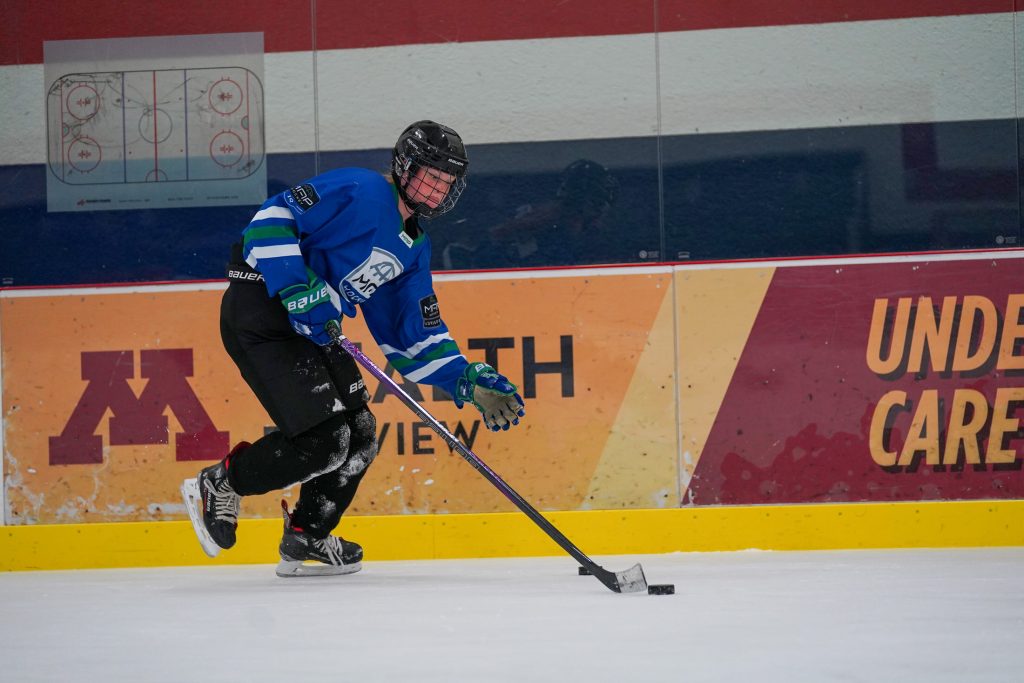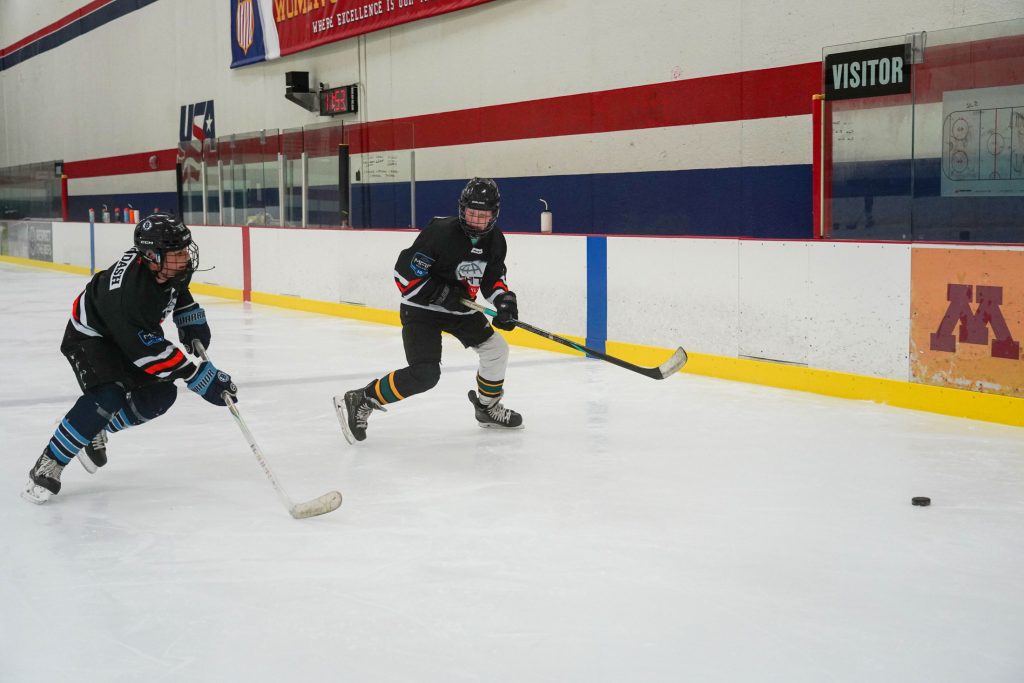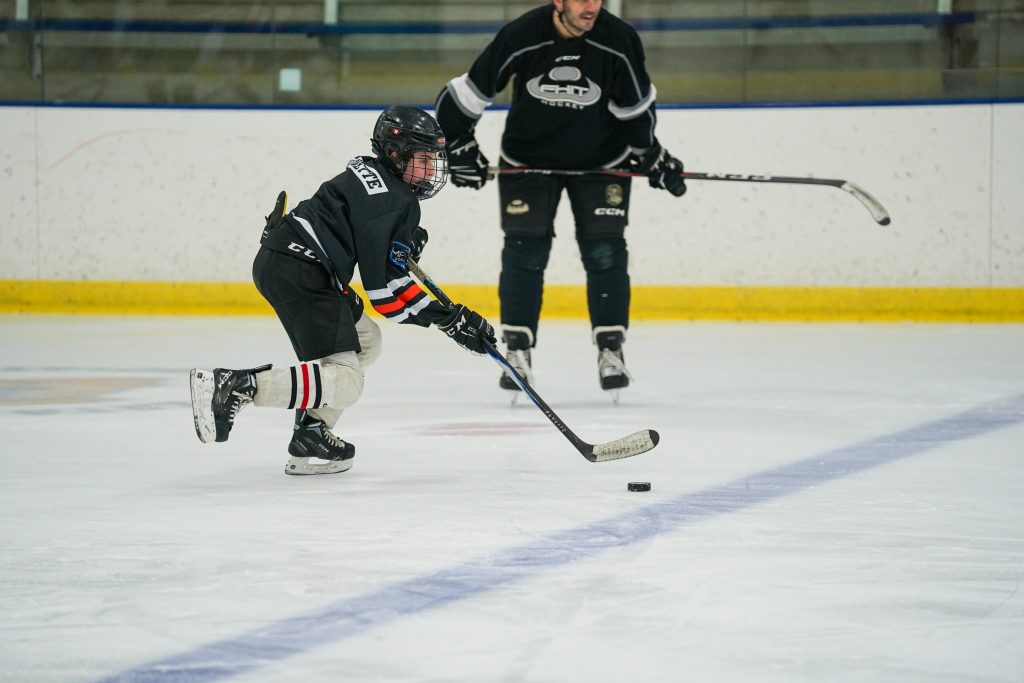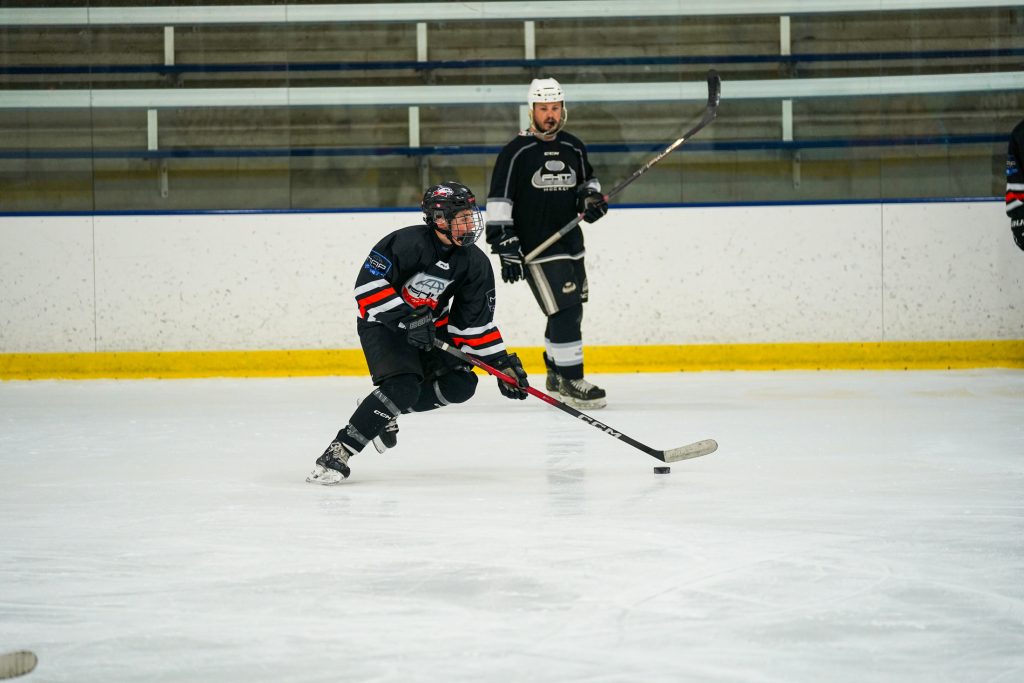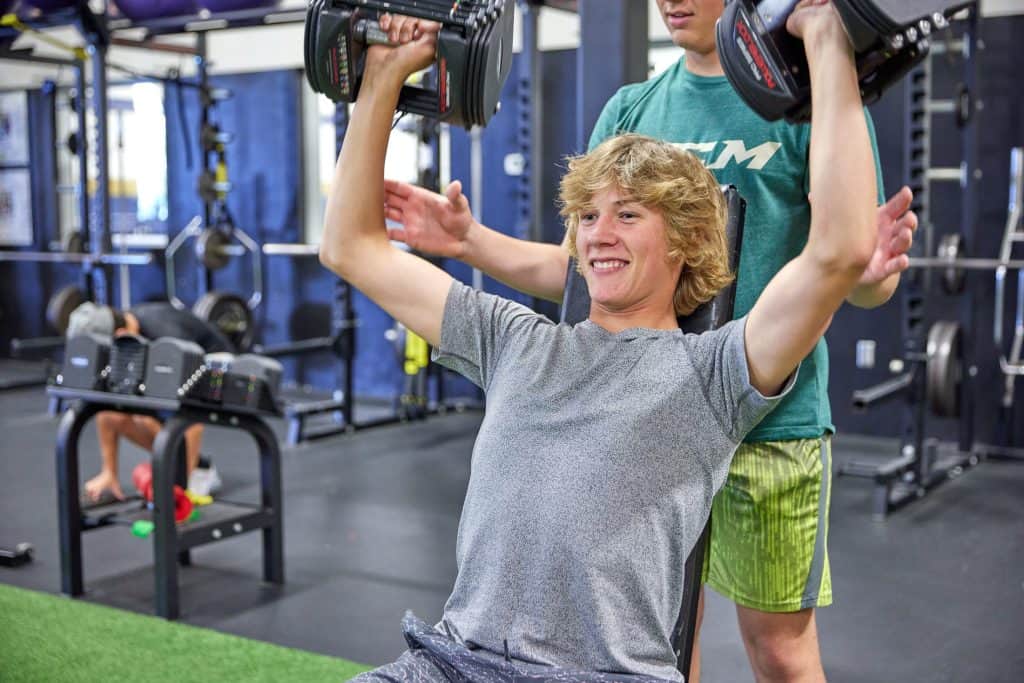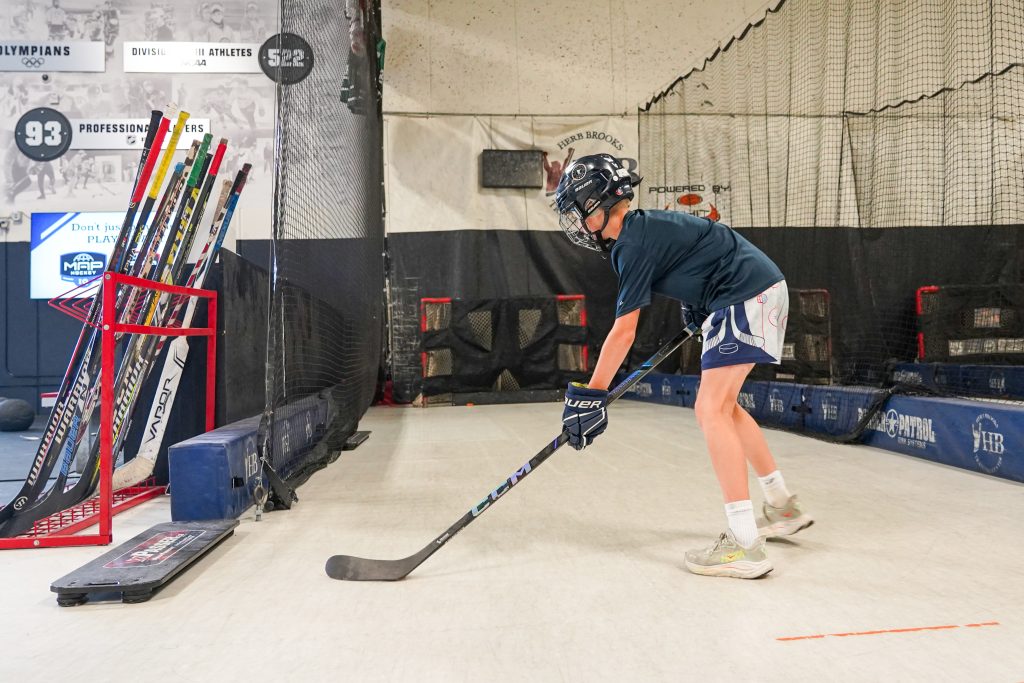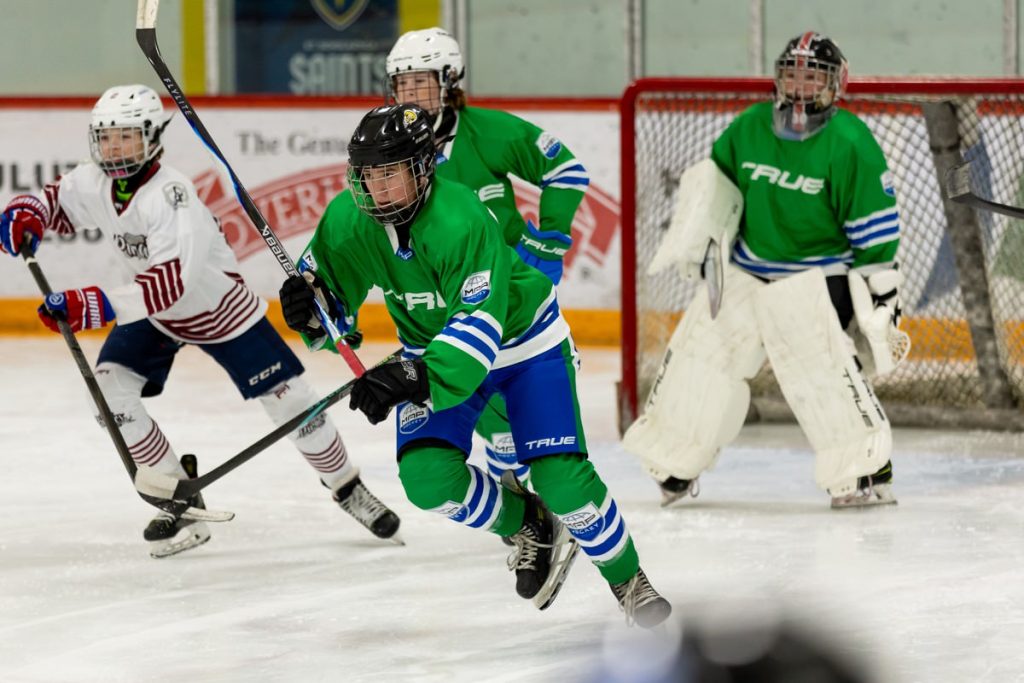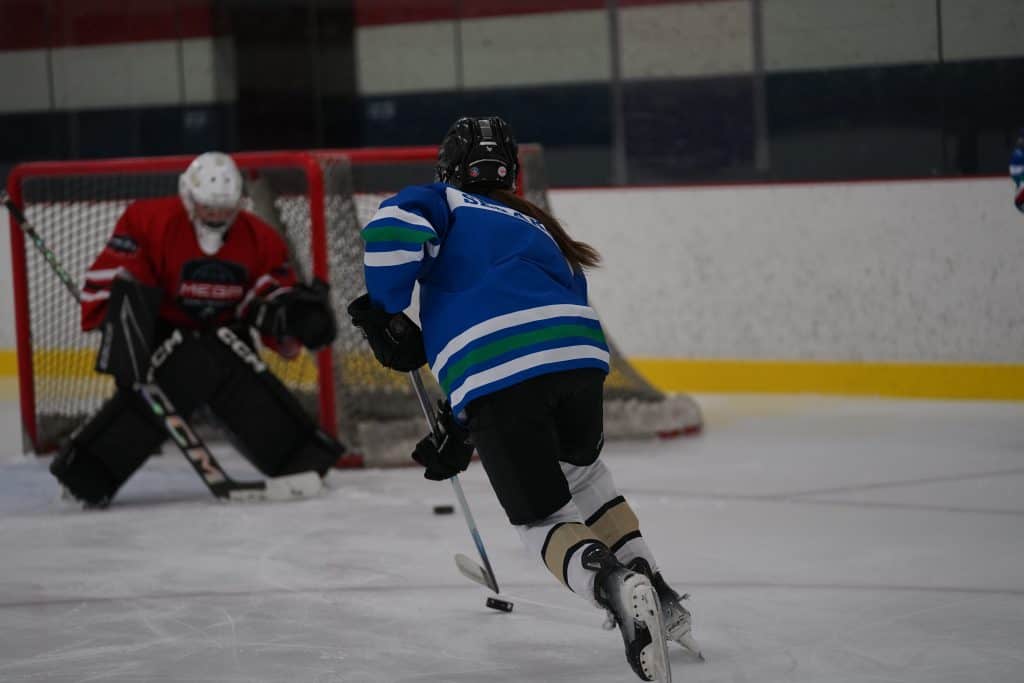
You’ve seen it in training. Clean edges, quick hands, a shot that finds the corner. Then the game starts and your athlete looks like a different player. Rushed. Careful. Getting rid of the puck before anyone is even close.
On the drive home, you both know something didn’t translate. Neither of you is quite sure what.
Why skills disappear in games
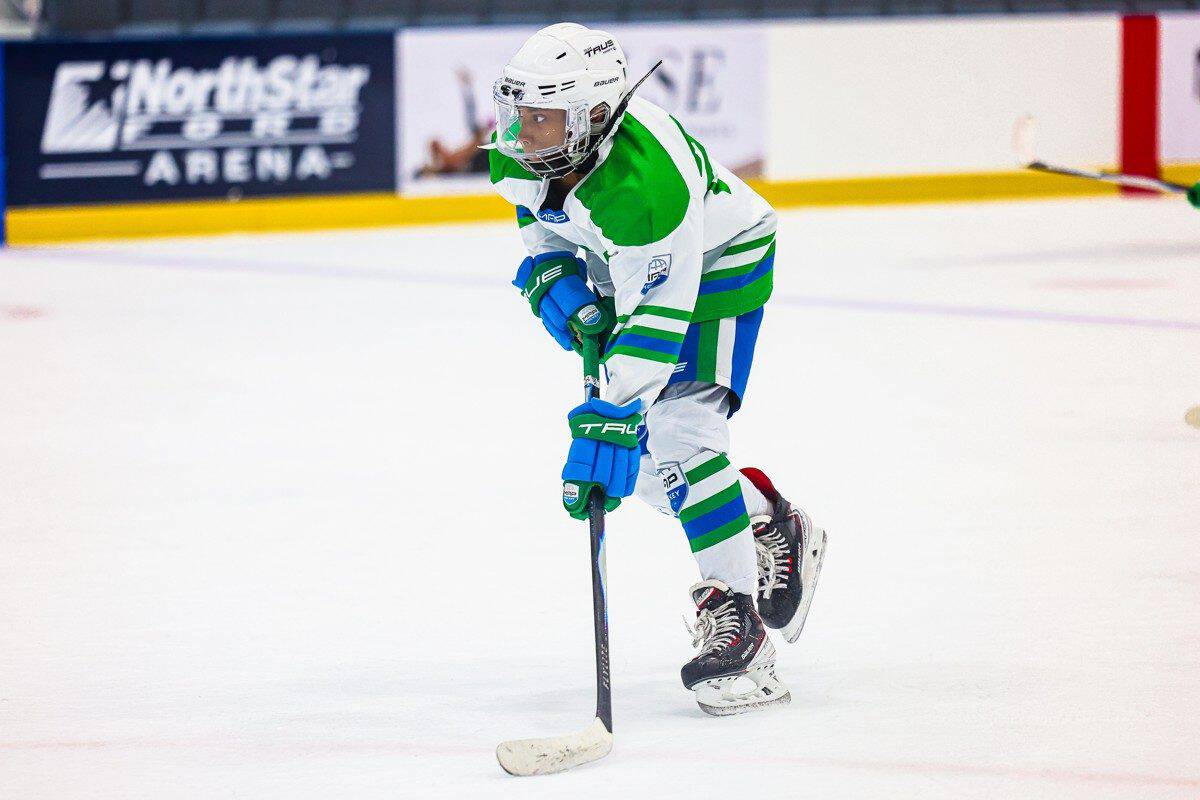
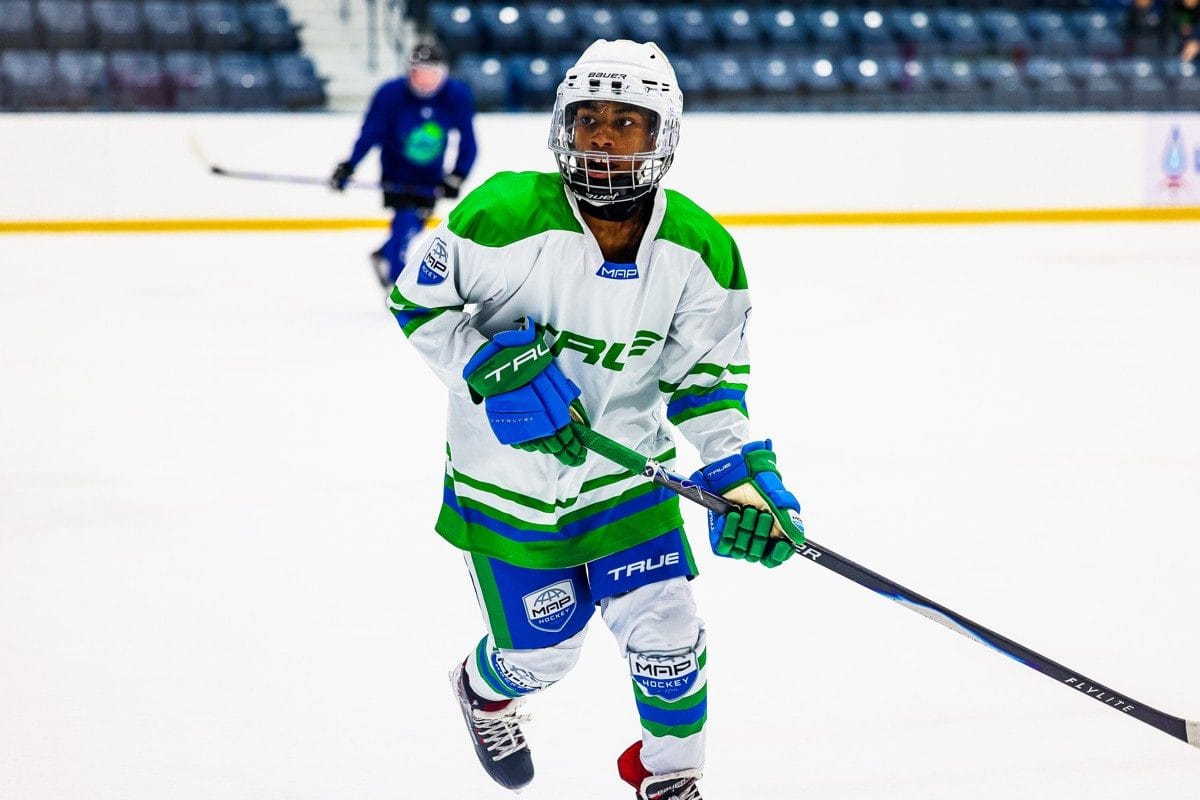
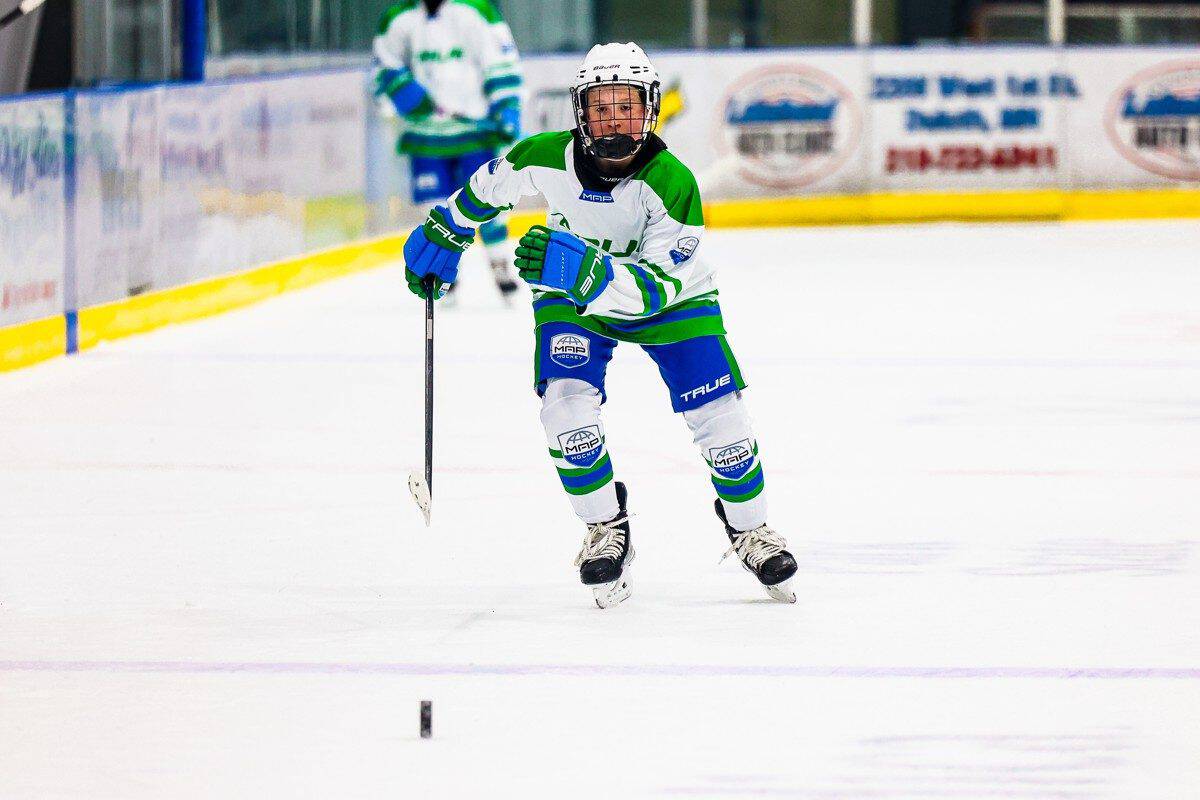
This is one of the most common frustrations in youth hockey, and it usually isn’t about talent.
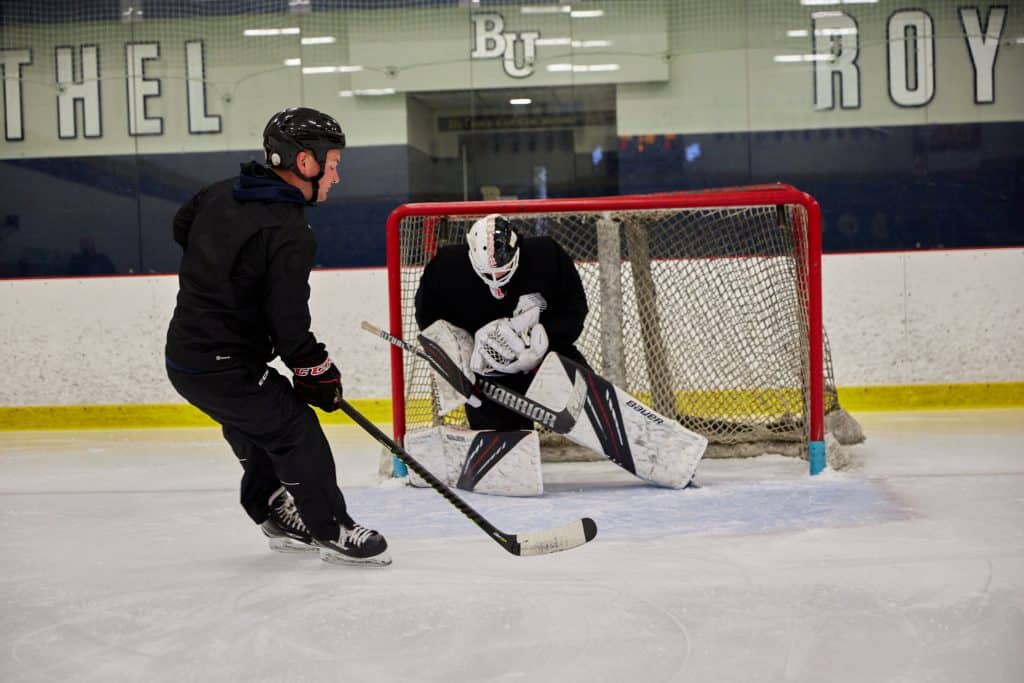
Training is controlled. The drill has a start and a finish, the coach explains what’s coming, and mistakes cost nothing. A game is the opposite. Everything happens faster, nobody tells you what’s next and a turnover at the blue line ends up in your net.
So the brain does what brains do under pressure. It goes back to what feels safe. For a lot of young players, that means dumping the puck, passing too early or staying out of the battle. The skill is still there. The confidence to use it at game speed isn’t, yet.
Confidence is built, not talked into
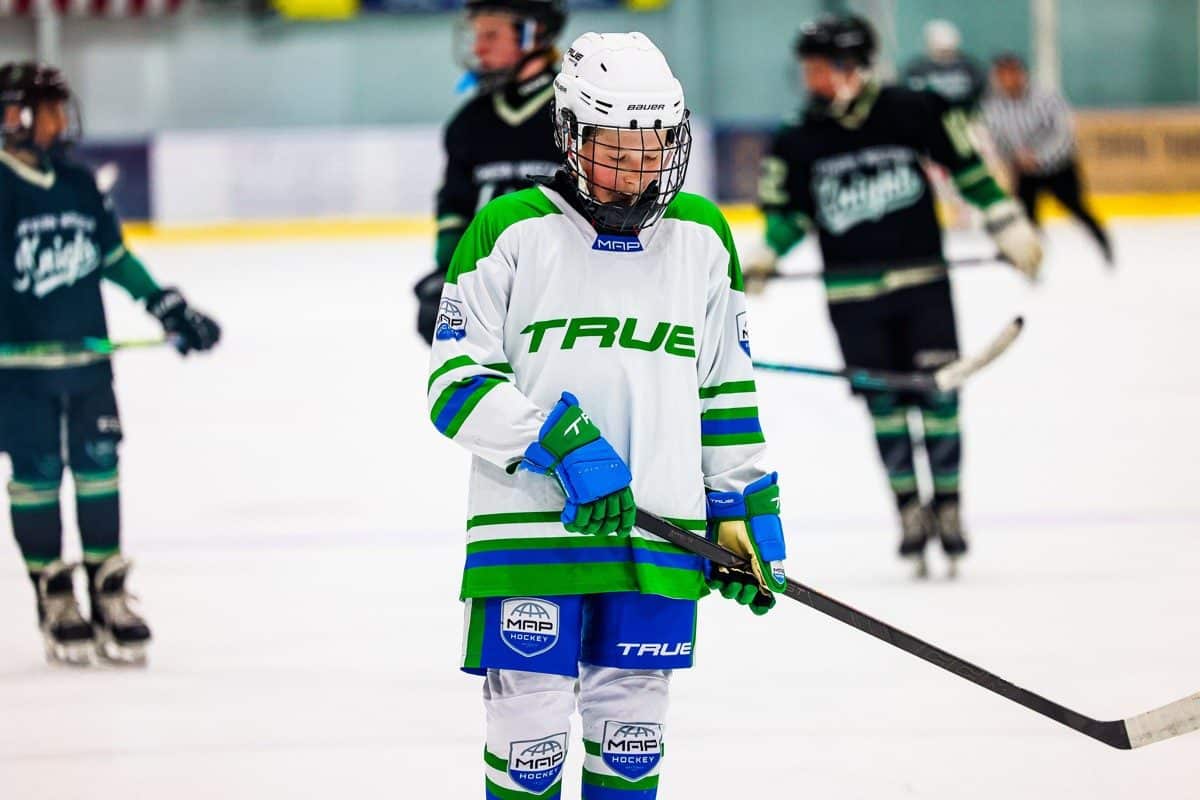
Most parents have tried the pep talk. “You’re better than you think.” “Just play your game.” It helps for a period, maybe.
Real confidence comes from doing the hard thing enough times that it stops feeling hard. A kid who has tried the move in a game, lost the puck, and been coached through it on the bench is more confident the next time. A kid who only ever tried it in practice isn’t. Confidence grows in the space between a mistake and the next shift, when someone who knows the player helps them see what happened and sends them back out to try again.
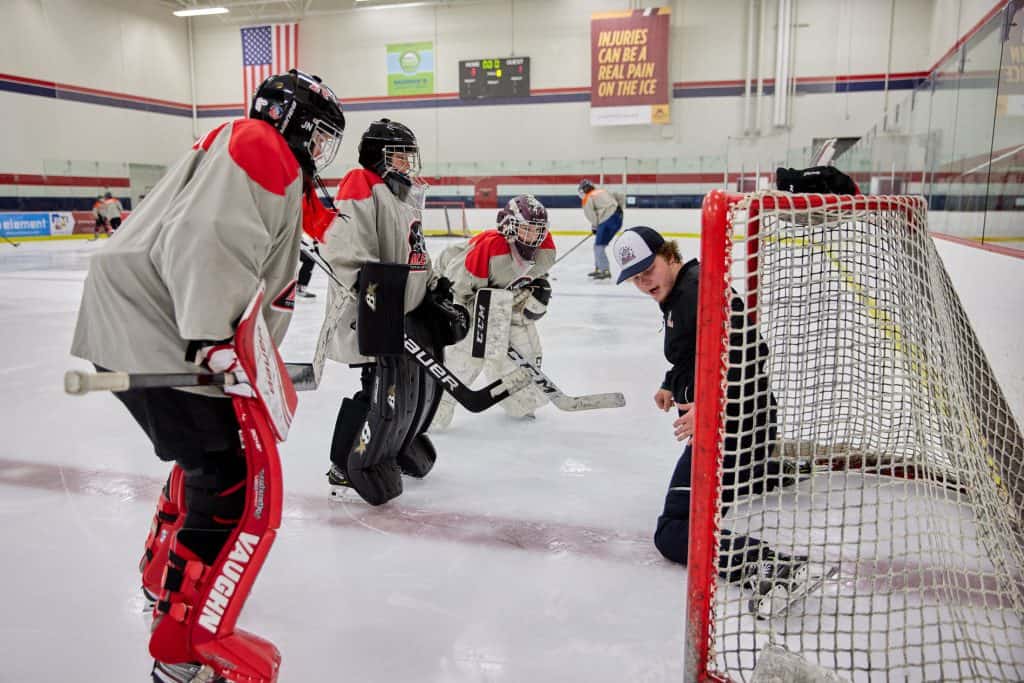
That’s why the link between training and games matters so much. If the people who taught the skill are also the people coaching it in a game, they know what to look for. They can say “that’s the read we worked on Tuesday” and mean it.
Is your athlete ready?
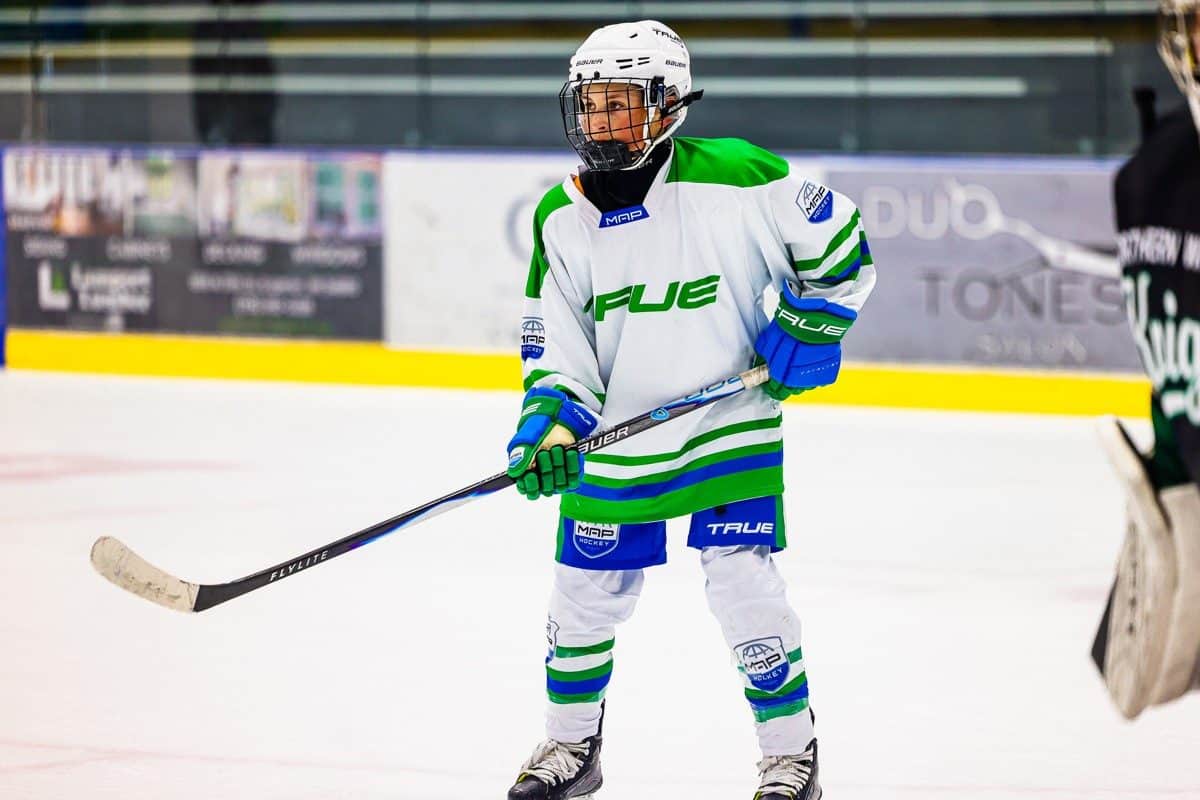
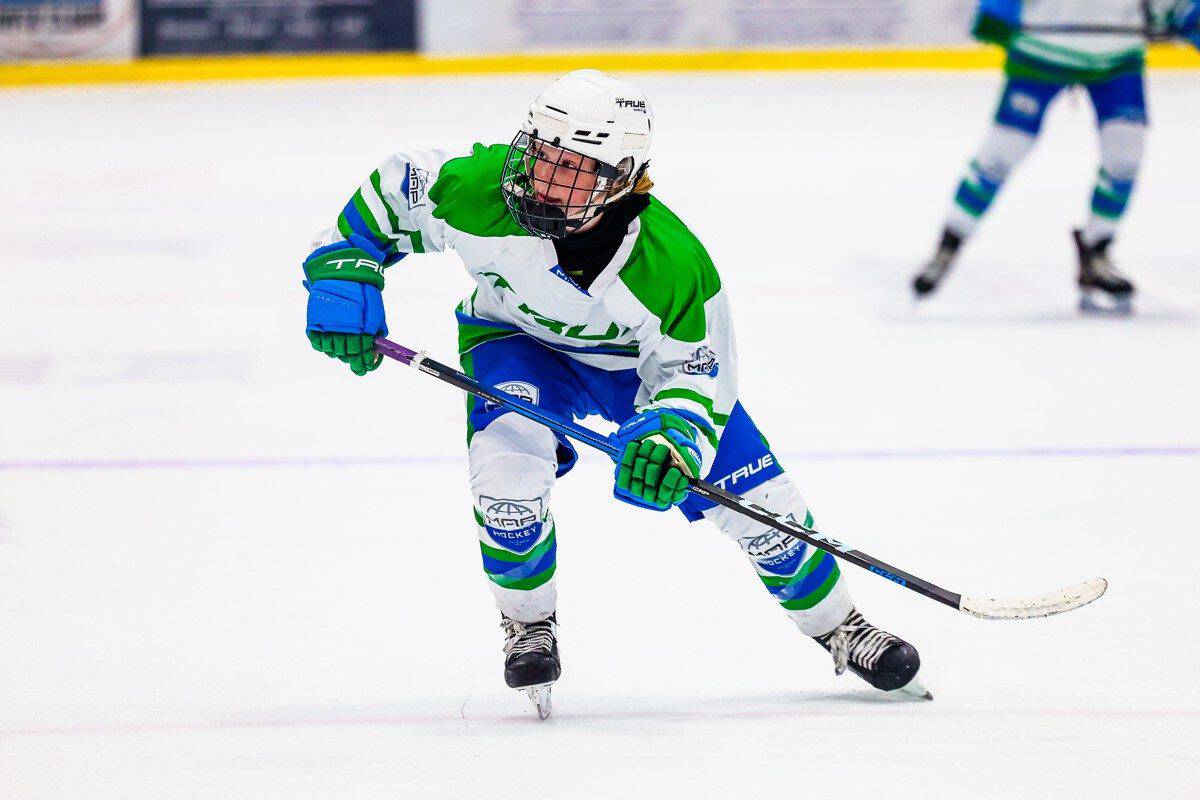
This is the question underneath most of the others. Will my child be in over their head? Will they sit on the bench? Will a tough experience make them like hockey less?
Those are real fears, and it’s fine to have them. Most hockey parents have stood in a cold rink at some point, watching their kid sit for a period and wondering if they made the wrong call. A few things are worth knowing.
You don’t have to make the readiness call alone. At Team True AAA, “Athletes are selected by the MAP Hockey training staff based on skill, development trajectory, and evaluation.” The people making that decision are the people who train MAP athletes, which means it comes from coaches who know what to look for.
Readiness also isn’t a single moment. Most kids feel unready the first time they step up, and most parents feel it twice as much. Some nerves are part of it.
How Team True connects training to games
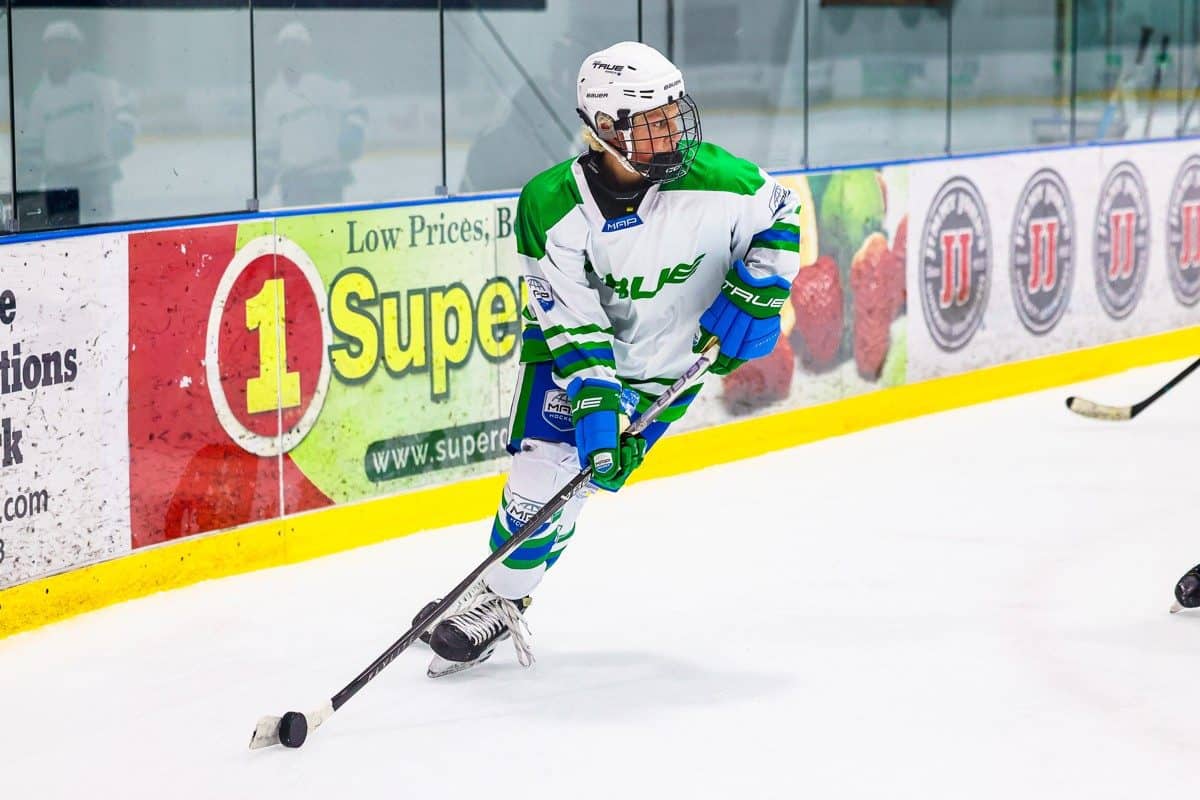
MAP publishes it in two sentences:
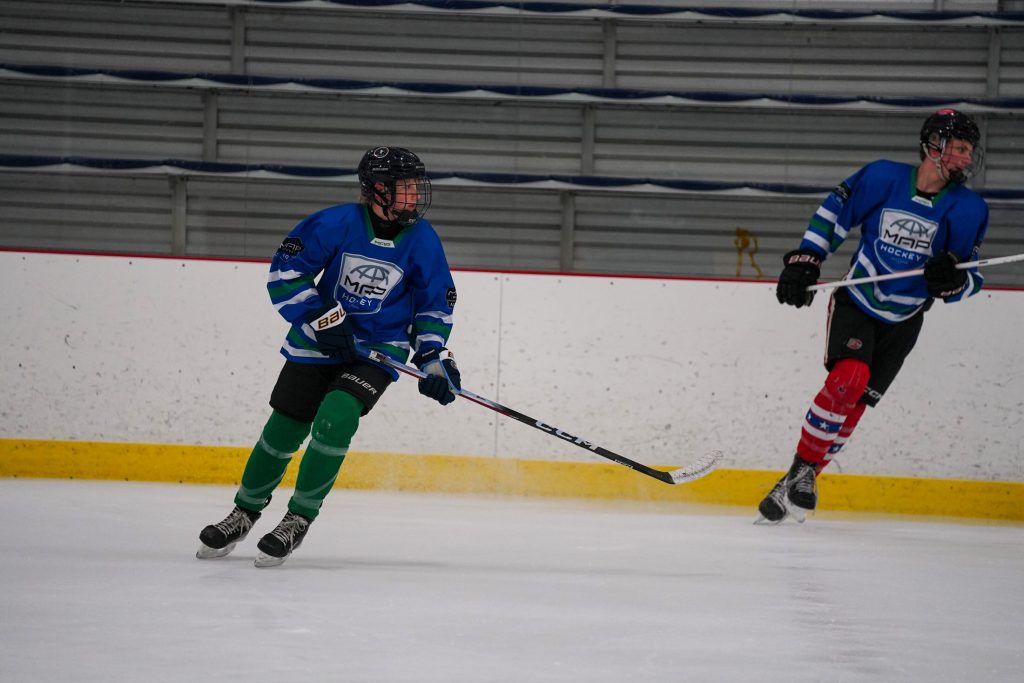
“Team True AAA teams are an extension of MAP Hockey. The coaches who develop your athlete in training are the same coaches behind the bench on game day.”
The program is designed to use competition as a development tool rather than a stand-alone experience. In plain terms, the game becomes part of the training instead of a separate test your child takes on their own.
That matters for a kid whose skills keep vanishing between practice and Saturday. The staff on the bench know the habits being built in training. They can recognize when your athlete reverts, and they can coach the moment instead of just the result.
It doesn’t mean a specific coach will be assigned to your child. Ask MAP about how teams are staffed.
When fear is the real obstacle
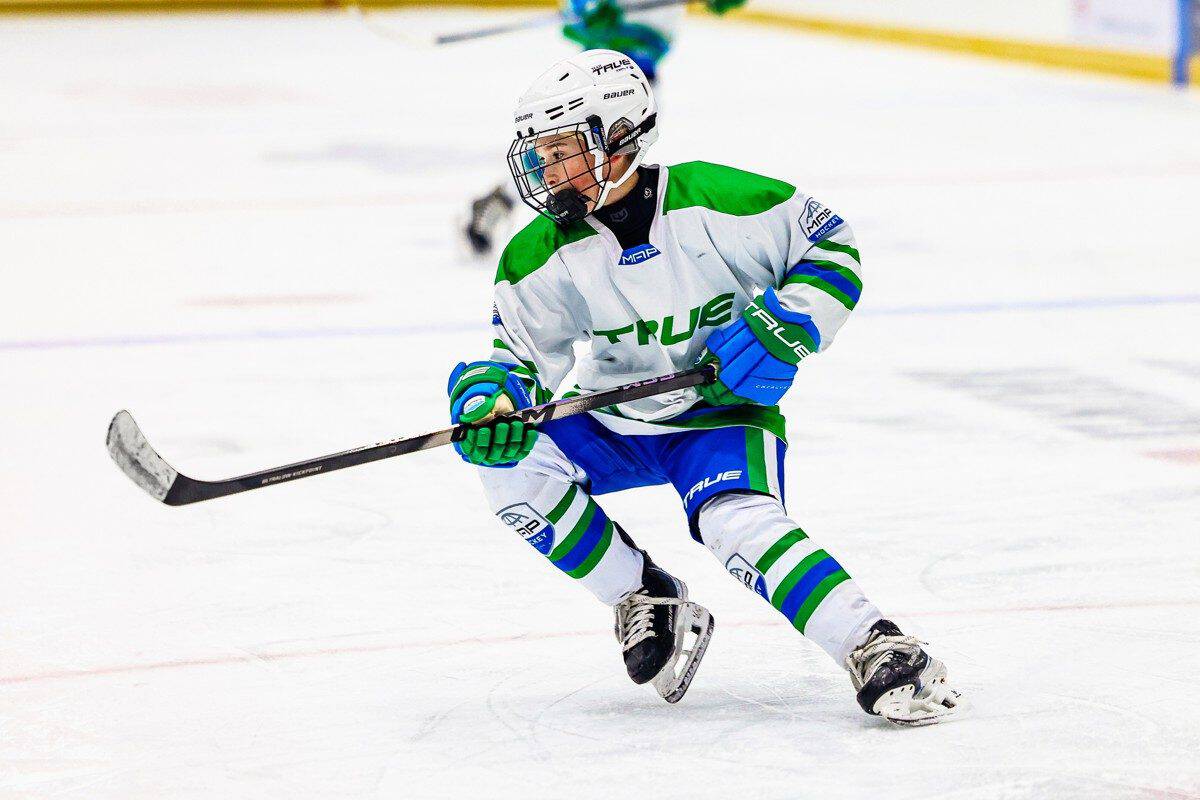
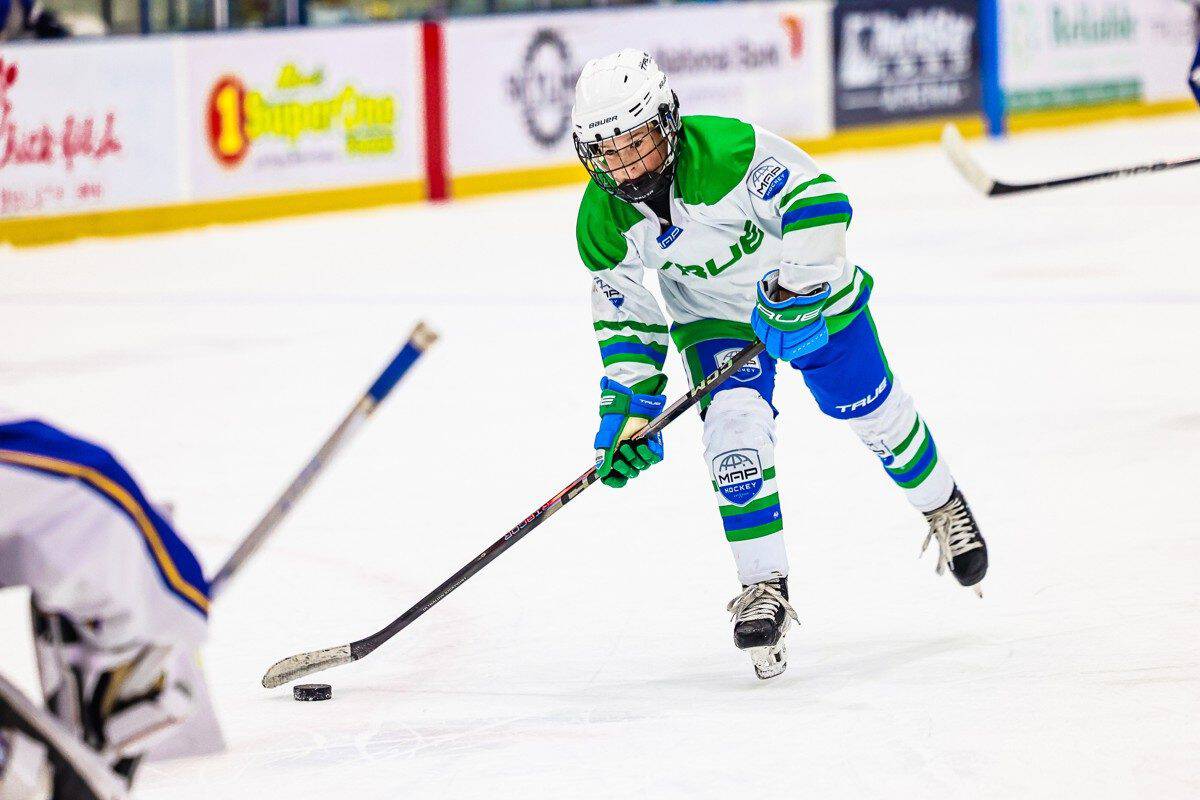
Sometimes the hesitation isn’t about the athlete. It’s about the parent.
You don’t want to watch your child struggle. You don’t want to pay for something that ends in tears in the parking lot. And you don’t want to push a kid who isn’t ready into a situation that knocks their confidence back.
Talk to your athlete about it. Ask what part of games feels hardest. Ask whether they want more chances to compete. Kids are often more ready for the challenge than we are, and they’ll usually tell you when they aren’t. Pick a quiet moment, maybe over breakfast instead of in the rink parking lot, and let them talk without steering the answer.
Then talk to the MAP staff. They’ve watched your child train, and that conversation will tell you more than any blog post.
If your athlete’s training isn’t showing up on game day, and you want competition that connects back to that training, the Team True AAA page lays out how the program works. Learn more about Team True AAA.