You finish every shift gassed. You’re first on the ice and one of the last off. Nobody on your team would say you don’t work.
So if you’re wondering what else you could possibly give, it’s worth hearing this first: you are not short on effort. Effort, every shift, is already part of your game. The next thing to work on is your hockey sense.
What effort can’t show on its own
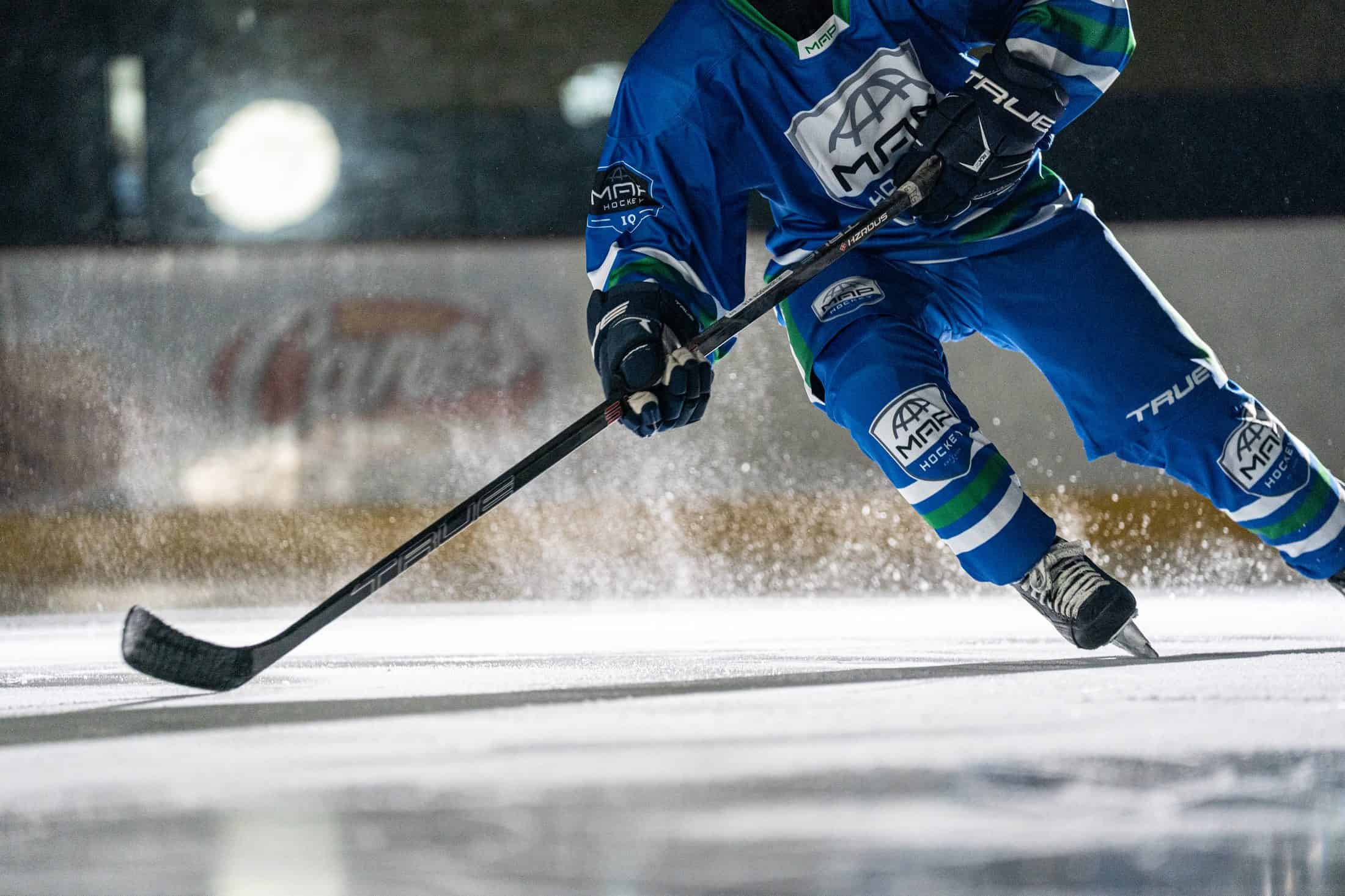
Effort is something coaches value, and it should stay part of your game. But think about what effort looks like on the ice. Hard strides. Finishing checks. Getting back on the backcheck.
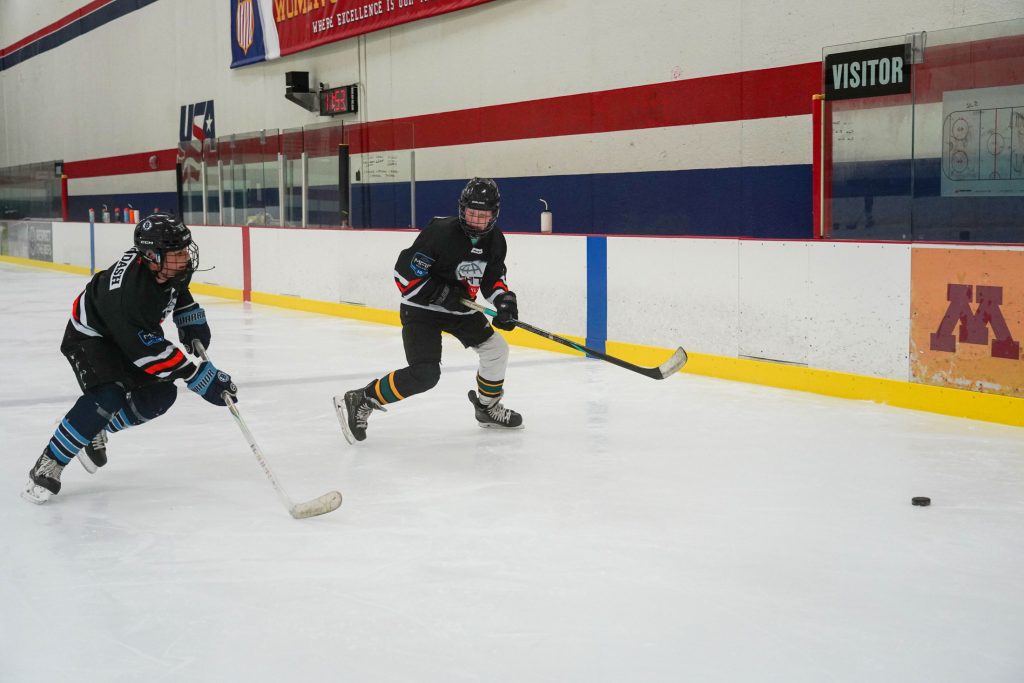
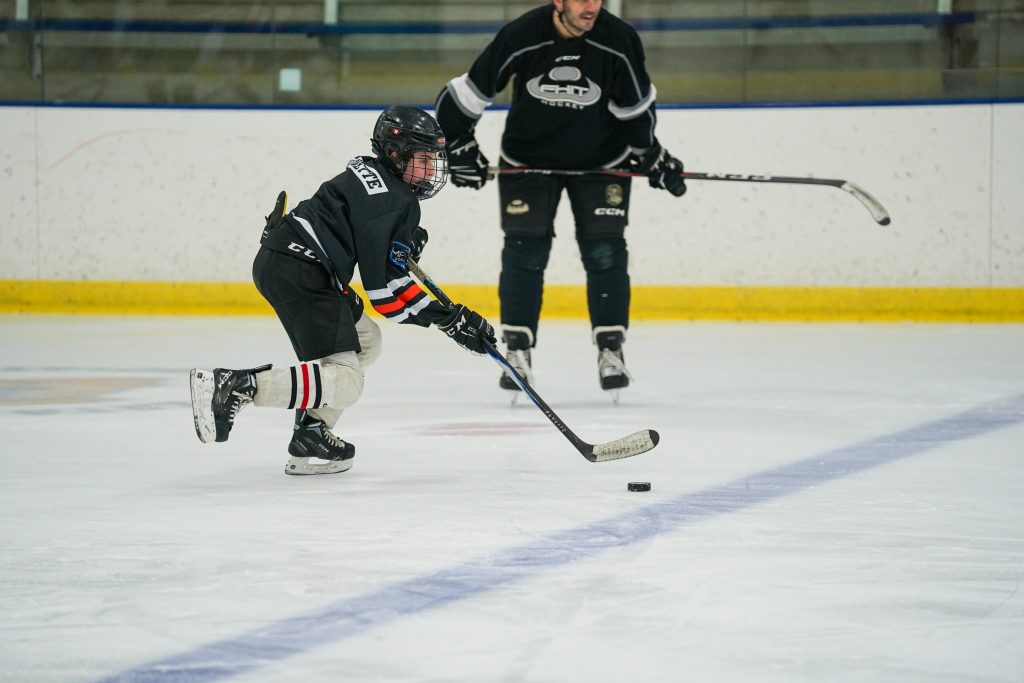
Now think about two players doing all of that on the same shift. One of them sees the defenseman’s head drop and jumps the passing lane. The other one is skating just as hard, a few feet behind the play. Same effort. Different read.
That’s why effort and skill alone don’t always show up the way you want them to. Your skills still need development, and so does your hockey sense. Better decisions help you put those skills to work when the game gets fast.
Who’s coaching your decisions?
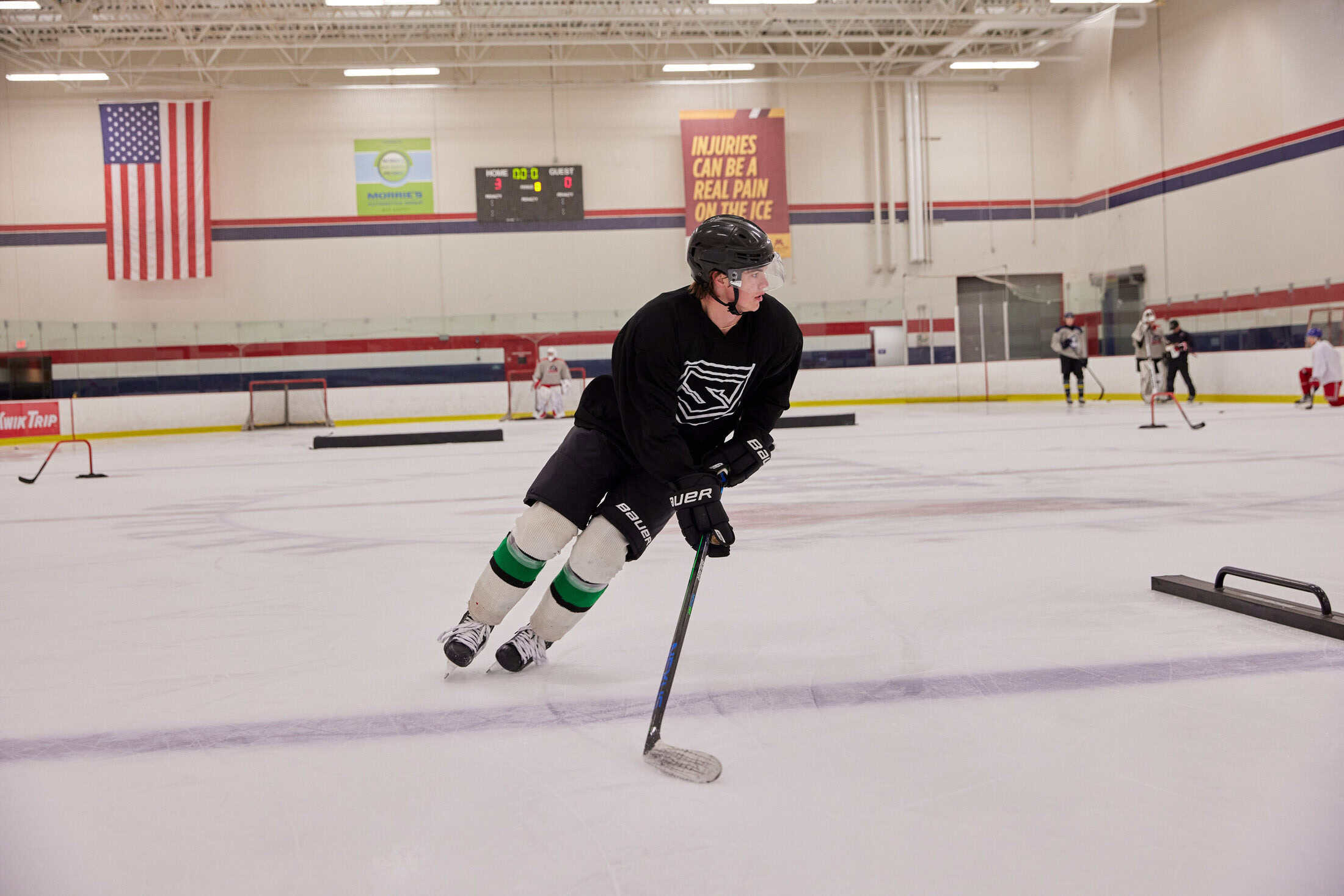
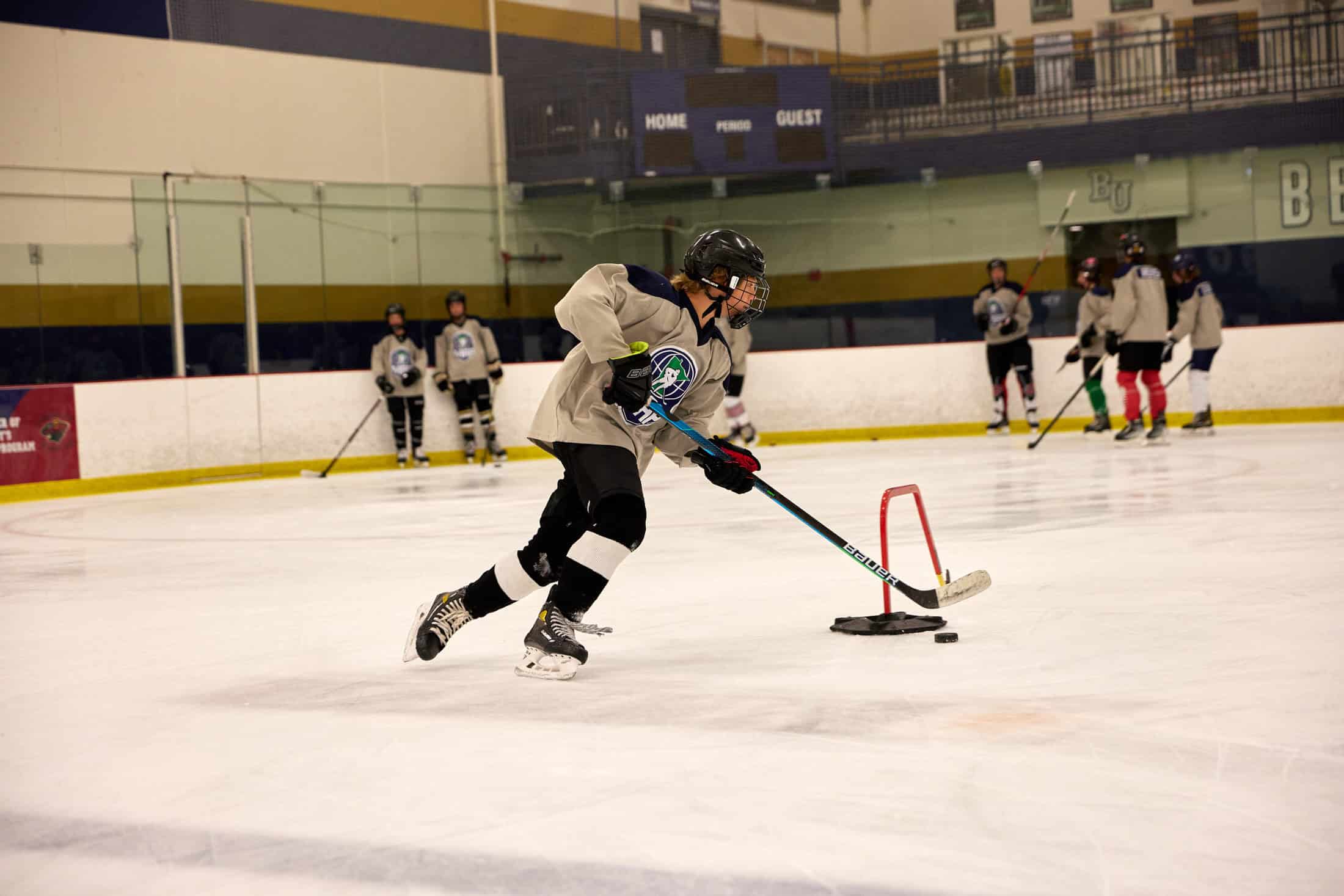
Look back at everything you’ve been coached on. Edges. Crossovers. Your release. Puck protection along the wall. Your strength and your conditioning. Those things have been coached for years, by people who know what they’re doing, and they’re essential.
Now ask yourself who has coached your decisions. Not the system, the decisions. Who has sat down with you and looked at why you rimmed the puck when the middle was open, or why you jumped into the rush when your partner was already caught deep?
You may have received coaching on those decisions during practice or games. But have you ever studied your own shifts closely enough to see what you recognized, what you missed and what you could have done differently?
The player who sees it first
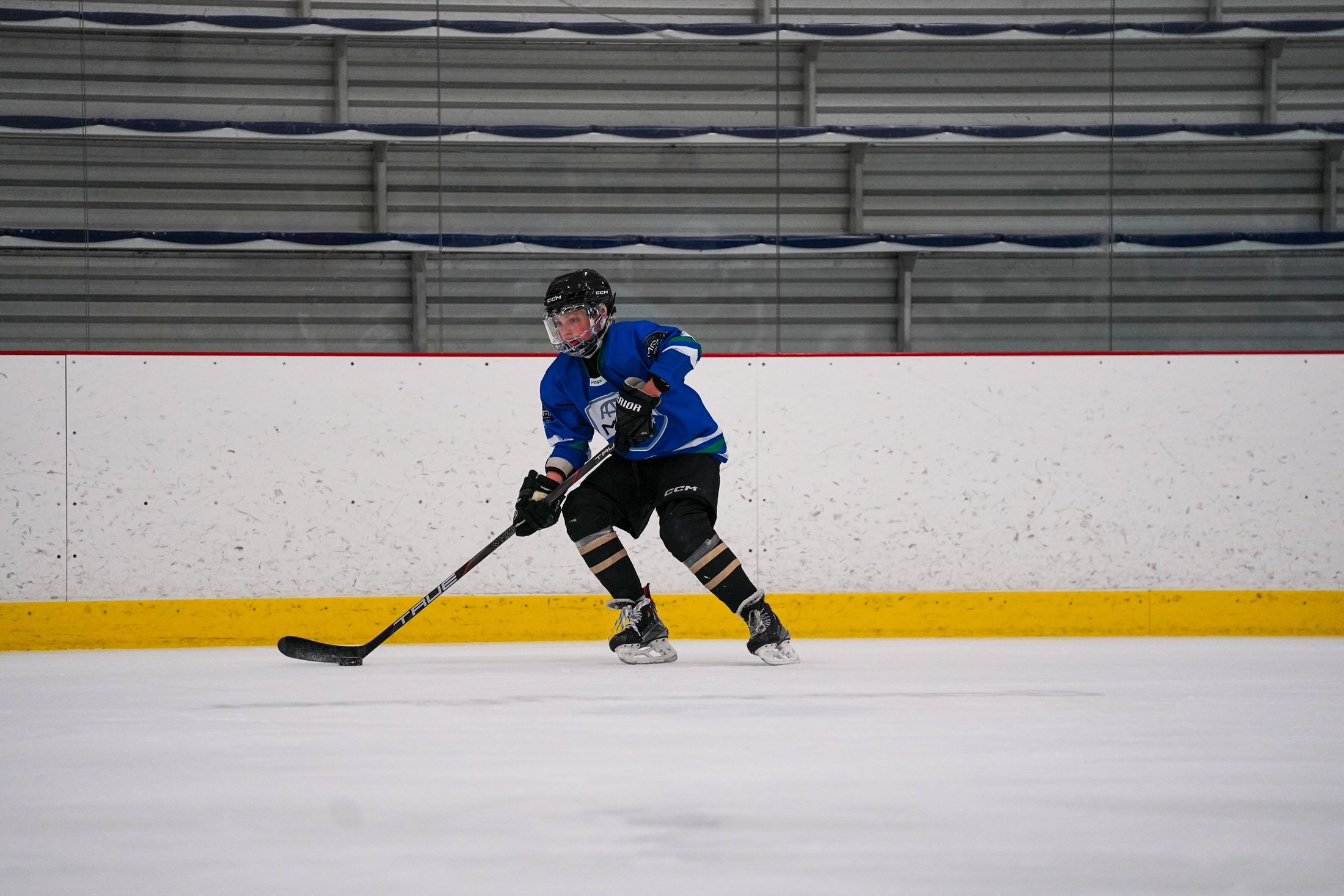
Watch any team closely and you’ll find a player who always seems to be a half step ahead. They’re not always the fastest skater. They just see the play first.
They shoulder check on the way back for a puck, so they already know where the forechecker is. They see the weak-side defenseman pinching before the puck gets there. In the neutral zone, they recognize the regroup is coming and swing into the open lane instead of waiting for it.
That’s what MAP Hockey means when it says “Hockey IQ is a player’s ability to make a read, process it, and then execute the right play.” In plain language: recognize the play. Make the decision. Execute. The player who sees it first doesn’t have to rush the rest. Recognize the play, and make it count.
Play hard, play smart
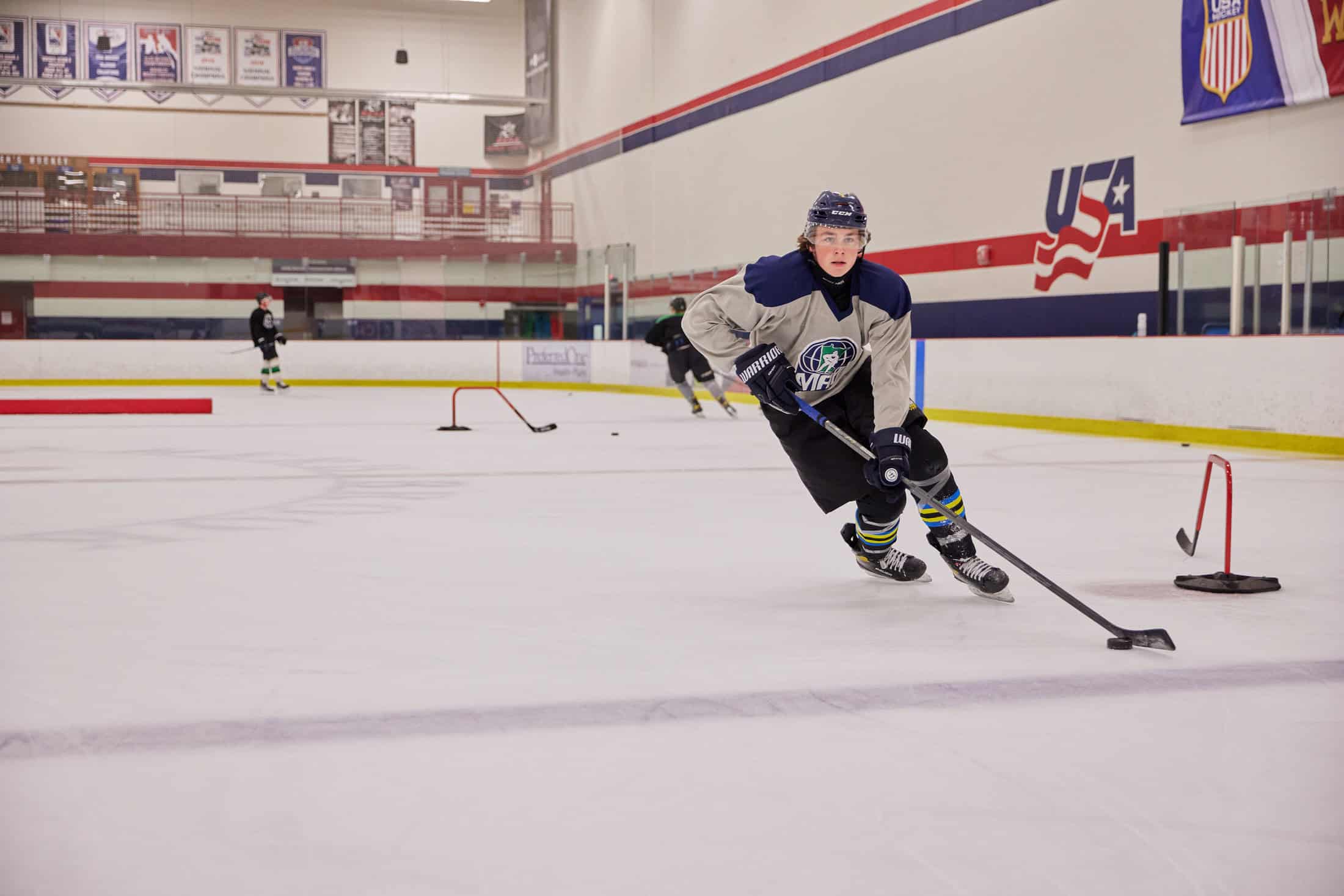
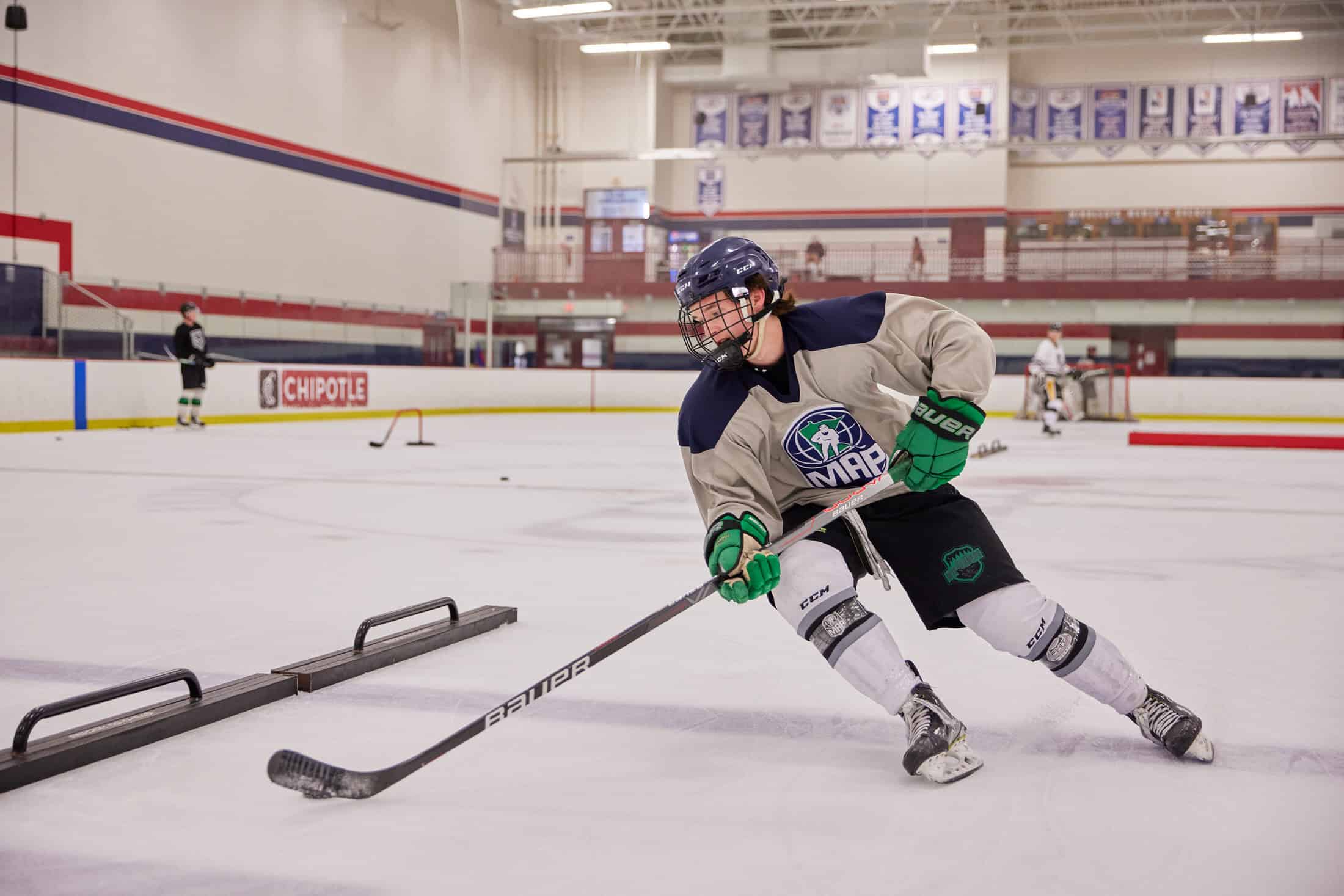
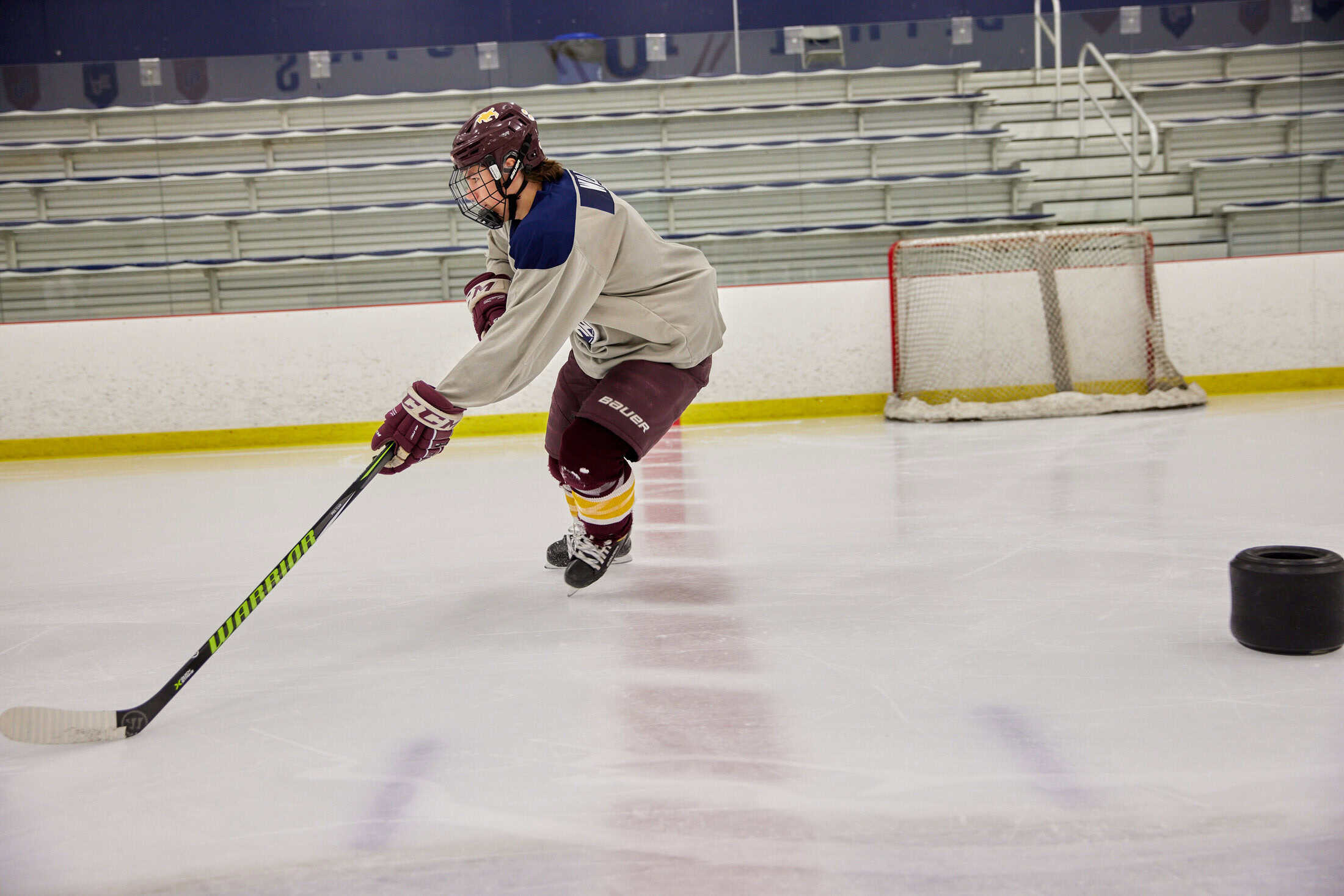
MAP Hockey’s own headline puts it simply: “It’s not just about playing hard—it’s about playing smart.”
That doesn’t mean playing hard matters less. Play hard. Play smart. Make it count.
Keep developing your physical skills while giving your hockey sense the same attention.
One shift, a handful of decisions
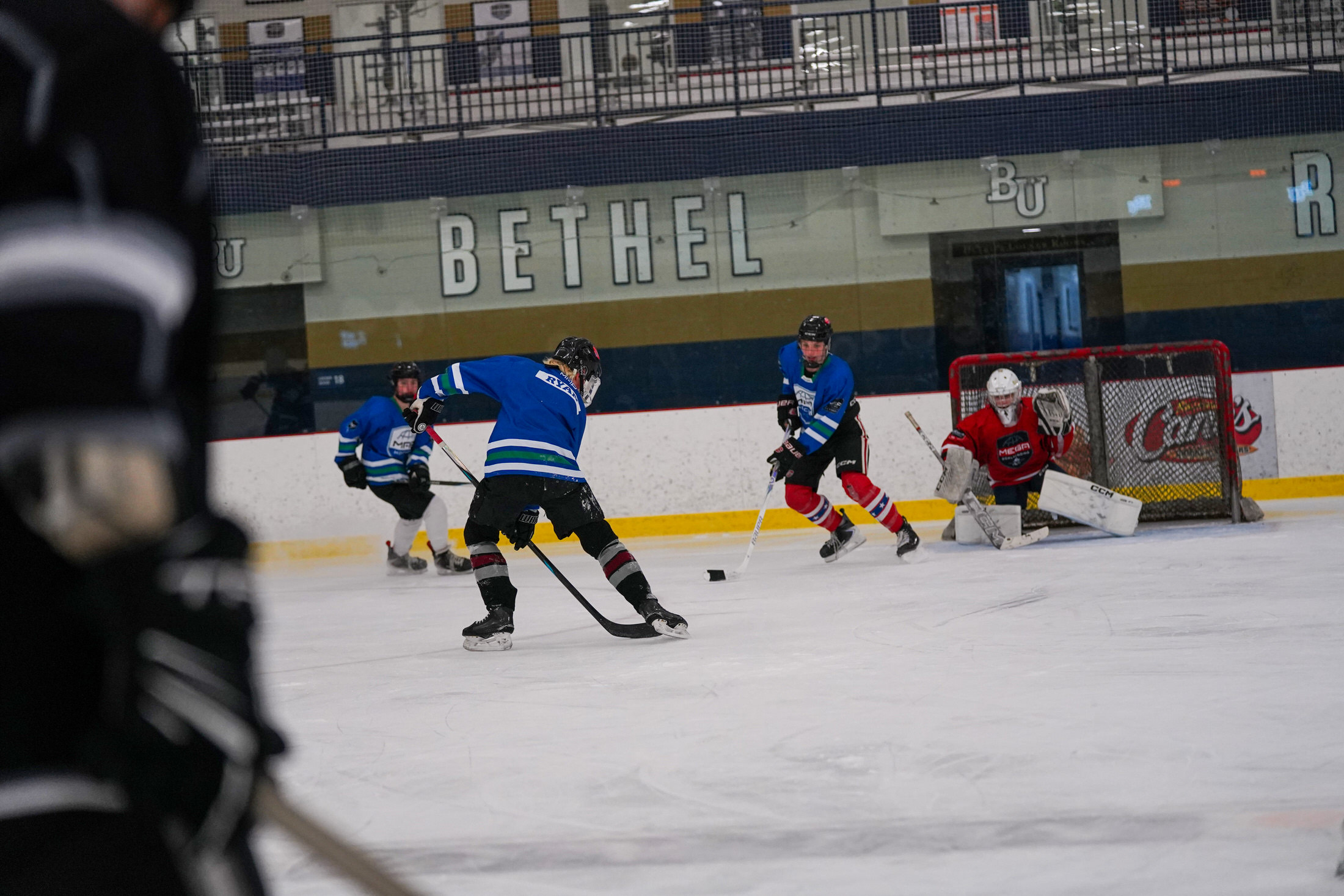
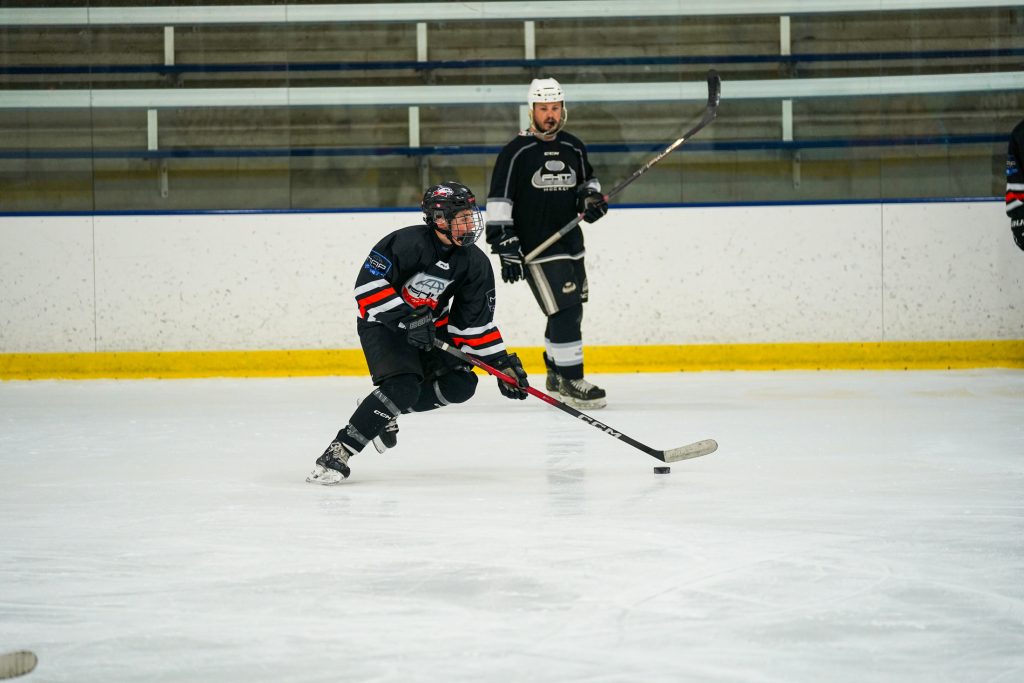
Take a normal 40-second shift. You win a battle on the half wall in your own zone. Do you chip it off the glass, or is the center open low for a short pass? Your team gets out of the zone, and you’re the high forward. Do you drive wide, or slow up and give the puck carrier a middle option? The puck turns over at the far blue line. Are you the first one back, and do you pick up the right player?
None of those moments will show up on a stat sheet. All of them show up on film. And every one of them is a choice you can get better at, the same way you got better at your crossovers.
Why your own film matters most
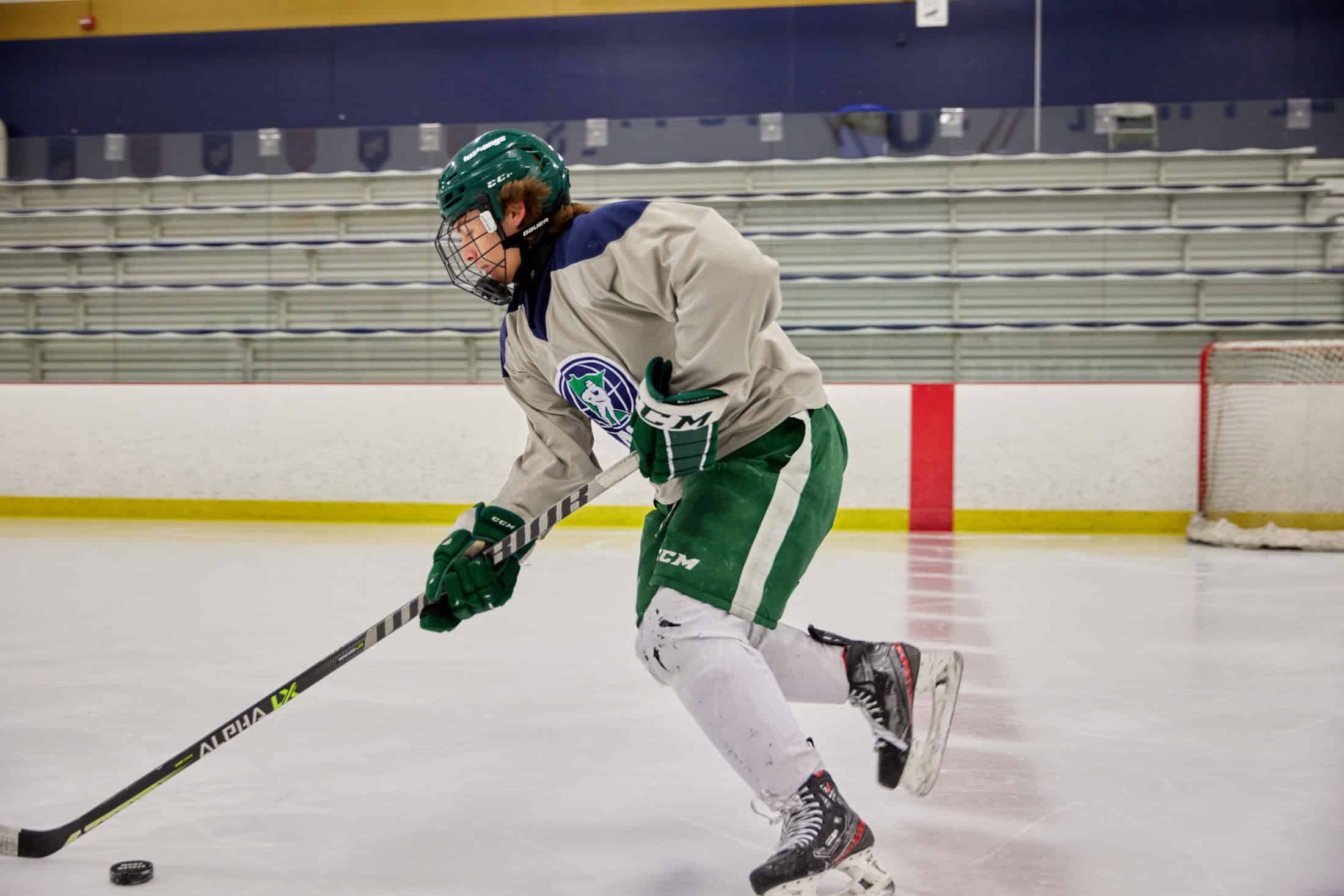
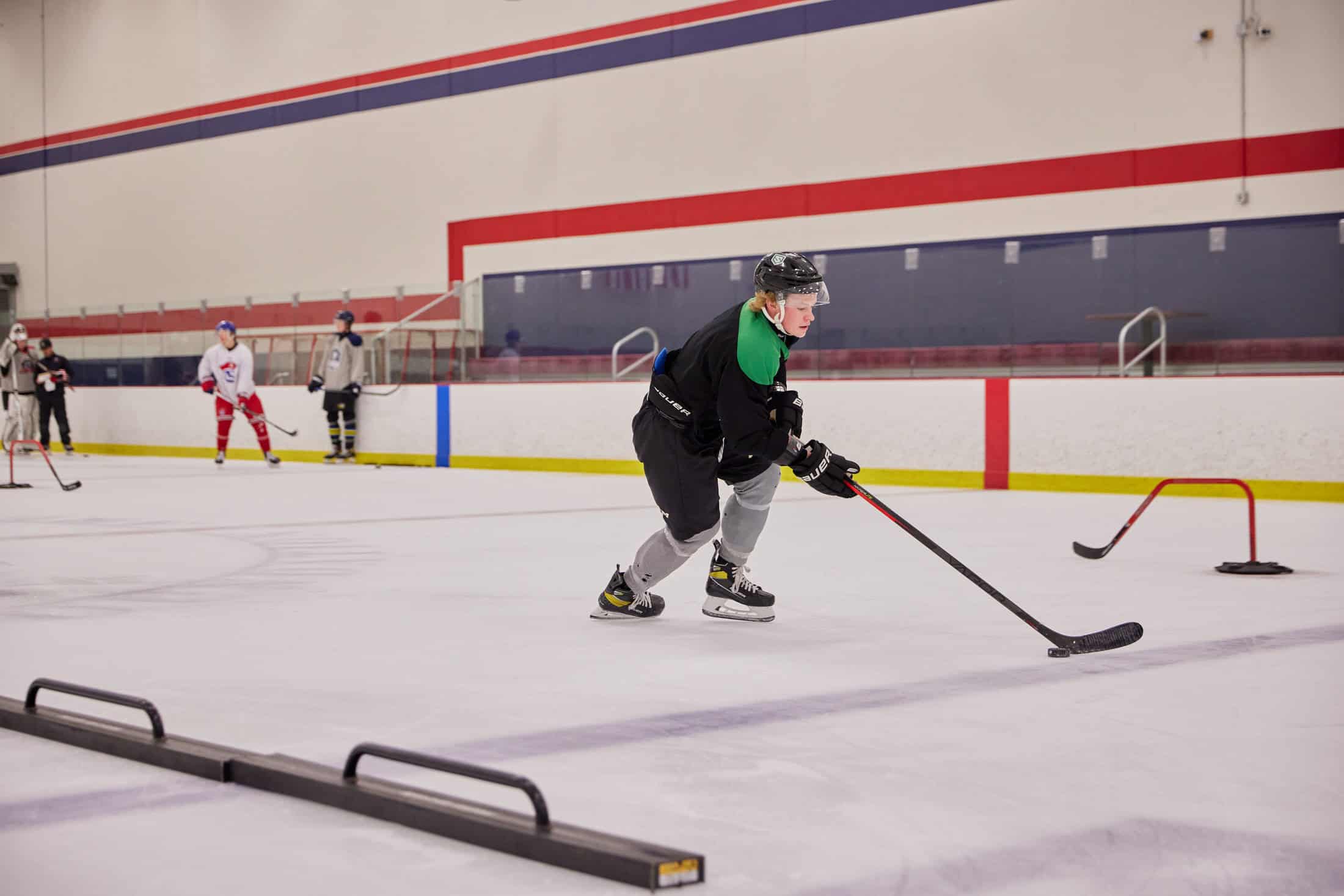
You can learn a lot from watching other players. But the reads you need to fix are your reads, on your shifts, in your games. Your own game film shows exactly where you were and what you chose. Study it, and study your decisions.
That’s how MAP Hockey IQ works. A MAP Hockey IQ coach provides personalized analysis of your game footage, going through your shifts with you and showing you what you saw, what you chose and what else was available. The 4 Components of Hockey give it structure: offense at the puck, offense away from the puck, defense at the puck, and defense away from the puck. Coaching moments drawn from pro film show how elite players handle the same situations.
It builds on your skills. You keep your skating coach, your skills sessions and your team practices. Hockey IQ coaching goes alongside them, with improvement beyond traditional skills training.
Roles are your coach’s call
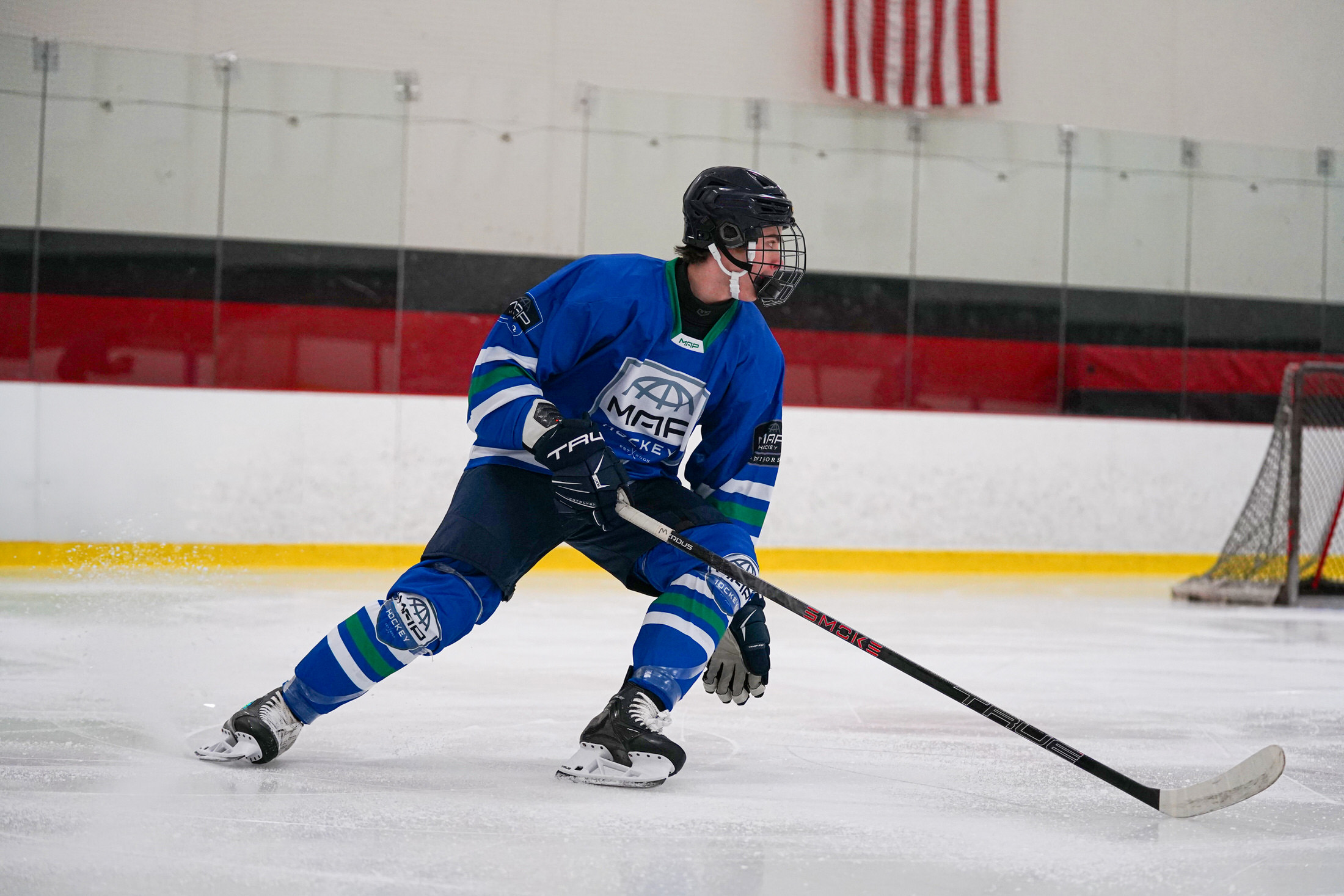
Nobody outside your team can promise you a line, a role or a spot on special teams. Those are your coach’s decisions, and they should be.
What you can work on is the part of your game that happens before execution: recognizing situations sooner, knowing your options and choosing well under pressure. Coaches tend to look for players they can count on to make the right play. Developing your decision making can help you become a more reliable player, whatever the lineup card says on a given night.
Put your effort where it can show
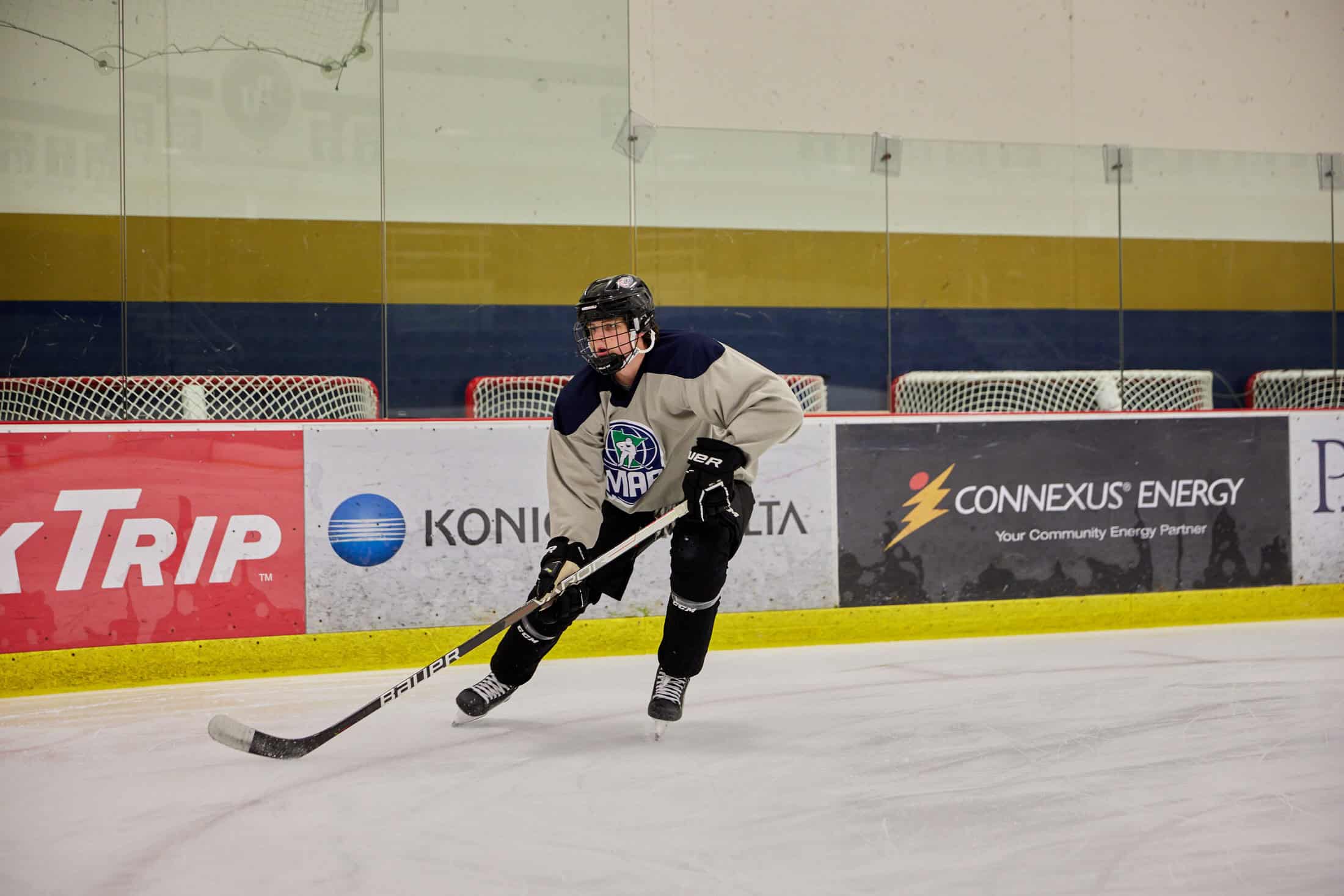
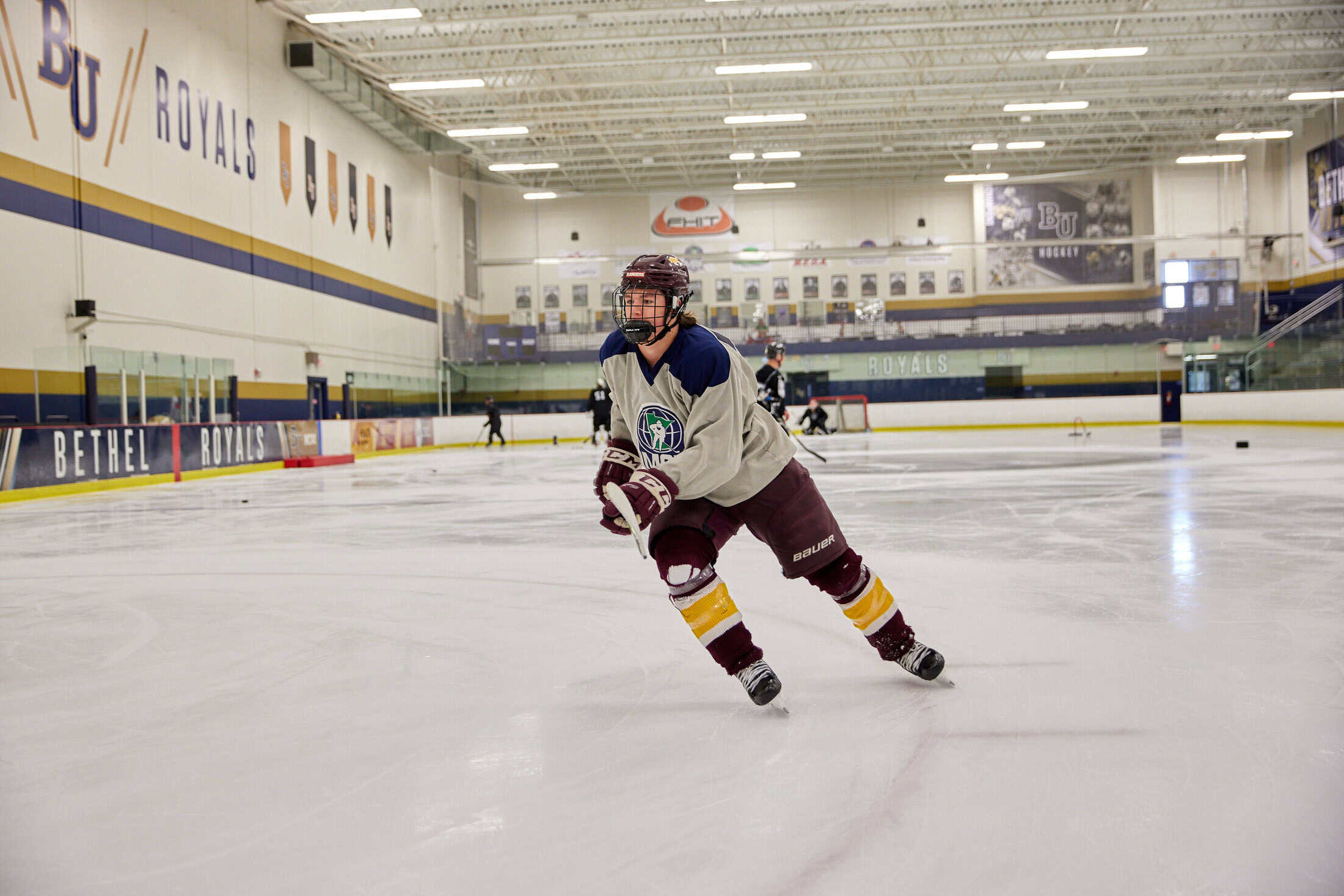
You already bring the work. Give your decisions the same attention you’ve given your stride and your shot.
Learn more about MAP Hockey IQ and talk it over with your parents.