Your Next Step in Hockey? Plan It Before You Chase It

You’ve built your whole year around getting to the next level. The early skates, the off-ice work, the weekends in hotel rooms, the meals planned around practice. You know exactly how hard you’re working. What’s harder to know is which of the opportunities coming at you actually matter.

A camp promises exposure. A showcase says scouts will be there. A team says you’d be a great fit. A trainer says one more summer with them will make the difference. Every one of them sounds important, and you can’t do all of them. So how do you pick your next step without guessing?

Why it’s hard to tell what matters
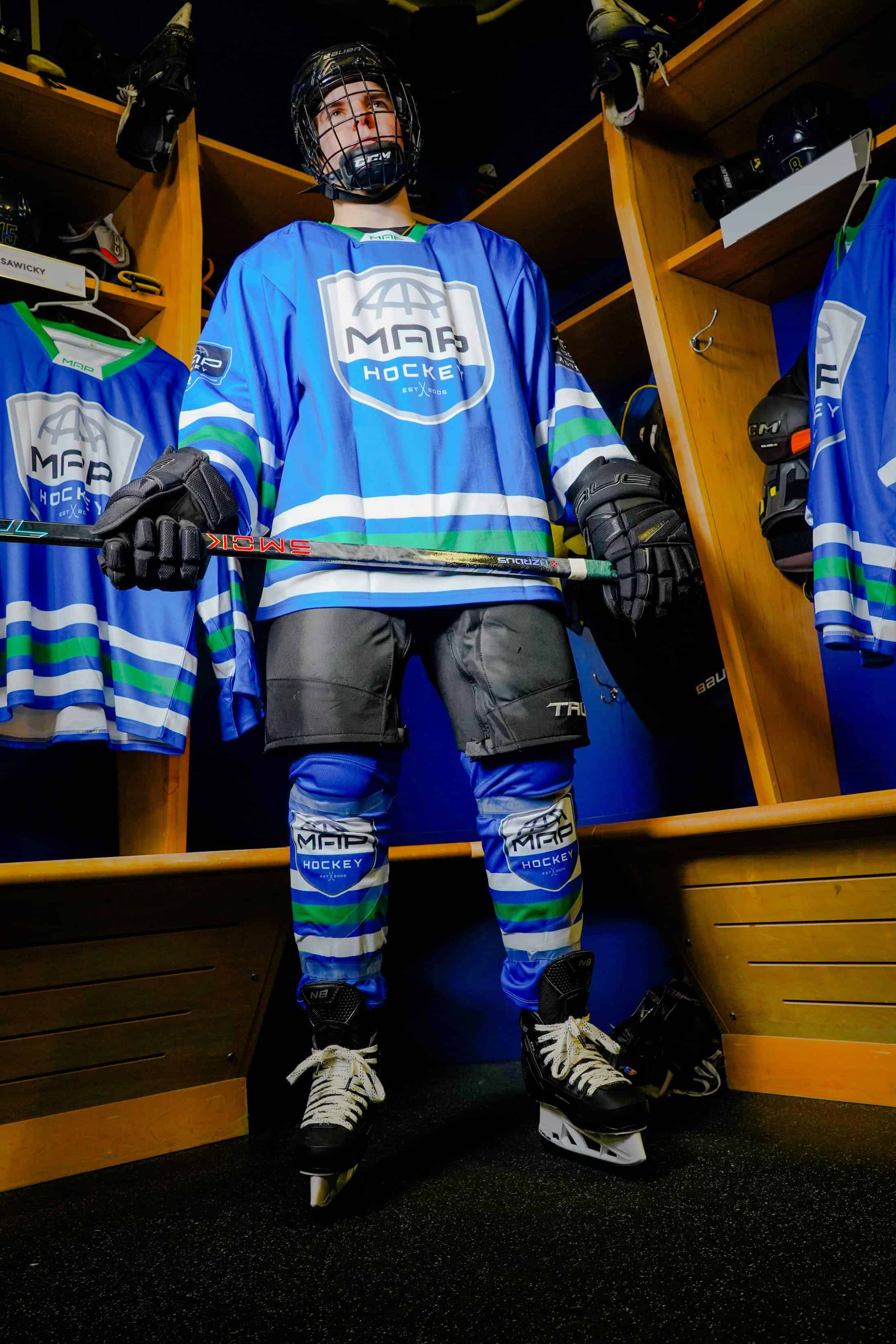
Player in a blue MAP Hockey jersey standing at his locker room stall

Most of the people pitching you an opportunity are connected to it. The camp wants registrations. The team wants roster spots filled. The trainer wants clients. That doesn’t make any of them bad people or bad options. It does mean their advice comes with a reason attached.

On top of that, a lot of what gets promised isn’t up to the person promising it. Nobody running a showcase decides who gets noticed. Nobody at a camp decides where you’ll play next year. If you lose track of that, it’s easy to spend a whole season chasing things that were never in anyone’s control.

Sort every opportunity into three columns

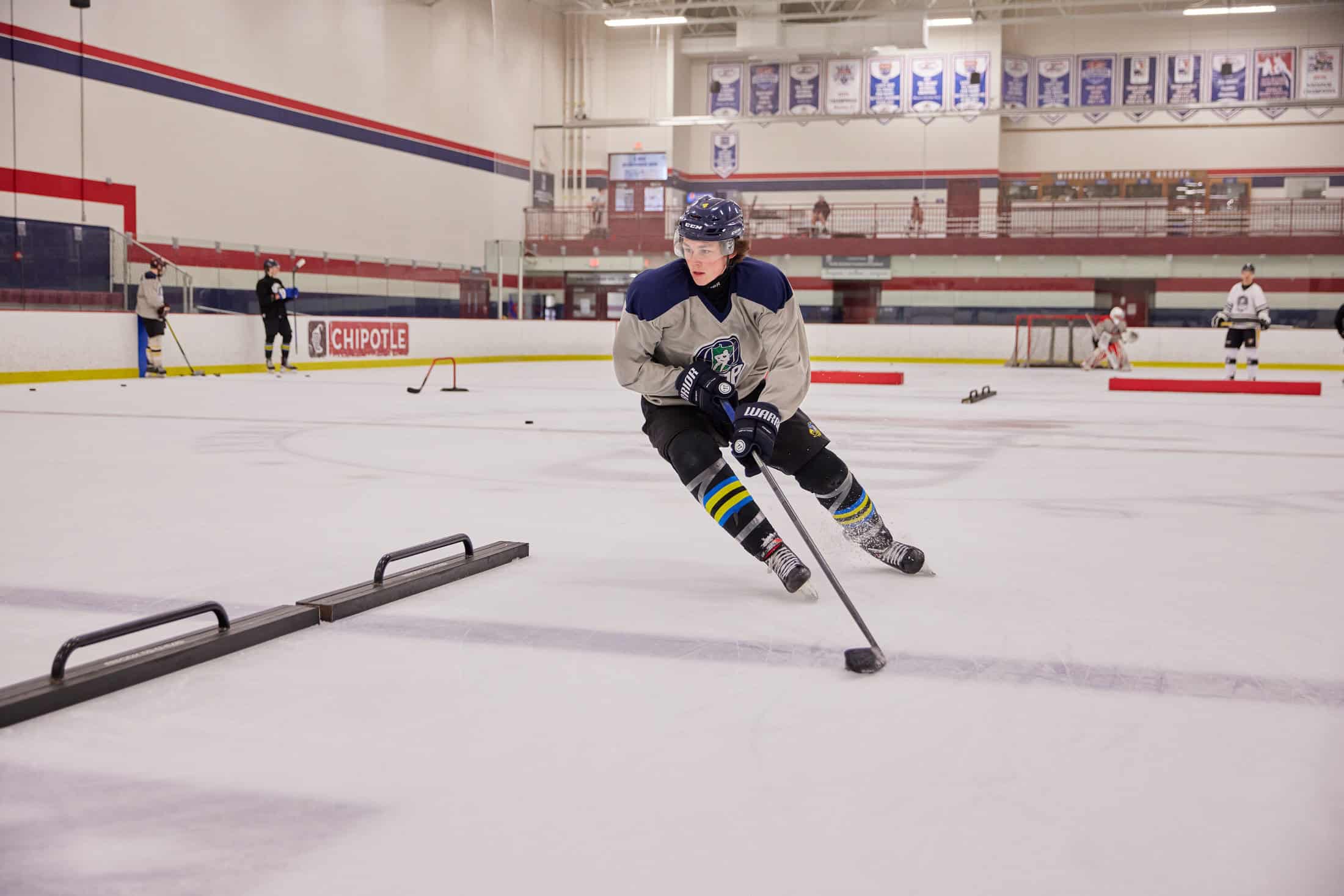
Skater in a blue MAP Hockey jersey carving through a turn under arena lights

Here’s a method that works on any camp, showcase, team or advisor, and it takes about fifteen minutes. Take one opportunity in front of you right now and draw three columns.

Outcome. This is what the opportunity hopes will happen: getting seen, getting picked, moving up. Write it down, then accept that nobody in the conversation controls it. Not the camp, not the coach, not you. Leave this column alone after that.

Rules. Anything about eligibility, amateur status, or league rules. These questions have real answers, and they come from your own compliance authority: your school or college compliance office, your junior league, or the NCAA Eligibility Center. Not from a coach, a trainer or an advisor. Send this column to them.

Judgment. Everything else. Does the schedule work with school? Is the cost worth it to your family? Does the coaching style fit how you learn? Will you actually enjoy it? These are the real decisions, and they’re yours to make, usually with your family.

Once you’ve sorted it, look at the judgment column. That’s where your attention belongs. If most of an opportunity’s appeal was sitting in the outcome column, that tells you something. A showcase you’d skip if nobody were watching might not be worth the weekend. A team you’d enjoy even if it led nowhere new might be worth a lot.

Plan with your family, not around them
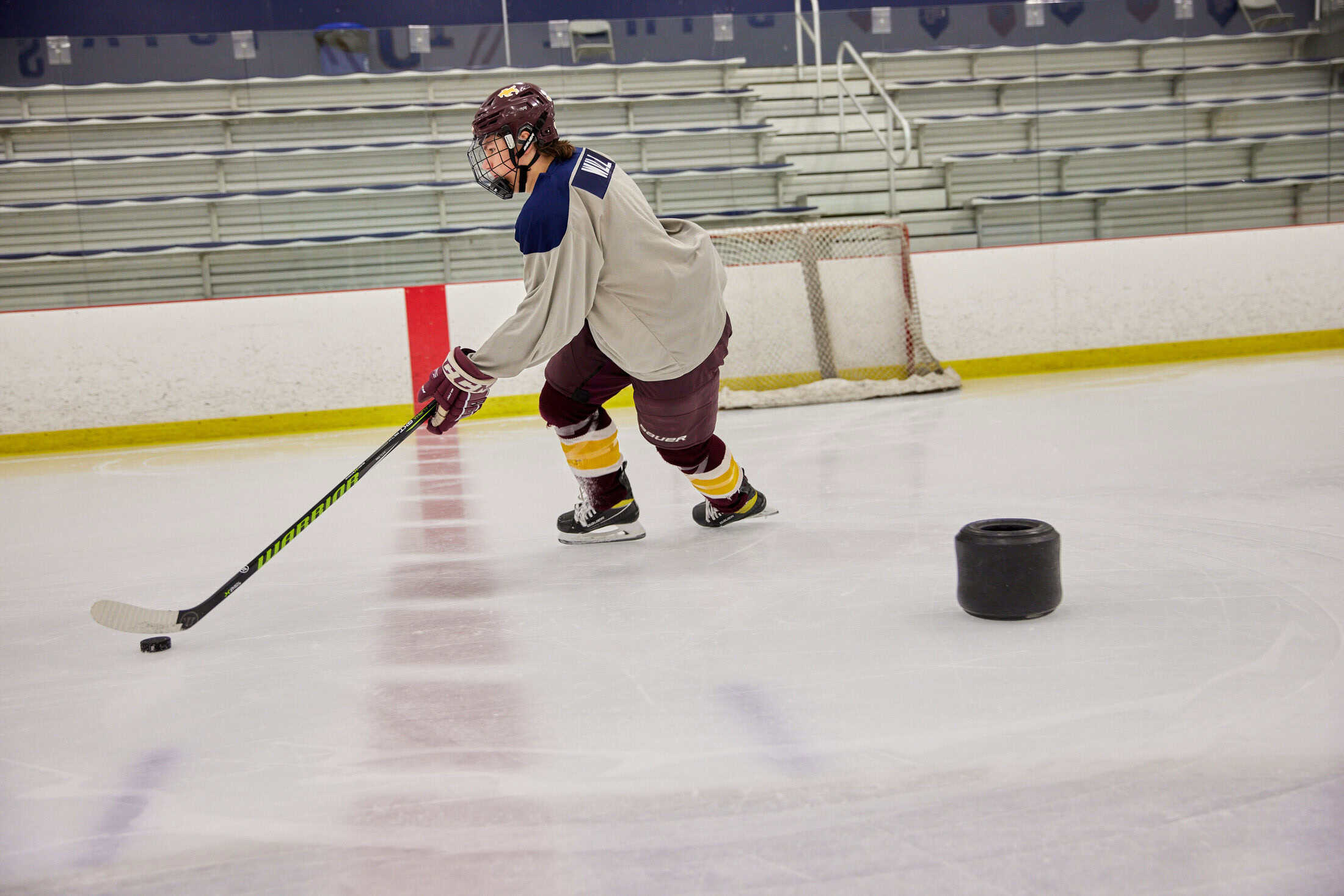
Hockey player in a MAP practice jersey reaching the puck wide near a tire marker in front of the net
Hockey player in a MAP practice jersey skating toward the camera with the puck beside a training bar

You and your family probably want the same thing for you. You might not be working from the same page, though. Sit down together with your three columns and compare. Ask them what they’d put in the judgment column. You’ll learn a lot about what each of you is worried about.

One plan is better than two. If you’re planning one thing in your head and your parents are planning something else at the kitchen table, decisions get made in a rush when an offer shows up. Get on the same page before that happens.

Where an advisor fits
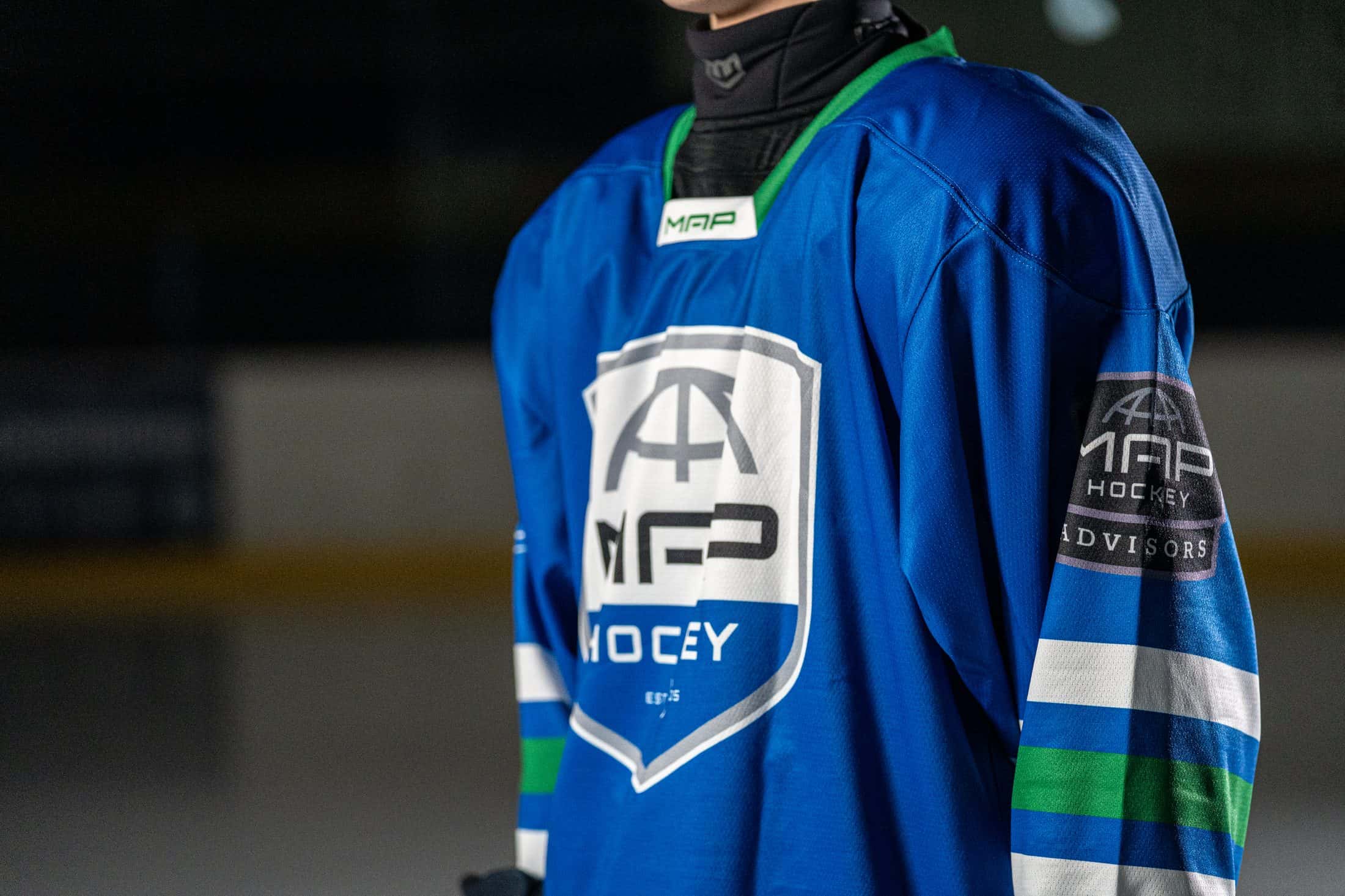
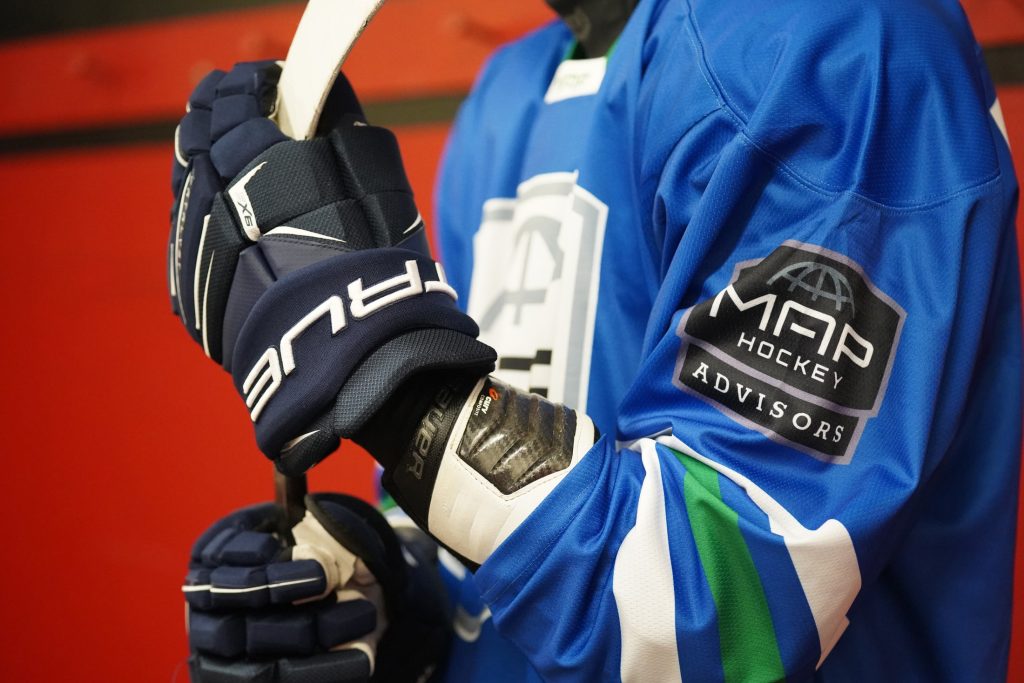
MAP Hockey Advisors patch on the sleeve of a blue current-crest jersey

Some players and families want to talk through the judgment column with someone who has seen a lot of these decisions. MAP Hockey Advisors offers that kind of conversation. MAP describes the role like this: “An advisor focuses on the strategic and logistical aspects of a player’s career, such as team selection, college recruitment, contract negotiations, and navigating the hockey system.”

Before you take the step, a few things you should know. MAP Hockey Advisors is part of MAP Hockey, which also runs training programs and teams, so MAP could be one of your options. An advisor conversation isn’t eligibility guidance. And it can’t promise a team, a level or a school, because nobody can. MAP lists its advisors by name on the program page, so you can see who you’d be talking to.

How you take the next step depends on your age:

  • If you’re under 18, bring your three columns to a parent or guardian. If your family decides to talk with MAP, they can request a consult. You don’t need to fill anything out.
  • If you’re 18 or older, read the program page closely, including what it doesn’t say, and have an adult you trust read it with you. If you decide a conversation makes sense, the “Request A Consult” form is yours to send.

Your next step starts on paper
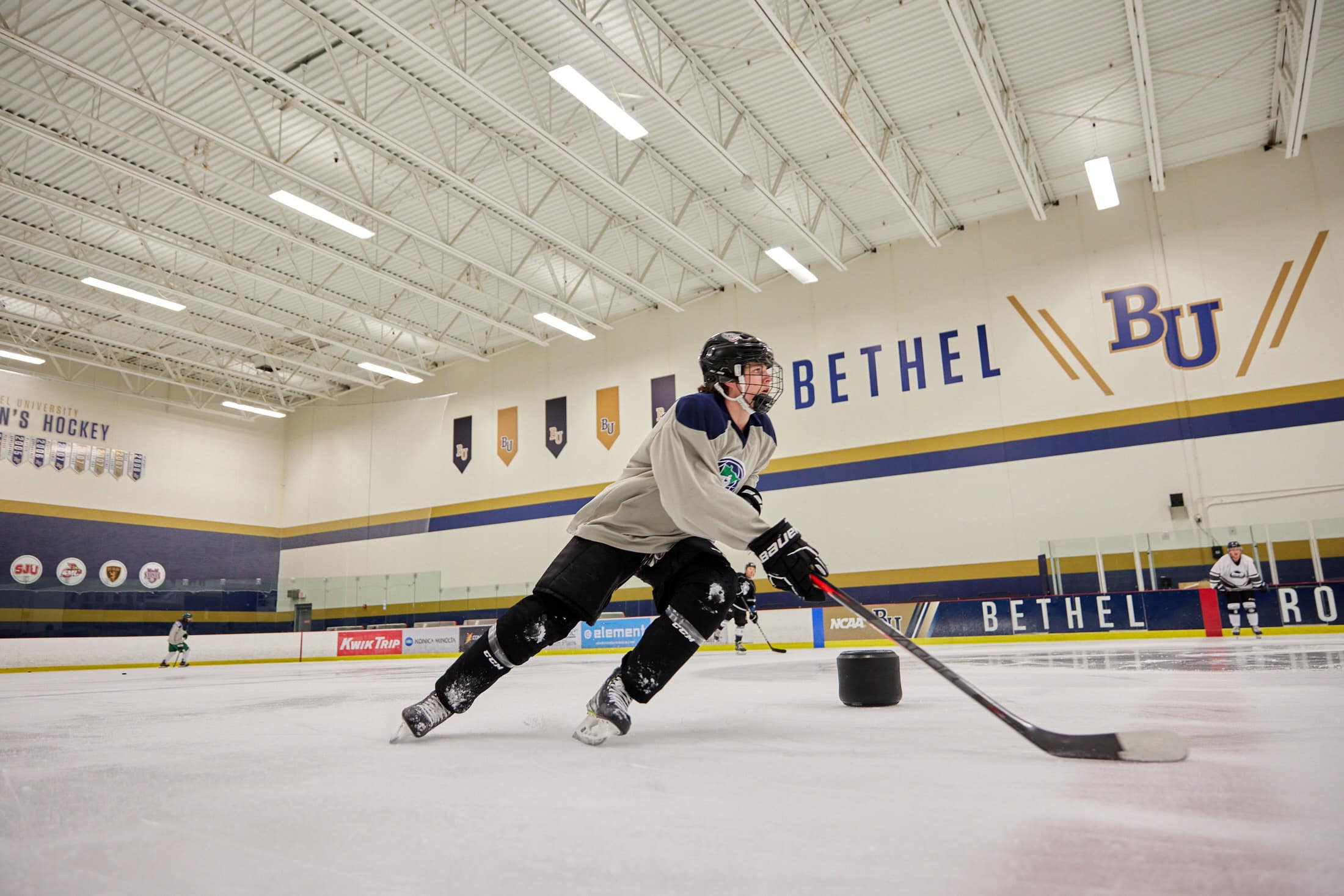
Hockey player in a MAP practice jersey lunging with a long reach toward a tire marker

Another opportunity will show up soon enough. Pick the one in front of you now, sort it into three columns, and talk through the judgment column with your family. Then take a look at what MAP Hockey Advisors offers elite players and decide together whether it’s worth a conversation.
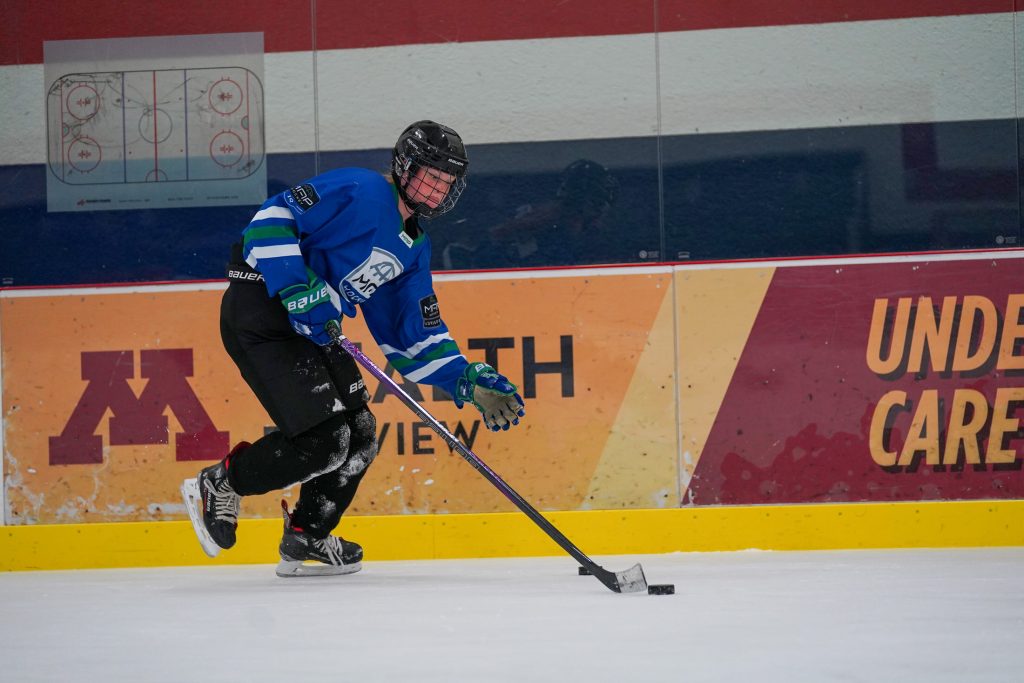
Player in a blue MAP jersey stickhandling the puck past a maroon and gold rink board

Membership

MAP Hockey Membership

Year-round development for elite skaters, built on small groups and individual feedback.

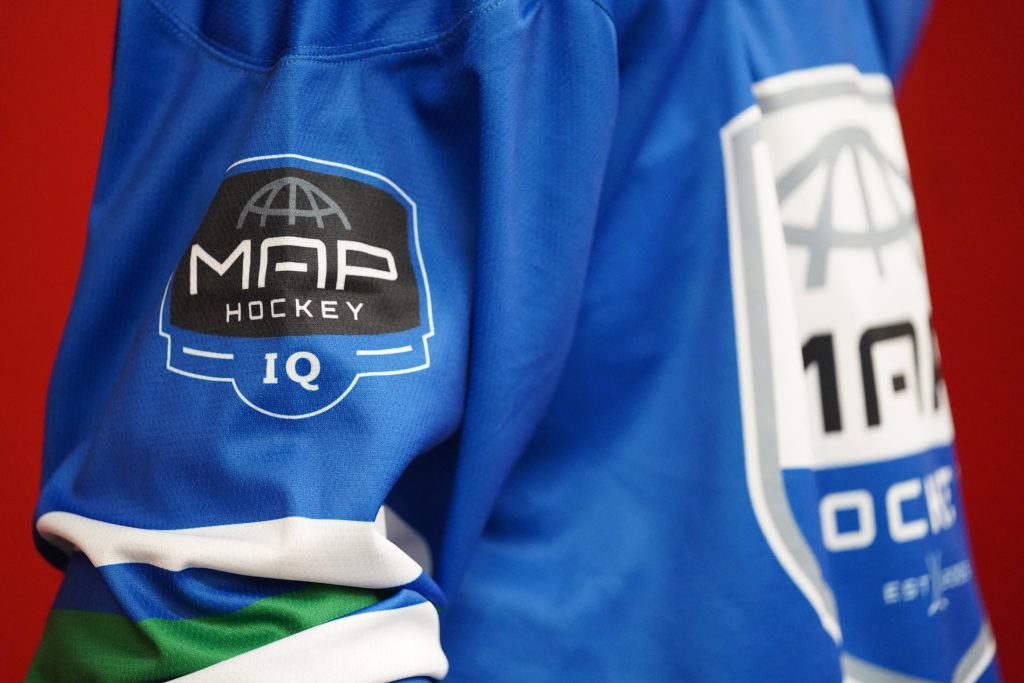
Close-up of a MAP Hockey IQ patch on the sleeve of a blue and green jersey

Film and Game Sense

MAP Hockey IQ

Film breakdowns that show your player what to read before the puck arrives.

Close-up of a gloved hand gripping a stick beside a MAP Hockey Advisors patch on a blue jersey

Recruiting

MAP Hockey Advisors

Guidance through the recruiting years from people who have walked families through it.

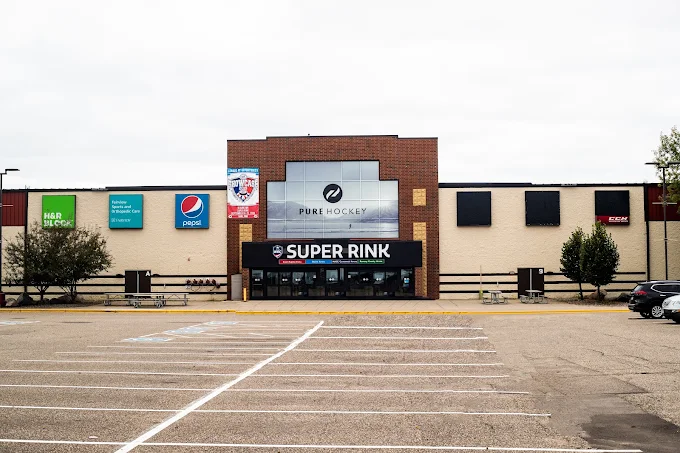
Front entrance of the Super Rink building in Blaine seen across an empty parking lot

Campuses

Find Your Campus

Blaine, Plymouth, Hudson and St. Michael-Albertville.

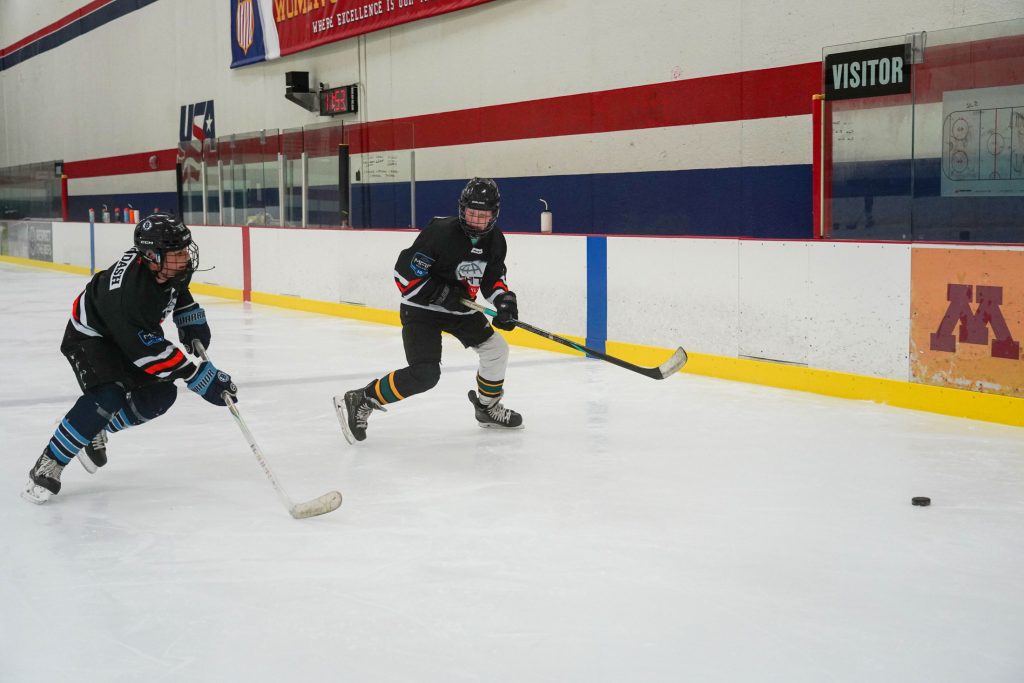
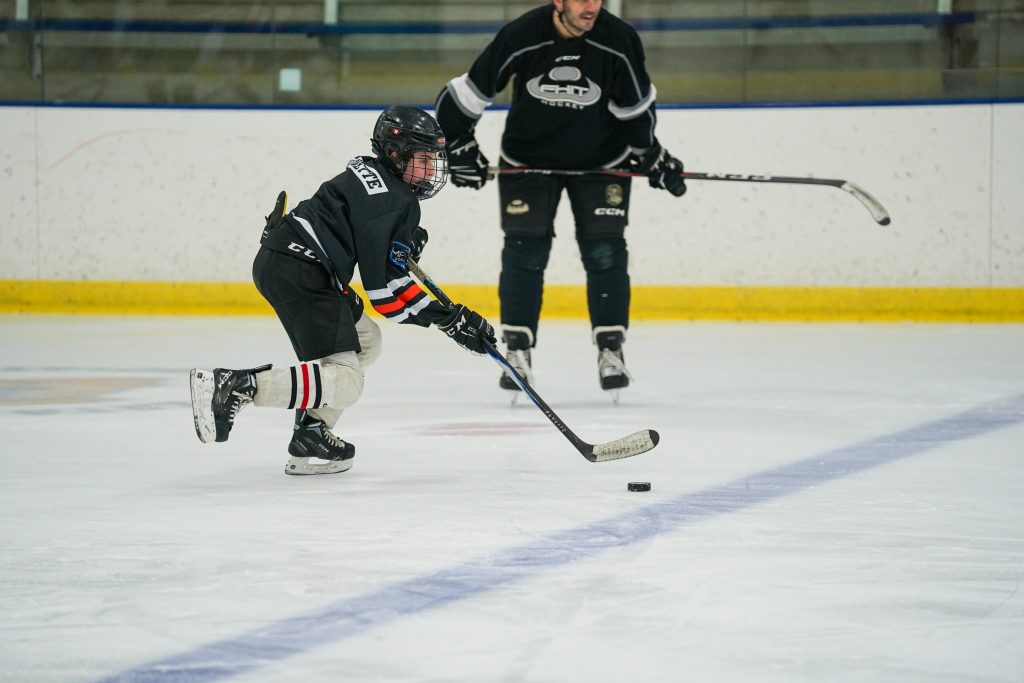
Two players in black jerseys racing toward the puck along the boards near a visitor bench

Membership

FHIT Hockey Membership

Eight off-season months and four in-season, with a cap of eight skaters per coach.

Player in a black jersey reaching low for the puck as a coach skates behind

Squirts and Peewees

FHIT Futures

Summer development for younger skaters ready for more than a weekly skate.

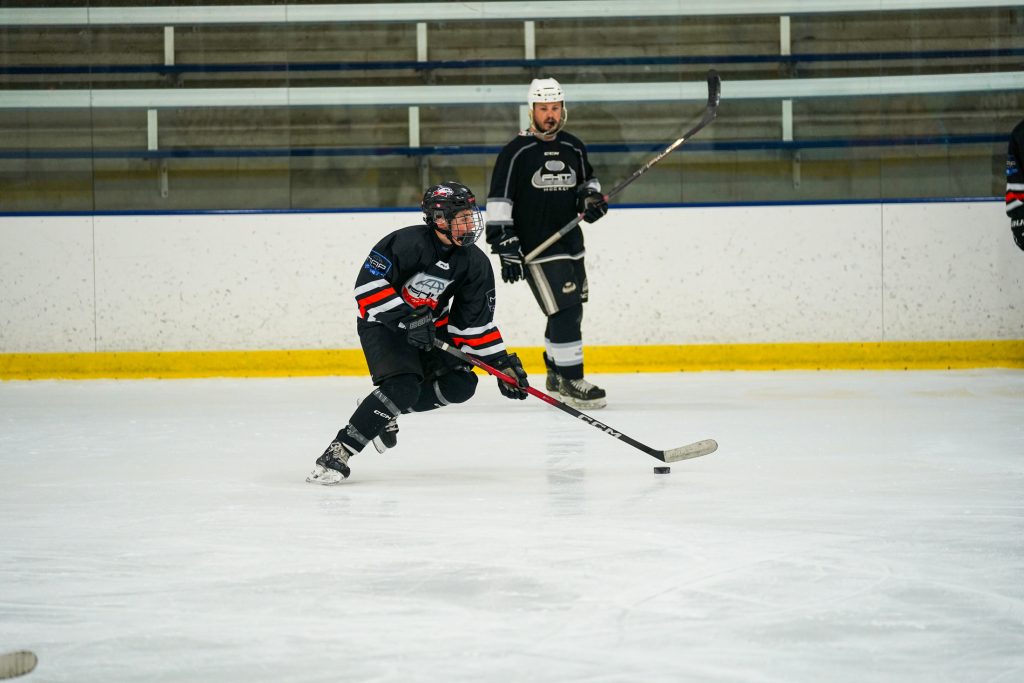
Player in a black FHIT jersey carrying the puck as a coach in a helmet follows

On-Site Training

Bring FHIT to Your Rink

Sessions run at your association’s home rink, on your schedule.

Front entrance of the Super Rink building in Blaine seen across an empty parking lot

Campuses

Find Your Campus

Blaine, Plymouth, Hudson and St. Michael-Albertville.

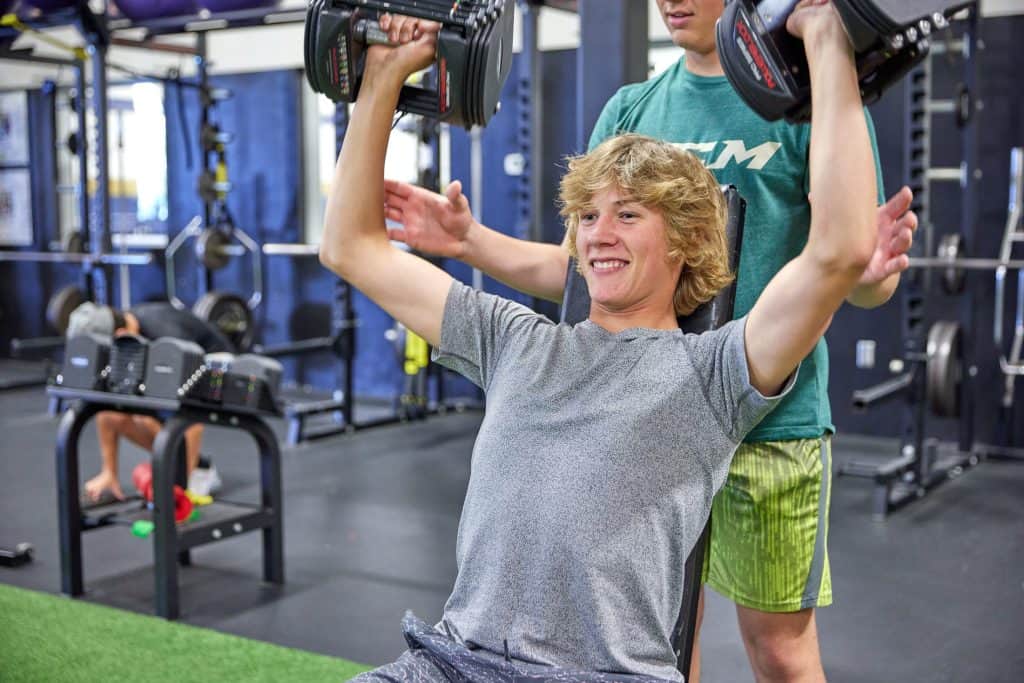
Teen in a gray shirt pressing adjustable dumbbells high overhead with a spotter in green behind him

Off-Ice Training

Dark Horse Performance

Speed, strength and agility work built for athletes who still have a season to play.

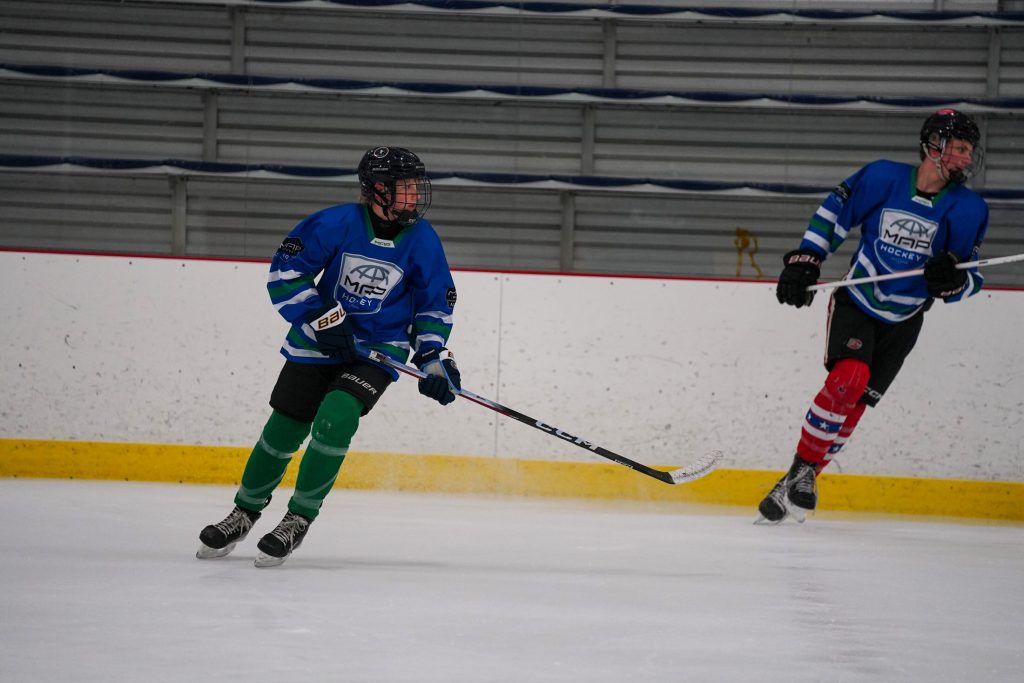
Pair of skaters in blue MAP jerseys with green and red socks moving along the boards

On the Ice

MAP Hockey Membership

Pair the off-ice work with year-round on-ice development.

Two players in black jerseys racing toward the puck along the boards near a visitor bench

On the Ice

FHIT Hockey Membership

Year-round on-ice development alongside the strength work.

Front entrance of the Super Rink building in Blaine seen across an empty parking lot

Campuses

Find Your Campus

Blaine, Plymouth, Hudson and St. Michael-Albertville.

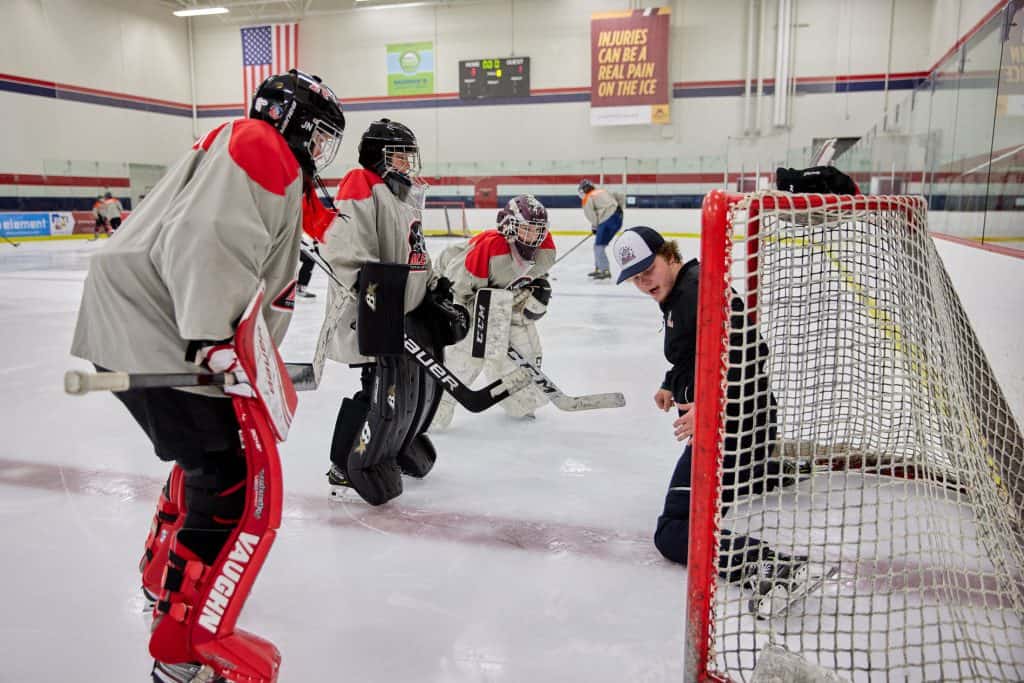
Young goalies in red and black pads wait in line beside the net as a coach kneels to explain a drill

Goaltending

MEGA Goaltending

Goalie development with coaching built around the position, not bolted onto a skater session.

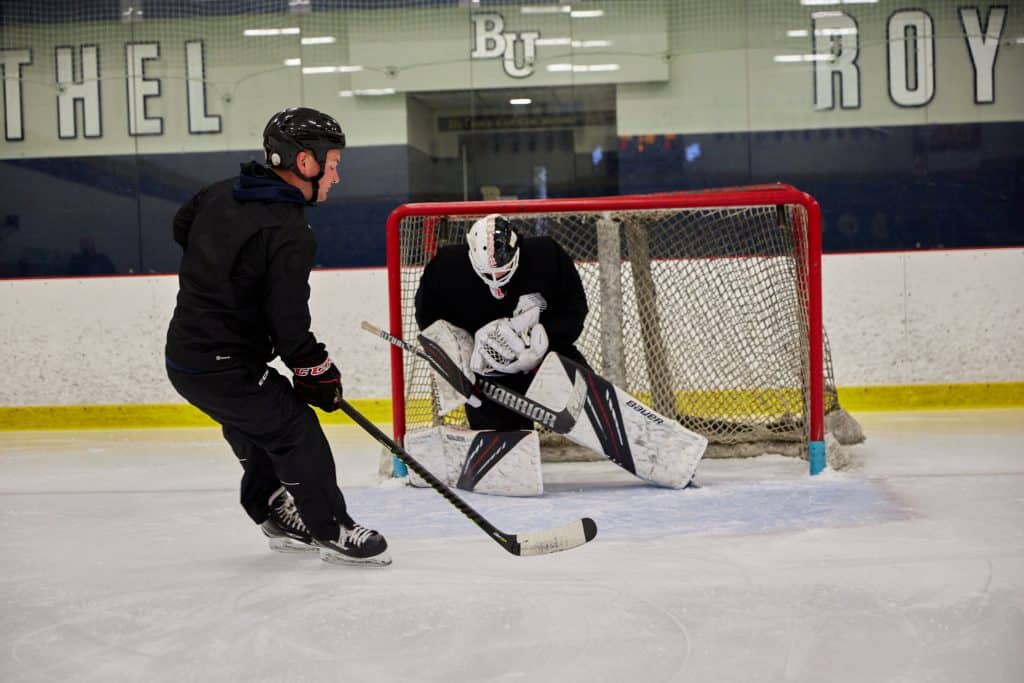
Goalie in a white mask stays square in a butterfly while a skater shifts the puck to the forehand

Blaine

Goalie Membership

Year-round goalie training at the Super Rink in Blaine.

Close-up of a MAP Hockey IQ patch on the sleeve of a blue and green jersey

Film and Game Sense

MAP Hockey IQ

Film breakdowns that show what to read before the shot comes.

Front entrance of the Super Rink building in Blaine seen across an empty parking lot

Campuses

Find Your Campus

Blaine, Plymouth, Hudson and St. Michael-Albertville.

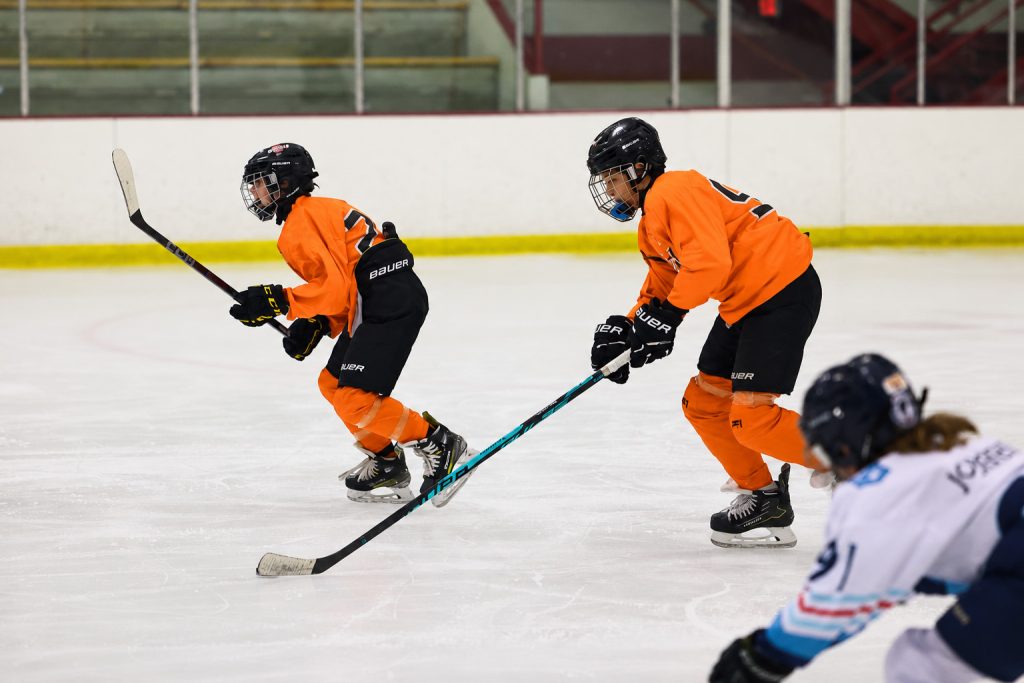
Two players in orange jerseys skating in a low ready stance during a game

Summer AAA

Falcons AAA

Summer AAA teams for players who want more hockey once the winter season ends.

Two players in black jerseys racing toward the puck along the boards near a visitor bench

Membership

FHIT Hockey Membership

Year-round development that runs alongside the summer season.

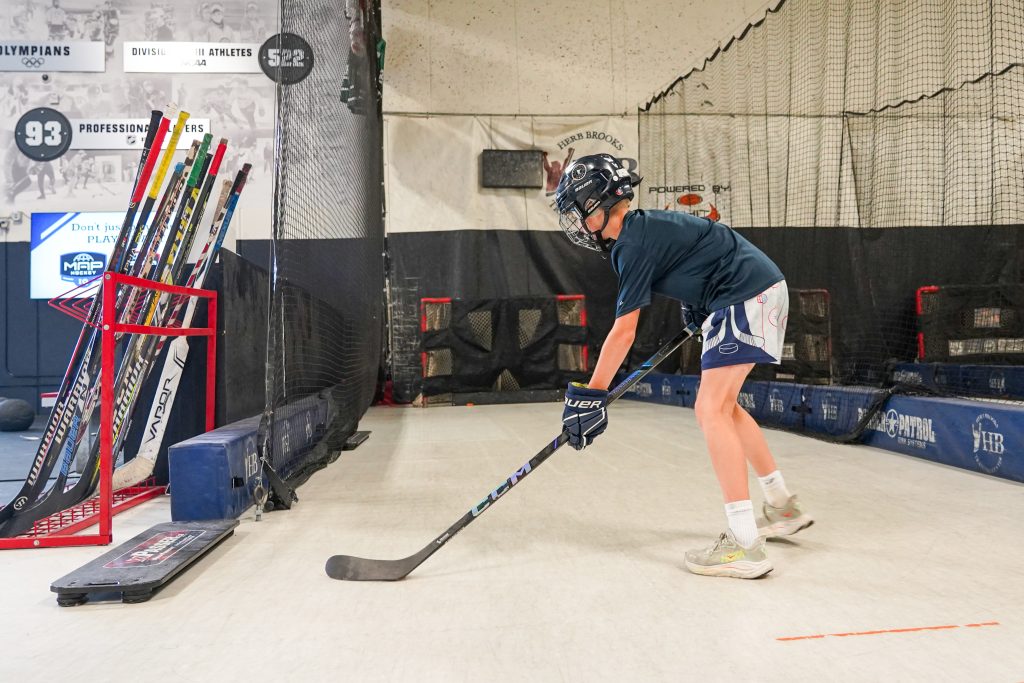
Teen in a helmet, T-shirt and shorts stickhandling on synthetic ice in a netted training room

Squirts and Peewees

FHIT Futures

Summer development for younger skaters ready for more than a weekly skate.

Front entrance of the Super Rink building in Blaine seen across an empty parking lot

Campuses

Find Your Campus

Blaine, Plymouth, Hudson and St. Michael-Albertville.

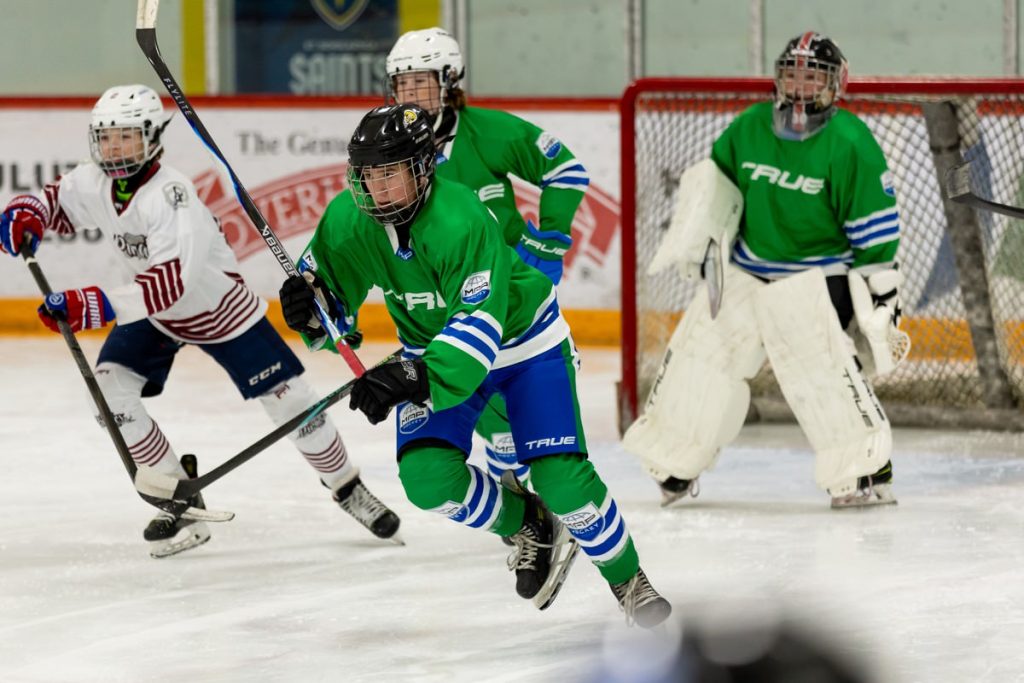
Players in green True jerseys chasing the puck against a skater in white near the net

Summer AAA

Team True AAA

Summer AAA for players who want a full season of competitive hockey.

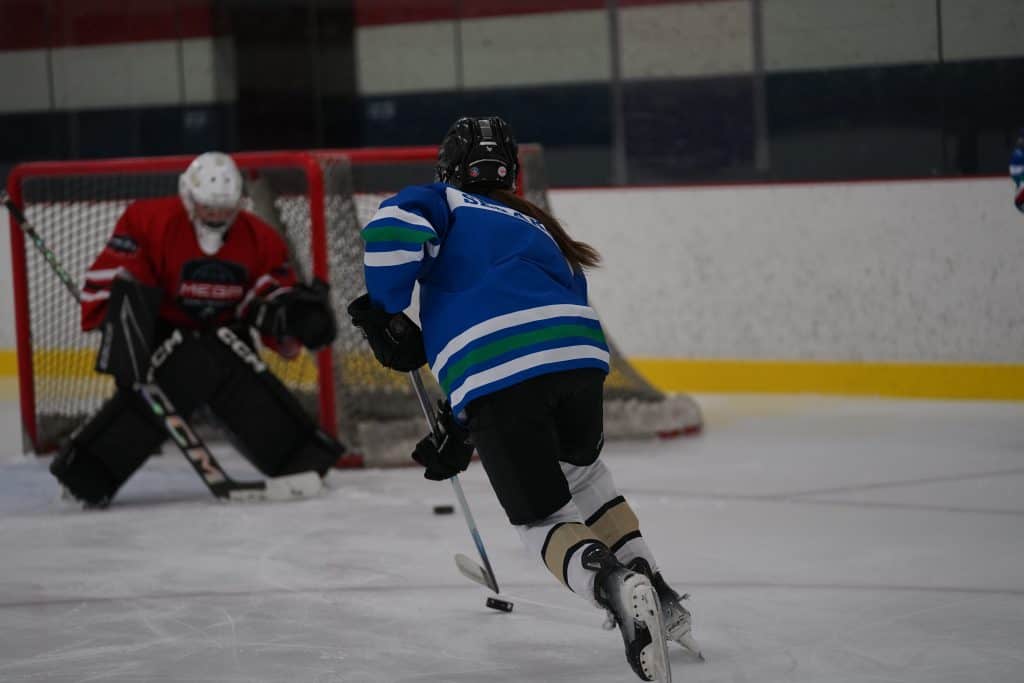
Player in a blue jersey with a ponytail skating the puck in on a goalie in red

Membership

MAP Hockey Membership

Year-round development for elite skaters, built on small groups and individual feedback.

Close-up of a gloved hand gripping a stick beside a MAP Hockey Advisors patch on a blue jersey

Recruiting

MAP Hockey Advisors

Guidance through the recruiting years from people who have walked families through it.

Front entrance of the Super Rink building in Blaine seen across an empty parking lot

Campuses

Find Your Campus

Blaine, Plymouth, Hudson and St. Michael-Albertville.